Top 20 Natural Monuments around Mitchel Troy
Best natural monuments around Mitchel Troy are found within a picturesque rural landscape in Monmouthshire, Wales. The area features a collection of natural attractions, including expansive views, diverse woodlands, and unique geological formations. These features are primarily accessible through a network of walking trails, offering opportunities to explore unspoiled landscapes and diverse ecosystems.
Best natural monuments around Mitchel Troy
- The most popular natural monuments is Skirrid Fawr summit, a climb that offers a good stiff ascent from any direction.…
Last updated: November 14, 2026
Skirrid Fawr summit
Highlight • Climb
Tip by

King Arthur's Cave
Highlight • Cave
Tip by

Sign up now to discover places like this
Get recommendations on the best single tracks, peaks, & plenty of other exciting outdoor places.
River Wye
Highlight • Natural Monument
Tip by
Puzzlewood
Highlight (Segment) • Natural Monument
Tip by

Slade Brook Travertine Dams
Highlight • Natural Monument
Tip by

Sign up for free to discover even more natural monuments around Mitchel Troy.
Already have an account?
Start today with a free account
Your next adventure awaits.
Tips from the Community

Easy accent if climbing from the side of the national trust carpark. For a more challenging climb, accend from the opposite side.
0
0

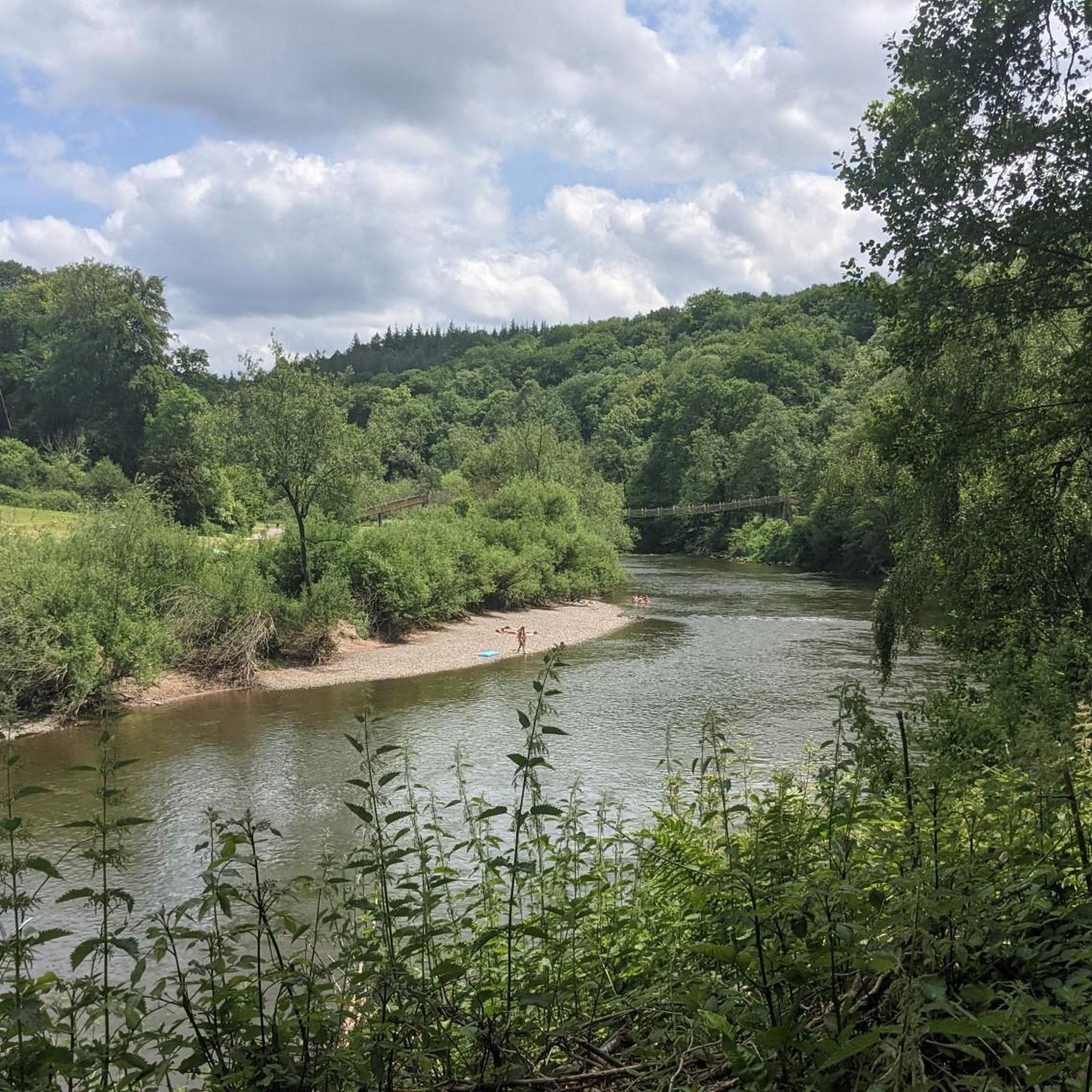
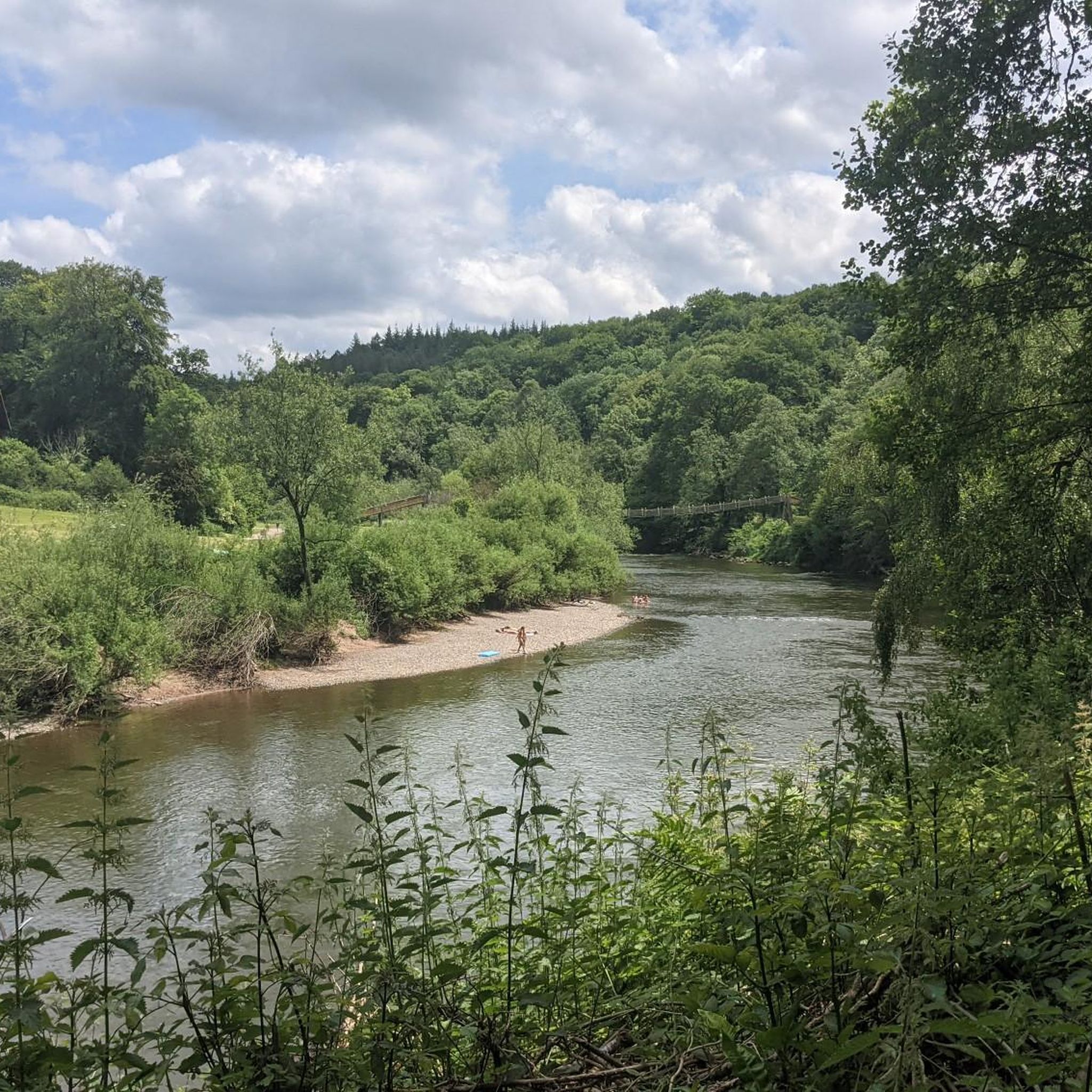
The Wye was voted the nation’s favourite river in 2010. It starts not far from my home town in Brecon in mid-Wales and trundles south for some 150 miles before meeting the Severn. I have forgotten how many times I have cycled it, run it and kayaked it. Simply my favourite place on earth!
0
0

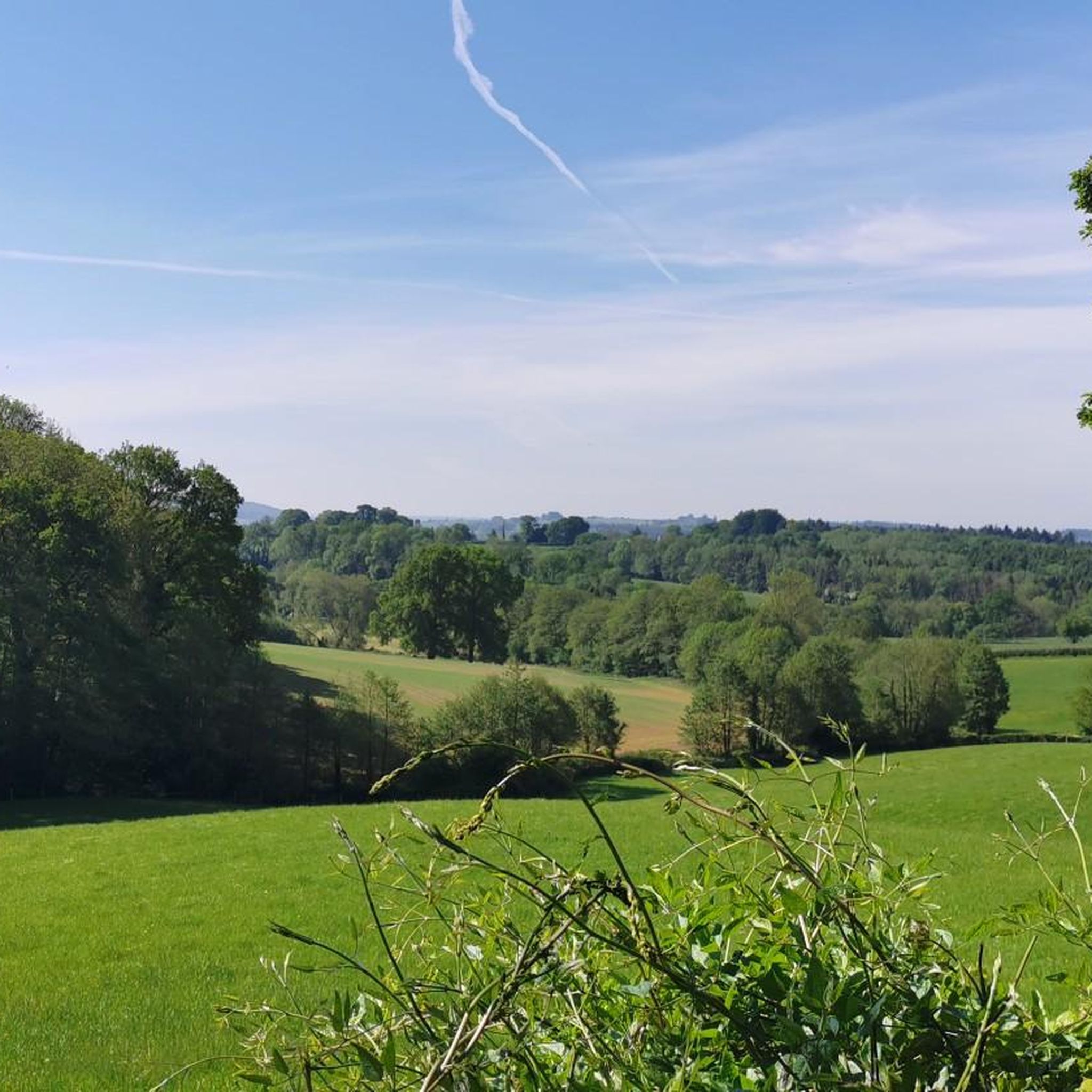
This summit with beautiful views over the Black Mountains on the border between Wales and England, felt like the real start of the Beacon Way.
0
0

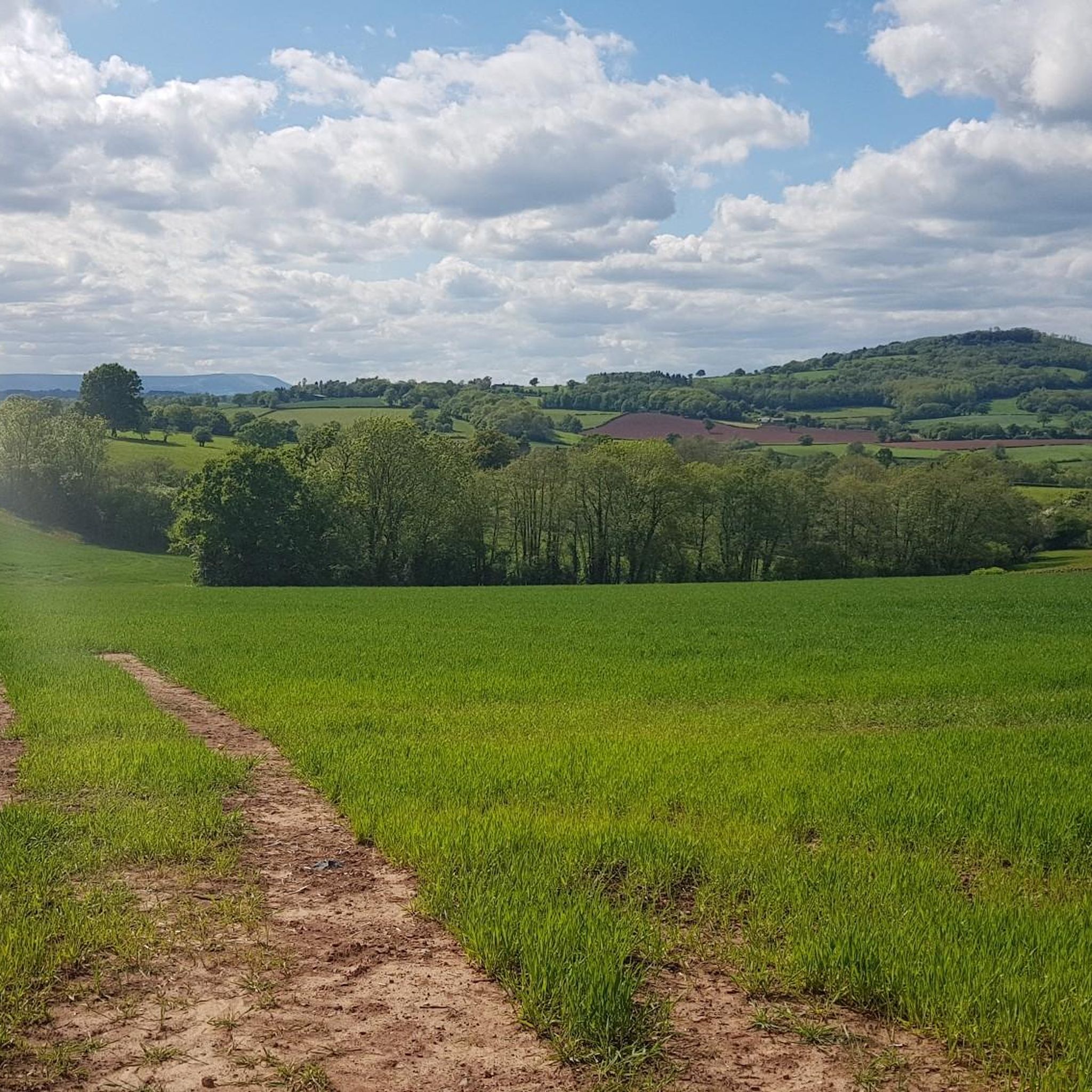
Skirrid (Ysgyryd) Fawr is an outlier of the Bannau Brycheiniog (Brecon Beacons), set within the Black Mountains on the eastern edge of the National Park. The obvious route from the car park makes a great run, heading to the south up the beautiful main ridge. You can drop off the steep side to loop around the mountain, or turn round and speed back down the ridge. The summit at the northern end of the ridge has a trig point standing at 1,595 feet (486 m). The intriguing remnants of both an Iron Age hill fort and mediæval chapel are quite obvious here. Skirrid is also the first (or last) peak on the Beacons Way and the Abergavenny Three Peaks loop.
0
0

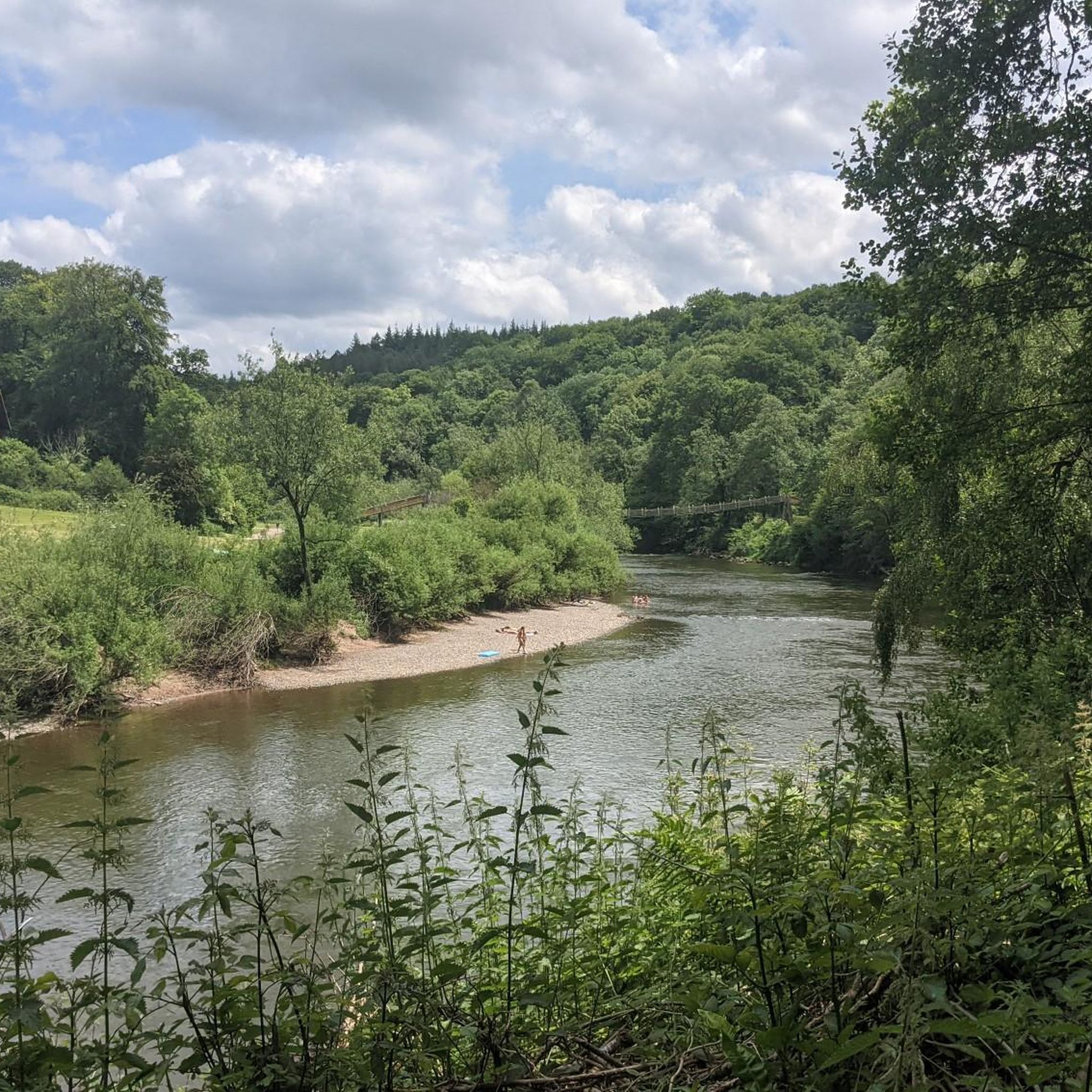
The fourth-longest river in the UK, the Wye stretches 155 miles (250 km) from its source on Plynlimon in the Cambrian mountains to the Severn estuary. For much of its length, the Wye marks the border between England and Wales, with the lower section being designated an AONB. The Wye is important for nature conservation and recreation, but, particularly in recent years, is severely affected by pollution.
0
1
This pretty, wooded area with its network of small caves - the result of former quarrying - is a nature reserve with a rich variety of flora and fauna. Horseshoe bats and rare invertebrates such as the cave spider and hibernating herald moths make their homes within the caves.
0
0

Puzzlewood (grid reference SO578092) is an ancient woodland site and tourist attraction, near Coleford in the Forest of Dean, Gloucestershire, England. The site, covering 14 acres (5.7 ha), shows evidence of open-cast iron ore mining dating from the Roman period, and possibly earlier. Over a mile of pathways were laid down in the early 19th century to provide access to the woods, and provide picturesque walks. The area contains strange rock formations, secret caves and ancient trees, with a confusing maze of paths. The site is listed as a regionally important geological site in the 'Forest of Dean Local Plan Review'. The geological features on show at Puzzlewood are known as scowles. Scowles originated through the erosion of natural cave systems formed in the Carboniferous Limestone many millions of years ago. Uplift and erosion caused the cave system to become exposed at the surface. This was then exploited by Iron Age settlers through to Roman times for the extraction of iron ore. It is usually impossible to date open-cast extraction precisely, although ores with a chemical signature consistent with those from the Forest of Dean were certainly used to make tools and weapons in the late prehistoric period. Over 3,000 Roman-era coins were found by workers in 1848. The coins were stored in three earthenware jars in a cavity in the rock formations. The origin of the coins is unknown. Puzzlewood has been used as a filming location for both film and television in recent years. Notable examples include: Films Harry Potter and the Deathly Hallows – Part 1 (2010) Jack the Giant Slayer (2013) Star Wars: The Force Awakens (2015) The Huntsman: Winter's War (2016) A Midsummer Night's Dream (2016) The Secret Garden (2020) Television Doctor Who (2005-present) Merlin (2008-2012) Wizards vs Aliens (2012-2014) Tree Fu Tom (2012-2016) Atlantis (2013-2015) Da Vinci's Demons (2013-2015) Hidden Kingdoms (2014) The Dark Crystal: Age of Resistance (2019) Cursed (2020-present)
1
0

Great place for an exhilarating walk and views I walk this mountain once a week. So don't rush up this mountain from the start it gets quite steep further up and some big steps once you're at top it's well worth it.
2
0
Frequently Asked Questions
What kind of natural features can I expect to see around Mitchel Troy?
Mitchel Troy offers a diverse range of natural features, from expansive panoramic vistas over the Trothy Valley and distant mountains to unique geological formations. You'll find ancient woodlands, the scenic Trothy Valley itself, and significant natural reserves like New Grove Meadows, known for wildflowers and fungi. The area is rich in unspoiled landscapes and diverse ecosystems.
Are there any natural monuments with historical significance near Mitchel Troy?
Yes, several natural monuments in the area also hold historical importance. For instance, King Arthur's Cave is a limestone cavern with evidence of human occupation during the Upper Palaeolithic era, where flint tools and woolly mammoth bones have been unearthed. Additionally, Puzzlewood, an ancient woodland, shows evidence of open-cast iron ore mining dating from the Roman period and is known for its strange rock formations and secret caves.
What are some unique geological natural monuments to explore?
The Slade Brook Travertine Dams are a remarkable series of natural dams formed by the deposition of travertine, a porous limestone, making them possibly the best example of such structures in the country. Another interesting geological site is Craig-y-Dorth, known for its large conglomerate rock boulders and a dew pond, hinting at the region's geological past.
Where can I find the best panoramic views around Mitchel Troy?
The area around Mitchel Troy is renowned for its breathtaking views. Elevated points along local walking paths offer expansive outlooks over the Trothy Valley, the historic town of Monmouth, and distant mountain ranges like the Brecon Beacons, Sugar Loaf, and Black Mountains. Skirrid Fawr summit provides rewarding views after a stiff climb, and View of the Wye Valley from Symonds Yat Rock offers stunning vistas and is a prime location for observing peregrine falcons.
Are there family-friendly natural monuments or activities in the area?
Yes, Puzzlewood is a fantastic family-friendly option, offering a confusing maze of paths through strange rock formations and ancient trees, often used as a filming location for popular movies and TV shows. The View of the Wye Valley from Symonds Yat Rock is also family-friendly, providing stunning views and opportunities for birdwatching.
What is the best time of year to visit the natural monuments in Mitchel Troy?
The woodlands surrounding Mitchel Troy are particularly vibrant in spring, when they are carpeted with bluebells and wild daffodils, creating a spectacular display of color. This makes spring an ideal time for serene forest walks and enjoying the seasonal flora. However, the panoramic viewpoints offer stunning scenes year-round, especially on clear days.
What kind of walking and hiking trails are available near Mitchel Troy's natural monuments?
Mitchel Troy is crisscrossed by a network of walking trails that provide access to its natural attractions. You can find routes ranging from easy strolls through woodlands to more challenging climbs like the ascent to Skirrid Fawr summit. Many paths offer circular routes and lead to impressive viewpoints. For more detailed walking options, you can explore the Mitchel Troy Walks information.
What outdoor activities can I do near these natural monuments?
Beyond exploring the natural monuments themselves, the area around Mitchel Troy offers various outdoor activities. You can find numerous running trails, including routes like 'Peregrine Way Cycle Route loop from Monmouth' or 'St James' Church, Wyesham – View from Kymin loop from Monmouth'. There are also mountain biking trails, such as 'St Michael’s Church, Tintern – Cleddon Falls loop from Llandogo', and cycling routes like 'Peregrine Path to Symonds Yat – Biblins Suspension Bridge loop from Monmouth'. For more details on these activities, check out the running trails, MTB trails, and cycling routes guides for Mitchel Troy.
Are there any nature reserves or areas for wildlife spotting?
Yes, King Arthur's Cave is protected as a nature reserve under the Herefordshire Nature Trust, known for its rich variety of flora and fauna, including horseshoe bats and rare invertebrates. New Grove Meadows, though slightly further afield, is another significant natural reserve in Monmouthshire, offering spectacular views and a rich diversity of wildflowers, orchids, and various fungi. Symonds Yat Rock is also a renowned spot for birdwatching, especially for peregrine falcons, sparrowhawks, and buzzards.
What should I wear when hiking the trails around Mitchel Troy's natural monuments?
Given the varied terrain, which can include stiff climbs and potentially muddy woodland paths, it's advisable to wear sturdy hiking boots. Layered clothing is recommended to adapt to changing weather conditions, and waterproof outerwear is always a good idea, especially in Wales. For longer walks, consider bringing water and snacks.
Are there any hidden natural gems or less-known spots worth discovering?
Beyond the more prominent sites, the unmanaged woodlands around Mitchel Troy, such as those along the Mitchel Troy Loop walk and Croes Robert Wood, offer serene forest walks and are particularly beautiful during spring's bluebell and daffodil displays. Craig-y-Dorth, with its geological interest and potential historical significance, also offers a unique, perhaps less-trafficked, natural experience.
Most popular attractions around Mitchel Troy

Get inspired with the komoot mobile app


Explore more
Extend your search for the best caves by checking out these guides of the top ones around Mitchel Troy:
