Top 20 Natural Monuments around Thornton-Le-Dale
Best natural monuments around Thornton-Le-Dale are situated on the southern edge of the North York Moors National Park, offering access to diverse landscapes and geological history. The area features significant natural attractions, from expansive woodlands to unique rock formations. This region provides opportunities to explore natural environments and observe local wildlife.
Best natural monuments around Thornton-Le-Dale
- The most popular natural monuments is Hole of Horcum Bridleway, a natural monument, gorge, and viewpoint that is a 120m deep, 1.2km wide natural amphitheatre. It offers expansive views and is known for its unique geological formation.
- Another must-see spot is The Bridestones, a natural monument. These are unusually-shaped ancient sandstone rock formations which rise above heather moorland.
- Visitors also love Simon Howe Bronze Age Cairn, a historical site and viewpoint. This site features a well-preserved Bronze Age round cairn and standing stone. The spot provides 360-degree views over Goathland Moor.
- Thornton-Le-Dale is known for geological formations, woodlands, and historical sites. The area provides diverse natural features for exploration.
- The natural monuments around Thornton-Le-Dale are appreciated by the komoot community. The community has contributed 53 photos and 45 upvotes for these natural features.
Last updated: October 4, 2026
The Bridestones
Highlight • Natural
Tip by

Simon Howe Bronze Age Cairn
Highlight • Viewpoint
Tip by

Sign up now to discover places like this
Get recommendations on the best single tracks, peaks, & plenty of other exciting outdoor places.
Staindale Lake
Highlight • Lake
Tip by
Hole of Horcum Bridleway
Highlight • Natural Monument
Tip by

Blakey Topping
Highlight • Summit
There’s a way more famous Topping in the North York Moors – Roseberry Topping – but if you want something off the beaten track, this is where to come. Blakey Topping is a free-standing conical hill that no-one seems to know about, standing by itself a mile east of the spectacular Hole of Horcum. It looks great from every approach, but the best walk is from Crosscliff Brow at the top end of Dalby Forest. Climb the narrow path that’s barely been tramped into the heathery slope (the hill only opened to public access in 2000) and you’re rewarded with an immense panorama across the wild, open moors, with the giant listening station of RAF Fylingdales crowning the horizon to the north. Combine it with a walk to either the Hole of Horcum (west) or to the epic Bridestones (south) and you’ve got a day jam-packed with unexpected delights.
Nick Hallissey, Country Walking deputy editor
Tip by

Sign up for free to discover even more natural monuments around Thornton-Le-Dale.
Already have an account?
Start today with a free account
Your next adventure awaits.
Popular around Thornton-Le-Dale
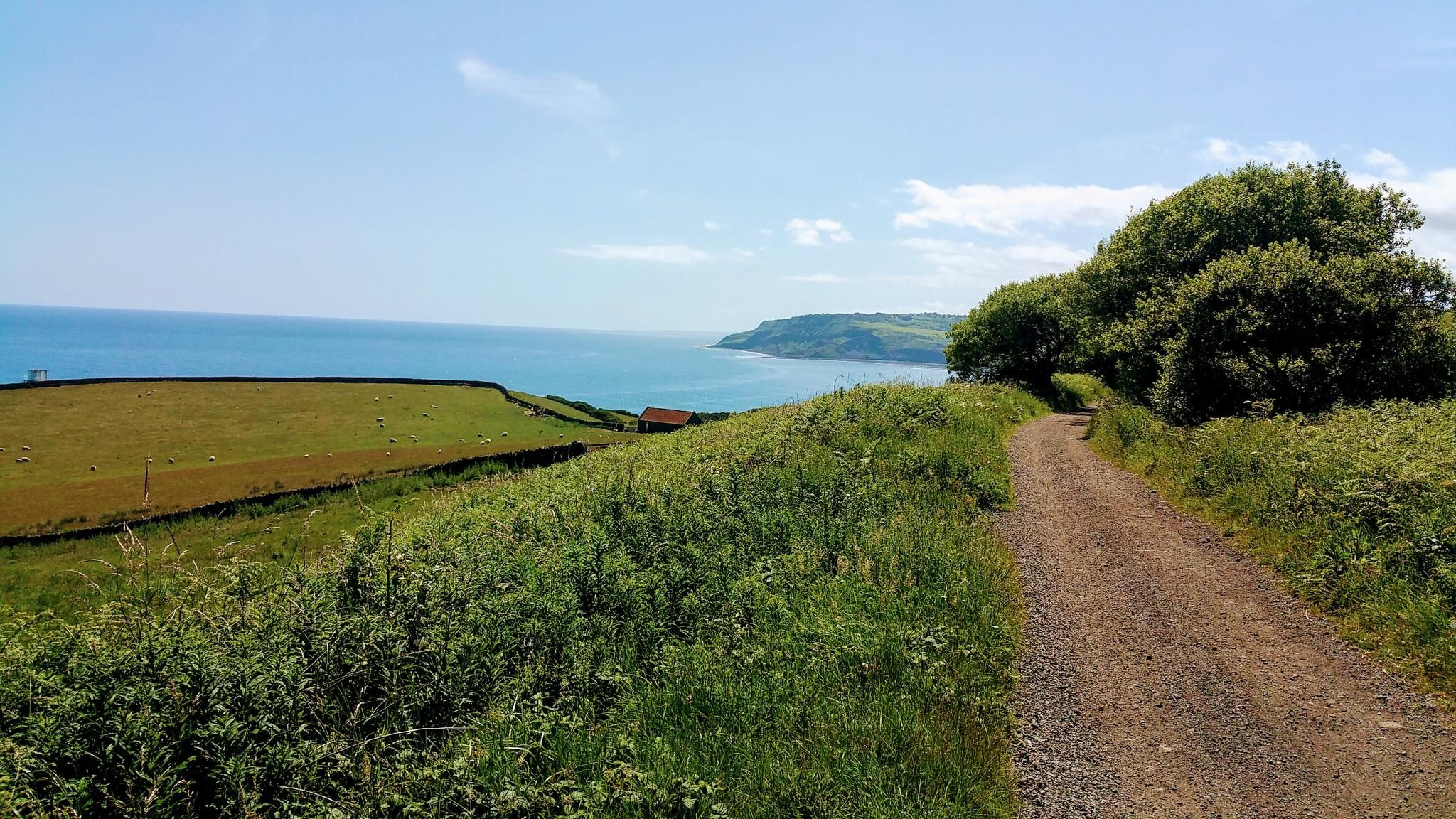
Gravel Cycling in North York Moors National Park
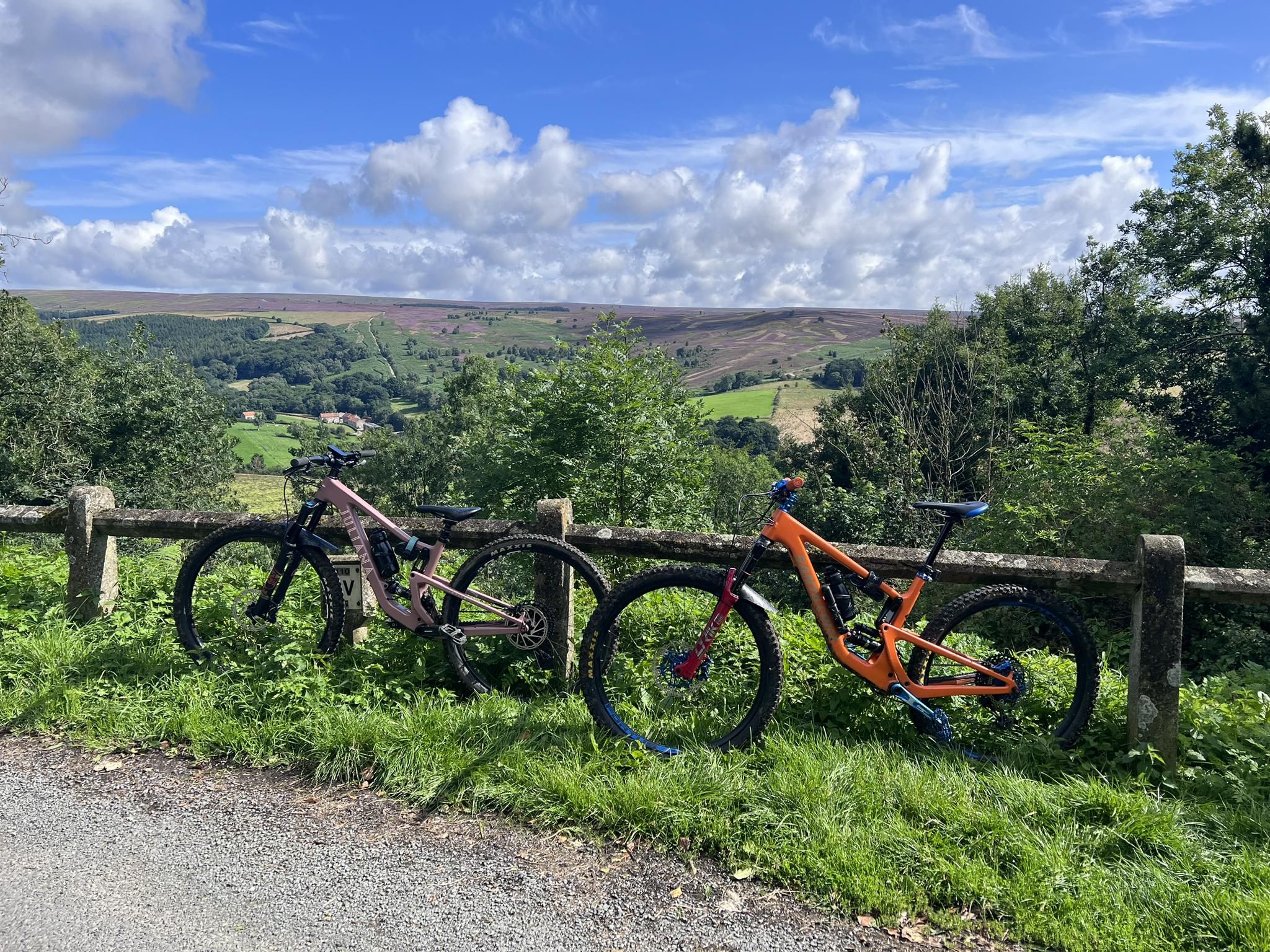
MTB Trails in the North York Moors National Park
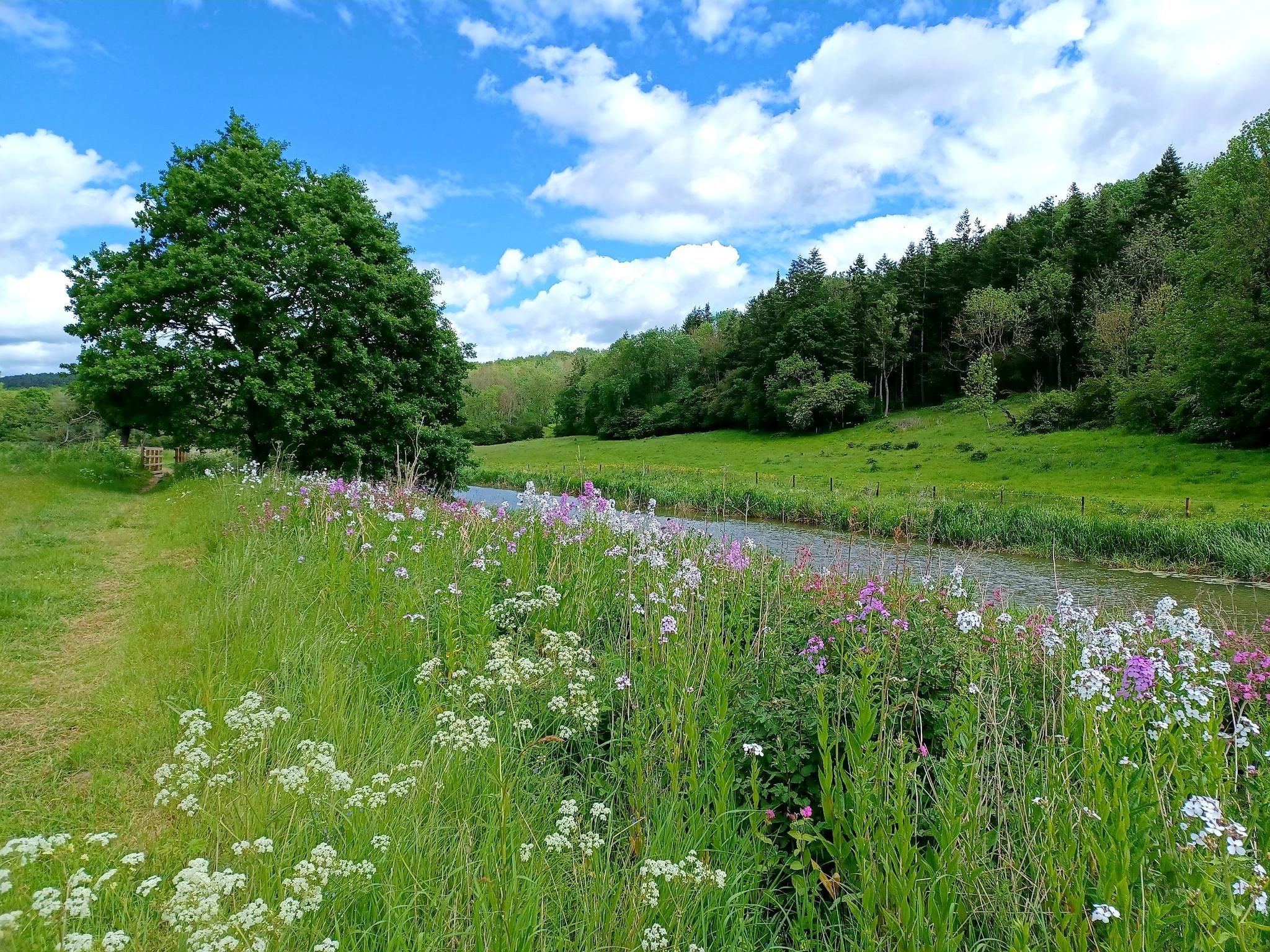
Hike 'God's Own County' – White Rose Way
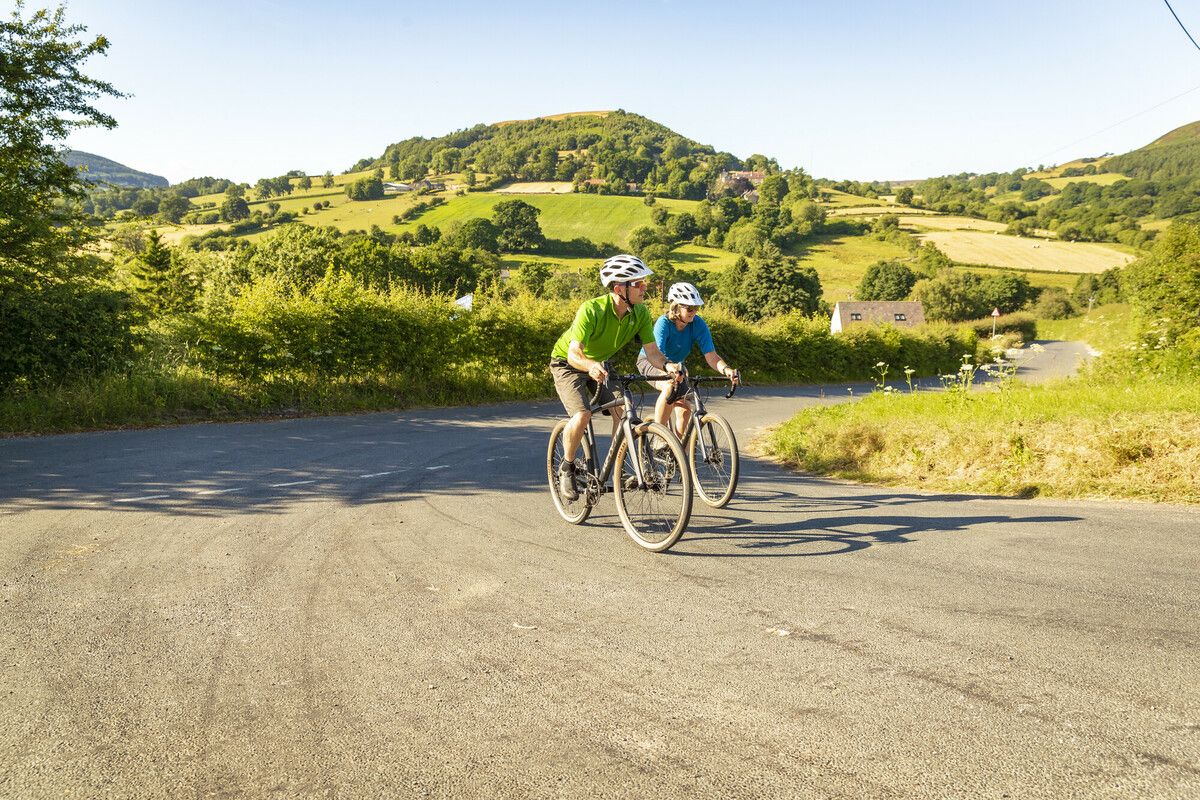
North York Moors National Park Cycle Routes
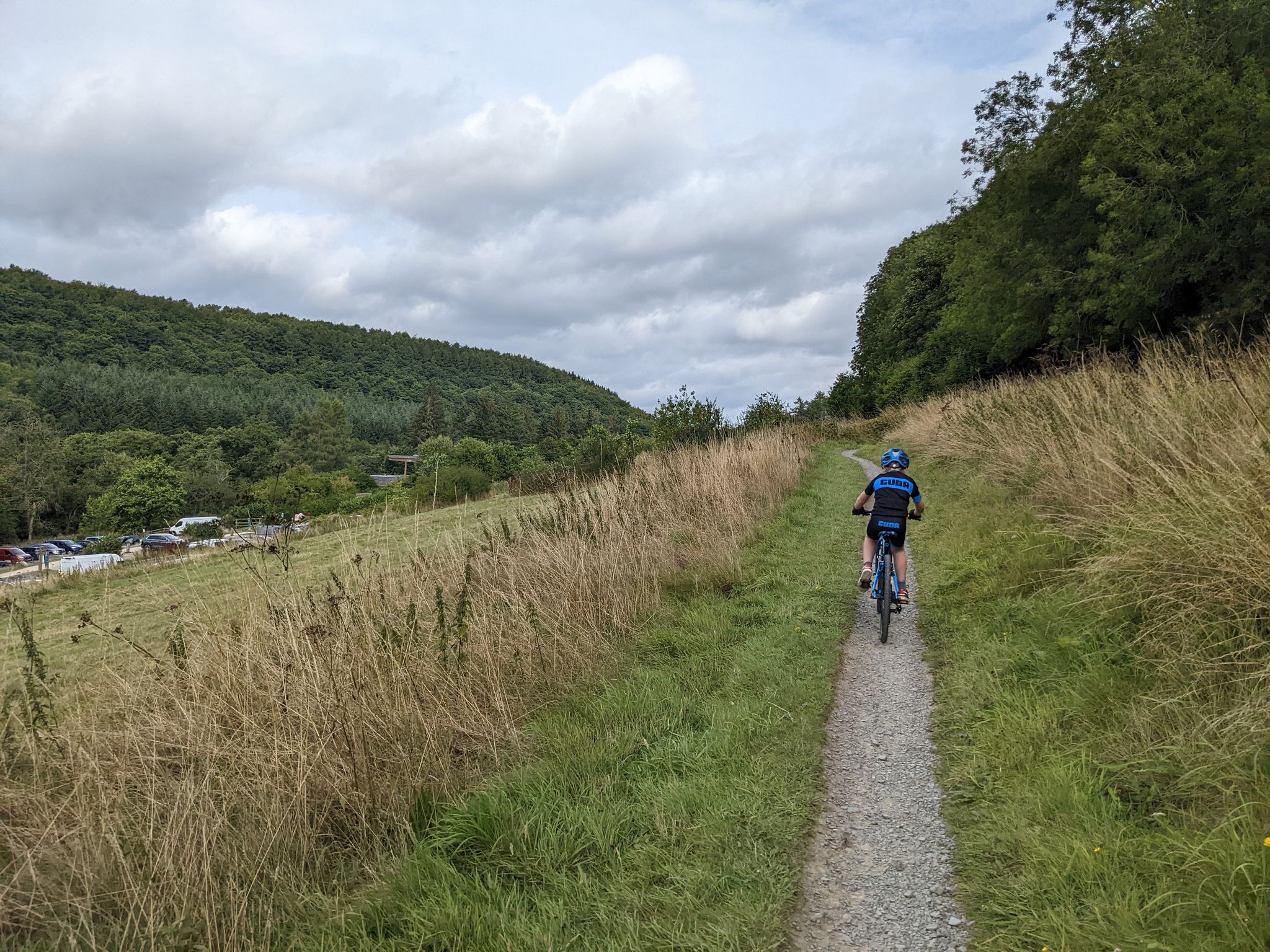
Cycling and MTB trails at Dalby Forest
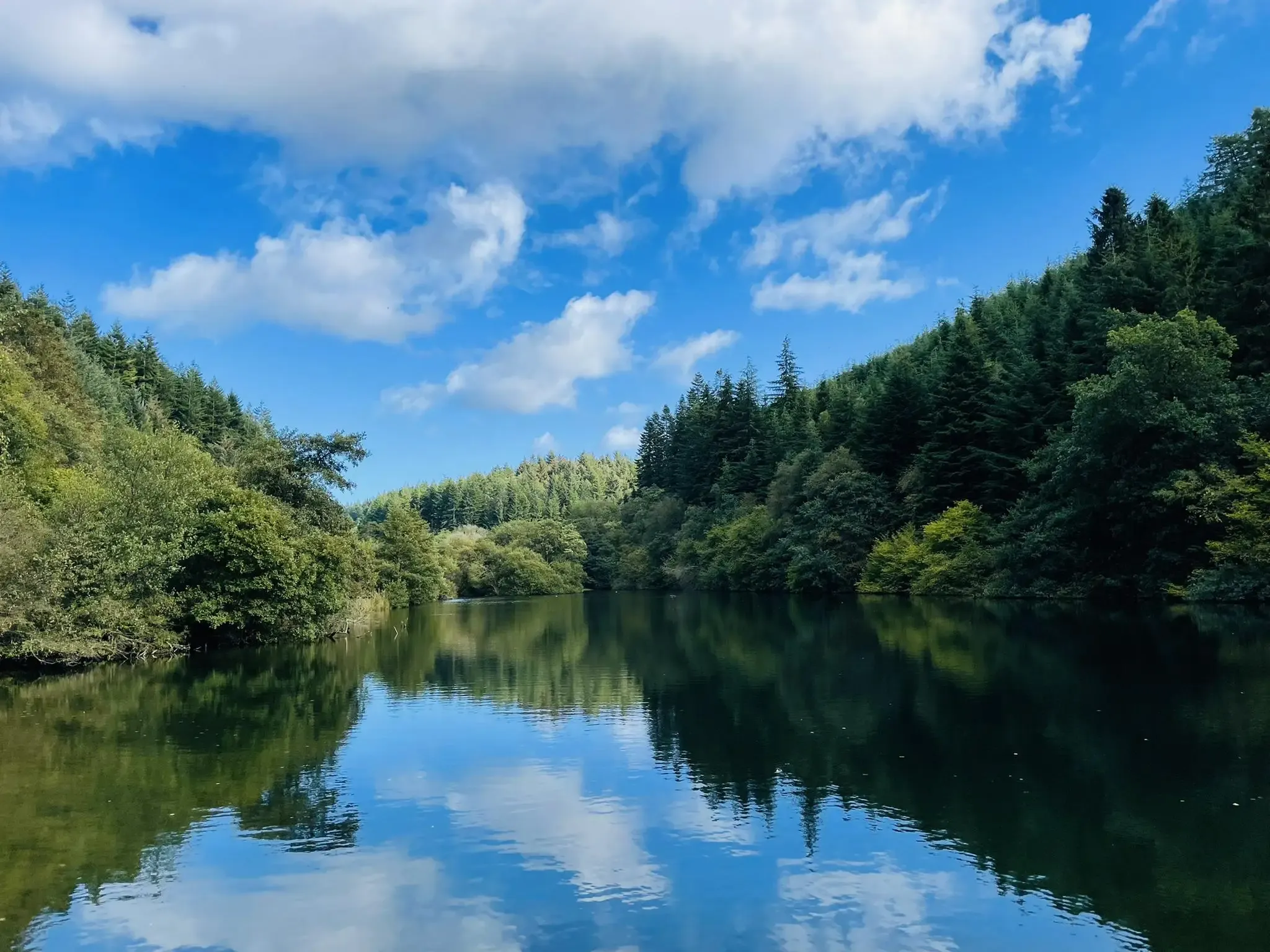
Walking and running trails at Dalby Forest
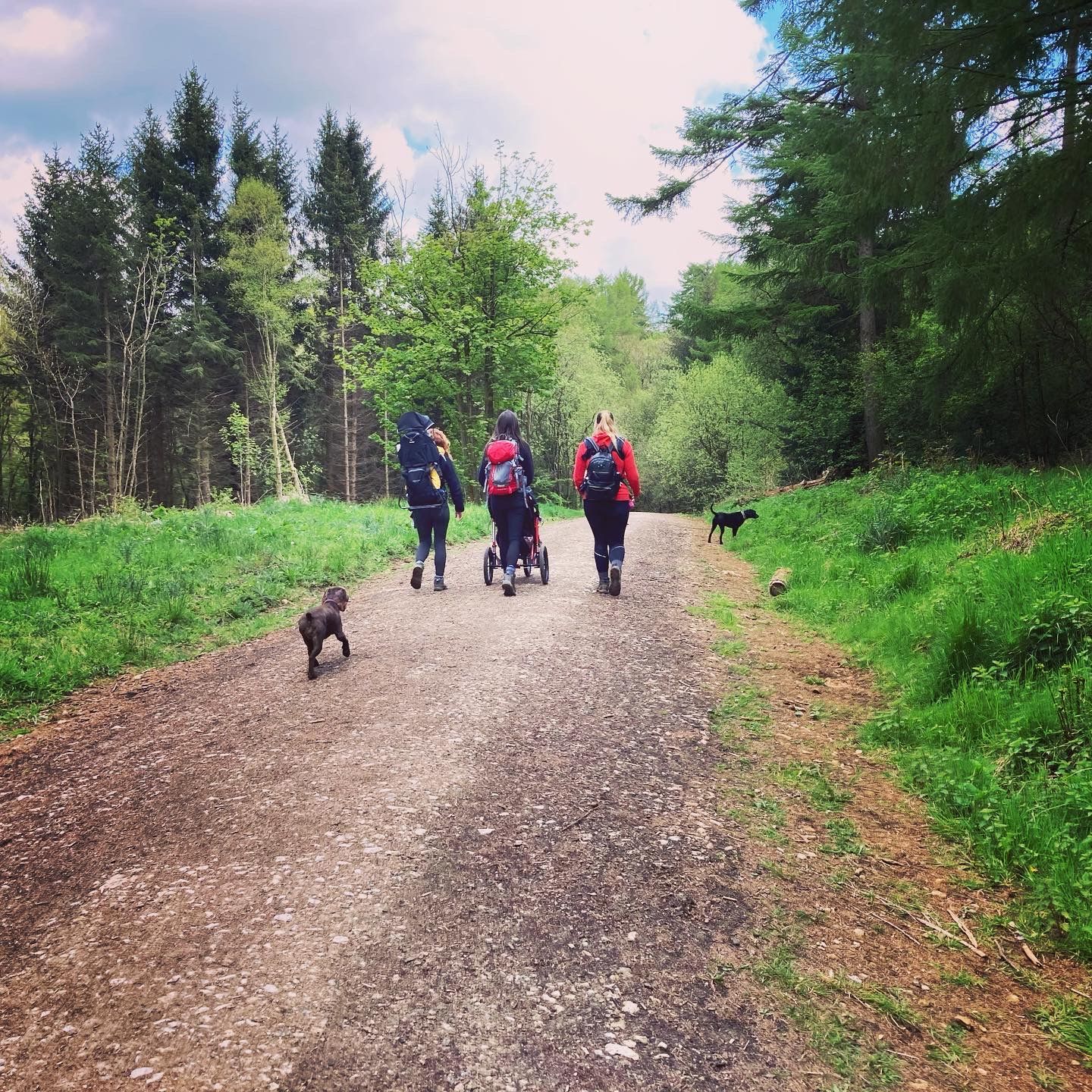
Lovely pushchair friendly walks in and around the North York Moors
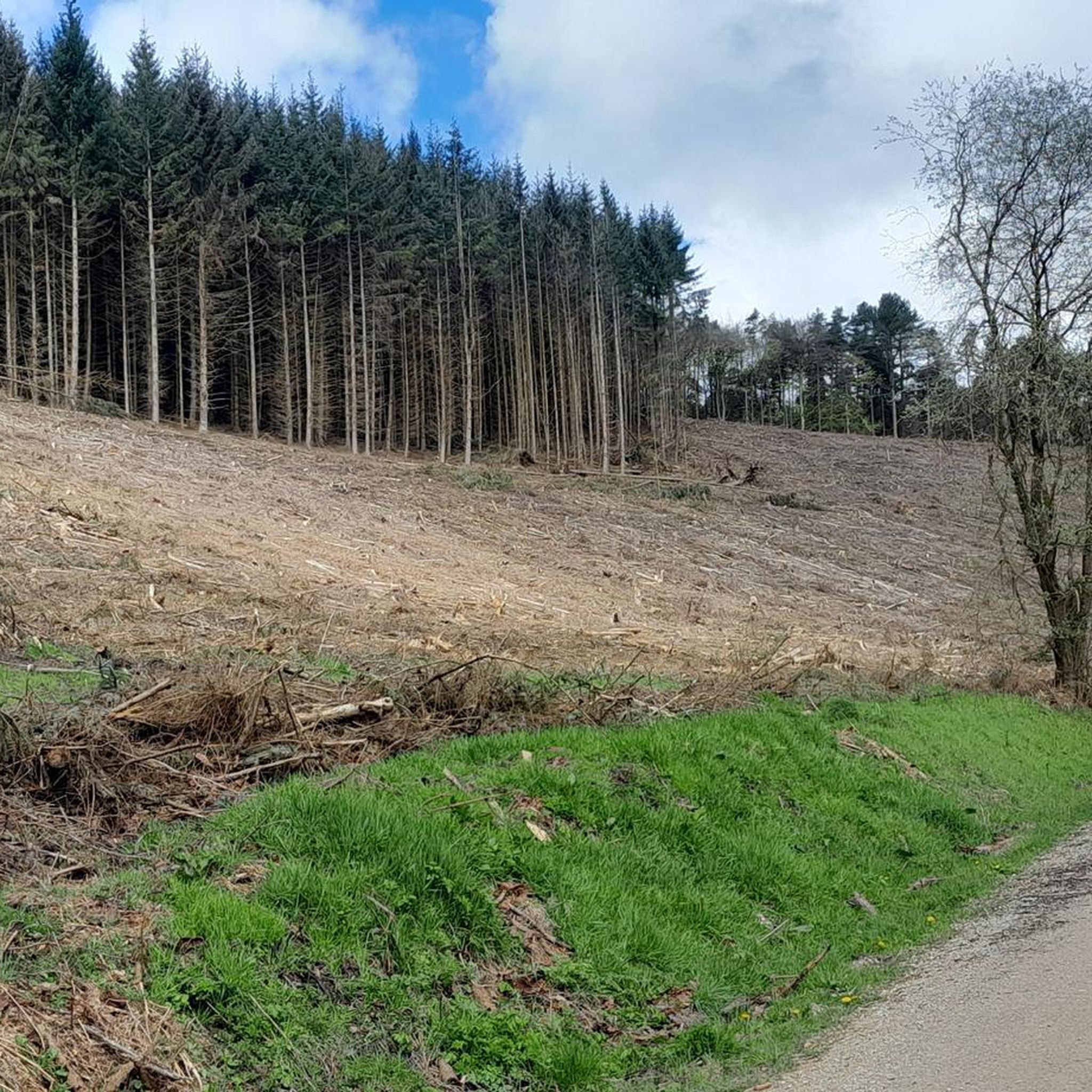
MTB Trails around Thornton-Le-Dale
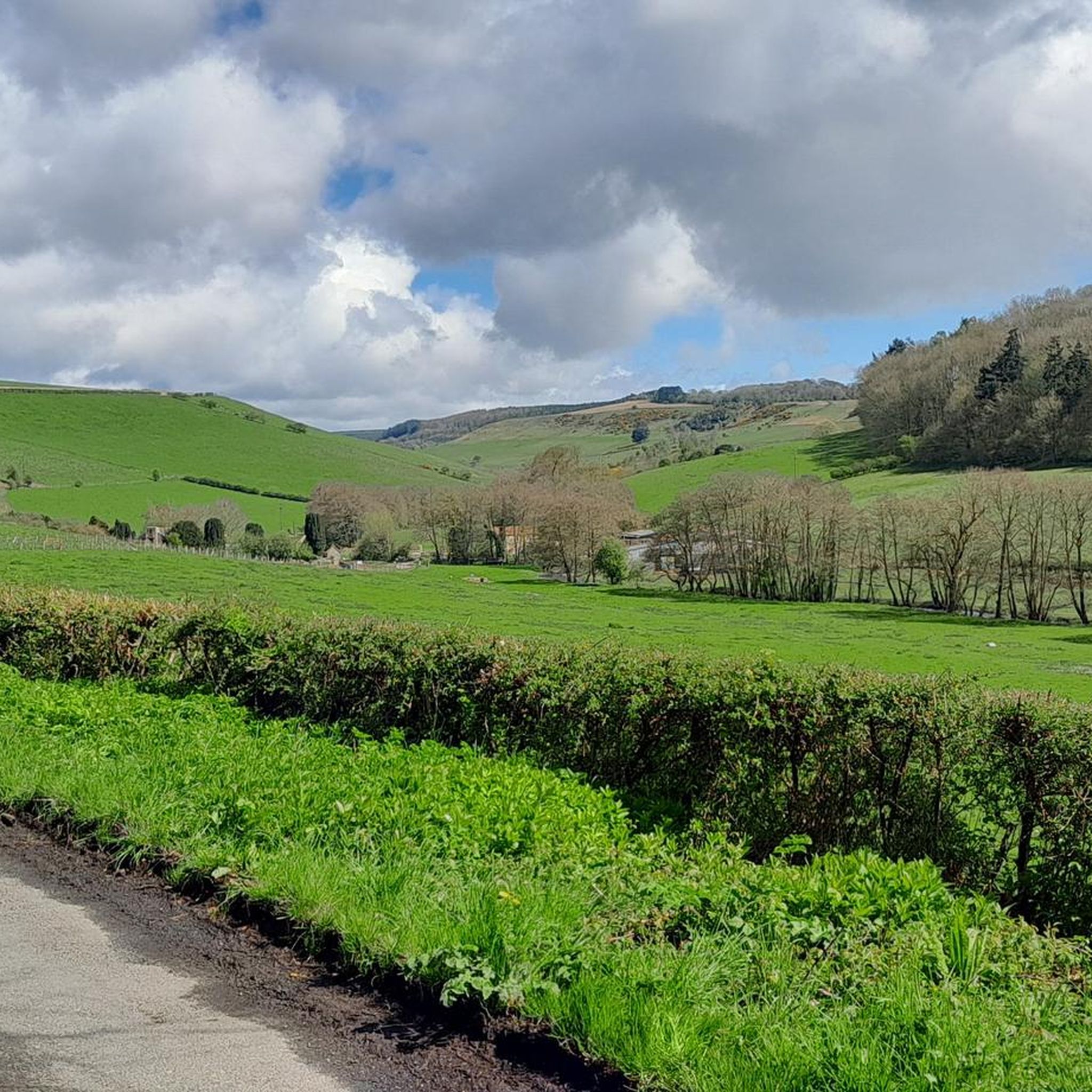
Hiking around Thornton-Le-Dale
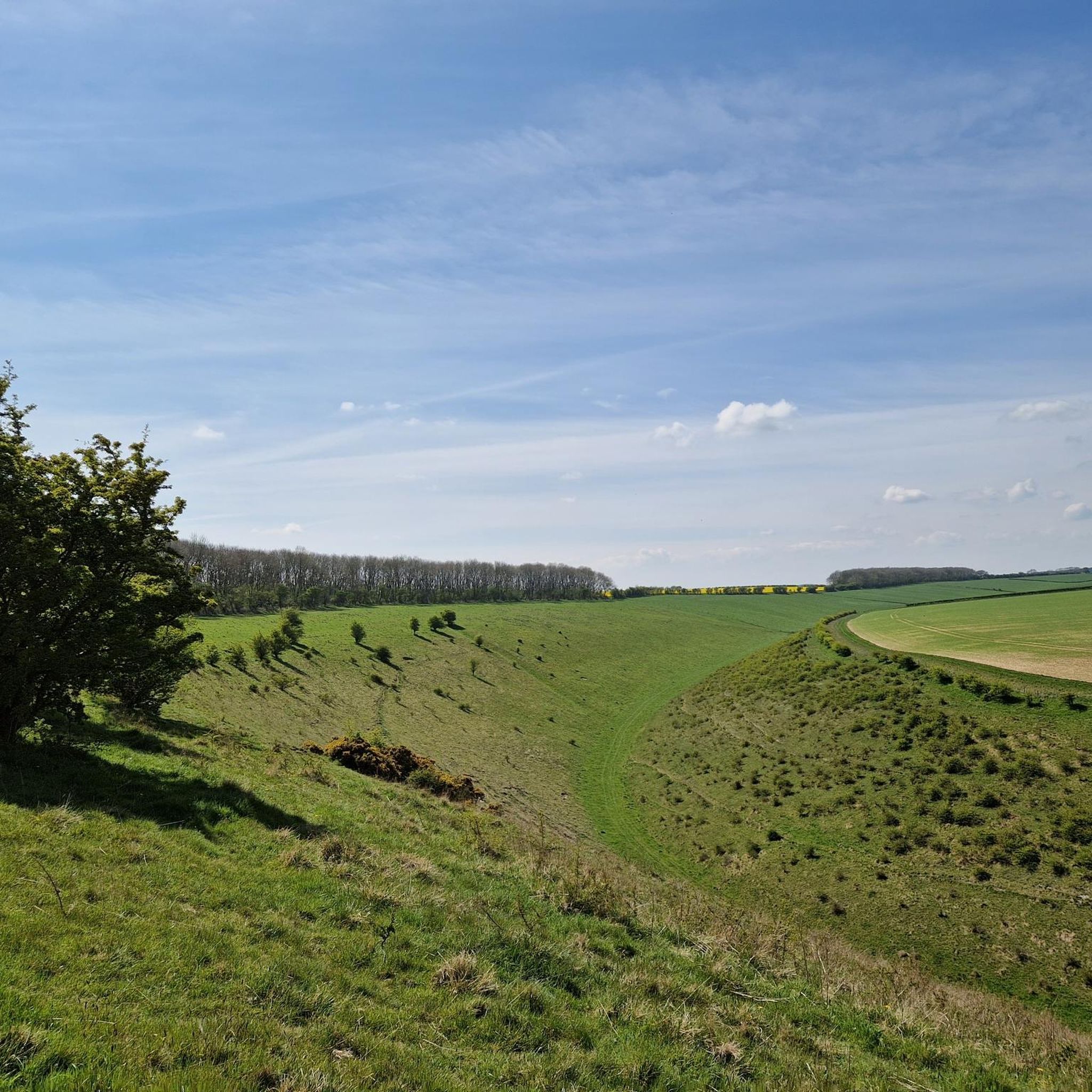
Cycling around Thornton-Le-Dale
Other adventures around Thornton-Le-Dale


Tips from the Community

Bridestones are unique rock formations located in Dalby Forest, North Yorkshire. Originally formed by movement of glaciers during the last Ice Age, the sandstone formations date back 150 million years ago.
0
0

The Bridestones are the remnants of a sandstone cap, deposited during the Jurassic period, some 150 million years ago. The formations consist of alternating layers of hard sandstone and softer calcareous layers. Erosion by wind, frost, and rain over millennia has created the unique and bizarre shapes seen today. The term "Bridestones" may have originated from the Old Norse words "brink-stones" or "edge stones" The Bridestones are steeped in folklore and legend, connecting them to ancient cultures and mythical beings. Some legends suggest the Bridestones were ancient meeting places for Druids, while others tell tales of giants who once roamed the moors. One legend speaks of a young couple who eloped and found shelter among the rocks, whose love caused the stones to form a protective arch. Another story tells of Nan Moor and Jack Stone, guardians of the stones, who lived in a rock house and were possibly married there. The Bridestones are sometimes associated with the Celtic goddess Brigantia.
0
0
Fantastic 360 degree views and a variety of routeing options. I can't comment on the track west to Wheeldale Lodge or the bridleway south along Simon Howe Rigg to Cropton Forest, but both the bridleway north to Goathland, and the track east to Fen Bog Nature Reserve and the A169 are good quality tracks over easy terrain. The track east to Fen Bog is still quite waterlogged and boggy in some places even in July, but it is quite easy to skirt around these over the heather.
1
0

A scheduled monument, Simon Howe is a large round cairn on Goathland Moor that offers great views of the North York Moors National Park.
0
0

A very obvious place to stop; you won't need me to tell you that, as you will see the lake from the Dalby Forest Drive road, and you will want to immediately make a stop and look at it! Staindale Lake has a car park area, so it's easy to leave your bike here and have a look at the beautiful waters of the lake and spot some of the wildlife around here.
0
0
At Simon Howe (260 m), you will see a cairn and a ring of stones, but what they used to be and for what purpose is apparently 'shrouded by the mist of time' as they used to phrase it in my favourite sci-fi series! In the summer, you will be surrounded by a sea of purple heather. There are some stones here on which it will be possible to rest your running feet for awhile.
1
0
A lovely little lake, with a useful car park right next to it. Right in the middle of Dalby Forest, of course, with all its tracks to run on, and Bridestones Nature Reserve is close by as well.
1
0
This is one beautiful lake, and easily accessible as a car park "sits on it" beside the blue surface of the lake's water (on a sunny day). Lots of wildlife around the lake to spot (and listen to!)
1
0
Frequently Asked Questions
What are some unique geological features to explore near Thornton-le-Dale?
The area boasts several distinctive geological formations. The Bridestones are unusually-shaped ancient sandstone rock formations rising above heather moorland, designated as a nature reserve. Another significant feature is the Hole of Horcum Bridleway, a 120m deep, 1.2km wide natural amphitheatre formed by spring sapping, offering expansive views.
Are there family-friendly natural monuments around Thornton-le-Dale?
Yes, several natural monuments are great for families. Staindale Lake in Dalby Forest is easily accessible with a car park right beside it, offering wildlife spotting opportunities. The Bridestones are also noted as great fun for active children to climb on. Within Thornton-le-Dale village, the Thornton Beck and Village Pond feature a nature trail with display boards and wooden carvings, encouraging nature spotting among children.
What kind of landscapes can I expect to see in the natural monuments around Thornton-le-Dale?
You can expect a diverse range of landscapes. These include the dramatic open moorlands and deep valleys of the North York Moors National Park, expansive woodlands like Dalby Forest, and unique geological formations such as the sandstone outcrops of The Bridestones. You'll also find serene lakes like Staindale Lake and picturesque village settings with meandering becks.
Are there natural monuments suitable for dog walks?
Many natural areas around Thornton-le-Dale are suitable for dog walks, especially within Dalby Forest and the wider North York Moors National Park. The trails around Staindale Lake and The Bridestones are popular for walks and offer plenty of space for dogs, though always ensure dogs are kept under control, especially near livestock or wildlife.
What historical sites are integrated with the natural monuments?
The region blends natural beauty with historical significance. Simon Howe Bronze Age Cairn is a well-preserved Bronze Age round cairn and standing stone offering 360-degree views. Rhumbard Snout includes remains of a prehistoric field system, a medieval artificial rabbit warren, and post-medieval mining test pits. Dundale Griff also features historical traces, including remnants of a medieval monastic sheep farm.
What outdoor activities can I do near these natural monuments?
The area offers a wide range of outdoor activities. Dalby Forest is excellent for traffic-free walks and bike rides. You can explore various cycling routes, from easy to difficult, such as the Ellerburn GREEN Trail or the Moor to Sea Cycle Network. Running trails like the Low Dalby Park Run or longer loops around The Bridestones are also popular. For more details on routes, you can explore the Cycling around Thornton-Le-Dale, Running Trails around Thornton-Le-Dale, and Gravel biking around Thornton-le-Dale guides.
What is the best season to explore the natural monuments?
The natural monuments around Thornton-le-Dale offer beauty throughout the year. Spring brings new growth and wildflowers, while summer is ideal for long walks and enjoying the heather moorlands. Autumn showcases vibrant foliage, particularly in Dalby Forest. Even in winter, the landscapes can be dramatic, though some trails might be more challenging due to weather conditions. The purple heather on Goathland Moor, near Simon Howe Bronze Age Cairn, is particularly stunning in summer.
What are the parking options for natural monuments near Thornton-le-Dale?
Parking is generally available at key natural monument locations. For instance, Staindale Lake has a car park directly beside it, making it easily accessible. Dalby Forest also has various parking areas throughout its expanse. When planning your visit, it's advisable to check specific locations for designated parking facilities.
Can I spot wildlife at the natural monuments?
Yes, the natural monuments and surrounding areas are rich in wildlife. Dalby Forest is home to diverse wildlife and wildflowers. Around Staindale Lake, you can spot and listen to various aquatic life. Dundale Pond is notable for its resident herd of Highland Cows, with small calves often visible in early summer. The North York Moors National Park is a prime location for observing wildlife, from roe deer to various bird species.
Are there any accessible natural features for visitors with limited mobility?
Within Thornton-le-Dale village, the Thornton Beck and Village Pond area offers a relatively flat and accessible nature trail. Staindale Lake also provides easy access with a car park right next to the water, allowing visitors to enjoy the views and wildlife without extensive walking. For other areas, it's recommended to check specific trail conditions, as many natural monuments involve uneven terrain.
What do visitors enjoy the most about the natural monuments around Thornton-le-Dale?
Visitors frequently appreciate the serene atmosphere and stunning views. The unique geological formations like The Bridestones are enjoyed for their distinctiveness and opportunities for active exploration, especially for children. The expansive views from spots like Hole of Horcum Bridleway and Simon Howe Bronze Age Cairn are highly valued, as is the sense of peace found in these natural settings.
Are there any hidden gems among the natural monuments?
While many sites are well-known, Dundale Griff and Dundale Pond, located near Dalby Forest, offer a delightful narrow side valley leading to Levisham Beck. This area combines natural beauty with historical intrigue and is home to a resident herd of Highland Cows, providing a charming and slightly less frequented experience.
Most popular routes around Thornton-Le-Dale
Most popular attractions around Thornton-Le-Dale

Get inspired with the komoot mobile app


Explore more
Extend your search for the best caves by checking out these guides of the top ones around Thornton-Le-Dale:
