The best hikes from bus stations around Thornton-Le-Dale
4.6
(212)
2,152
hikers
6
hikes
Bus station hiking trails around Thornton-Le-Dale offer access to the southern edge of the North York Moors National Park. The region is characterized by diverse landscapes, including the expansive woodlands of Dalby Forest, the tranquil Ellerburn Valley with its beck-side footpaths, and the meandering Thornton Beck through the village. Hikers can explore varied terrain ranging from open moorland to dense forests and unique sandstone rock formations like The Bridestones.
Best bus station hiking trails around Thornton-Le-Dale
- The most popular bus…
Last updated: July 20, 2026
5.0
(5)
37
hikers
Moderate hike. Good fitness required. Easily-accessible paths. Suitable for all skill levels.
4.5
(2)
23
hikers
15.8km
04:12
170m
170m
Moderate hike. Good fitness required. Easily-accessible paths. Suitable for all skill levels.

Sign up for free
10
hikers
Easy hike. Great for any fitness level. Easily-accessible paths. Suitable for all skill levels.
5
hikers
Hard hike. Very good fitness required. Easily-accessible paths. Suitable for all skill levels.
4
hikers
Easy hike. Great for any fitness level. Easily-accessible paths. Suitable for all skill levels.
Our route recommendations are based on thousands of hikes, rides, and runs completed by other people on komoot.
Start today with a free account
Your next adventure awaits.
Login or Signup
Popular around Thornton-Le-Dale
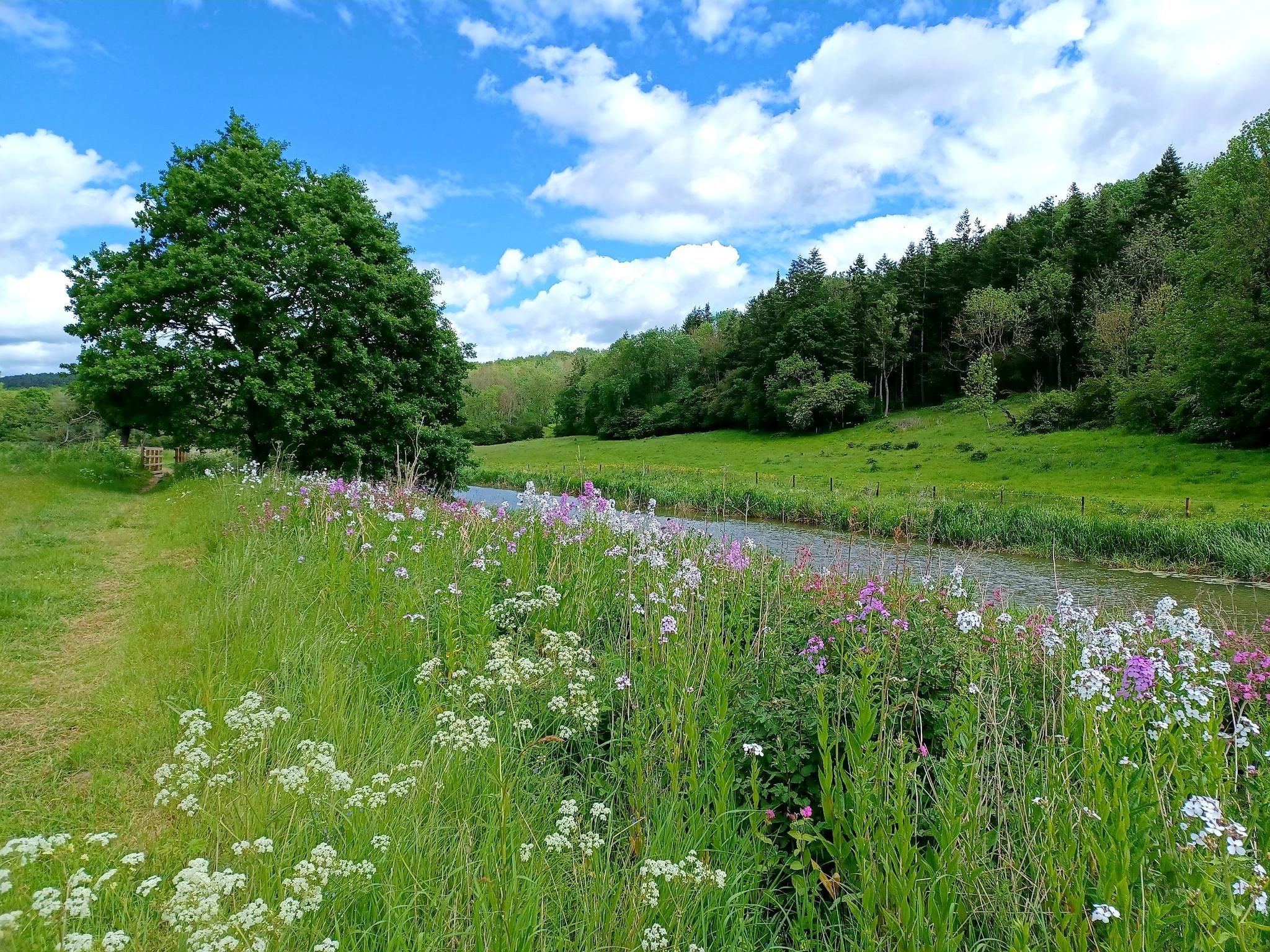
Hike 'God's Own County' – White Rose Way
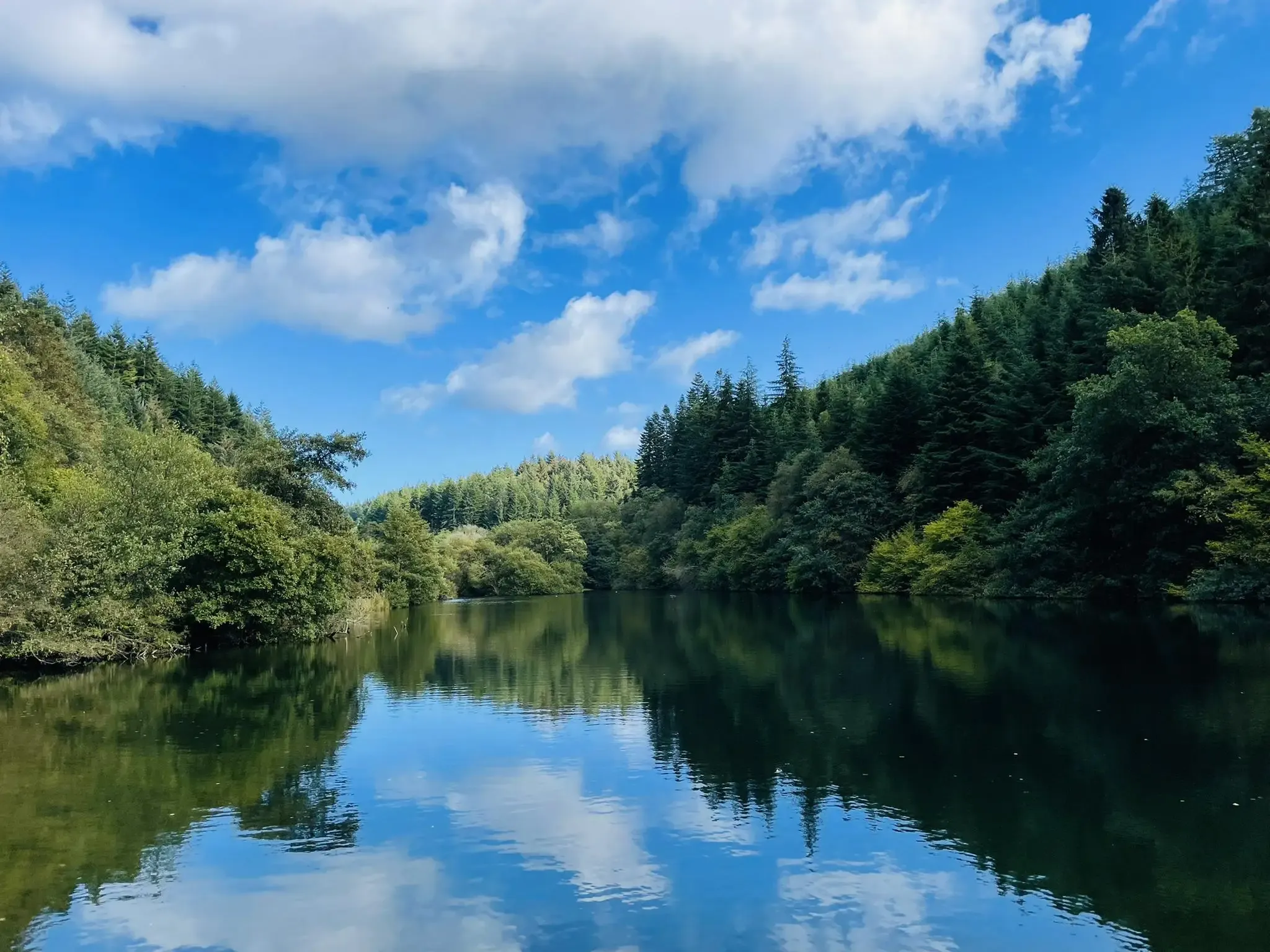
Walking and running trails at Dalby Forest
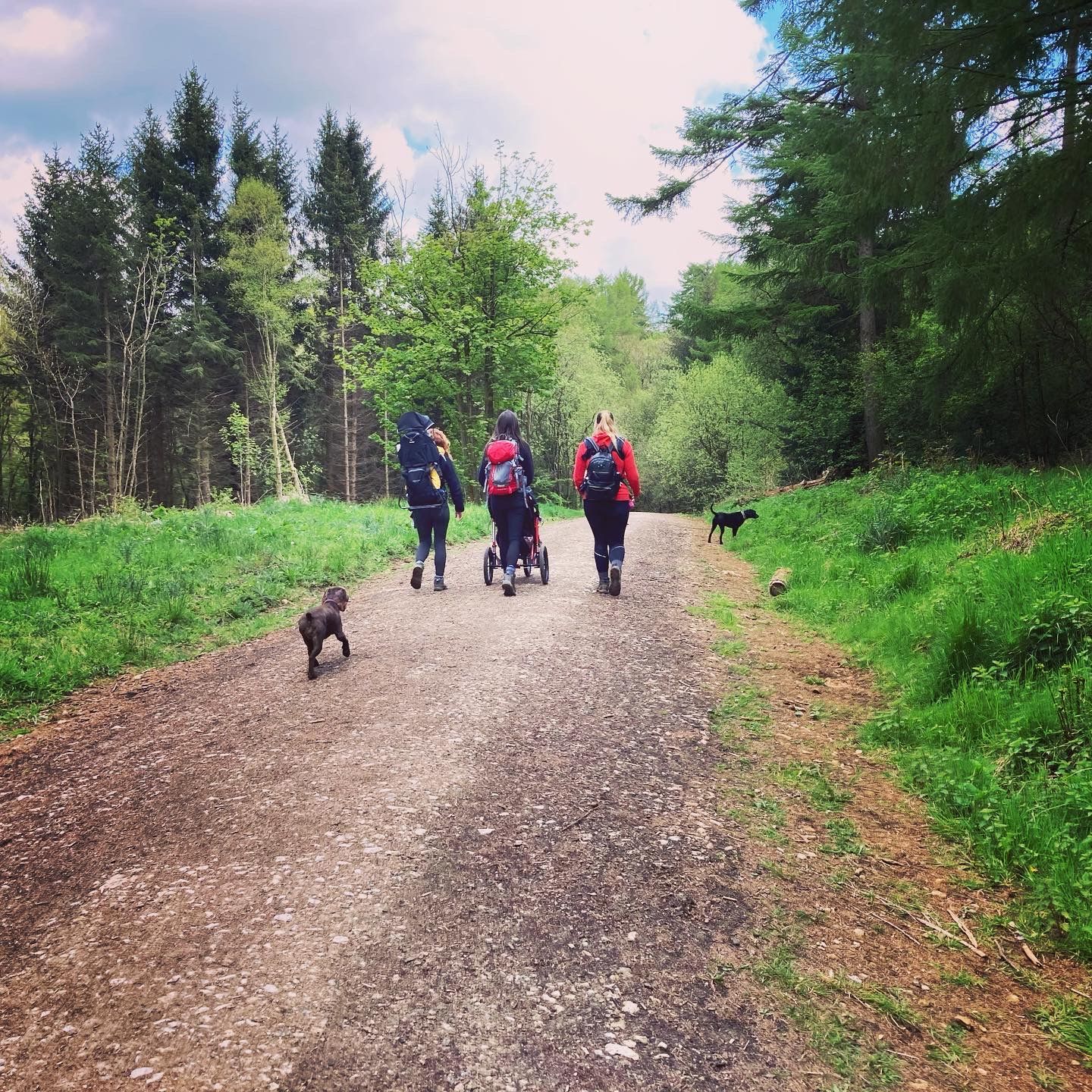
Lovely pushchair friendly walks in and around the North York Moors
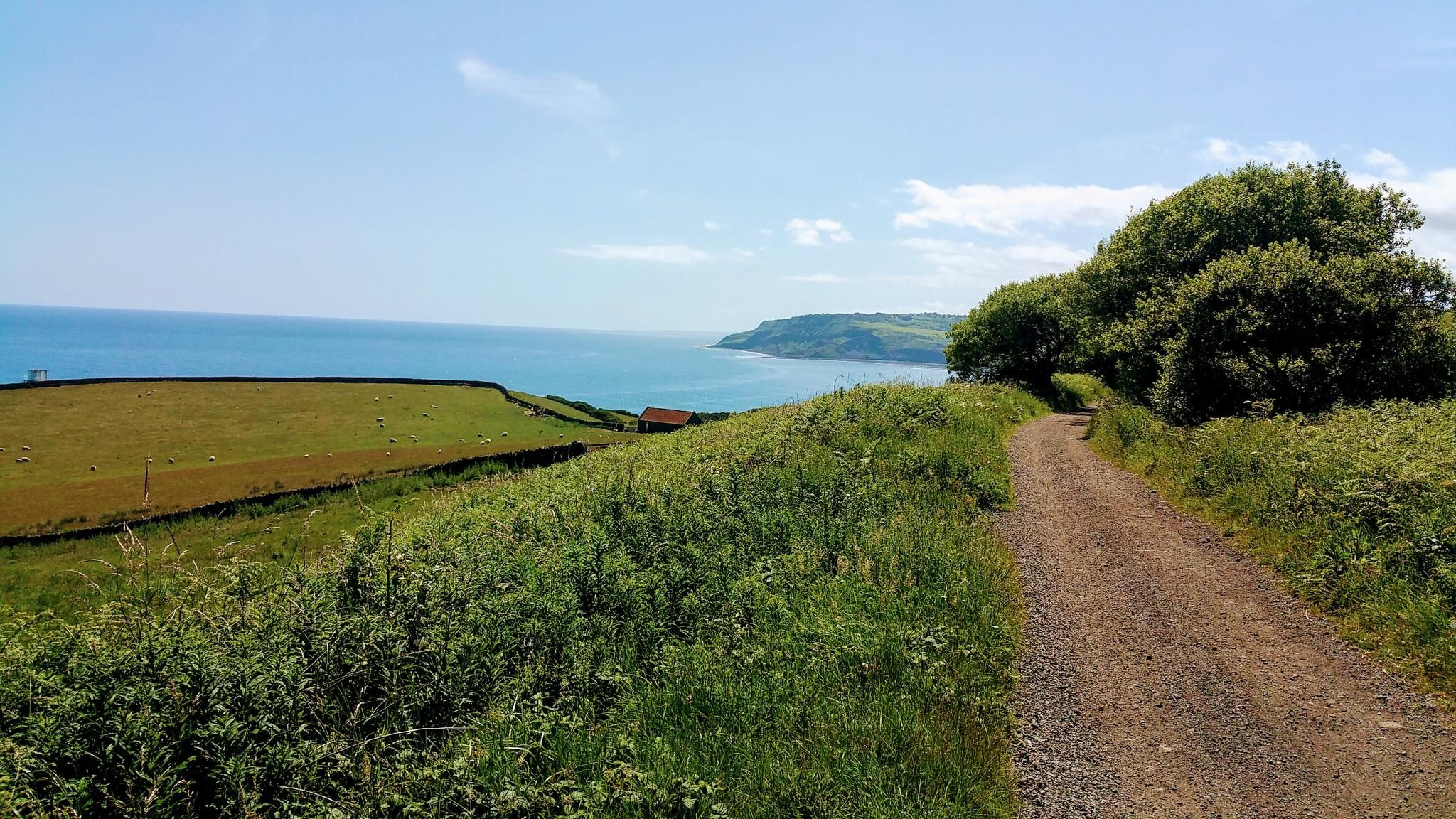
Gravel Cycling in North York Moors National Park
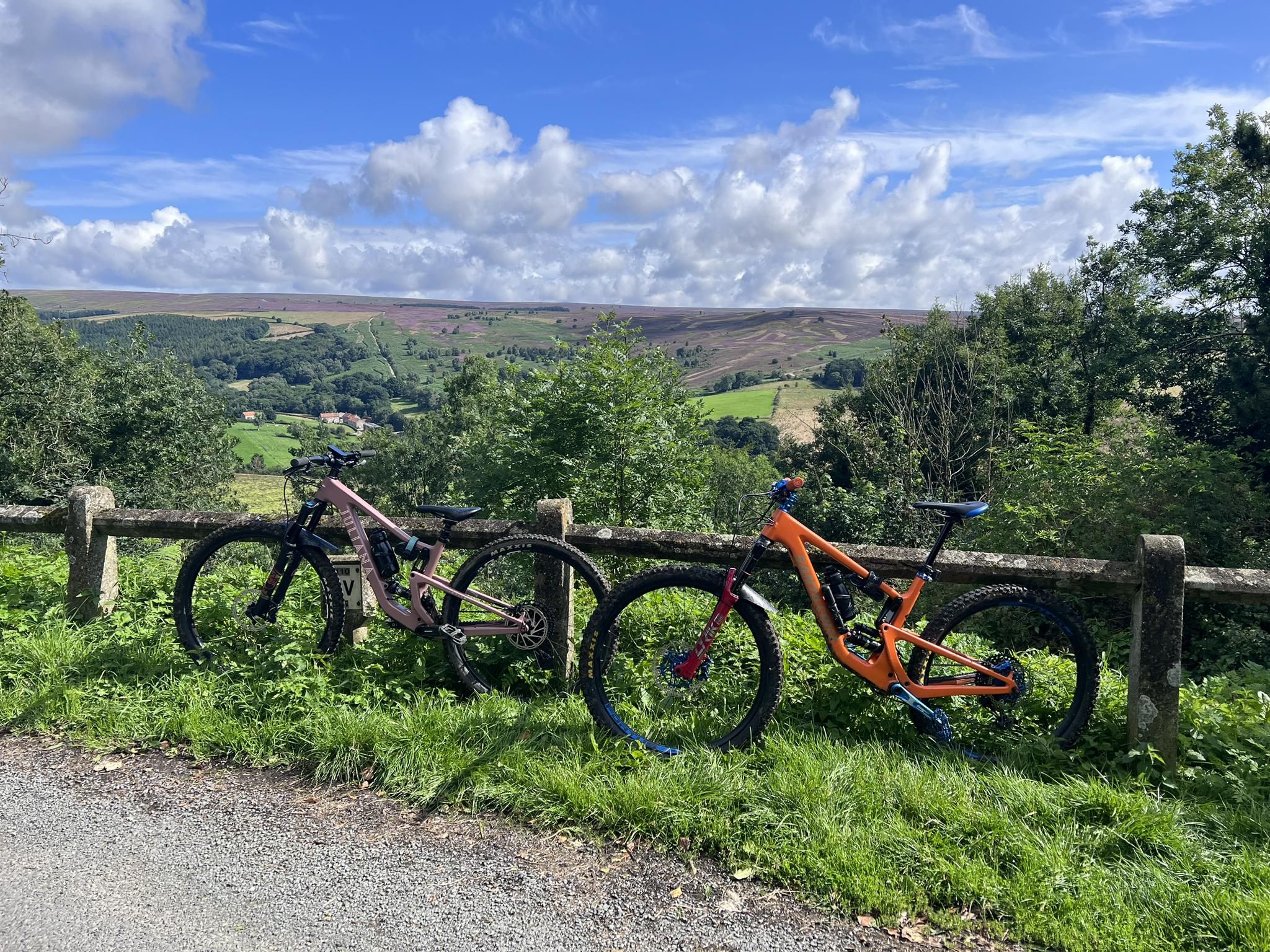
MTB Trails in the North York Moors National Park
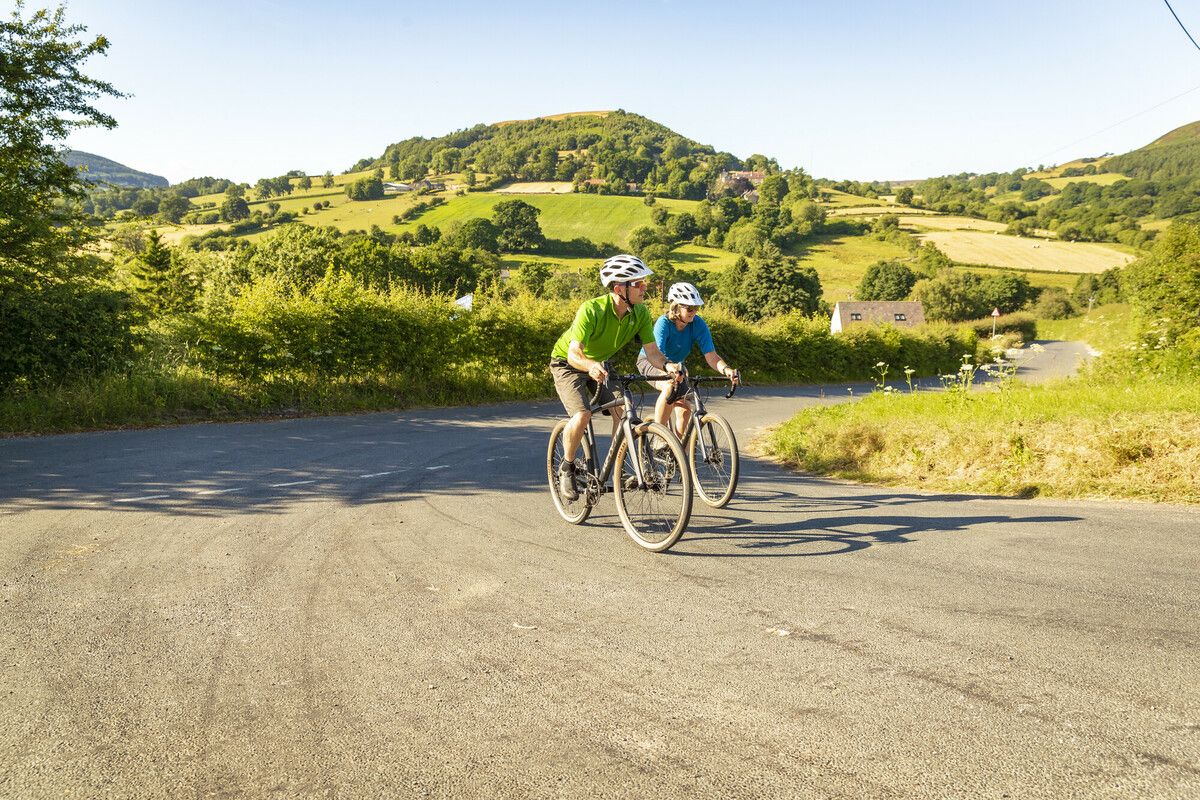
North York Moors National Park Cycle Routes
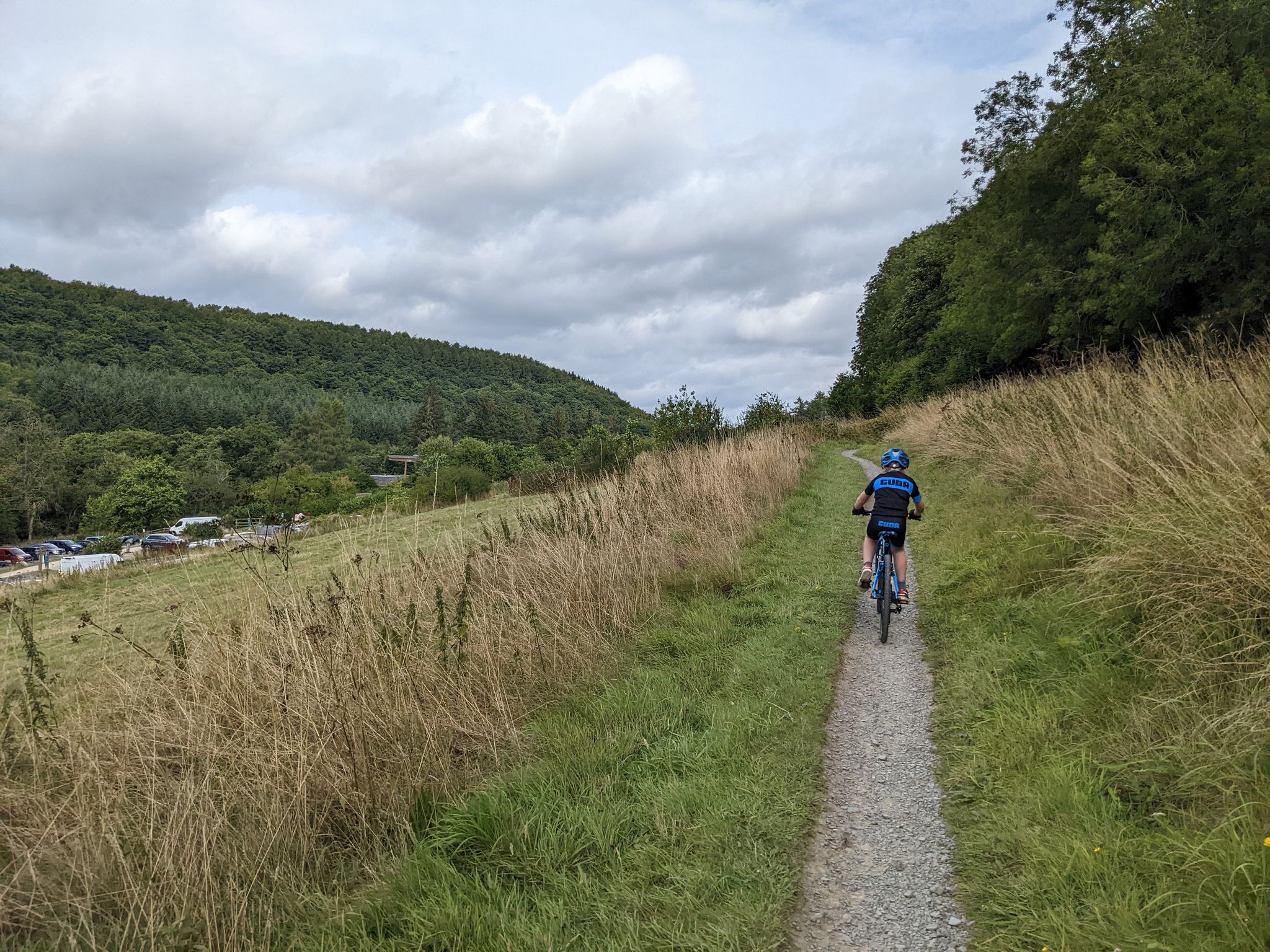
Cycling and MTB trails at Dalby Forest
Other adventures around Thornton-Le-Dale


Tips from the Community


Founded in 1903, Welham Park Trout Farm is one of the longest-running trout farms in Britain. It is renowned for restocking rivers, lakes, and fisheries across the UK.
1
0
One of the oldest continuously used Christian sites in North Yorkshire, with carved stone fragments dating back to the 8th century—possibly even earlier than the church itself. The church likely stands on a site of Christian worship dating back to the 7th or 8th century, with Saxon carved stones built into its walls. The current structure dates to around 1050, making it pre-Conquest, though it was later modified in the 13th and 15th centuries. Embedded in the church walls are Scandinavian hogback grave covers and cross fragments, including one with a dragon whose eyes look backward.
1
0
The bridge lies on the forest track that runs north from Ellers Wood, just before reaching Dalby Forest Drive. It’s part of a well-used walking route connecting Thornton-le-Dale, Ellerburn, and Low Dalby,
1
0
Hidden among the trees are wooden carvings of animals like squirrels, owls, and a kingfisher.
0
0
Welcome to Yorkshire, the region’s official tourism site, prominently refers to Thornton-le-Dale as the “Jewel of the Moors”, highlighting its scenic village pond, thatched cottages, and meandering beck. The name “Thornton” likely comes from the Angles who settled Yorkshire around AD 500–540, meaning “farmstead among thorn bushes”.
0
0
Known for its steep, but relatively short, ascent and descent sections, Cross Dale is part of the Levisham and Newton Dale walk, a popular circular route that offers diverse terrain and stunning views.
0
0
Frequently Asked Questions
How many bus station hiking trails are available in Thornton-Le-Dale?
There are 6 hiking trails available directly from bus stations in Thornton-Le-Dale, offering a range of difficulties from easy strolls to more challenging treks.
Are there any easy, family-friendly bus station hikes in Thornton-Le-Dale?
Yes, several easy routes are perfect for families. The Thornton-le-Dale village – Beck Isle Cottage loop is an easy 5.4 km walk, and the Thornton-le-Dale village – Duck Pond by Thornton Beck loop is another easy 5.2 km option. Both offer gentle exploration of the village and its charming surroundings.
What kind of scenery can I expect on bus station hikes around Thornton-Le-Dale?
You can expect a diverse range of scenery. Many routes follow the tranquil Thornton Beck, pass through the picturesque village with its historic buildings, and venture into the scenic Ellerburn Valley. Longer routes can take you into the expansive Dalby Forest, offering woodland environments and views towards the North York Moors.
Are there any circular walks accessible from the bus station?
All the bus station hikes listed are circular routes, meaning you'll start and end at the same point, making them convenient for public transport users. Examples include the Thornton-le-Dale village – Thornton Beck Footbridge loop and the longer Beck Isle Cottage – Thornton-le-Dale village loop.
What are some notable landmarks or points of interest I can see on these hikes?
Many routes pass through the village, where you can see the medieval market cross, Lady Lumley's Almshouses, and the iconic thatched Beck Isle Cottage. Further afield, you might encounter highlights like the Dalby Forest Visitor Centre or viewpoints such as Simon Howe Bronze Age Cairn on more extensive trails.
Are the bus station hiking trails in Thornton-Le-Dale dog-friendly?
Thornton-Le-Dale and the surrounding North York Moors National Park are generally very dog-friendly. Most public footpaths are suitable for dogs, though it's always recommended to keep them on a lead, especially near livestock or in sensitive wildlife areas. Dalby Forest also welcomes dogs on its trails.
What is the most challenging bus station hike available?
The most challenging route from the bus station is the Thornton-le-Dale village – Dalby Forest Visitor Centre loop. This difficult 24.2 km hike takes you deep into Dalby Forest, offering a more strenuous and longer adventure.
What do other hikers say about the trails in Thornton-Le-Dale?
The area is highly rated by the komoot community, with an average score of 4.6 stars from 187 ratings. Reviewers often praise the picturesque village setting, the variety of landscapes from riverside paths to forest trails, and the convenience of starting directly from public transport.
Can I find places to eat or drink along the bus station routes?
Thornton-Le-Dale village itself offers several pubs, cafes, and tea rooms where you can enjoy refreshments before or after your hike. Some longer routes, particularly those extending into Dalby Forest, may have facilities like the Dalby Forest Visitor Centre, but it's always wise to carry water and snacks.
Are there any specific trails that highlight the Ellerburn Valley?
While not a dedicated komoot route from the bus station, the Green Walk, mentioned in local guides, is a 60-90 minute walk through Ellerburn Valley to St Hilda's Church, following quiet roads and beck-side footpaths. This area is known for its tranquil beauty and daffodils in spring.
What is the best time of year to hike from Thornton-Le-Dale bus station?
Thornton-Le-Dale is beautiful year-round. Spring brings vibrant daffodils to the Ellerburn Valley, summer offers lush greenery, and autumn transforms the woodlands of Dalby Forest with rich colours. Even in winter, the trails can be enjoyed, though appropriate gear is essential for colder, potentially wetter conditions.
Most popular routes around Thornton-Le-Dale
Most popular attractions around Thornton-Le-Dale

Get inspired with the komoot mobile app


Explore more
Browse the best Hikes in other regions.
