Top 6 Natural Monuments around St Andrews And Deerness
Best natural monuments around St Andrews And Deerness include a diverse range of geological formations and historical sites. Deerness, a peninsula in Orkney, is characterized by its rugged coastline, sea caves, and sea stacks. St Andrews, on the other hand, offers picturesque natural beauty along its coast and in nearby woodlands. These areas provide opportunities to observe coastal erosion, ancient history, and varied ecosystems.
Best natural monuments around St Andrews And Deerness
- The most popular natural monuments is The Gloup…
Last updated: May 19, 2026
The Gloup Sea Cave
Highlight • Natural Monument
Tip by

Brough of Deerness and Chapel Ruins
Highlight • Natural Monument
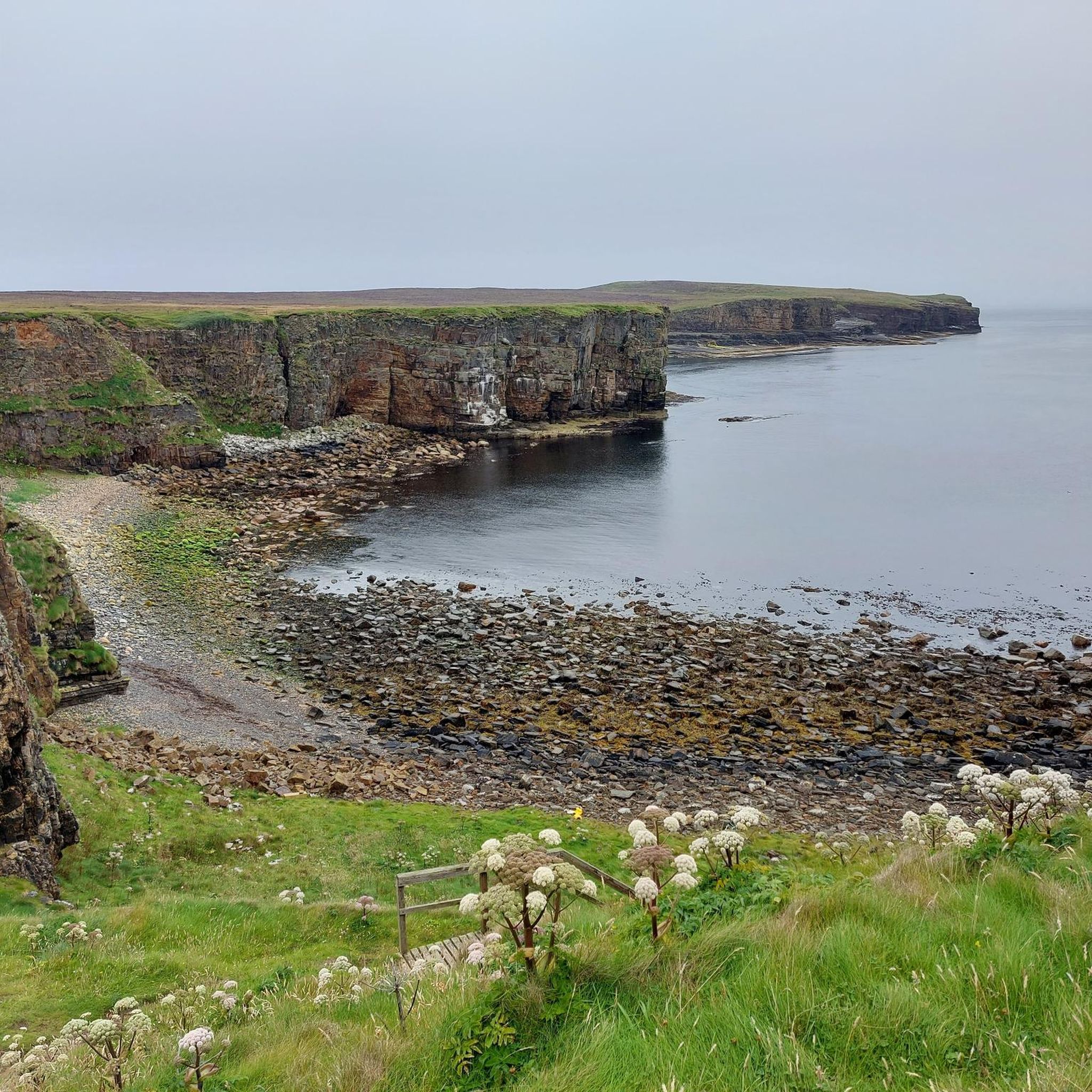
A staircase runs down the cliff to the shore. A scramble over a slope brings you into …
Tip by
Sign up now to discover places like this
Get recommendations on the best single tracks, peaks, & plenty of other exciting outdoor places.
Sign up for free
Ring of Brodgar
Highlight • Natural Monument
Translated by Google •
Tip by

Hole of Ness Sea Cave
Highlight • Cave
Tip by
Cliffs Near Kirkwall
Highlight • Natural
Translated by Google •
Tip by

Sign up for free to discover even more natural monuments around St Andrews And Deerness.
Sign up for free
Already have an account?
Start today with a free account
Your next adventure awaits.
Login or Signup
Tips from the Community

The path has been repaired. Climb along a narrow path with a chain to hold on to. At the top, there is a beautiful view and a documented excavation of a chapel that was part of an entire settlement. Therefore, before or after the hike, visit the small museum at the parking lot.
0
0
Collapsed cave and great start to a coastal walk. Can't walk down, just look from above.
0
0

If you have a dog with you be sure to keep it on the lead anywhere near the big hole. It's a long way down, and no way up!!!!
0
0

Yes, this is where the big cruise ships dock to explore the island
0
0

Mystical landscape with ancient history
1
0

Sit down.. and unwind... by listening to the surf on the cliffs..🙏
1
0
So incredibly beautiful. I would have loved to spend hours there taking in everything...💙🩵
1
0
Indescribably beautiful... you have to see it
1
0
Frequently Asked Questions
What are the most popular natural monuments around St Andrews and Deerness?
The region offers a diverse range of natural monuments. Among the most popular are The Gloup Sea Cave, an impressive collapsed sea-cave in Deerness, and the Brough of Deerness and Chapel Ruins, a spectacular sea stack with ancient Norse remains. Another highly regarded site is the Ring of Brodgar, an ancient stone circle offering a mystical landscape.
What kind of natural features can I expect to see in St Andrews and Deerness?
In Deerness, you'll find dramatic coastal formations, including impressive sea caves like The Gloup and Hole of Ness, as well as sea stacks such as the Brough of Deerness. St Andrews, while known for its history, offers picturesque coastal beauty along the Fife Coastal Path and serene woodlands like Tentsmuir Forest.
Are there family-friendly natural monuments around St Andrews and Deerness?
Yes, several natural monuments are suitable for families. The Ring of Brodgar is noted as family-friendly, offering an accessible historical and natural experience. While coastal areas like The Gloup Sea Cave are impressive, always ensure children are supervised, especially near cliff edges. For easy walks, consider routes around Mull Head Local Nature Reserve.
What is the best time to visit the natural monuments in St Andrews and Deerness?
The best time to visit is generally during the spring and summer months (April to September) when the weather is milder and daylight hours are longer, making coastal walks and explorations more enjoyable. This period is also ideal for birdwatching at sites like Mull Head Local Nature Reserve. Always check local weather forecasts before your visit, as conditions can change rapidly, especially on the coast.
Are there any historical or cultural sites integrated with the natural monuments?
Absolutely. The Brough of Deerness features remains of an 11th-century Norse chapel and other buildings dating back to 600 BC atop a sea stack. The Ring of Brodgar is a significant ancient stone circle. Near St Andrews, Dunino Den is a site of ancient Druid and pagan worship, offering a blend of natural beauty and profound historical significance.
What are the access details for the Brough of Deerness?
Access to the Brough of Deerness involves descending a staircase down the cliff to the shore, followed by a scramble into a rocky cove, and then an ascent onto the Brough itself via rock-cut steps, sometimes assisted by a guide chain. The path to the top has been repaired, but it remains a challenging route. There's a small museum at the parking lot that provides context.
Is Mull Head Local Nature Reserve worth visiting?
Yes, Mull Head Local Nature Reserve in Deerness is highly recommended. It encompasses 160 hectares of heathland and grassland with high cliffs, offering spectacular views and significant geological formations like caves, stacks, and geos. It's also a vital nesting site for various seabirds, making it excellent for wildlife observation and coastal walks. You can find more information at Orkney.gov.uk.
What outdoor activities can I do near these natural monuments?
The region offers various outdoor activities. You can find numerous road cycling routes, including those around St Mary's and the Standing Stones of Stenness. For hikers, there are easy trails like the 'Roseness and the Bay of Cornquoy' or loops around The Gloup Sea Cave and Brough of Deerness. Running trails are also available, such as the 'Gloup loop' in Mull Head Nature Reserve. Explore more options on the St Andrews And Deerness guide page.
Are there hiking trails near these natural monuments?
Yes, there are several hiking trails. In Deerness, you can enjoy easy hikes like the 'Roseness and the Bay of Cornquoy' (4.5 km) or shorter loops such as 'The Gloup Sea Cave – Mull Head Coastal Cliffs loop' (3.2 km) and 'Brough of Deerness – The Gloup Sea Cave loop' (2.8 km). These trails offer stunning coastal views and access to the natural monuments. More details can be found on the Easy hikes around St Andrews And Deerness guide page.
What should I know about visiting The Gloup Sea Cave?
The Gloup Sea Cave is an impressive collapsed sea-cave, approximately 70m long, 40m wide, and 30m deep, filled with seawater. Visitors can view this spectacular sight from wooden platforms at each end. It's crucial to keep well clear of the grassy edges, as they can be unstable, and the sloping rocks on the seaward side are notoriously slippery. It's a striking example of coastal erosion within the Mull Head Local Nature Reserve.
Are the natural monuments accessible by public transport?
While St Andrews has good public transport links, reaching some of the more remote natural monuments in Deerness, Orkney, can be challenging without a car. Public transport options to Deerness are limited, so planning your journey in advance or considering local taxi services is advisable. For specific routes, checking local bus schedules for Orkney is recommended.
What are some hidden gem natural monuments in Deerness, Orkney?
Beyond the well-known Gloup and Brough of Deerness, the Hole of Ness Sea Cave is another impressive 'gloup' or collapsed sea-cave in Deerness. While less detailed information is available, it's described as an 'awesome gloup,' showcasing similar dramatic natural formations. Visitors are advised to maintain a safe distance due to overhanging and unstable edges.
What do visitors enjoy most about the natural monuments in St Andrews and Deerness?
Visitors frequently express appreciation for the dramatic coastal landscapes, the raw power of nature evident in the sea caves and stacks, and the blend of natural beauty with ancient history. The opportunity for peaceful walks, birdwatching, and experiencing the wild Orcadian skies are often highlighted. Sites like The Gloup Sea Cave and Brough of Deerness are particularly praised for their unique geological and historical appeal.
Most popular attractions around St Andrews And Deerness

Get inspired with the komoot mobile app


Explore more
Extend your search for the best caves by checking out these guides of the top ones around St Andrews And Deerness:
