Top 5 Natural Monuments around King Edward And Gamrie
Best natural monuments around King Edward And Gamrie include dramatic coastal scenery and significant wildlife habitats. The area, located on the Banffshire coast of Aberdeenshire, Scotland, features high cliffs, narrow inlets, and sandy bays. This region is recognized for its geological features, including Old Red Sandstone formations and a complex geological past. It offers diverse natural landscapes for exploration.
Best natural monuments around King Edward And Gamrie
- The most popular natural monuments is Troup Head Gannet Colony Viewpoint, a…
Last updated: June 30, 2026
Troup Head Gannet Colony Viewpoint
Highlight • Viewpoint
Translated by Google •
Tip by

Aberdour Sea Caves
Highlight • Natural Monument
Tip by

Sign up now to discover places like this
Get recommendations on the best single tracks, peaks, & plenty of other exciting outdoor places.
Sign up for free
The Red Well
Highlight • Natural Monument
The water's healing properties were recognised thousands of years ago by the Romans.
Tip by

Fort Fiddes at Castle Point
Highlight • Viewpoint
Tip by
Start today with a free account
Your next adventure awaits.
Login or Signup
Tips from the Community

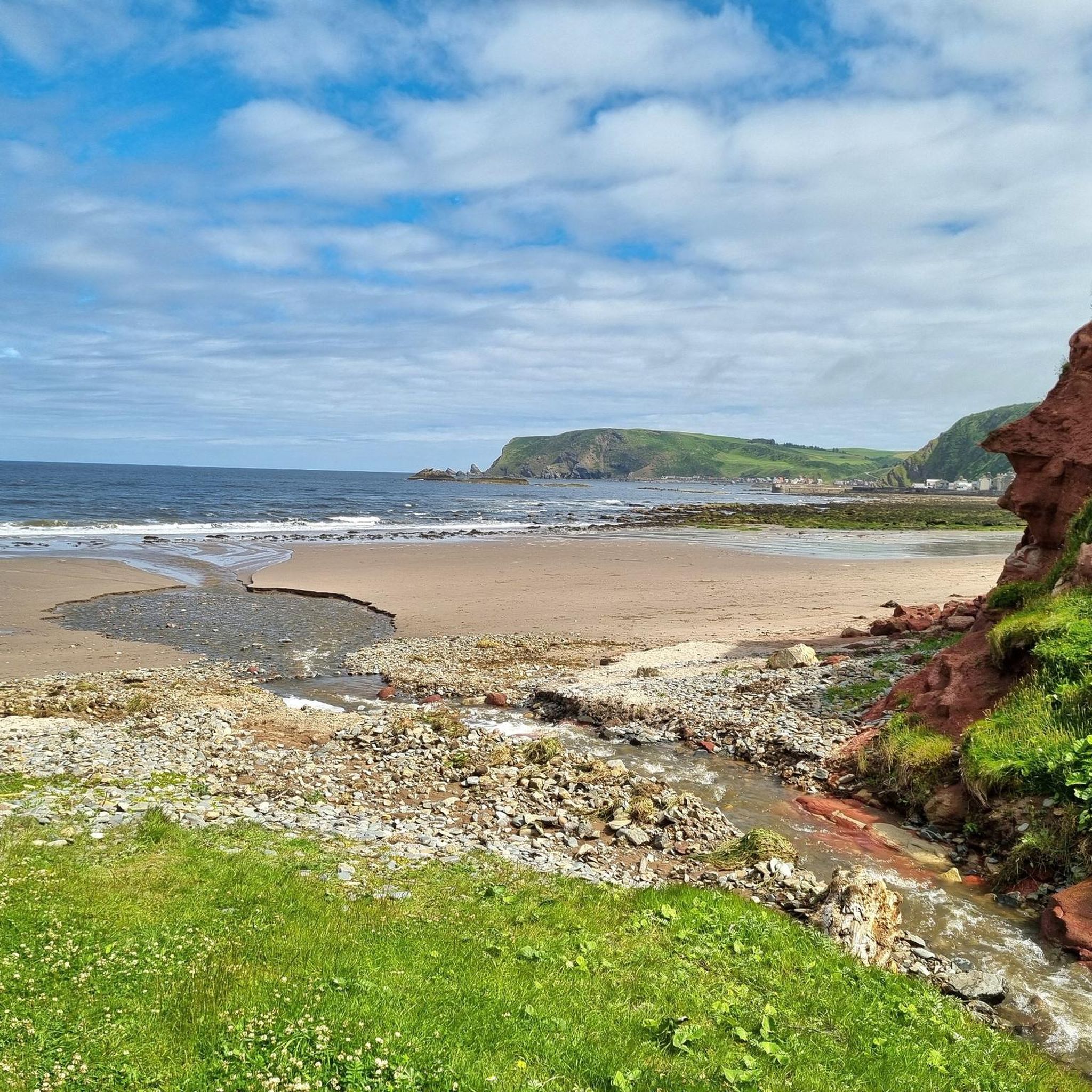
It derives its name from a spring of water which appears from the ground and which leaves a red deposit, possibly with an iron content. The water's healing properties were recognised thousands of years ago by the Romans.
0
0

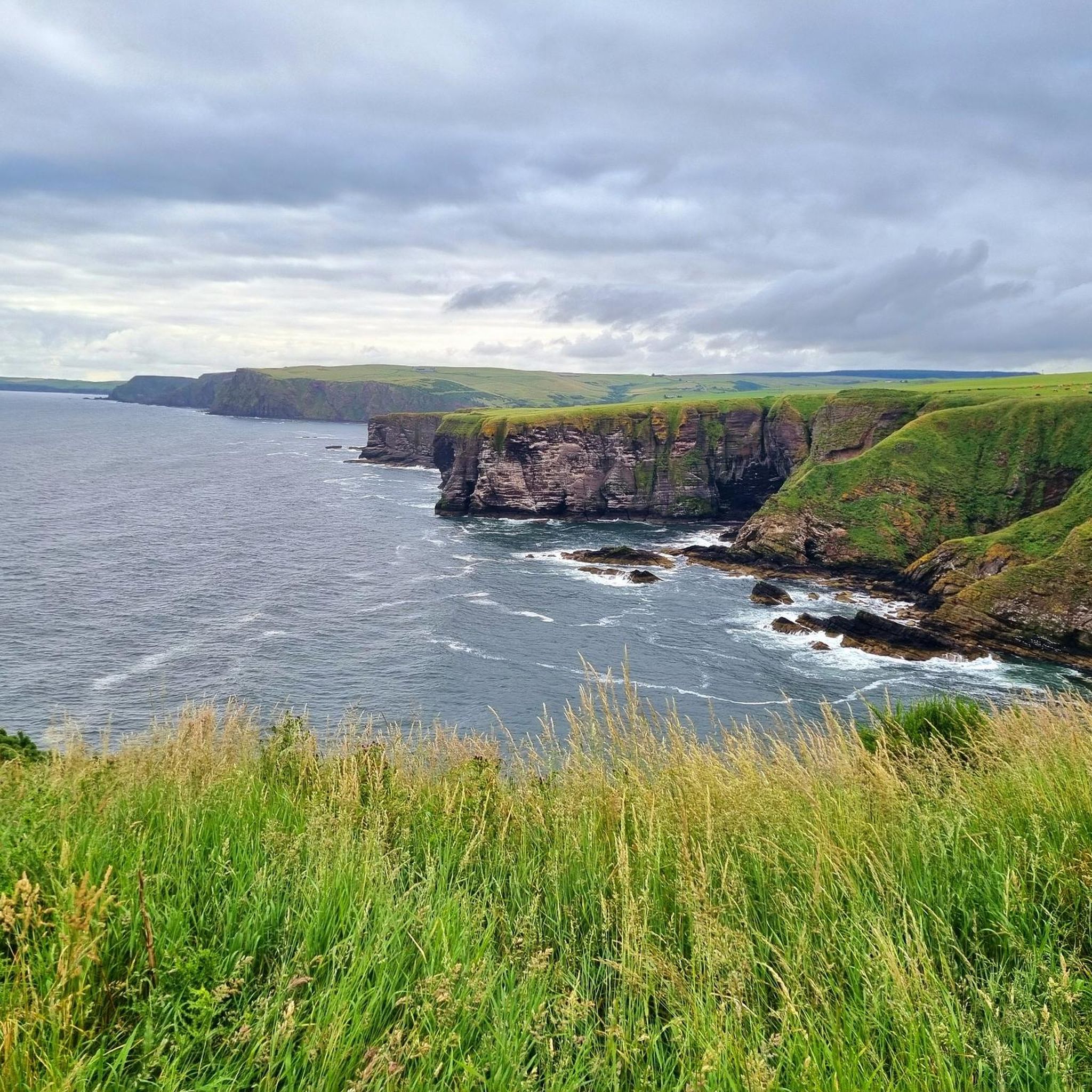
This is where Scotland's largest gannet colony is located and it is a joy to watch the numerous birds. Don't forget your binoculars.
1
0

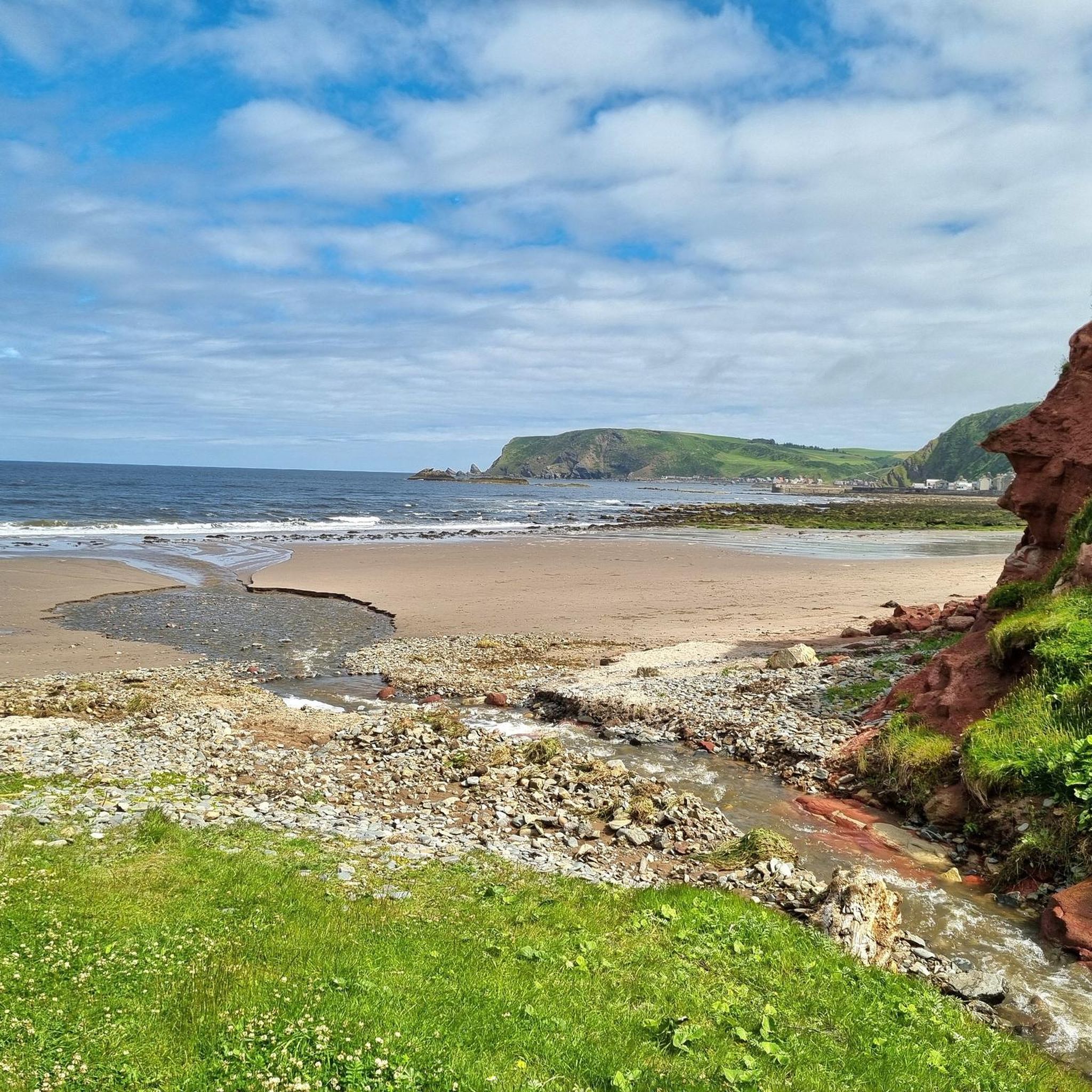
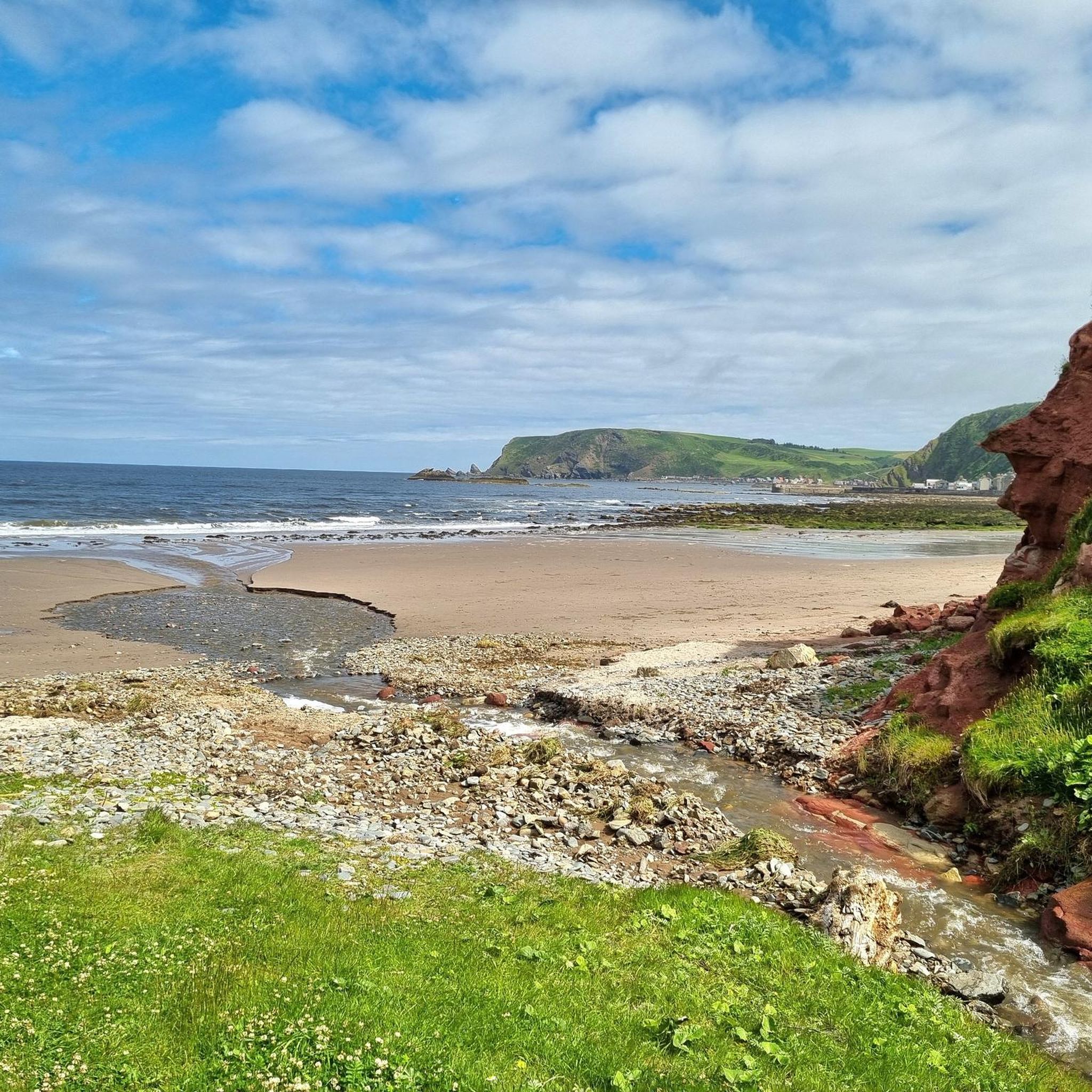
There is ample parking at the beach to set off on a costal walk. To the west of the car park is the caves, which are best explored at low tide. There are often people here late into the evening, enjoying the sunset.
0
0

Thousands of gannets, very spectacular!
1
0

Red sandstone cliffs and arches and a long sandy beach. Great to explore or stop for a break on a coastal ride in either direction.
0
0
Red sandstone cliffs and arches and a long sandy beach. Great to explore or stop for a break. It's a nice walk along the coast from Pennan.
0
0
Fort Fiddes on the appropriately named Castle Point is the remains of a Iron Age fort, medieval castle, 18th century battery and a 20th century military look out point. It's also a great place to watch sea birds and a nice walk from Cullykhan Bay or Pennan.
0
0
Frequently Asked Questions
What are the most popular natural monuments around King Edward And Gamrie?
The region is known for its dramatic coastal scenery and significant wildlife habitats. Key natural monuments include Troup Head Gannet Colony Viewpoint, which hosts Scotland's largest mainland gannet colony, and the Aberdour Sea Caves, featuring impressive red sandstone cliffs and arches.
What kind of wildlife can I expect to see at Troup Head?
Troup Head is Scotland's largest mainland gannet colony, with thousands of gannets present between late January and early October. You can also spot kittiwakes, guillemots, razorbills, and occasionally puffins. Offshore, porpoises, minke whales, dolphins, and even orcas have been sighted. The clifftops also host wildflowers, butterflies, and Burnet moths in spring.
Are there any natural monuments with historical significance in the area?
Yes, The Red Well is a natural spring with historical importance, recognized for its healing properties by the Romans. Additionally, Fort Fiddes at Castle Point combines natural beauty with a rich history, featuring remains of an Iron Age fort, a medieval castle, and later military structures.
What are the best times to visit the natural monuments in King Edward And Gamrie?
For birdwatching, particularly at Troup Head, the best time is between late January and early October when gannets are present for breeding. Spring offers wildflowers on the clifftops. Generally, the warmer months provide more pleasant conditions for coastal walks and exploring.
Are there family-friendly activities or natural monuments suitable for children?
Exploring the Aberdour Sea Caves at low tide can be an exciting adventure for families, with its red sandstone cliffs and sandy beach. Birdwatching at Troup Head is also a captivating experience for all ages, offering a chance to see thousands of seabirds.
What kind of geological features can be observed in the King Edward And Gamrie area?
The Banffshire coast, including the area around King Edward And Gamrie, is known for its geological significance. You'll find dramatic cliffs composed of Old Red Sandstone, contributing to features like the 110-meter high drops at Troup Head and the red sandstone formations at Aberdour Sea Caves. The region is part of a Geological Conservation Review site, showcasing a complex geological past.
Are there hiking trails near these natural monuments?
Yes, the area offers various hiking opportunities. You can find routes like the 'Downie Bay Viewpoint loop from Crovie' or the 'Gardenstown Harbour – Crovie Fishing Village loop from Gardenstown'. These trails allow you to explore the stunning coastal environment. For more detailed hiking routes, refer to the Hiking around King Edward And Gamrie guide.
Can I bring my dog to the natural monuments?
While many outdoor areas in Scotland are dog-friendly, it's important to keep dogs under close control, especially near cliff edges and nesting seabirds, such as at Troup Head. Always check local signage for specific restrictions, particularly during breeding seasons, and ensure your dog doesn't disturb wildlife or livestock.
What are the options for parking when visiting the natural monuments?
For Aberdour Sea Caves, there is ample parking available at the beach. For Troup Head, parking is typically available a short walk from the viewpoint. It's advisable to check specific access points and parking facilities for each location before your visit.
Are there any less crowded natural attractions or hidden gems in the area?
While Troup Head is popular, the wider Banffshire coast offers many secluded spots. Exploring the coastal paths connecting picturesque villages like Gardenstown and Crovie can lead to quieter coves and viewpoints. The Aberdour Sea Caves, especially outside peak times, can offer a more tranquil experience.
What other outdoor activities can I do near the natural monuments?
Beyond hiking, the King Edward And Gamrie area is suitable for road cycling and running. You can find various routes, such as the 'North Sea Cycle Route: Banff and Cullen Loop' for cyclists or the 'Bridge of Alvah – Bridge of Alvah loop from Macduff' for runners. Explore the dedicated guides for Road Cycling and Running Trails in the region.
Where can I find more information about visiting Troup Head?
For additional details about visiting Troup Head, including facilities and current conditions, you can check the RSPB Troup Head page on visitabdn.com.
Most popular routes around King Edward And Gamrie
Most popular attractions around King Edward And Gamrie

Get inspired with the komoot mobile app


Explore more
Extend your search for the best caves by checking out these guides of the top ones around King Edward And Gamrie:
