Top 4 Natural Monuments in Parku Kombëtar I Malit Të Dajtit
Best natural monuments in Parku Kombëtar I Malit Të Dajtit are characterized by geological formations and diverse landscapes. This area, often referred to as the "Balcony of Tirana," features rugged peaks, dense forests, and significant natural landmarks. The park offers a blend of natural beauty and opportunities for outdoor exploration, with 4 identified natural monuments. Its proximity to Tirana makes it a accessible destination for experiencing Albania's natural heritage.
Best natural monuments in Parku Kombëtar I Malit Të Dajtit
- The…
Last updated: October 3, 2026
Tujan Peak
Highlight • Summit
Showing Translation
Tip by

Mount Dajt National Park
Highlight • Natural Monument
Showing Translation
Tip by
Sign up now to discover places like this
Get recommendations on the best single tracks, peaks, & plenty of other exciting outdoor places.
Scenic river spot with boulder
Highlight • River
Translated by Google •
Tip by

Shëngjergj Waterfall
Highlight • Waterfall
Translated by Google •
Tip by

View of Tirana from Mount Dajti
Highlight • Viewpoint
Note that the photos may be blurry. This is because there …
Showing Translation
Tip by
Sign up for free to discover even more natural monuments in Parku Kombëtar I Malit Të Dajtit.
Already have an account?
Start today with a free account
Your next adventure awaits.
Tips from the Community

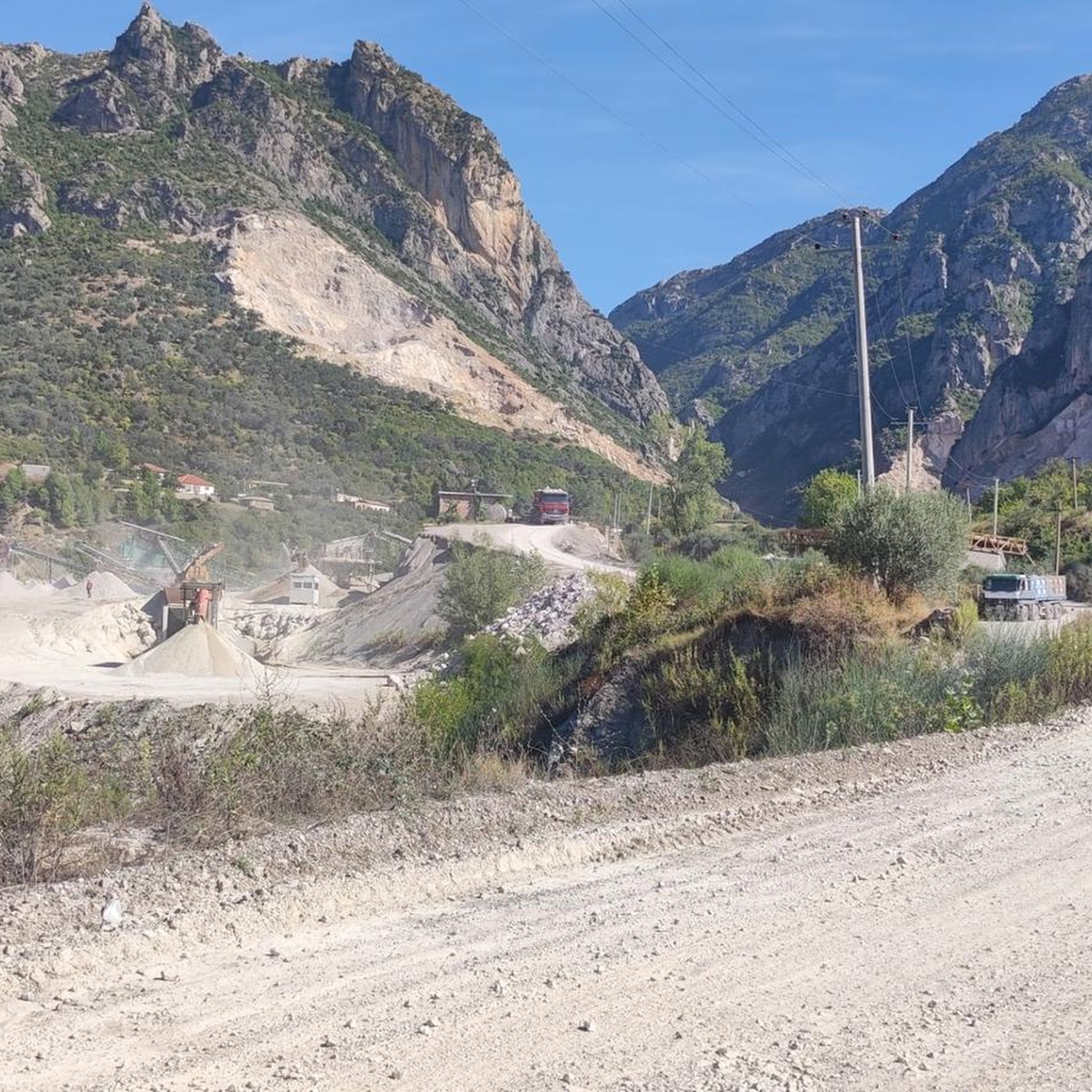
The top of Maja e Tujanit is an open, rocky crown above the Dajti massif, where the path emerges from the forest zones and the mountain fully unfolds. From the highest point, you look over the ridge structure, the deep valleys, and the wide flanks towards Tirana. The terrain is rugged but easily walkable, with low vegetation and loose rocks that give the summit a distinct mountain character. A clear endpoint to the climb and a natural viewing platform in the middle of the national park. You have the same view here as from the viewpoint on Qafa e Qershisë. Unfortunately, the photos suffer from heavy smog.
7
0
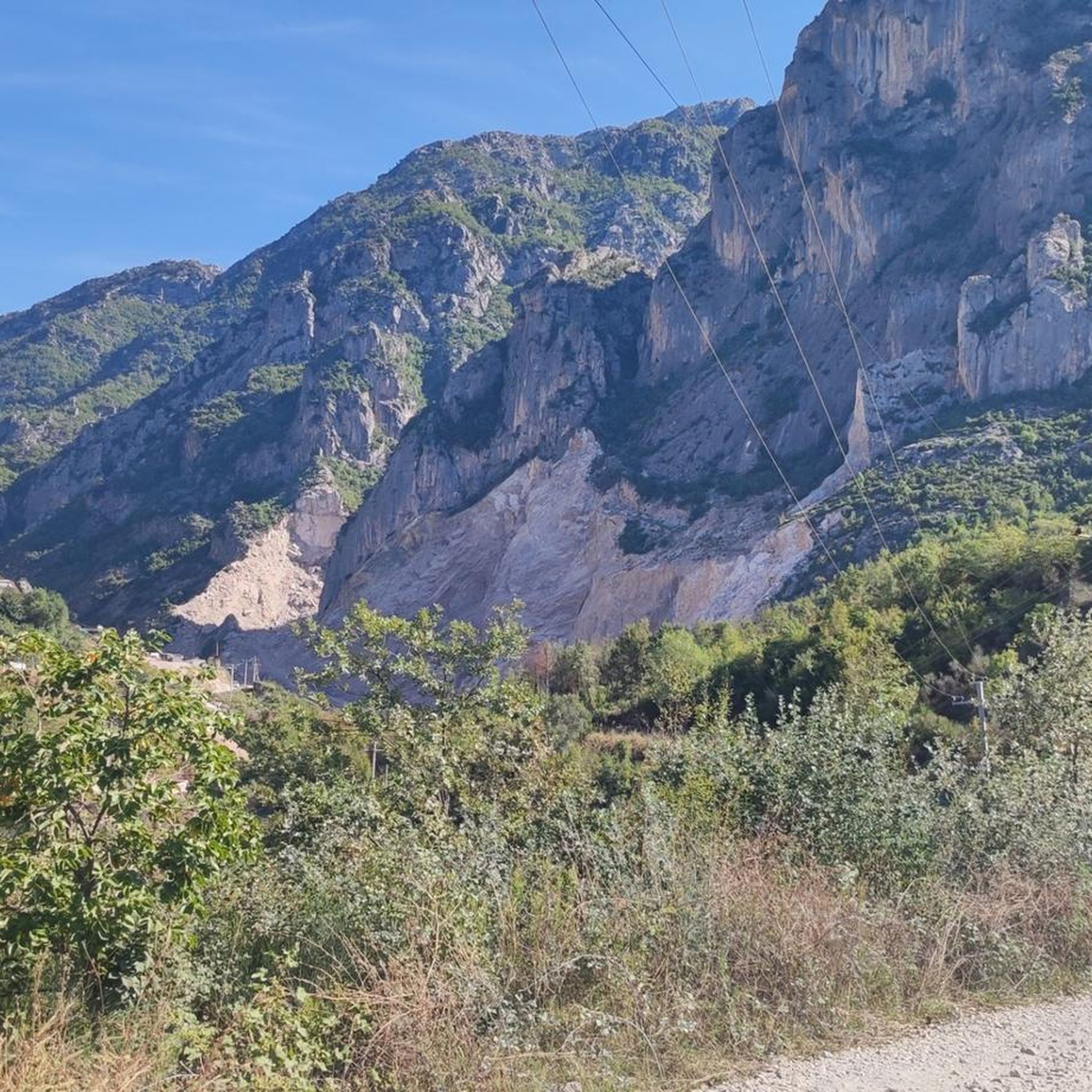
You are not yet at the summit here. From here you can only see Tirana and the Belvédère hotel. Note that the photos may be blurry. This is because there is often smog and fine dust hanging over Tirana. Mixed with moisture at altitude, a kind of diffuse light is created.
7
0
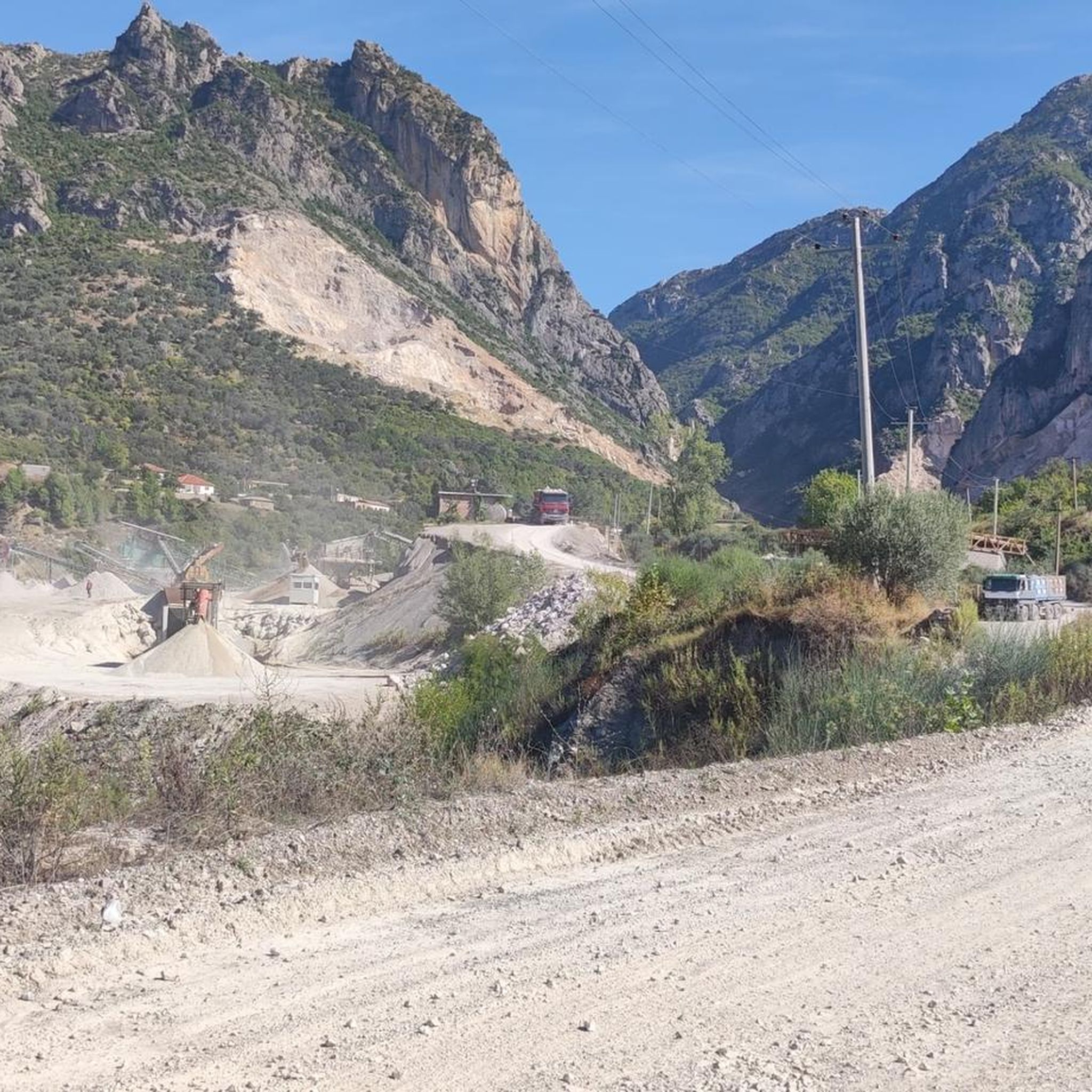
The Tirana cable car climbs for fifteen minutes through oak and beech forests to the plateau of Mount Dajti. Along the way, the view opens up over the city, the valley, and on clear days, even to the Adriatic Sea. At the top is the recreation plateau with a panoramic terrace and the starting points for short forest walks and longer routes in the national park. The cable car itself is 4.7 km long and forms the direct access to the high-lying Dajti massif.
6
0

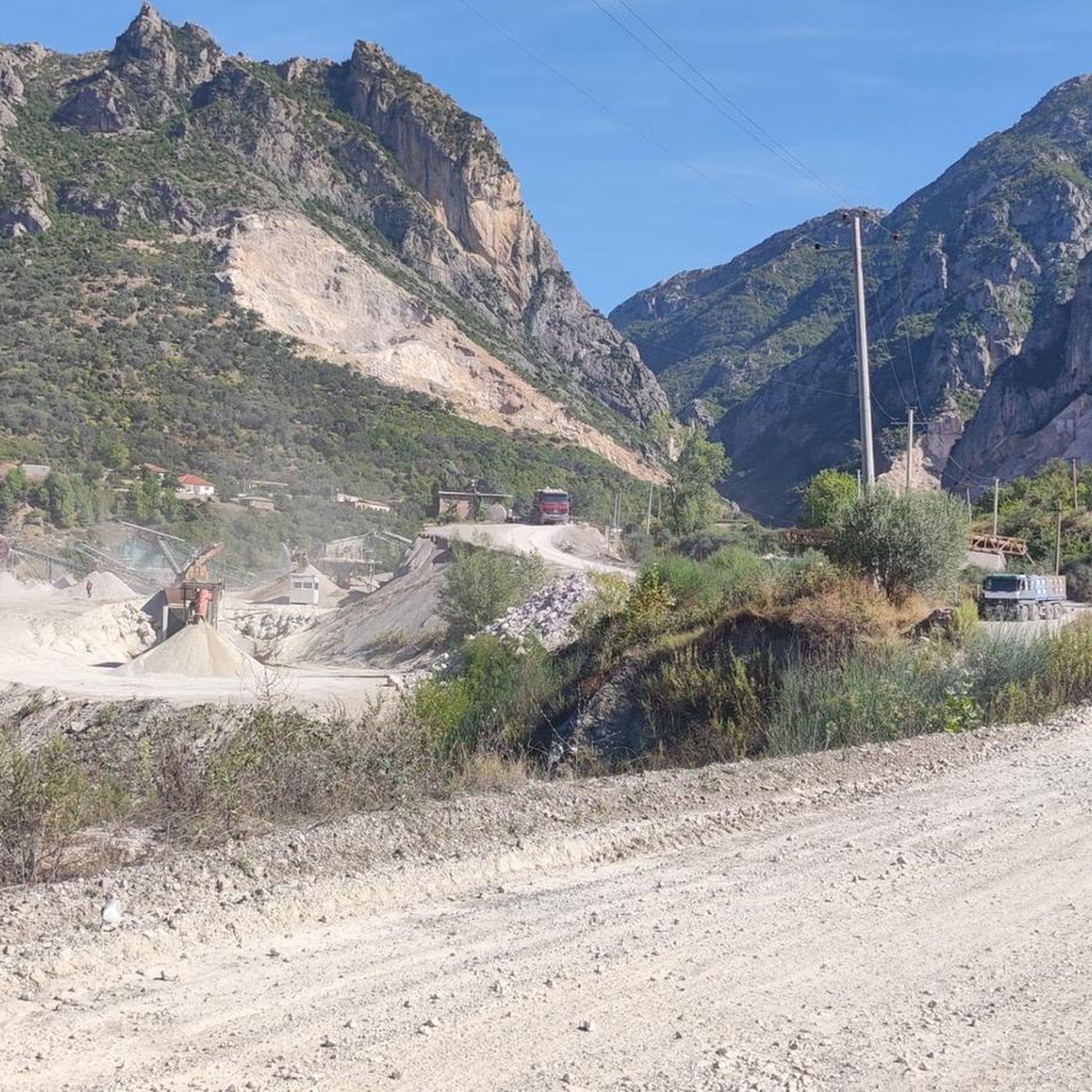
A beautiful waterfall where you can also swim. BUT: It is totally littered. People come for picnics and leave everything behind. Fast food packaging, plastic bottles and food scraps - simply disgusting. The icing on the cake is the donation box at the kiosk cart in the "parking lot": There, donations are requested in English, and ONLY in English, not in Albanian, for keeping the area clean. Find the mistake...
0
0

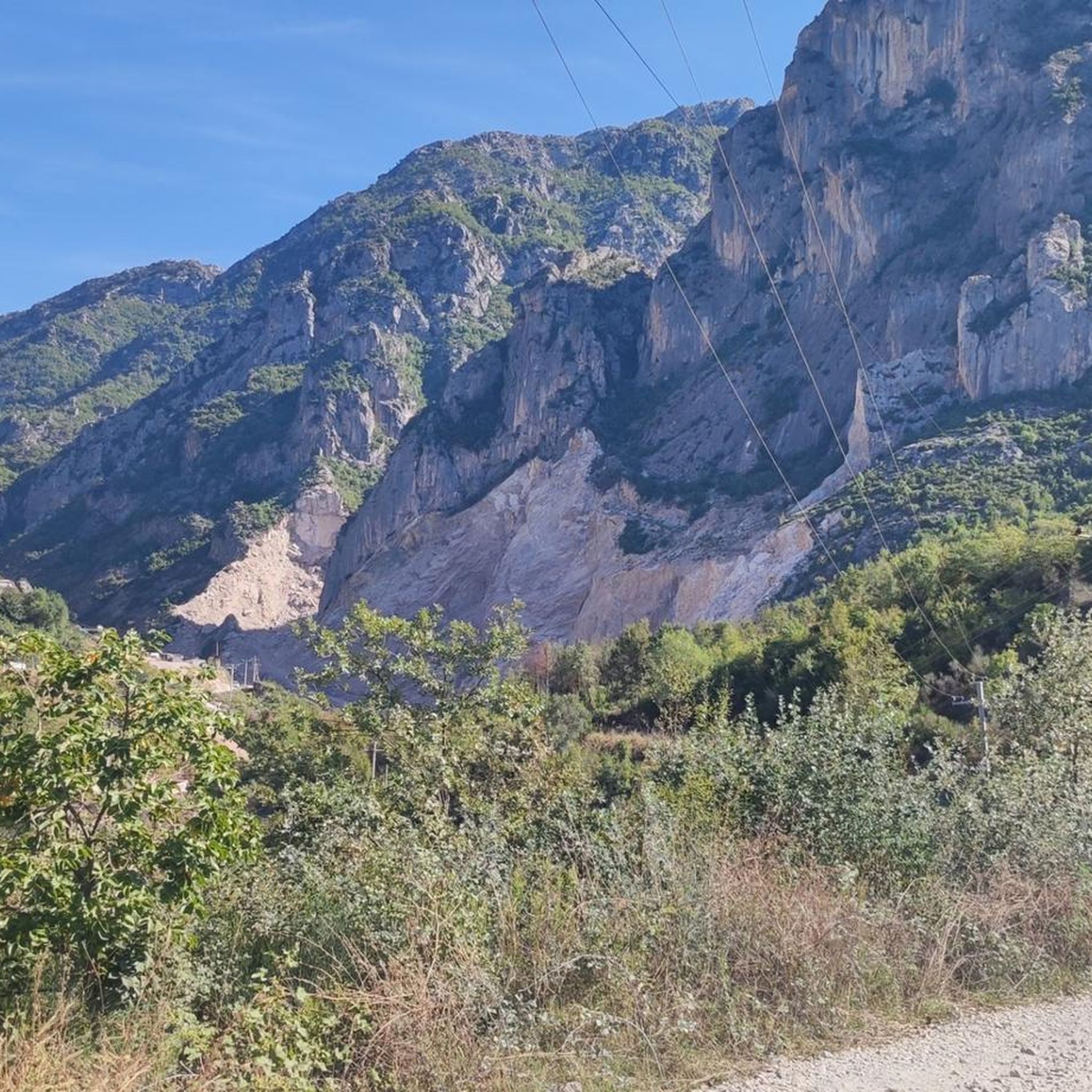
Hike completed on August 31st in Pellumbas (Albania). The trail is steep and poorly marked (only a few visible markers). It remains accessible to experienced and well-equipped hikers. For those wishing to continue to the waterfalls, extreme caution is required: the path becomes rocky and steep, and access is dependent solely on a fixed rope for descending and ascending. This makes the hike more technical and demanding. ⚠️ Not recommended for beginners.
0
0

From the local mountain you have a beautiful view of the city of Tirana all the way to the Mediterranean Sea and Durres.
1
0

The only way is up, higher and higher, to the summit
2
0

It is only 750 meters from the street parking lot to the waterfall. The last piece is a bit impassable and steep. Be careful when wet, very slippery stones. The walk is definitely worth it. A breathtaking waterfall embedded in colorful rock.
1
0
Frequently Asked Questions
What are the most prominent natural monuments to visit in Parku Kombëtar I Malit Të Dajtit?
The park offers several captivating natural monuments. Among them, the View of Tirana from Mount Dajti provides stunning panoramic vistas. Another significant site is Bovilla Reservoir, known for its vibrant turquoise waters and dramatic mountain surroundings. You can also explore Mount Dajt National Park itself, which offers fresh air and extensive views.
What unique geological features or historical aspects can I explore among the natural monuments?
Parku Kombëtar I Malit Të Dajtit is rich in both. The Pellumbas Cave, also known as Shpella e Zezë (The Black Cave), is a significant natural and archaeological landmark. It's a 360-meter-deep karst formation with impressive stalagmites and stalactites, and it served as a dwelling for Paleolithic humans approximately 30,000 years ago. Mount Dajti itself is primarily composed of limestone, featuring notable karst formations and rugged topography.
Are there hiking trails to reach the natural monuments in Parku Kombëtar I Malit Të Dajtit?
Yes, the region is crisscrossed with hiking trails suitable for various skill levels. For instance, the hike to Pellumbas Cave follows a well-marked trail with scenic views. You can find a variety of routes, including easy hikes, that lead to or pass by many of the natural monuments.
What is the difficulty level of trails leading to these natural monuments?
The difficulty varies. Some trails, like the one to Shëngjergj Waterfall, are considered easy, though the last section can be steep and slippery when wet. The path to Pellumbas Cave is generally well-marked, but some sections, especially near the cave or if continuing to the river spot, can be steep and require caution. Many trails are rated as intermediate, offering a good balance for most hikers.
What outdoor activities can I do near these natural monuments?
Beyond exploring the monuments themselves, the park offers diverse outdoor activities. You can enjoy hiking, with options ranging from easy routes around Bovilla Reservoir to more challenging ascents on Mount Dajti. Mountain biking is also popular, with various MTB trails available. Road cycling routes are also present for those who prefer paved paths, which you can explore through this guide.
Are there family-friendly natural monuments or activities in Parku Kombëtar I Malit Të Dajtit?
Yes, several natural monuments are suitable for families. The Dajti Ekspres cable car ride up Mount Dajti is an experience in itself, offering panoramic views and easy access to the mountain's upper areas. The hike to Shëngjergj Waterfall is also considered an easy day trip. The area around Lake Bovilla offers scenic views and a peaceful environment, though access to the parking lot can be challenging for regular cars.
What is the best season to visit the natural monuments in Parku Kombëtar I Malit Të Dajtit?
The fall-to-spring season is particularly spectacular for visiting the Shëngjini Waterfalls, as rain and melting snow increase their flow. Generally, spring and autumn offer pleasant temperatures for hiking and exploring. Summer can be warm, but the higher elevations of Mount Dajti provide a cooler escape. Winter hiking is possible, but trails can be slippery or covered in snow, requiring appropriate gear.
How can I reach the natural monuments in Parku Kombëtar I Malit Të Dajtit using public transportation?
The most common way to access the park, especially Mount Dajti, is via the Dajti Ekspres cable car, which is accessible from Tirana. For other locations like Pellumbas Cave or Lake Bovilla, reaching them often involves a combination of local transport to nearby villages and then hiking. Public buses might serve some peripheral villages, but direct access to all monuments solely by public transport can be limited.
What do visitors enjoy most about the natural monuments in Parku Kombëtar I Malit Të Dajtit?
Visitors frequently praise the breathtaking panoramic views, especially from Mount Dajti, which offers vistas of Tirana, the Adriatic coast, and surrounding valleys. The vibrant turquoise waters of Bovilla Reservoir are highly photogenic and provide a peaceful escape. The unique combination of natural beauty and deep prehistory found in Pellumbas Cave also leaves a lasting impression.
Are there any viewpoints near the natural monuments that offer exceptional scenery?
Absolutely. The summit of Mount Dajt National Park and specifically the View of Tirana from Mount Dajti are renowned for their stunning panoramic views. Additionally, hiking to the Mount Gamti viewpoint near Lake Bovilla offers breathtaking vistas over the emerald-green water, gray cliffs, and endless mountain ridges.
Can I find any hidden natural gems or less-known spots within the park?
While the main monuments are well-known, exploring the trails can lead to less-frequented spots. The Scenic river spot with boulder near Pellumbas Cave is one such place, though the path can be very steep and not fixed. The Erzeni Canyon, near Shëngjini Waterfalls, also features stunning views and refreshing natural pools that are popular with locals during summer.
Most popular routes in Parku Kombëtar I Malit Të Dajtit
Most popular attractions in Parku Kombëtar I Malit Të Dajtit

Get inspired with the komoot mobile app


