Top 20 Natural Monuments around Faial
Natural monuments around Faial showcase the island's volcanic origins and diverse landscapes. Faial, known for its geological history, features dramatic craters and newly formed volcanic terrain. These sites offer opportunities for exploration and understanding the powerful natural forces that shaped the Azores. The island's natural park protects its rich biodiversity and unique ecosystems.
Best natural monuments around Faial
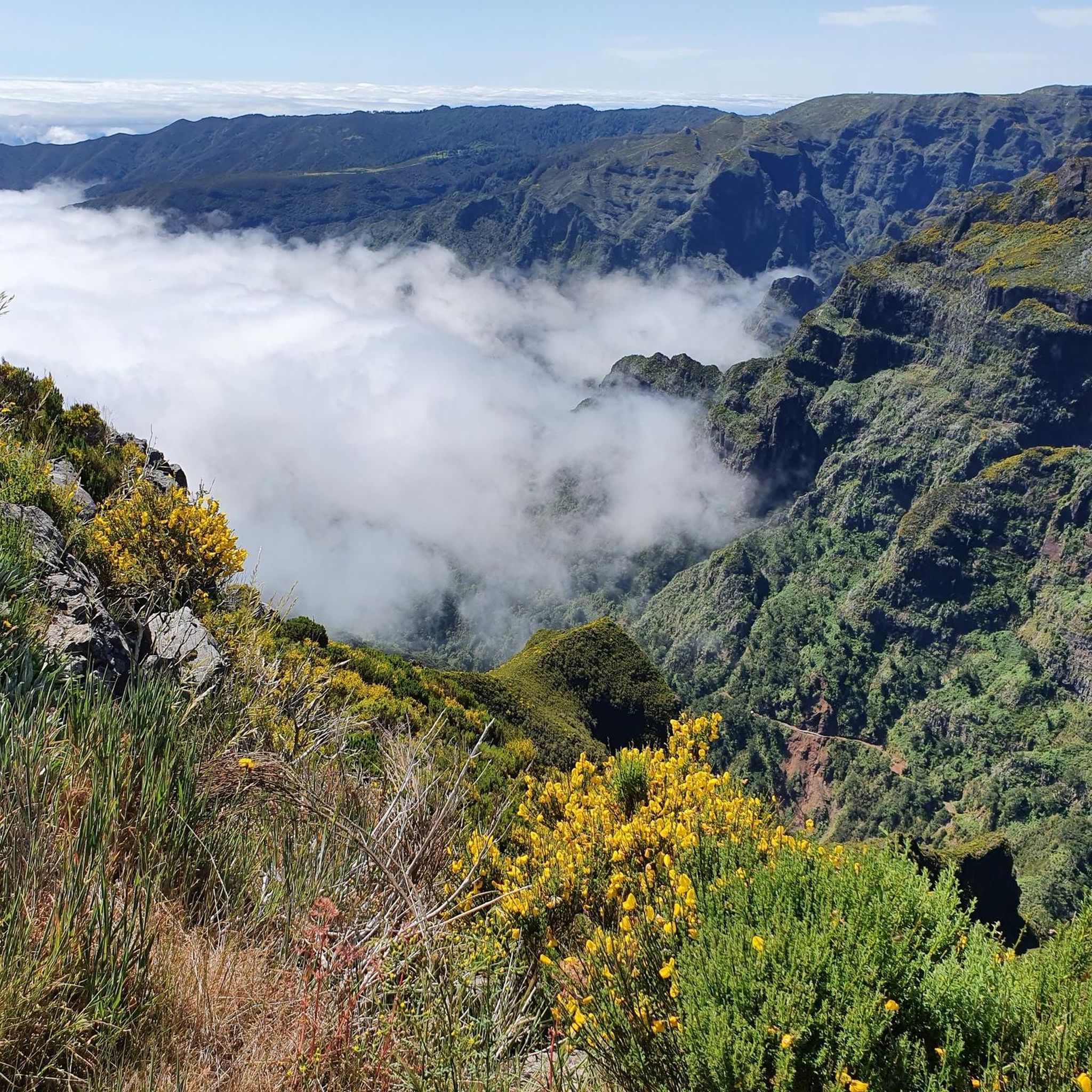
- The most popular natural monuments is Pico Ruivo Summit, a summit that is the highest point on the island of Madeira…
Last updated: August 9, 2026
Pico Ruivo Summit
Highlight • Summit
Translated by Google •
Tip by

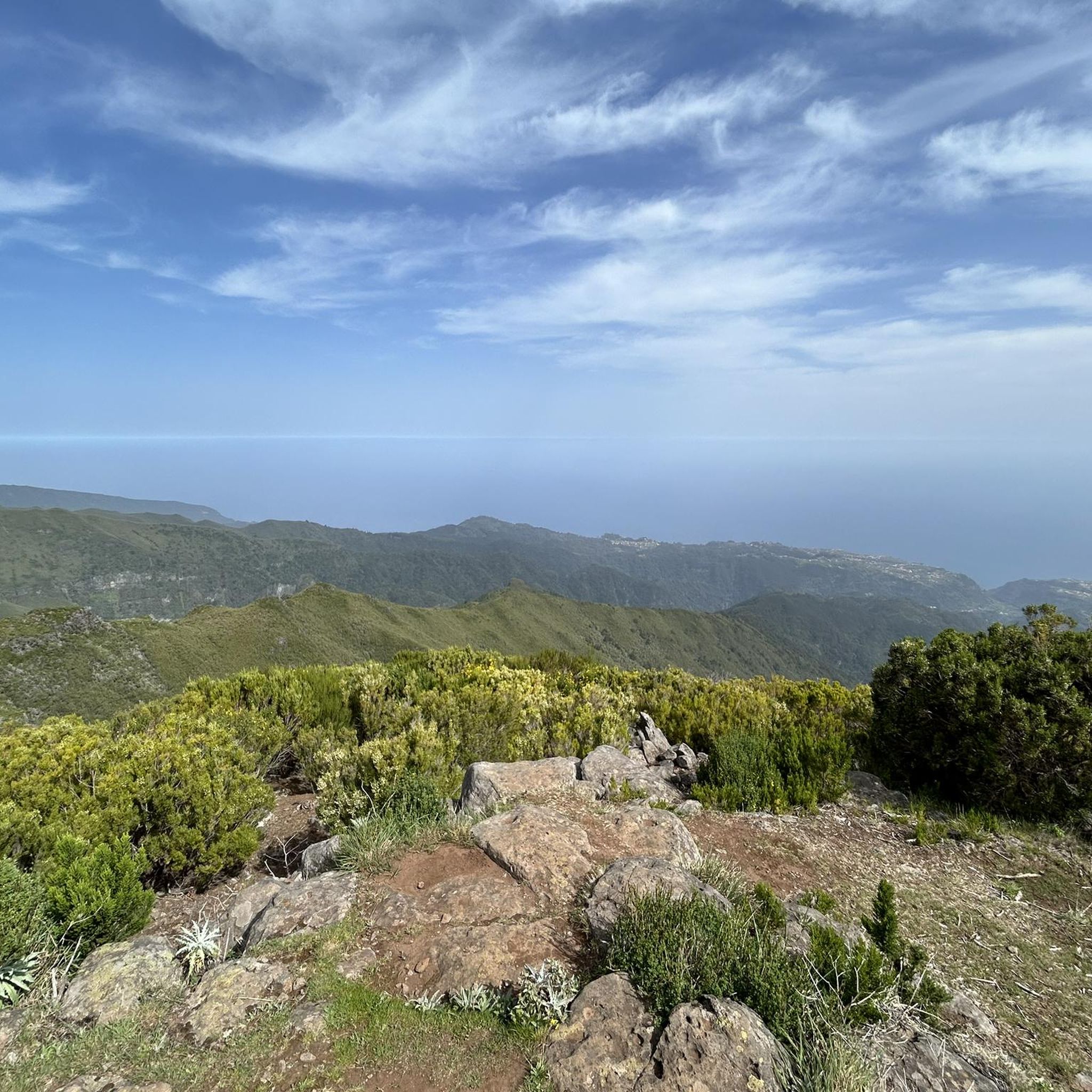
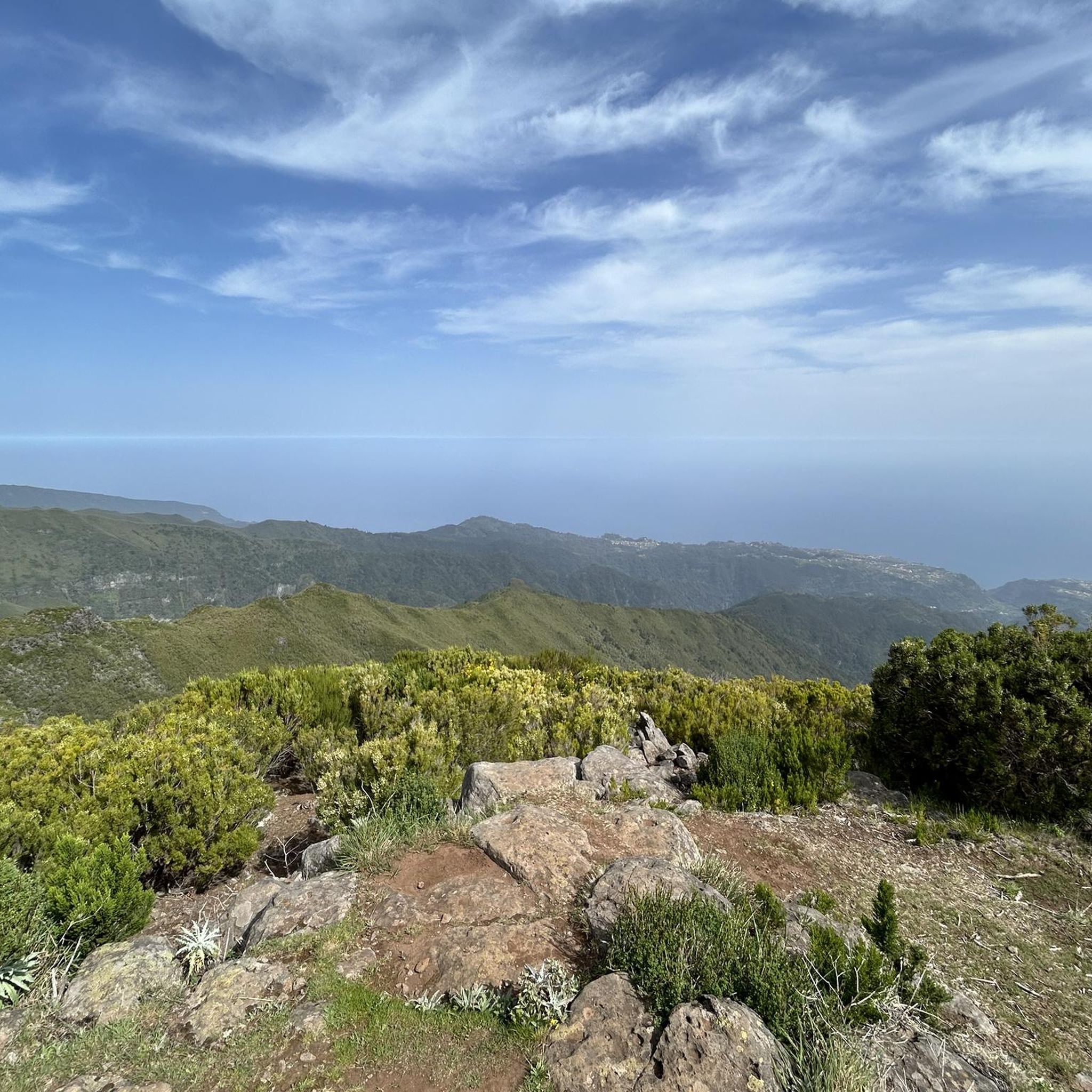
Ninho da Manta Viewpoint
Highlight • Viewpoint
Translated by Google •
Tip by

Sign up now to discover places like this
Get recommendations on the best single tracks, peaks, & plenty of other exciting outdoor places.
Sign up for free
Narrow Path (Pedra Rija Ridge)
Highlight • Trail
Translated by Google •
Tip by

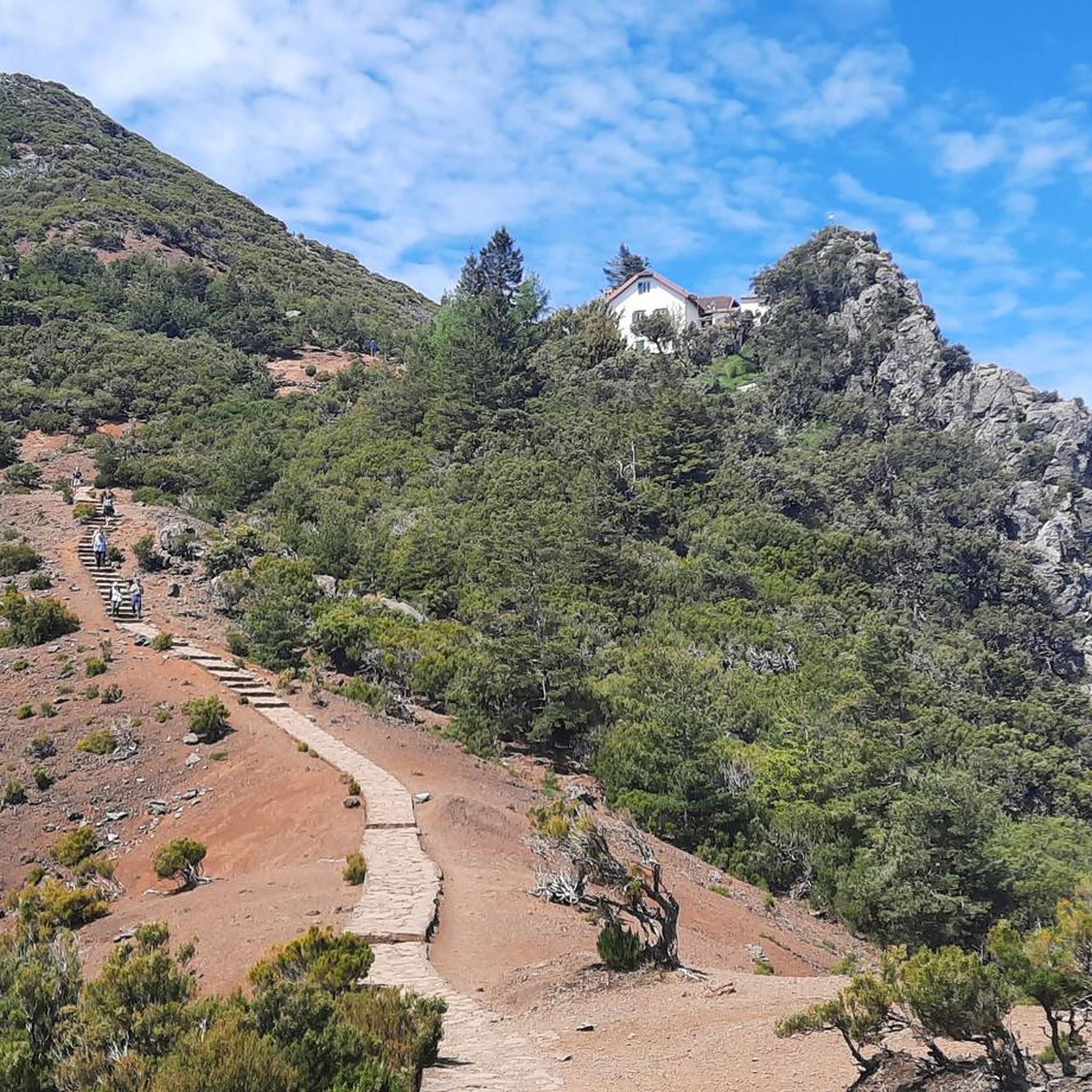
Ascent to Pico Ruivo
Highlight (Segment) • Trail
Translated by Google •
Tip by

Waterfall
Highlight • Waterfall
Translated by Google •
Tip by

Sign up for free to discover even more natural monuments around Faial.
Sign up for free
Already have an account?
Start today with a free account
Your next adventure awaits.
Login or Signup
Tips from the Community

This viewpoint is also worth seeing for sunrise. However, the path from the parking lot at Rio Arieiro to the start of the Ninho da Manta trail was completely icy when we were there. It only became passable once the sun thawed the ice.
5
0

The Levada do Caldeirão Verde (PR9) is one of the most spectacular levada walks in Madeira. It leads along a historic irrigation canal through the lush laurel forest, a UNESCO World Heritage Site. Highlights of the route: Dense laurel forests with moss-covered trees Several tunnels (a flashlight is recommended) Spectacular views of the São Jorge Valley and the surrounding mountains The impressive Caldeirão Verde waterfall, which plunges from over 100 meters into a natural pool
3
0

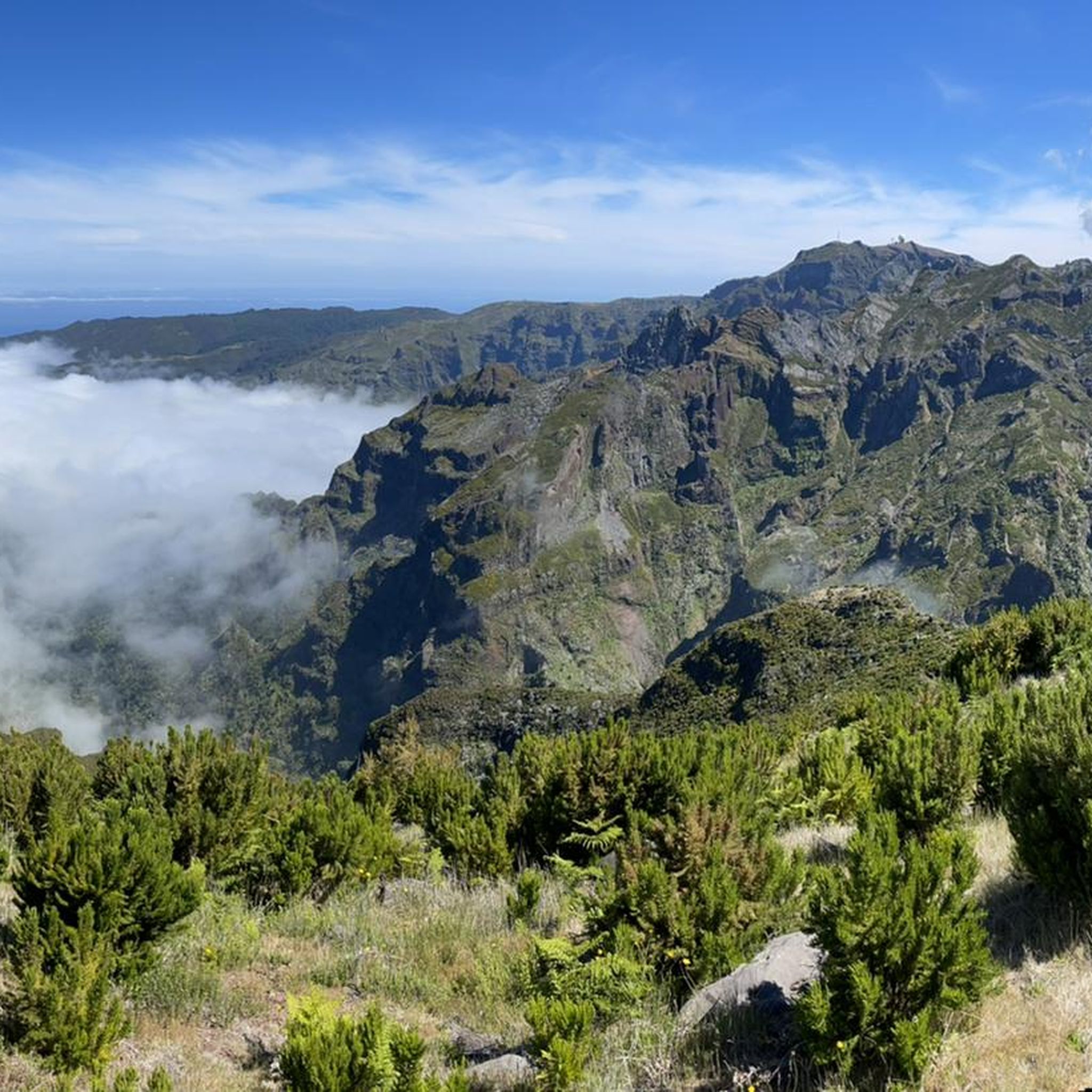
The highest mountain in Madeira and simply a breathtakingly beautiful view 😍.
29
0

The path to Pico Ruivo is currently closed due to rockfalls and forest fires. It is recommended to take the northern ascent to the summit.
29
1

The narrowest part of the whole route, where it drops steeply to the left and right... But here it is well secured with ropes.
5
1
First opportunity to enjoy the view of the valley from a miradouro without being looked at askance by the next hiker.
8
3

Nice viewpoint on the way to Pico Ruivo. When the weather is nice, the view of the mountains is breathtaking and absolutely worth it.
4
1

The view of the mighty rocks is breathtaking
7
1
Frequently Asked Questions
What are some of the most prominent natural monuments to explore in Faial?
Faial, known for its volcanic origins, offers several remarkable natural monuments. Key sites include the colossal Caldeira do Faial, a lush volcanic crater with hiking trails along its rim, and the stark, lunar-like landscape of Vulcão dos Capelinhos, formed by a recent volcanic eruption. Another significant landmark is Monte da Guia, an ancient volcanic cone offering panoramic views over Horta and Porto Pim Bay.
What kind of geological features can I expect to see at Faial's natural monuments?
Faial's natural monuments are primarily shaped by its volcanic history. You'll encounter dramatic volcanic craters like the Caldeira do Faial, newly formed volcanic terrain at Vulcão dos Capelinhos, and ancient volcanic cones such as Monte da Guia. These sites showcase diverse landscapes, from lush, forested interiors to barren, ash-covered expanses, providing a deep insight into the island's geological evolution.
Are there opportunities for hiking near the natural monuments in Faial?
Yes, Faial offers excellent hiking opportunities around its natural monuments. For instance, you can hike along the rim of the Caldeira do Faial, or explore the volcanic paths at Vulcão dos Capelinhos. For more hiking options across the island, you can explore various hiking routes around Faial.
What is the best time of year to visit Faial's natural monuments?
The best time to visit Faial's natural monuments is generally during the spring and summer months (April to September) when the weather is milder and more stable, ideal for hiking and outdoor exploration. This period also sees the island's famous blue hydrangeas in bloom, adding to its beauty. However, the island's volcanic landscapes offer a unique experience year-round.
Are there any family-friendly natural attractions in Faial?
While many of Faial's natural monuments involve hiking, some areas are more accessible for families. For example, the Interpretation Centre at Vulcão dos Capelinhos provides an engaging educational experience for all ages. The sheltered Porto Pim Bay, near Monte da Guia, offers calm waters and a sandy beach, perfect for family relaxation. Always check specific trail difficulties if planning a hike with children.
Can I find viewpoints with panoramic scenery among Faial's natural monuments?
Absolutely. Faial's natural monuments are renowned for their breathtaking viewpoints. From the rim of the Caldeira do Faial, you can enjoy panoramic views of the island's interior and neighboring Pico Island. Monte da Guia also offers spectacular vistas over Horta, Porto Pim Bay, and the surrounding ocean. These spots provide excellent photo opportunities and a chance to appreciate the island's dramatic landscapes.
What kind of cycling routes are available near Faial's natural monuments?
Faial offers various cycling routes that allow you to explore its natural beauty. You can find options for both road cycling and touring, with routes like the 'Porto da Cruz, Portela, and Poiso Circuit' or the 'Achada do Teixeira Trail'. For a comprehensive list of routes, check out the road cycling routes around Faial and general cycling routes around Faial.
Is public transport available to reach Faial's natural monuments?
While public transport options exist on Faial, reaching some of the more remote natural monuments might require a combination of bus services and walking, or arranging for a taxi or guided tour. It's advisable to check local bus schedules and routes in advance, especially for sites like the Caldeira or Capelinhos, as direct access might be limited.
What makes the Caldeira do Faial a significant natural monument?
The Caldeira do Faial is significant as a colossal volcanic crater, measuring approximately 2 kilometers in diameter and over 400 meters deep. It's a prime example of Faial's geological history, featuring lush vegetation, including laurel forest, and often a small lake. It's also a protected natural reserve, classified within the Natura 2000 Network, and a geosite of the Azores Geopark, offering a glimpse into the island's pristine past.
What is unique about the Vulcão dos Capelinhos?
The Vulcão dos Capelinhos is unique because it's the site of a relatively recent volcanic eruption (1957-1958) that added new land to Faial. This created a stark, lunar-like landscape that dramatically contrasts with the island's usual greenery. Visitors can explore this powerful testament to volcanic activity and learn more about it at the underground Interpretation Centre of the Capelinhos Volcano.
Are there any historical aspects associated with Faial's natural monuments?
Yes, some natural monuments in Faial also hold historical significance. Monte da Guia, for instance, not only offers stunning views but also played a role in the island's whaling history. The Vulcão dos Capelinhos, while geologically recent, represents a significant historical event for the island, impacting its geography and the lives of its inhabitants during the eruption.
What should I wear when hiking to Faial's natural monuments?
When hiking to Faial's natural monuments, it's recommended to wear comfortable, sturdy hiking shoes suitable for varied terrain, as paths can be uneven or slippery, especially after rain. Layers of clothing are advisable due to changing weather conditions, and a waterproof jacket is always a good idea. Don't forget sun protection, water, and snacks.
Most popular attractions around Faial

Get inspired with the komoot mobile app


Explore more
Extend your search for the best caves by checking out these guides of the top ones around Faial:
