Top 7 Natural Monuments around Óbidos (Santa Maria)
Best natural monuments around Óbidos (Santa Maria) are characterized by a diverse landscape where the Atlantic coast meets inland natural features. The region features Portugal's largest saltwater lagoon, coastal viewpoints, and ancient geological formations. These sites offer a range of natural experiences, from sandy beaches to unique rock arches. The area provides opportunities to explore varied ecosystems and scenic vistas.
Best natural monuments around Óbidos (Santa Maria)
- The most popular natural monuments is Foz do Arelho Beach, a beach…
Last updated: August 9, 2026
Foz do Arelho Beach
Highlight • Beach
Translated by Google •
Tip by

Praia dos Covões
Highlight • Beach
Translated by Google •
Tip by

Sign up now to discover places like this
Get recommendations on the best single tracks, peaks, & plenty of other exciting outdoor places.
Sign up for free
Penedo Furado Rock Arch
Highlight • Natural Monument
Translated by Google •
Tip by

Vale Cornaga Waterfall
Highlight • Waterfall
Tip by

Óbidos Lagoon
Highlight • Lake
Translated by Google •
Tip by

Sign up for free to discover even more natural monuments around Óbidos (Santa Maria).
Sign up for free
Already have an account?
Start today with a free account
Your next adventure awaits.
Login or Signup

Tips from the Community

Unlike me, make sure you check the tide times before you set off. I had to change my original plan due to not wanting to swim through the shore dump and even then I couldn't make it to my back-up destination.
0
0

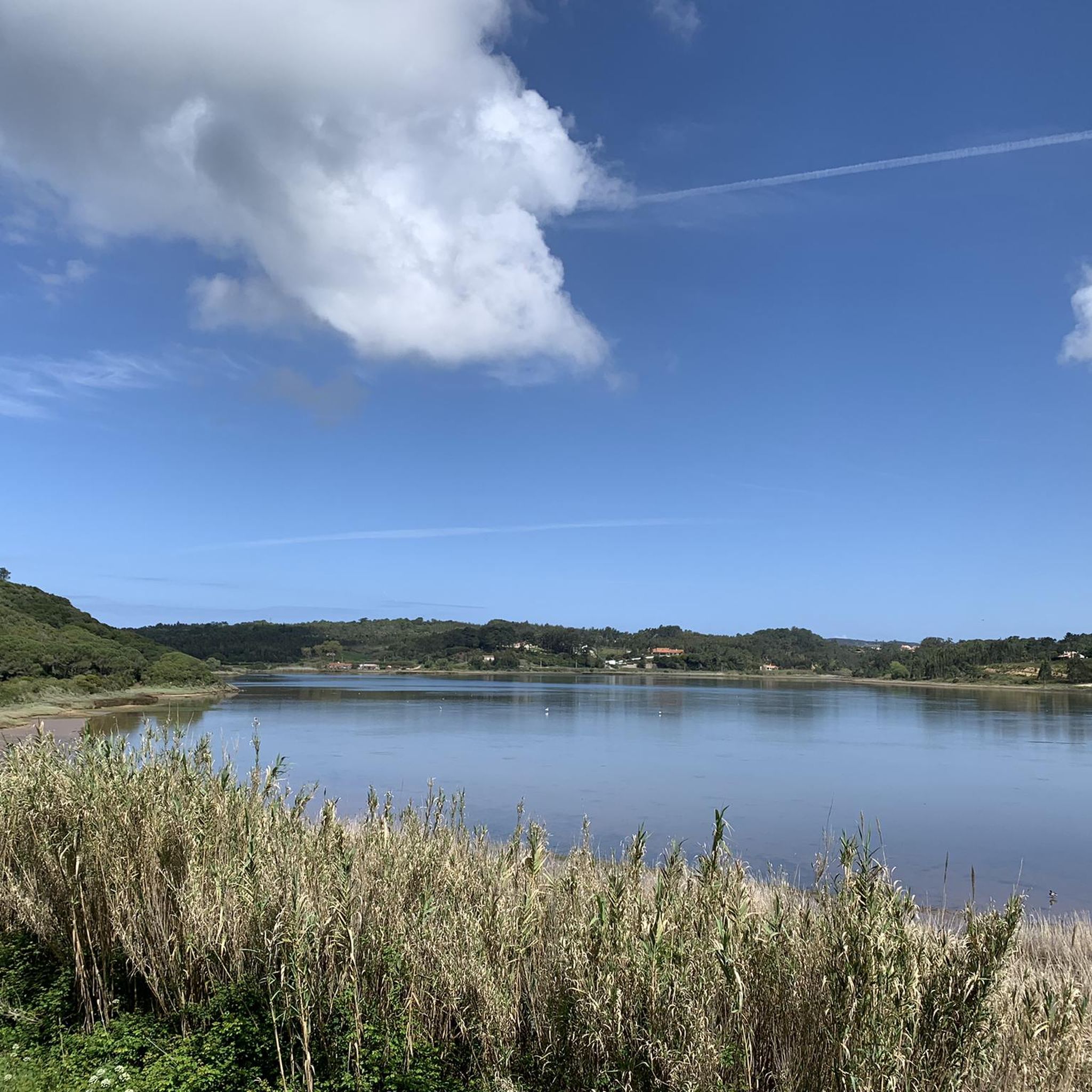
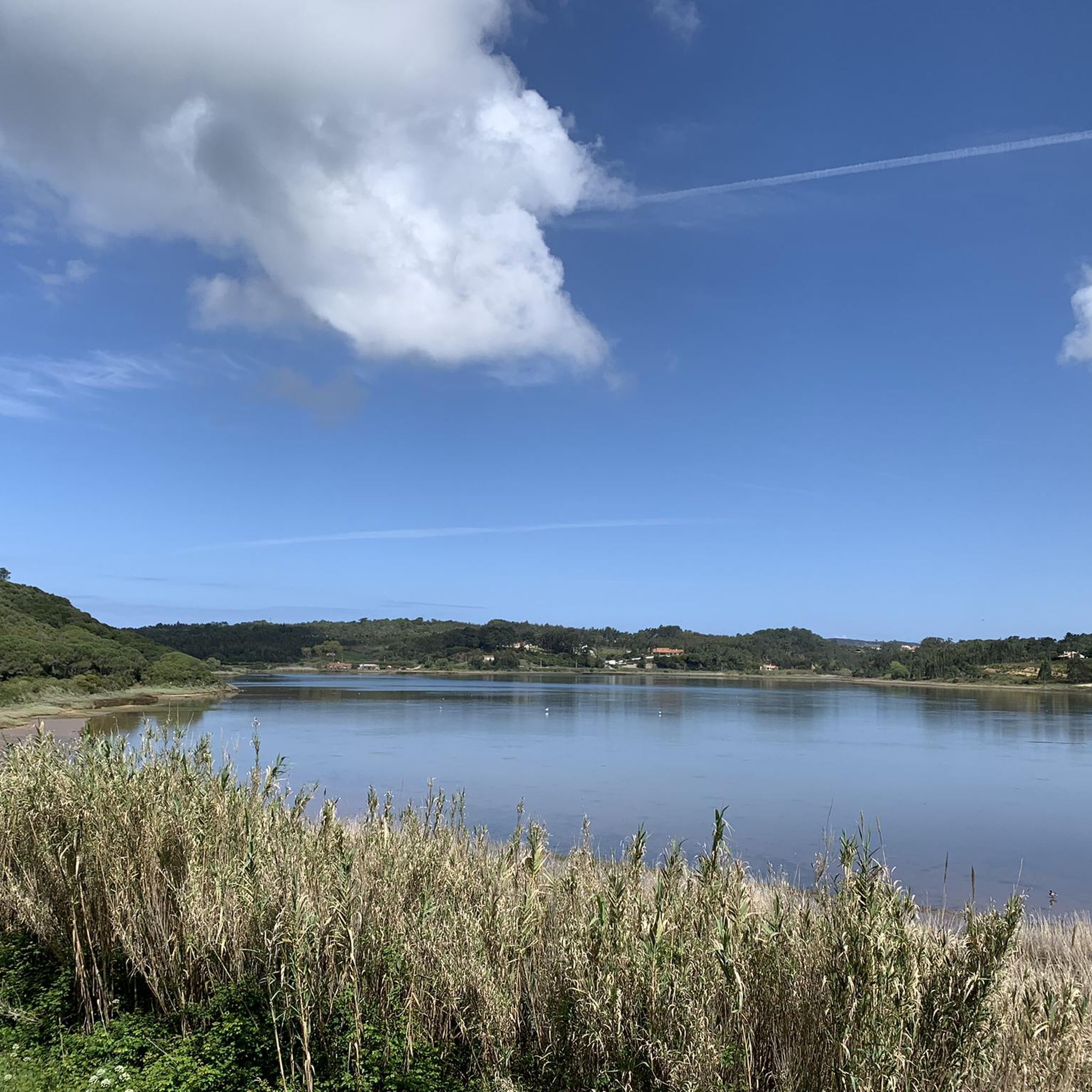
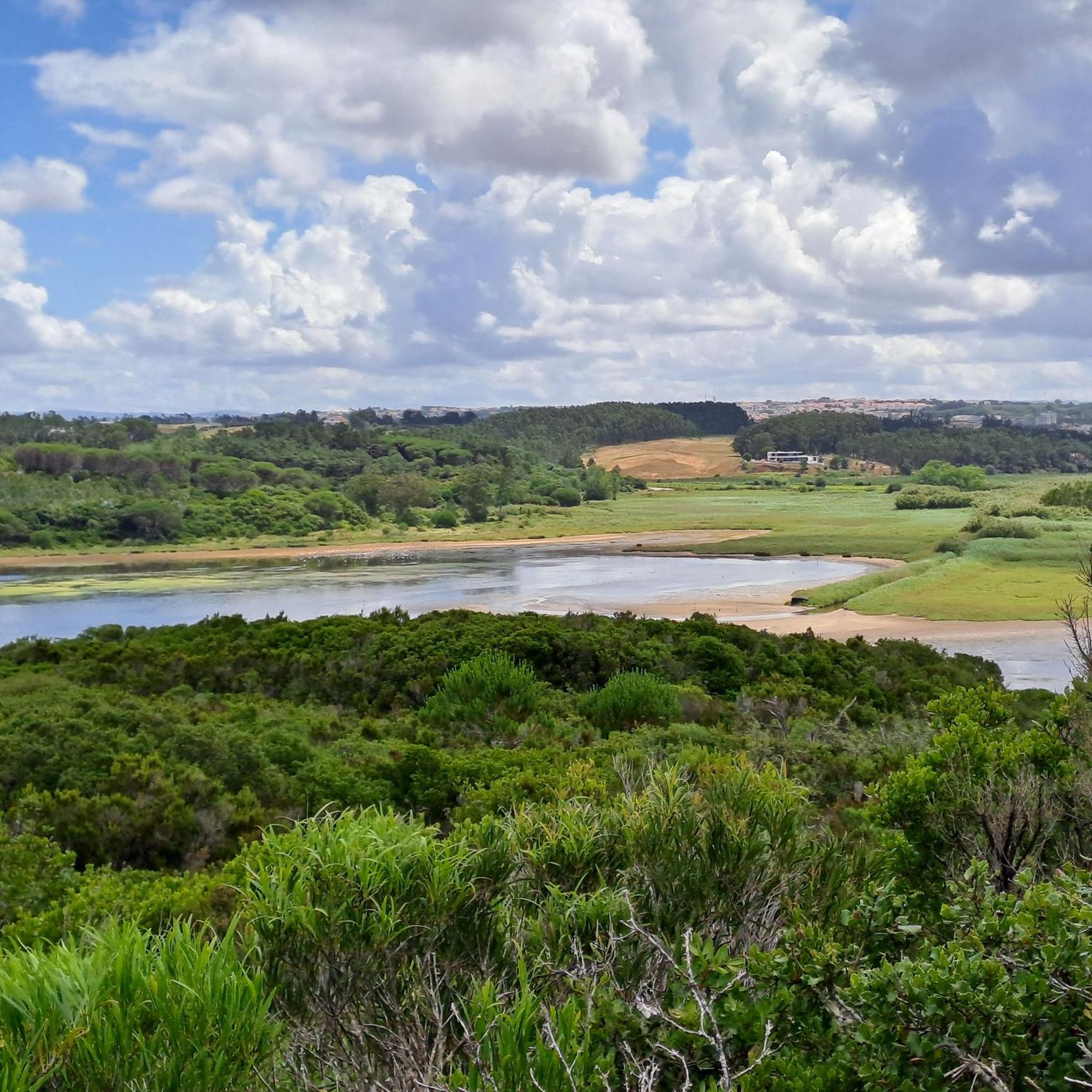
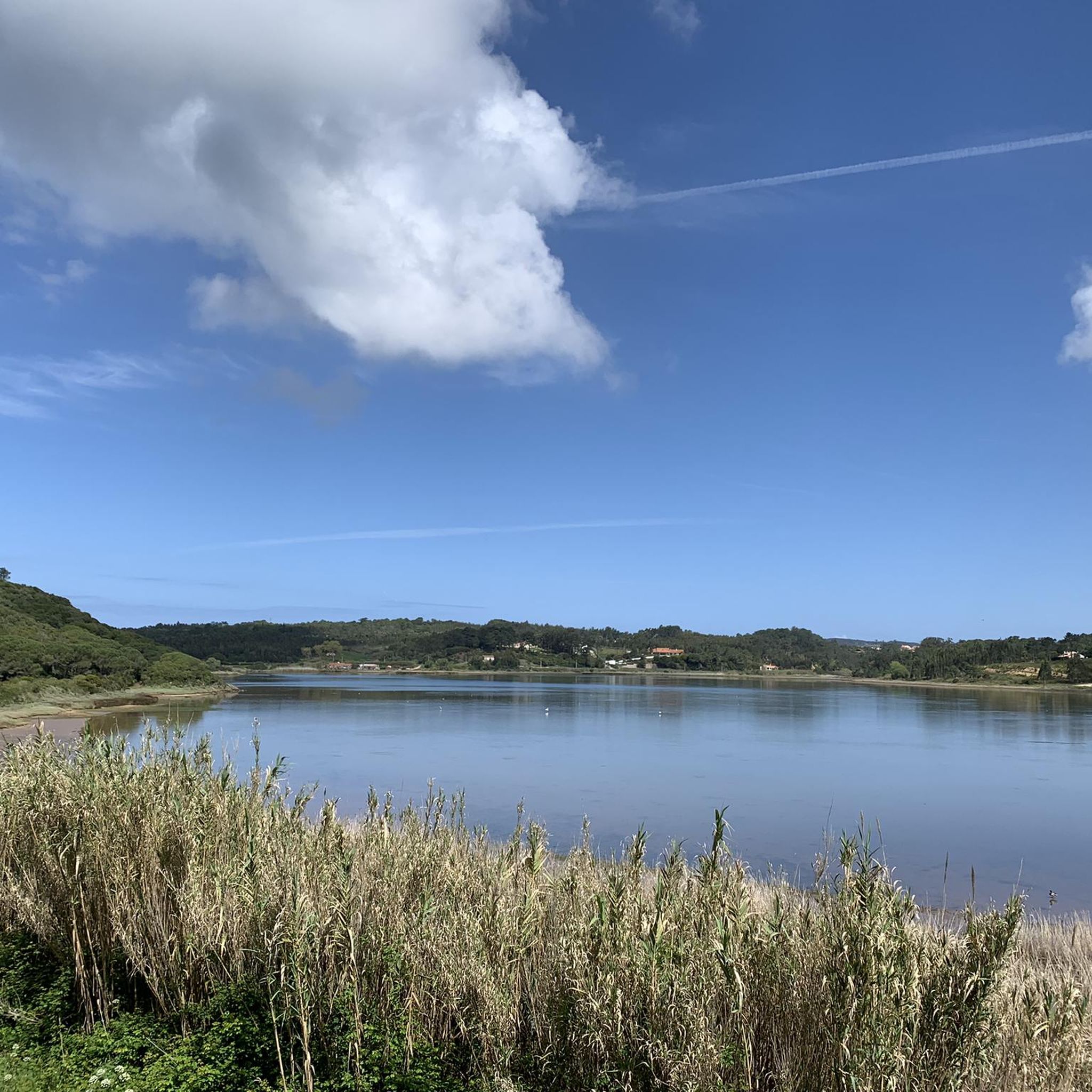
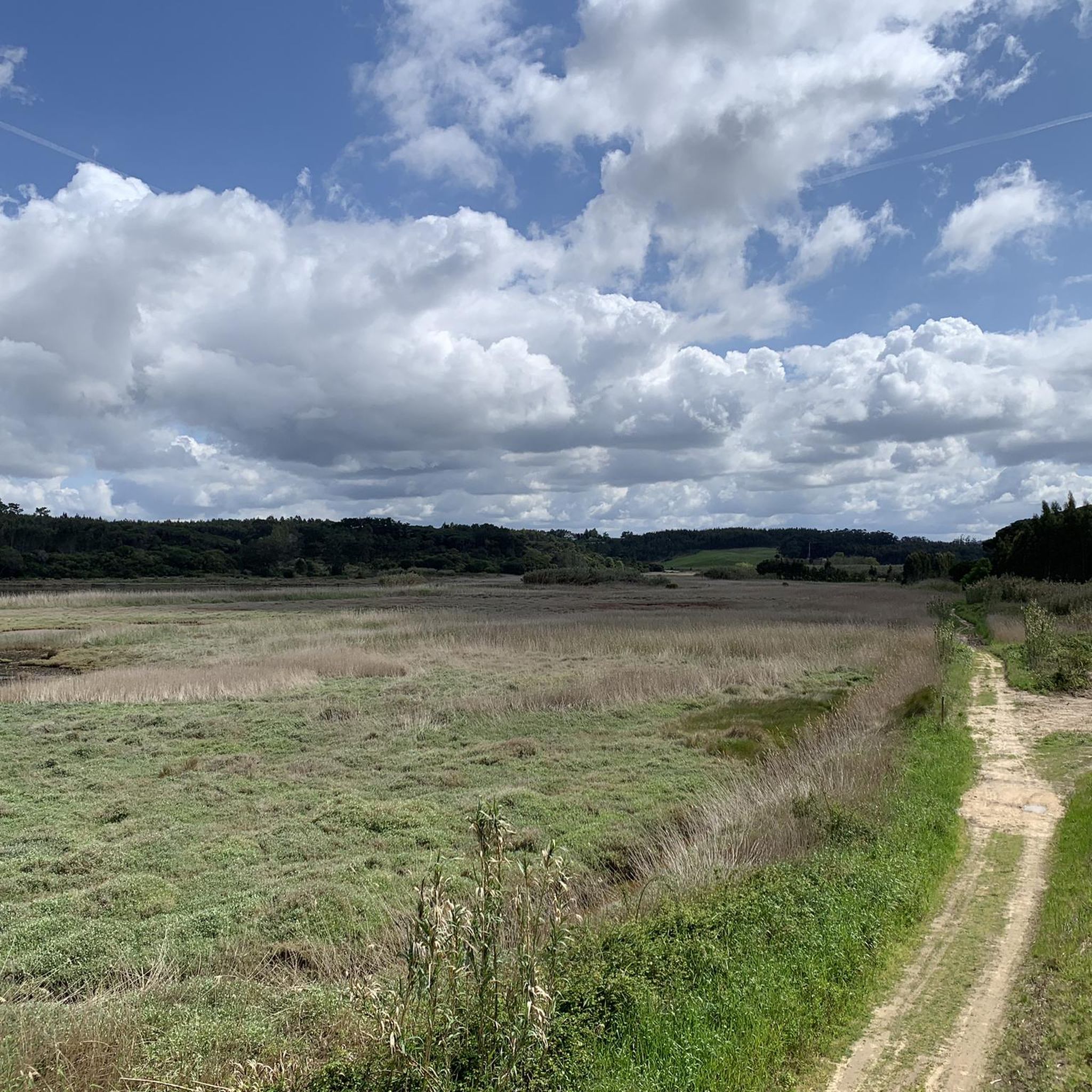
Óbidos Lagoon is the largest coastal lagoon system in Portugal, located in the district of Leiria, about 85 km from Lisbon. It is a fragile ecosystem and a popular destination for those seeking tranquility, nature and nautical activities, connecting the towns of Óbidos and Caldas da Rainha.
2
0


Penedo Furado dates back to the Jurassic period, when the sea bathed this inland area, close to Nadadouro. It is now a huge rock, light brown in colour and on the side facing the Óbidos Lagoon, signs of erosion are visible, with deep cavities and one of them ended up going through the rock, forming a passage.
1
0

This place is accessible by gravel and not with a road bike.
11
0
It is located in a shallow depression with irregular and very unstable contours near the sea, whose natural barrier separating it from the marine environment is formed by a line of coastal dunes. It is connected to the sea by a channel of variable width and positioning, locally known as "open". Sometimes this transition point closes, requiring interventions to keep the bar open. It is a lagoon system of enormous ecological importance. The Óbidos Lagoon is the largest coastal lagoon system on the Portuguese coast. It has a total area of approximately 6.9 km2 and an average depth of two metres, with elevations ranging from half a metre to five metres. It extends upstream essentially by two channels, to the west by the Braço do Bom Sucesso, and to the east by the Braço da Barrosa. (Source: Wikipedia)
12
0
Usually in summer there isn't much water there, but always a beautiful place to walk or bike.
1
0

great place to chill out. even have a bath. don't know if it will have water in summer though.
2
0
Frequently Asked Questions
What activities can I do at the Óbidos Lagoon?
The Óbidos Lagoon, Portugal's largest saltwater lagoon, is a hub for outdoor enthusiasts. You can enjoy activities such as birdwatching, kayaking, paddleboarding, and windsurfing in its calm waters. Surrounding trails are also ideal for hiking and cycling. The lagoon's ecosystem supports a rich array of wildlife, making it a significant spot for nature lovers.
Are there any unique geological formations to see around Óbidos (Santa Maria)?
Yes, a notable geological formation is the Penedo Furado Rock Arch. Dating back to the Jurassic period, this large, light brown rock near Nadadouro features deep cavities and a natural passage formed by erosion, offering a unique natural spectacle.
Where can I find a scenic viewpoint to appreciate the natural beauty?
The Foz do Arelho Viewpoint offers a spectacular panorama where the Óbidos Lagoon converges with the Atlantic Ocean. It's considered one of the most iconic locations in the western region of Portugal, providing breathtaking views. A scenic coastal boardwalk, Passadiços da Foz do Arelho, also offers great views of the Atlantic Ocean.
Are there family-friendly natural monuments in the area?
Absolutely. Foz do Arelho Beach is very suitable for families, offering both Atlantic Ocean waves and calm lagoon waters for swimming. The Penedo Furado Rock Arch and the Arnóia River are also considered family-friendly natural monuments.
What kind of wildlife can I spot around Óbidos (Santa Maria)?
The Óbidos Lagoon is a protected ecosystem that supports a rich array of wildlife, making it an excellent spot for birdwatching. Its diverse environment is home to various species, particularly birds, due to its status as a significant natural habitat.
Are there hiking trails near these natural monuments?
Yes, there are several hiking opportunities. For example, you can find routes like the 'Penedo Furado Rock Arch – Foz do Arelho Beach loop' which is an easy hike. You can explore more options on the Hiking around Óbidos (Santa Maria) guide or the Easy hikes around Óbidos (Santa Maria) guide.
What is the best time of year to visit the natural monuments around Óbidos (Santa Maria)?
The region's natural monuments can be enjoyed year-round. However, for water activities and enjoying the beaches, the warmer months are ideal. For hiking and birdwatching, spring and autumn offer pleasant temperatures and vibrant natural scenery. Some natural features, like the Vale Cornaga Waterfall, may have less water during the summer.
Can I find quiet, less crowded beaches in the area?
Yes, Praia dos Covões is a beautiful, long stretched beach with steep cliffs that is often deserted. It's a great option if you're looking for a more secluded experience, though it lacks facilities like restaurants or toilets.
Is it possible to visit a waterfall in the region?
Yes, you can visit the Vale Cornaga Waterfall. Located in a valley, it offers a place to relax and enjoy the surrounding nature, with the sound of water flowing over old stones. While it's a beautiful spot for a walk or bike ride, be aware that it may not have much water during the summer months.
What do visitors enjoy most about Foz do Arelho Beach?
Visitors particularly enjoy the versatility of Foz do Arelho Beach. It offers the excitement of swimming in the Atlantic Ocean with its significant waves, as well as the calm, shallow waters of the lagoon, which is very suitable for children. The wide promenade and the fascinating combination of natural beauty also receive high praise.
Are there any natural reserves or protected areas nearby?
Yes, the Óbidos Lagoon itself is a protected ecosystem, highlighting its importance for both recreation and conservation. Additionally, the Berlengas Archipelago, accessible by ferry from nearby Peniche, is a protected nature reserve featuring crystal-clear waters, vibrant marine life, and stunning landscapes, excellent for hiking, snorkeling, and birdwatching.
What are the options for cycling near the natural monuments?
The trails surrounding the Óbidos Lagoon are perfect for cycling. For more structured routes, you can explore options in the Road Cycling Routes around Óbidos (Santa Maria) guide, which includes routes that pass by scenic points like the View of Óbidos Lagoon.
Most popular routes around Óbidos (Santa Maria)
Most popular attractions around Óbidos (Santa Maria)

Get inspired with the komoot mobile app


Explore more
Extend your search for the best caves by checking out these guides of the top ones around Óbidos (Santa Maria):
