Top 12 Natural Monuments around Amoreira
Best natural monuments around Amoreira include a variety of coastal and inland geological formations. The region features diverse landscapes, from expansive beaches with unique lagoon systems to ancient rock formations and dramatic cliffs. These areas offer opportunities to observe rich biodiversity and explore significant geological history. Visitors can discover a range of natural features, including beaches, peninsulas, rock arches, and waterfalls.
Best natural monuments around Amoreira
- The most popular natural monuments is Papôa Peninsula, a viewpoint that offers wild…
Last updated: May 2, 2026
Foz do Arelho Beach
Highlight • Beach
Translated by Google •
Tip by

Ponta do Trovao - interesting rock formation
Highlight • Natural Monument
Translated by Google •
Tip by

Sign up now to discover places like this
Get recommendations on the best single tracks, peaks, & plenty of other exciting outdoor places.
Sign up for free
Papôa Peninsula
Highlight • Viewpoint
Translated by Google •
Tip by

Penedo Furado Rock Arch
Highlight • Natural Monument
Translated by Google •
Tip by

Vale Cornaga Waterfall
Highlight • Waterfall
Tip by

Sign up for free to discover even more natural monuments around Amoreira.
Sign up for free
Already have an account?
Start today with a free account
Your next adventure awaits.
Login or Signup

Tips from the Community


Penedo Furado dates back to the Jurassic period, when the sea bathed this inland area, close to Nadadouro. It is now a huge rock, light brown in colour and on the side facing the Óbidos Lagoon, signs of erosion are visible, with deep cavities and one of them ended up going through the rock, forming a passage.
1
0
Usually in summer there isn't much water there, but always a beautiful place to walk or bike.
1
0

great place to chill out. even have a bath. don't know if it will have water in summer though.
2
0

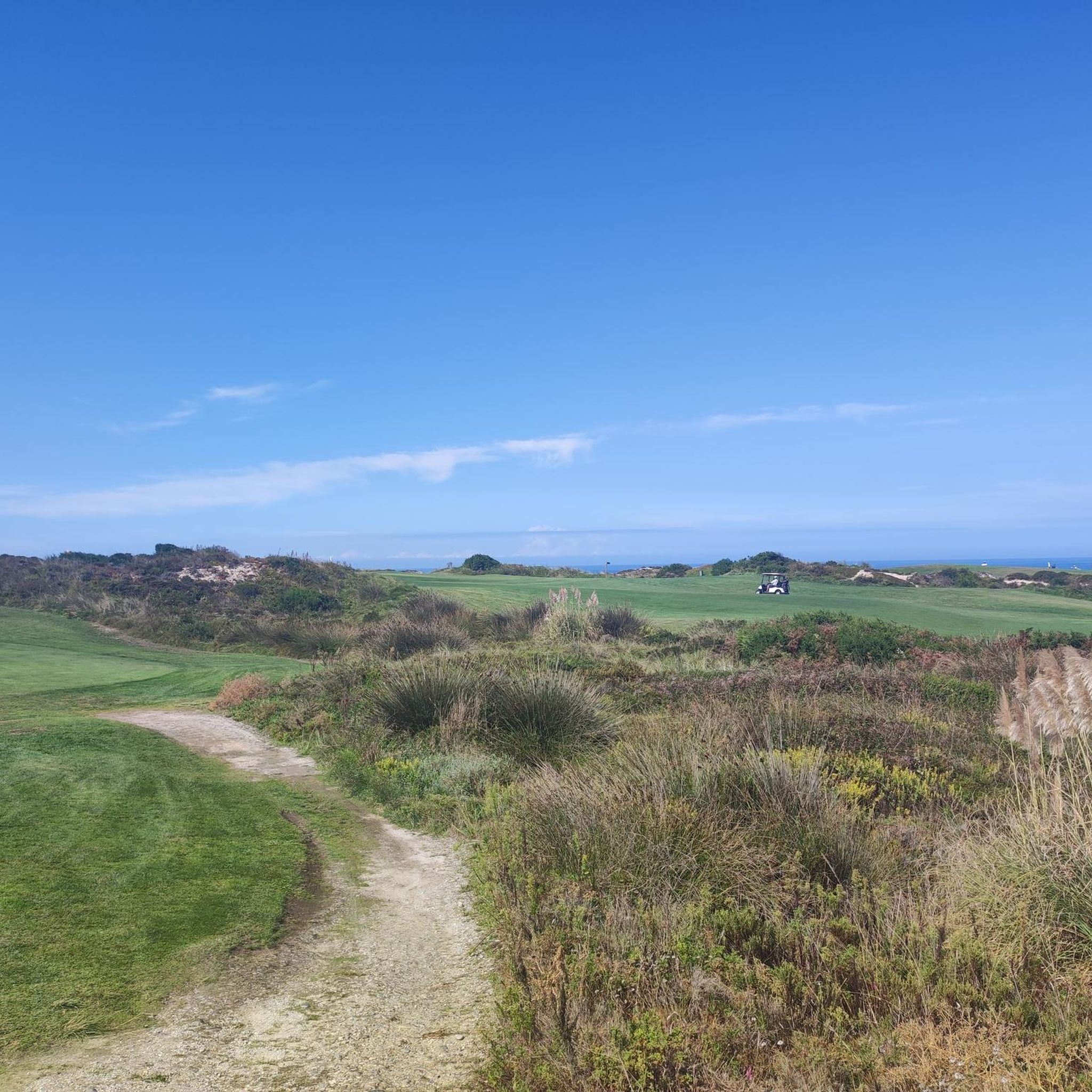
Peniche is Portugal's second fishing port. The coast is truly of breathtaking beauty.
2
2
Cornaga Valley - This is a route to take slowly, enjoying the magnificent nature that surrounds you. Listen to the birds, hear the sound of water sliding between old stones.
1
0

The Óbidos Lagoon is a fascinating combination of natural beauty, cultural heritage and adventure activities. This coastal lagoon with its unique ecosystem
1
1

The limestone cliffs that delimit the Peniche Peninsula tell an uninterrupted story with more than 20 million years of geological evolution of the Lower Jurassic of Portugal. A history engraved in the rock that dates back to the beginning of the Jurassic (about 200 million years ago) and the most recent "life" of the Blue Planet, when dinosaurs were already inhabiting the continental areas and the Iberian Peninsula, the northern part of the American continent was very close. It is therefore an ideal place to further strengthen the link between theoretical and practical geology (https://www.cm-peniche.pt/).
3
0
Frequently Asked Questions
What are some of the most notable natural monuments around Amoreira?
The region around Amoreira offers diverse natural monuments. Highlights include the Papôa Peninsula, known for its wild sea views and 20 million years of geological history. You can also visit Foz do Arelho Beach, which features a unique lagoon system, and the impressive Penedo Furado Rock Arch, a large Jurassic-era formation with deep cavities.
What kind of natural features can I expect to see in this area?
You'll find a variety of natural features, including expansive beaches, unique lagoon systems, ancient rock formations, and dramatic cliffs. The area is rich in geological peculiarities, such as carbonate sedimentary rocks dating back to the Jurassic period, and offers coastal landscapes alongside inland features like the Vale Cornaga Waterfall.
Are there family-friendly natural monuments around Amoreira?
Yes, several natural monuments are suitable for families. Foz do Arelho Beach is particularly family-friendly, offering safe, shallow waters in its lagoon for children, alongside the Atlantic Ocean. The Penedo Furado Rock Arch is also a great spot for families to explore a unique geological formation.
Can I go hiking near these natural monuments?
Absolutely. The region offers various hiking opportunities. For instance, you can explore trails around the Óbidos Lagoon or coastal paths. You can find more details on routes like the 'Óbidos Town Gate – Óbidos Castle loop' or 'Flamingos on the Óbidos Lagoon' in the Hiking around Amoreira guide.
What cycling opportunities are available near the natural monuments?
The area is well-suited for cycling, with routes ranging from easy to difficult. You can cycle along the coast, explore the banks of the Óbidos Lagoon, or venture further inland. Popular routes include 'Papôa Peninsula – Westernmost Point of Peniche loop' and 'Banks of the Óbidos Lagoon – Foz do Arelho Beach loop'. Discover more in the Cycling around Amoreira guide.
Is there wildlife to observe at these natural monuments?
Yes, especially in coastal areas and near lagoons. The region's diverse habitats, including marshlands and pinewoods, support various wildlife. For example, the area around Praia da Amoreira (Aljezur) is known for otters and a variety of birds like kingfishers and grey herons. The Papôa Peninsula is also a good spot to observe numerous migratory birds.
What is the best time of year to visit the natural monuments around Amoreira?
The best time to visit depends on your preferred activities. Spring (March to May) offers pleasant temperatures for hiking and cycling, with many rare and endemic plants in bloom, especially around areas like Praia da Amoreira (Aljezur). Summer (June to August) is ideal for beach activities and swimming. Autumn and winter can offer dramatic coastal views and fewer crowds, though some waterfalls like Vale Cornaga Waterfall might have less water in drier months.
Are there any unique geological formations to explore?
Definitely. The Papôa Peninsula is a prime example, showcasing 20 million years of Portuguese geological history with its distinct layers of carbonate sedimentary rocks. The Penedo Furado Rock Arch is another impressive Jurassic-era formation, displaying significant erosion. You can also find interesting limestone cliffs and rock formations at Ponta do Trovao.
What do visitors particularly enjoy about the natural monuments in this region?
Visitors appreciate the stunning scenic beauty, especially the wild, romantic sea views from places like the Papôa Peninsula. The unique combination of ocean and lagoon at Foz do Arelho Beach is also highly rated, offering diverse swimming options. The geological significance and the opportunity to explore ancient rock formations like Penedo Furado Rock Arch are also big draws.
Are there dog-friendly trails or areas among the natural monuments?
While specific regulations can vary, many natural outdoor areas and trails are generally dog-friendly, especially if dogs are kept on a leash. Coastal walks and less crowded paths often welcome dogs. It's always advisable to check local signage or specific park rules for the most up-to-date information on dog access.
How accessible are these natural monuments by public transport?
Accessibility by public transport can vary. While some larger towns near natural monuments might have bus connections, reaching more remote natural sites often requires a car. For specific locations like Praia da Amoreira (Aljezur), local buses might connect from nearby towns, but it's best to research specific routes and schedules in advance for your chosen destination.
Are there places to eat or stay near the natural monuments?
Yes, the region offers various options for accommodation and dining. Towns and villages near the natural monuments, such as those around the Óbidos Lagoon or Peniche, provide cafes, restaurants, and guesthouses. For example, areas near Foz do Arelho Beach have amenities catering to visitors.
Most popular attractions around Amoreira

Get inspired with the komoot mobile app


Explore more
Extend your search for the best caves by checking out these guides of the top ones around Amoreira:
