Top 6 Natural Monuments around Caldas Da Rainha (Nossa Senhora Do Pópulo)
Best natural monuments around Caldas Da Rainha (Nossa Senhora Do Pópulo) offer diverse natural landscapes, from coastal lagoons to inland parks and unique geological formations. The region features areas where the Óbidos Lagoon meets the Atlantic Ocean, alongside protected woodlands and urban green spaces. These natural areas provide ecological importance and recreational opportunities for visitors. The municipality encompasses significant natural features, including extensive dunes and rock arches.
Best natural monuments around Caldas Da Rainha (Nossa Senhora Do Pópulo)
- The most…
Last updated: July 27, 2026
Salir do Porto Dune
Highlight • Natural Monument
Translated by Google •
Tip by

Foz do Arelho Beach
Highlight • Beach
Translated by Google •
Tip by

Sign up now to discover places like this
Get recommendations on the best single tracks, peaks, & plenty of other exciting outdoor places.
Sign up for free
Penedo Furado Rock Arch
Highlight • Natural Monument
Translated by Google •
Tip by
View of the Coastal Cliffs
Highlight • Viewpoint
Tip by

Arnóia River
Highlight • River
Nicely situated in the valley
Translated by Google •
Tip by
Sign up for free to discover even more natural monuments around Caldas Da Rainha (Nossa Senhora Do Pópulo).
Sign up for free
Already have an account?
Start today with a free account
Your next adventure awaits.
Login or Signup
Popular around Caldas Da Rainha (Nossa Senhora Do Pópulo)
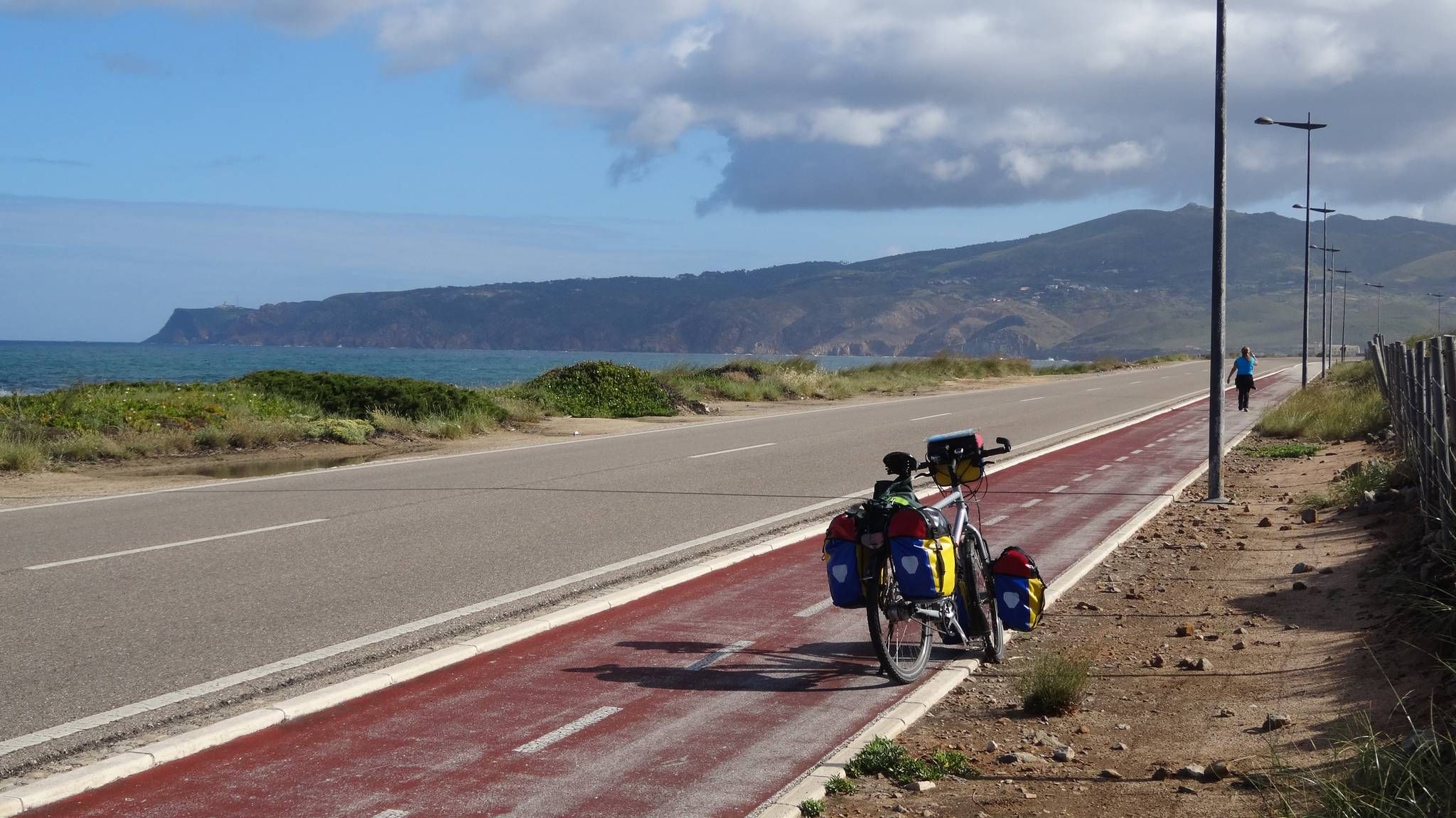
Bike Touring along Portugal's Atlantic Coast from Lisbon to Porto
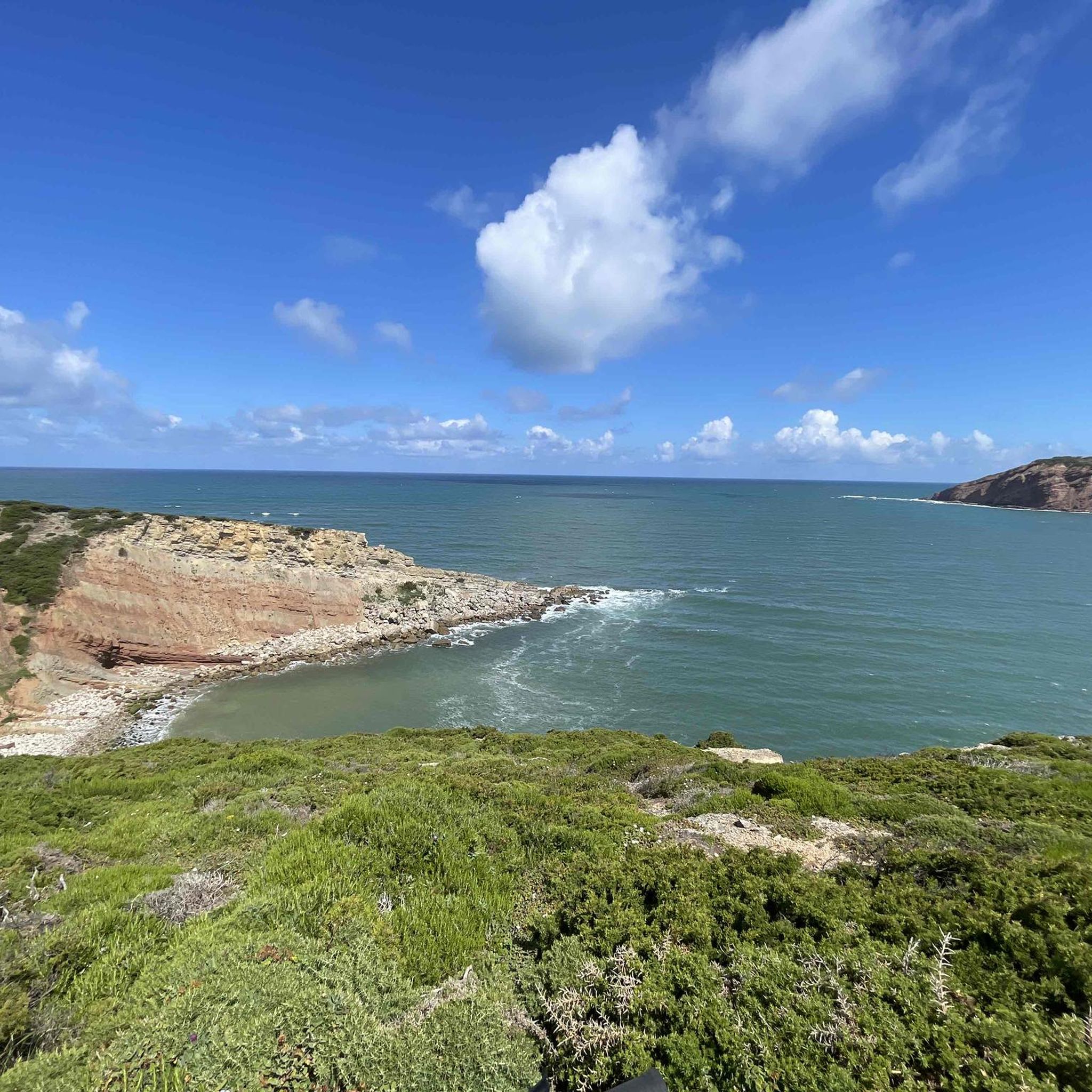
Road Cycling Routes around Caldas Da Rainha (Nossa Senhora Do Pópulo)
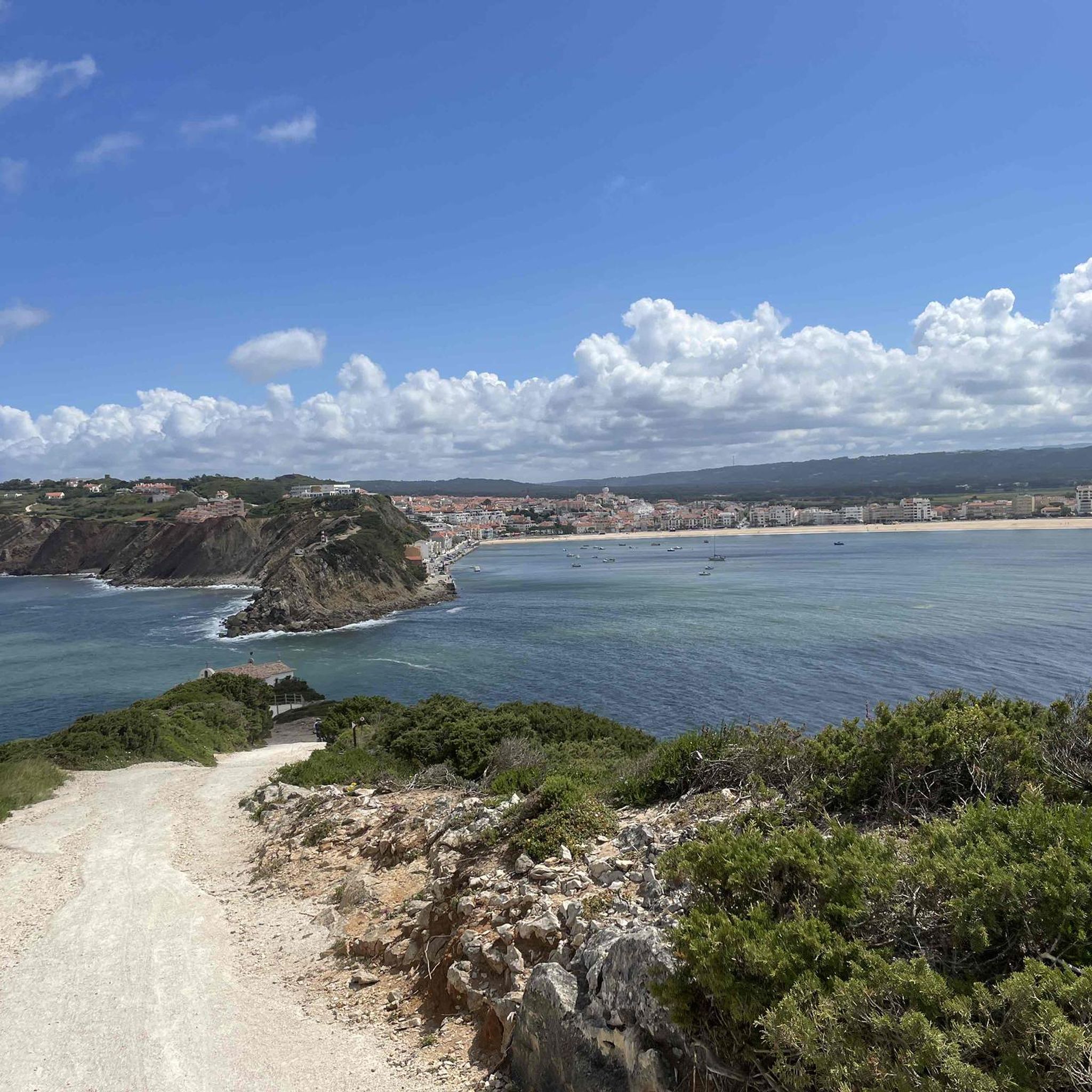
Hiking around Caldas Da Rainha (Nossa Senhora Do Pópulo)
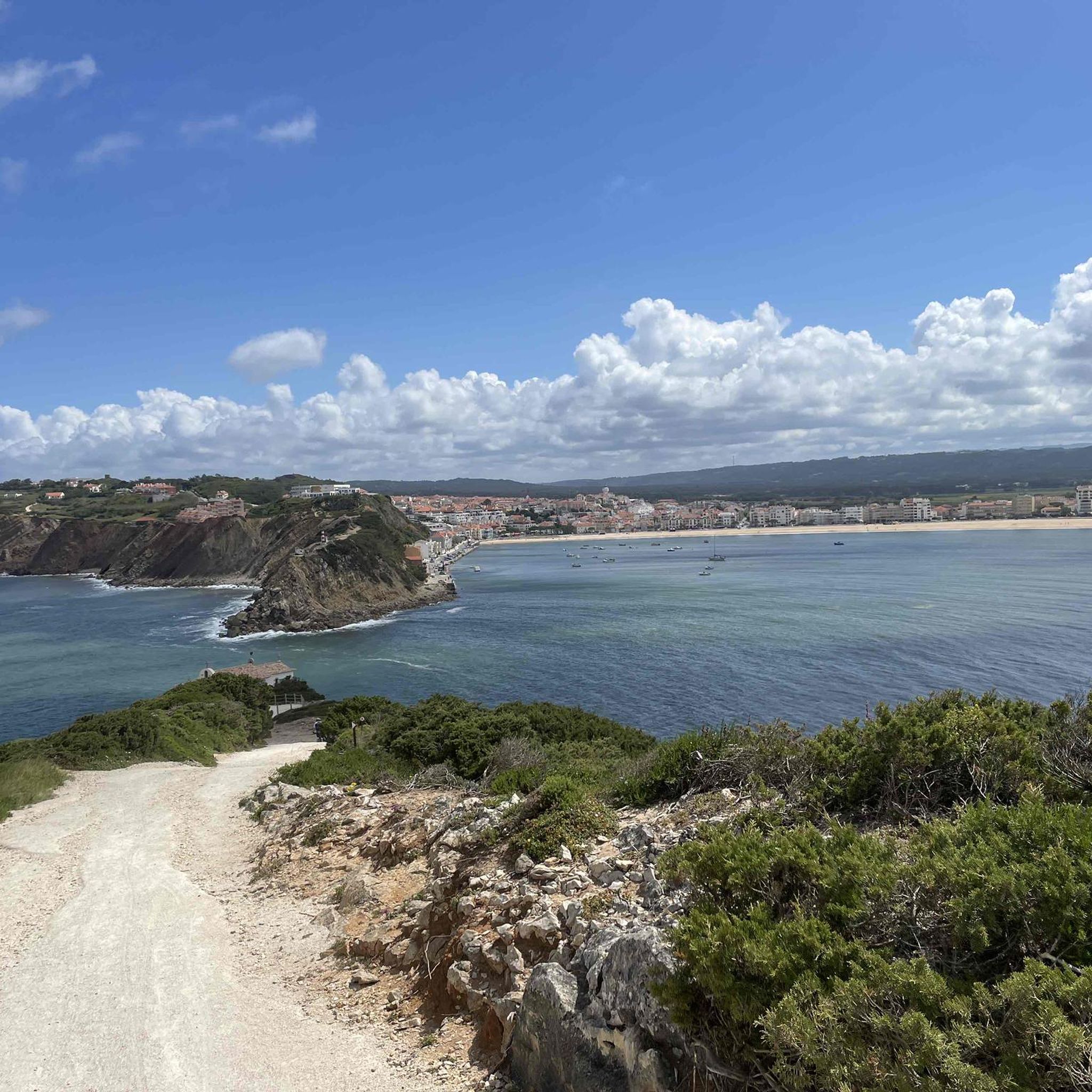
Cycling around Caldas Da Rainha (Nossa Senhora Do Pópulo)
MTB Trails around Caldas Da Rainha (Nossa Senhora Do Pópulo)
Running Trails around Caldas Da Rainha (Nossa Senhora Do Pópulo)

Gravel biking around Caldas Da Rainha (Nossa Senhora Do Pópulo)
Other adventures around Caldas Da Rainha (Nossa Senhora Do Pópulo)

Tips from the Community

Penedo Furado dates back to the Jurassic period, when the sea bathed this inland area, close to Nadadouro. It is now a huge rock, light brown in colour and on the side facing the Óbidos Lagoon, signs of erosion are visible, with deep cavities and one of them ended up going through the rock, forming a passage.
1
0

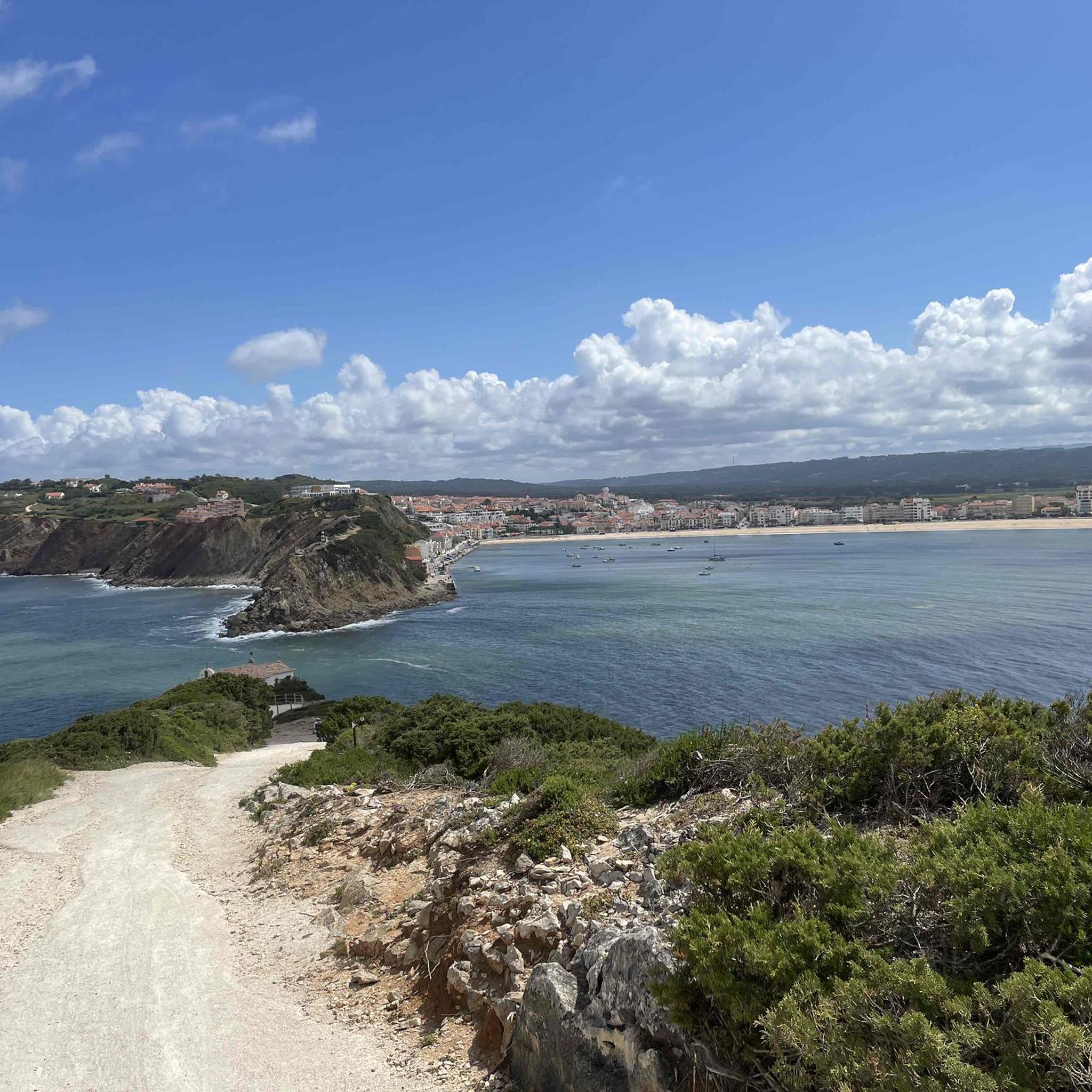
The coast is spectacular and there are some paths leading next to the coastal cliffs. It's beautiful there!
1
0
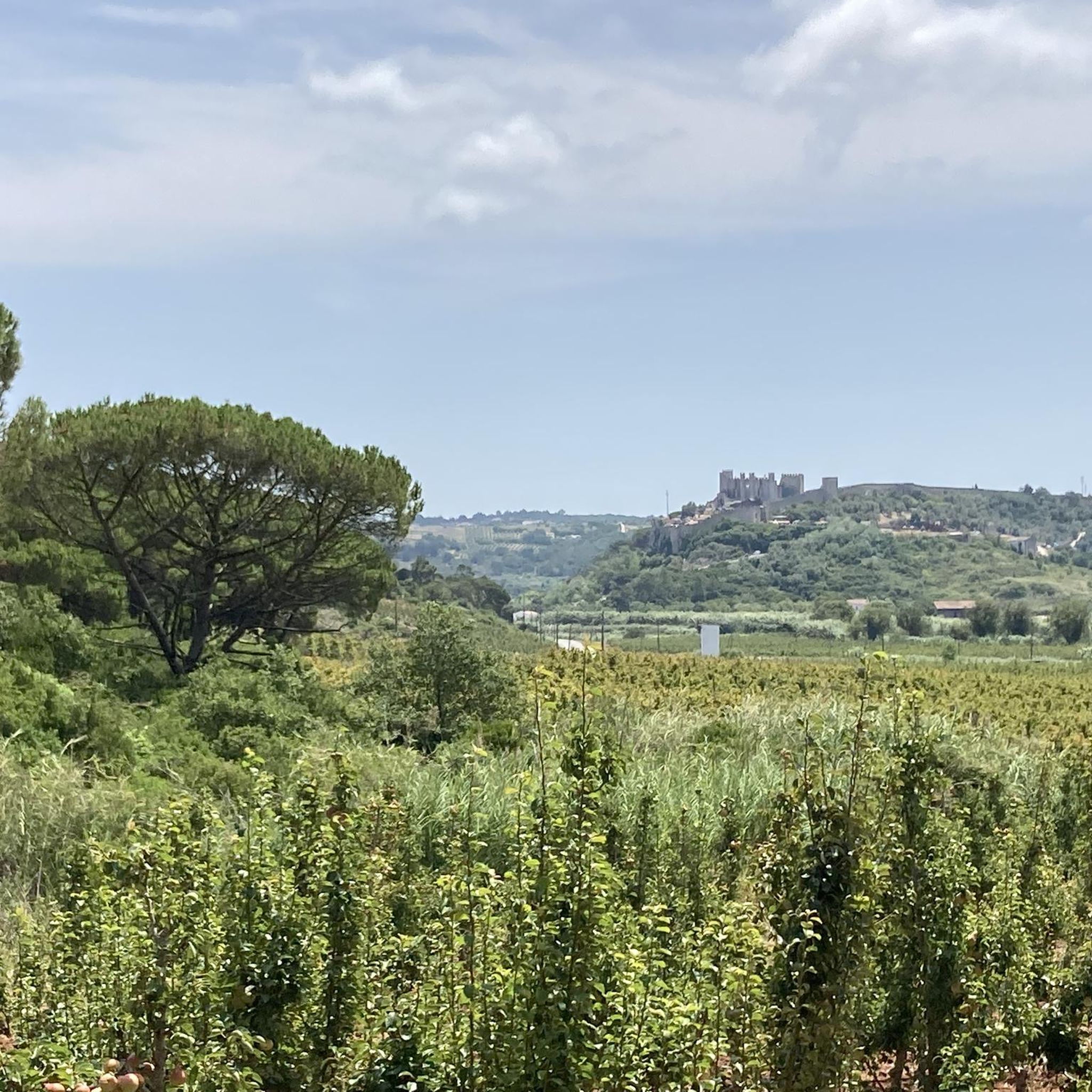
The Arnóia River rises in the Serra de Todo o Mundo and flows for 30 km before flowing into the Óbidos Lagoon. A dam was built about one and a half kilometres from Óbidos, in the Horta Valley, whose reservoir was used to irrigate the area's crops.
1
0

Salir do Porto has a river beach, on the bank of the Tornada River, which flows into the bay of São Martinho do Porto. Salir beach is famous for its sand dune about 50 meters high. Once the largest in Europe, the Salir Dune stands out in the dune landscape of São Martinho Bay. The core of the Dune is partly made up of red sandstone, a vestige of an older dune – a fossil dune. There are other rock beaches in the coastal area that are locally called Quebradas. It was in the Ruins of the artisanal Customs House of Salir that the caravels that participated in the discoveries and conquests were built during the reigns of D. Afonso V and D. João II. The extinct parish was made up of the towns of Salir do Porto, Casais de Salir do Porto and Bouro.
0
0

Climbing up the sand dune and sliding down from the top is the highlight for everyone
3
0
Be sure to go up there from the top, great view and slide down on your bum. Large dune that clings to the rocks there, perfect for hiking. At the foot of the dune, the Tornada river flows into the sea.
3
0
The Óbidos Lagoon is a fascinating combination of natural beauty, cultural heritage and adventure activities. This coastal lagoon with its unique ecosystem
1
1
Praia de Salir do Porto is next to the mouth of the Rio Tornada or Rio Salir on the south bank. The sand is very extensive, it is wider in the south and narrows as we walk north. This beach is known for its huge dune about 50 meters high, the highest in Portugal.
3
0
Frequently Asked Questions
What unique natural features can I explore around Caldas Da Rainha (Nossa Senhora Do Pópulo)?
The region boasts diverse natural features. You can visit the impressive Penedo Furado Rock Arch, a geological formation from the Jurassic period with a passage formed by erosion. Another unique spot is the Salir do Porto Dune, one of Portugal's highest sand dunes, offering great views where the Tornada river meets the sea. Additionally, the Arnóia River, which flows into the Óbidos Lagoon, provides a serene natural setting.
Are there family-friendly natural monuments in the area?
Yes, several natural monuments are great for families. Foz do Arelho Beach is particularly suitable, offering both ocean waves and the calm, shallow waters of the Óbidos Lagoon, which is very safe for children. The Salir do Porto Dune is also a hit, with visitors enjoying climbing and sliding down the sand. Parque Dom Carlos I, while an urban park, offers a lake with rowboats and plenty of space for picnics, making it a pleasant family outing.
What kind of outdoor activities can I do near these natural monuments?
The area offers a variety of outdoor activities. You can enjoy water sports like kayaking and paddleboarding in the Lagoa de Óbidos. For cycling enthusiasts, there are numerous routes, including road cycling options like the "Foz do Arelho Beach – Sapo Bordallo Pinheiro loop" from Caldas da Rainha. Mountain biking trails are also available, such as the "Ponta da Lagoa de Óbidos – View over the Lagoa de Óbidos loop." For hikers, easy trails like the "Penedo Furado Rock Arch – Foz do Arelho Beach loop" are popular.
Are there any historical or cultural aspects associated with the natural monuments?
Yes, some natural areas have historical significance. The Mata Rainha Dona Leonor, adjacent to Parque Dom Carlos I, is a 17-hectare woodland planted in the 15th century. Its original purpose was to protect the thermal springs supplying the historic Queen Leonor Thermal Hospital, making it one of Portugal's first planned green areas. The Penedo Furado Rock Arch itself is a natural monument dating back to the Jurassic period, offering a glimpse into ancient geological history.
What is the best time to visit the natural monuments around Caldas Da Rainha?
The region's natural monuments can be enjoyed year-round, but the best time often depends on your interests. For birdwatching, particularly at Lagoa de Óbidos, autumn and winter are ideal when migratory birds are present. Spring and early autumn offer pleasant temperatures for hiking and exploring without the peak summer heat. Summer is perfect for beach activities at Foz do Arelho Beach and water sports in the lagoon.
Can I find any wildlife in these natural areas?
Yes, the Lagoa de Óbidos is a significant sanctuary for various aquatic species and migratory birds. It provides critical habitats for endangered species such as the osprey and marsh harrier, making it an excellent spot for birdwatching. The tranquil waters of the lagoon are home to swans and ducks, especially visible in Parque Dom Carlos I.
Are there any natural monuments with scenic viewpoints?
Absolutely. The Salir do Porto Dune offers expansive views of the coastline and the mouth of the Tornada river. Additionally, the View of the Coastal Cliffs provides spectacular vistas of the dramatic Atlantic coastline, with paths leading alongside the cliffs for breathtaking panoramas.
What do visitors enjoy most about the natural monuments in this region?
Visitors particularly enjoy the diverse landscapes and recreational opportunities. Many appreciate the unique combination of ocean and lagoon at Foz do Arelho Beach, which is great for both swimming and relaxing. The sheer size and views from the Salir do Porto Dune are also a highlight, with some enjoying sliding down it. The tranquil atmosphere of Parque Dom Carlos I and the ecological richness of Lagoa de Óbidos are also frequently praised.
Are there any urban green spaces or parks that are considered natural monuments?
Yes, Parque Dom Carlos I, located in the heart of Caldas da Rainha, is a significant urban green space. Designed in 1889, this romantic park features a serene lake, scenic walkways, and diverse flora. Adjacent to it is the Mata Rainha Dona Leonor, a 17-hectare woodland that serves as a crucial green lung within the city, offering marked trails for walks and exercise.
Where can I find cafes or refreshments near these natural monuments?
Parque Dom Carlos I, being an urban park, features a charming café terrace right by its lake, perfect for refreshments during your visit. For coastal natural monuments like Foz do Arelho Beach, you'll find various cafes and restaurants along the promenade, offering convenient options for a meal or a drink with a view.
Are there specific trails for easy hiking near the natural monuments?
Yes, there are easy hiking options available. For example, the "Penedo Furado Rock Arch – Foz do Arelho Beach loop" is an easy 5.3 km route that allows you to explore both the unique rock formation and the beautiful coastal area. The Mata Rainha Dona Leonor also offers marked trails suitable for leisurely walks.
What should I wear when visiting the natural monuments in summer?
In summer, light and breathable clothing is recommended. If you plan to visit coastal areas like Foz do Arelho Beach or the Salir do Porto Dune, swimwear, a hat, sunglasses, and sunscreen are essential. Comfortable walking shoes are advisable for exploring trails and parks. Even on sunny days, a light jacket might be useful for cooler evenings or coastal breezes.
Most popular routes around Caldas Da Rainha (Nossa Senhora Do Pópulo)
Most popular attractions around Caldas Da Rainha (Nossa Senhora Do Pópulo)

Get inspired with the komoot mobile app


Explore more
Extend your search for the best caves by checking out these guides of the top ones around Caldas Da Rainha (Nossa Senhora Do Pópulo):
