Top 12 Natural Monuments around Aljubarrota
Best natural monuments around Aljubarrota are predominantly located within the Serras de Aire e Candeeiros Natural Park, a region characterized by its distinctive karst landscape. This area features extensive cave systems, significant geological formations, and diverse natural features. Aljubarrota's surroundings offer a blend of historical context and natural beauty, providing opportunities for outdoor exploration. The landscape is shaped by millions of years of geological processes, making it a notable destination for those interested in natural history.
Best natural monuments around…
Last updated: October 3, 2026
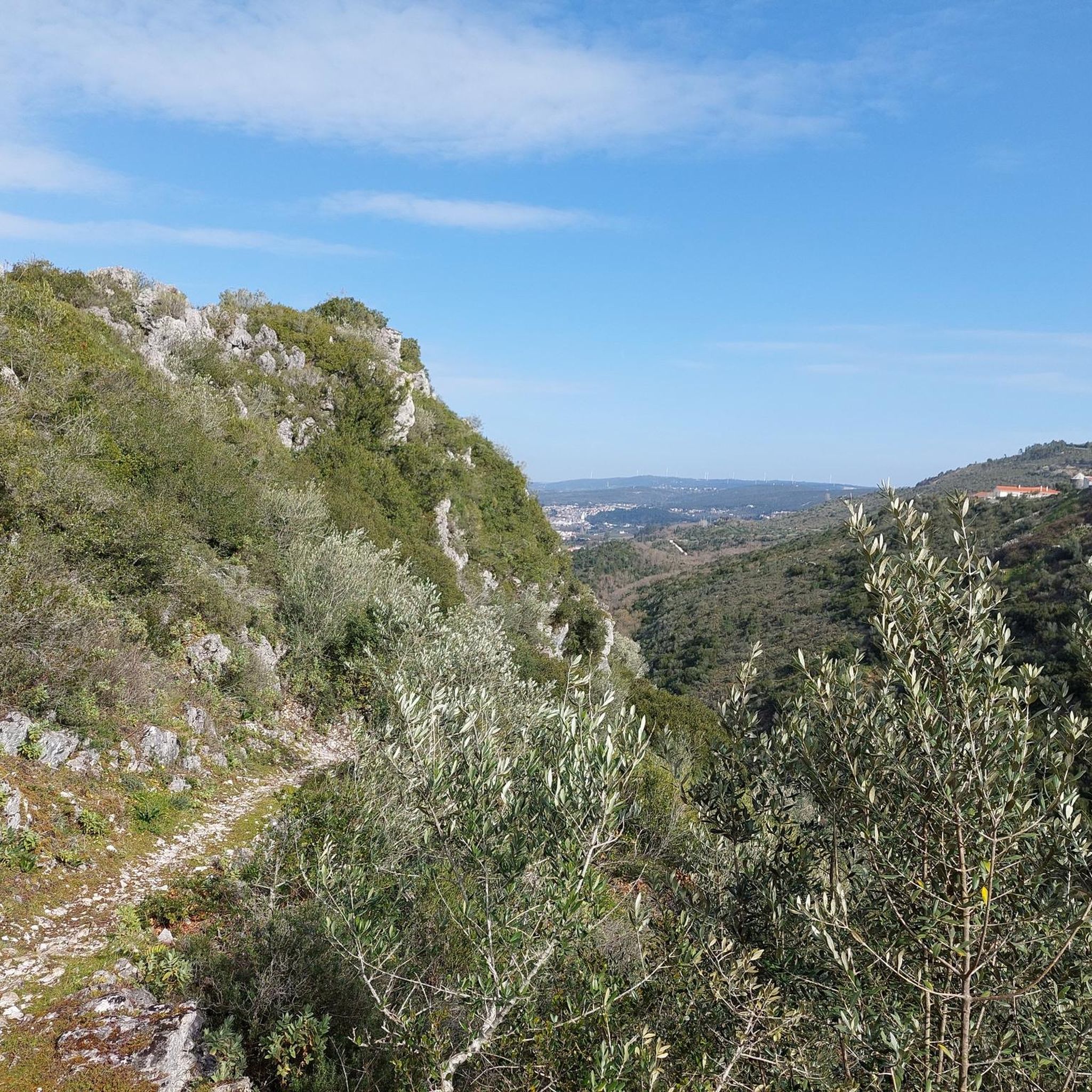
Fonte Pena da Colvina
Highlight • Natural Monument
Translated by Google •
Tip by

Fórnea Waterfall
Highlight • Waterfall
Tip by

Sign up now to discover places like this
Get recommendations on the best single tracks, peaks, & plenty of other exciting outdoor places.
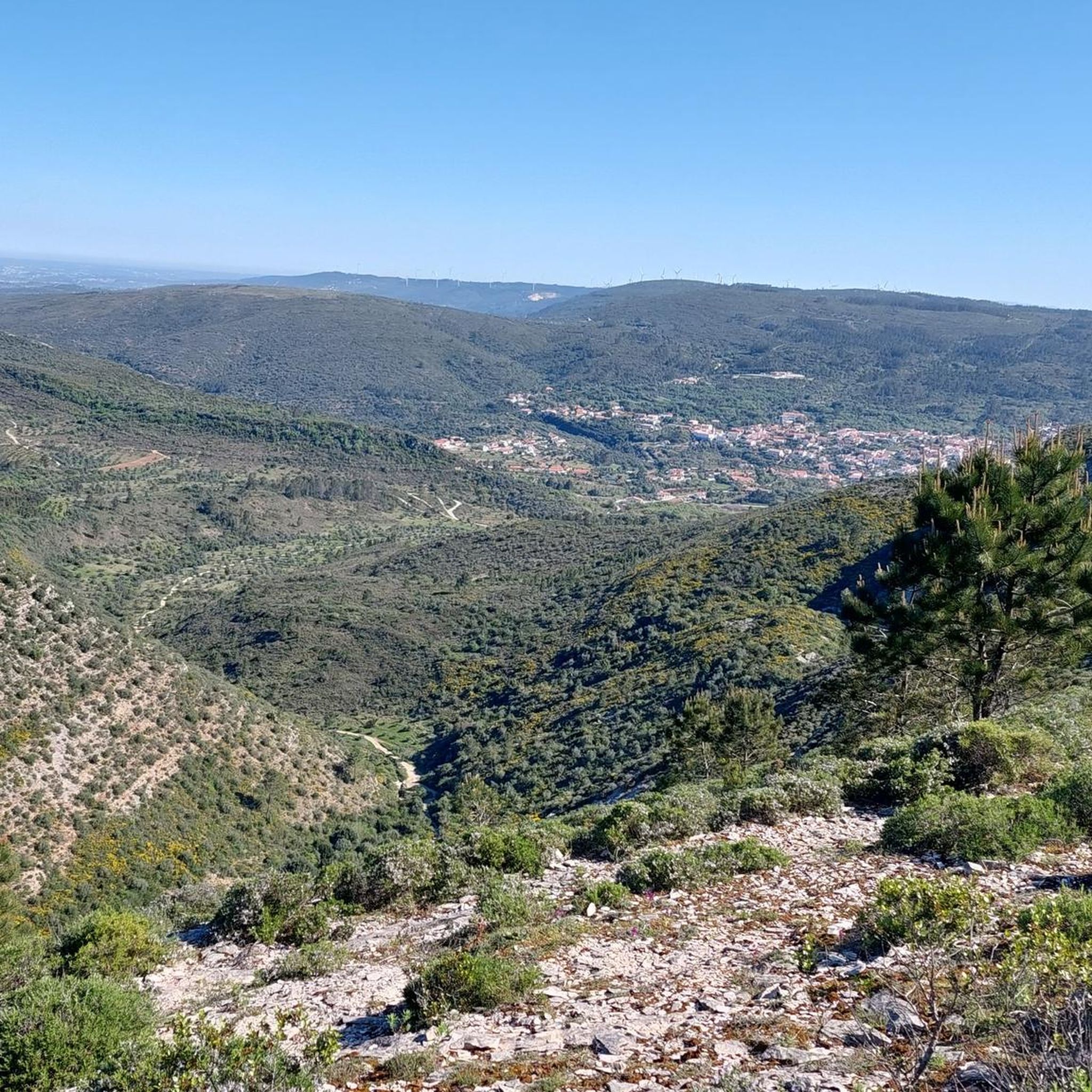
Mount Saint Bartholomew
Highlight • Viewpoint
Translated by Google •
Tip by

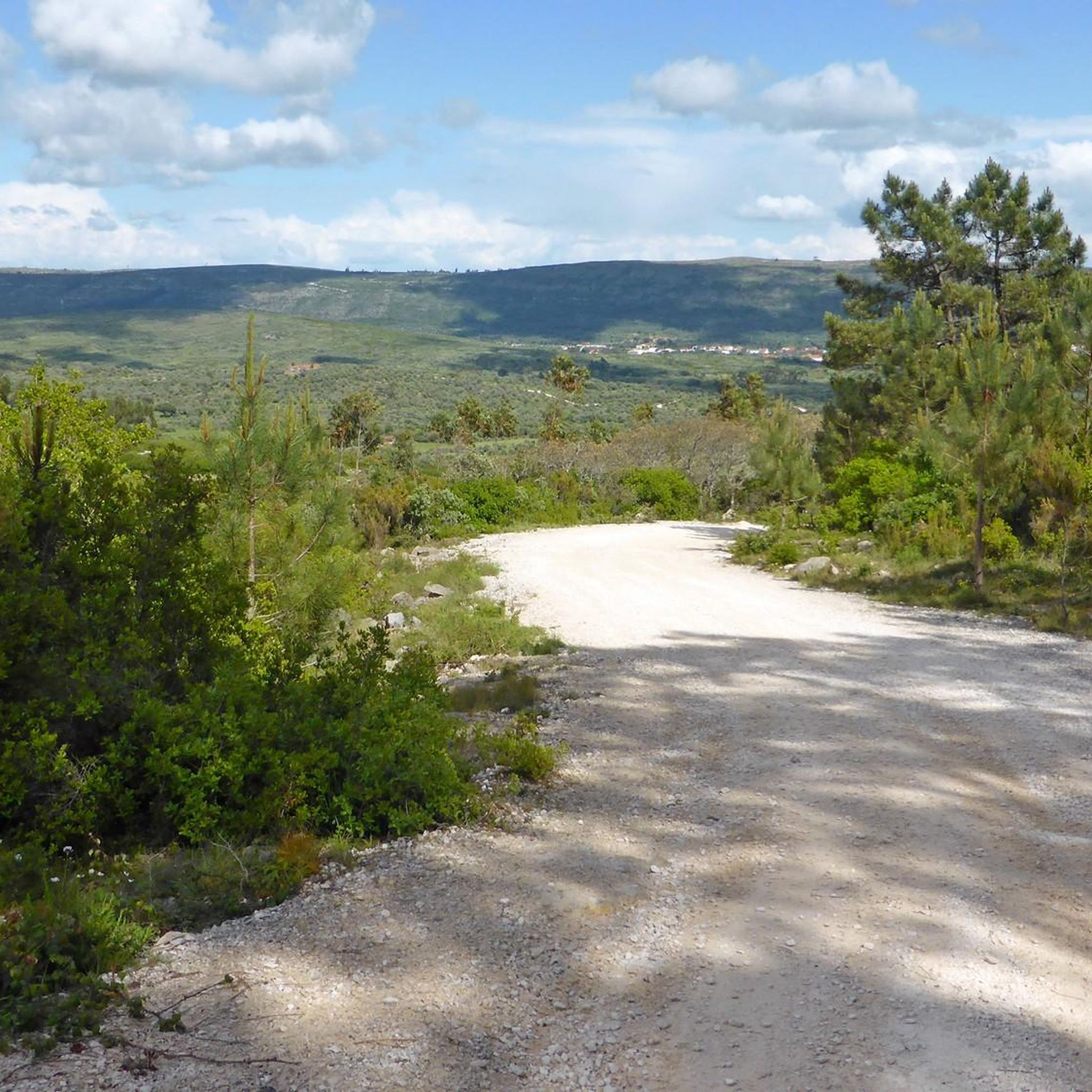
PR3 Hiking Trail – Serras de Aire e Candeeiros Natural Park
Highlight • Trail
Translated by Google •
Tip by

Cova da Velha
Highlight • Cave
Translated by Google •
Tip by

Sign up for free to discover even more natural monuments around Aljubarrota.
Already have an account?
Start today with a free account
Your next adventure awaits.
Tips from the Community

There was a big storm here. Since then, the tower on the summit has collapsed. Nevertheless, you can still get up well. But beware: many paths indicated here in the forest and surrounding area have been severely damaged by the storm. There are fallen trees everywhere on the paths and the paths are barely visible.
0
0

The Fórnea stream originates here, in the Cova da Velha cave, where a natural spring flows almost all year round. However, due to the limestone soil, the water easily infiltrates, traveling through underground galleries instead of flowing freely on the surface. As a result, the stunning Fórnea waterfall only reveals its full grandeur after days of heavy rain.
2
1

The Fórnea Waterfall is located right in the heart of the Serras de Aire e Candeeiros Natural Park, and is fed by the Fórnea Stream, which in turn flows from the Cova da Velha cave.
2
0
The Pena da Gouvinha fountain used to serve the locals. There was a queue to fill the bottles, so much so that it was decided that each resident could only take eight bottles of water and would have to “give others a chance”. Today it serves as a stopping point to cool off during the walk and, if you wish, you can take advantage of the place to eat whatever you have prepared at home. There is a picnic area next to the fountain. The place name Pena da Gouvinha suggests that barbarians passed through here. Gouvinha is a personal name of Germanic origin, still documented in the 12th century as Gaudina.
3
0

Nice quiet route. No water at the waterfall, unfortunately. Because that would give a different experience, certainly worth it for the beautiful views
0
0

The waterfall only appears after heavy rain! Fórnea waterfall just appear after intense rain!
1
0

Outstanding panoramic view of Nazaré and the surrounding area. The ascent here is sweaty, no matter from which direction, but very attractive. Sturdy shoes are mandatory. Ascent from the east runs partly over very sandy ground. This makes the whole thing very exhausting in the right heat. There are also some steep inclines here that have to be mastered over sand.
4
1
Actually, there is supposed to be a waterfall here. Unfortunately dried out due to the drought in July.
1
1
Frequently Asked Questions
What are the most notable natural monuments to visit near Aljubarrota?
The region around Aljubarrota is rich in natural monuments, primarily within the Serras de Aire e Candeeiros Natural Park. Highlights include the impressive Mount Saint Bartholomew, offering panoramic views, and the beautiful Fórnea Waterfall, particularly stunning after rainfall. The area is also renowned for its extensive cave systems, such as the Grutas de Mira de Aire, Grutas da Moeda, and the Grutas de Santo António/Alvados, which showcase spectacular geological formations.
Are there any family-friendly natural monuments around Aljubarrota?
Yes, several natural monuments are suitable for families. The Fórnea Waterfall is a great spot for a family outing, especially for a walk. Additionally, Fonte Pena da Colvina offers a refreshing stop with a picnic area, perfect for families to rest and enjoy. The well-lit pathways and consistent temperatures inside the Grutas de Mira de Aire also make it a comfortable and educational experience for all ages.
What kind of geological features can I expect to see in the natural monuments near Aljubarrota?
The region is famous for its distinctive karst landscape, which has led to the formation of impressive geological features. You can explore vast cave systems like the Grutas de Mira de Aire, Grutas da Moeda, and Grutas de Santo António/Alvados, featuring spectacular stalactites, stalagmites, and underground lakes. The Cova da Velha cave is another example, where a natural spring flows. Additionally, the Serra de Aire is home to the Pedreira do Avelino Natural Monument, which preserves a 175-million-year-old Jurassic fossil record, including the longest trail of sauropod dinosaur footprints in the world.
What is the best time to visit the natural monuments around Aljubarrota?
The natural monuments, especially the caves, maintain a consistent cool temperature year-round (around 17-18°C), making them suitable for visits in any season. For outdoor sites like Mount Saint Bartholomew or the Fórnea Waterfall, spring and autumn offer pleasant weather for exploration. The waterfall is particularly impressive after periods of heavy rain.
Are there hiking trails near the natural monuments in the Serras de Aire e Candeeiros Natural Park?
Yes, the Serras de Aire e Candeeiros Natural Park offers various hiking opportunities. The PR3 Hiking Trail is a notable route within the park, providing access to many natural spectacles and fantastic views. For more options, you can explore various running trails in the wider Aljubarrota area, which often pass through natural landscapes.
What outdoor activities can I do near these natural monuments?
Beyond exploring the natural monuments themselves, the area around Aljubarrota and the Serras de Aire e Candeeiros Natural Park is excellent for various outdoor activities. You can find numerous running trails, road cycling routes, and challenging MTB trails, catering to different fitness levels and preferences.
Is public transport available to reach the natural monuments?
While specific public transport routes directly to all natural monuments might be limited, the main towns and attractions within the Serras de Aire e Candeeiros Natural Park are generally accessible. It is advisable to check local bus schedules or consider driving for more flexibility, especially when visiting sites like the Grutas de Mira de Aire or the Dinosaur Footprints.
Are there facilities like cafes or picnic areas near the natural monuments?
Yes, some natural monuments offer facilities. For instance, Fonte Pena da Colvina has a dedicated picnic area, and the Grutas de Mira de Aire complex includes an environmental interpretation center, gift shop, and restaurant on site. Many towns surrounding the natural park also provide cafes and restaurants.
What do visitors particularly enjoy about the natural monuments around Aljubarrota?
Visitors frequently praise the breathtaking panoramic views from spots like Mount Saint Bartholomew. The surreal underground experiences offered by the cave systems, with their spectacular geological formations, are also highly appreciated. The tranquility and natural beauty of places like Fórnea Waterfall and the historical charm of Fonte Pena da Colvina are also popular among explorers.
Are there any permits required for hiking in the Serras de Aire e Candeeiros Natural Park?
Generally, permits are not required for casual hiking on marked trails within the Serras de Aire e Candeeiros Natural Park. However, it's always good practice to check with local visitor centers for any specific regulations, especially if planning off-trail exploration or group activities.
What should I wear when visiting the natural monuments, especially the caves?
For cave visits, wear comfortable shoes with good grip, as paths can be damp. A light jacket is recommended due to the consistent cool temperatures inside (around 17-18°C), even on a hot day. For outdoor monuments and hiking, sturdy shoes are essential, especially for challenging ascents like Mount Saint Bartholomew, where sandy and steep inclines can be present. Dress in layers to adapt to changing weather conditions.
Most popular attractions around Aljubarrota

Get inspired with the komoot mobile app


Explore more
Extend your search for the best caves by checking out these guides of the top ones around Aljubarrota:
