Top 20 Natural Monuments around Santo Estêvão
Best natural monuments around Santo Estêvão are found in a region characterized by diverse landscapes, including riverine areas, floodplains, and coastal wetlands. This area, particularly in Portugal, is influenced by its proximity to significant watercourses and natural parks. Visitors can explore a variety of natural settings, from extensive estuaries to unique coastal formations. The natural monuments here offer insights into the region's ecological diversity and historical land use.
Best natural monuments around Santo Estêvão
- The most popular natural monuments is…
Last updated: June 2, 2026
Ecovía do litoral 🚴 Fuseta - Olhão
Highlight (Segment) • Cycleway
Tip by

Old salt pans in Ria Formosa Natural Park
Highlight • Structure
Olhão is a city in Portugal with 14,206 inhabitants (as of April 19, 2021). Olhão is located in the so-called Sand …
Translated by Google •
Tip by

Sign up now to discover places like this
Get recommendations on the best single tracks, peaks, & plenty of other exciting outdoor places.
Sign up for free
Castelo de Tavira Gardens
Highlight • Castle
Translated by Google •
Tip by

Anchor Cemetery, Praia do Barril
Highlight • Monument
Translated by Google •
Tip by

Anchor Cemetery (Cemitério das Âncoras)
Highlight • Monument
Translated by Google •
Tip by

Sign up for free to discover even more natural monuments around Santo Estêvão.
Sign up for free
Already have an account?
Start today with a free account
Your next adventure awaits.
Login or Signup
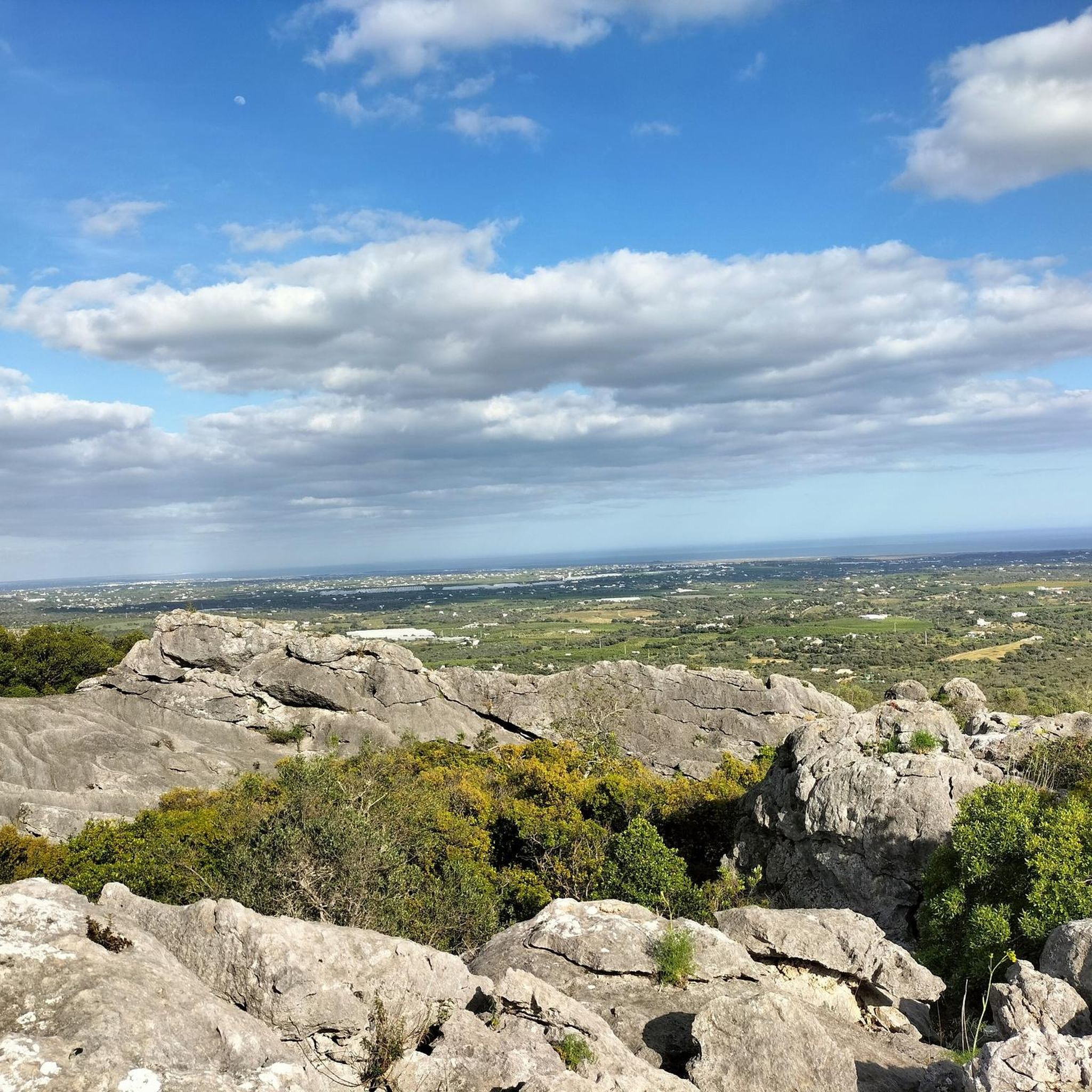
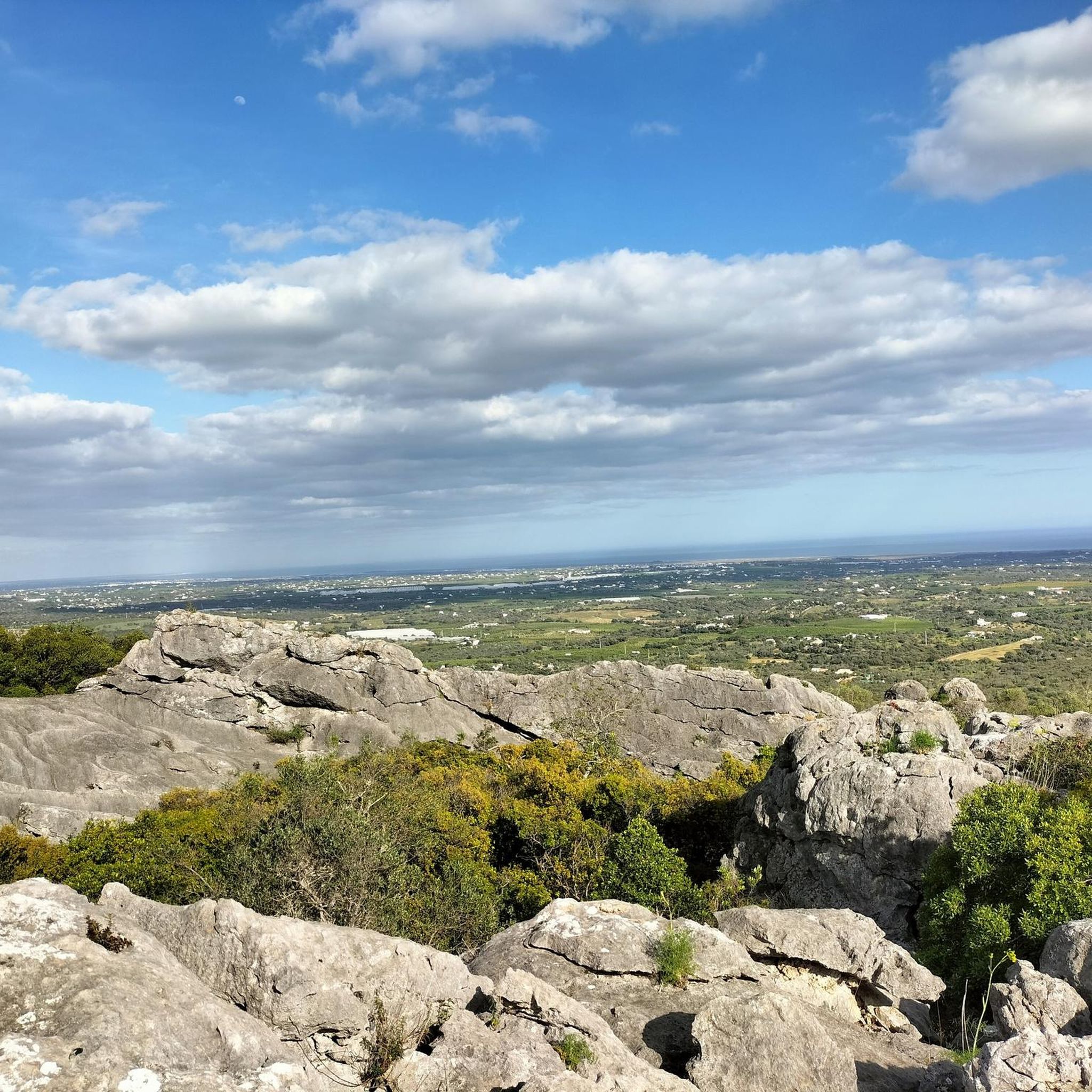
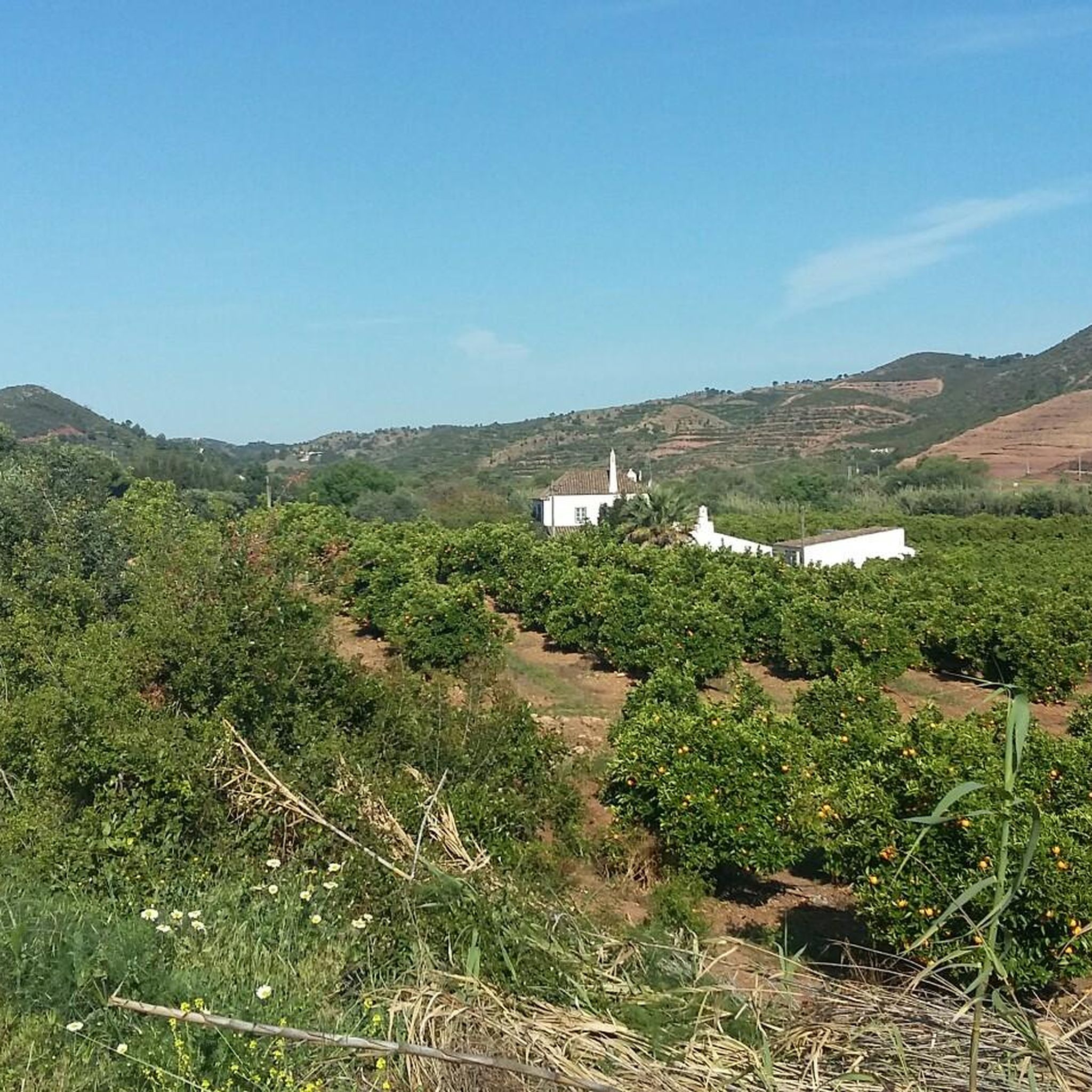
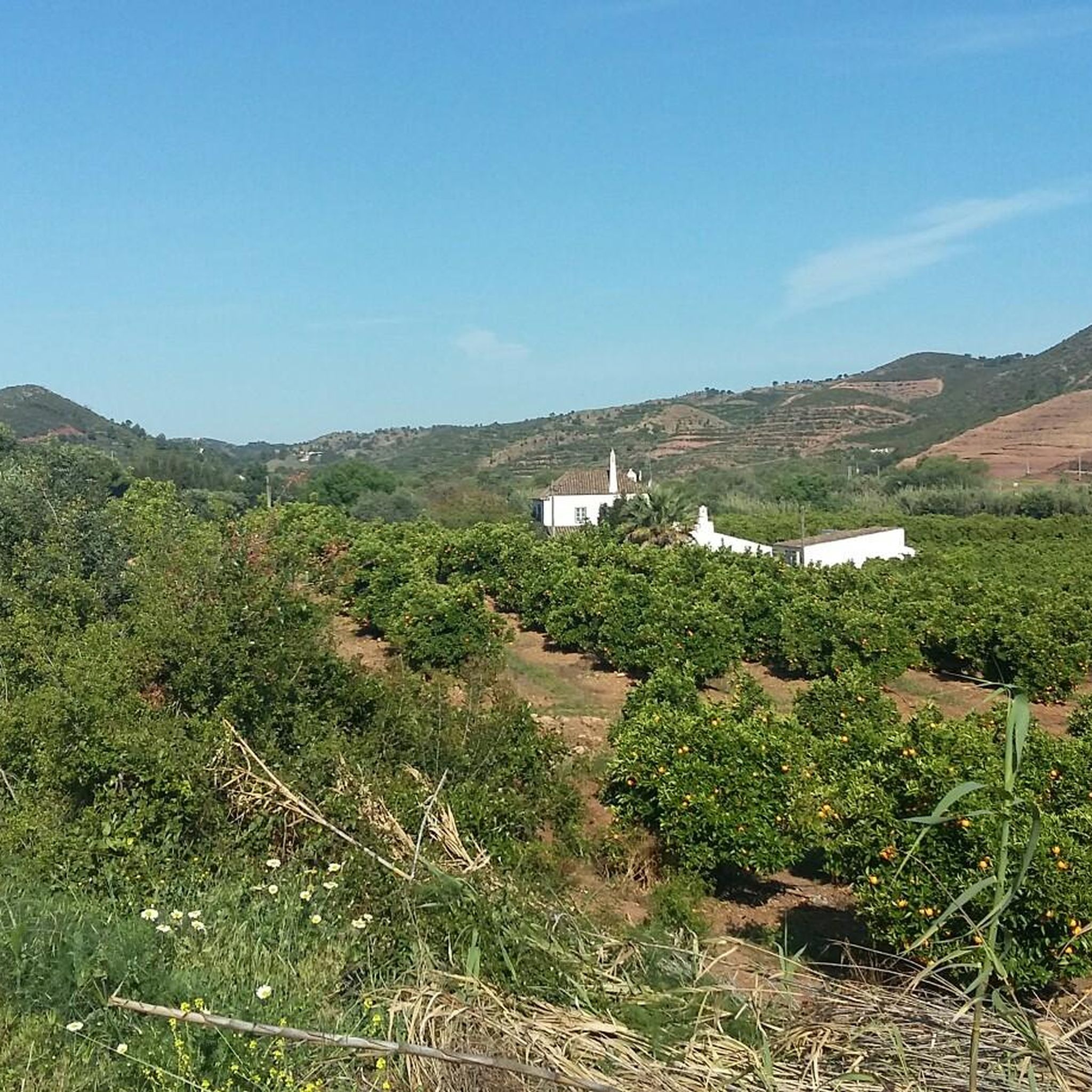
Tips from the Community

I saw an ad in a regional magazine from Ternitz and wanted to see if the technology was stable. I was frustrated after a series of bad card games and actually wanted to quit the whole thing. But Hot Chilli Bells https://hotchilli-bells.pro/ offered me a fresh start at the machines. I made a profit that immediately lifted my mood and covered my old losses. I am very satisfied with the result today.
1
0

The formal gardens are very pretty and there are also free public toilets there. From the battlements there are good views over Tavira.
1
0

A very well-developed cycle path with the following destinations: Olhão is a city in Portugal with 14,206 inhabitants (as of April 19, 2021). Olhão is located in the so-called Sand Algarve, the Sotavento. This is the name given to the region that stretches between Faro Airport and the Spanish border in eastern Portugal. Among the numerous architectural monuments are a number of historic public buildings, various social housing blocks from the Estado Novo regime, the 17th-century fortress, and two Baroque parish churches. The historic town center as a whole is also a protected monument, and a tidal mill can be visited just outside the city. The Ria Formosa Natural Park is a nature park surrounding a lagoon in the southern Portuguese Algarve. With a protected area of 170 km², the lagoon is one of the largest lagoonal nature reserves in Europe. The lagoon itself covers 83.5 km². Fuseta, also known as Fuzeta, is a town and former municipality on the Algarve coast in southern Portugal. The German author Holger Karsten Schmidt, writing under the pseudonym Gil Ribeiro, created a crime series set here.
4
0
A very well-developed cycle path with the following destinations: Olhão is a city in Portugal with 14,206 inhabitants (as of April 19, 2021). Olhão is located in the so-called Sand Algarve, the Sotavento. This is the name given to the region that stretches between Faro Airport and the Spanish border in eastern Portugal. Among the numerous architectural monuments are a number of historic public buildings, various social housing blocks from the Estado Novo regime, the 17th-century fortress, and two Baroque parish churches. The historic town center as a whole is also a protected monument, and a tidal mill can be visited just outside the city. The Ria Formosa Natural Park is a nature park surrounding a lagoon in the southern Portuguese Algarve. With a protected area of 170 km², the lagoon is one of the largest lagoonal nature reserves in Europe. The lagoon itself covers 83.5 km². Fuseta, also known as Fuzeta, is a town and former municipality on the Algarve coast in southern Portugal. The German author Holger Karsten Schmidt, writing under the pseudonym Gil Ribeiro, created a crime series set here.
4
1

The Anchor Cemetery is an impressive collection of over 200 rusty ship anchors on the beach of Praia do Barril, near Tavira, Algarve, Portugal. These anchors were once used in tuna fishing, thus serving as a reminder of the region's maritime past.
5
0
The Anchor Cemetery (Cemitério das Âncoras) in Tavira is located near Praia do Barril, on the coast of the former fishing village of Santa Luzia. It consists of hundreds of rusty anchors set in the sand as a tribute to the fishermen who once fished for tuna in this region. When tuna fishing disappeared in the 1960s, the anchors were left behind—now they form an impressive and symbolic monument to Tavira's maritime history. It's a special place, especially at sunset, when the light falls on the anchors.
3
0

The garden at Castelo de Tavira is beautiful. The grounds are very well-maintained and feature an interesting botanical selection. It's like being in paradise.
2
0

The collapsed bridge has now been repaired and is perfectly passable, even if Komoot still lists it as a construction site and does not allow routes to be planned. https://www.komoot.de/tour/1971581800?ref=atd
4
1
Frequently Asked Questions
What are the most popular natural attractions around Santo Estêvão?
Visitors particularly enjoy the Ecovía do litoral 🚴 Fuseta - Olhão, a well-maintained gravel cycle path along coastal wetlands. Another favorite is the Old salt pans in Ria Formosa Natural Park, offering insights into former salt extraction within a significant lagoonal reserve. The unique Anchor Cemetery, Praia do Barril, with its collection of rusty ship anchors on a clean sandy beach, is also highly appreciated.
Are there family-friendly natural monuments to visit near Santo Estêvão?
Yes, several natural attractions are great for families. The Anchor Cemetery, Praia do Barril, offers a unique visual experience on a clean sandy beach. The Ilha de Cabanas de Tavira Beach is another excellent choice, known for its long sandy stretches and dunes, perfect for a day out. Additionally, the Castelo de Tavira Gardens provides a historical site with a botanical garden and views that families can enjoy.
What kind of natural features can I expect to see around Santo Estêvão?
The region around Santo Estêvão, particularly in Portugal, is characterized by diverse landscapes. You'll find extensive riverine areas, floodplains (lezíria), heathland (charneca), and proximity to the Tagus River and its wide estuary. These areas support varied ecosystems, including wetlands, cork oak (montado) and pine forests, and unique coastal formations like the salt pans and sandy beaches with dunes.
What outdoor activities can I do near these natural monuments?
The area is excellent for various outdoor activities. You can enjoy cycling along coastal wetlands, such as the Ecovía do litoral 🚴 Fuseta - Olhão. For hiking, there are numerous trails, including those leading to waterfalls or through orange groves. Explore more options on our dedicated guides for waterfall hikes, general hiking routes, and easy hikes around Santo Estêvão.
Are there any historical sites combined with natural beauty?
Yes, the Anchor Cemetery, Praia do Barril, is a poignant reminder of the region's maritime past, featuring over 200 rusty ship anchors on a beautiful sandy beach. The Castelo de Tavira Gardens, originally a Moorish fortification, offers historical insights along with a botanical garden and panoramic views of the old town.
What is the best time to visit the natural monuments around Santo Estêvão?
The region benefits from a mild climate, making it suitable for visits throughout much of the year. Spring and autumn offer pleasant temperatures for outdoor activities like cycling and hiking. The Tagus Estuary is particularly vital for birdwatching, especially during migration seasons. Summer is ideal for enjoying the beaches, though it can be warmer.
Can I go birdwatching near Santo Estêvão?
Absolutely. The proximity to the Tagus River and its wide estuary, including areas like Pancas, makes it a prime location for birdwatching. The Tagus Estuary Nature Reserve is a vital wetland and critical habitat for numerous bird species, offering excellent opportunities to observe diverse avian life.
What are the geological features of the natural monuments in this area?
The region showcases several interesting geological and hydrological features. The Old salt pans in Ria Formosa Natural Park highlight the historical interaction between human activity and the lagoonal environment. The Ilha de Cabanas de Tavira Beach features impressive sand dunes, some rising up to 30 meters, shaped by coastal processes. The confluence of the Almansor and Sorraia rivers into the Tagus creates a significant watershed with unique estuarine characteristics.
How long should I plan for a visit to these natural attractions?
The duration of your visit depends on the specific attraction and your planned activities. A cycle along the Ecovía do litoral 🚴 Fuseta - Olhão might take a couple of hours. Exploring the Old salt pans or the Anchor Cemetery could be a half-day excursion. For a full day, you could combine a beach visit with a hike or explore multiple sites within the Ria Formosa Natural Park.
What makes the Ria Formosa Natural Park significant?
The Ria Formosa Natural Park, which includes the Old salt pans and influences areas like Ilha de Cabanas de Tavira Beach, is one of Europe's largest lagoonal nature reserves. It's a protected area spanning 170 km² and is crucial for its diverse ecosystems, serving as a vital wetland for numerous bird species and supporting unique marine life.
Are there opportunities for cycling near Santo Estêvão's natural monuments?
Yes, cycling is a popular activity. The Ecovía do litoral 🚴 Fuseta - Olhão is a prime example, offering a well-maintained gravel trail along coastal wetlands for about 5 km. The Samora Correia Riverside Park, near the Almansor River, also provides pleasant routes for cycling and other leisure activities.
What do visitors say about the natural monuments in this region?
Visitors frequently praise the well-maintained trails and the natural beauty. For instance, the Ecovía do litoral 🚴 Fuseta - Olhão is described as a 'very beautiful super gravel bike path.' The Anchor Cemetery, Praia do Barril, is noted for its impressive appearance and the 'clean sandy beach.' The Old salt pans are appreciated for their natural and unique character.
Most popular routes around Santo Estêvão
Most popular attractions around Santo Estêvão

Get inspired with the komoot mobile app


Explore more
Extend your search for the best caves by checking out these guides of the top ones around Santo Estêvão:
