Top 10 Natural Monuments around Castelo Branco
Best natural monuments around Castelo Branco offer a diverse range of landscapes, from river gorges to ancient geological formations. The region is characterized by its unique natural features, including the Tagus River carving through quartz hills and protected areas like the Tejo Internacional Natural Park. These sites provide opportunities to observe rich biodiversity and significant geological spectacles. The area combines natural beauty with historical elements, making it a notable destination for outdoor exploration.
Best natural monuments around Castelo Branco
- The…
Last updated: October 2, 2026
Picón de Felipe Viewpoint
Highlight • Viewpoint
Translated by Google •
Tip by

Rupurapay Viewpoint
Highlight • Viewpoint
Translated by Google •
Tip by
Sign up now to discover places like this
Get recommendations on the best single tracks, peaks, & plenty of other exciting outdoor places.
Friar's Viewpoint
Highlight • Viewpoint
Translated by Google •
Tip by
Castro of Vilarinho dos Galegos
Highlight • Historical Site
Translated by Google •
Tip by

Carrascalinho Viewpoint
Highlight • Viewpoint
Translated by Google •
Tip by

Sign up for free to discover even more natural monuments around Castelo Branco.
Already have an account?
Start today with a free account
Your next adventure awaits.
Popular around Castelo Branco

Tips from the Community

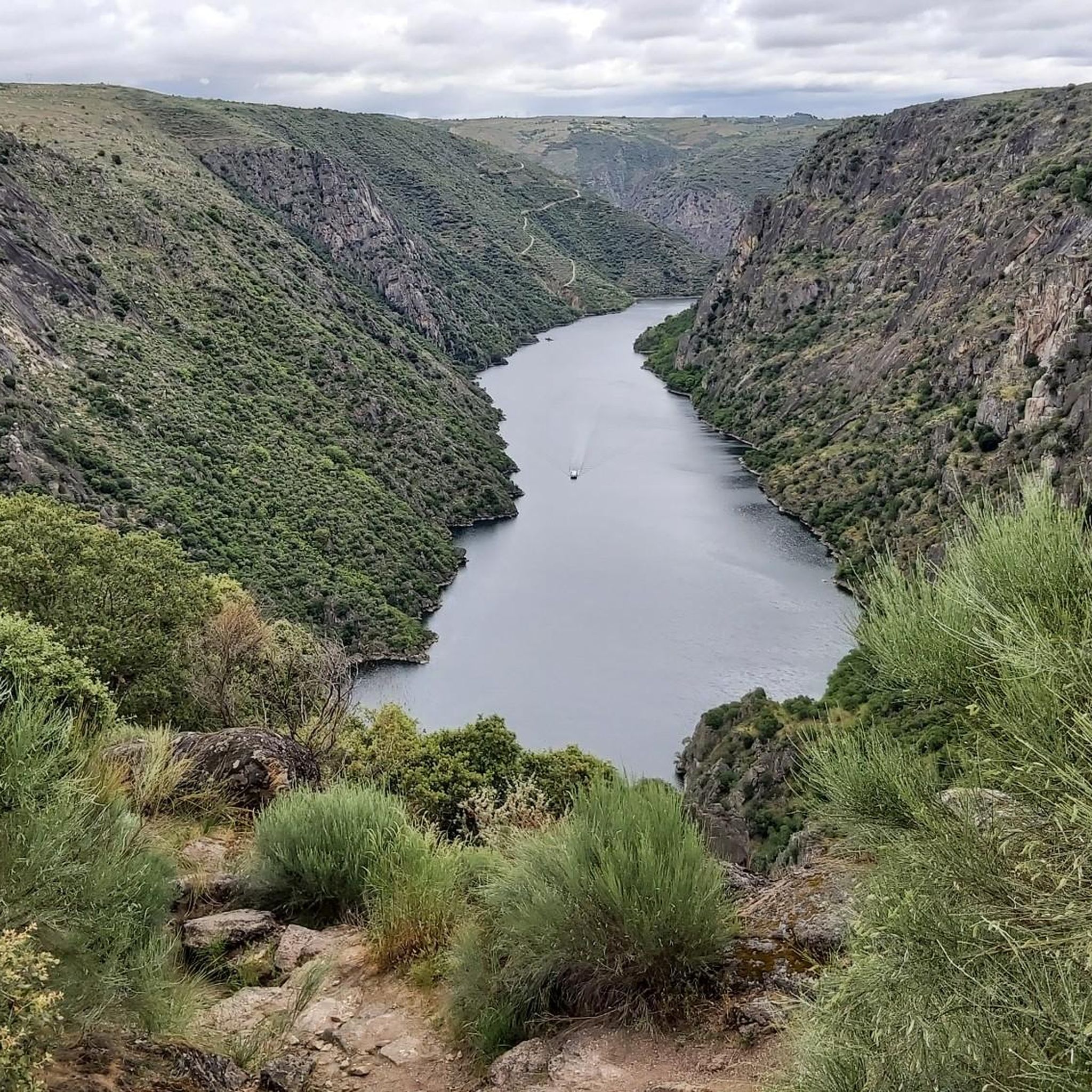
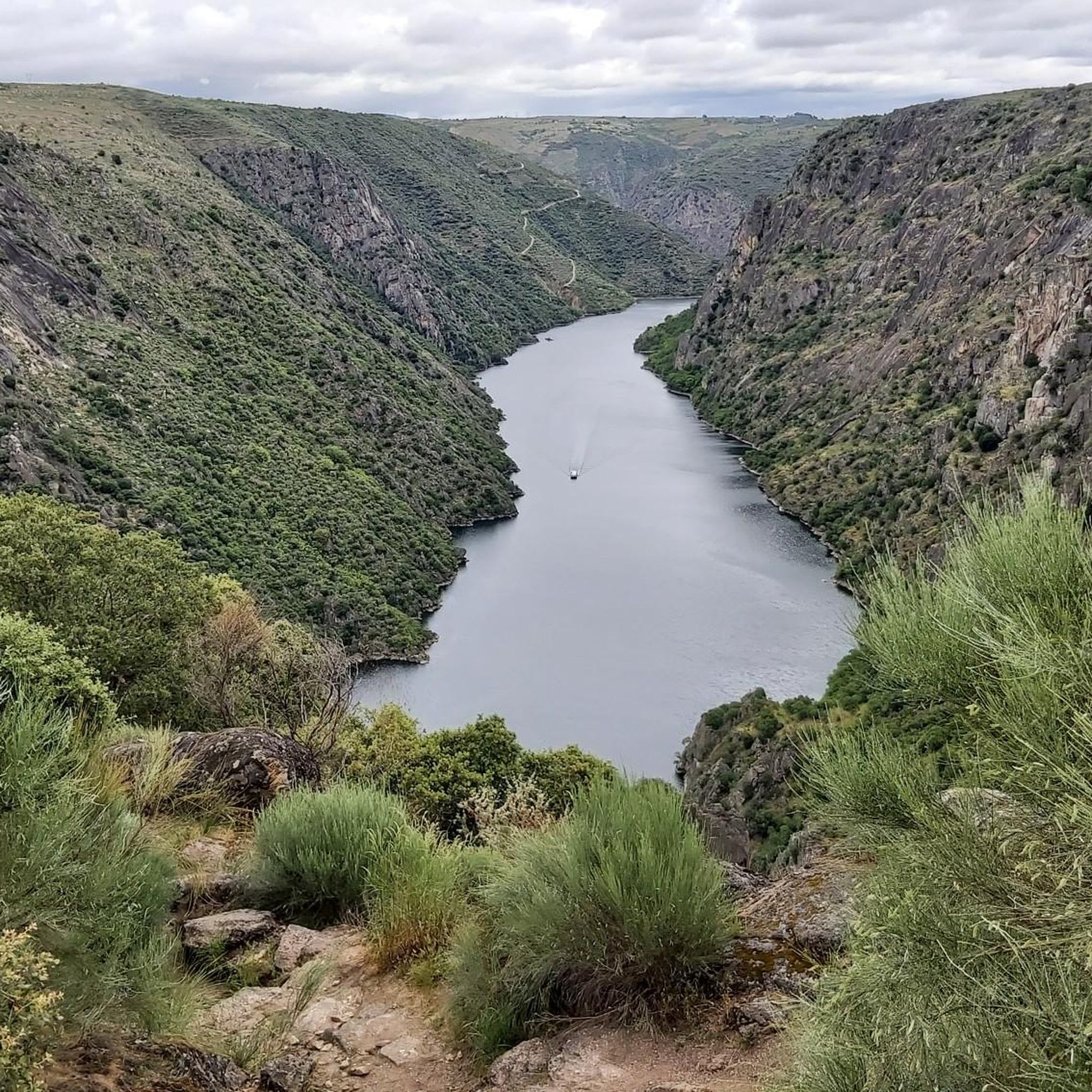
Up here, where the Ribeira de Vilarinho embraces the Douro, stands the ancient Castro de Vilarinho dos Galegos, also known as Castelo dos Mouros. Here, a natural viewpoint offers a wide view over the hillsides covered in junipers. But the real surprise lies on the ground: a sea of sharp, chaotic quartz stones created an almost insurmountable defence. Soon after, a deep moat carved into the rock served as the final barrier. Nature and ingenuity united in a fortress that has withstood the test of time.
1
0

The Mirador de Rupurupay is located in Aldeadávila de la Ribera, in the province of Salamanca, Castilla y León. This viewpoint offers stunning views of the Duero River and is an ideal starting point for exploring the Cascada del Remolino. The route to the viewpoint is quite accessible and takes approximately 3 hours and 40 minutes, with a distance of 9.4 km. It is a perfect excursion to enjoy nature and the characteristic landscape of the area, including the exploitation of olive and almond trees on terraces.
2
0

It has a free parking lot 🅿️ it is all downhill on easy asphalt to the viewpoint.
0
0
You can get there by car 🚗 to the parking lot where the route starts. It is very short for everyone.
0
0

A great vantage point! The view of the Duero and Portugal on the opposite side is very impressive from this spot!
1
0

Good views of the Duero River, it is impressive to see so much flow.
0
0

Beautiful view. A bird paradise, vultures and others.
0
0
Beautiful view. Lots of birds and vultures, bring binoculars.
0
0
Frequently Asked Questions
What unique natural features can I explore around Castelo Branco?
The region offers diverse natural features. You can witness the dramatic Portas de Ródão Natural Monument, where the Tagus River carves a narrow gorge through gigantic quartz hills. The Tejo Internacional Natural Park features wild river valleys and rocky canyons formed by shale outcrops. Serra da Malcata Natural Reserve boasts riparian forests and Mediterranean scrub, while Barrocal Park, within Castelo Branco city, showcases fascinating granitic terrain and spectacular rock formations.
What wildlife can I observe in the natural monuments near Castelo Branco?
The natural monuments are rich in wildlife, especially birds. The Portas de Ródão Natural Monument hosts Portugal's largest colony of griffon vultures, along with black storks, Egyptian vultures, and eagle owls. Tejo Internacional Natural Park is a crucial nesting ground for around 154 bird species, including the black stork and various eagles. Serra da Malcata Natural Reserve is dedicated to the critically endangered Iberian lynx, though they are elusive, and also hosts Eurasian otters and various bird species.
What is the best time to visit the natural monuments around Castelo Branco?
Spring and autumn are generally ideal for visiting, offering pleasant temperatures for outdoor activities like hiking and birdwatching. During these seasons, the vegetation is vibrant, and wildlife is often more active. Summer can be very hot, especially in the river valleys, while winter can be cooler and wetter, though still suitable for some activities.
Are there any historical or cultural sites within these natural monuments?
Yes, several natural monuments also feature historical elements. At Portas de Ródão, you can find the small Castle of Ródão (King Wamba's Castle) offering panoramic views. The Tejo Internacional Natural Park contains Neolithic traces, Roman graves, and traditional villages. Additionally, the Castro of Vilarinho dos Galegos is an ancient historical site with natural defenses formed by sharp quartz stones.
Are there family-friendly natural monuments around Castelo Branco?
Yes, several spots are suitable for families. Rupurapay Viewpoint offers an accessible route with beautiful views of the Duero River, ideal for a family outing. Barrocal Park, located near Castelo Branco city, is designed as an interactive natural museum with easy trails, viewpoints, and a bird observatory, making it very family-friendly. The Mirador del tío Colagón also provides beautiful views with a small area for breaks.
Are there wheelchair-accessible natural attractions in the Castelo Branco area?
Yes, Friar's Viewpoint is noted for being wheelchair accessible, with an easy asphalt path leading downhill to the viewpoint from a free parking lot. Barrocal Park in Castelo Branco city is also designed with accessibility in mind, featuring footbridges and nature trails that allow for easier navigation.
Where can I find panoramic views of the natural landscapes?
The region is dotted with impressive viewpoints. Friar's Viewpoint offers amazing stretches of the Duero canyon. Rupurapay Viewpoint provides stunning views of the Duero River banks and the Saucelle reservoir. The Carrascalinho Viewpoint offers enormous views of the gorge formed by the Duero River. Barrocal Park also has viewpoints like Martinho and Sra. de Mércoles with scenic vistas.
What outdoor activities can I do near the natural monuments around Castelo Branco?
The area offers a variety of outdoor activities. You can enjoy hiking, BTT rides, mountain climbing, and canoeing, especially in the Tejo Internacional Natural Park. For specific routes, you can explore hiking trails, MTB trails, and road cycling routes around Castelo Branco. The Serra da Malcata Natural Reserve is also popular for hiking and biking.
Are there specific hiking trails recommended near these natural monuments?
Yes, there are several notable hiking opportunities. The Tejo Internacional Natural Park features a 'Vultures Trail' for hiking. In the Serra da Malcata Natural Reserve, the 'Great Route of Côa Valley' is a significant trail. For more options, you can find trails like the 'Trilho do Castro e do Contrabando (PR 6)' in the Parque Natural do Douro Internacional, or the 'Viewpoints of Fraile and Picón de Felipe' route, all accessible via the hiking guide for Castelo Branco.
Can I go birdwatching in the natural monuments of Castelo Branco?
Absolutely, the region is a birdwatcher's paradise. The Portas de Ródão Natural Monument is famous for its large colony of griffon vultures, often seen soaring overhead. Tejo Internacional Natural Park is a crucial nesting ground for numerous bird species, including the black stork, eagles, and vultures. The Carrascalinho Viewpoint is also an excellent spot to observe griffon vultures and other birds of prey.
What do visitors particularly enjoy about the natural monuments around Castelo Branco?
Visitors frequently highlight the breathtaking views, especially from spots like Friar's Viewpoint and Rupurapay Viewpoint, which offer impressive panoramas of the Duero canyon and river. The opportunity to observe diverse birdlife, particularly griffon vultures, is also a major draw. Many appreciate the tranquility and close contact with nature, as well as the unique geological formations found in areas like Barrocal Park.
Are dogs allowed on trails in the natural monuments around Castelo Branco?
While specific regulations can vary by park or reserve, generally, dogs are permitted on trails in natural areas in Portugal, often on a leash. It's always recommended to check the specific rules for each natural monument you plan to visit, such as the Tejo Internacional Natural Park or Serra da Malcata Natural Reserve, to ensure compliance and protect local wildlife.
Are there places to eat or drink near the natural monuments?
While the natural monuments themselves are often remote, you can typically find cafes and restaurants in nearby towns and villages. For example, if visiting the Portas de Ródão, the town of Vila Velha de Ródão would offer options. Similarly, towns bordering the Tejo Internacional Natural Park or Serra da Malcata Natural Reserve will have amenities. Barrocal Park is conveniently located within Castelo Branco city, providing easy access to numerous dining choices.
Most popular routes around Castelo Branco
Most popular attractions around Castelo Branco

Get inspired with the komoot mobile app


Explore more
Extend your search for the best caves by checking out these guides of the top ones around Castelo Branco:
