Top 20 Natural Monuments around Smołdzino
Best natural monuments around Smołdzino are primarily found within or near the Słowiński National Park, a UNESCO Biosphere Reserve in Poland. This region is characterized by its unique geological formations, including shifting dunes, and diverse ecosystems such as forests, lakes, and coastal areas. The natural monuments here offer ecological, scenic, and historical value, providing opportunities to explore a variety of protected natural elements.
Best natural monuments around Smołdzino
- The most popular natural monument is Łącka Dune, a natural monument…
Last updated: August 9, 2026
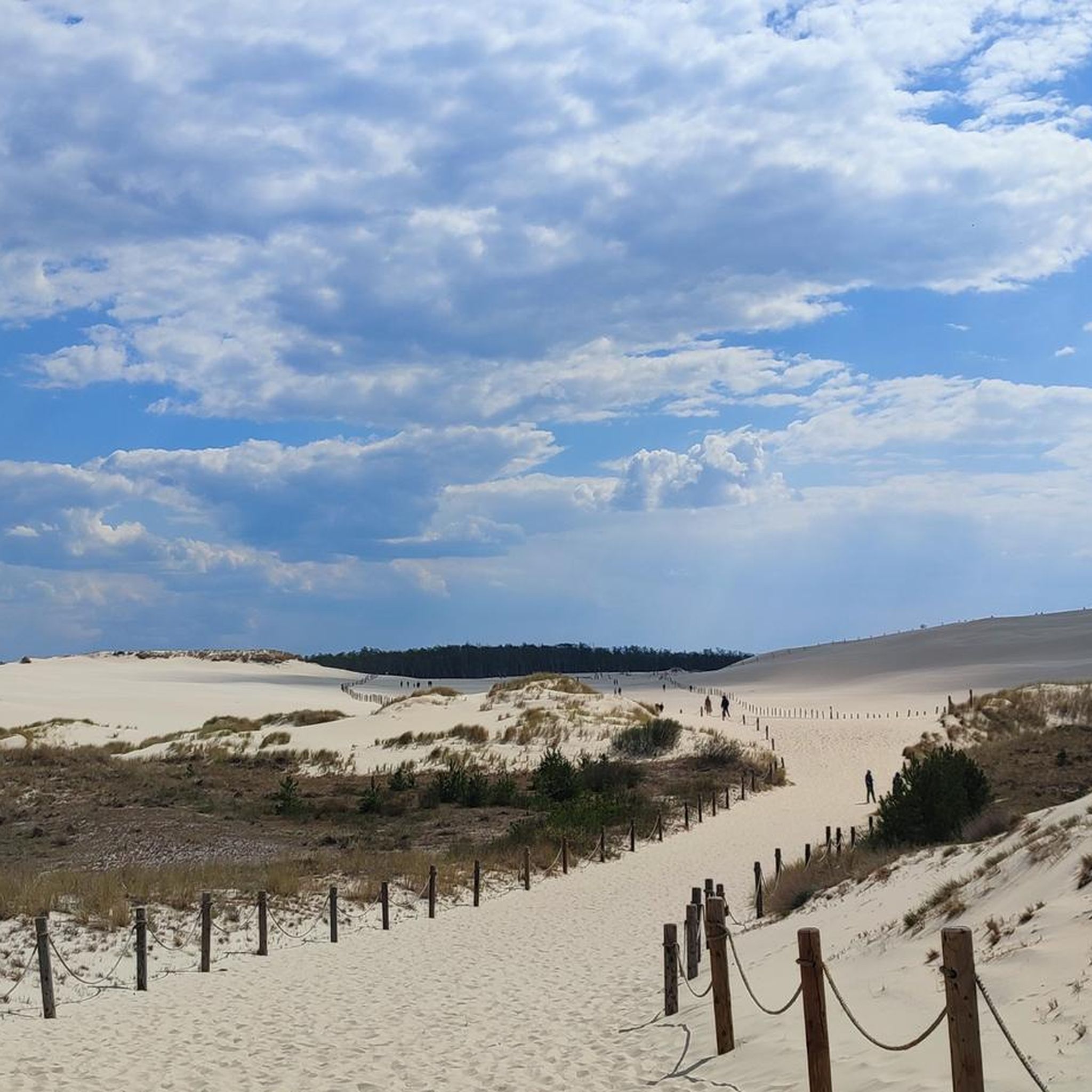
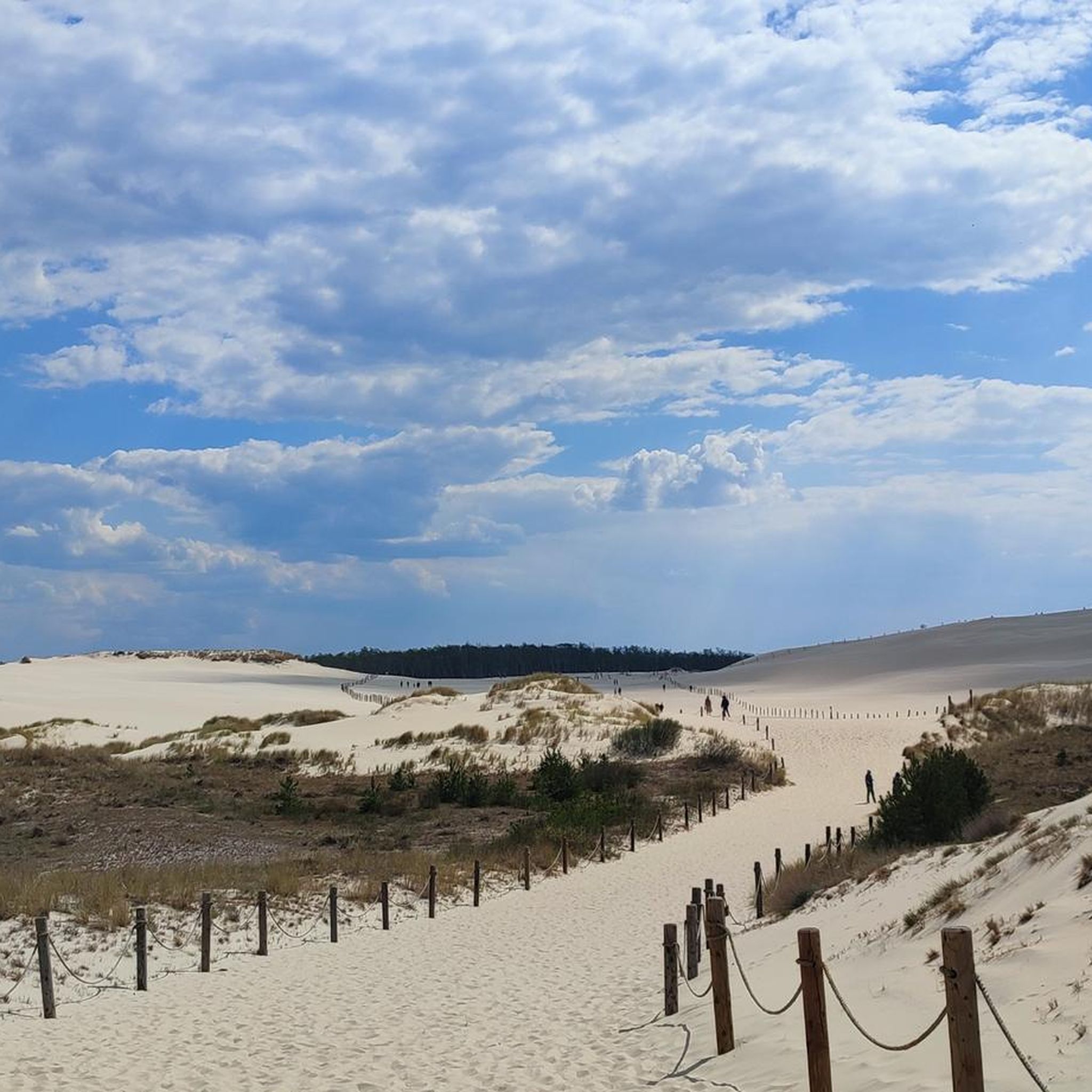
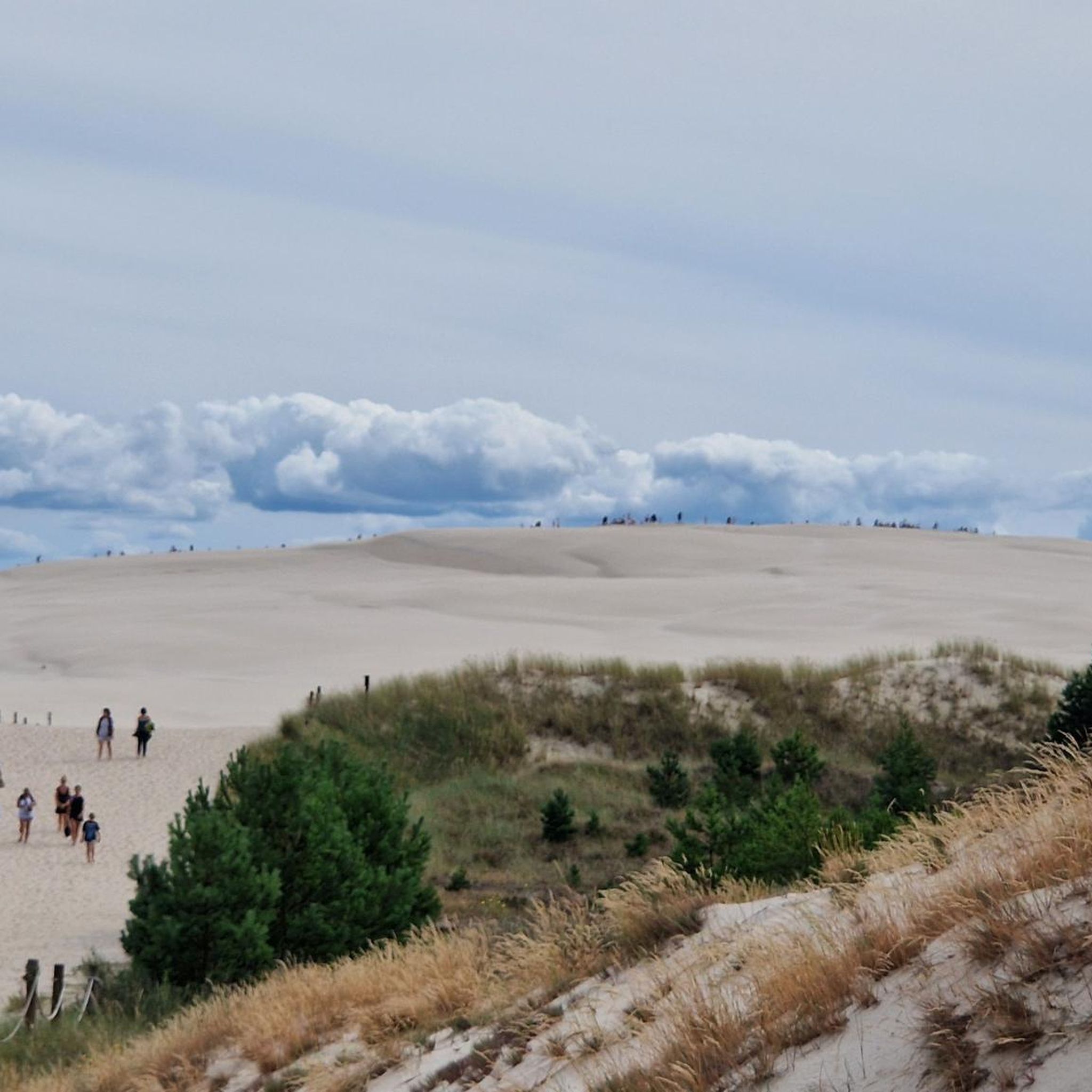
Łącka Dune
Highlight • Natural Monument
Translated by Google •
Tip by

Łącka Dune
Highlight • Natural Monument
Translated by Google •
Tip by

Sign up now to discover places like this
Get recommendations on the best single tracks, peaks, & plenty of other exciting outdoor places.
Sign up for free
Czolpinska Dune
Highlight (Segment) • Natural Monument
Translated by Google •
Tip by

Orzechowska Dune
Highlight • Natural Monument
Translated by Google •
Tip by

Krakulice viewing platform
Highlight • Viewpoint
Translated by Google •
Tip by

Sign up for free to discover even more natural monuments around Smołdzino.
Sign up for free
Already have an account?
Start today with a free account
Your next adventure awaits.
Login or Signup

Other adventures around Smołdzino

Tips from the Community

The most comfortable way to get directly to the dune is by bicycle.
1
0

Great trail through the dunes, hiking poles and a hat are useful
0
0

A dune with wooden terraces, with no view of the sea.
0
0

The Orzechowska Dune is a unique natural attraction located near Ustka, in the Pomeranian Voivodeship. It is a shifting dune, part of the Słowiński National Park, covered with a coastal crowberry forest (a rare type of forest with pine, heather, blueberries, and black crowberries). 👉 A few interesting facts about the Orzechowska Dune: • It is located near Orzechowo, a small tourist town approximately 3 km east of Ustka, • It is distinguished by wooden paths and viewing platforms that protect nature and make walking easier for tourists, • From the top, there is a beautiful view of the Baltic Sea and nearby forests, • It is a great place for light trekking, educational walks, and contact with wildlife, • It is located on the Seaside Trail (E9).
1
0

A truly worthwhile walk. Beautifully laid out path.
1
0

The Krakulice nature reserve includes a complex of peat bogs and wetlands in the Słowiński National Park. It is worth deviating from the route for a moment and walking along wooden footbridges to the viewing platform. This is an ideal place for bird watching, and in the undisturbed silence you will certainly hear their voices. In the summer you will certainly spot cranes.
3
0

Less popular than the Łącka Dune, but equally beautiful, and perhaps more peaceful? Both are the most recognizable dunes in Słowiński National Park. A beautiful sight.
2
0

Frequently Asked Questions
What are the most prominent natural monuments to visit around Smołdzino?
The Smołdzino area, particularly within the Słowiński National Park, is renowned for its unique natural monuments. Among the most prominent are the Łącka Dune, one of Europe's largest shifting dunes, and the equally beautiful Czolpinska Dune. Visitors also highly appreciate the Trail to the Dunes (Mierzeja Conservation Area), which provides access to these dynamic landscapes.
Are there any family-friendly natural monuments in the Smołdzino region?
Yes, the Orzechowska Dune is particularly suitable for families. It features wooden paths and viewing platforms that make walking easier and protect nature, offering a great place for light trekking and educational walks. The Słowiński National Park generally offers diverse trails suitable for various ages, though some dune areas can be challenging due to soft sand.
What kind of unique natural features can I expect to see at these monuments?
You can expect to see dynamic shifting dunes, which are unique geological formations constantly reshaped by wind and sand. The region also features ancient oak trees, some designated as natural monuments for their age and ecological significance, and diverse ecosystems including coastal areas, forests, and wetlands. The Krakulice viewing platform, for instance, offers excellent opportunities for bird watching in a complex of peat bogs and wetlands.
What outdoor activities can I do near the natural monuments in Smołdzino?
The area around Smołdzino's natural monuments is perfect for various outdoor activities. You can enjoy hiking through diverse landscapes, including coastal trails and forest paths. There are also options for road cycling and running. For hiking, consider routes like the 'Czołpińska Dune and Czołpino Lighthouse Loop' or the 'Nature trail "Light of the Lighthouse"'. You can find more details on these activities in the hiking guide for Smołdzino, the road cycling guide, and the running trails guide.
When is the best time to visit the natural monuments around Smołdzino?
The best time to visit is often during the shoulder seasons (spring and early autumn) when the weather is pleasant and the crowds are smaller. While summer offers warm temperatures, popular spots like the dunes can get very busy. Visiting out of season, as suggested by visitors, can provide a more peaceful experience, especially for trails leading to the dunes.
Are there any less crowded alternatives to the main dunes?
While the Łącka Dune is very popular, the Czolpinska Dune is often described as equally beautiful but potentially more peaceful. The Orzechowska Dune also offers a unique experience with its coastal crowberry forest and wooden paths, providing a slightly different atmosphere away from the busiest spots.
What should I know about accessibility for the natural monuments?
Many areas within the Słowiński National Park, especially the shifting dunes, involve hiking on fine sandy subsoil, which can be challenging. However, some locations like the Orzechowska Dune feature wooden paths and viewing platforms designed to make access easier. The Krakulice viewing platform also has wooden footbridges, though caution is advised when wet.
Can I bring my dog to the natural monuments and trails?
Policies regarding dogs in national parks can vary. It's generally recommended to check the specific regulations of the Słowiński National Park before your visit, as some areas may have restrictions to protect wildlife and natural habitats. Always keep dogs on a leash where permitted.
What do visitors enjoy most about the natural monuments around Smołdzino?
Visitors frequently highlight the unique experience of hiking on the shifting dunes, feeling the power of the wind and sand. The stunning and ever-changing landscapes, especially the coastal views from the dune tops, are also highly praised. The tranquility and beauty of the Słowiński National Park, along with opportunities for bird watching and connecting with nature, are also major draws.
Are there any specific trees designated as natural monuments in Smołdzino?
Yes, the Smołdzino commune council has designated several individual trees as natural monuments. Notably, 24 oak trees (Dąb szypułkowy - Quercus robur) on plot number 631/2 in Smołdzino are protected for their age, size, and ecological significance. One prominent oak with a circumference of 4.5 meters stands in front of the Słowiński National Park headquarters in Smołdzino.
What are the parking options for visiting the natural monuments?
Parking facilities are typically available at the entrances to the Słowiński National Park and near popular natural monuments. However, during peak season, these can become very crowded. Visitors often recommend arriving early or considering cycling to avoid parking difficulties, especially for popular spots like the dunes.
Is public transport available to reach the natural monuments?
While specific public transport routes directly to every natural monument might be limited, the Słowiński National Park area is generally accessible. It's advisable to research local bus services or shuttle options that connect Smołdzino or nearby towns to the main park entrances or popular starting points for trails. Cycling is also a popular way to get around the park.
Most popular routes around Smołdzino
Most popular attractions around Smołdzino

Get inspired with the komoot mobile app


Explore more
Extend your search for the best caves by checking out these guides of the top ones around Smołdzino:
