Top 7 Natural Monuments around Jedwabne
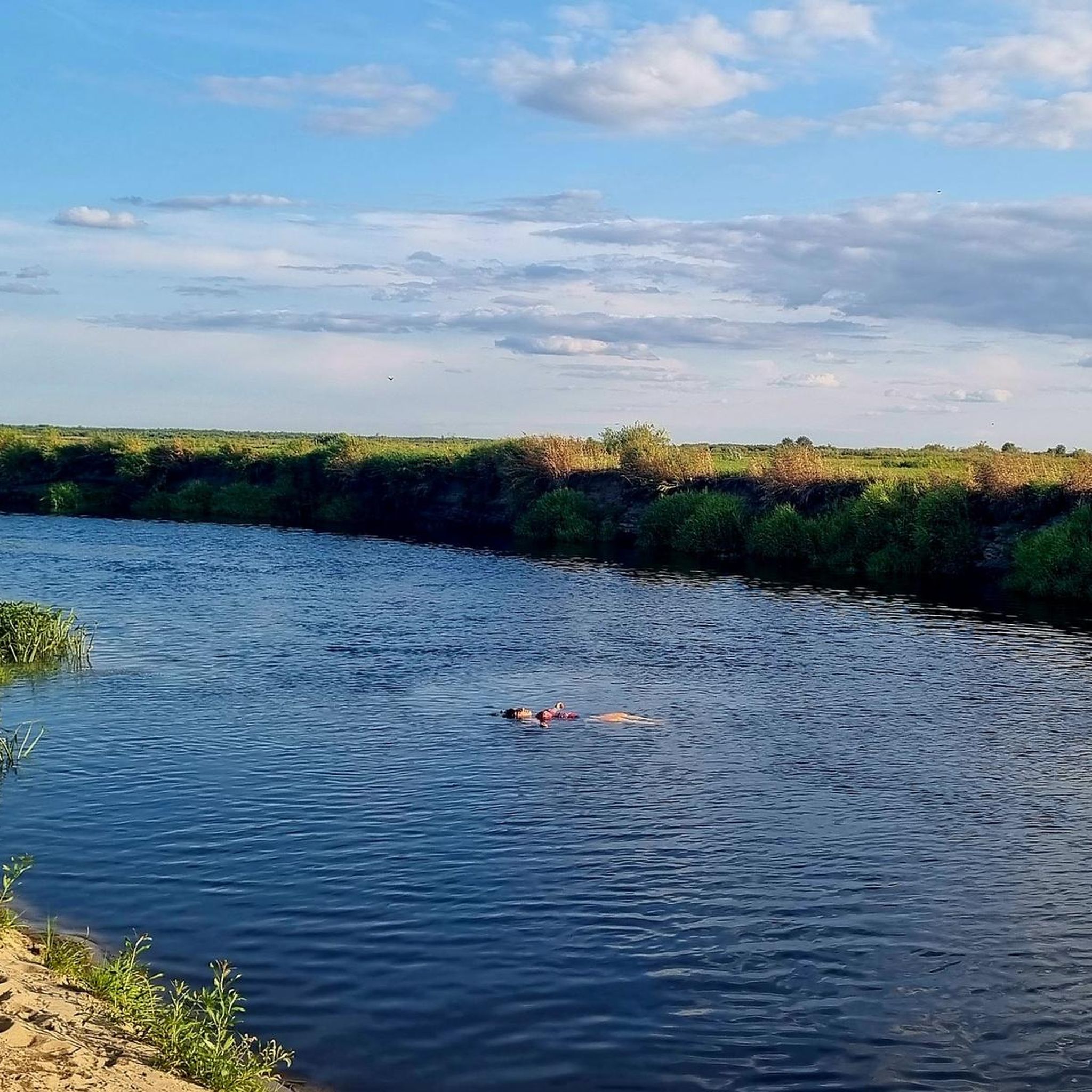
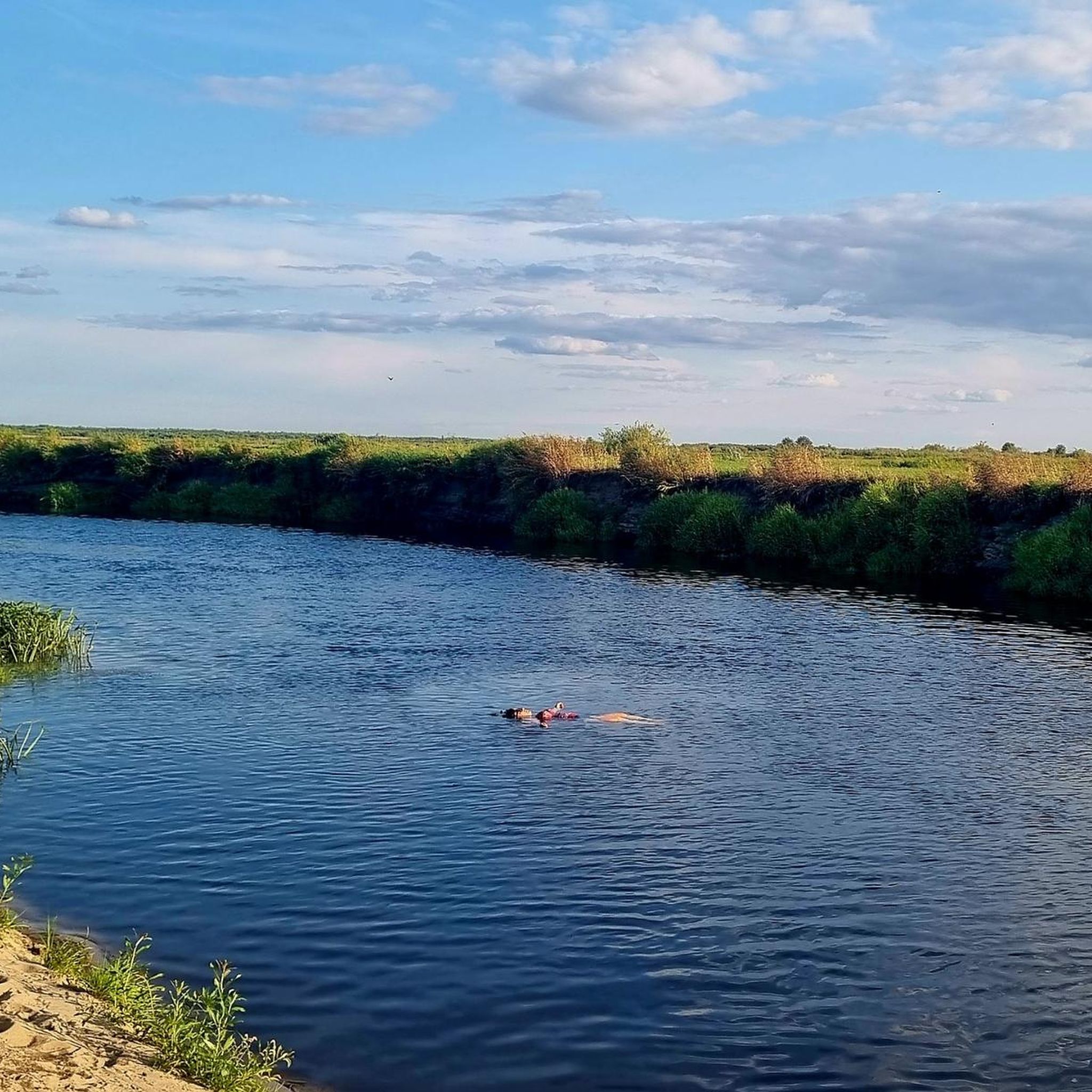
Best natural monuments around Jedwabne are characterized by the region's unique wetland ecosystems, primarily influenced by the nearby Biebrza and Narew National Parks. This area is flanked by vast, protected areas featuring extensive swamps, peat bogs, and braided river systems. The landscape offers diverse natural attractions, from significant bird habitats to unique hydrological formations. These natural features provide opportunities for observing diverse flora and fauna.
Best natural monuments around Jedwabne
- The most popular natural monuments is View of the Oxbow…
Last updated: May 17, 2026
Long Gap Footbridge
Highlight • Trail
Translated by Google •
Tip by

Woodpecker's Anvil
Highlight • Forest
Translated by Google •
Tip by

Sign up now to discover places like this
Get recommendations on the best single tracks, peaks, & plenty of other exciting outdoor places.
Sign up for free
Okop Hillfort
Highlight • Historical Site
Translated by Google •
Tip by

Green Trail – Czerwone Bagno, Biebrza National Park
Highlight • Trail
Translated by Google •
Tip by

Shrine on the Old Pine Tree
Highlight • Religious Site
Translated by Google •
Tip by
Sign up for free to discover even more natural monuments around Jedwabne.
Sign up for free
Already have an account?
Start today with a free account
Your next adventure awaits.
Login or Signup
Popular around Jedwabne
Tips from the Community

The Długa Luka Footbridge on Carska Droga is one of the most beautiful viewpoints in the Biebrza Valley. The wooden footbridge leads deep into the vast peat bogs, offering visitors a panoramic view of endless sedges and marshes. From the viewing platform, you can admire rare plants such as the red cuckoo and the Lapland willow, as well as numerous marsh birds, including the aquatic warbler, the long-eared owl, and the great snipe. Moose and sunbathing lizards are also common sights.
3
0


To immobilize the pine cone and make it easier for himself, he presses it into a crack in the bark or a fork in a branch. He presses the pine cone with the scales facing up, then, pecking down, he easily bends the scales and pulls out the seeds with his tongue. In just a minute, he manages to peel the entire pine cone.
3
0

The forest path (road) of the green BPN trail leads here by the great Red Swamp. It is a large marshy area surrounded by young dwarf birches that do not grow large here. Behind the wall of small birches is a large swamp. The road by it is dirt but quite hard and there are few roots here. Even families with children ride here. A beautiful route with a nice view.
0
0
A small chapel on a large old pine tree. For me, the tree it hangs on is even prettier than the chapel itself.
0
1

The settlement in Porytym-Jabłoni is part of an early medieval settlement complex, which also includes three open settlements on the site of the villages of Poryte-Jabłoń, Cieciorki and Konopki. Grodzisko and the settlement in Poryte-Jabłonia lying at its foot lie in a bend of the Dąb river. The gord called "Okop" has a very clear topography. It is a ring-shaped embankment with dimensions of 90-95 m in plan and a height of about 5 m. The embankment is relatively well preserved, the interior is overgrown with trees and bushes.
3
0

When describing the Biebrza National Park, through which the Green Velo route runs along the Carska-Droga road, it is often necessary to use words expressed in superlatives. The Park protects the largest peat bogs in Poland, located in the Biebrza Valley. The park is located on the largest wetlands in Central Europe and is also the largest and longest national park in Poland. The Park protects a 100 km stretch of the Biebrza Valley. The park is primarily a vast area of inaccessible wetlands, making it one of the wildest and most mysterious natural areas in Poland (source: information board on site).
6
2

400m footbridge among marshes.
1
0
Frequently Asked Questions
What unique natural features can I explore near Jedwabne?
The region around Jedwabne is characterized by its unique wetland ecosystems, primarily influenced by the nearby Biebrza and Narew National Parks. You can explore vast peat bogs, extensive swamps, and the distinctive braided river system of the Narew River. These areas are home to diverse flora and fauna, offering a glimpse into some of Europe's best-preserved wetlands.
Are there family-friendly natural monuments to visit near Jedwabne?
Yes, several natural monuments are suitable for families. The Long Gap Footbridge offers an accessible trail into the peat bogs, and the View of the Oxbow Lake of the Narew River provides scenic views that can be enjoyed by all ages. Additionally, the Woodpecker's Anvil in the forest is an interesting spot for children to learn about local wildlife.
What kind of wildlife can I expect to see in the natural monuments around Jedwabne?
The region is a haven for wildlife, especially birds. The Biebrza National Park, accessible via sites like the Long Gap Footbridge, is known for over 280 bird species, including rare ones like the aquatic warbler and great snipe. You might also spot elk, lynx, wolves, otters, beavers, and various marsh birds. The Narew National Park is also a crucial habitat for migratory birds.
What is the best time of year to visit the natural monuments near Jedwabne?
Spring is often considered the most beautiful time to visit, particularly for birdwatching, as many species return for breeding and mating season. The wetlands are vibrant with new life. However, the unique landscapes of the Biebrza and Narew National Parks offer distinct beauty throughout the year, from lush summers to serene, snow-covered winters.
Are there hiking opportunities near these natural monuments?
Absolutely. The area offers numerous hiking trails, especially within the Biebrza and Narew National Parks. For example, you can explore the Green Trail – Czerwone Bagno in Biebrza National Park. You can find more detailed hiking routes and guides, including easy and moderate options, on the Hiking around Jedwabne and Easy hikes around Jedwabne guide pages.
Can I go cycling to explore the natural monuments?
Yes, cycling is a popular way to experience the natural beauty of the region. Parts of the Green Velo trail run through the Biebrza National Park, offering scenic routes. You can find various cycling tours, including options that pass by highlights like the Long Gap Footbridge, on the Cycling around Jedwabne guide page.
Are there any historical sites among the natural monuments?
Yes, the Okop Hillfort is a notable historical site that also functions as a natural monument. It's an early medieval settlement with a well-preserved ring-shaped embankment, offering a glimpse into the region's past amidst a natural setting.
What is the Narew River known for in this area?
The Narew River, especially within the Narew National Park, is famous for its unique braided river system, often called the 'Polish Amazon.' It splits into dozens of channels, creating a complex water maze of swampy islets, marshes, and reed beds. The View of the Oxbow Lake of the Narew River provides an excellent vantage point to observe this distinctive hydrological feature.
Are there any unique natural phenomena or geological features to observe?
The region is primarily known for its extensive peat bogs and wetland formations, which are unique hydrological and ecological features rather than traditional geological formations. The Biebrza National Park protects some of Europe's best-preserved peat bogs, which you can experience firsthand at locations like the Long Gap Footbridge.
What do visitors enjoy most about the natural monuments around Jedwabne?
Visitors particularly appreciate the tranquility and wild nature of the area. The unique wetland landscapes, the rich biodiversity, especially the abundant birdlife, and the opportunities for peaceful observation and exploration are highly valued. The distinct experiences offered by the Long Gap Footbridge and the scenic views of the Narew River's oxbow lakes are frequently highlighted.
Can I access these natural monuments using public transport?
While Jedwabne itself is a rural area, accessing the national parks and specific natural monuments often requires a combination of public transport to nearby towns and then local transport or personal vehicles. For detailed information on reaching Biebrza National Park, you can visit their official website: Biebrza National Park. Similarly, for Narew National Park, consult their official site: Narew National Park.
Are there any specific regulations or permits needed to visit the natural monuments?
When visiting national parks like Biebrza and Narew, there might be specific regulations regarding trails, protected zones, and sometimes entry fees or permits for certain activities. It's always best to check the official websites of the respective national parks for the most up-to-date information on rules and any required permits before your visit. For Biebrza National Park, refer to bbpn.gov.pl, and for Narew National Park, visit npn.gov.pl.
Most popular routes around Jedwabne
Most popular attractions around Jedwabne

Get inspired with the komoot mobile app


Explore more
Extend your search for the best caves by checking out these guides of the top ones around Jedwabne:
