The best walks and hikes around Jedwabne
4.6
(41)
352
hikers
11
hikes
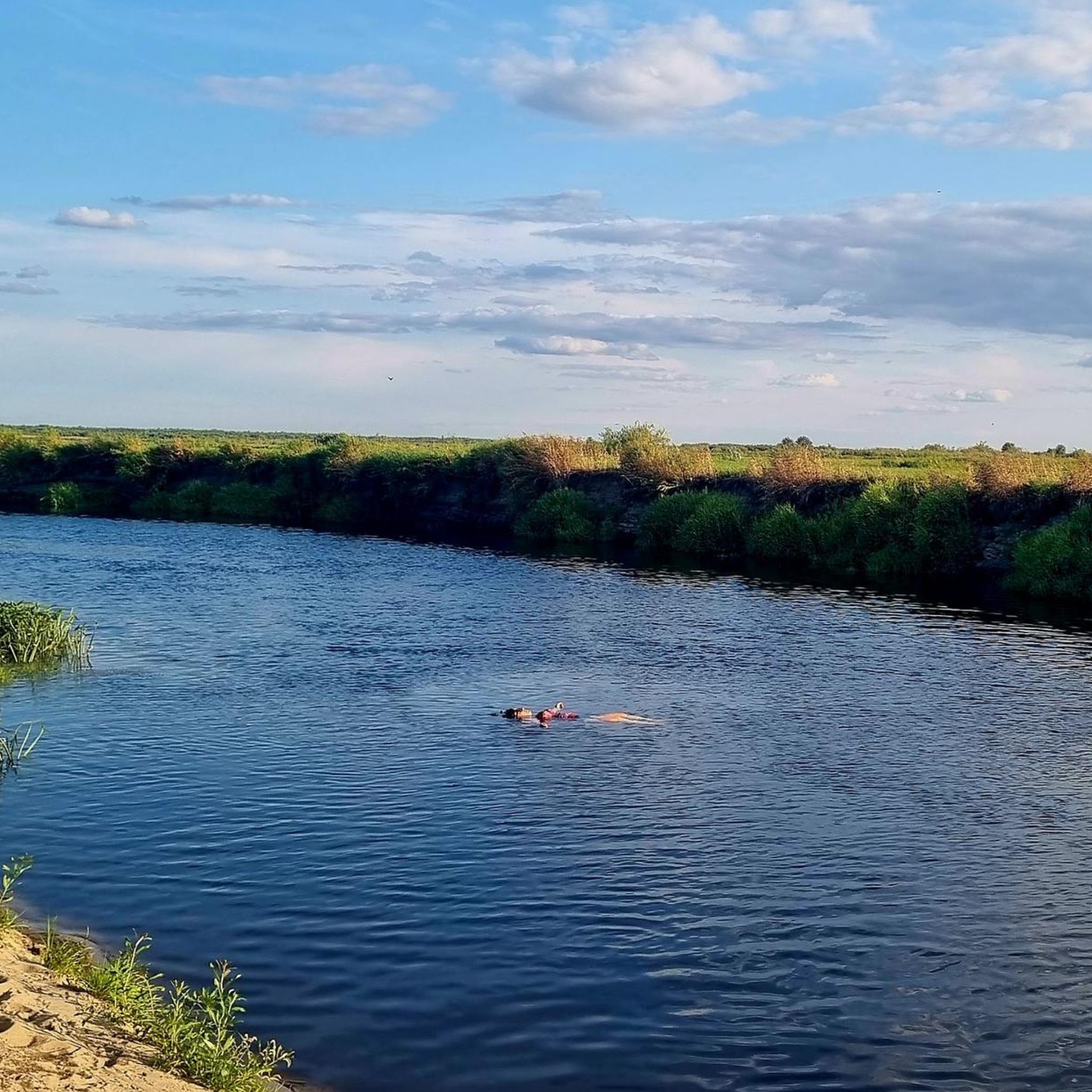
Hiking around Jedwabne, Poland, is primarily defined by its proximity to the Biebrza National Park, Central Europe's largest complex of natural marshes. The terrain is generally flat, characterized by extensive wetlands, the meandering Biebrza River, and surrounding forests. Elevation gains on trails are minimal, reflecting the marshland ecosystem.
Best hiking trails around Jedwabne
- The most popular hiking route is "Dyer" path: Biebrza National Park, a 7.7 miles (12.4 km) moderate trail that takes 3 hours 9 minutes to complete.…
Last updated: November 1, 2026
4.8
(11)
69
hikers
12.4km
03:09
30m
30m
Moderate hike. Good fitness required. Easily walkable paths.
4.2
(12)
102
hikers
6.25km
01:35
10m
10m
Easy hike. Easily walkable paths.

4.5
(10)
74
hikers
Easy hike. Easily walkable paths.
5.0
(2)
33
hikers
Easy hike. Easily walkable paths.
4.0
(1)
6
hikers
4.65km
01:11
10m
10m
Easy hike. Easily walkable paths.
Get access to more routes and recommendations from other explorers.
Already have an account?
Our route recommendations are based on thousands of hikes, rides, and runs completed by other people on komoot.
Tips from the Community

There are already three stones for the distinguished Biebrza people.
1
0

Great observation tower - and quite solid. Good views from the top of the area and its dunes. There are moose too! (Just wait... patience pays off.)
1
0
A small observation platform on the Biebrza marshes.
3
0
At the end of the trail in the Barwik forest there is a viewing tower, from which there is a view of the peat bogs by the Kosódka riverbed and the hills on the dunes covered with thermophilic grasslands and pines. The pines are often gnawed by moose. Around the tower there are craters from the explosions of shells.
3
0
These are plaques of the deserving and loving Biebrza. These are not graves, but in gratitude for the devoted heart and love for beautiful nature, stones were placed commemorating such noble people. Wiktor Wołkow, Mirek Kobeszko and Ryszard Czerwiński.
2
0
Bark stripping is the stripping of bark from young forest trees (most often pines, spruces, oaks, ash) by deer and bison, which causes significant damage to stands. The damage consists of crippling trees and weakening their resistance to infections, e.g. fungi. This phenomenon reduces the resistance of trees and can also be a direct cause of their death. As a result of the breaking or dying of bark stripped trees, gaps appear in the young trees, which hinder further proper growth and development of stands.
3
0
To immobilize the pine cone and make it easier for himself, he presses it into a crack in the bark or a fork in a branch. He presses the pine cone with the scales facing up, then, pecking down, he easily bends the scales and pulls out the seeds with his tongue. In just a minute, he manages to peel the entire pine cone.
3
0
Frequently Asked Questions
What is the typical terrain like for hiking around Jedwabne?
The terrain around Jedwabne is primarily defined by its proximity to the Biebrza National Park, characterized by extensive wetlands, the meandering Biebrza River, and surrounding forests. It is generally flat with minimal elevation gains, reflecting the marshland ecosystem.
Are there easy hiking trails suitable for beginners or families?
Yes, the Jedwabne area offers many easy hiking options. Out of the 8 available routes, 7 are classified as easy. For example, the Forest parking lot – Viewing platform loop from Budy is an easy 3.1-mile (5.0 km) path that is great for a relaxed walk.
Can I find circular hiking routes in Jedwabne?
Yes, several routes around Jedwabne are designed as loops. A popular choice is the Forest parking lot – The observation tower on the "Dyer" path loop from Budy, which is an easy 3.0-mile (4.9 km) trail.
What natural features or landmarks can I expect to see on hikes?
Hiking around Jedwabne offers opportunities to see unique natural features of the Biebrza National Park. You might encounter viewpoints like the Viewing platform or the Observation Tower in the Biebrza Valley, offering vistas over the marshlands. The Long Gap Footbridge is also a notable highlight.
What kind of wildlife might I encounter while hiking in the region?
The Biebrza National Park, adjacent to Jedwabne, is renowned for its rich biodiversity. Hikers often have the chance to observe various bird species, and it's a significant habitat for larger mammals like moose. The vast marshlands provide a unique ecosystem for diverse flora and fauna.
Are the hiking trails around Jedwabne dog-friendly?
While specific regulations for dogs within Biebrza National Park trails can vary, generally, dogs are permitted on leash on many public paths. It's always advisable to check local park rules or signage for specific trail restrictions before heading out with your dog.
Are there any observation towers or viewpoints along the trails?
Yes, the region features several observation points. The observation tower on the "Dyer" path is a prominent one, offering panoramic views of the surrounding landscape. Another is the Grobla Observation Tower, accessible via a loop trail from gmina Trzcianne.
What do other hikers enjoy the most about hiking in Jedwabne?
The hiking routes around Jedwabne are highly rated by the komoot community, with an average score of 4.6 stars from over 30 reviews. Hikers frequently praise the immersive experience through the unique marshland environment and the peaceful, flat trails suitable for various abilities.
How long do hikes typically take in the Jedwabne area?
Hike durations vary depending on the route and your pace. For instance, the "Dyer" path: Biebrza National Park, a moderate 7.7-mile (12.4 km) trail, typically takes around 3 hours and 9 minutes. Shorter, easy loops like the Robin Research Area – Forest parking lot loop from Dobarz can be completed in about 1 hour and 10 minutes.
Is there parking available near the trailheads?
Yes, several trails are designed with parking in mind. For example, the Forest parking lot – Viewing platform loop from Budy explicitly mentions a forest parking lot as its starting point, indicating convenient access for drivers.
What is the best time of year to go hiking in Jedwabne?
The best time to hike in Jedwabne, particularly within the Biebrza National Park, is generally during the spring and autumn months. Spring offers vibrant birdwatching opportunities as migratory birds return, while autumn provides beautiful colors and fewer insects. Summer can be warm and humid, with more mosquitoes due to the marshy environment.
Most popular routes around Jedwabne
Most popular attractions around Jedwabne

Get inspired with the komoot mobile app


Explore more
Browse the best Hikes in other regions.
