Top 8 Natural Monuments around gmina Przysucha
Best natural monuments around gmina Przysucha include unique geological formations and opportunities for outdoor recreation. The region features sandstone rock formations, such as those found in Skałki Piekło pod Niekłaniem, sculpted by erosion. These natural features, alongside rivers and springs, contribute to a diverse landscape. The area offers various trails for hiking and exploring its natural heritage.
Best natural monuments around gmina Przysucha
- The most popular natural monuments is Aga's Cave — Piekło pod Niekłaniem rock formations, a cave…
Last updated: October 2, 2026
Aga's Cave — Piekło pod Niekłaniem rock formations
Highlight • Cave
Translated by Google •
Tip by

Teodor Zieliński Memorial Boulder
Highlight • Monument
Translated by Google •
Tip by

Sign up now to discover places like this
Get recommendations on the best single tracks, peaks, & plenty of other exciting outdoor places.
Spring in Niekłań Wielki
Highlight • Natural Monument
Translated by Google •
Tip by
Tomkowa Dziura rock formations
Highlight (Segment) • Natural Monument
The name "Piekło" means "hell" and comes from the bizarre, sometimes mystical-looking rocks, which, according to legend, were formed by devilish forces.
Translated by Google •
Tip by

Source of the Kamienna River (Biały Stok)
Highlight • River
Translated by Google •
Tip by
Sign up for free to discover even more natural monuments around gmina Przysucha.
Already have an account?
Start today with a free account
Your next adventure awaits.
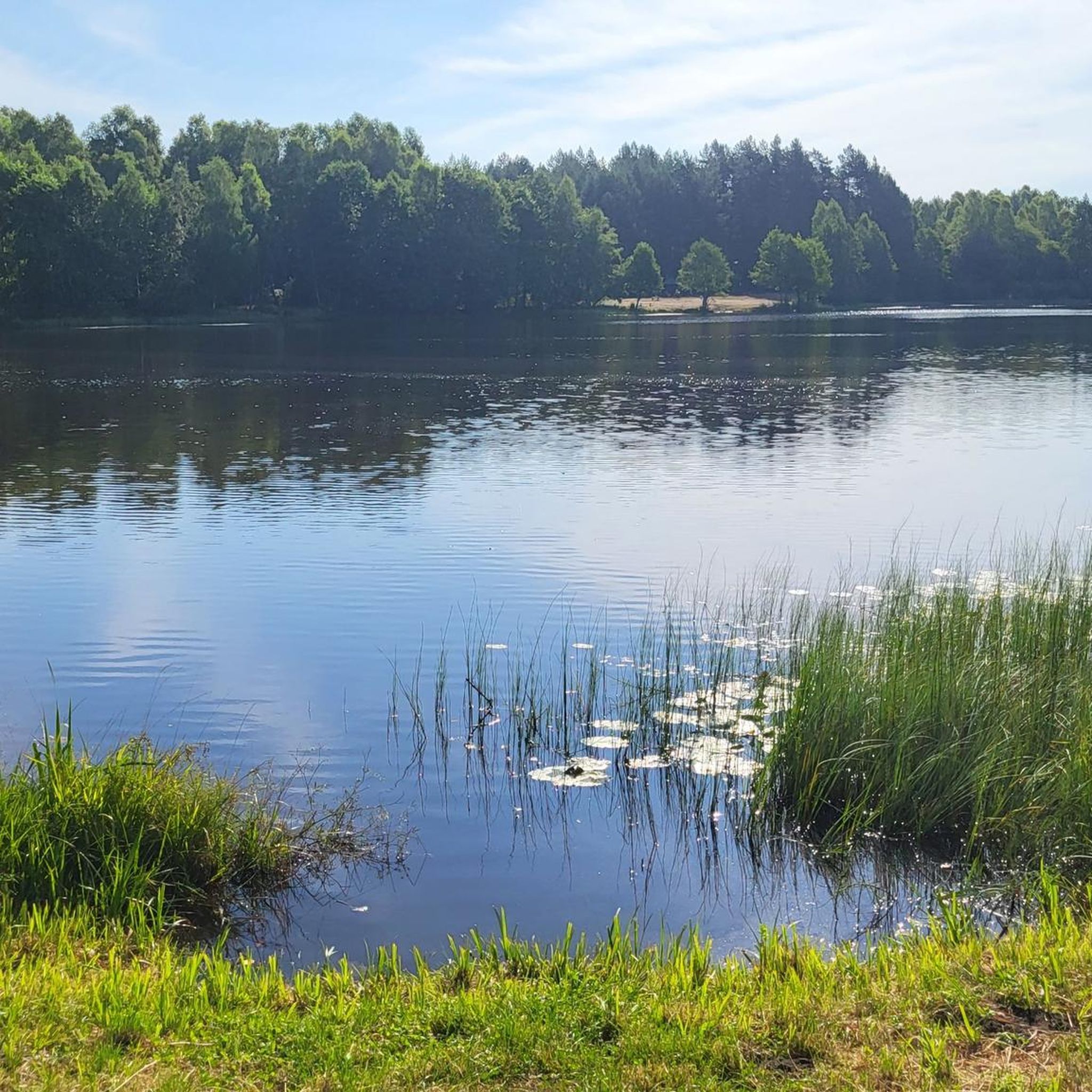
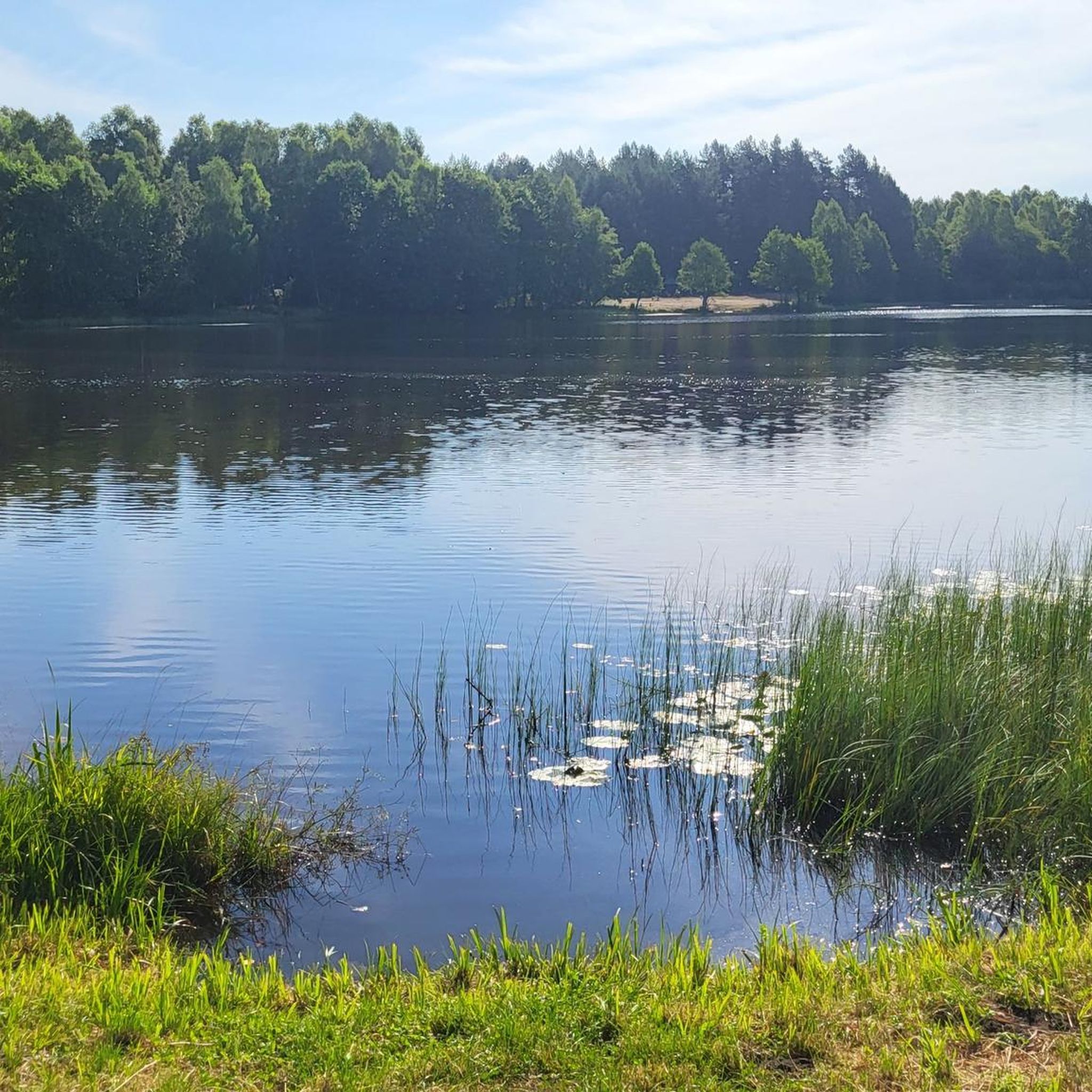
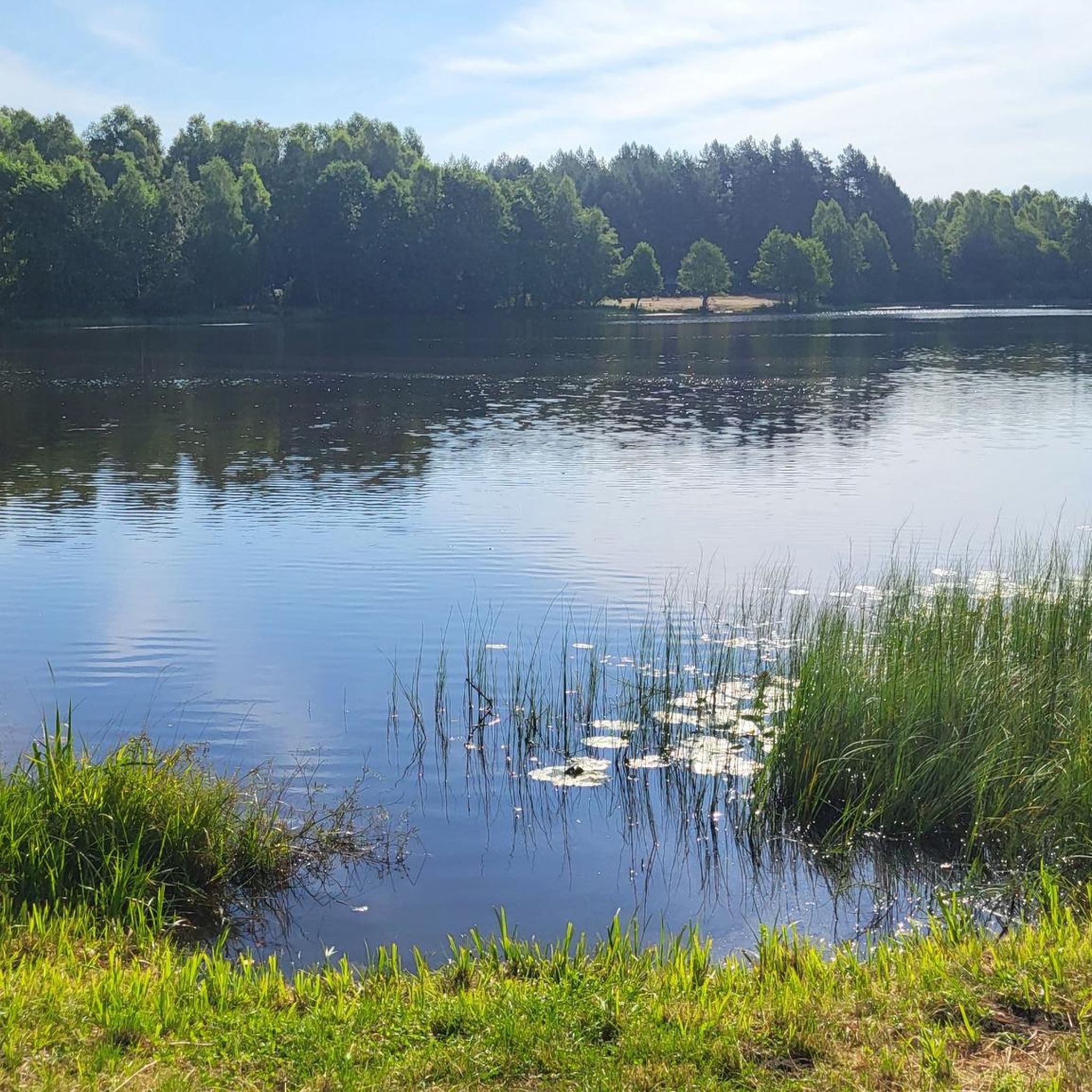

Tips from the Community

Apparently this spring water will give you ability to over perform in bed and last 4 times longer. Legend says it will make you more fertile too. That's what old tales say here
0
0

An inanimate nature reserve in the Konecko-Łopuszniański Protected Landscape Area in the Stąporków commune, in the Konecki district, in the northern part of the Świętokrzyskie province, near the town of Niekłań Wielki. The rocks stretch for about 1 kilometre, their height reaches 8 metres. The Skałki Piekło nature reserve under Niekłaniem is the starting point of the black tourist trail of the black tourist trail leading to the town of Wólka Plebańska. The blue tourist trail from Skarżysko-Kamienna (Pogorzałe) to Kuźniaki passes through the reserve. It is also a point on the Piekielny Szlak.
0
0

The water that flows from the spring in Piekło today has been tested. It does not contain coliform bacteria and is soft. It contains various chemical elements that humans need for life. However, it does not meet the Ministry of Health's standards because the concentrations of hydrogen ions (pH) and manganese are exceeded. According to tests, the water contains 246 mg of manganese per litre, while the permissible amount is 50 mg. The water is drinkable because there is no microbiological contamination. Although the high concentration of manganese does not have a clear negative impact on health, caution and moderation are recommended.
48
0
Tom's Hole - Tomkowa Dziura The name "Piekło" means "hell" and comes from the bizarre, sometimes mystical-looking rocks, which, according to legend, were formed by devilish forces. Fearing devils, the residents are said to have left the nearby forest settlement. Not far from the Skałki Piekło nature reserve is Tomkowa Dziura. Here, too, it is unclear how this place got its name. Supposedly, after the devilish pranks, rocks with strange shapes and springs with clear water remained, where the devils quenched their thirst after their work.
54
0

The "Skałki Piekło pod Niekłaniem" nature reserve was established on April 1, 1959, in order to preserve, for scientific and didactic reasons, the peculiar forms of sandstone rocks formed by wind erosion and the northern parrot fern (Asplenium Septentrionale) living in rock crevices, on the initiative of Eng. Teodor Zielinski. It is the oldest nature reserve operating in the Stąporków Forest District.
2
0

The reserve was established in 1959 to preserve peculiar rock forms. The rocks in question were carved thanks to erosive processes in the Triassic and Lower Jurassic sandstones. Thanks to this, they stand out beautifully with yellow and orange, but also with a dark color against the green of the forest. At a length of several hundred meters, the rocks form two separate clusters. Following the blue trail from the parking lot, first we reach lower and darker rock formations, then we reach more colorful and magnificent, up to 8 m high inselbergs. These are rocks with extremely unusual shapes, such as mushrooms, chimneys, pulpits (pulpit), or… what your imagination will tell you.
4
0
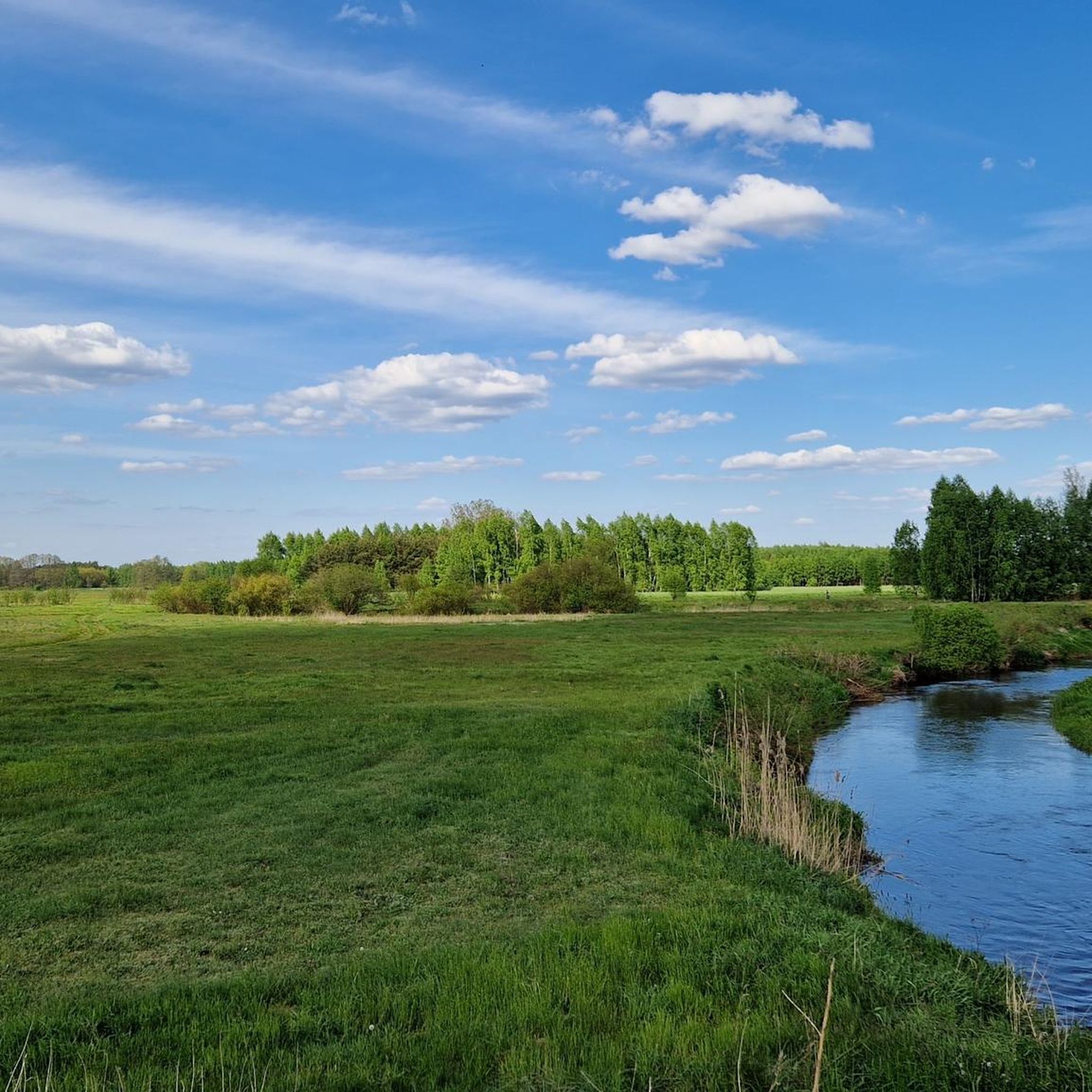
Kamienna - a river in central Poland belonging to the Central Lesser Poland hydrological region, a left-bank tributary of the Vistula. Almost the entire section runs through the Świętokrzyskie Voivodeship, but its source and estuary are located on the southern outskirts of the Mazowieckie Voivodeship.
1
0

One of the three named rock forms of the "Skałki Piekło pod Niekłaniem" reserve. "Jama Agi" delights with its oval "window", carved by water during the arduous process of erosion. It is one of the most beautiful rock forms of the reserve, reaching up to 7 meters, formed in Jurassic sandstone, dating back 200 million years. "Jama Agi" is also a dark and dry cave, about 8 meters long, forming a single corridor.
0
0
Frequently Asked Questions
What are the most popular natural monuments around gmina Przysucha?
The most popular natural monument is Aga's Cave — Piekło pod Niekłaniem rock formations, known for its peculiar rock forms carved from Triassic and Lower Jurassic sandstones. Another highly regarded spot is the Spring in Niekłań Wielki, located on the trail leading to the Piekło pod Niekłaniem Reserve, where visitors often collect spring water.
What unique geological features can I expect to see at the natural monuments in gmina Przysucha?
You'll encounter impressive sandstone rock formations, particularly at Skałki Piekło pod Niekłaniem, where wind erosion has sculpted structures up to 8 meters high into shapes like mushrooms, chimneys, and pulpits. The rocks display yellow, orange, and darker hues. At Skałki Przysuskie, you can see a striking 15-meter exposed wall of pink sandstone, laminated with iron compounds and clay shale inserts.
Are there family-friendly natural monuments in the gmina Przysucha area?
Yes, several natural monuments are suitable for families. The Teodor Zieliński Memorial Boulder is easily accessible at the entrance to Skałki Piekło pod Niekłaniem. The Spring in Niekłań Wielki is also considered family-friendly. Additionally, Skałki Przysuskie is ideal for walks and forest excursions, often visited by school groups, with benches for relaxation and designated bonfire areas.
What kind of hiking trails are available near the natural monuments?
The region offers various hiking opportunities. Near Skałki Piekło pod Niekłaniem, you can explore tourist trails, including parts of the "Piekielny Szlak" (Hell's Trail). Skałki Przysuskie marks the beginning or end of the "Rawicz" nature education trail, which has two routes (3.5 km and 7 km) with informational boards. For more hiking options, explore the hiking guide for gmina Przysucha, which includes routes like the "Spring in Niekłań Wielki loop from Niekłań Wielki" (8.7 km, moderate).
Is there any historical significance associated with the natural monuments?
Yes, Skałki Piekło pod Niekłaniem has historical ties, having served as a camp for Dionizy Czachowski during the January Uprising in 1863. The Teodor Zieliński Memorial Boulder commemorates Teodor Zieliński's significant contributions to forestry and nature conservation, including his role in organizing the Supreme Directorate of State Forests and developing national parks.
What outdoor activities can I do near the natural monuments in gmina Przysucha?
Besides hiking, the area around gmina Przysucha offers excellent cycling opportunities. The "Hubal" trail starts from Skałki Przysuskie, making it a good starting point for bike trips. You can find various cycling routes in the cycling guide for gmina Przysucha, such as the "Przysucha Sandstone Rocks – At the Sources of the Radomka loop from Przysucha" (21.4 km, moderate).
When is the best time to visit the natural monuments in gmina Przysucha?
The natural monuments are generally accessible year-round. However, spring and autumn offer pleasant temperatures for hiking and exploring, with vibrant foliage in autumn and blooming nature in spring. Summer is also popular, but can be warmer. Winter visits are possible for walks, but some trails might be slippery or covered in snow.
How can I access Skałki Piekło pod Niekłaniem?
Skałki Piekło pod Niekłaniem is accessible via tourist trails. You can follow the blue trail from a parking lot to reach the rock formations. The reserve is located near Niekłań Wielki, on the border of the Świętokrzyskie and Masovian Voivodeships, making it a popular destination for hikers and cyclists.
Are there any natural springs or water sources to see?
Yes, the Spring in Niekłań Wielki is a notable natural monument. It's located directly on the trail leading to the "Skałki Piekło pod Niekłaniem" Reserve, and many visitors come specifically to collect its spring water. Another significant water source is the Source of the Kamienna River (Biały Stok), which is also considered a natural monument.
What is the "Rawicz" nature education trail?
The "Rawicz" nature education trail is associated with Skałki Przysuskie. It offers two routes, 3.5 km and 7 km long, providing insights into local nature and forestry. The trail features informational boards at each stop and traces remnants of one of Poland's earliest settlements from the 6th or 7th century, combining nature exploration with historical context.
Can I find parking near the natural monuments?
Yes, parking is generally available near the main natural monuments. For instance, when visiting Skałki Piekło pod Niekłaniem, there is a parking lot from which you can access the blue trail leading to the rock formations. Skałki Przysuskie is also easily accessible, often visited by groups, suggesting convenient access.
Are there any viewpoints among the natural monuments?
Yes, several natural monuments offer viewpoints. The Aga's Cave — Piekło pod Niekłaniem rock formations and Tomkowa Dziura rock formations are both categorized as viewpoints, allowing visitors to appreciate the unique geological structures and surrounding forest landscapes. The Source of the Kamienna River (Biały Stok) also provides scenic views.
What wildlife might I encounter at the natural monuments?
While specific large wildlife sightings aren't guaranteed, the natural monuments are set within forested areas, providing habitats for various forest creatures. Notably, the Skałki Piekło pod Niekłaniem reserve is home to the protected northern spleenwort fern (Asplenium Septentrionale), which grows in its rock crevices. The diverse flora and fauna of the region contribute to a rich natural experience.
Most popular routes around gmina Przysucha
Most popular attractions around gmina Przysucha

Get inspired with the komoot mobile app


Explore more
Extend your search for the best caves by checking out these guides of the top ones around gmina Przysucha:
