Top 20 Natural Monuments around gmina Dzierżoniów
Best natural monuments around gmina Dzierżoniów are primarily characterized by ancient trees and historical palace parks. This region in Lower Silesia features a collection of designated natural monuments, offering insights into the area's ecological and cultural heritage. The landscape provides diverse natural attractions, including significant summits and unique geological formations.
Best natural monuments around gmina Dzierżoniów
- The most popular natural monuments is Mount Ślęża, a summit that is the highest peak of the Ślęża Massif at 718 m above…
Last updated: May 17, 2026
Mount Ślęża
Highlight • Summit
Translated by Google •
Tip by

Bear and Maiden with Fish Sculptures on Mount Ślęża
Highlight • Monument
Tip by

Sign up now to discover places like this
Get recommendations on the best single tracks, peaks, & plenty of other exciting outdoor places.
Sign up for free
Radunia Summit
Highlight • Summit
Translated by Google •
Tip by

Mnich stone sculpture (Ślężański Landscape Park)
Highlight • Monument
Tip by
Skalna Perć Trail
Highlight • Trail
Translated by Google •
Tip by
Sign up for free to discover even more natural monuments around gmina Dzierżoniów.
Sign up for free
Already have an account?
Start today with a free account
Your next adventure awaits.
Login or Signup

Tips from the Community

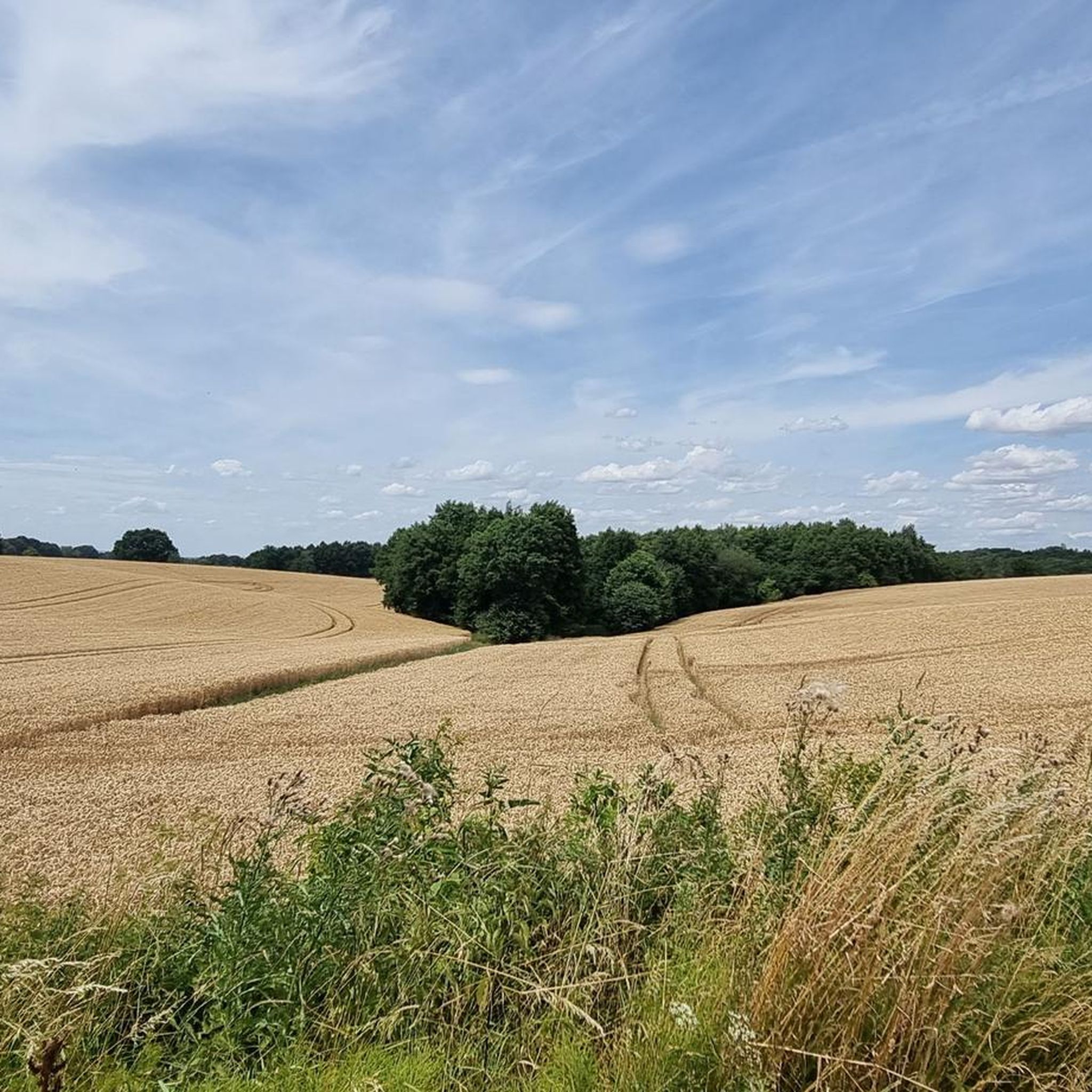
The mountain has two archaeological trails marked with the symbol of the Ślęża bear, allowing visitors to discover the ancient stone sculptures while trekking. Despite its relatively modest elevation, Ślęża offers impressive views due to its prominent rise of over 500 meters above the surrounding lowlands.
1
0
Mount Ślęża is the highest peak of the Sudeten Foothills at 717.5 meters above sea level, located near the town of Sobótka in southwestern Poland. The mountain served as a pagan solar worship center from the Bronze Age until Christianization in the 10th-11th centuries, with ancient stone sculptures including "the maiden with fish," "the monk," and "the bear" still visible today. A 12th-century church now stands on the summit alongside a concrete observation tower, while the PTTK tourist shelter provides accommodation for hikers exploring the well-marked trail network.
1
0
The "Maiden with Fish" is a Celtic cult statue from the La Tène period (circa 400-200 BCE) carved from local granodiorite and standing about 2.2 meters tall, located near the summit of Mount Ślęża in Poland. The anthropomorphic sculpture depicts a human figure holding a large fish (likely a trout or salmon) vertically against their chest, though the statue is missing its head, neck, right arm, and parts of the legs due to erosion over time. The statue was rediscovered in 1733 by Gottfried Heinrich Burghart in a rocky debris field on the northern slope of Ślęża, possibly in its original location which may have been a main cult site.
1
0
In 1937, archaeologists discovered an offering of boiled potatoes placed near the sculpture, suggesting it retained some folk religious significance well into modern times. The sculpture is carved from local Ślęża granite and features cross marks that were likely added later in its history.
2
0
Monk is a 2.5-meter tall megalithic granite sculpture located in Sobótka near Mount Ślęża in Lower Silesia, Poland, believed to date from the early medieval pre-Christian period and possibly of proto-Slavic or Celtic origin. Originally found near the village of Garncarsko, it may have served as a milestone marker between Wrocław and Świdnica, though it likely had earlier ritual or cult purposes. The monument was relocated to Sobótka in the 1950s and was registered as an archaeological monument in 1969.
2
0

There is a nature reserve on the top of the mountain. It protects the places where rare plant species adapted to specific soil and climate conditions occur. In 2014, the tourist trail leading there was closed down, which was necessary to protect nature, which was being destroyed by careless tourists, trampling valuable grasslands and lighting fires on the top of Radunia. Source: https://www.sleza.sobotka.pl/radunia/
1
0

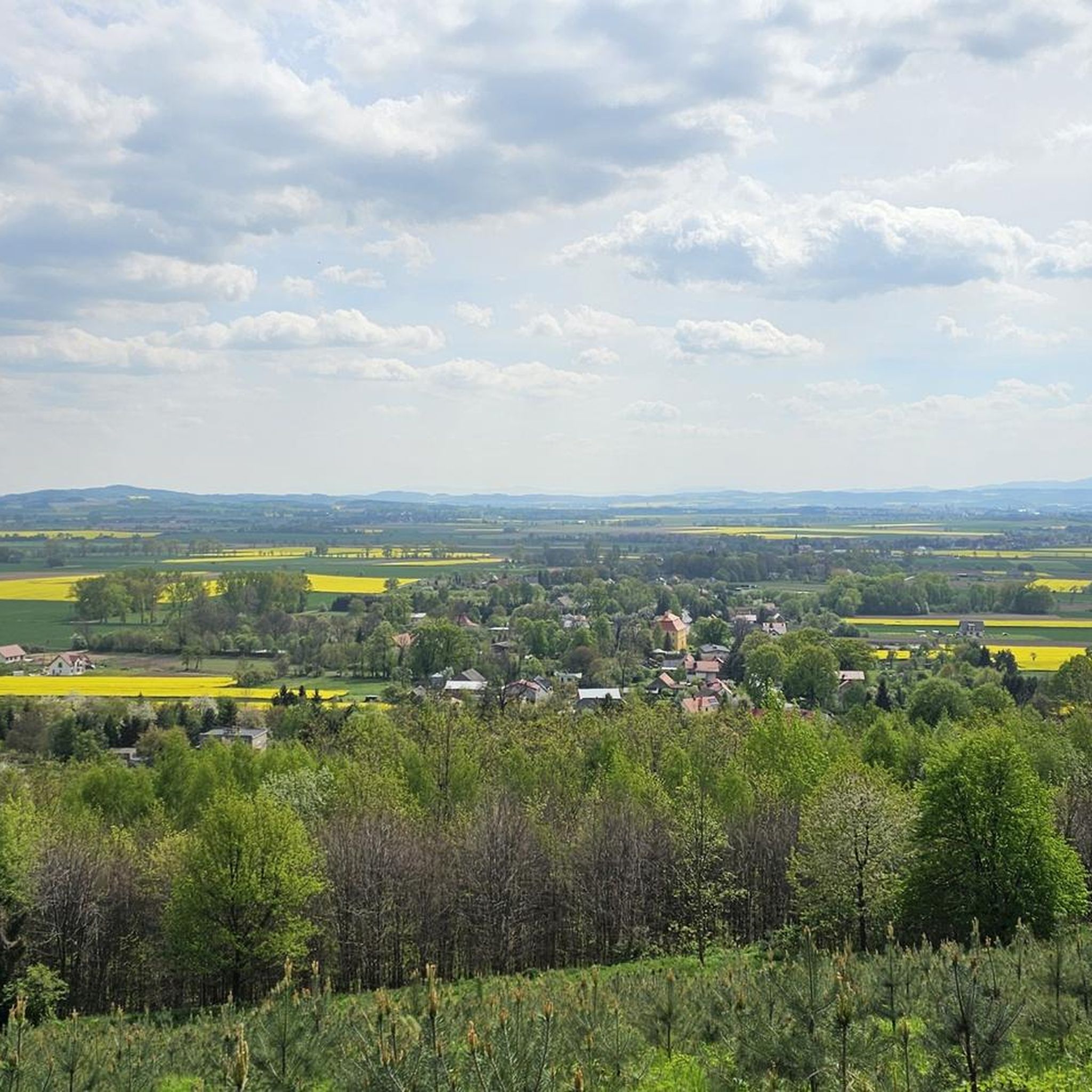
Radunia (573m above sea level) is the second peak on the Ślęża Massif (after Ślęża itself, of course). This peak is part of the Góra Radunia Nature Reserve. From the top there are amazing views of the Sowie Mountains and Ślęża. Worth it!
2
0
Part of the blue trail between the Tąpadł pass and Ślęża. The path leads through rocks and is enchanting. Here you will reach the Olbrzymki at an altitude of 662m.
0
0
Frequently Asked Questions
What types of natural monuments can I expect to see in Gmina Dzierżoniów?
Gmina Dzierżoniów is primarily known for its ancient trees, many of which are centuries old and designated as natural monuments. You'll also find natural monuments within historical palace parks, offering a blend of natural beauty and cultural heritage. Additionally, the region features significant summits like Mount Ślęża and Radunia Summit, which are also recognized for their natural importance.
What are some of the most notable individual natural monuments in Gmina Dzierżoniów?
Among the most impressive individual natural monuments are ancient trees. These include the 'Ares' Pedunculate Oak in Roztocznik, boasting a trunk circumference of 598 cm, and the 'Ostroszek' Sycamore Maple in Ostroszowice, with a 460 cm circumference. Another significant tree is the 'Siemomysł' Pedunculate Oak in Dobrocin, measuring 470 cm around its trunk. These trees are living testaments to the region's natural heritage.
Do these natural monuments have historical significance?
Yes, many of the natural monuments, especially the ancient trees, are living relics that have witnessed centuries of local history. Some are located within historical palace parks, such as the Roztocznik Palace Park and Nowizna Palace Park, which blend cultural heritage with natural beauty. Mount Ślęża itself was a significant religious center for solar cults dating back to the Bronze Age, featuring pagan worship sculptures like the 'Maiden with Fish' and 'Bear' (Bear and Maiden with Fish Sculptures on Mount Ślęża).
Are there any viewpoints or summits among the natural monuments?
Absolutely. Mount Ślęża is the highest peak of the Ślęża Massif, offering beautiful views, an old church, and a tourist house. Another significant summit is Radunia Summit, which is part of a nature reserve and provides amazing views of the Sowie Mountains and Ślęża.
Are the natural monuments in Gmina Dzierżoniów suitable for families?
Many natural monuments, especially those within palace parks or easily accessible areas, are suitable for families. For example, the historical and natural sites on Mount Ślęża, including its sculptures and trails, are considered family-friendly. The 'Mnich' stone sculpture (Mnich stone sculpture (Ślężański Landscape Park)) is also noted as family-friendly.
When is the best time to visit the natural monuments in Gmina Dzierżoniów?
The natural monuments, particularly the ancient trees and palace parks, can be enjoyed throughout the year. Spring brings fresh foliage and blooming flowers, while autumn offers vibrant colors. Summer is ideal for longer walks and exploring the summits. Even in winter, the stark beauty of the ancient trees and snow-dusted landscapes can be quite picturesque, though some trails might be more challenging.
What outdoor activities are available near the natural monuments?
The region around Gmina Dzierżoniów offers various outdoor activities. You can find numerous cycling routes, including touring bicycle options like the 'Wielka Sowa Observation Tower – Scenic Rural Road loop' or easy paved paths. For road cycling, there are routes like the 'Tąpadła Pass – Sulistrowicka Pass loop'. Mountain biking enthusiasts can explore trails such as the 'Route "Bielawa Yellow": MTB Sudety Zone'. You can find more details on these activities in the Cycling around gmina Dzierżoniów, Road Cycling Routes around gmina Dzierżoniów, and MTB Trails around gmina Dzierżoniów guides.
Are there hiking opportunities near the natural monuments?
Yes, hiking is a popular activity, especially around the summits. The Skalna Perć Trail is a notable section of the blue tourist trail in the Ślęża Massif, leading through rocks and granite steps. This enchanting path takes you to the Olbrzymki at an altitude of 662m. Many other trails connect the various natural monuments and offer diverse hiking experiences.
What do visitors enjoy most about the natural monuments in Gmina Dzierżoniów?
Visitors frequently appreciate the historical and ecological significance of the centuries-old trees, which serve as living relics. The aesthetic appeal of their majestic size and unique forms, especially within the tranquil settings of palace parks, is also highly valued. Many enjoy the opportunity to connect with nature and explore the region's rich architectural and historical past alongside its natural beauty.
Can I visit the natural monuments with my dog?
While specific regulations for each natural monument may vary, generally, dogs are welcome on trails and in open natural areas, provided they are kept on a leash and owners clean up after them. When visiting palace parks, it's advisable to check local signage or park rules regarding pets. Nature reserves, like the one on Radunia Summit, might have stricter rules to protect sensitive ecosystems.
Are there any natural monuments located within historical palace parks?
Yes, Gmina Dzierżoniów features several historical palace and park complexes that house natural monuments. The Roztocznik Palace Park, for instance, includes a Neo-Baroque palace and an extensive park with various ancient oaks (such as Hefajstos, Posejdon, Zeus, Apollo, Hermes, Ares, and Dionysus), a small-leaved linden 'Barbara', and an ash tree 'Lucjan'. The Nowizna Palace Park also contains a recognized natural monument in the form of a lime tree, blending historical architecture with enduring natural beauty.
What kind of ecological value do these natural monuments hold?
The natural monuments, particularly the ancient trees, play a vital role in local ecosystems. They are crucial for biodiversity, providing habitats for various flora and fauna. Their longevity makes them important indicators of ecological change and contributes to the overall health of the environment. The nature reserve on Radunia Summit, for example, protects rare plant species adapted to specific soil and climate conditions.
Most popular routes around gmina Dzierżoniów
Most popular attractions around gmina Dzierżoniów

Get inspired with the komoot mobile app


Explore more
Extend your search for the best caves by checking out these guides of the top ones around gmina Dzierżoniów:
