Top 12 Natural Monuments around Sligo Municipal Borough District
Natural monuments around Sligo Municipal Borough District showcase a blend of geological formations, diverse ecosystems, and historical significance. The region, nestled within County Sligo, features prominent limestone hills and ancient woodlands. These sites offer opportunities to explore landscapes shaped by natural processes and human history. The area is also known for its connections to Irish mythology and literature.
Best natural monuments around Sligo Municipal Borough District
- The most popular natural monuments is Benbulben, a summit that is a distinctive…
Last updated: May 17, 2026
Carrowmore Megalithic Tombs
Highlight • Historical Site
Translated by Google •
Tip by

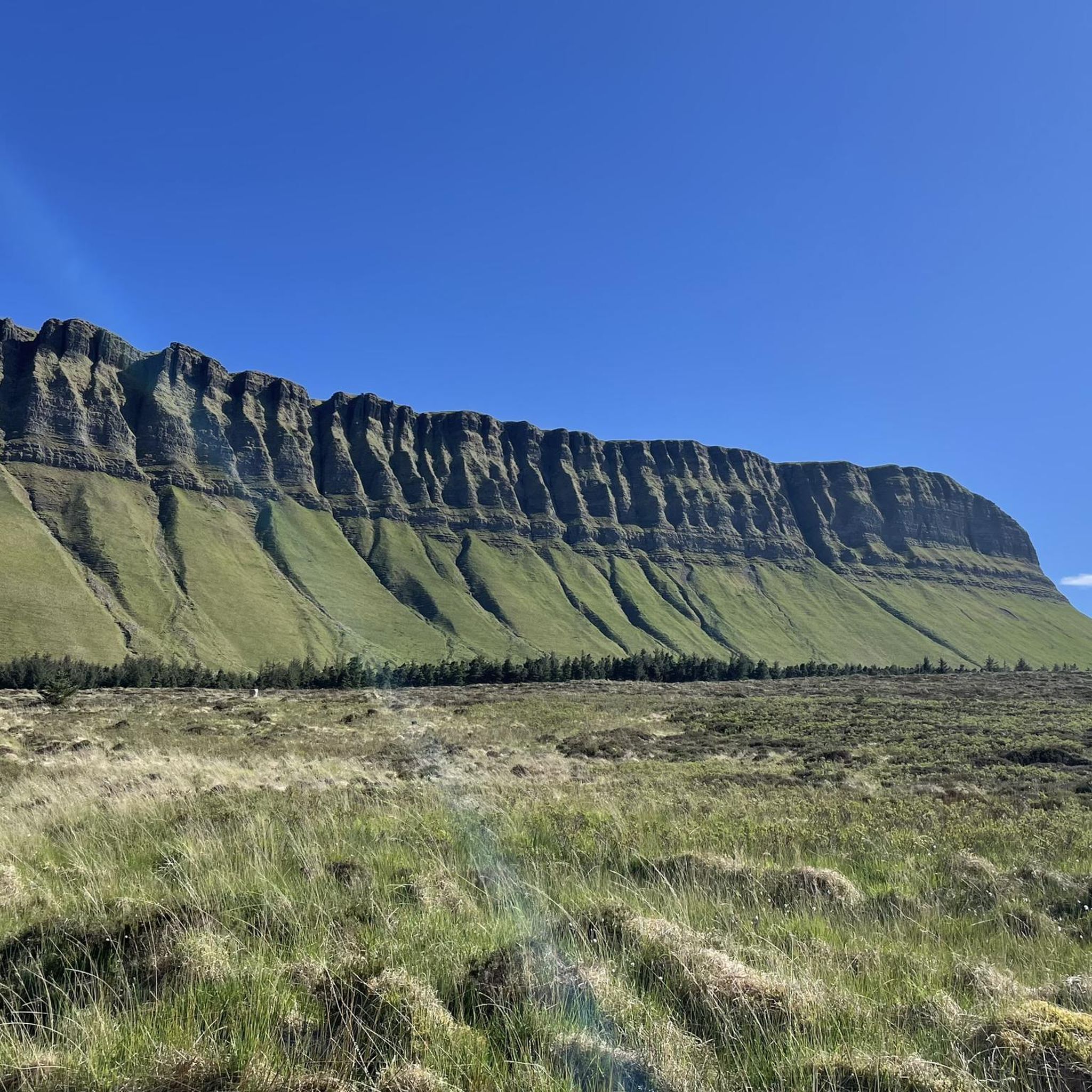
Benbulben
Highlight • Summit
Translated by Google •
Tip by

Sign up now to discover places like this
Get recommendations on the best single tracks, peaks, & plenty of other exciting outdoor places.
Sign up for free
The Devil's Chimney Waterfall
Highlight • Waterfall
Come in the Autumn and look down from the other side of the valley on the main …
Tip by

Glencar Waterfall (High Moor Waterfall)
Highlight • Waterfall
Translated by Google •
Tip by
Summit of Benbulben
Highlight • Summit
Tip by

Mullaghmore Head
Highlight (Segment) • Viewpoint
Translated by Google •
Tip by

Gleniff Horseshoe
Highlight • Gorge
Tip by

Creevykeel Court Tomb
Highlight • Historical Site
Translated by Google •
Tip by

Classiebawn Castle
Highlight • Castle
Tip by

Magheraghanrush Court Tomb (Deerpark Court Tomb)
Highlight • Historical Site
Local legend has it as a Giant's Grave or Druid's Altar, or the burial site of Eógan …
Translated by Google •
Tip by

Sign up for free to discover even more natural monuments around Sligo Municipal Borough District.
Sign up for free
Already have an account?
Start today with a free account
Your next adventure awaits.
Login or Signup
Popular around Sligo Municipal Borough District
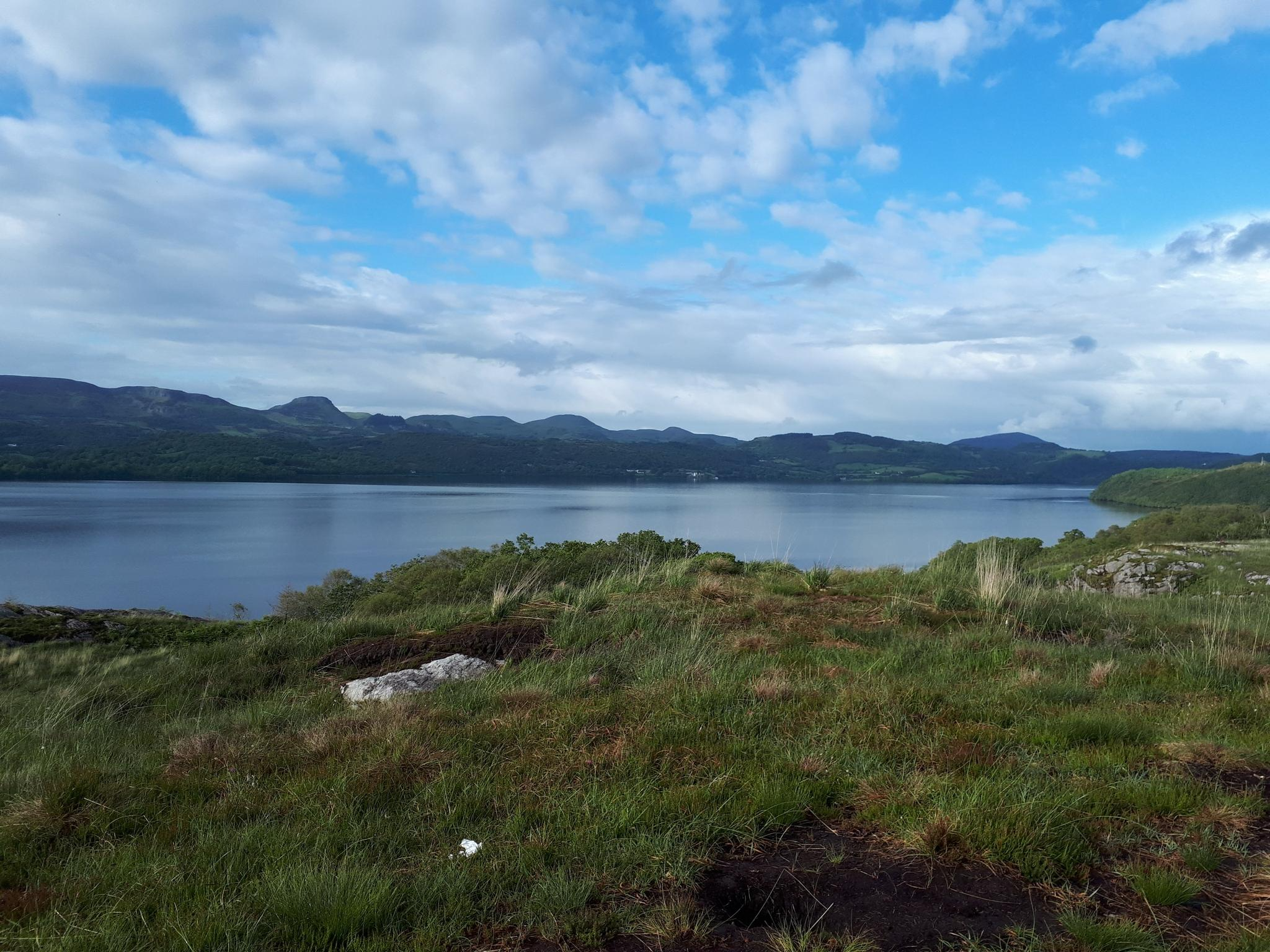
Sligo Way – Hiking through Yeats Country
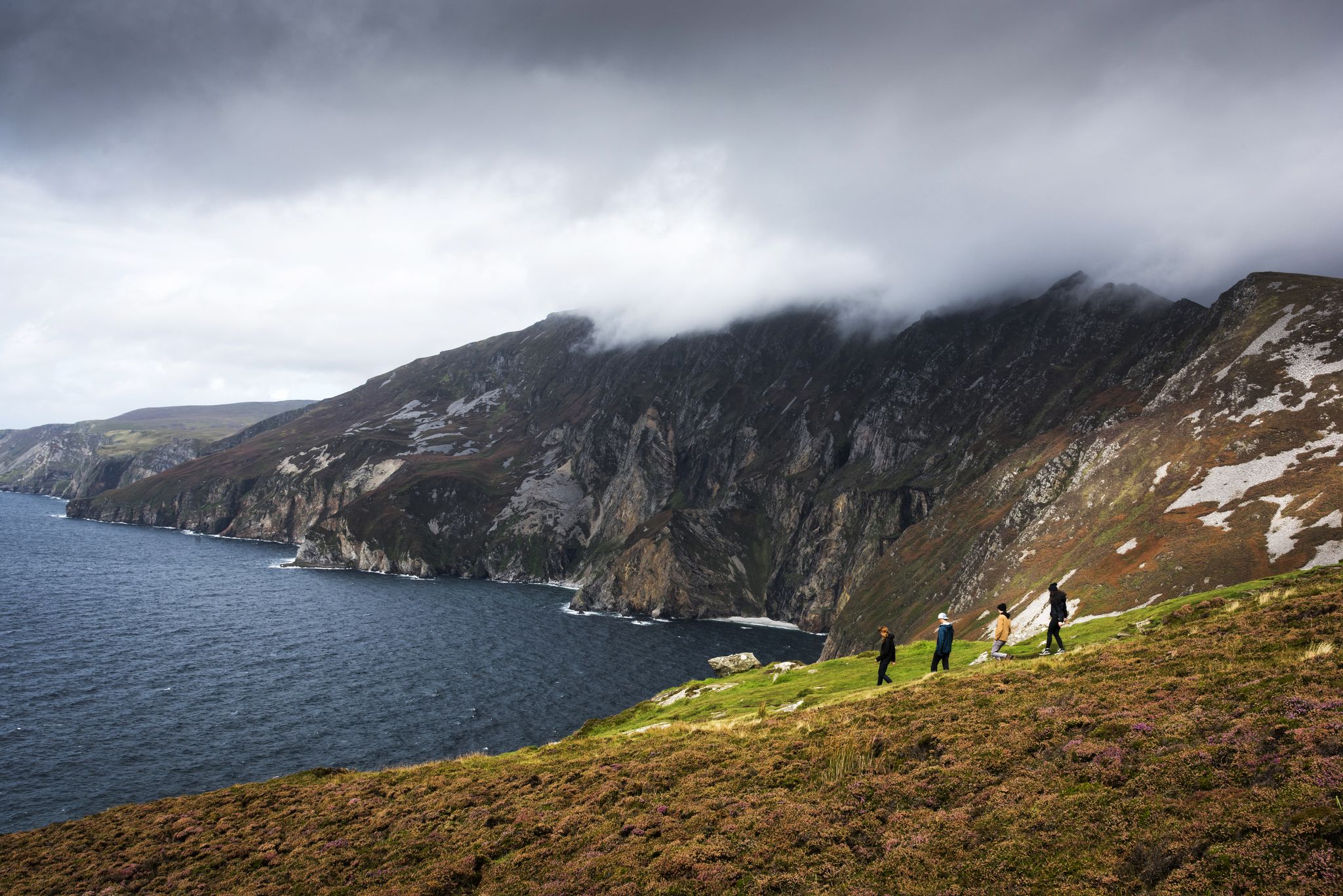
Hike Ireland's coast: cliffs, waves and wonderful wide beaches
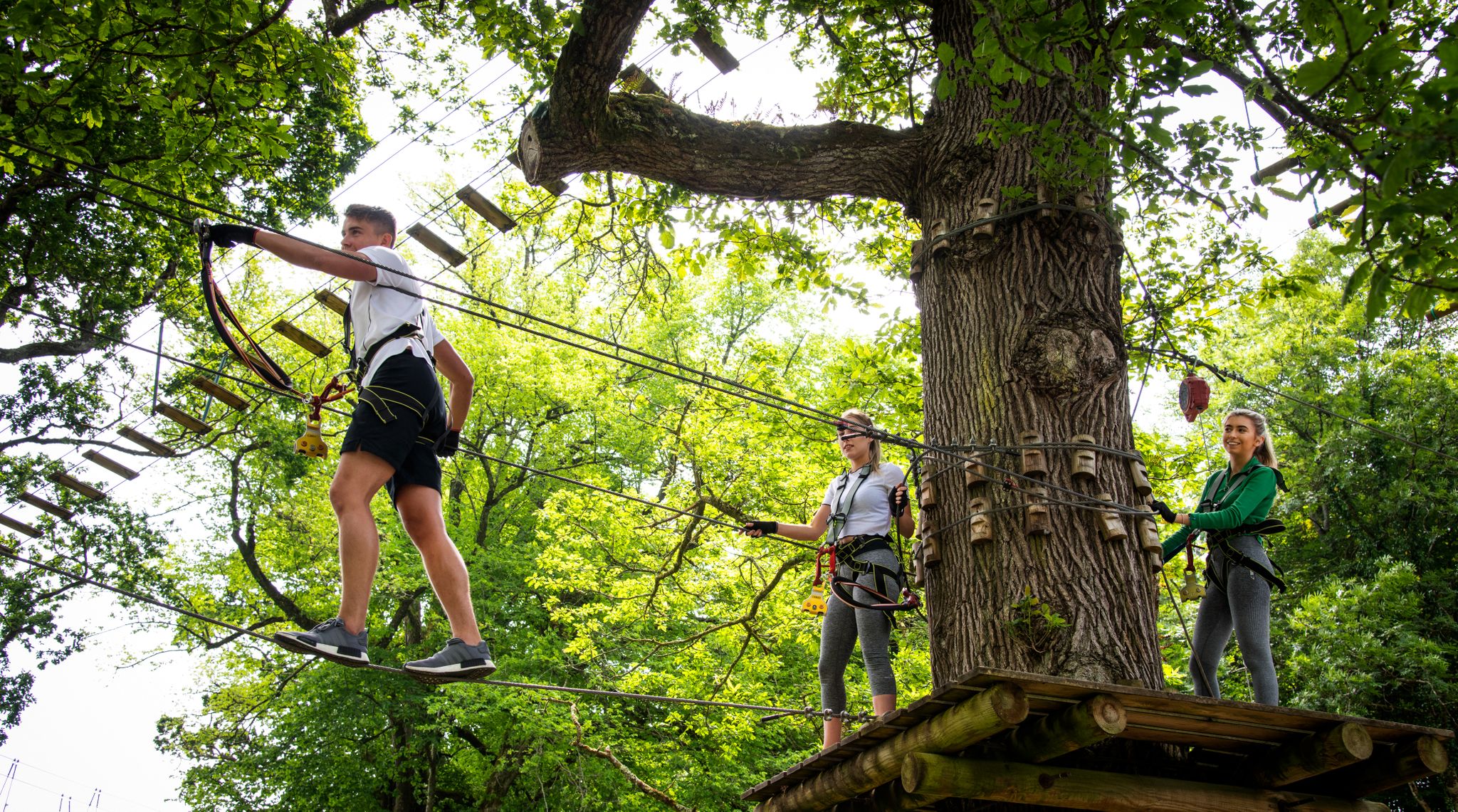
Awaken your spirit of discovery — family-friendly walks in Ireland
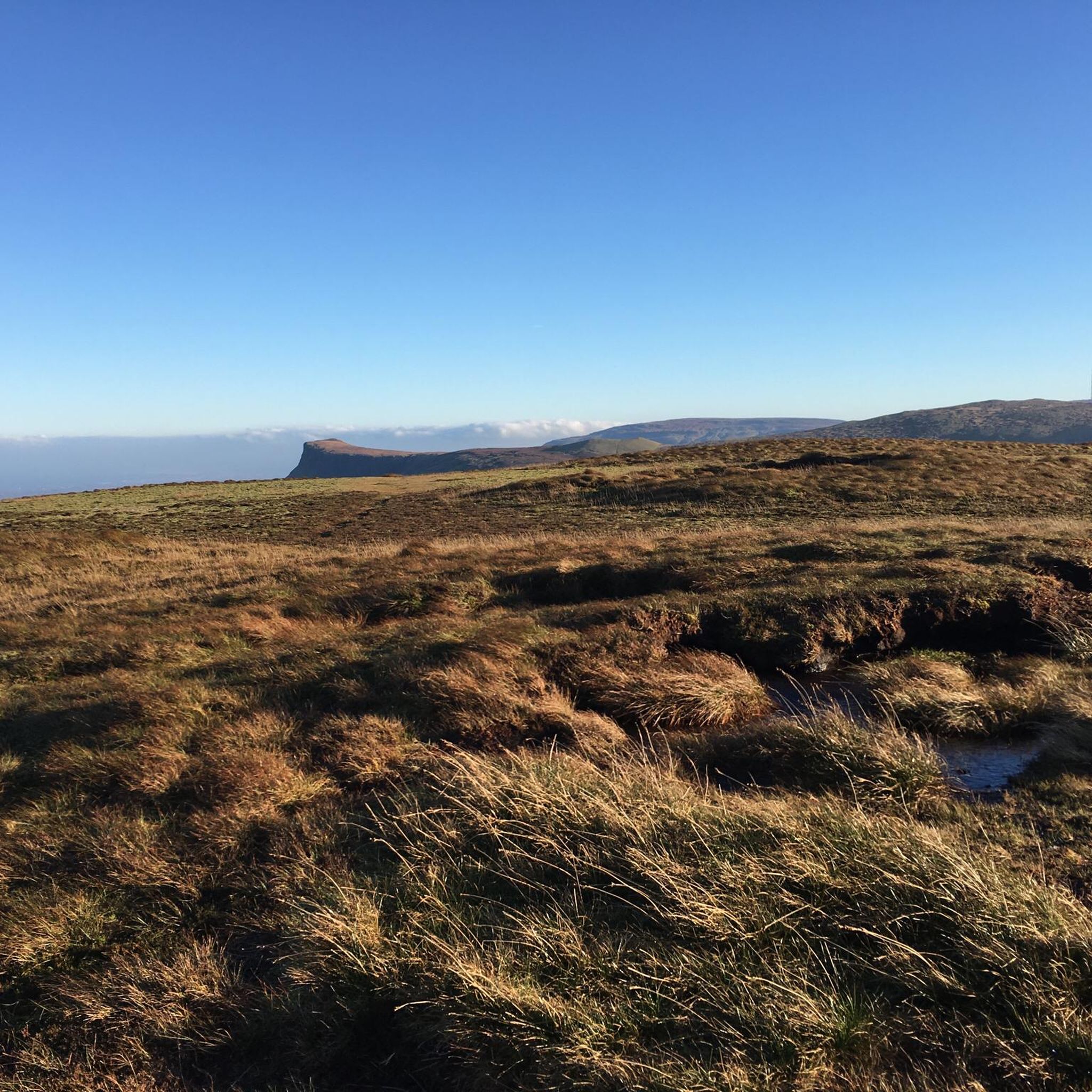
Hiking around Sligo Municipal Borough District
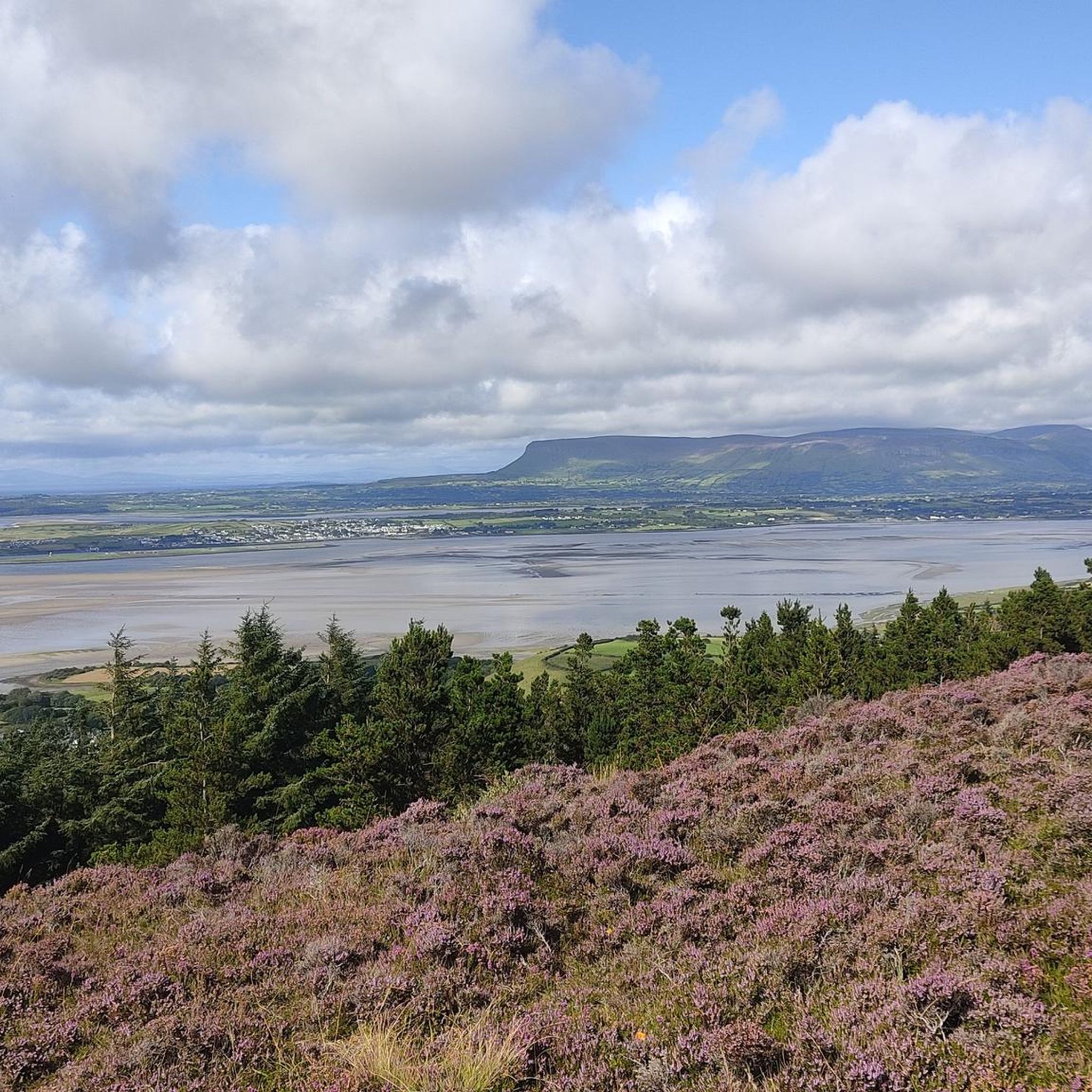
Running Trails around Sligo Municipal Borough District
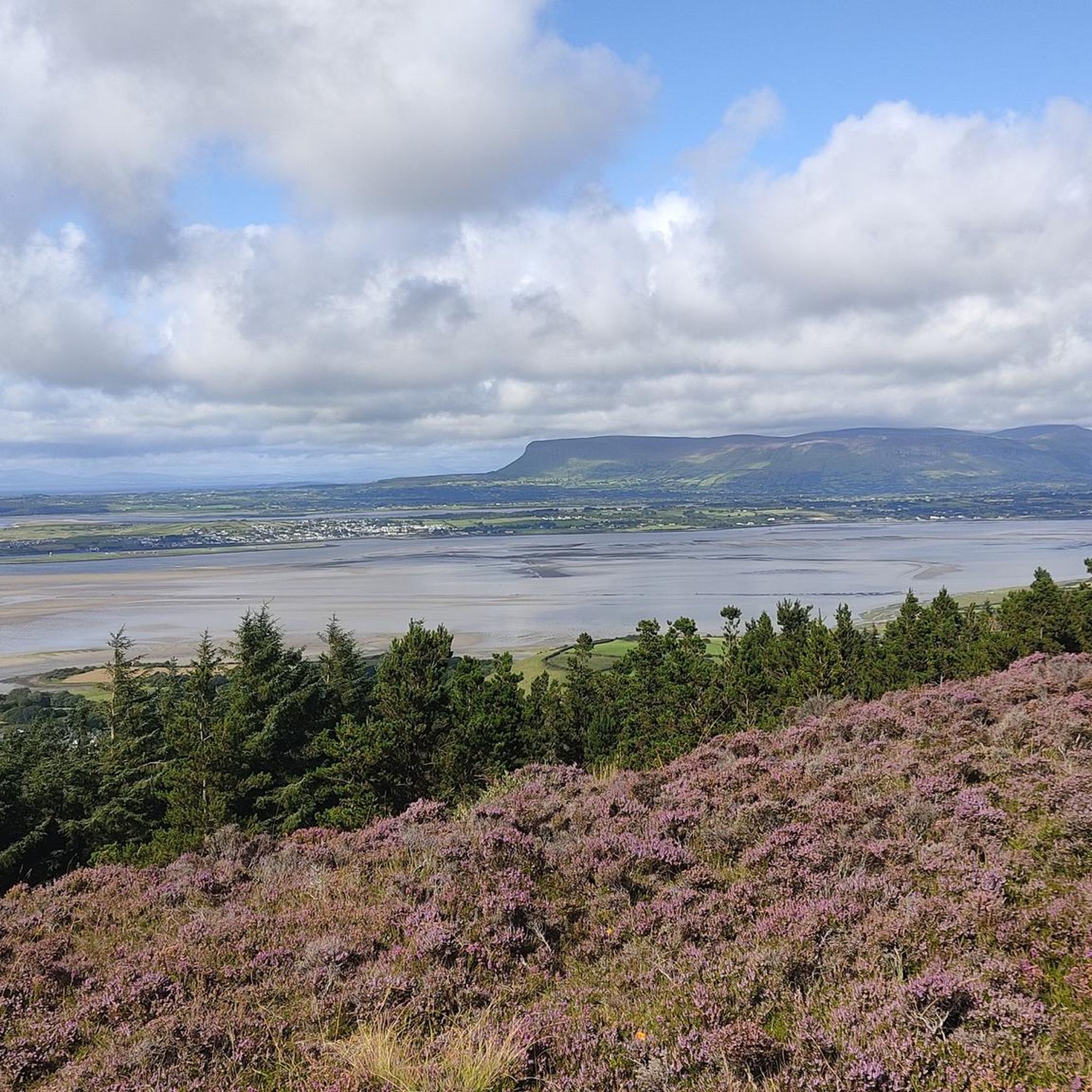
Cycling around Sligo Municipal Borough District
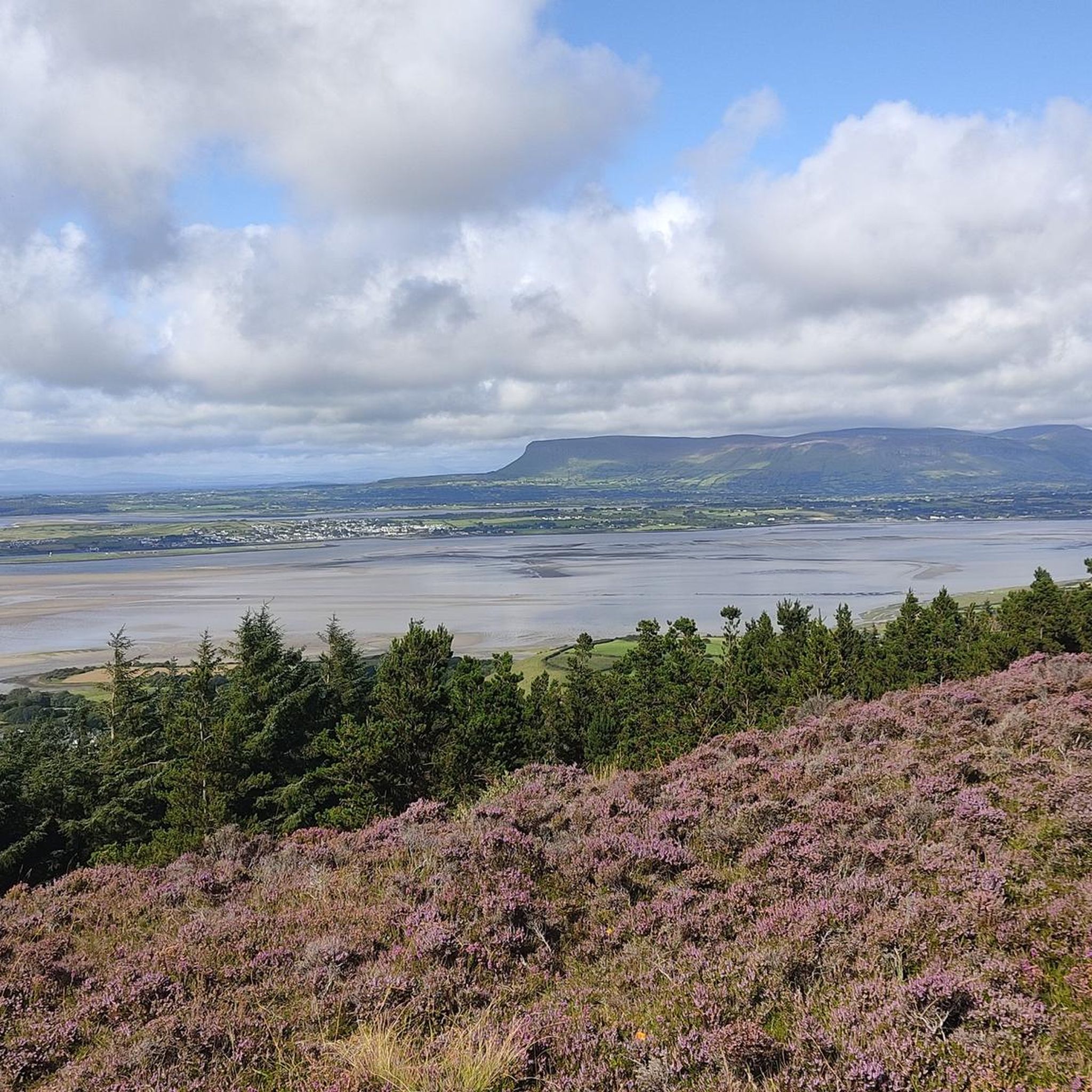
Road Cycling Routes around Sligo Municipal Borough District
MTB Trails around Sligo Municipal Borough District
Other adventures around Sligo Municipal Borough District


Tips from the Community

A huge piece, absolutely worth seeing!
0
0


At the Carrowmore Megalithic Cemetery, archaeologists have discovered the remains of more than 60 tombs, of which more than 30 have been excavated. The oldest tombs are about 700 years older than Newgrange and date from around 3800 BC.
0
0

A beautiful, very distinctive table mountain that dominates the landscape over a wide area.
0
0
A beautiful, distinctively shaped table mountain that has dominated the landscape since.
0
0

Creevykeel Court Tomb (Irish: Tuama Cúirte na Craobhaí Caoile) is one of the finest examples of a court tomb remaining in Ireland. Very impressive monument. Nearby is a fairy tree. (In Ireland, its believed fairy trees are the sacred grounds for the sídhe, the people of the mounds. The sídhe are known as the little people or the wee folk in Ireland and most often portrayed as fairies.) https://en.wikipedia.org/wiki/Creevykeel_Court_Tomb
2
0
The graves at Carrowmore are numbered - a list is available at the entrance. This is Grave 51 - a former barrow that was opened at the back in 1998 and the interior was uncovered. It is now possible to go into the grave.
0
0
Carrowmore (Irish: An Cheathrú Mhór, 'the great quarter') is a large group of megalithic monuments. They were built in the 4th millennium BC, during the Neolithic (New Stone Age). There are about thirty surviving tombs from about 80. There may have been more monuments originally, but some fell victim to quarrying and field clearance during the 18th, 19th and early 20th centuries. The tombs are numbered - a list is provided at the entrance. https://en.wikipedia.org/wiki/Carrowmore
1
0
Frequently Asked Questions
What are some unique geological features to explore in Sligo Municipal Borough District?
The region is renowned for its distinctive geological formations. You can explore Benbulbin, often called 'Ireland's Table Mountain,' a flat-topped mountain sculpted by glaciers. Another striking feature is Knocknarea, a limestone hill with a prominent cairn at its summit. The dramatic Gleniff Horseshoe also offers impressive geological vistas.
Are there natural monuments with historical or mythological significance in the area?
Yes, many natural monuments in Sligo Municipal Borough District are steeped in history and mythology. Knocknarea is strongly associated with the legendary Queen Maeve of Connacht, and its summit cairn is believed to be a Neolithic passage tomb. Carrowmore Megalithic Tombs is a significant historical site with numerous megalithic monuments from the 4th millennium BC. Benbulbin also features in local folklore, including tales of a 'fairy door,' and Lough Gill is immortalized in W.B. Yeats's poetry.
What kind of outdoor activities can I do near these natural monuments?
The natural monuments offer a variety of outdoor activities. You can enjoy walking trails around Lough Gill, including Slish Woods and Dooney Rock, or explore the diverse woodlands of Union Wood. Hiking is popular at Benbulbin and Knocknarea, offering panoramic views. For more structured routes, you can find various hiking, running, and MTB trails throughout the district.
Are there any famous waterfalls in Sligo Municipal Borough District?
Yes, the district is home to impressive waterfalls. The Devil's Chimney Waterfall is notable for being Ireland's highest waterfall, visible only after rain, and known for its unique 'chimney' effect in high winds. Another beautiful cascade is Glencar Waterfall, which is also a popular spot for visitors.
Which natural monuments are suitable for families with children?
Many natural monuments in the Sligo Municipal Borough District are family-friendly. The Benbulben Forest Walk offers incredible views without a strenuous climb, making it accessible for families. Carrowmore Megalithic Tombs provides an engaging historical experience for all ages. Lough Gill's forest trails are also suitable for leisurely family walks, and the easy Mullaghmore Head Loop is great for a coastal stroll.
What is the best time of year to visit the natural monuments?
The natural monuments in Sligo Municipal Borough District can be enjoyed year-round, but each season offers a different experience. Spring and summer (April to September) generally provide milder weather, longer daylight hours, and vibrant flora, ideal for hiking and outdoor activities. Autumn (October to November) brings beautiful foliage, especially around Lough Gill and Union Wood. Winter visits can be dramatic, particularly at coastal sites like Mullaghmore Head, but require appropriate gear for potentially wet and windy conditions.
Are there any natural monuments that offer panoramic viewpoints?
Absolutely. Benbulbin offers panoramic views of the coastal plain and the Atlantic Ocean from its summit. Knocknarea provides spectacular vistas extending as far as County Donegal. Union Rock in Union Wood also boasts stunning views of Knocknarea, the Ox Mountains, and Ballisodare Bay. Mullaghmore Head is another excellent viewpoint, particularly for observing the powerful Atlantic waves.
Can I find ancient burial sites among the natural monuments?
Yes, the region is rich in ancient burial sites. Carrowmore Megalithic Tombs is one of the largest and most important megalithic cemeteries in Ireland, featuring numerous passage tombs. You can also visit Creevykeel Court Tomb and Magheraghanrush Court Tomb (Deerpark Court Tomb), both significant historical sites.
What kind of wildlife can I expect to see at these natural monuments?
The diverse ecosystems of Sligo Municipal Borough District support a variety of wildlife. Lough Gill, a protected site, is home to species like lamprey, Atlantic Salmon, and otters. Its surrounding woodlands, such as Slish Woods and Hazelwood, host diverse fauna. Union Wood is known for pine martens, badgers, foxes, deer, and the Red Data Book species Red Squirrel. Birdwatching is also popular, especially around Lough Gill and coastal areas.
Are there easy walking trails suitable for all fitness levels?
Yes, there are several easy walking trails. The Benbulben Forest Walk provides incredible views without a strenuous climb. The Mullaghmore Head Loop is an easy coastal walk. Around Lough Gill, trails in Slish Wood and Hazelwood offer tranquil settings for leisurely strolls. Union Wood also has accessible walking opportunities, including the Oakwood Trail.
What do visitors enjoy most about the natural monuments in Sligo Municipal Borough District?
Visitors frequently praise the breathtaking scenery and the sense of tranquility. Many appreciate the panoramic views from summits like Benbulbin and Knocknarea, and the dramatic coastal landscapes of Mullaghmore Head. The rich history and mythology associated with sites like Carrowmore Megalithic Tombs and Lough Gill also leave a lasting impression. The opportunity for diverse outdoor activities, from gentle walks to more challenging hikes, is also a major draw.
Most popular routes around Sligo Municipal Borough District
Most popular attractions around Sligo Municipal Borough District

Get inspired with the komoot mobile app


