Top 19 Natural Monuments around New York
Best natural monuments around New York encompass a diverse range of landscapes, from vast mountain ranges to intricate gorge systems and urban green spaces. The region features significant geological formations, including ancient bedrock, glacial lakes, and powerful waterfalls. These sites offer varied outdoor experiences, showcasing the state's rich natural history and geographical diversity. New York provides numerous opportunities to explore its natural features.
Best natural monuments around New York
- The most popular natural monuments is The High Line, a…
Last updated: May 30, 2026
National September 11 Memorial & Museum
Highlight • Monument
At first …
Translated by Google •
Tip by

The High Line
Highlight (Segment) • Trail
Translated by Google •
Tip by

Sign up now to discover places like this
Get recommendations on the best single tracks, peaks, & plenty of other exciting outdoor places.
Sign up for free
Central Park — 5th Avenue & 59th Street Entrance
Highlight • Forest
Translated by Google •
Tip by

Jacqueline Kennedy Onassis Reservoir East Side
Highlight • Lake
Translated by Google •
Tip by

Little Island at Pier 55
Highlight • Structure
Translated by Google •
Tip by

Columbus Circle
Highlight • Monument
Translated by Google •
Tip by

North Woods
Highlight • Waterfall
Tip by

Small Hill with Stones
Highlight • Viewpoint
Translated by Google •
Tip by

Jacqueline Kennedy Onassis Reservoir South Side
Highlight • Viewpoint
Translated by Google •
Tip by

Ridgewood Reservoir
Highlight • Lake
Tip by

Sign up for free to discover even more natural monuments around New York.
Sign up for free
Already have an account?
Start today with a free account
Your next adventure awaits.
Login or Signup
Popular around New York
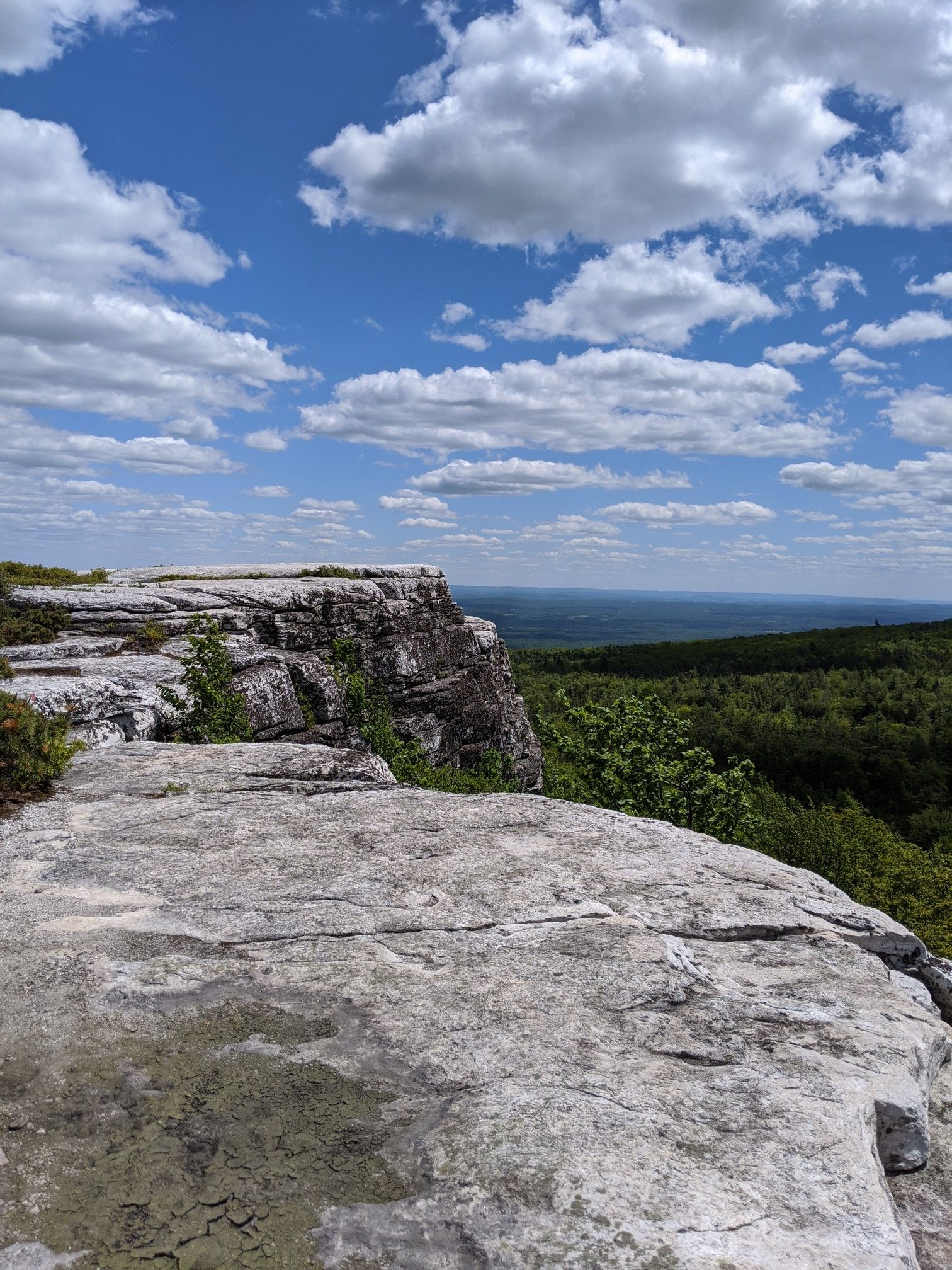
Long Path — A walk through wild New York
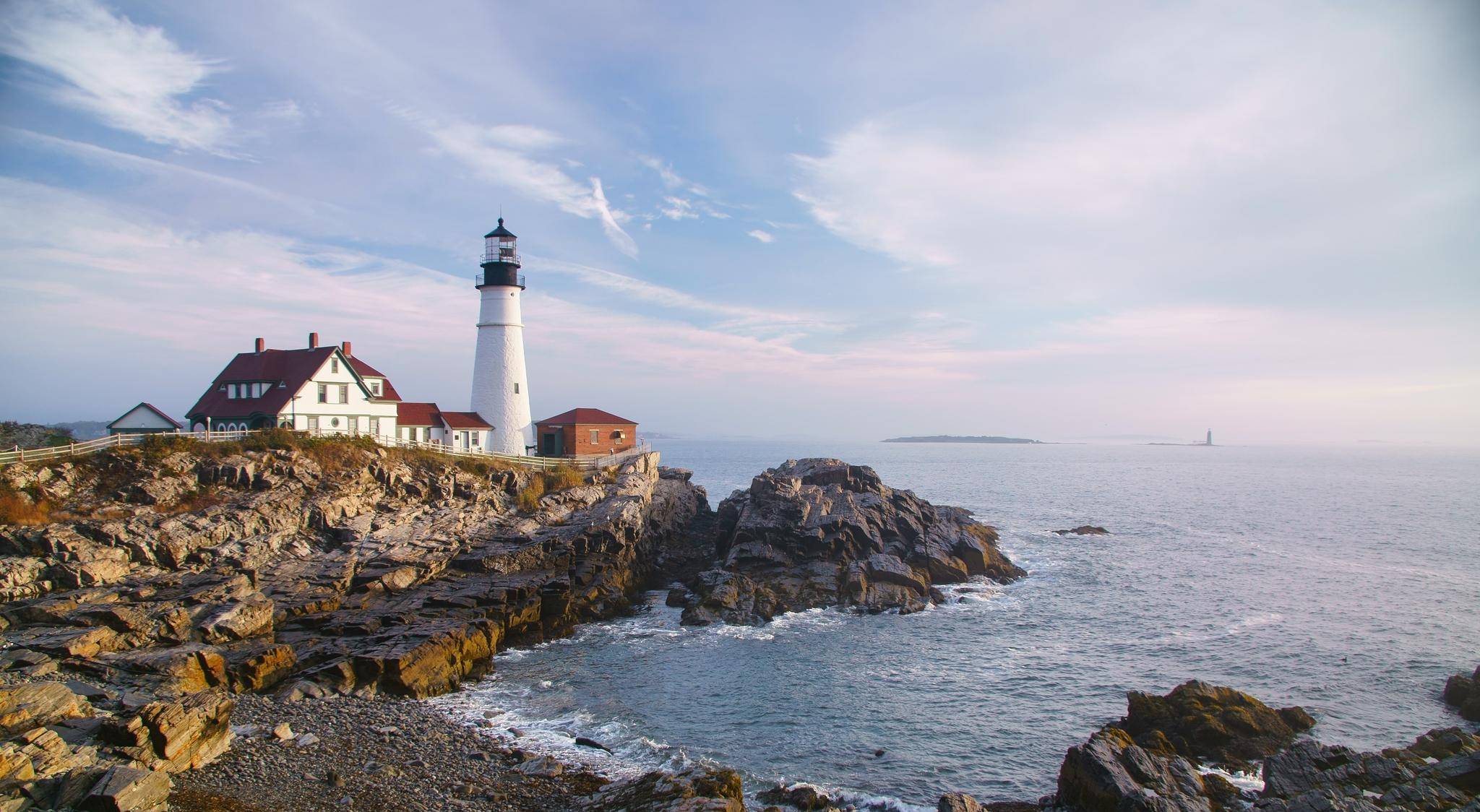
On the trail of the Pilgrim Fathers – road trip along the Atlantic coast
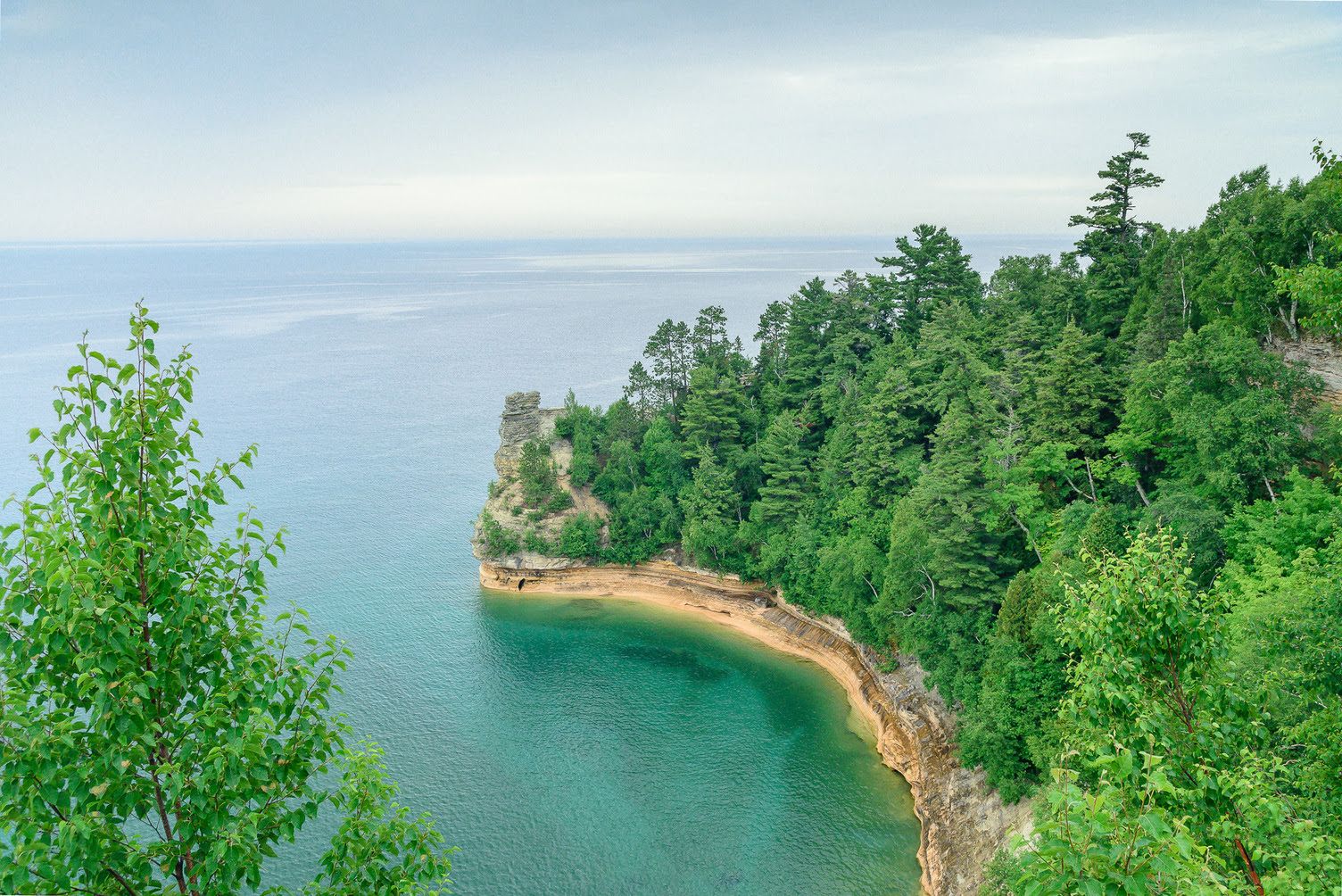
Great North Music Tour – hiking in the footsteps of music legends
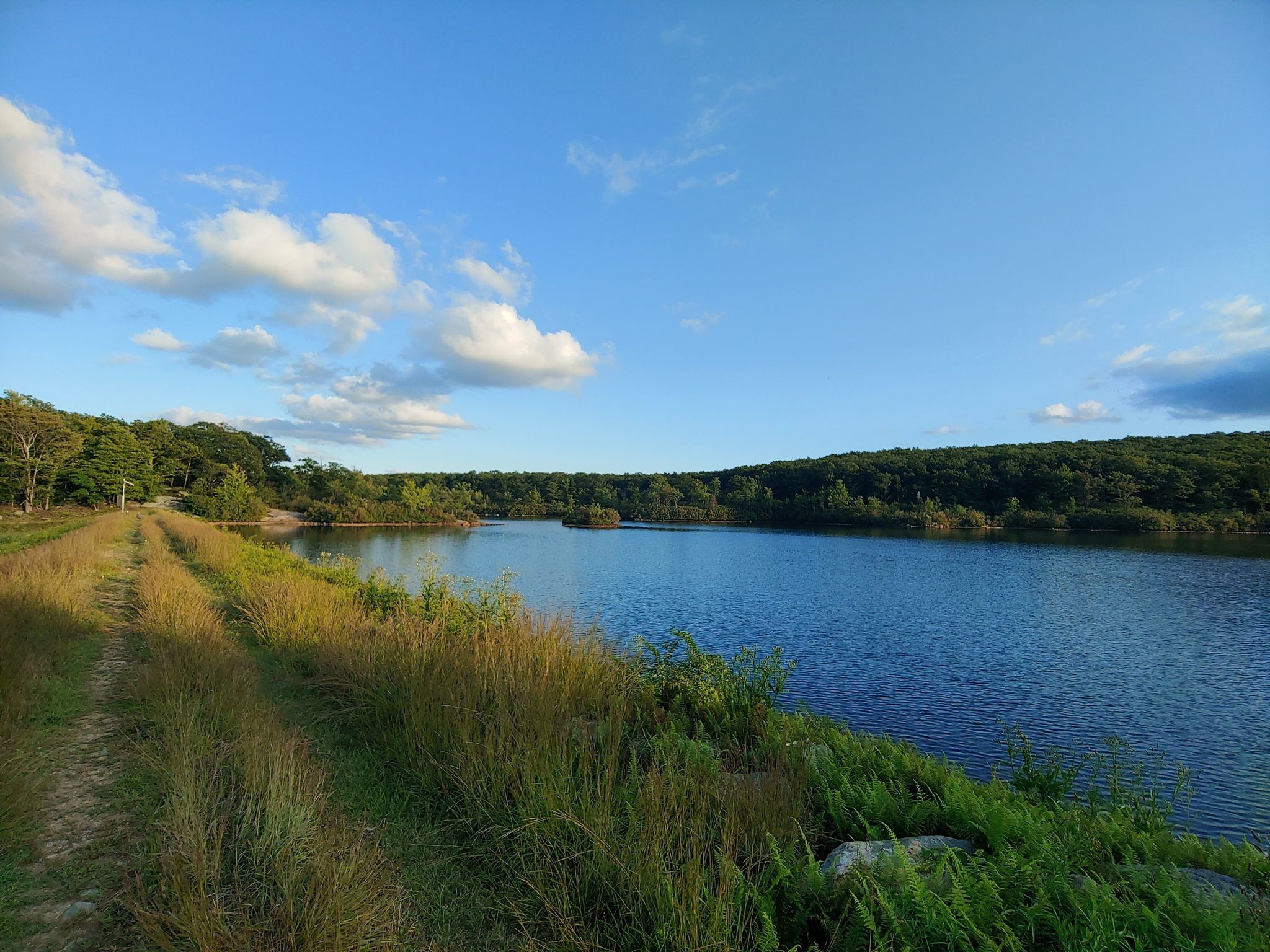
Lace up your shoes – Trail running in and around NYC
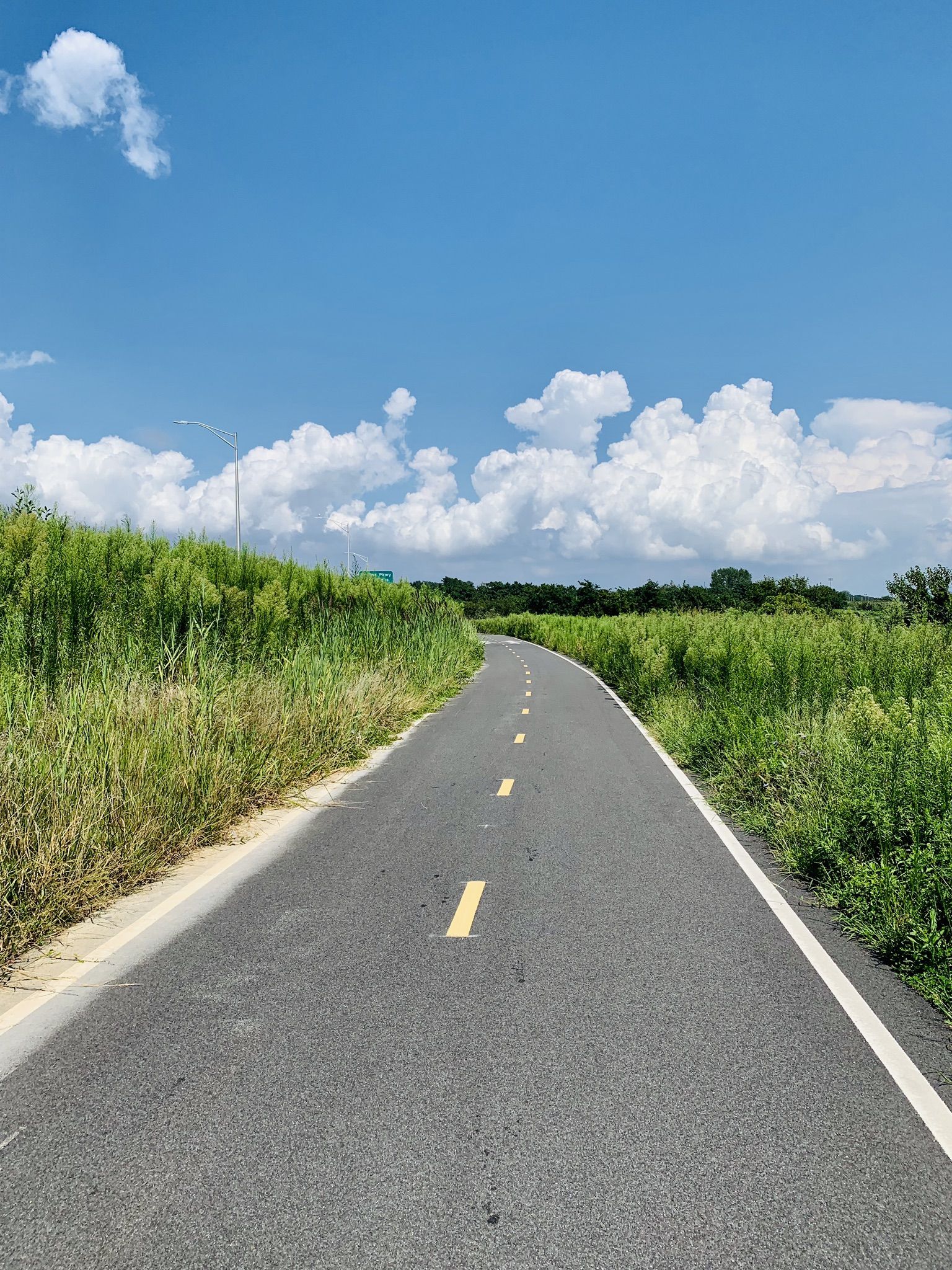
From Manhattan to Long Island – The best road rides around the Big Apple

Hiking around New York
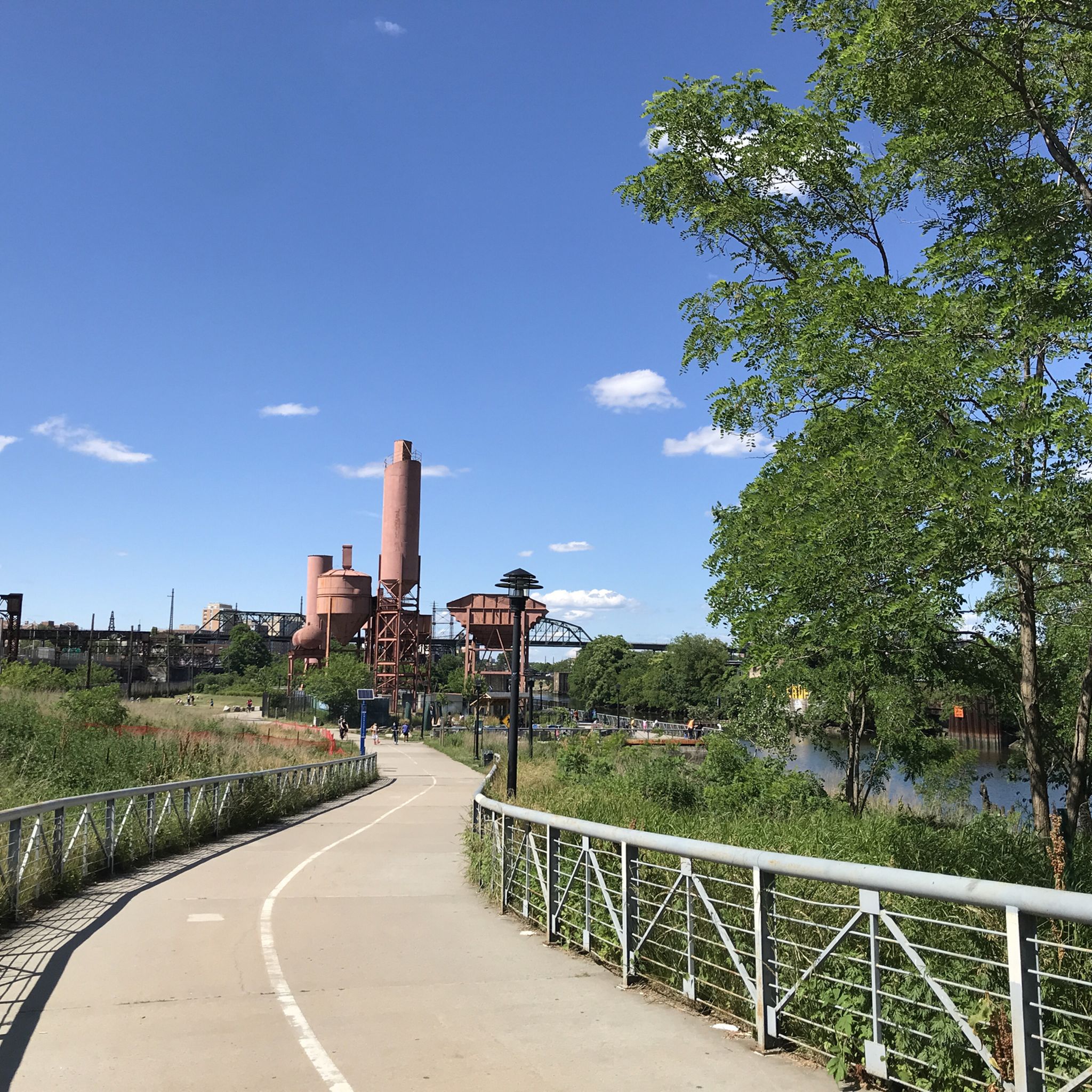
Road Cycling Routes around New York
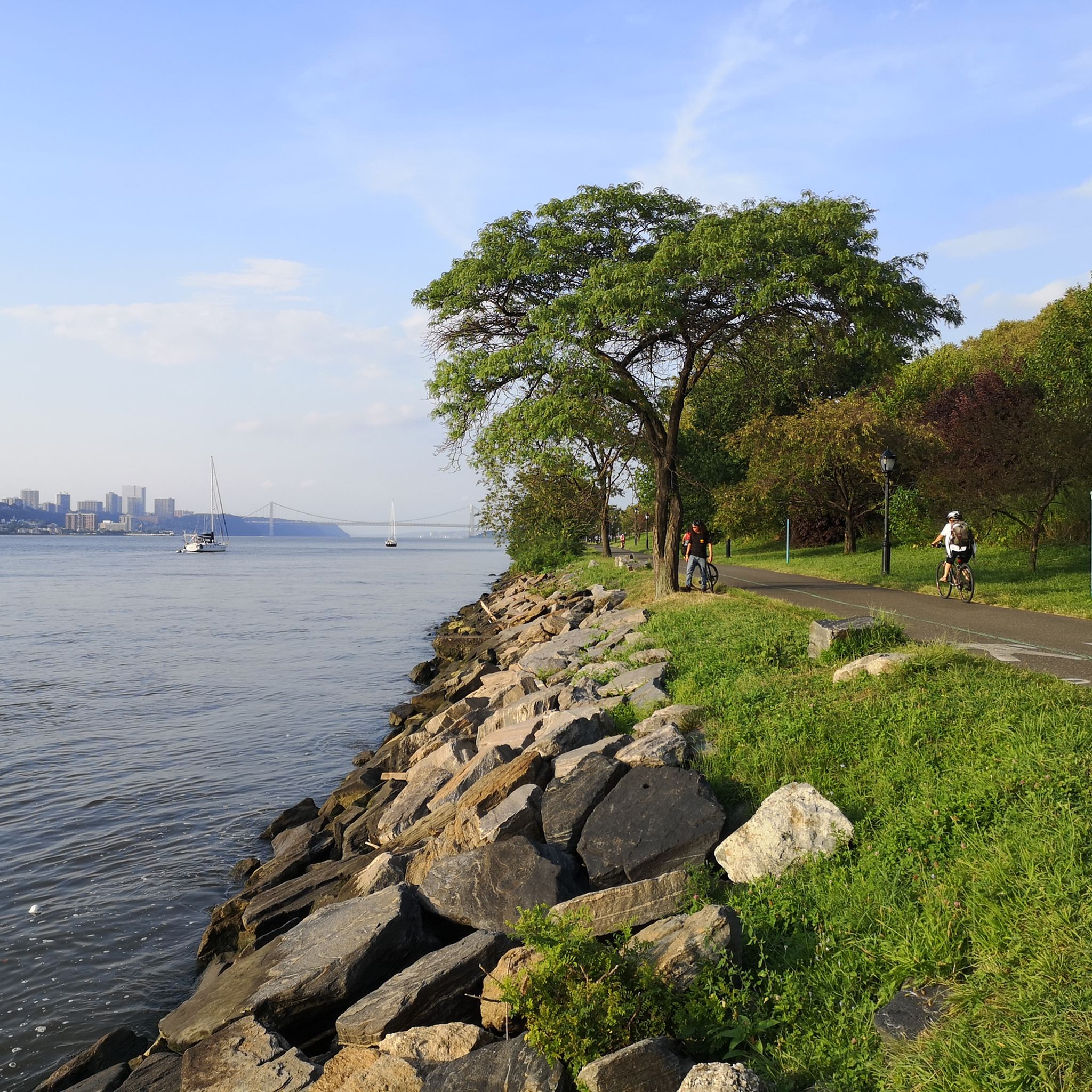
Cycling around New York
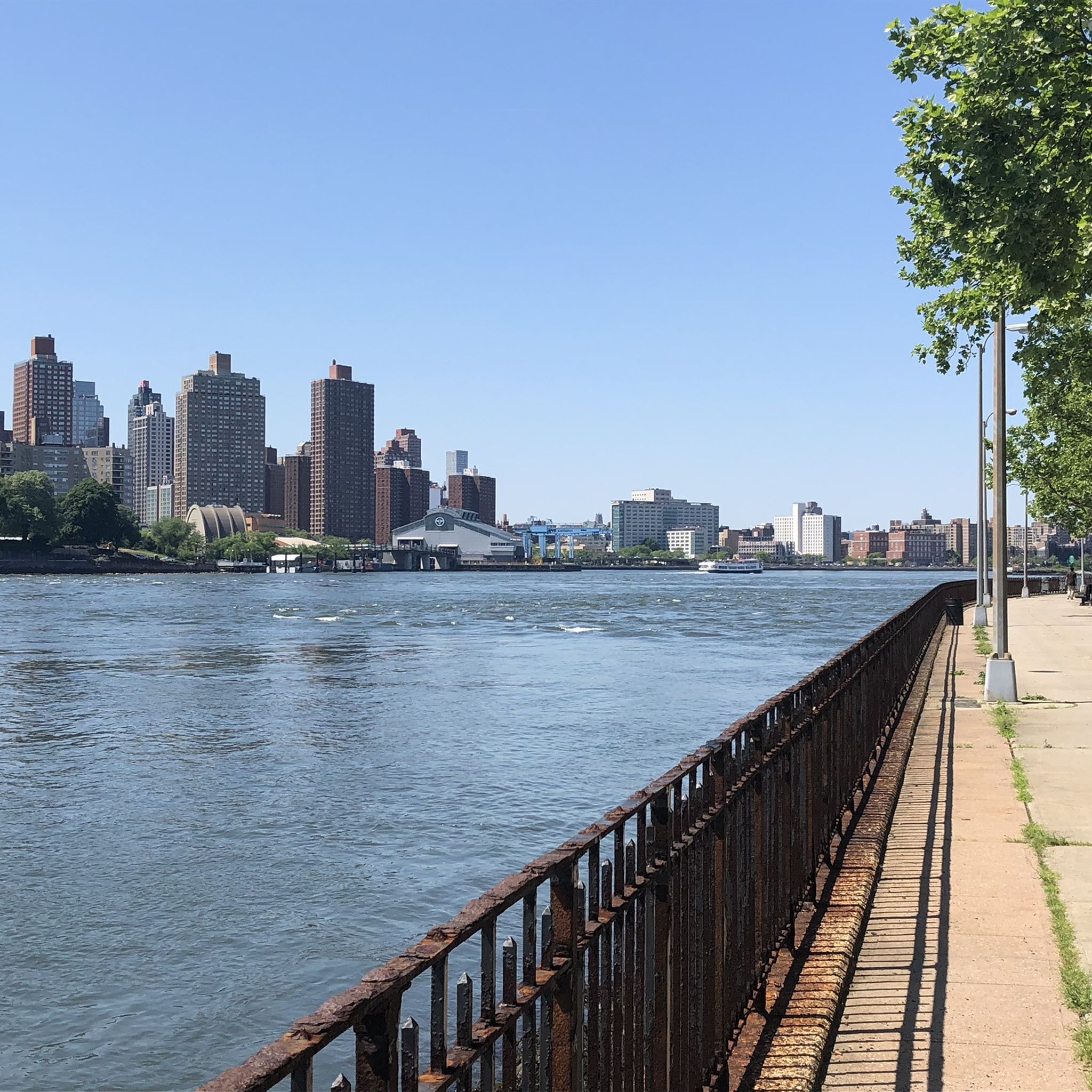
Running Trails around New York
MTB Trails around New York
Other adventures around New York


Tips from the Community

The rock is approximately in the center of Central Park. It is one of the highest points with 40 m height. It offers a very good viewpoint.
0
0

Vista Rock is a prominent rock in Central Park in New York City. It is the second-highest natural point in the park (approximately 40 meters above sea level) and offers beautiful views of Turtle Pond, the Delacorte Theater (home of Shakespeare in the Park performances), and the famous Belvedere Castle, built directly atop Vista Rock.
2
0

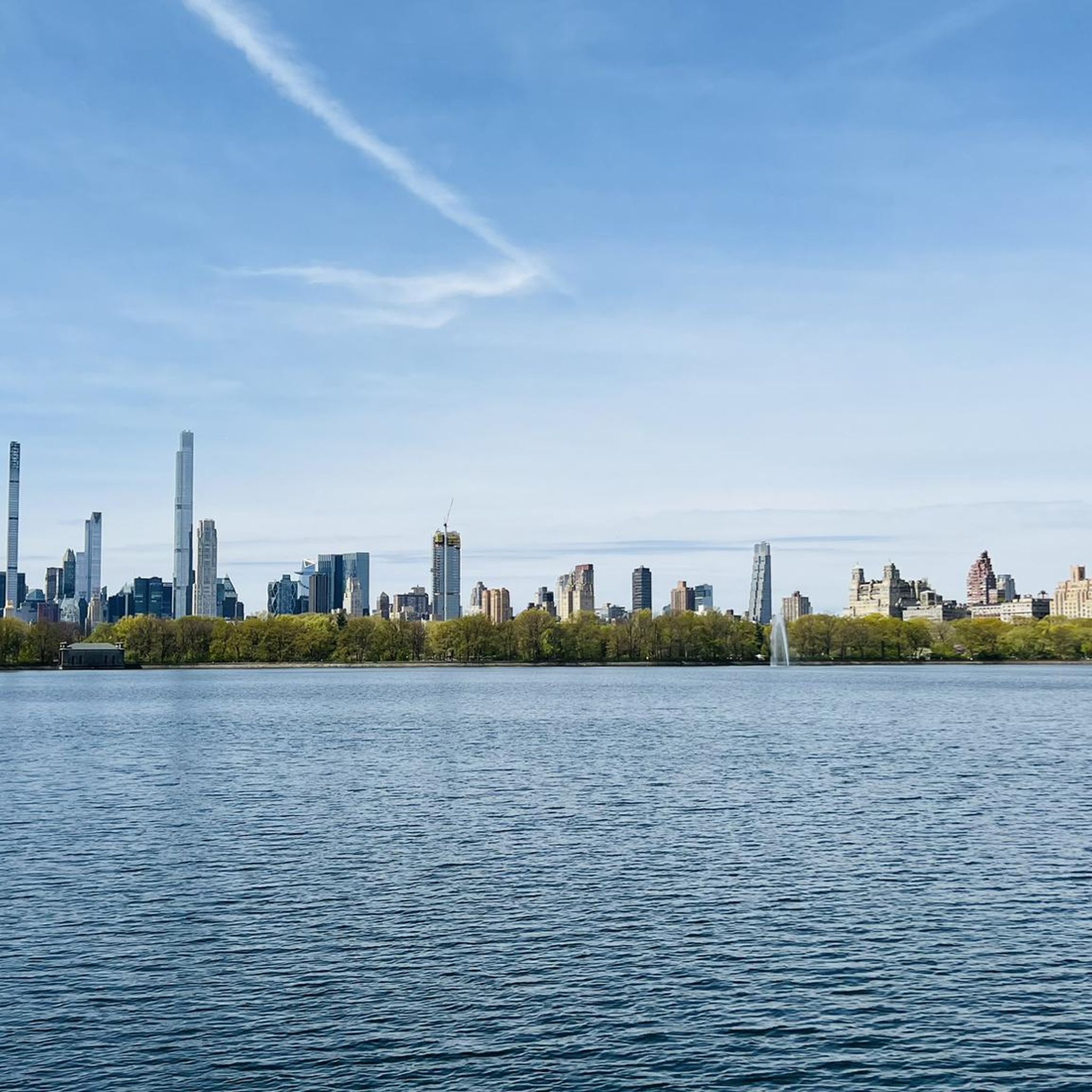
The Jacqueline Kennedy Onassis Reservoir, also known as Central Park Reservoir, is a large lake in Central Park. Despite being in the center of Manhattan, sitting on the side of the reservoir is one of the most peaceful places you could be in the city.
1
0

Most amazing park I've ever visited🥰🇺🇸👌
0
0
Most amazing park I've ever visited🥰🇺🇸👌
2
0

The memorial is very impressive. Many people will know the pit at Ground Zero from TV and will share my opinion that it is architecturally successful. Water flows continuously from the upper edge into the ground. I recognize a strong symbolism here. The engraved names of the thousands of victims line the entire wall frame. - It made me silent and moved.
7
0
Anyone who visits NYC is overwhelmed by the architecture and the vibrant life. What exactly happened on 9/11 is not certain. But there is no doubt that thousands of innocent people lost their lives. I think a visit to the memorial is highly advisable.
9
0

The North Woods in Central Park is a peaceful, wilderness-like experience in the heart of the Big Apple. Runners can explore wooded trails, waterfalls, and streams modeled after the Adirondack Mountains. Visitors can hike along the Ravine and Loch, enjoy birdwatching, and explore the historic Blockhouse. With miles of paved trails popular for different sport types, North Woods can get busy, especially in September when mild weather makes it ideal for outdoor activities. Occasional rain may create muddy spots, but the area's natural beauty remains unmatched.
2
0
Frequently Asked Questions
What are some of the most impressive natural monuments to visit in New York State?
Beyond the urban green spaces, New York State boasts a variety of stunning natural monuments. You can experience the immense power of Niagara Falls, explore the dramatic gorge and 19 waterfalls at Watkins Glen State Park, or immerse yourself in the vast wilderness of the Adirondack Mountains. The Palisades Interstate Park also offers rugged cliffs and panoramic views along the Hudson River.
Are there natural monuments in New York that are suitable for families with children?
Yes, many natural monuments in New York are family-friendly. Within New York City, The High Line offers a unique elevated park experience, and Central Park provides ample space for exploration, including the tranquil North Woods with its cascades. Outside the city, places like Watkins Glen State Park offer accessible trails and beautiful scenery for all ages, and the Finger Lakes region has many activities suitable for families.
What kind of outdoor activities can I do near New York's natural monuments?
New York's natural monuments offer diverse outdoor activities. You can enjoy road cycling on routes like the Palisades Loop or the Manhattan Waterfront Greenway, as detailed in the Road Cycling Routes around New York guide. Running enthusiasts can explore trails such as the Harlem Meer loop in Central Park, found in the Running Trails around New York guide. Mountain biking is also popular, with trails like the Iguana Trail available, as highlighted in the MTB Trails around New York guide. Many locations also offer hiking, kayaking, fishing, and birdwatching.
Are there any natural monuments in New York that are wheelchair accessible?
Yes, some natural monuments and related sites offer accessibility. For instance, the National September 11 Memorial & Museum and Little Island at Pier 55 are noted as wheelchair accessible. While natural terrain can be challenging, many state parks, including parts of Niagara Falls State Park, have paved paths and viewing areas designed for accessibility. It's always recommended to check specific park websites for detailed accessibility information before visiting.
What are some notable geological features or natural landmarks in New York?
New York is rich in geological wonders. Niagara Falls showcases the immense power of water erosion. Watkins Glen State Park features a stunning gorge carved by glaciers and water, with unique rock formations and 19 waterfalls. The Adirondack Mountains are a vast ancient range with over 100 peaks, while the Palisades are dramatic cliffs formed by a distinct geological sill. Even Central Park exposes ancient bedrock formations like Manhattan Schist.
When is the best time to visit natural monuments in New York?
The best time to visit New York's natural monuments largely depends on the experience you seek. Spring and summer offer lush greenery, full waterfalls, and ideal conditions for hiking and water activities. Fall is spectacular for viewing vibrant foliage, especially in the Adirondacks and Finger Lakes regions. Winter can provide a unique, serene beauty, particularly at places like Niagara Falls, which can freeze partially, but some trails and facilities might be closed due to snow and ice.
Can I find historical or cultural sites near New York's natural monuments?
Absolutely. Many natural monuments in New York are intertwined with history. The Palisades Interstate Park, for example, holds historical significance with remnants of 18th-century Fort Lee and sites related to the American Revolution. The National September 11 Memorial & Museum, while a man-made monument, is a profound historical site located within the urban landscape. The Finger Lakes region also has a rich history, including its role in the Underground Railroad and women's suffrage movement.
What do visitors enjoy most about the natural monuments around New York?
Visitors frequently express awe at the sheer scale and beauty of New York's natural monuments. Many appreciate the unique perspective offered by places like The High Line, walking above the city in a park setting. The tranquility and escape provided by areas like North Woods in Central Park are also highly valued. The powerful experience of sites like Niagara Falls and the immersive hiking in places like Watkins Glen State Park leave lasting impressions.
Are there any natural monuments that are good for easy hikes or walks?
For easy walks, The High Line in Manhattan is a 2.3 km trail that is mostly flat and offers unique city views. Central Park has numerous paved paths and gentle trails suitable for leisurely strolls. Many state parks, like Watkins Glen, offer various trail difficulties, including shorter, less strenuous options near main attractions. The Shore Trail in Palisades Interstate Park also has sections that are relatively easy.
Can I find wildlife at the natural monuments in New York?
Yes, New York's diverse natural monuments are home to a variety of wildlife. In the vast Adirondack Mountains, you might spot deer, black bears, moose, and numerous bird species. Even within urban parks like Central Park, you can find a surprising array of birds, squirrels, and other small mammals. The Finger Lakes region and other state parks provide habitats for various aquatic life, birds, and forest creatures, offering opportunities for wildlife observation.
Are there any unique or lesser-known natural monuments worth exploring in New York?
Beyond the famous sites, New York has several unique natural monuments. Ausable Chasm, often called the 'Little Grand Canyon of the East,' is a sandstone gorge with waterfalls and flumes offering hiking and rafting. Kaaterskill Falls in the Eastern Catskills is a stunning two-tiered waterfall with historical significance. Little Island at Pier 55, while man-made, is a unique floating park with diverse plantings and views. The Ridgewood Reservoir also offers a unique blend of urban nature and historical infrastructure.
What are the options for parking and public transport to reach natural monuments in New York?
Access varies greatly depending on the monument. For urban sites like The High Line or Central Park, public transport (subway, bus) is the most convenient option, with numerous stops nearby. Parking in Manhattan can be challenging and expensive. For state parks and more remote natural monuments like Watkins Glen or the Adirondacks, driving is typically necessary, and most parks offer designated parking lots, often with a fee. Some areas, like Niagara Falls, have extensive parking facilities.
Most popular routes around New York
Most popular attractions around New York

Get inspired with the komoot mobile app


Explore more
Extend your search for the best caves by checking out these guides of the top ones around New York:
