Top 20 Natural Monuments around Lafayette
Natural monuments around Lafayette offer diverse natural features for exploration. The region presents a variety of landscapes, from forests to unique geological formations. These areas provide opportunities for outdoor activities and observing natural phenomena. The natural monuments contribute to the area's appeal for those seeking outdoor experiences.
Best natural monuments around Lafayette
- The most popular natural monuments is Redwood Grove, a forest that features surprisingly tall second-growth redwood trees. These trees appear to thrive in the canyon's ideal growth…
Last updated: August 4, 2026
John Muir Memorial Park
Highlight • Natural Monument
Tip by

Redwood Grove
Highlight • Forest
Tip by
Sign up now to discover places like this
Get recommendations on the best single tracks, peaks, & plenty of other exciting outdoor places.
Sign up for free
Huckleberry Botanic Regional Preserve Upper Pinehurst Entry
Highlight • Trail
Tip by
Sandstone caves in Castle Rock formations
Highlight • Cave
Slightly acidic rainwater seeps into the sandstone during winter rains and dissolves some of the calcite. Warm and dry days cause …
Tip by
Upper Pinehurst Vista Point
Highlight • Viewpoint
Tip by
Sign up for free to discover even more natural monuments around Lafayette.
Sign up for free
Already have an account?
Start today with a free account
Your next adventure awaits.
Login or Signup

Tips from the Community

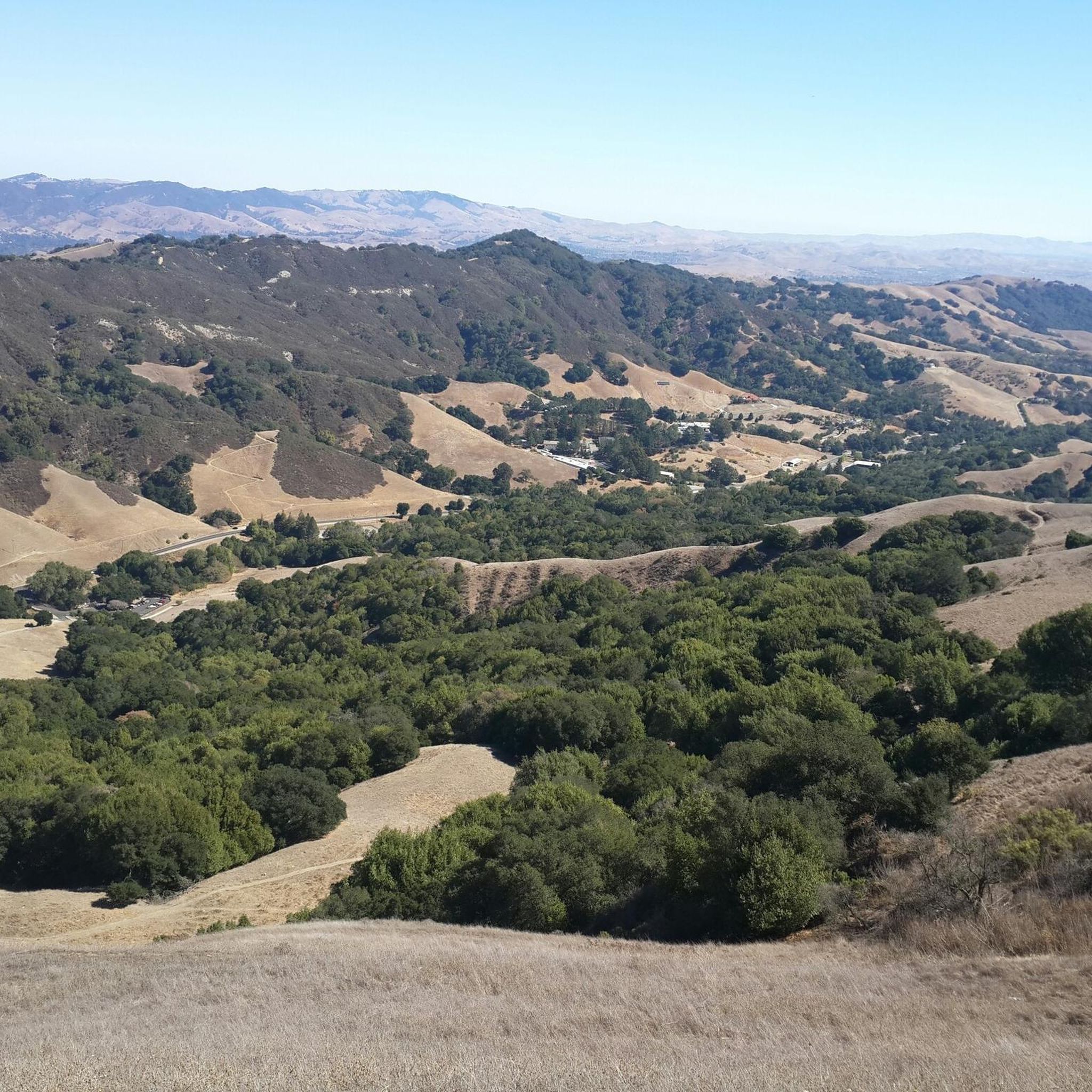
A fully protected area (no biking inside) on the East side of the Oakland hills, sloping down between Sibley Volcanic Preserve and Redwood Regional Park.
0
0
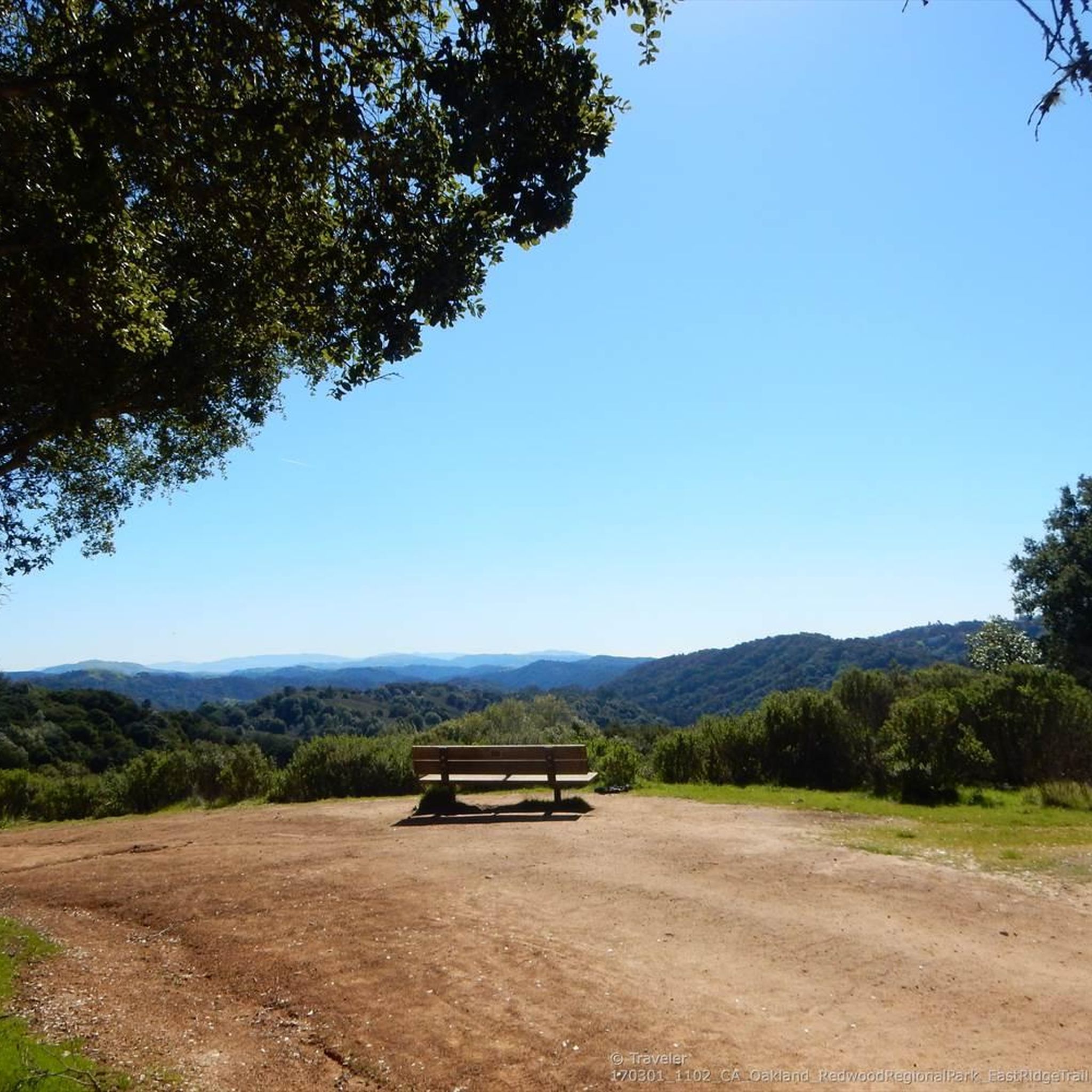
Surprisingly tall second growth redwood tree giants, that seem to still have ideal growth conditions in this canyon.
0
0
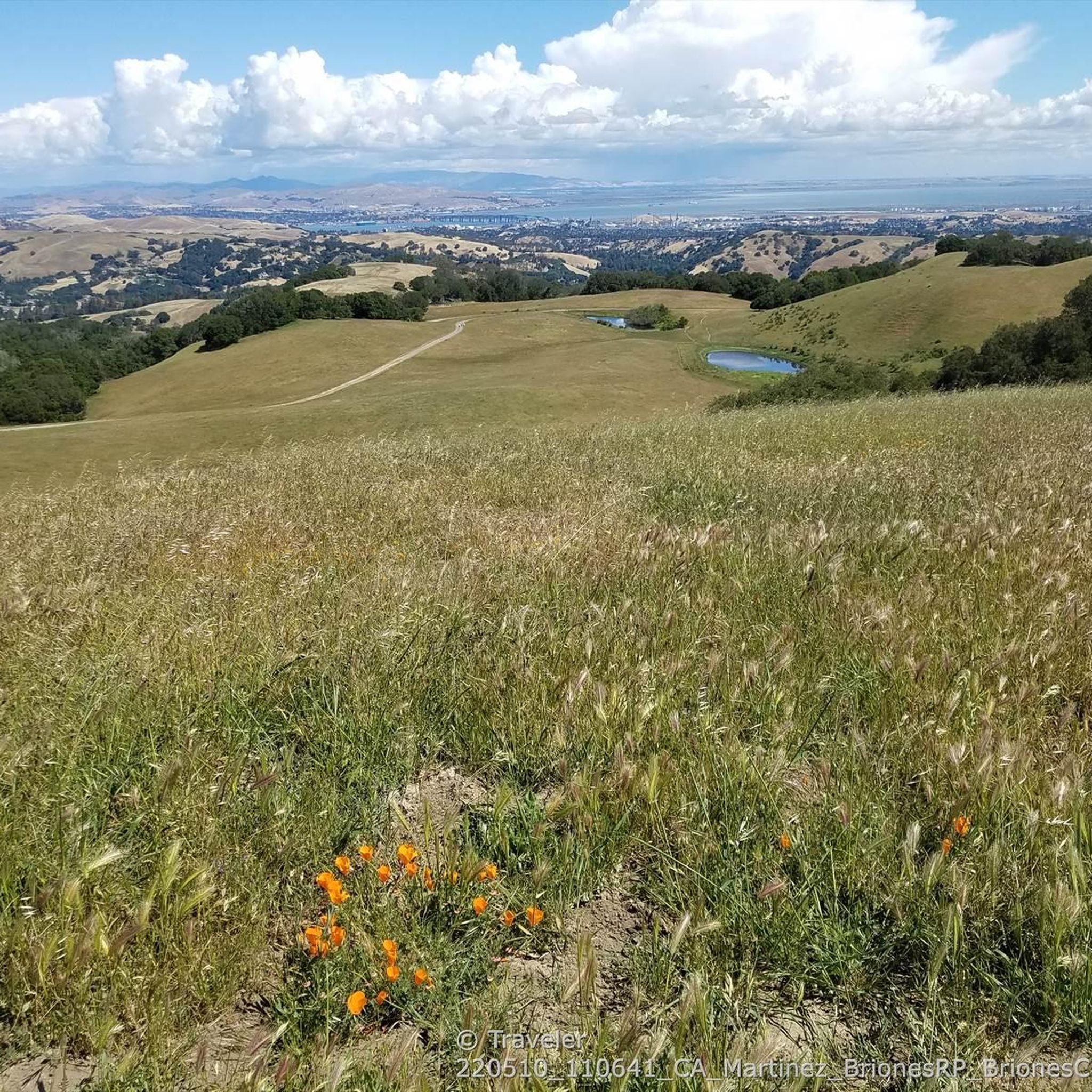
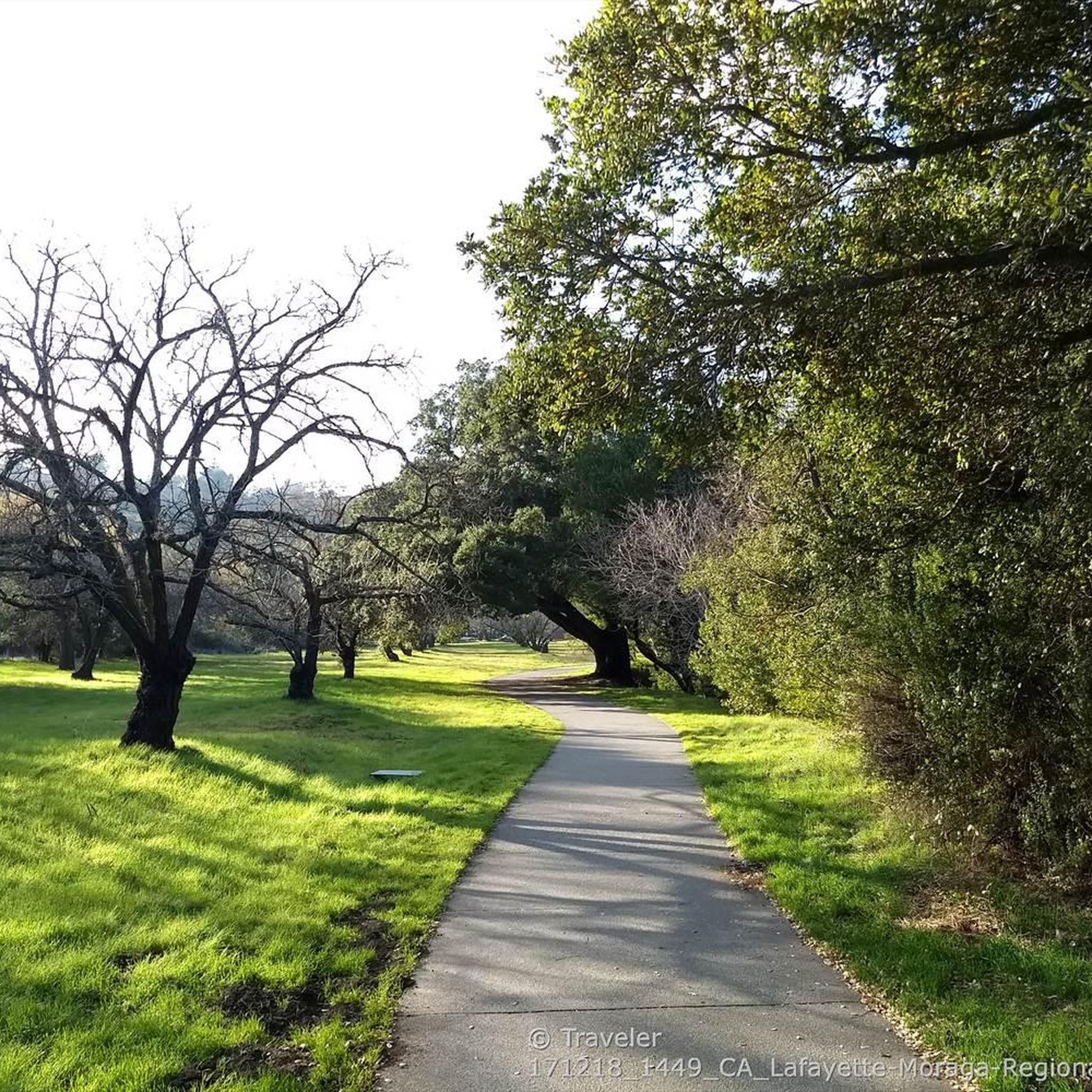
This large protected site was part of John Muir's orchard, there are statues memorializing the great conservationist in the nearby redwood grove.
0
0
A fully protected area (no biking inside) on the East side of the Oakland hills, sloping down between Sibley Volcanic Preserve and Redwood Regional Park.
1
0
At the foot of Mount Wanda and Mount Helen, a statue of John Muir stands surrounded by a young but already tall redwoods grove. Just a mile south from his historic home, this park honors the great early conservationist and founder of the Sierra Club.
0
0
Water, wind, and calcite erosion in per-volcanic sandstone formation. Slightly acidic rainwater seeps into the sandstone during winter rains and dissolves some of the calcite. Warm and dry days cause the moisture to pull the dissolved calcium back out of the rock, causing holes and caves to form. Watch for peregrine falcons and other birds of prey nesting high up in the Castle Rock caves. The upper trails are closed Feb-July to avoid disturbing the nesting birds.
1
0
Frequently Asked Questions
What are some popular natural monuments around Lafayette?
Lafayette and its surroundings offer a variety of natural monuments. Within the city, Redwood Grove is popular for its surprisingly tall second-growth redwood trees. Just outside, the John Muir Memorial Park combines natural beauty with historical significance. For a unique experience, the Sandstone caves in Castle Rock formations offer fascinating geological features.
Are there family-friendly natural monuments in the Lafayette area?
Yes, several natural monuments are great for families. John Muir Memorial Park and Redwood Grove are both considered family-friendly. Acadiana Park Nature Station in Lafayette offers accessible trails and educational programs. Moncus Park, also in Lafayette, provides an urban green space with paths suitable for walking and jogging, and a lake for fishing.
What kind of wildlife can I expect to see at natural monuments near Lafayette?
The region is rich in wildlife. At Acadiana Park Nature Station, you can spot various birds like broad-winged hawks, red-tailed hawks, and pileated woodpeckers. Cypress Island Preserve (Lake Martin) is a renowned nesting ground for coastal birds such as Great Egrets and Little Blue Herons, and you might also see alligators. The vast Atchafalaya Basin is home to approximately 65 species of reptiles and amphibians and over 100 species of fish. At Sandstone caves in Castle Rock formations and Castle Rock Recreation Area, keep an eye out for peregrine falcons nesting high in the cliffs.
Are there any natural monuments with historical significance?
Yes, John Muir Memorial Park is a natural monument and historical site honoring the conservationist John Muir, located near his historic home. It features a statue of Muir surrounded by a redwood grove.
What are some good places for birdwatching near Lafayette?
Cypress Island Preserve (Lake Martin) is a premier location for birdwatching, known for its nesting Great Egrets and Little Blue Herons. Acadiana Park Nature Station also offers excellent birdwatching opportunities, with sightings of various hawk species and woodpeckers along its trails.
What outdoor activities can I do near these natural monuments?
Beyond exploring the monuments themselves, the Lafayette area offers diverse outdoor activities. You can find numerous running trails, including the Lafayette-Moraga Regional Trail, by checking out the Running Trails around Lafayette guide. For cycling, explore gravel biking routes like the Skyline Boulevard loop, detailed in the Gravel biking around Lafayette guide. Mountain biking enthusiasts can find trails such as the Seaborg, Briones Crest, Table Top, and Abrigo Valley Trail Loop in the MTB Trails around Lafayette guide. Many parks also offer kayaking, canoeing, and fishing.
Are there any natural monuments that are good for paddling or water activities?
Absolutely. Cypress Island Preserve (Lake Martin) is excellent for paddling, offering an immersive experience into the swamp ecosystem. Palmetto Island State Park, situated along the Vermilion River, provides access for kayaking and canoeing through its channels and lagoons. The Atchafalaya Basin is also an unparalleled destination for swamp tours and paddling.
What kind of terrain can I expect on trails at these natural monuments?
The terrain varies significantly. Acadiana Park Nature Station features a mix of boardwalks and gravel paths, suitable for various skill levels. Cypress Island Preserve's Lake Martin Levee Trail is a 5.2-mile loop through swampland. Palmetto Island State Park has a 7-mile cypress trail through a jungle-like ecology. For more challenging terrain, Sandstone caves in Castle Rock formations and Castle Rock Recreation Area involve per-volcanic sandstone formations and canyons, with some intermediate climbs.
When is the best time to visit natural monuments around Lafayette?
The best time to visit depends on the specific monument and your activity. For birdwatching, spring and fall migrations can be particularly rewarding. Be aware that some areas, like Sandstone caves in Castle Rock formations and Castle Rock Recreation Area, have seasonal closures from February to July to protect nesting peregrine falcons. Generally, cooler months offer more comfortable hiking conditions, while warmer months are ideal for water activities.
Are there any natural monuments that offer extensive hiking or backpacking opportunities?
Chicot State Park, about an hour north of Lafayette, offers extensive hiking opportunities with over 20 miles of trails, including a 19-mile loop around Lake Chicot, suitable for longer hikes and backpacking. The Huckleberry Botanic Regional Preserve Upper Pinehurst Entry also provides a fully protected trail and forest area for exploration.
Can I find unique geological formations near Lafayette?
Yes, the Sandstone caves in Castle Rock formations are a prime example of unique geology. These caves are formed by water, wind, and calcite erosion in per-volcanic sandstone, creating fascinating holes and formations. The Castle Rock Recreation Area also features prominent sandstone formations amid oak woodlands.
What is the Louisiana State Arboretum?
The Louisiana State Arboretum is located within Chicot State Park, about an hour north of Lafayette. It is the oldest established arboretum in the South and the first state-sponsored botanical garden in the country. It spans 300 acres of natural growth augmented with various plant species from across Louisiana, offering a significant botanical collection to explore.
Most popular routes around Lafayette
Most popular attractions around Lafayette

Get inspired with the komoot mobile app


Explore more
Extend your search for the best caves by checking out these guides of the top ones around Lafayette:
