Top 20 Natural Monuments in White River National Forest
Best natural monuments in White River National Forest are found across its 2.3-million-acre expanse in central Colorado. This area features diverse landscapes, including majestic peaks, pristine alpine lakes, cascading waterfalls, and lush meadows. It is recognized as the most visited National Forest in the United States, drawing millions of visitors annually. The forest's dramatic elevation changes create varied ecological zones.
Best natural monuments in White River National Forest
- The most popular natural monuments is Hanging Lake, a lake that…
Last updated: July 22, 2026
Hanging Lake
Highlight • Lake
Since the …
Tip by

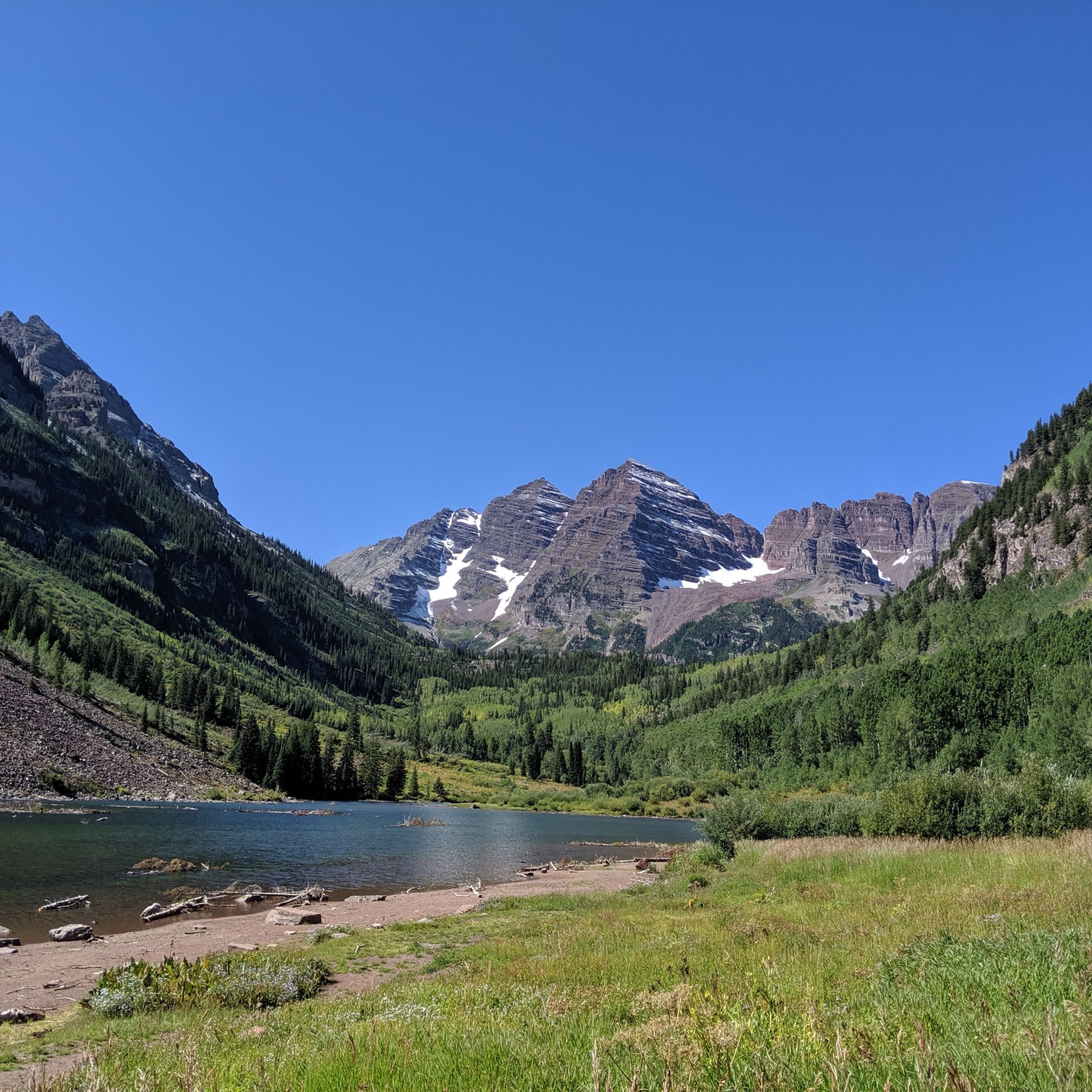
Maroon Lake
Highlight • Lake
It occupies a basin dug by glaciers during a glaciation, and later …
Tip by

Sign up now to discover places like this
Get recommendations on the best single tracks, peaks, & plenty of other exciting outdoor places.
Sign up for free
Crater Lake (Maroon Bells–Snowmass Wilderness)
Highlight • Lake
This one offers the particularity of drying up, if …
Tip by
Spouting Rock Waterfall
Highlight • Waterfall
Translated by Google •
Tip by

Grays Peak
Highlight • Summit
Tip by
Sign up for free to discover even more natural monuments in White River National Forest.
Sign up for free
Already have an account?
Start today with a free account
Your next adventure awaits.
Login or Signup
Popular around White River National Forest
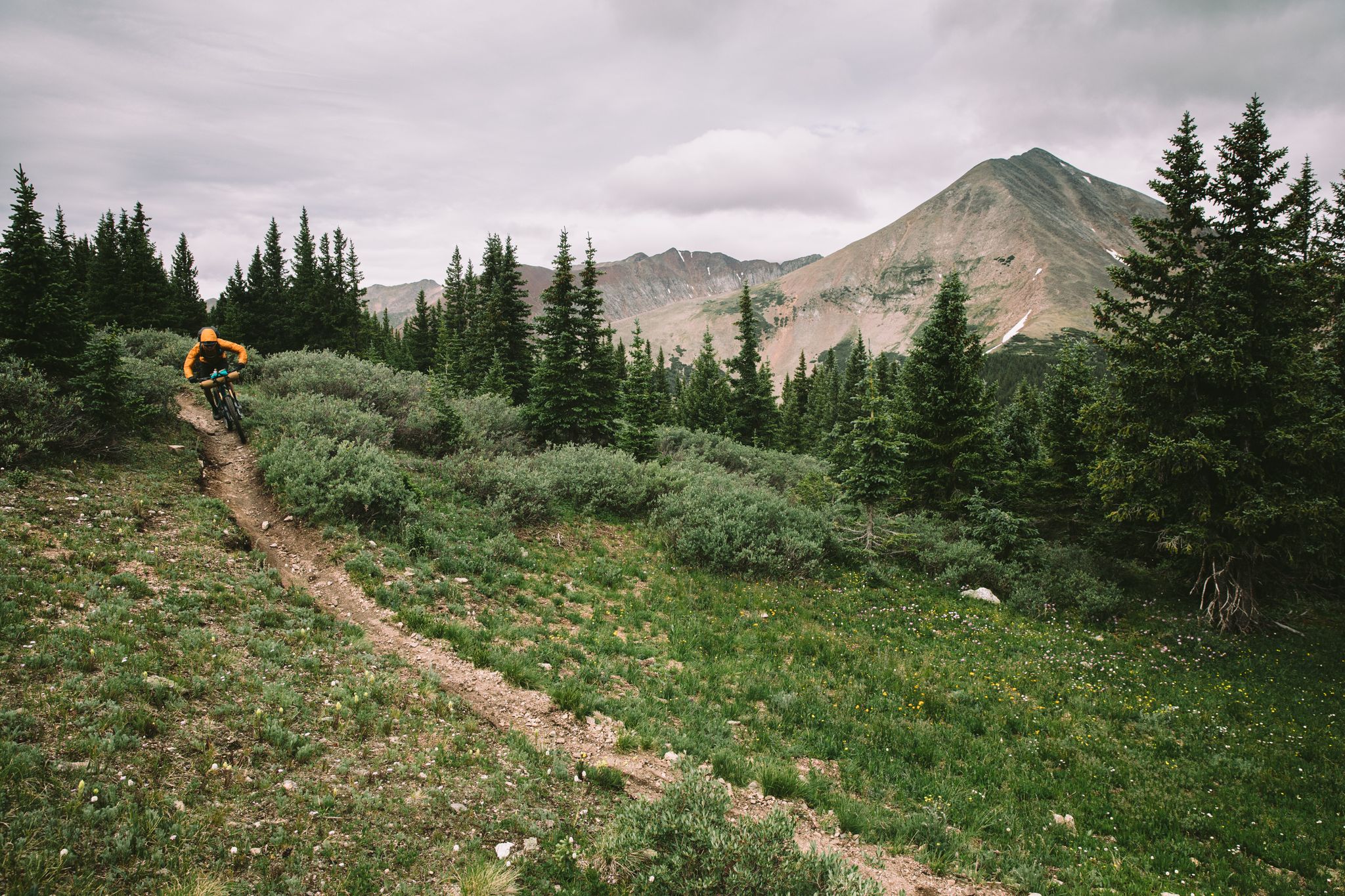
The Colorado Trail — Ten incredible days in the Rocky Mountains
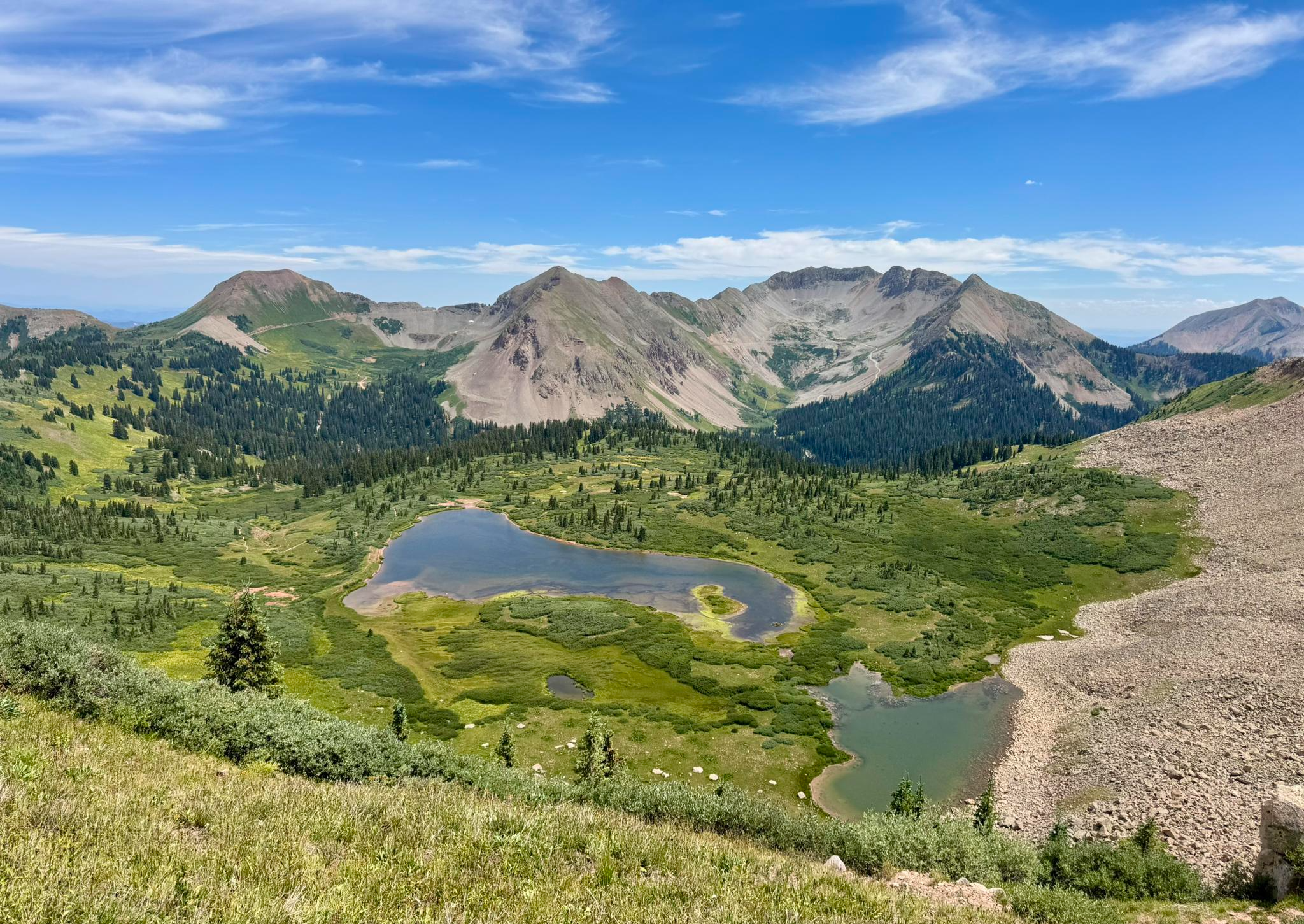
Colorado Trail — The pinnacle of wild Colorado
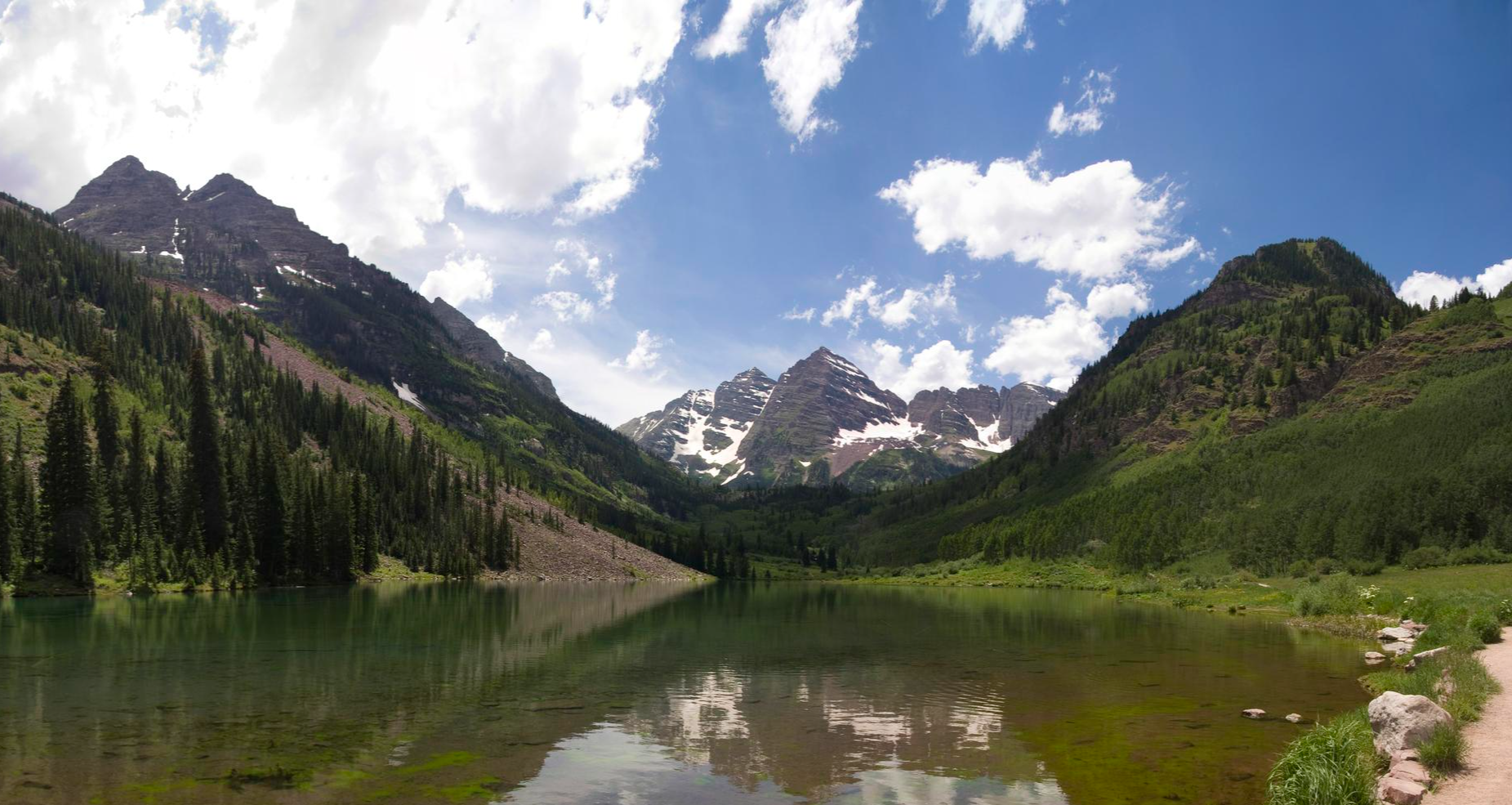
Four Pass Loop — Four times the challenge, four times the reward
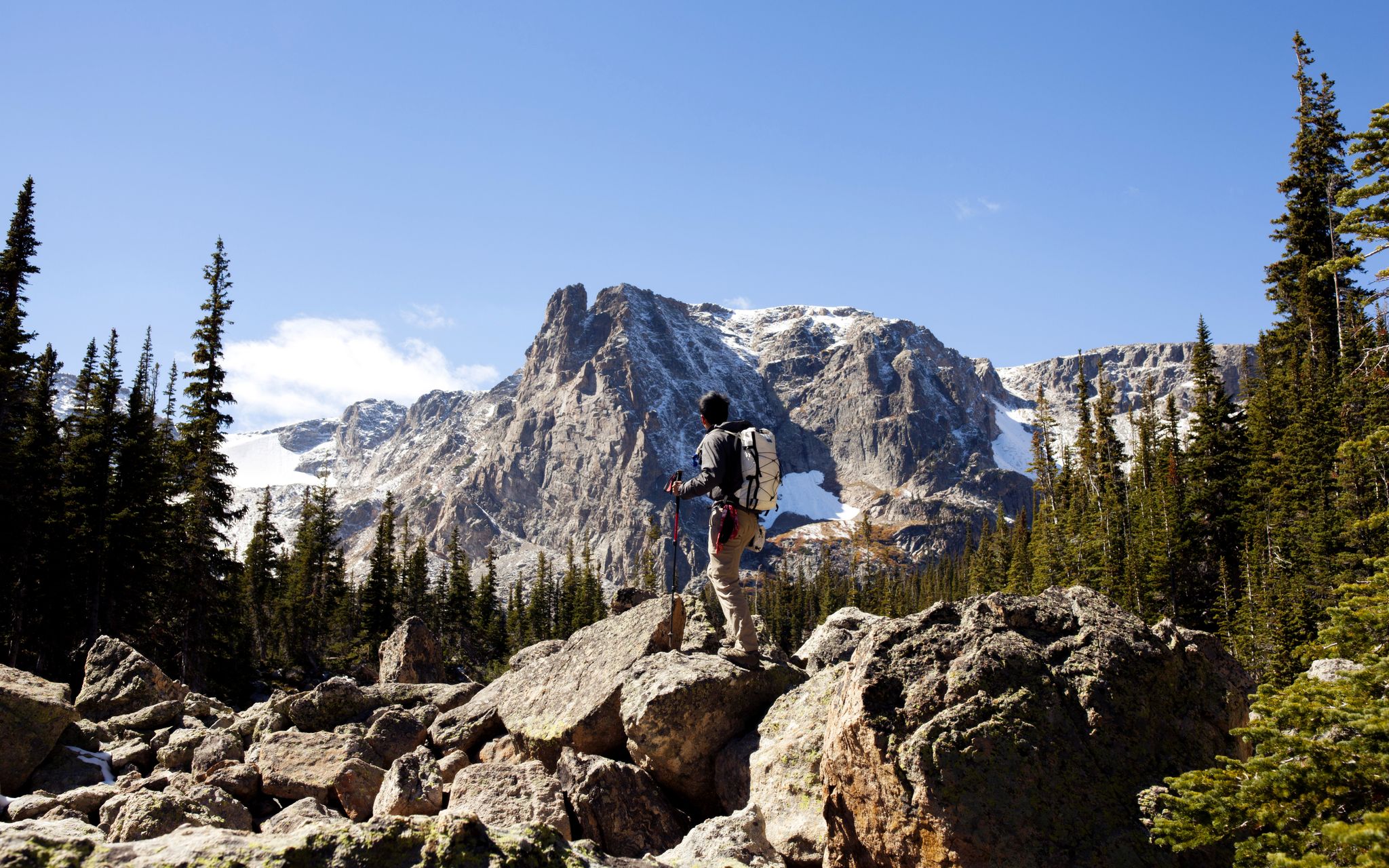
From the mountain peaks to the prairie – Rocky Mountains and Great Plains
Hiking in White River National Forest
Road Cycling Routes in White River National Forest
MTB Trails in White River National Forest
Cycling in White River National Forest
Running Trails in White River National Forest
Gravel biking in White River National Forest
Other adventures in White River National Forest


Tips from the Community

Beautiful waterfall, just walk the trail to the very end...
1
0

A natural wonder surrounded by canyon walls. Hanging Lake is a rare example of a travertine (limestone) geological formation that gives the water its aquamarine and turquoise colors.
0
0

Just a few hundred meters above Hanging Lake is this waterfall, which is worth seeing and behind which you can even walk.
2
0
A beautiful place that makes the strenuous climb absolutely worth it.
3
0
Grays Peak is one of Colorado's famous 14ers and one of the easier ones to summit. If you hike along the iconic Continental Divide Trail (stretching from Mexico to Canada), this mountain is directly on your route. As with all mountains in this area: Keep an eye on the weather. Thunderstorms in the afternoon are very likely during the summer months, so start your hike early. And since you are already here: With Torreys Peak, there is another 14er just around the corner.
4
0

There are a lot of Crater Lakes in the United States. The best known is found in the state of Oregon. This one offers the particularity of drying up, if it is not supplied with water from mountain rivers and glaciers.
0
0
Maroon Lake, near Aspen, is undoubtedly one of the most photographed landscapes of the Rocky Mountains of Colorado. It occupies a basin dug by glaciers during a glaciation, and later closed by a dam naturally formed during landslides and rock falls from the slopes upstream.
2
0
A natural wonder surrounded by canyon walls. Hanging Lake is a rare example of a travertine (limestone) geological formation that gives the water its aquamarine and turquoise colors. Since the lake became more popular over the years, there is now a permit system to reduce the masses visiting this sensitive environment. You can get a permit here: https://visitglenwood.com/hanginglake/
7
0
Frequently Asked Questions
What are some of the most iconic natural monuments in White River National Forest?
The White River National Forest is home to several iconic natural monuments. Among the most famous are the Maroon Bells, known for their distinctive maroon-hued peaks reflected in Maroon Lake. Another must-see is Hanging Lake, renowned for its strikingly clear, turquoise waters and dramatic cliffs, with Spouting Rock Waterfall nearby.
Are there family-friendly natural monuments or trails in White River National Forest?
Yes, there are options for families. The Maroon Bells area offers the Maroon Bells Scenic Loop, an easy 1.5-mile trail around Maroon Lake, suitable for most fitness levels and perfect for families to enjoy the views without strenuous effort. This area is specifically categorized as family-friendly.
What kind of hiking experiences can I expect at the natural monuments?
Hiking experiences vary from easy strolls to challenging high-altitude climbs. For instance, the trail to Hanging Lake is a steep, rigorous, and rocky 1.2-mile hike, rewarding visitors with stunning scenery. For those seeking a challenge, Grays Peak, a 14er, offers an accessible high-altitude summit experience with expansive views along the Continental Divide Trail.
Do I need permits or reservations to visit any natural monuments in White River National Forest?
Yes, for some popular sites, permits are required. Specifically, due to its popularity and sensitive ecosystem, a permit is now required to visit Hanging Lake. You can obtain a permit for $12 USD via the official Glenwood Springs visitor site. It's always advisable to check current regulations before your visit.
What is the best time of year to visit the natural monuments in White River National Forest?
The best time to visit largely depends on the activity. Summer (June to September) is ideal for hiking and enjoying the alpine lakes and meadows, though afternoon thunderstorms are common at higher elevations like Grays Peak, so early starts are recommended. Fall offers spectacular autumn foliage, especially around the Maroon Bells with their aspen ecosystems.
Are there opportunities for wildlife viewing near these natural monuments?
The White River National Forest's diverse ecological zones, ranging from river valleys to peaks over 14,000 feet, support a variety of wildlife. Visitors may spot elk, black bears, and mountain goats, particularly in less crowded areas or during quieter times of day. The Flat Tops Wilderness, for example, is known for its elk population.
What unique geological features can be found in the White River National Forest?
The forest boasts several unique geological features. The Maroon Bells are striking bell-shaped peaks formed by ancient glaciers. Hanging Lake is famous for its travertine formations and a unique waterfall, Spouting Rock, emerging directly from a cliff face. The Flat Tops Wilderness is characterized by its distinctive flat-topped mesas, a result of resistant basaltic rocks.
Can I find less crowded natural monuments for a more solitary experience?
While some areas like Hanging Lake and Maroon Lake can be very popular, the vastness of the White River National Forest offers opportunities for solitude. The Flat Tops Wilderness, for instance, provides rugged and undeveloped terrain, ideal for primitive recreation and away from heavy summer crowds, especially for activities like fishing on the White River.
What outdoor activities are available near the natural monuments?
Beyond visiting the monuments themselves, the White River National Forest offers extensive outdoor activities. You can explore various waterfall hikes, enjoy cycling routes, or tackle challenging mountain biking trails. The area also provides some of the best hiking and climbing in Colorado, particularly around the Maroon Bells-Snowmass Wilderness.
What makes Crater Lake in the Maroon Bells–Snowmass Wilderness unique?
Crater Lake in the Maroon Bells–Snowmass Wilderness is unique because it has the particularity of drying up if not supplied by mountain rivers and glaciers. This highlights its direct connection to the surrounding high-alpine environment and glacial meltwaters, offering a dynamic natural spectacle depending on the season and snowpack.
Are there any natural monuments that are part of a larger wilderness area?
Yes, several natural monuments are integral parts of larger wilderness areas. For example, Maroon Bells and Crater Lake are located within the Maroon Bells-Snowmass Wilderness, which encompasses extensive trails through aspen and spruce ecosystems. The Flat Tops Wilderness is another expansive area protecting natural ecological processes.
Most popular routes in White River National Forest
Most popular attractions in White River National Forest

Get inspired with the komoot mobile app


Explore more
Extend your search for the best caves by checking out these guides of the top ones in White River National Forest:
