Top 20 Natural Monuments around Segovia
Best natural monuments around Segovia complement the region's historical architecture with diverse natural landscapes. The area features mountainous terrain, river gorges, and forests, offering opportunities for outdoor activities. These natural sites provide a different perspective on the environment surrounding the historic city. Segovia's natural monuments are characterized by their geological formations and varied ecosystems.
Best natural monuments around Segovia
- The most popular natural monument is Seven Peaks, a summit that is a mountainous formation of the Sierra de Guadarrama.…
Last updated: September 26, 2026
Seven Peaks
Highlight (Segment) • Summit
Translated by Google •
Tip by

Peñalara Peak
Highlight • Summit
Translated by Google •
Tip by
Sign up now to discover places like this
Get recommendations on the best single tracks, peaks, & plenty of other exciting outdoor places.
Fuente de la Reina
Highlight • Natural Monument
Translated by Google •
Tip by

Boca del Asno Gorge and Waterfalls
Highlight • Gorge
Translated by Google •
Tip by

Alto de las Guarramillas (Bola del Mundo)
Highlight • Summit
Translated by Google •
Tip by
Somontano Peak
Highlight • Summit
Translated by Google •
Tip by
Fuenfría Spring
Highlight • Natural Monument
Translated by Google •
Tip by

Monk's Cave
Highlight • Cave
Translated by Google •
Tip by
Puerto de Linera
Highlight • Mountain Pass
Translated by Google •
Tip by

Ojos del Río Moros
Highlight • River
Translated by Google •
Tip by

Sign up for free to discover even more natural monuments around Segovia.
Already have an account?
Start today with a free account
Your next adventure awaits.
Popular around Segovia
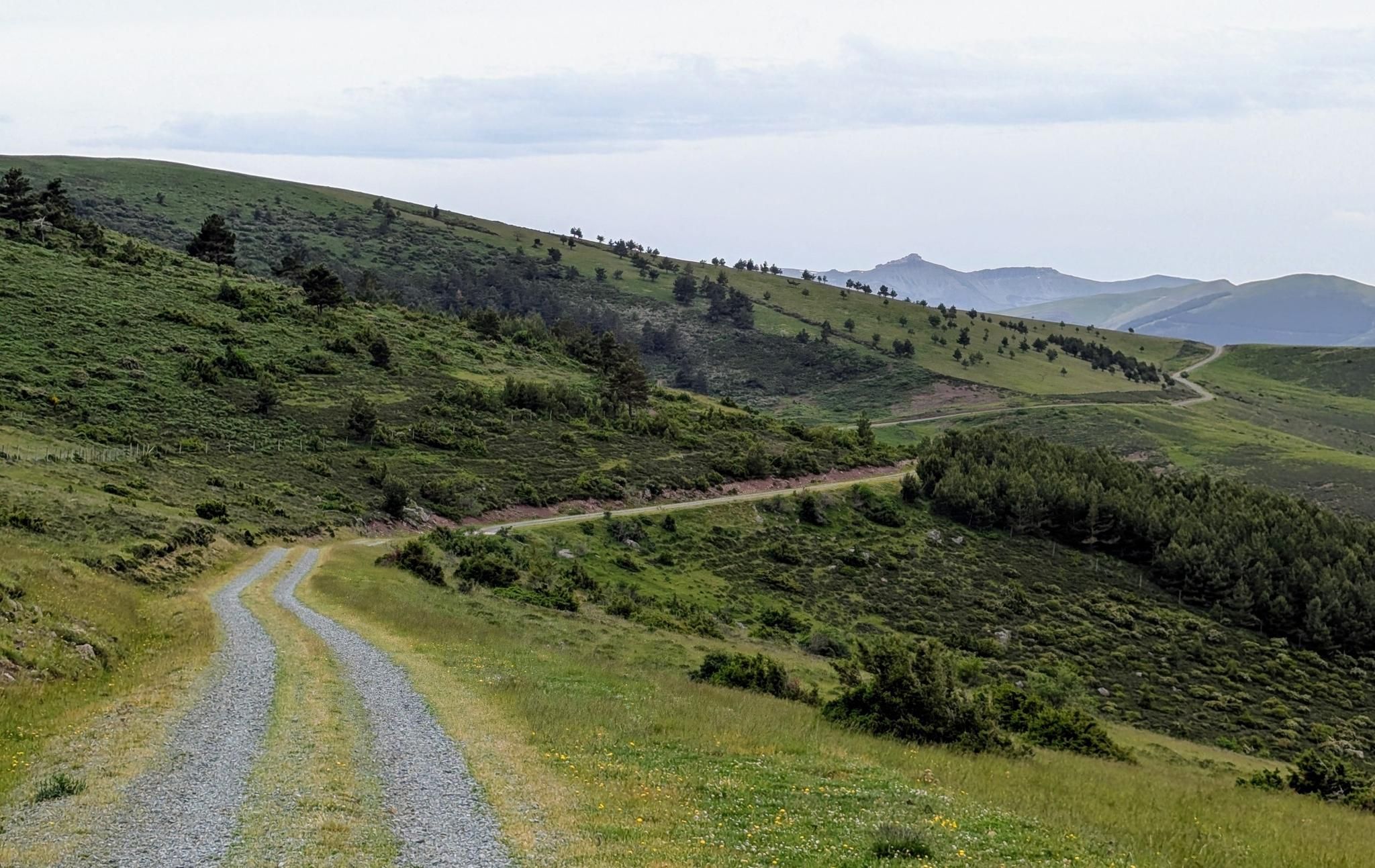
MTB Transhumance — Cañada Real Soriana Occidental
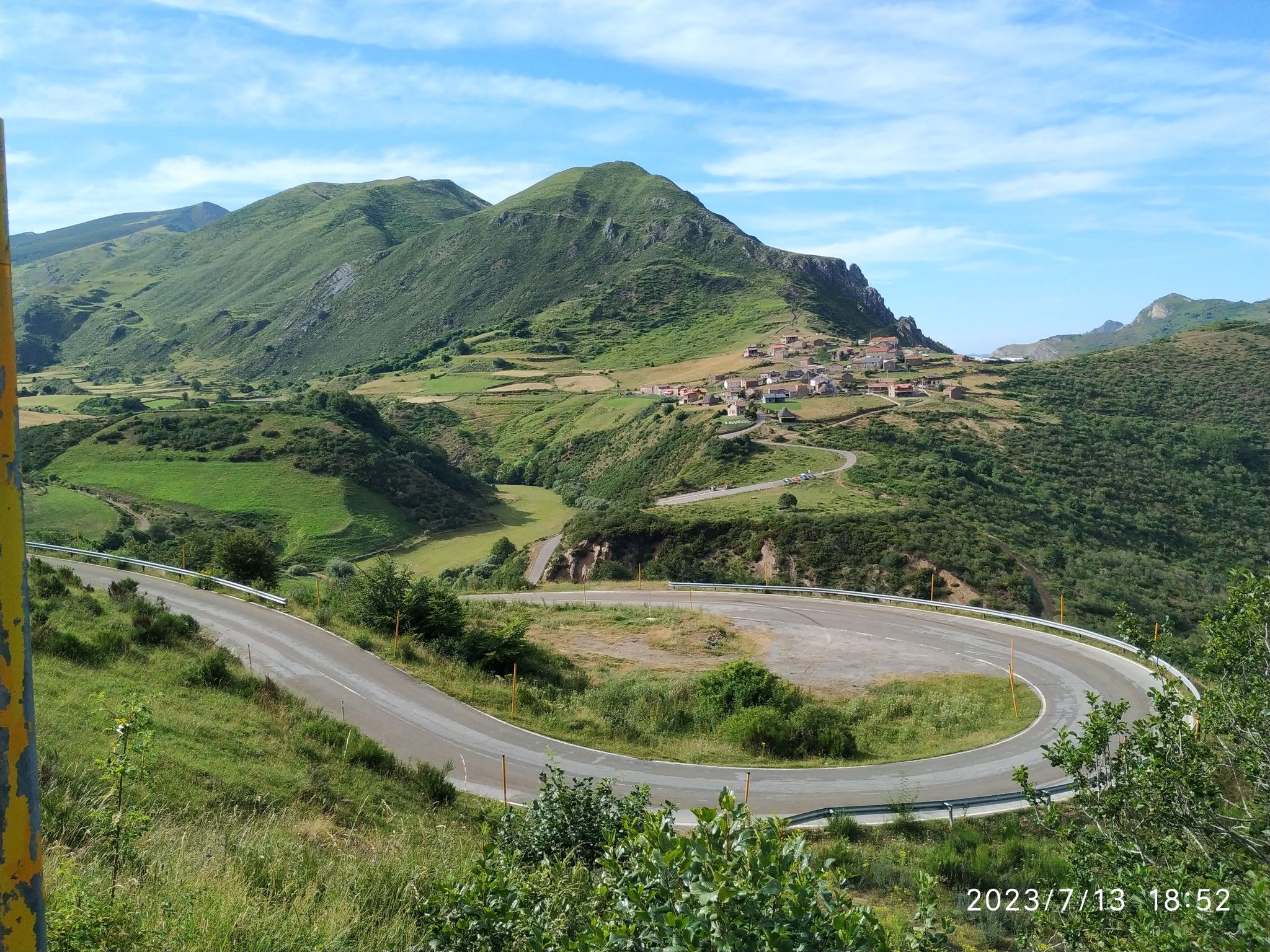
Height Challenges — Ports in Castilla y León
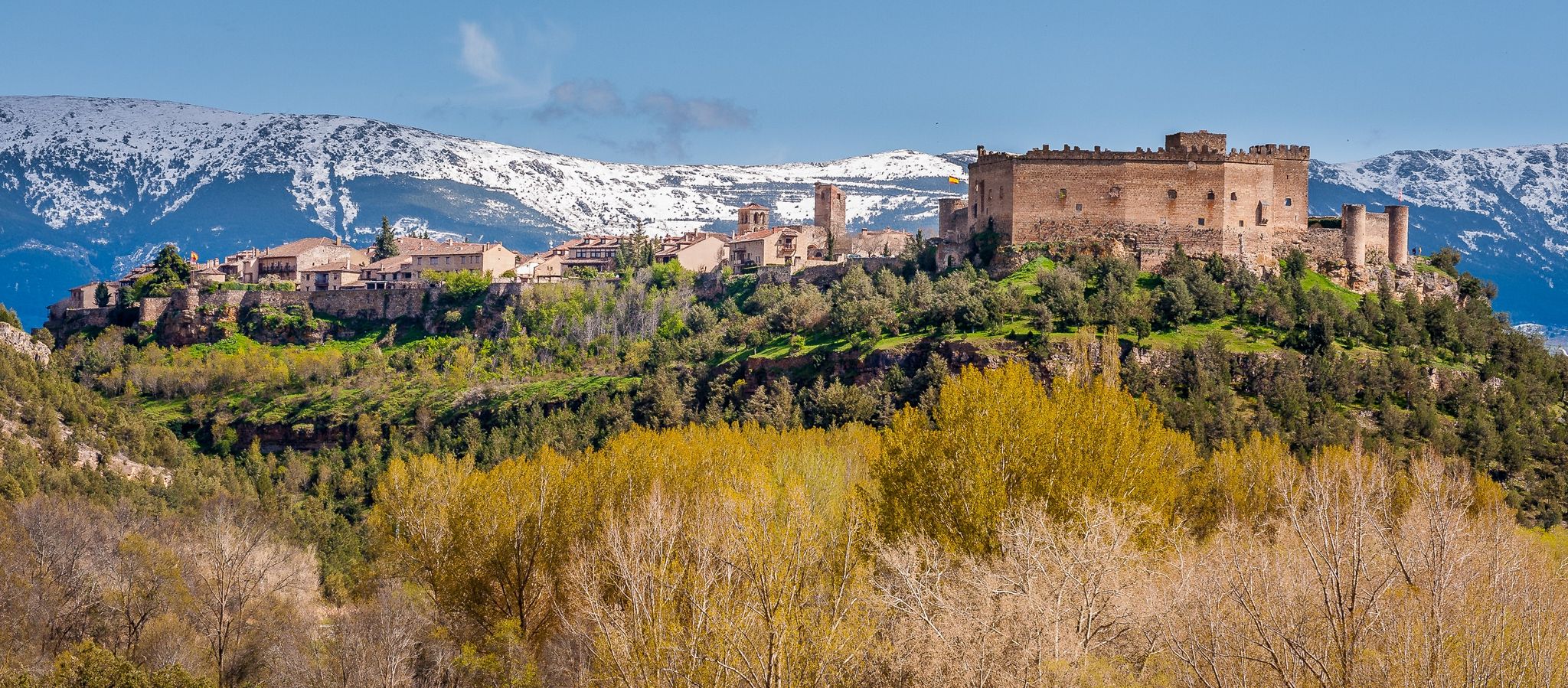
Nature, history and tradition – Segovia Trail (GR 88)
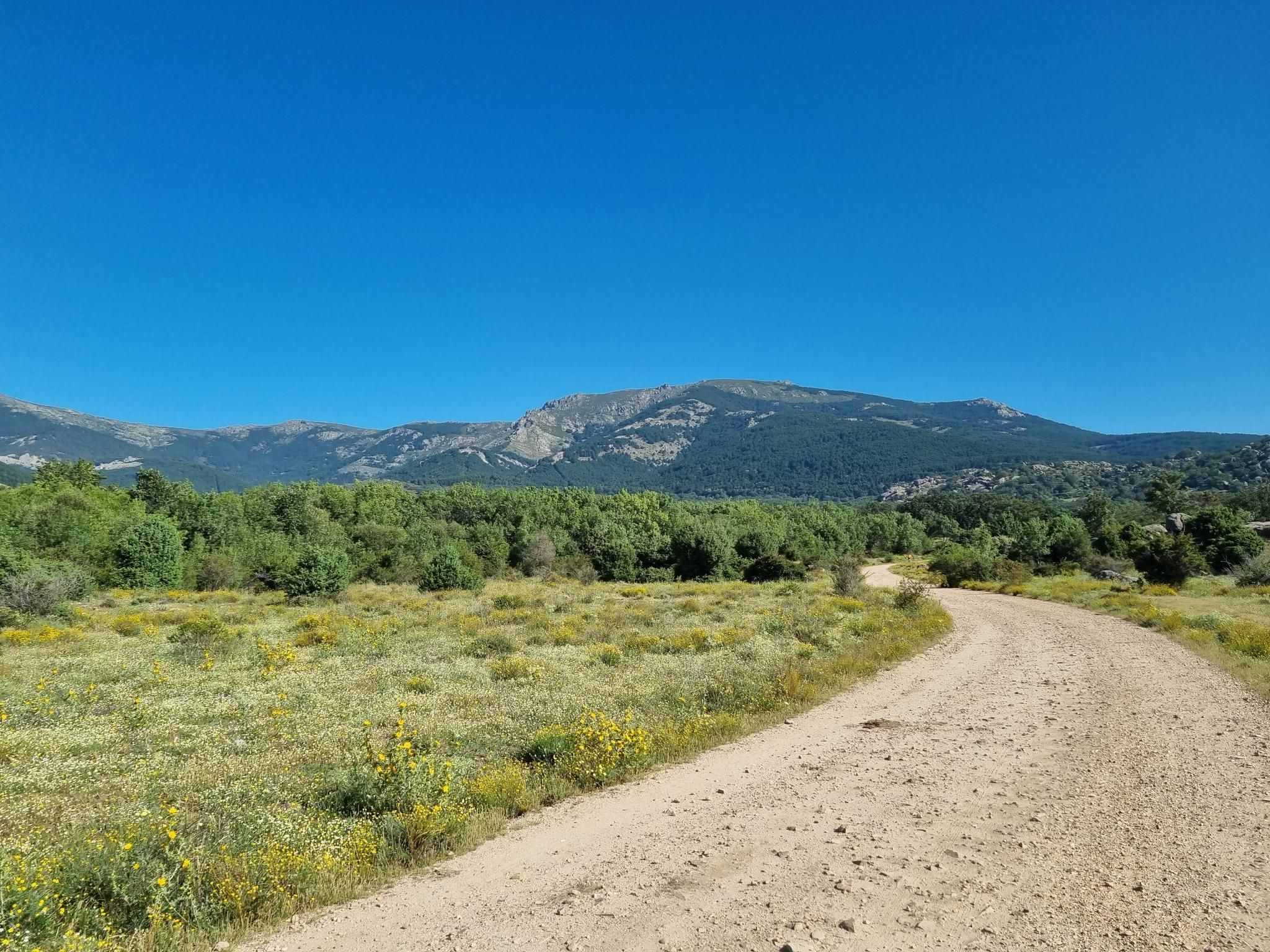
The treasures of Guadarrama – on foot along the GR 10 in Madrid
Forests and palaces – Tour of the Sierra de Guadarrama Mountain Range on MTB
Riding through Spain’s Segovian countryside — Eresma Valley Greenway
Vías Verdes – traffic-free cycling along railway history in Spain
Hiking around Segovia
MTB Trails around Segovia
Running Trails around Segovia
Other adventures around Segovia


Tips from the Community

If the Queen drank this water, it is because it is good and fresh.
0
1

The Fuenfría Fountain is an iconic feature in the Fuenfría Valley, in the Sierra de Guadarrama, near Cercedilla (Madrid). It is important to note that the term "Fuenfría" often refers to both the fountain and the stream that flows from it, as well as the historic mountain pass. It is located in the upper reaches of the Fuenfría stream, which is one of the sources of the Guadarrama River. The Fuenfría spring gives its name to the entire valley and the mountain pass. "Fuenfría" comes from the word "cold fountain," referring to the low temperature of its waters. The Fuenfría area has historically been a crucial pass in the Sierra de Guadarrama, used since Roman times. The Fuenfría Roman Road, which linked Segovia with Titulcia, passed through this valley. Although the spring itself is not of Roman origin, the Fuenfría Pass and the presence of fresh water at this point have been of vital importance to travelers throughout the centuries. In fact, ancient "ventas" or inns, such as Venta de la Fuenfría or Fonfrida, were located at the Fuenfría Pass, offering shelter and supplies to hikers. The Fuenfría Valley is a valuable natural area, part of the Sierra de Guadarrama National Park. The spring and its surroundings are a point of interest on numerous hiking trails. It is important not to confuse it with other "Fuenfría Springs" that may exist in other provinces, such as Segovia or Málaga, as there are several spots with the same name due to the characteristics of their waters. The one in Cercedilla is the best known in the context of the Sierra de Guadarrama and the Roman road.
0
0
It is one of the few peaks that has a name, the others except the first peak, Majalasna, are numbered.
0
0

This peak is famous for the television and radio repeater antennas installed on its summit in 1959. It is a popular destination for hiking, with routes starting from Puerto de Navacerrada and Puerto de Cotos. The climb offers spectacular views and is especially beautiful in winter, although it can be challenging due to ice and snow.
5
0
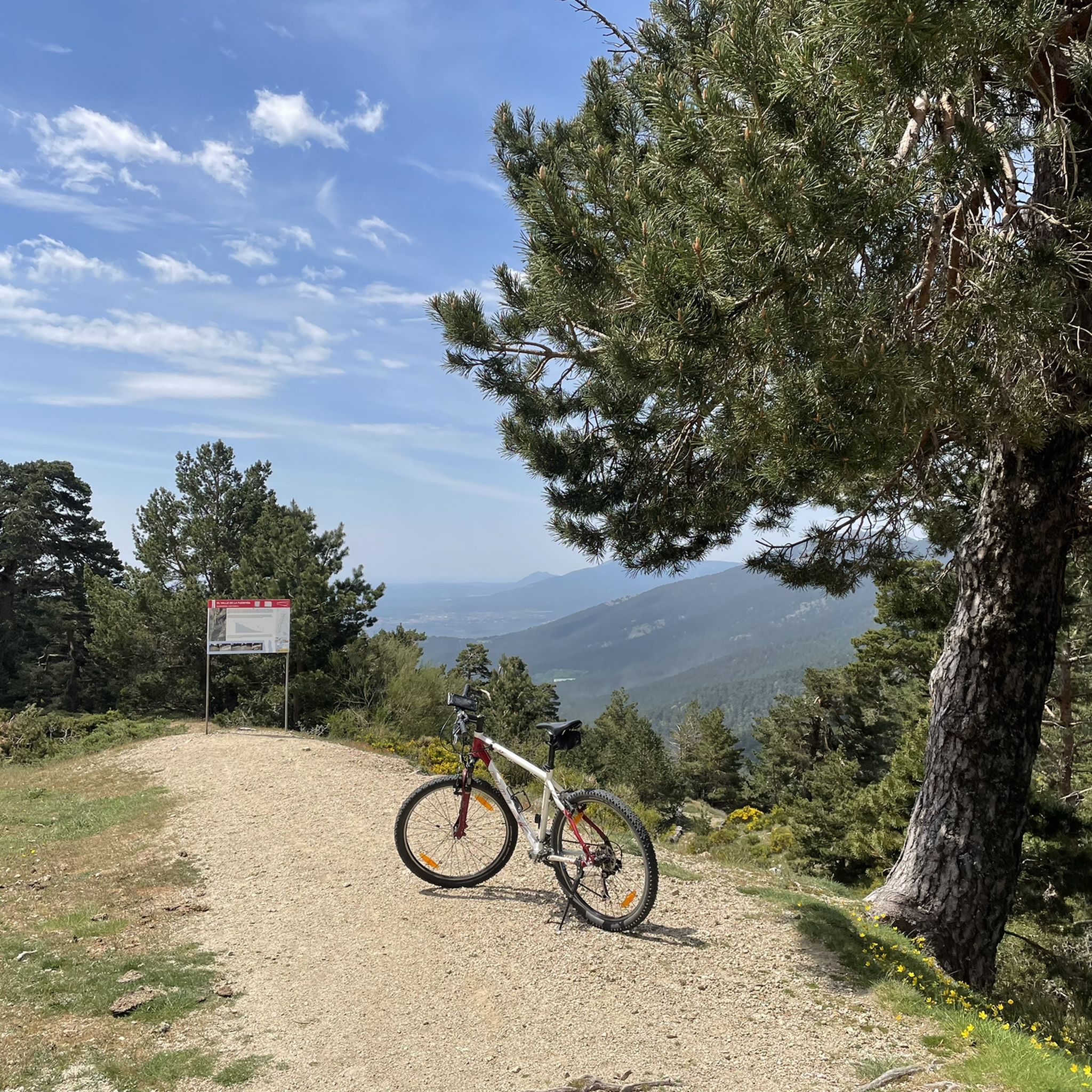
Another port in Los Montes Carpetanos for the passage between the provinces of Madrid and Segovia.
0
0

Be careful with the cows, bulls and their calves that graze in the meadow, on the mountain and on the slope. You will see their excrement on the path and you will hear them from afar because of their bells, but seeing them will be more difficult among the undergrowth and rocky obstacles. Be careful, leave them alone and go around the area where they are.
0
0

Here is the fountain of the Guards of the Monk's Cave, it has fresh, drinkable water.
1
0

Frequently Asked Questions
What unique natural features can I explore around Segovia?
Segovia's natural monuments offer diverse features. You can explore the dramatic limestone gorges of the Hoces del Río Duratón Natural Park, known for its griffon vultures. The Sierra de Guadarrama National Park features high mountain peaks like Seven Peaks, glacial lagoons, and pine forests. For a different experience, visit Boca del Asno Gorge and Waterfalls with its granite walls and small pools, or the Monk's Cave.
Are there family-friendly natural monuments to visit near Segovia?
Yes, several natural monuments are suitable for families. Boca del Asno Gorge and Waterfalls is a popular recreational area in the Valsaín pine forests, with small waterfalls and pools perfect for young and old in summer. The area also has a National Park Visitor Center with route information. Fuente de la Reina, a natural spring sheltered by trees, provides a refreshing stop during excursions.
What outdoor activities can I do near Segovia's natural monuments?
The region around Segovia offers a variety of outdoor activities. You can enjoy hiking and climbing in the Sierra de Guadarrama National Park, with peaks like Seven Peaks offering challenging terrain. Kayaking is popular on the Duratón River within the Hoces del Río Duratón Natural Park. For more structured routes, explore options for easy hikes, gravel biking, or road cycling around Segovia.
What is the best time of year to visit the natural monuments around Segovia?
The best time to visit depends on your preferred activity. Summer is ideal for enjoying the refreshing waters at Fuente de la Reina and Boca del Asno Gorge and Waterfalls. For hiking in the higher altitudes of the Sierra de Guadarrama, good weather is recommended, though winter offers beautiful snowy landscapes for experienced hikers. August is particularly good for stargazing in the Sierra de Guadarrama, especially during the Perseid meteor shower.
Are there any natural monuments with historical significance?
While many natural monuments are appreciated for their geological and ecological value, some also hold historical interest. The Hoces del Río Duratón Natural Park is home to the remote Romanesque Hermitage of San Frutos, offering panoramic views of the gorges. The La Vaquera Cave, near the Pirón River, provides a glimpse into ancient agricultural history with formations carved into stone, accessible via scenic river trails.
Where can I find challenging hiking trails among the natural monuments?
For challenging hikes, head to the Sierra de Guadarrama. The Seven Peaks ridge is known for its demanding terrain between the ports of Fuenfría and Navacerrada. Alto de las Guarramillas (Bola del Mundo) and Pico del Lobo also offer challenging climbs with spectacular views. These routes can be particularly demanding in winter due to ice and snow.
Can I spot wildlife at the natural monuments?
Yes, wildlife spotting is a major draw for some natural monuments. The Hoces del Río Duratón Natural Park is famous for its large population of griffon vultures, which can be seen soaring overhead. The Sierra de Guadarrama National Park also boasts diverse wildlife within its pine forests and mountain landscapes.
What are some notable viewpoints among Segovia's natural monuments?
Many natural monuments offer stunning viewpoints. The Hermitage of San Frutos in Hoces del Río Duratón provides panoramic views of the gorges. In the Sierra de Guadarrama, peaks like Seven Peaks, Alto de las Guarramillas (Bola del Mundo), Somontano Peak, and Pico del Lobo offer expansive vistas. Even the Puerto de Linera mountain pass is recognized for its views.
Are there any natural monuments suitable for stargazing?
Yes, the Sierra de Guadarrama National Park is known for having some of Spain's darkest skies, making it an excellent location for stargazing. You can observe constellations, planets, and meteor showers, especially during events like the Perseid meteor shower in August.
What is the <a href="https://www.komoot.com/highlight/2873199" target="_blank" rel="noopener">Ojos del Río Moros</a> natural monument like?
The Ojos del Río Moros is a natural monument centered around a river within a forested area. It offers a challenging experience for visitors, making it suitable for those looking for more adventurous exploration of Segovia's natural landscapes.
What is special about <a href="https://www.komoot.com/highlight/6527980" target="_blank" rel="noopener">Pico Tres Provincias (Cebollera Vieja)</a>?
Pico Tres Provincias (Cebollera Vieja) is a summit that serves as a natural monument. It offers an intermediate level of challenge and provides rewarding viewpoints, making it a great option for hikers looking for scenic mountain experiences.
Most popular routes around Segovia
Most popular attractions around Segovia

Get inspired with the komoot mobile app


Didn’t find what you were looking for?
Find even more amazing natural monuments around Segovia by checking out the top Highlights region by region:
Explore more
Extend your search for the best caves by checking out these guides of the top ones around Segovia:
