Top 4 Natural Monuments around Edam-Volendam
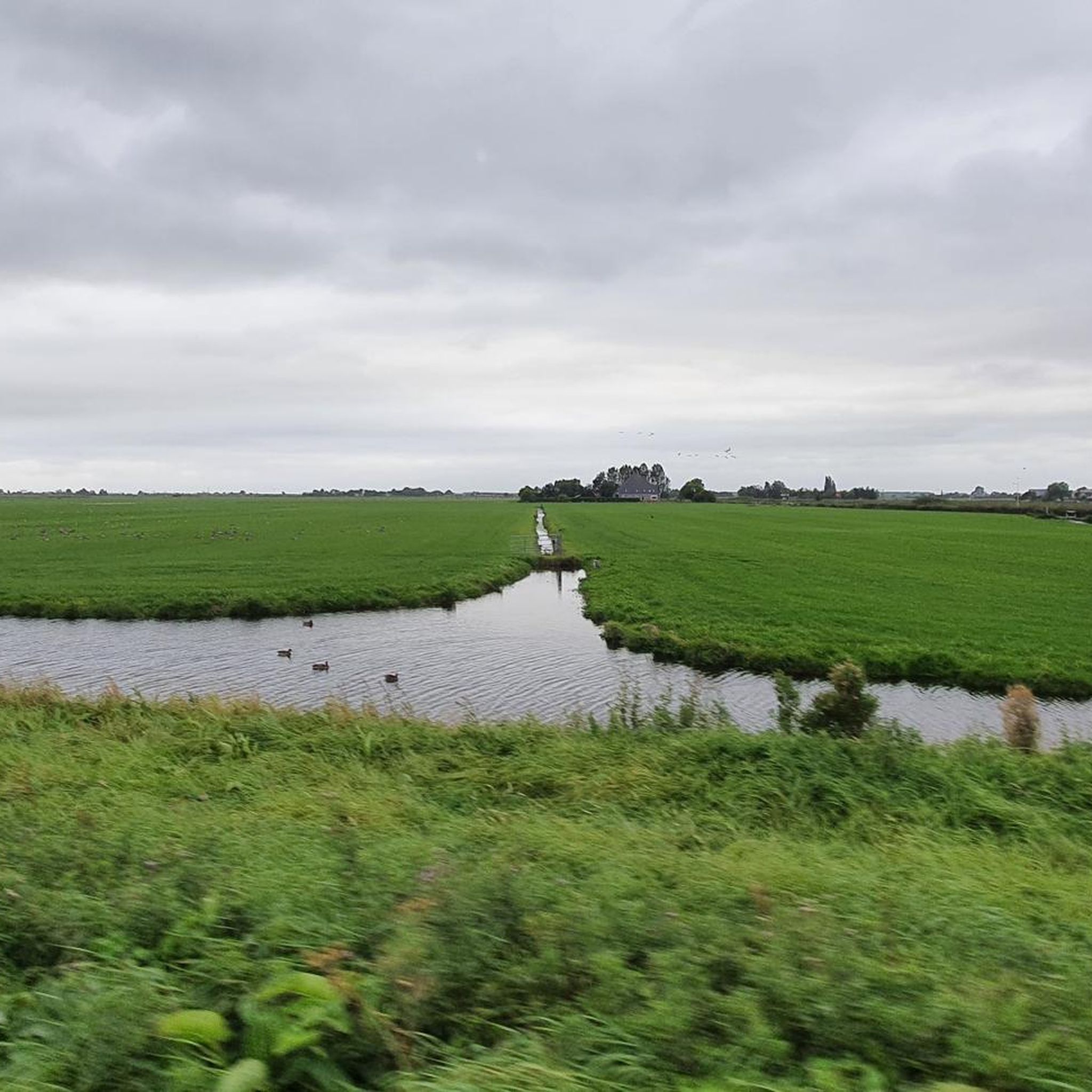
Best natural monuments around Edam-Volendam include a diverse landscape shaped by water and land reclamation. The region features expansive polder landscapes, coastal paths along Lake IJsselmeer and Markermeer Lake, and numerous canals. These areas offer opportunities to experience the serene countryside and observe unique natural features.
Best natural monuments around Edam-Volendam
- The most popular natural monuments is UNESCO World Heritage Site Beemster Polder, a historical site and natural monument that exemplifies Dutch land reclamation. This 17th-century reclaimed land features…
Last updated: July 20, 2026
Moordenaarsbraak Nature Reserve
Highlight • Natural Monument
Translated by Google •
Tip by

Volgermeerpolder
Highlight • Natural Monument
Translated by Google •
Tip by

Sign up now to discover places like this
Get recommendations on the best single tracks, peaks, & plenty of other exciting outdoor places.
Sign up for free
UNESCO World Heritage Site Beemster Polder
Highlight • Historical Site
Translated by Google •
Tip by

Memorial monument “The Wave” (flood disaster)
Highlight • Monument
Translated by Google •
Tip by

Start today with a free account
Your next adventure awaits.
Login or Signup
Popular around Edam-Volendam
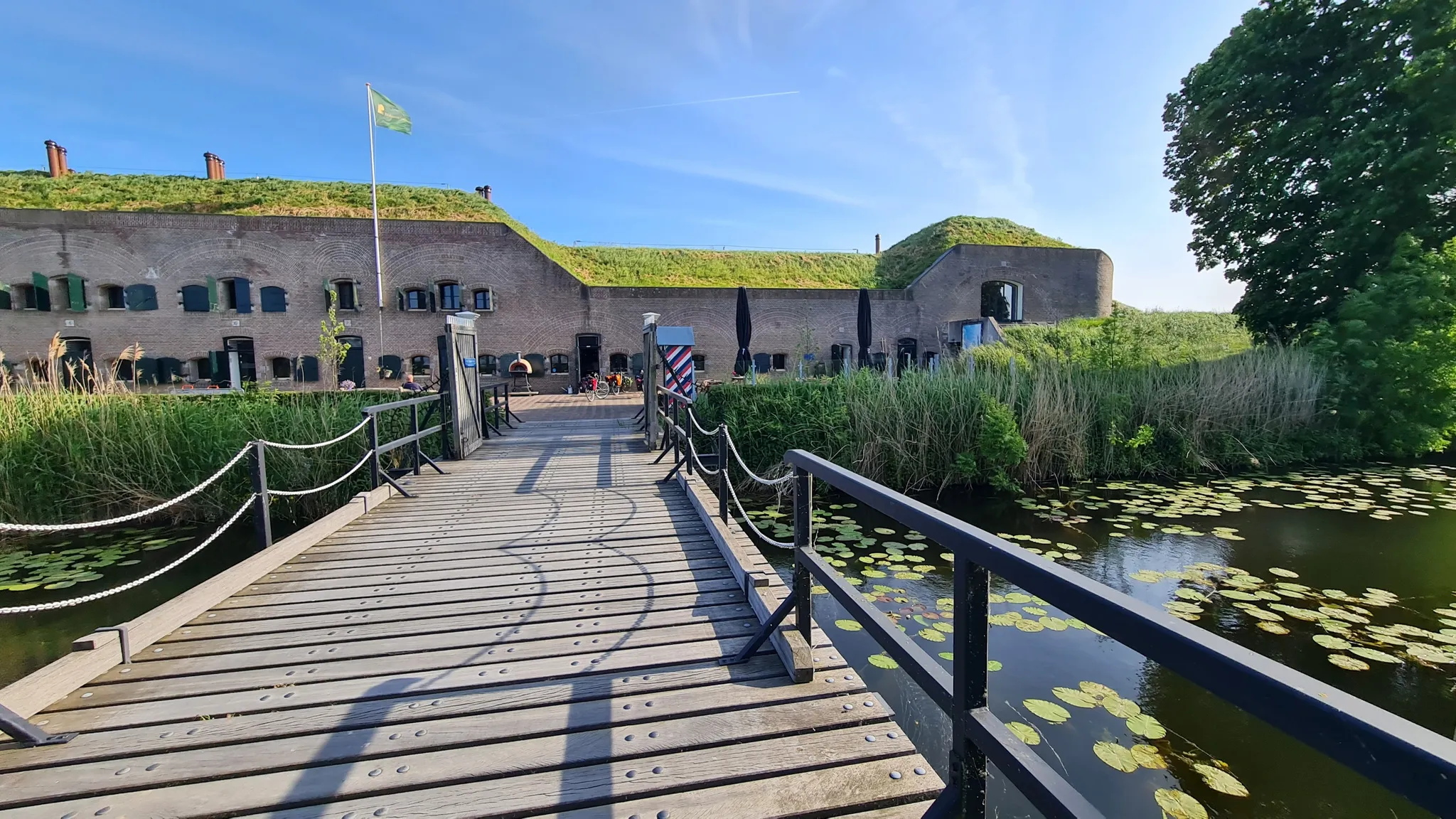
De Waterlinieroute – 8 days along forts and fortified cities
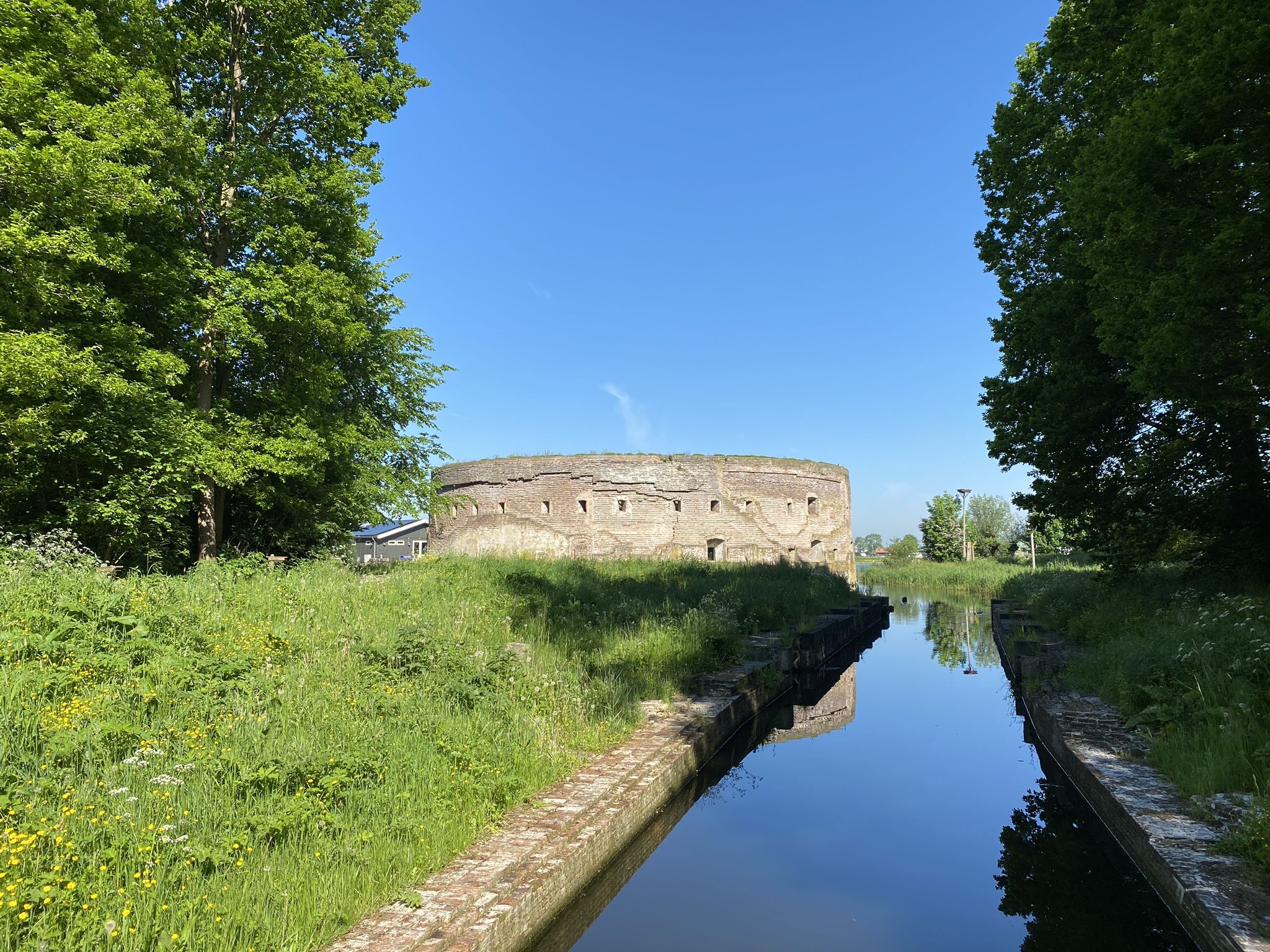
History and Nature – walking the Waterliniepad
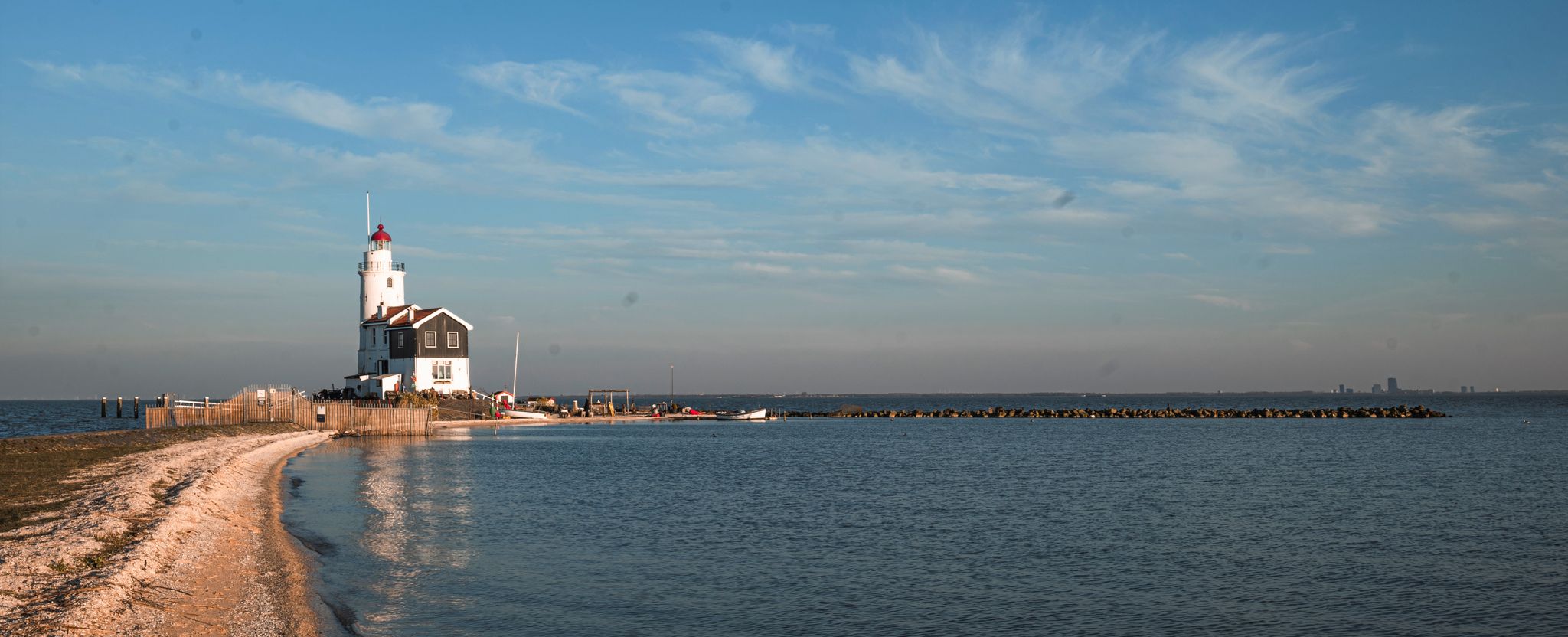
Zuiderzeepad – hike around the IJsselmeer in 28 stages
LF-routes
Cycling around Edam-Volendam
Road Cycling Routes around Edam-Volendam
Hiking around Edam-Volendam
Running Trails around Edam-Volendam
MTB Trails around Edam-Volendam
Other adventures around Edam-Volendam


Tips from the Community

IJsselmeer dike between Edam and Warder. From Wikipedia
0
0
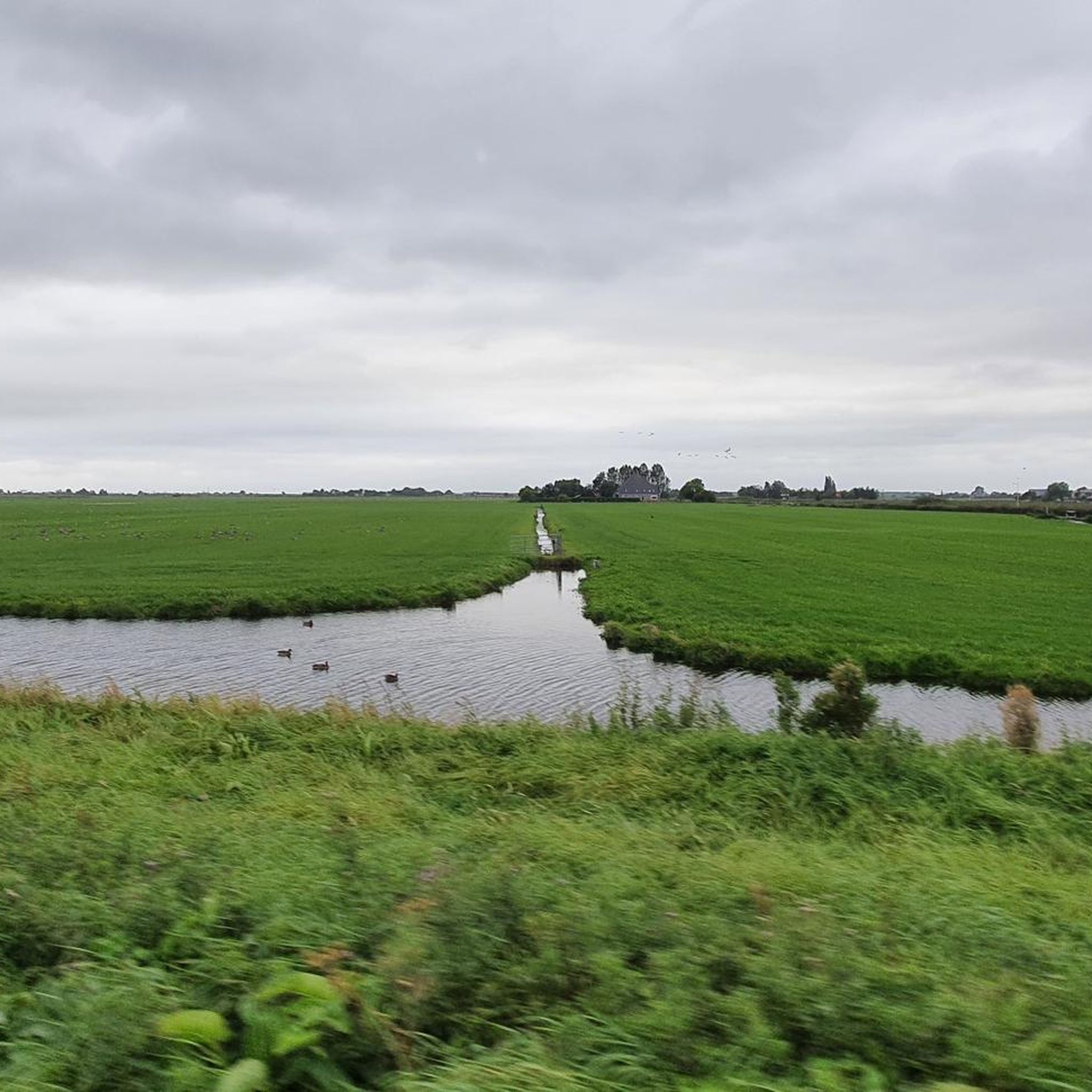
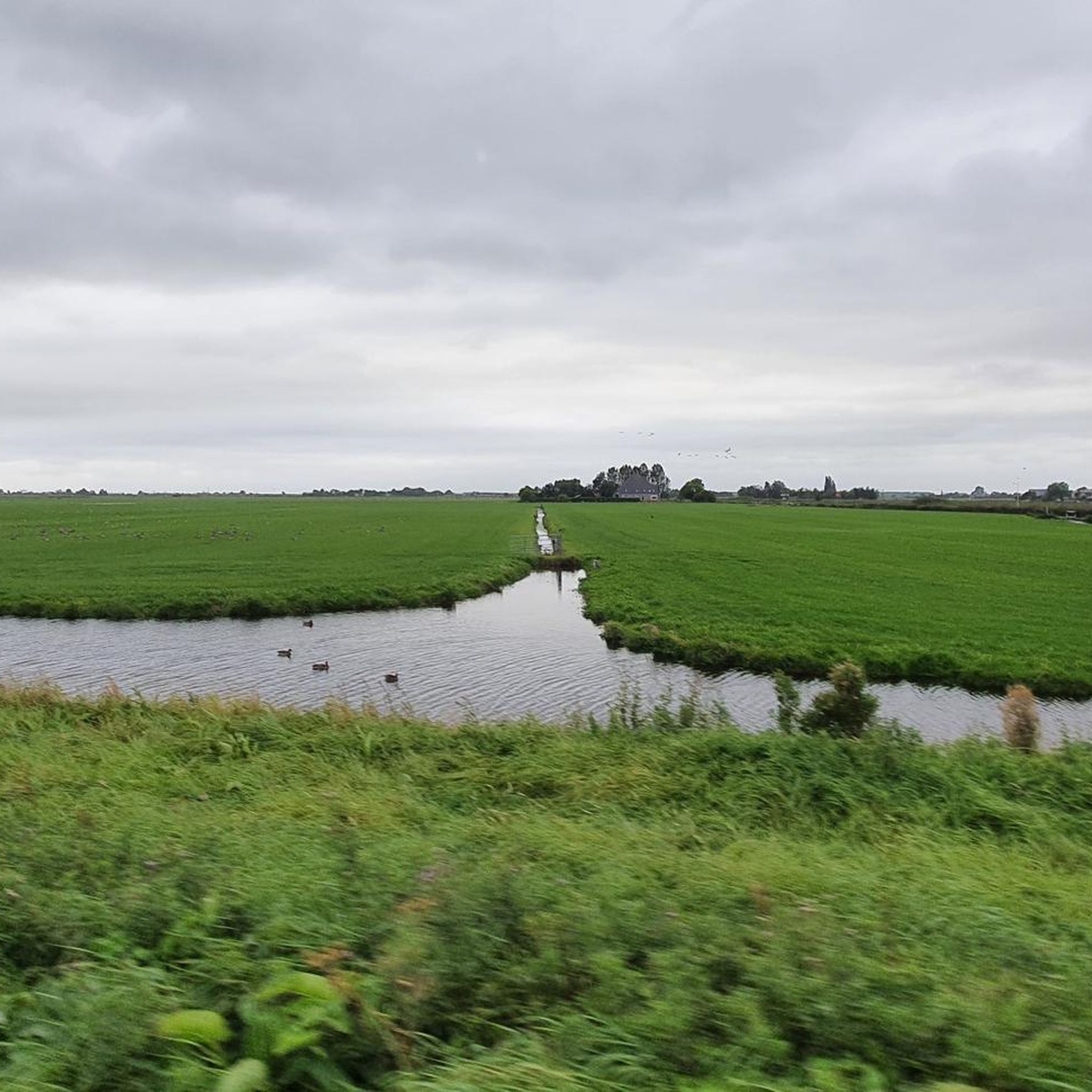
The Moordenaarsbraak is the remains of one of the many dike breaches in North Holland caused by flooding of the Zuiderzee. Between Edam and Hoorn, the IJsselmeer dike owes its winding shape to the dike breaches, which the dike was then built around. The Moordenaarsbraak probably originated in the period between 1775 and 1849.[1] The Moordenaarsbraak is a more or less circular water area, which is bordered by a reed collar. The Moordenaarsbraak has been designated as a provincial monument because it is seen as a "defining element in the North Holland Polder landscape".[2] The name Moordenaarsbraak refers to the violence of the sea, which caused people in the area to be murdered.[3] The nature reserve is managed by Staatsbosbeheer. Just south of the Moordenaarsbraak are the Groote Braak and the Kleine Braak and just north of the Zandbraak and the Hogendijkerbraak, all located within a distance of approximately 5 kilometers along the IJs
0
0


This place has long been used as a dumping ground for the municipality. Not only domestic waste was dumped, but also a lot of industrial and chemical waste, making it one of the most toxic places in the Netherlands. "To clean up the area, steel sheet piles were driven deep into the ground. The pollution was also covered and provided with a thick layer of living. As a result, the area is higher than the surroundings and you have a beautiful view over the rest of North-East. ."
0
0

“The Wave” is a memorial monument in memory of the storm surge on the night of January 13 to 14, 1916, in which 19 people (including 16 people on the then island of Marken) were killed. The monument was created by Linda Verkaaik in 2016. It is made of steel and consists of life-sized people on a boat who cry out for attention and help with outstretched arms. The sofa, which is attached to it, offers a beautiful view over the Gouwzee.
2
0

The visitor center of UNESCO world heritage Droogmakerij de Beemster. This 17th-century reclaimed land is a textbook example of how the Dutch have reclaimed large areas of land. There is a 42-kilometer-long dike around the polder, within which you will find beautiful farms in a tight, orderly pattern of meadows.
2
0
Frequently Asked Questions
What are the most popular natural monuments around Edam-Volendam?
Visitors frequently appreciate the unique blend of natural and cultural heritage. Highly regarded spots include the UNESCO World Heritage Site Beemster Polder, which showcases Dutch land reclamation, and the serene Volgermeerpolder, offering peaceful elevated views. Another favorite is the View of the Gouwzee from Monnickendam, known for its shallow, clear waters and birdwatching opportunities.
What natural features can I explore in the Edam-Volendam region?
The region is characterized by its distinctive polder landscapes, expansive meadows, and numerous waterways. You can experience the tranquility of the low-lying, reclaimed land, walk or cycle along coastal paths and dykes offering panoramic views of Lake IJsselmeer and Markermeer Lake, and explore the charming canals that crisscross the towns and surrounding areas.
Are there family-friendly natural areas to visit in Edam-Volendam?
Yes, several natural areas are suitable for families. The UNESCO World Heritage Site Beemster Polder is a great example, offering open spaces for exploration. The View of the Gouwzee from Monnickendam is also family-friendly, providing a scenic spot for picnics and enjoying the water. Many polder landscapes and coastal paths are ideal for leisurely walks or bike rides with children.
What outdoor activities can I do near these natural monuments?
The area around Edam-Volendam is excellent for various outdoor activities. You can enjoy extensive cycling on road bikes or mountain bikes through the polders and along the dykes. Hiking is also popular, with routes that take you through charming towns, along canals, and past scenic viewpoints. For detailed routes, check out the MTB Trails around Edam-Volendam, Road Cycling Routes around Edam-Volendam, and Hiking around Edam-Volendam guides.
Are there easy natural trails or walks in Edam-Volendam?
Absolutely. The polder landscapes and coastal paths offer many easy walking and cycling opportunities. For instance, exploring the canals in Edam or walking along De Dijk in Volendam provides a delightful and accessible experience. The Hiking around Edam-Volendam guide includes easy routes like the 'Labyrinth – Sculpture “The Fisherman” loop from Volendam'.
What is the best time to visit the natural monuments in Edam-Volendam?
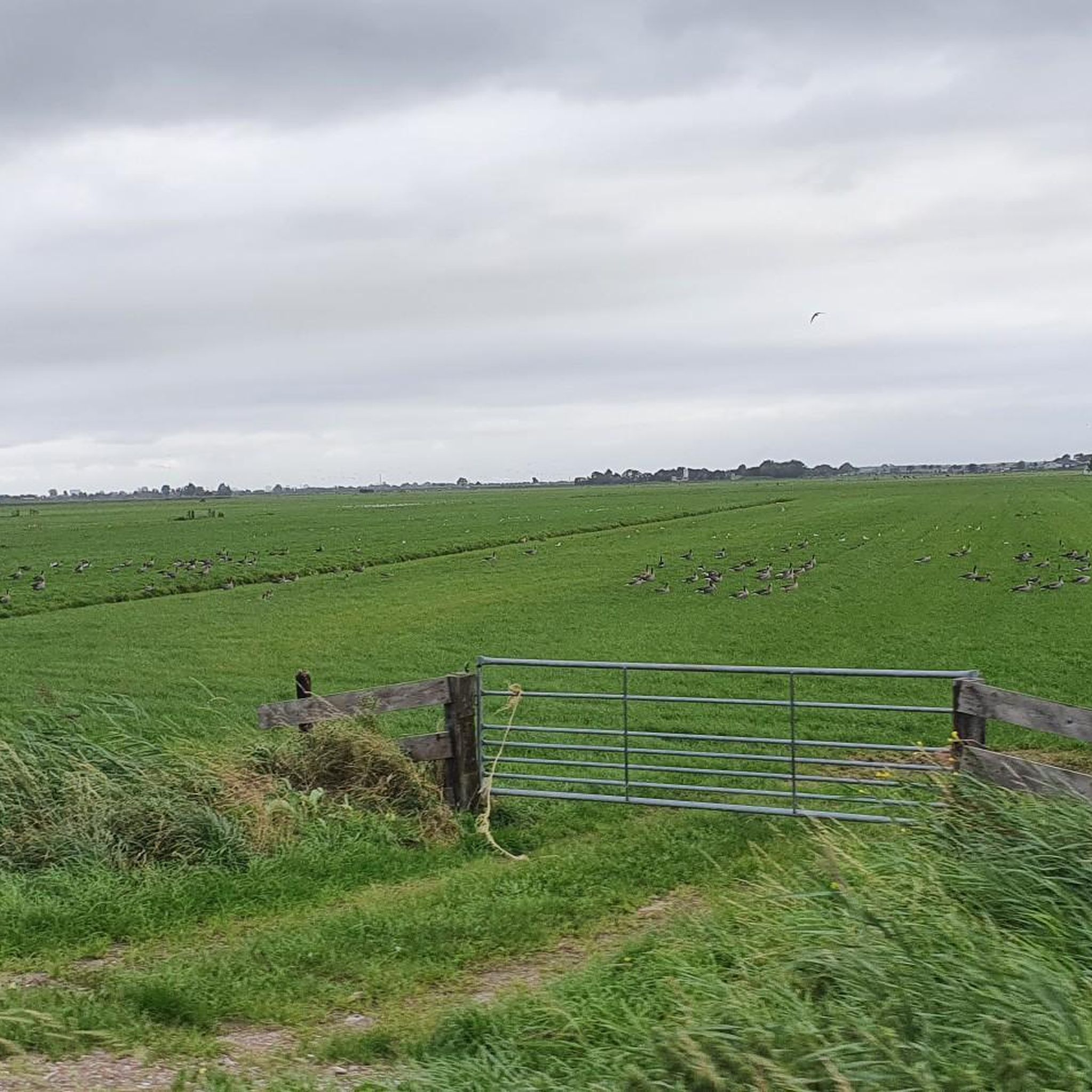
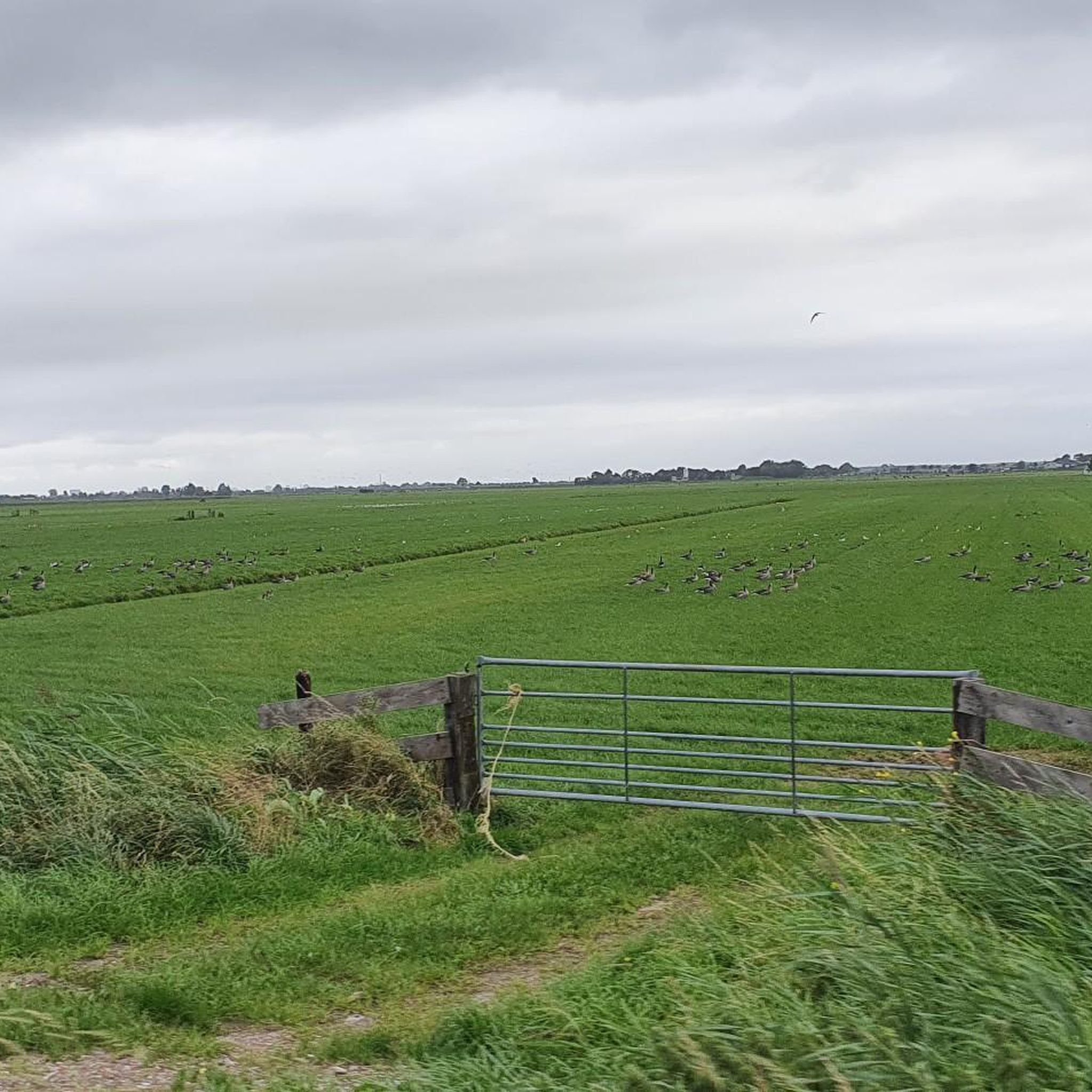
The region is beautiful year-round, but late spring to early autumn (May to September) offers the most pleasant weather for outdoor activities like cycling and walking. During late summer, the Gouwzee is particularly notable as many crowned ducks gather there before their autumn migration, making it an excellent time for birdwatching.
Are there wheelchair accessible natural areas in Edam-Volendam?
While many natural paths might be unpaved, the Memorial monument “The Wave” (flood disaster) is noted as wheelchair accessible and offers a beautiful view over the Gouwzee. Many dykes and paved coastal paths also provide accessible options for enjoying the scenery.
What cultural or historic sites are integrated with the natural landscape?
The region seamlessly blends natural beauty with rich history. The UNESCO World Heritage Site Beemster Polder is a prime example, showcasing 17th-century land reclamation. The historic Doolhof in Volendam, with its maze-like streets and traditional wooden houses, reflects the unique development of a fishing village intimately linked to its watery surroundings. The Marken Lighthouse, though man-made, stands in a naturally scenic coastal environment, offering a cultural-natural fusion.
Can I find cafes or amenities near these natural monuments?
Yes, the towns of Edam, Volendam, and Monnickendam, which are often close to or integrated with these natural areas, offer various cafes, restaurants, and shops. For example, after exploring the polders or coastal paths, you can easily find places to relax and refuel in these charming Dutch villages.
What do visitors enjoy most about Edam-Volendam's natural areas?
Visitors consistently praise the tranquility and peacefulness of the polder landscapes, the beautiful views from the dykes and viewpoints like the View of the Gouwzee from Monnickendam, and the unique blend of nature with Dutch cultural heritage. The opportunities for cycling and walking through serene countryside and observing local wildlife, especially birds, are also highly valued.
Are there specific hiking routes to explore the natural monuments?
Yes, there are several hiking routes that allow you to discover the natural beauty. For instance, you can take a moderate 10 km loop from Volendam to the Edam Lock and the Canals of Edam. Another option is the 3.6 km easy 'Labyrinth – Sculpture “The Fisherman” loop from Volendam' which takes you through the historic Doolhof area. More options are available in the Hiking around Edam-Volendam guide.
Can I cycle along the coastal paths and dykes?
Absolutely. The extensive network of dykes and coastal paths along Lake IJsselmeer and Markermeer Lake is perfect for cycling. These routes offer breathtaking panoramic vistas of the water and surrounding towns. You can find various cycling routes, including road cycling and mountain biking options, in the Road Cycling Routes around Edam-Volendam and MTB Trails around Edam-Volendam guides.
Most popular attractions around Edam-Volendam

Get inspired with the komoot mobile app


Explore more
Extend your search for the best caves by checking out these guides of the top ones around Edam-Volendam:
