Top 20 Natural Monuments around Vila Real De Santo António
Best natural monuments around Vila Real De Santo António include diverse landscapes shaped by the Guadiana River and the Atlantic coast. This eastern Algarve region features extensive marshlands, coastal dune forests, and pristine beaches. The area is characterized by its unique ecosystems, historical salt production, and significant birdlife, offering a blend of natural beauty and ecological importance.
Best natural monuments around Vila Real De Santo António
- The most popular natural monuments is Ilha de Cabanas de Tavira Beach, a…
Last updated: October 9, 2026
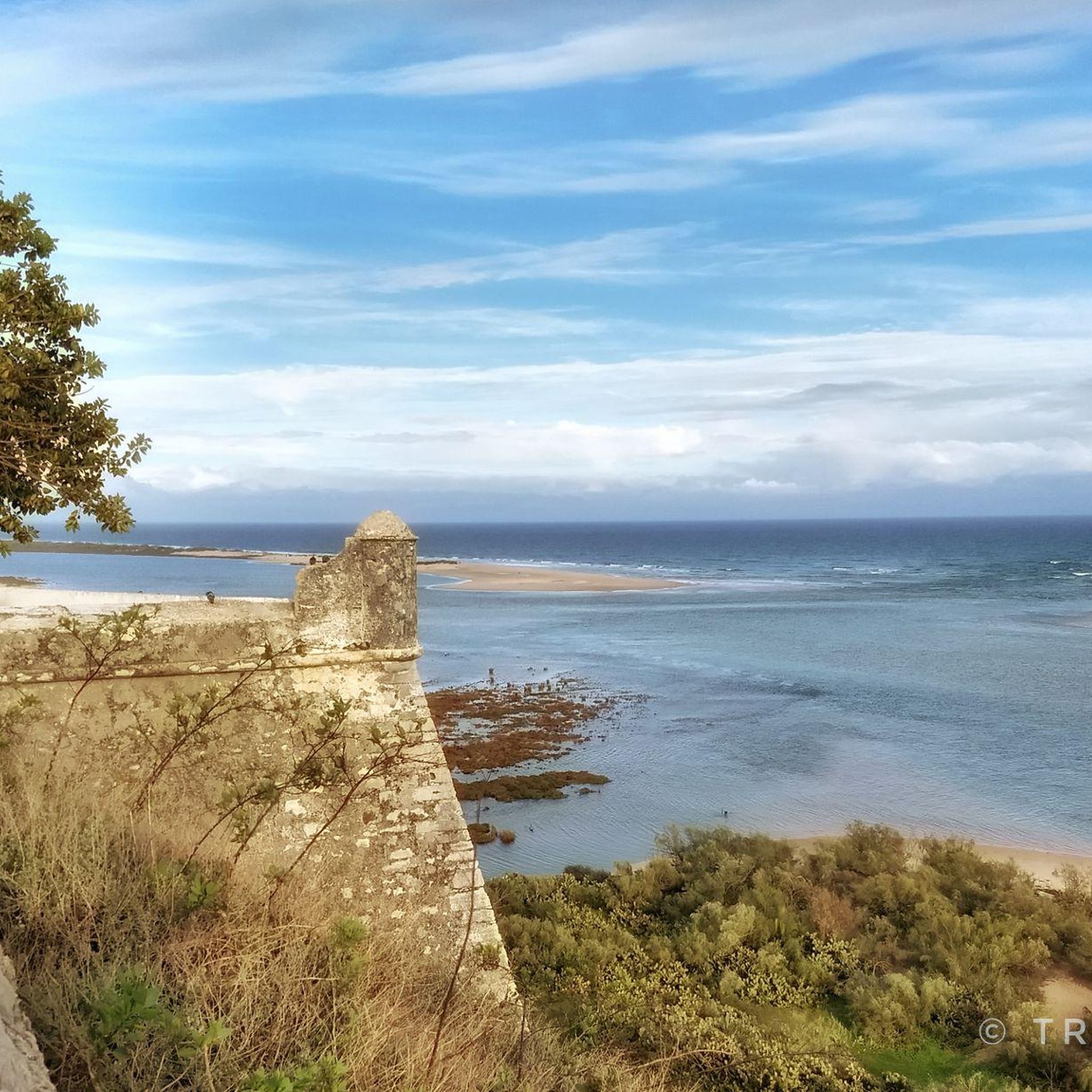
Castelo de Tavira Gardens
Highlight • Castle
Translated by Google •
Tip by

Ilha de Cabanas de Tavira Beach
Highlight • Beach
Cabanas is home to many cafes, restaurants and holiday apartments along the …
Translated by Google •
Tip by

Sign up now to discover places like this
Get recommendations on the best single tracks, peaks, & plenty of other exciting outdoor places.
Cacela Beach
Highlight • Beach
Translated by Google •
Tip by

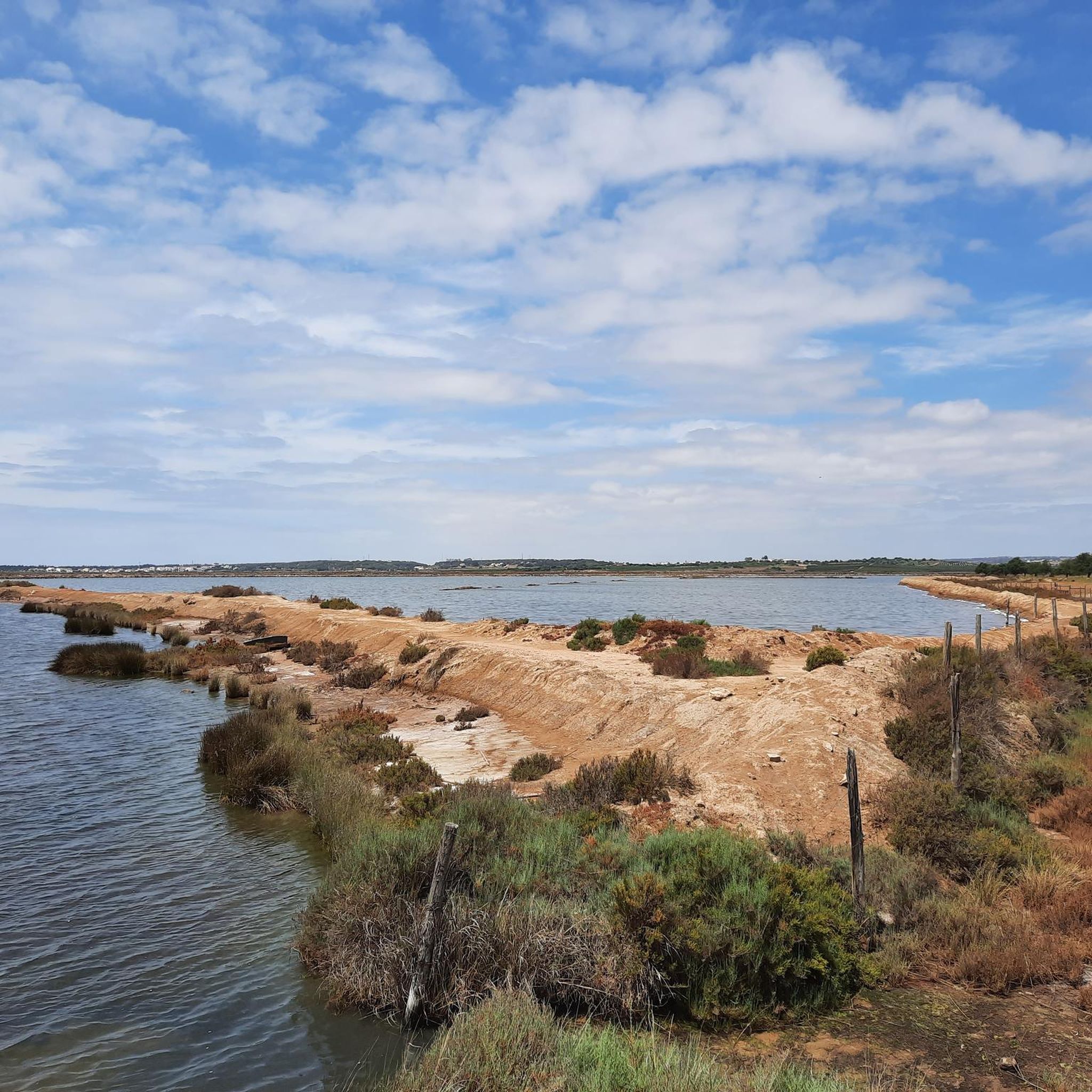
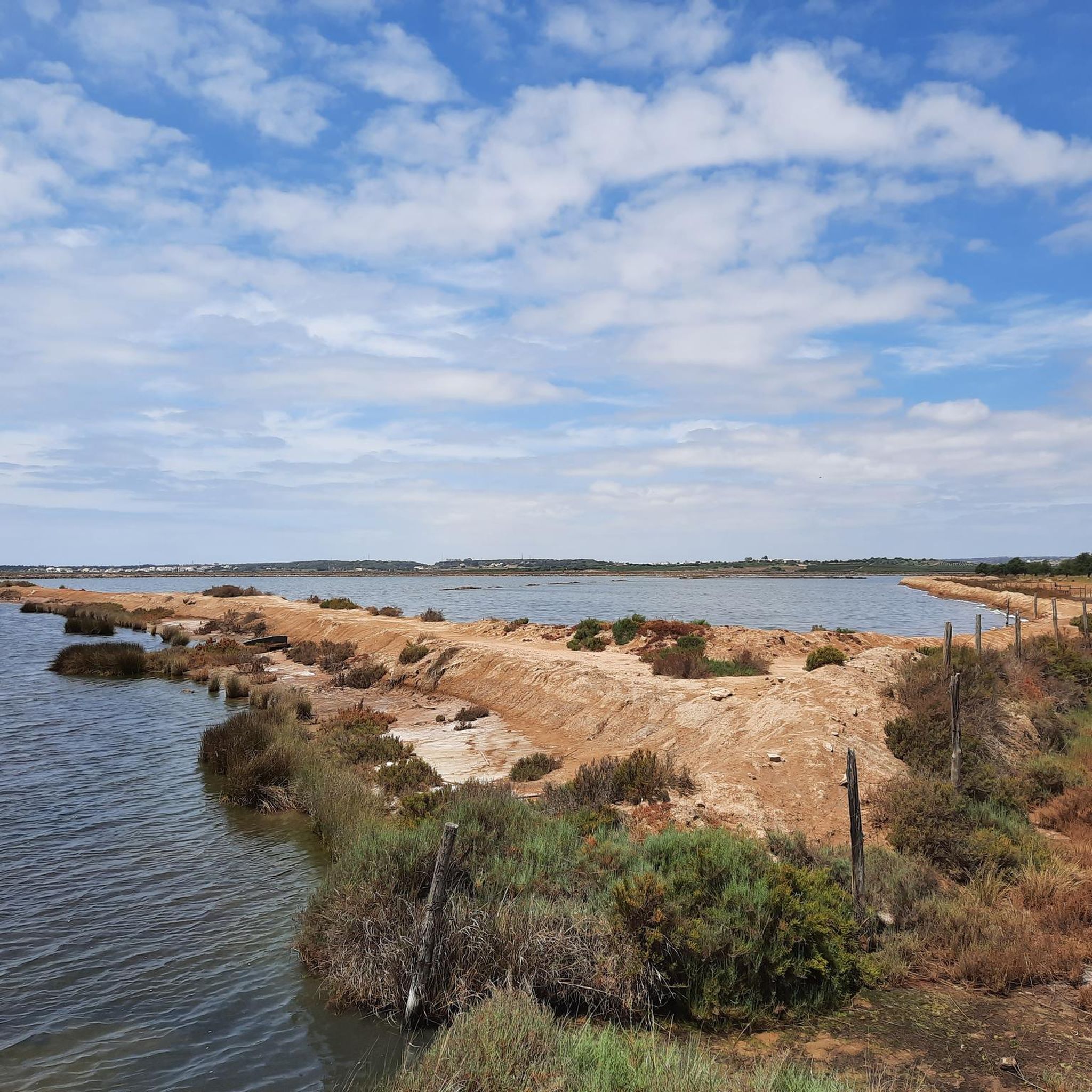
Marshes and Saltworks of Isla Cristina 🌿 Via Verde crossing
Highlight • Natural Monument
The coastal biketrail ViaVerde west to Ayamonte is good. To the East …
Tip by

Manta Rota Beach
Highlight • Beach
Translated by Google •
Tip by

Sign up for free to discover even more natural monuments around Vila Real De Santo António.
Already have an account?
Start today with a free account
Your next adventure awaits.
Popular around Vila Real De Santo António
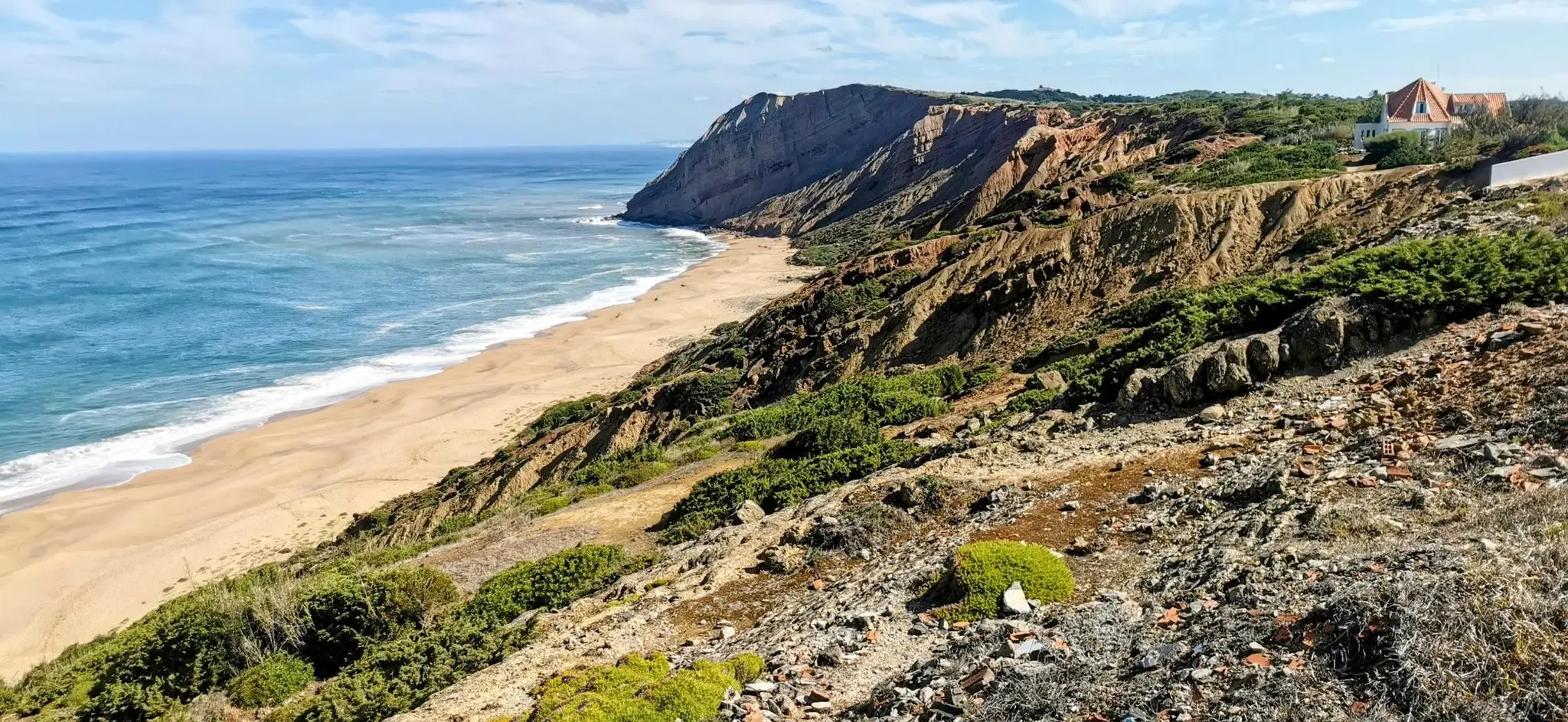
EuroVelo 1 Portugal – Cycle the Atlantic Coast
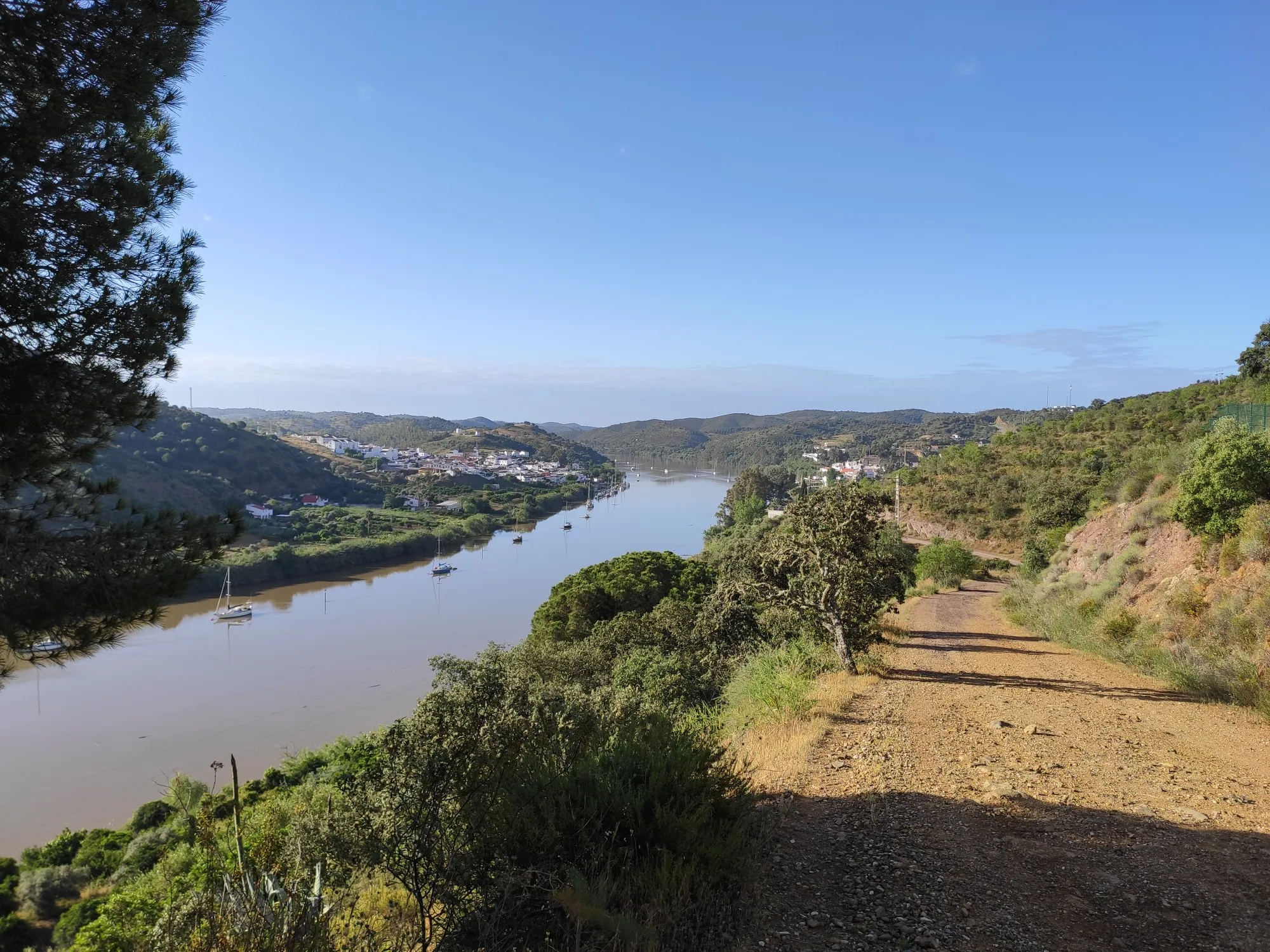
Stories of a river - Great Guadiana Route (GR 15)
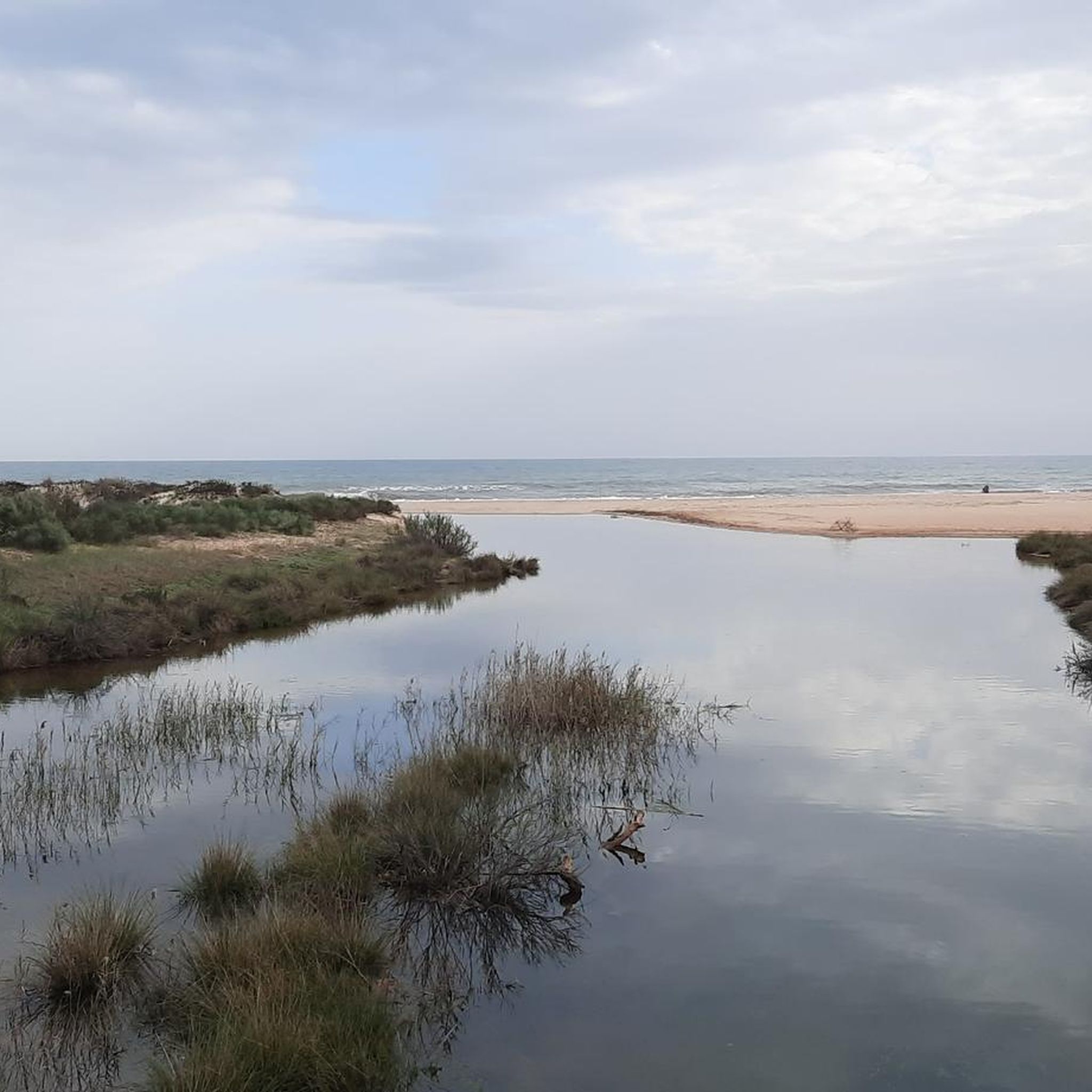
Hiking around Vila Real De Santo António
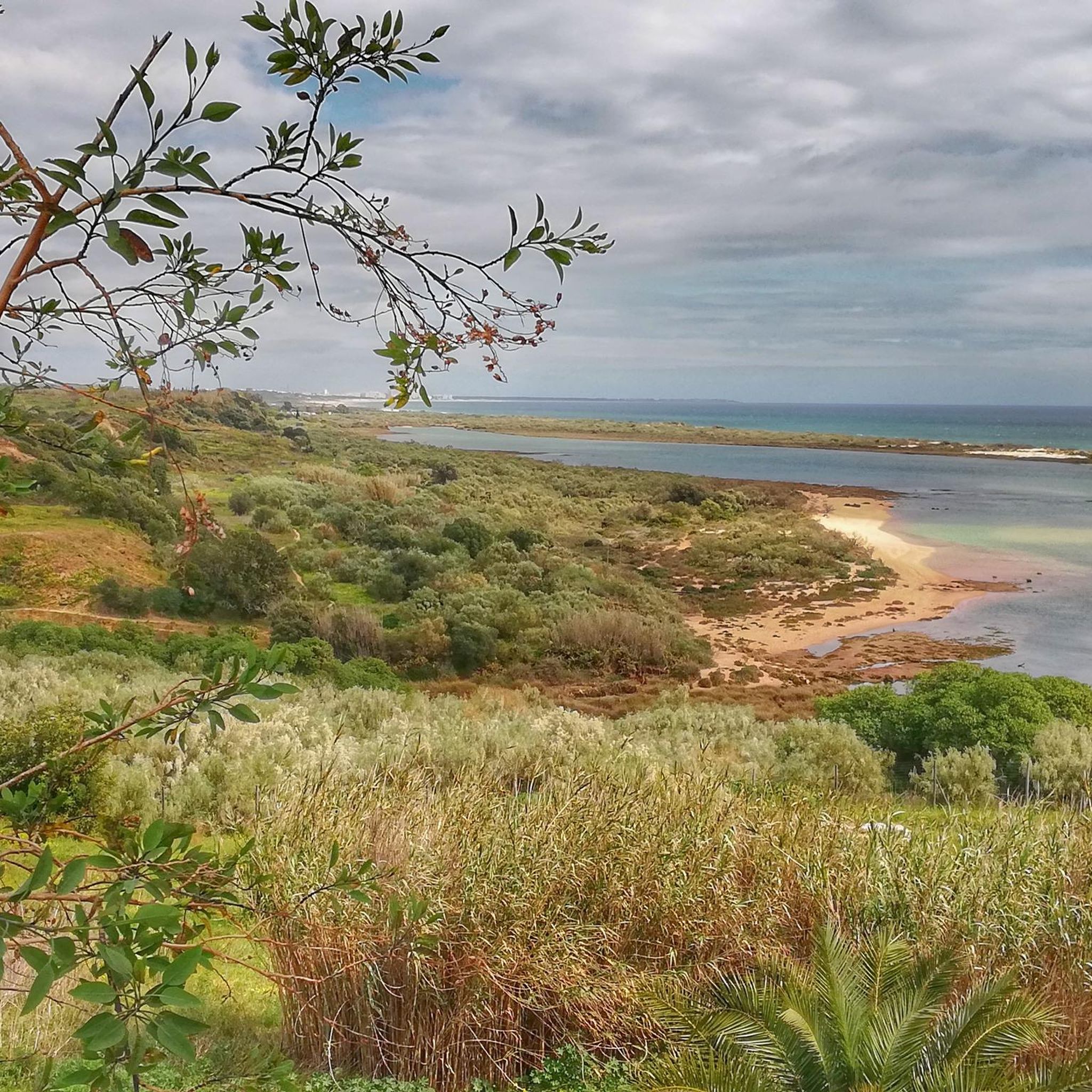
Running Trails around Vila Real De Santo António
Cycling around Vila Real De Santo António
Road Cycling Routes around Vila Real De Santo António
MTB Trails around Vila Real De Santo António
Gravel biking around Vila Real De Santo António
Other adventures around Vila Real De Santo António


Tips from the Community

The formal gardens are very pretty and there are also free public toilets there. From the battlements there are good views over Tavira.
1
0


The garden at Castelo de Tavira is beautiful. The grounds are very well-maintained and feature an interesting botanical selection. It's like being in paradise.
2
0

The medieval Castle of Tavira dominates over the mouth of the river Gilão. The settlement in the parish of Santiago has developed as an important sea port since antiquity, with its predecessors dating back to the 8th century BC, passing through the hands of Phoenicians, Greeks, Celts, Carthaginians, Romans, Moors and the Portuguese crown. Free access to the grounds.
4
0

Beautiful view over Tavira from the walls
4
1

Tavira Castle is worth a visit for its wonderful views of the town and the surrounding area, all the way to the sea. This fortified structure originally dates back to the Moorish period, between the 8th and 13th centuries. It was rebuilt after the Reconquest. King D. Diniz (1261-1325), who was defensively minded, thus included Tavira in the line of castles intended for national defense. Several sections of the defensive wall, part of the medieval palace, and an archway, the Arco da Misericórdia, remain.
3
1

The landscape is part of the Ria Farmosa. The Chameleon Trail also leads right past this charming little village. So always be careful 🤗
8
1

Parque Natural da Ria Farmosa You can walk for miles along the beach from Tavira to Fábricia. From there you can take a small boat to the town for €1.50. The beach is almost deserted for early June. Small and large shells line the path, in my opinion one of the most beautiful beaches in Europe.
6
1
Frequently Asked Questions
What are some unique natural monuments to explore in the Vila Real de Santo António region?
The region offers a diverse range of natural monuments. You can explore the Ilha de Cabanas de Tavira Beach, known for its extensive sandy stretch and dunes, or the serene Manta Rota Beach with its wide, shallow waters. Further inland, the Reserva Natural do Sapal de Castro Marim e Vila Real de Santo António provides a unique wetland ecosystem with salt pans and abundant birdlife. Don't miss the tranquil pine forests of Mata Nacional das Dunas Litorais, which lead to secluded coastal areas.
What kind of natural features can I expect to see around Vila Real de Santo António?
You'll encounter a rich variety of natural features. The region is characterized by extensive marshlands and salt pans, particularly within the Reserva Natural do Sapal de Castro Marim e Vila Real de Santo António. There are also vast coastal dune forests, such as the Mata Nacional das Dunas Litorais, and pristine sandy beaches like Praia Verde and Cacela Beach, which is part of the Ria Formosa Natural Park. You can also find viewpoints offering panoramic vistas of these landscapes, including from the historic Castelo de Tavira Gardens.
Are there family-friendly natural attractions in Vila Real de Santo António?
Yes, several natural monuments are ideal for families. Ilha de Cabanas de Tavira Beach and Manta Rota Beach are both noted for their calm, shallow waters, making them safe for children. Praia Verde also offers a relaxed atmosphere with soft sand and warm waters. The Mata Nacional das Dunas Litorais provides shaded walking paths perfect for family strolls, and the Castelo de Tavira Gardens offer a pleasant outing with views.
What outdoor activities can I do near the natural monuments in Vila Real de Santo António?
The region is excellent for various outdoor activities. You can enjoy birdwatching in the Reserva Natural do Sapal de Castro Marim e Vila Real de Santo António, or take peaceful walks and bike rides through the Mata Nacional das Dunas Litorais. For more structured adventures, there are numerous routes available. You can find options for hiking, mountain biking, and road cycling that explore the diverse landscapes around Vila Real de Santo António.
What is the best time to visit the natural monuments in Vila Real de Santo António?
The best time to visit depends on your interests. For birdwatching, especially to see flamingos and other migratory birds, the cooler months from November to March are ideal in areas like the Reserva Natural do Sapal de Castro Marim e Vila Real de Santo António. For beach activities and enjoying the coastal areas like Praia Verde, the warmer months from late spring to early autumn (May to October) are most pleasant. Generally, spring and autumn offer comfortable temperatures for hiking and cycling without the peak summer heat.
Are there any historical or cultural sites integrated with the natural monuments?
Yes, the region beautifully blends natural beauty with historical elements. The Reserva Natural do Sapal de Castro Marim e Vila Real de Santo António features traditional salt pans where artisanal salt production continues, reflecting a long-standing local industry. Nearby, Castro Marim Castle offers panoramic views of the reserve. Additionally, the charming village of Cacela Velha, perched on a cliff, provides stunning views of the Ria Formosa Natural Park and is a historical gem in itself, with its nearby pristine Cacela Beach.
Where can I go for wildlife spotting near Vila Real de Santo António?
The Reserva Natural do Sapal de Castro Marim e Vila Real de Santo António is a prime location for wildlife spotting, particularly for birdlife. It's a vital wetland for species such as flamingos, white storks, avocets, and black-winged stilts. You might also spot flamingos in the saltwater marsh of Tavira. The Mata Nacional das Dunas Litorais is home to the elusive Mediterranean chameleon, offering a different kind of wildlife encounter.
Are there easy walks or trails suitable for all fitness levels?
Yes, there are several easy options. The Mata Nacional das Dunas Litorais offers tranquil, shaded walking paths and a bike path called Caminho dos Três Pauzinhos, which are generally flat and easy. Within the Reserva Natural do Sapal de Castro Marim e Vila Real de Santo António, there are trails winding through the salt pans suitable for walking and cycling. For specific easy hiking routes, you can explore options like the 'Mata de VRSA + Saúde Trail' or 'Quintas de Cacela Trail (PR2)' listed in the hiking guide for the area.
What do visitors enjoy most about the natural monuments in this region?
Visitors frequently praise the tranquility and natural beauty. Many appreciate the peaceful escape from crowded areas, especially on beaches like Praia Verde and Manta Rota Beach. The unique ecosystem of the marshlands, with its diverse birdlife and traditional salt pans, is also a highlight. The panoramic views from places like Cacela Velha and the Castelo de Tavira Gardens are also highly valued.
Can I find viewpoints to get a good overview of the natural landscapes?
Absolutely. The historic village of Cacela Velha, perched on a cliff, offers breathtaking panoramic views of the Ria Formosa Natural Park and the Atlantic Ocean. The Castelo de Tavira Gardens also provide excellent views of the old town and surrounding areas. Additionally, within the Reserva Natural do Sapal de Castro Marim, the Castro Marim Castle offers commanding views over the marshlands and salt pans.
Are there any natural monuments that are particularly good for photography?
Many locations offer fantastic photographic opportunities. The dramatic landscapes of the Reserva Natural do Sapal de Castro Marim e Vila Real de Santo António, with its salt pans and diverse birdlife, are very photogenic, especially at sunrise or sunset. The pristine sands and clear waters of Praia Verde and Cacela Beach, backed by dunes and pine trees, also make for stunning shots. The views from Cacela Velha over the Ria Formosa are particularly captivating.
What should I bring when visiting the natural monuments, especially for hiking or birdwatching?
For hiking and birdwatching, it's advisable to bring comfortable walking shoes, water, sun protection (hat, sunscreen), and binoculars for bird spotting. If you plan to visit the beaches, swimwear and a towel are essential. For the marshlands, insect repellent can be useful, especially during warmer months. Always check the weather forecast and dress in layers, as coastal conditions can change.
Most popular routes around Vila Real De Santo António
Most popular attractions around Vila Real De Santo António

Get inspired with the komoot mobile app


Explore more
Extend your search for the best caves by checking out these guides of the top ones around Vila Real De Santo António:
