Top 20 Natural Monuments around Cans-Et-Cévennes
Best natural monuments around Cans-Et-Cévennes are found within a region recognized for its natural beauty and geological features. Cans-et-Cévennes is located in the Lozère department of southern France, offering access to the broader Cévennes region, a UNESCO World Heritage Site. This area is characterized by diverse natural environments, including deep canyons, high plateaus, and unique rock formations. The landscape provides opportunities to observe ancient geological processes and evidence of prehistoric life.
Best natural monuments around Cans-Et-Cévennes
- The most popular natural…
Last updated: May 26, 2026
Tarn Bridge
Highlight • Bridge
Translated by Google •
Tip by

Dolmen at Col de la Pierre Plate
Highlight • Mountain Pass
His chamber, covered by a large slab and open towards the east, is three …
Translated by Google •
Tip by

Sign up now to discover places like this
Get recommendations on the best single tracks, peaks, & plenty of other exciting outdoor places.
Sign up for free
Blajoux fairy chimneys
Highlight • Natural Monument
Translated by Google •
Tip by
La Can de l’Hospitalet
Highlight (Segment) • Viewpoint
Translated by Google •
Tip by

Chaos de Nîmes-le-Vieux
Highlight • Natural Monument
Translated by Google •
Tip by
Sign up for free to discover even more natural monuments around Cans-Et-Cévennes.
Sign up for free
Already have an account?
Start today with a free account
Your next adventure awaits.
Login or Signup
Popular around Cans-Et-Cévennes
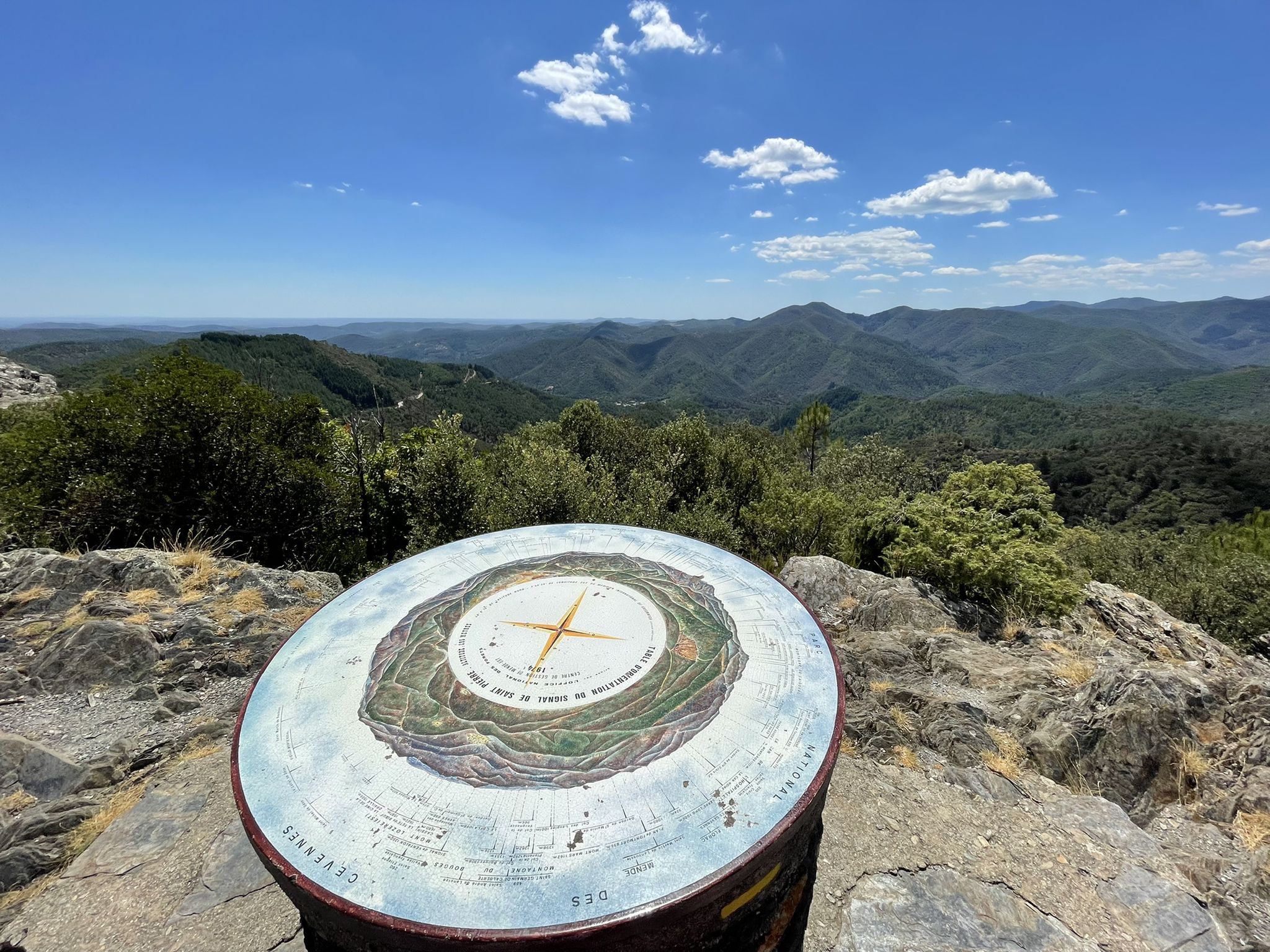
Hike through the Cévennes valleys in France – Chemin Camisard
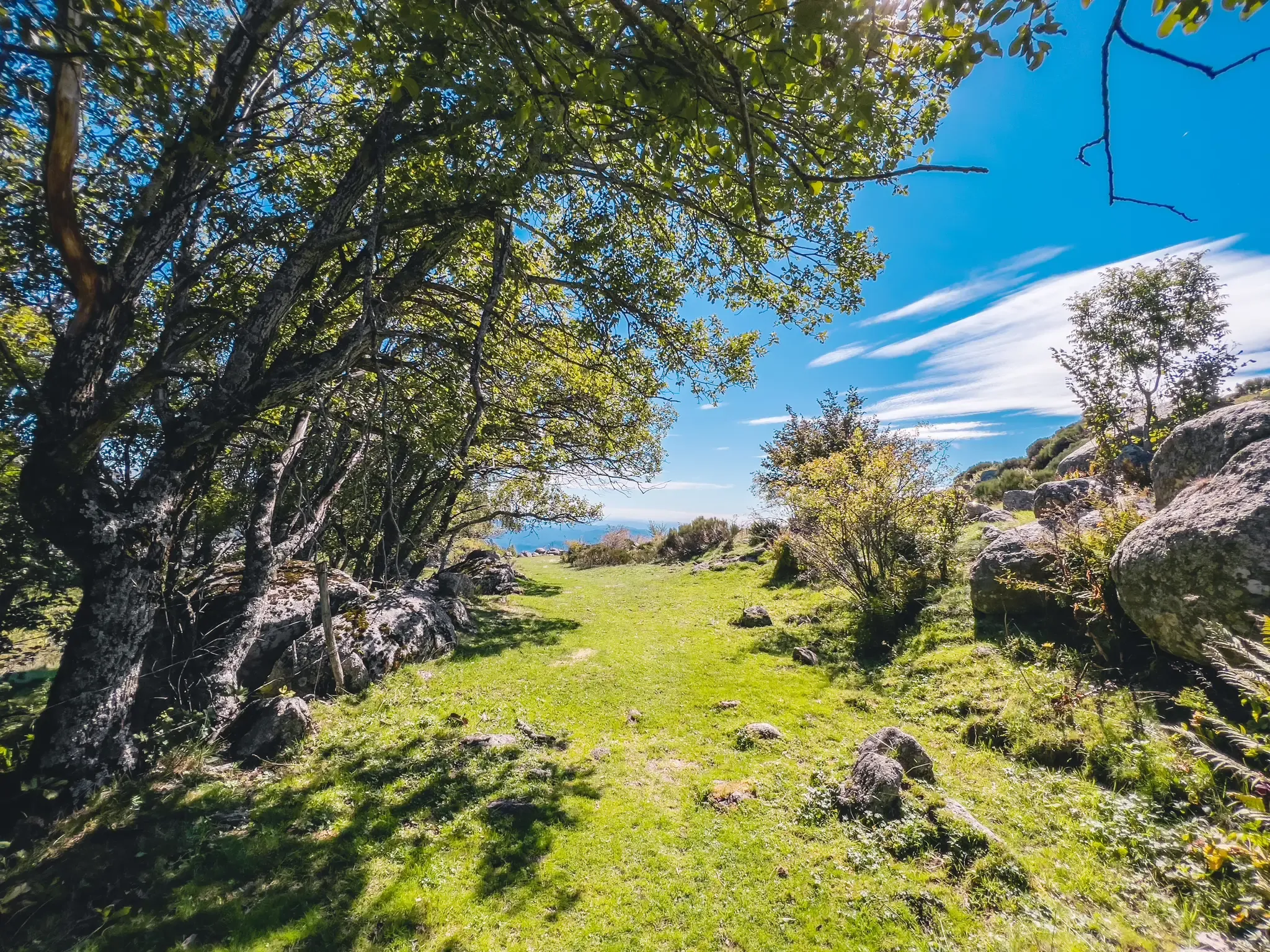
UNESCO landscapes and unique biodiversity – around Mont Lozère
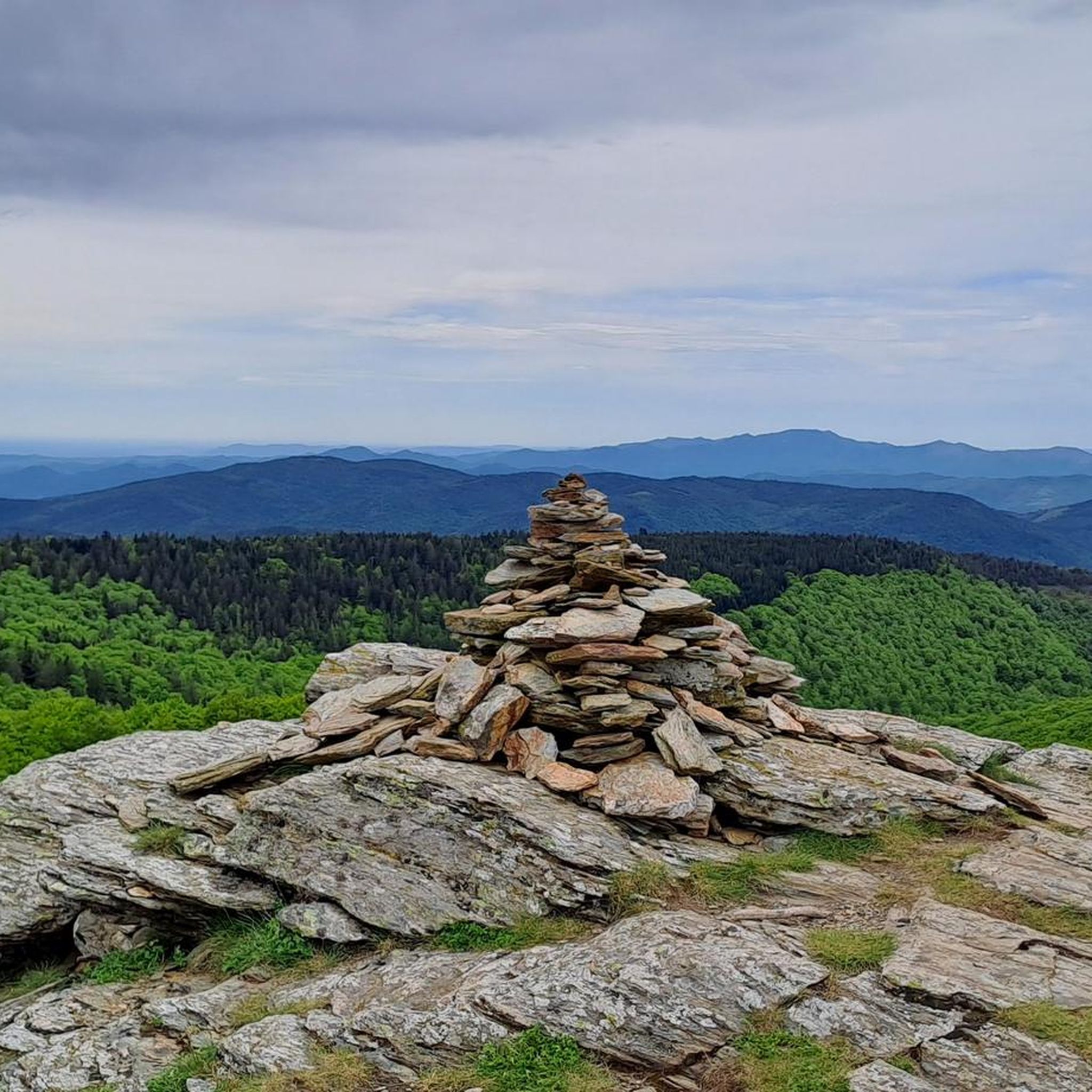
Cycling around Cans-Et-Cévennes
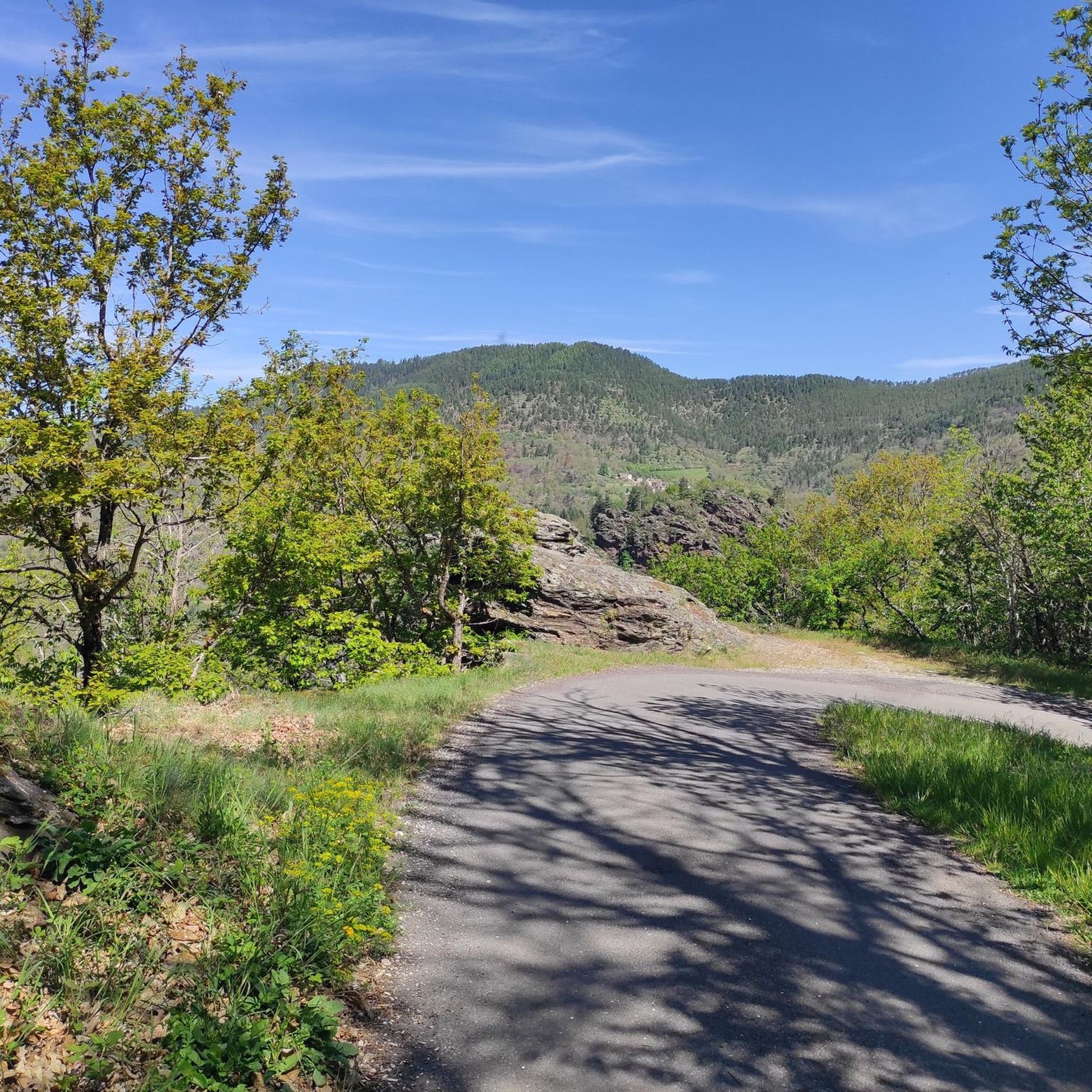
Hiking around Cans-Et-Cévennes
MTB Trails around Cans-Et-Cévennes
Road Cycling Routes around Cans-Et-Cévennes
Running Trails around Cans-Et-Cévennes
Gravel biking around Cans-Et-Cévennes


Tips from the Community


Wonderful old bridge over the Tarn. You then peacefully follow the Tarn.
0
0

bridge over the Tarn ideal for a break / picnic
0
0

The Tarn bridge is a Roman work where it is good to swim. Here, the Tarn flows in the middle of large granite blocks very typical of the Cévennes. All you have to do is lean against the shade of one of these large granite balls, your legs stretched out in the water. The ideal break!
1
0
Unfortunately, hikers are not welcome there. The path was blocked every 20-30 meters with branches laid across it, which were obviously placed there specially. Our hike came to an abrupt end in front of a sheep fence that was stretched across the path. Meanwhile, someone had left a large dog mess in front of the driver's door of our car, which we had parked nearby on the edge of a small hamlet. The message was clear.
2
0

The Col de la Pierre Plate, at an altitude of 1016m, obviously owes its name to the dolmen whose enormous megalith that crowns it has a perfectly flat shape.
0
0
The Can de l'Hospitalet is a plateau separated from the Causse Méjean by the Tarnon. It offers magnificent views of the Cévennes. Its highest point, the Serre de Montgros, culminates at an altitude of 1,111m.
0
0
Frequently Asked Questions
What unique geological features can I explore around Cans-et-Cévennes?
The region offers a variety of striking geological formations. You can visit the Blajoux fairy chimneys, which provide splendid views of the Tarn gorges. Another remarkable site is the Chaos de Nîmes-le-Vieux, a 'limestone forest' of hundreds of sculpted dolomitic rocks on the Causse Méjean. Further afield, the Cirque de Navacelles is an extraordinary natural amphitheater formed by the Vis River, and the Gorges du Tarn features impressive limestone cliffs carved by the Tarn River.
Are there any historical or cultural natural monuments in the area?
Yes, the area blends natural beauty with historical significance. The Tarn Bridge is a Roman work where the Tarn River flows through large granite blocks, making it a historical site and a beautiful picnic spot. You can also find the Dolmen at Col de la Pierre Plate, one of the best-preserved megalithic tombs on the Causse Méjean plateau, steeped in local legends.
Which natural monuments are suitable for families with children?
For a family-friendly experience, the Tarn Bridge is ideal for swimming and picnicking by the river. A truly unique attraction for families is the Dinosaur Footprints in Saint-Laurent-de-Trèves, where perfectly preserved, open-air dinosaur footprints allow visitors to step back in time. The site also offers an impressive panorama of the Tarnon Valley.
Where can I find panoramic views of the Cévennes landscape?
The region is rich in stunning viewpoints. La Can de l’Hospitalet offers magnificent views of the Cévennes from its plateau. The Corniche des Cévennes, a historic ridge road, provides breathtaking vistas of surrounding valleys and mountains, with notable spots like the Panorama of Pompidou. For the most extensive views, Mont Aigoual, one of the highest peaks, offers panoramas that can stretch to the Mediterranean Sea on clear days.
What outdoor activities, like hiking or cycling, can I do near these natural monuments?
The area around Cans-et-Cévennes is excellent for outdoor activities. You can find numerous hiking trails, such as the 'Barre-des-Cévennes – Rey Pass loop from Saint-Laurent-de-Trèves,' which is a moderate hike. For cycling enthusiasts, there are challenging road cycling routes like the 'Le Rozier – Mont Aigoual loop.' Mountain biking is also popular, with routes like the 'Gorges du Tarn Trail.' For more details on routes, you can explore the guides for Hiking, MTB Trails, and Road Cycling Routes around Cans-et-Cévennes.
Are there any impressive caves or underground formations to visit?
Yes, the Cévennes region boasts a fascinating underground world. Aven Armand is renowned for its glittering formations, including the tallest known stalagmite. Dargilan, often called 'the cave of a thousand colors,' is celebrated for its vibrant array of natural concretions. These caves offer a unique opportunity to explore geological wonders beneath the surface.
What is the best time of year to visit the natural monuments around Cans-et-Cévennes?
The best time to visit is generally from spring to autumn (April to October) when the weather is pleasant for outdoor activities like hiking, cycling, and exploring. Summer offers warm temperatures ideal for river activities in the Gorges du Tarn. Spring and autumn provide milder weather and beautiful seasonal colors, making them excellent for scenic drives along the Corniche des Cévennes and hiking.
Can I visit any natural monuments that feature waterfalls?
Yes, you can visit the Cascade de Runes, located on Mont Lozère. This impressive 200-foot waterfall is accessible via a short, picturesque walk. It's set amidst forests and giant granite boulders, offering a serene and beautiful setting with the powerful roar of the falls preceding its view.
What makes the Gorges du Tarn a significant natural monument?
The Gorges du Tarn is one of France's most remarkable landscapes, featuring impressive limestone cliffs carved by the Tarn River, forming one of Europe's deepest canyons. It's a protected natural site and a Special Protection Zone, home to abundant birdlife. Exploring the gorges by canoe, kayak, or paddle allows you to see the narrowest parts, known as 'Detroits,' and admire spectacular scenery and tiny medieval villages carved into the cliffs.
What are the Causses Méjean, and what can I expect to see there?
The Causses Méjean is a rugged, stepped landscape of high limestone plateaus characterized by vast open spaces and giant dolomite structures. It's recognized for its 3,000-year-old pastoral tradition and as a habitat for four rare vulture species. You can expect to see expansive terrain, ancient hamlets, and unique geological formations like the Chaos de Nîmes-le-Vieux.
Are there any natural monuments that are particularly unique or unusual?
Absolutely. The Dinosaur Footprints in Saint-Laurent-de-Trèves offer a rare glimpse into prehistoric life with perfectly preserved, open-air footprints. The Blajoux fairy chimneys are another unique geological formation. Additionally, the Cirque de Navacelles, a designated 'Grand Site de France,' is an extraordinary natural amphitheater formed by river erosion, providing breathtaking views over one of Europe's deepest canyons.
Most popular routes around Cans-Et-Cévennes
Most popular attractions around Cans-Et-Cévennes

Get inspired with the komoot mobile app


Explore more
Extend your search for the best caves by checking out these guides of the top ones around Cans-Et-Cévennes:
