The best traffic-free bike rides around Cans-Et-Cévennes
4.4
(139)
3,331
riders
19
rides
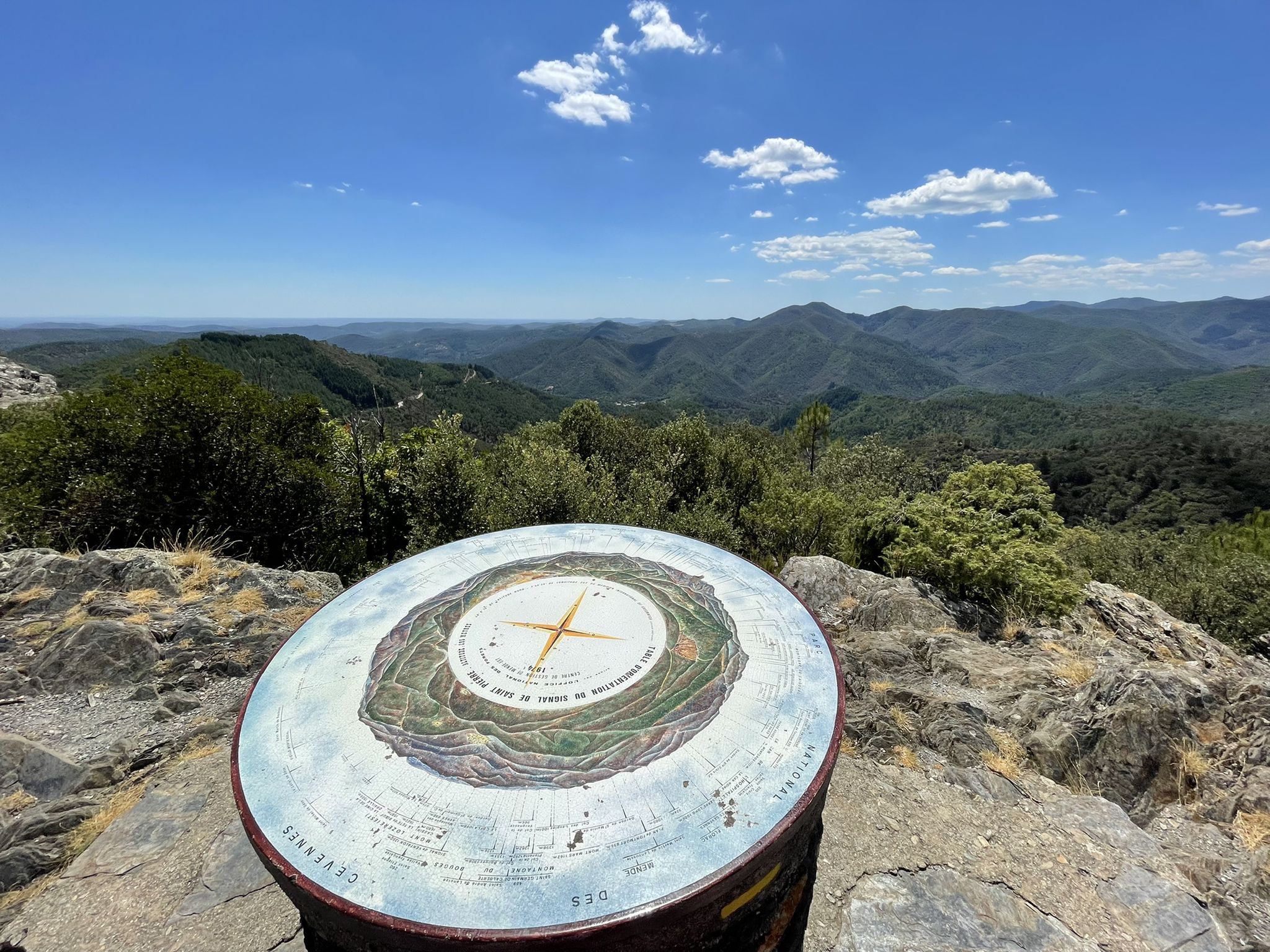
Road cycling around Cans-Et-Cévennes offers diverse and rugged landscapes, making it an exceptional destination for no traffic road cycling routes. The region is characterized by mountainous terrain, deep river gorges, extensive forests, and winding roads that provide constantly changing elevations. High limestone plateaus, reaching up to 1000 meters, present contrasting landscapes, while turquoise rivers and mountain streams meander through picturesque hills. This area, part of the UNESCO World Heritage Site, features numerous paved passes suitable for various skill levels.
Best…
Last updated: July 20, 2026
4.5
(2)
66
riders
62.8km
03:23
1,280m
1,280m
Hard road ride. Very good fitness required. Mostly well-paved surfaces and easy to ride.
3.0
(1)
28
riders
Moderate road ride. Good fitness required. Mostly well-paved surfaces and easy to ride.

Sign up for free
3.0
(1)
24
riders
16.4km
01:06
500m
500m
Moderate road ride. Good fitness required. Some segments of this route may be unpaved and difficult to ride.
21
riders
Hard road ride. Very good fitness required. Some segments of this route may be unpaved and difficult to ride.
4.5
(4)
13
riders
Hard road ride. Very good fitness required. Mostly well-paved surfaces and easy to ride.
Get access to more routes and recommendations from other explorers.
Sign up for free
Already have an account?
Our route recommendations are based on thousands of hikes, rides, and runs completed by other people on komoot.
Start today with a free account
Your next adventure awaits.
Login or Signup




Tips from the Community


It can get very hot in summer, take enough drinks with you as there is little or nothing to buy for miles around
0
0

Incredible view of the town of Florac and the Tarn gorges
0
0

Przewalski horse Since 1990, semi-free breeding has been initiated on 300 hectares of the vast Causse Méjean, near the hamlet of Villaret. The Przewalski horse is the last wild horse; no one has ever managed to ride it regularly. The last wild animals disappeared from Mongolia in the 1970s.
0
0

Florac-Trois-Rivières is a small rural commune perched on the slopes of the Causse Méjean, at the confluence of the Tarn, Tarnon, and Mimente rivers. With a population of 2,000, it's a must-see for nature and heritage enthusiasts. Ideal for a short break or a longer stay, it offers a wide range of restaurants and accommodations. For your information, the market takes place in the town every Thursday morning from 8 a.m. to 1 p.m.
0
0

A small town at the edge of the Cévennes with plenty of resupply and accommodation options. Explore the narrow streets of its historic old centre and numerous places to enjoy a meal out.
0
0
Frequently Asked Questions
How many no-traffic road cycling routes are available in Cans-et-Cévennes?
There are 18 dedicated no-traffic road cycling routes in Cans-et-Cévennes, offering a variety of experiences for different skill levels. These routes allow you to explore the region's stunning landscapes without the distraction of heavy vehicle traffic.
What are the difficulty levels of the no-traffic road cycling routes?
The routes range from moderate to difficult, with 8 moderate and 7 difficult options. For those seeking a less strenuous ride, there are also 3 easier routes available. The mountainous terrain of the Cévennes, with its numerous paved passes, means most routes will include significant elevation changes.
Are there any challenging no-traffic road cycling routes for experienced cyclists?
Yes, experienced cyclists will find several challenging routes. For instance, the Col du Sapet and Col du Pont-sans-Eau Loop covers over 62 km with more than 1280 meters of elevation gain. Another demanding option is the Beautiful view of the Cévennes loop from Molezon, which spans over 71 km with more than 1660 meters of climbing, offering breathtaking views of the region.
What kind of terrain can I expect on these no-traffic road cycling routes?
The Cévennes region is characterized by diverse and rugged landscapes. You'll encounter winding roads through deep river gorges, extensive forests, and high limestone plateaus. Expect constantly changing elevations, with routes often featuring significant ascents and descents as you navigate the mountainous terrain.
What natural features or landmarks can I see along the no-traffic road cycling routes?
Many routes offer access to the region's remarkable natural beauty. You might pass by the dramatic cliffs and forests of the Gorges du Tarn, or experience the unique landscapes of the Causses plateaus. Notable natural monuments include the Blajoux fairy chimneys and the impressive Chaos de Nîmes-le-Vieux. You can also find scenic viewpoints like La Can de l’Hospitalet.
Are there any picturesque villages or historical sites accessible from these routes?
Yes, the region is dotted with charming villages and historical points of interest. Florac-Trois-Rivières, often called the "Venice of the Cévennes," is a popular starting point for routes like the View of the Méjean plateau – Town of Florac Trois-Rivières loop. You might also encounter historical sites such as the Le Pont-de-Montvert or the Tarn Bridge.
What is the best time of year to cycle in Cans-et-Cévennes?
The Cévennes region is generally best for cycling from spring through autumn. Spring offers lush greenery and pleasant temperatures, while autumn provides vibrant foliage. Summers can be warm, especially in the valleys, but the higher elevations offer cooler conditions. Always check local weather forecasts before heading out.
Are there any circular no-traffic road cycling routes?
Many of the routes in Cans-et-Cévennes are designed as loops, allowing you to start and finish in the same location. Examples include the Florac – Town of Florac Trois-Rivières loop from Florac and the View of the Méjean plateau – Causse Méjean Plateau loop from Florac, which are both circular and offer varied scenery.
What do other road cyclists enjoy most about cycling in Cans-et-Cévennes?
The komoot community highly rates the road cycling experience in Cans-et-Cévennes, with an average score of 4.5 stars. Reviewers often praise the region's stunning natural beauty, the challenging climbs, and the opportunity to cycle on quiet, traffic-free roads through diverse landscapes like the Cévennes National Park and the Gorges du Tarn.
Is there public transport access to the starting points of these routes?
While the region is primarily accessed by car, some larger towns like Florac may have limited public transport connections. For detailed information on bus services or train stations that might connect to the Cévennes, it's advisable to consult local transport authorities or tourist information centers in advance. Parking is generally available in the villages that serve as starting points for many routes.
Are there any services for cyclists in the Cans-et-Cévennes region?
The Cévennes region is increasingly cyclist-friendly. You can find accommodations equipped with bike repair and cleaning areas, as well as bike rental services in some areas. Charming villages along the routes often have cafes, restaurants, and local markets where you can refuel and experience local culture.
Most popular routes around Cans-Et-Cévennes
Most popular attractions around Cans-Et-Cévennes

Get inspired with the komoot mobile app


Explore more
Browse the best Road cycling routes in other regions.
