Top 9 Natural Monuments around Les Plantiers
Best natural monuments around Les Plantiers are situated within the Cévennes National Park, a UNESCO World Heritage site known for its unique geological and ecological characteristics. This region features a landscape shaped by ancient geological forces, including schistous valleys, granite uplands, and forested ridges. Visitors can explore diverse ecosystems and discover how the natural environment has influenced human culture. The area offers a wealth of natural attractions showcasing its rich natural heritage.
Best natural monuments around Les Plantiers
- The most…
Last updated: October 22, 2026
The 4000 Steps
Highlight (Segment) • Summit
In …
Translated by Google •
Tip by

Signal de Saint-Pierre Orientation Table
Highlight • Viewpoint
Translated by Google •
Tip by

Sign up now to discover places like this
Get recommendations on the best single tracks, peaks, & plenty of other exciting outdoor places.
View of the Upper Hérault Valley
Highlight • Viewpoint
Translated by Google •
Tip by

Rocky Trail in Cévennes National Park
Highlight (Segment) • Trail
Translated by Google •
Tip by

Twisted Tree on the Lique Ser Trail
Highlight (Segment) • Natural Monument
Today the path leads to Departmental 9: the Corniche …
Translated by Google •
Tip by
Sign up for free to discover even more natural monuments around Les Plantiers.
Already have an account?
Start today with a free account
Your next adventure awaits.

Tips from the Community


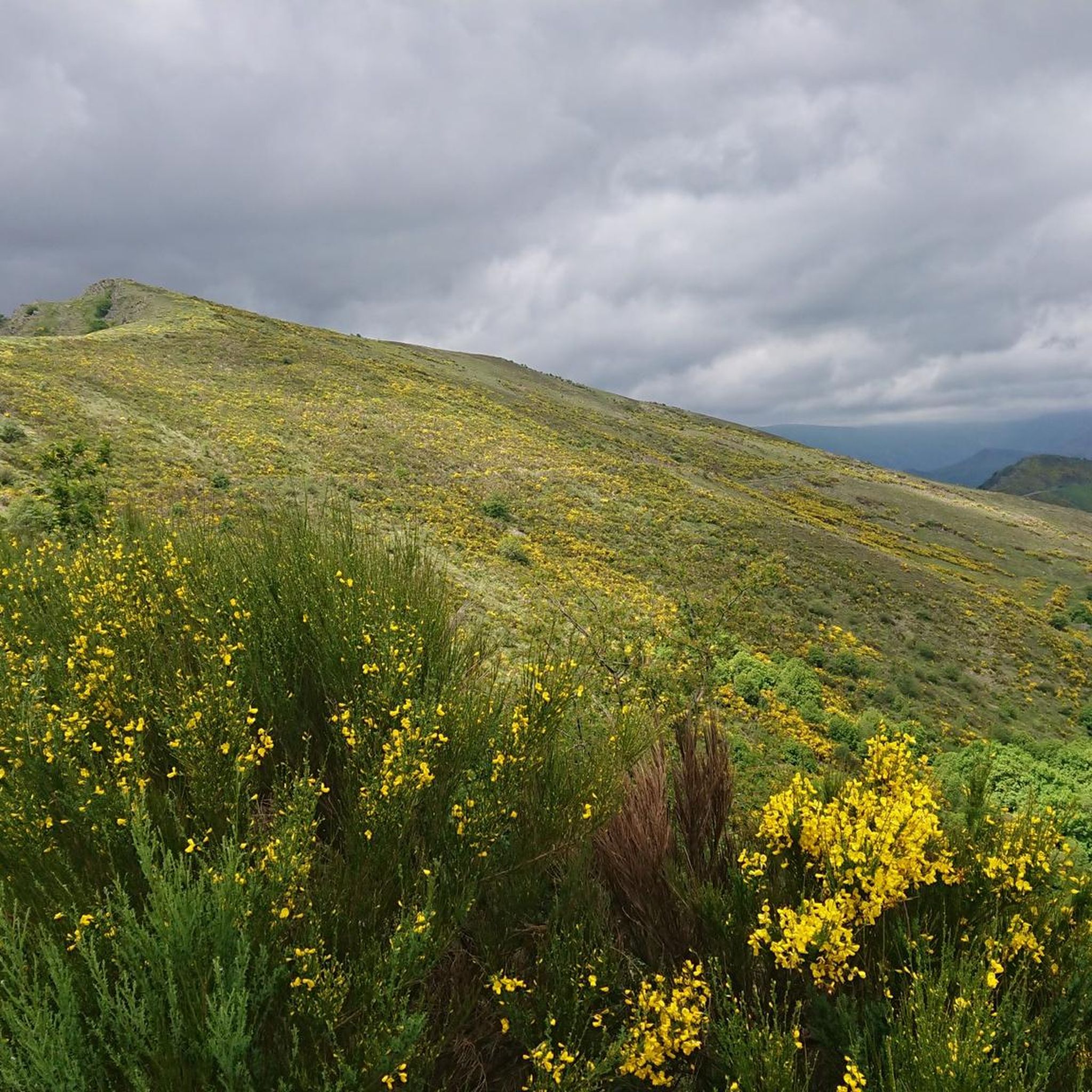
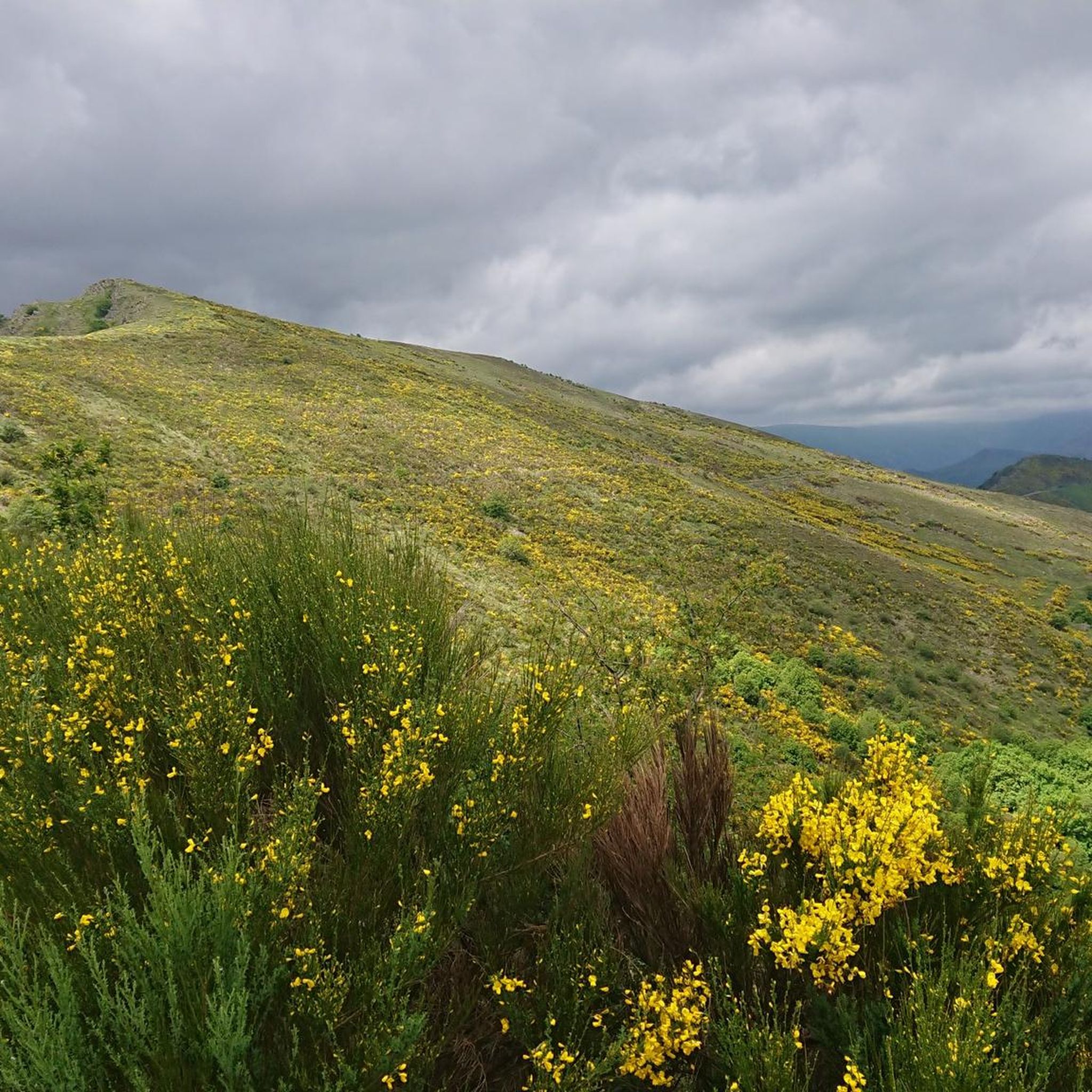
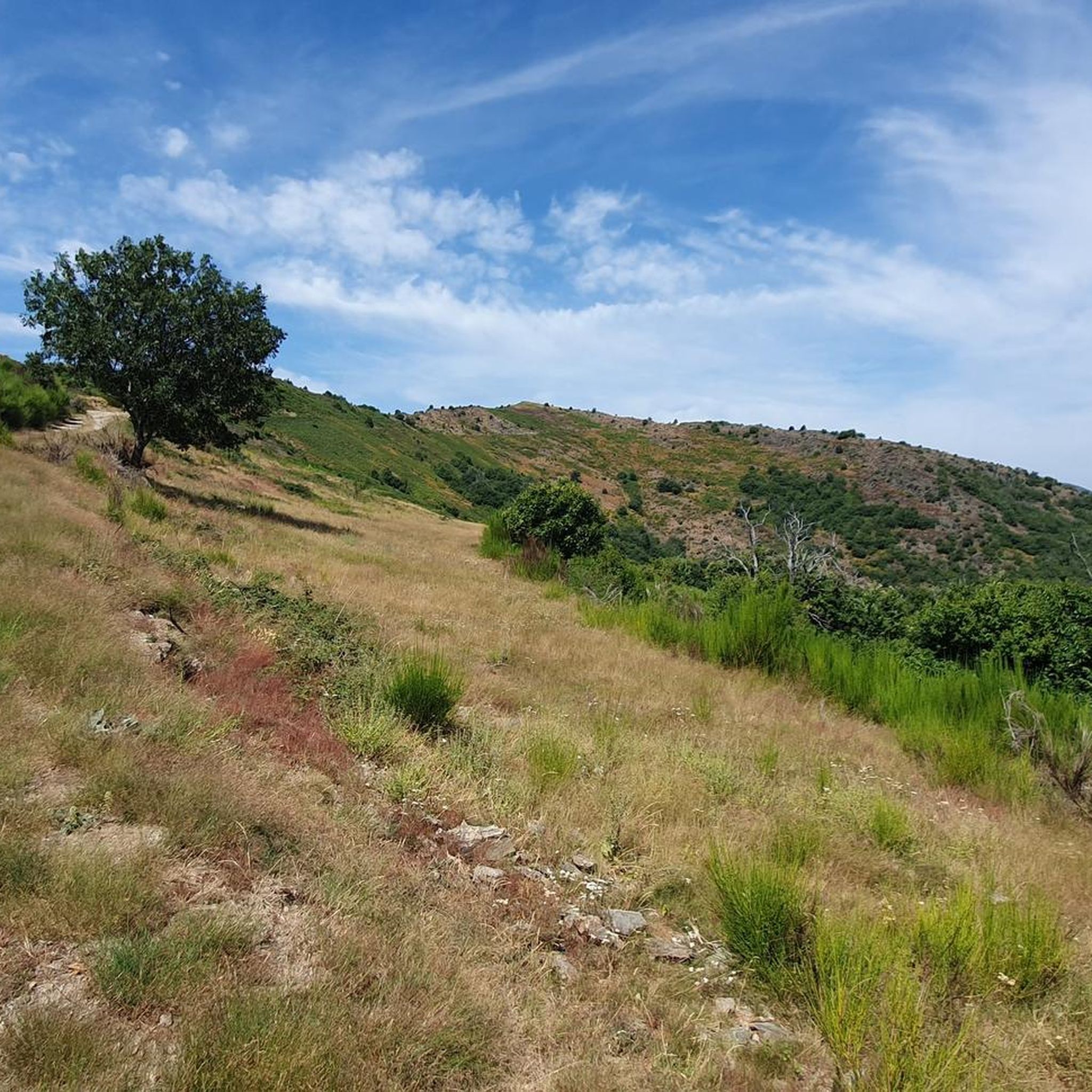
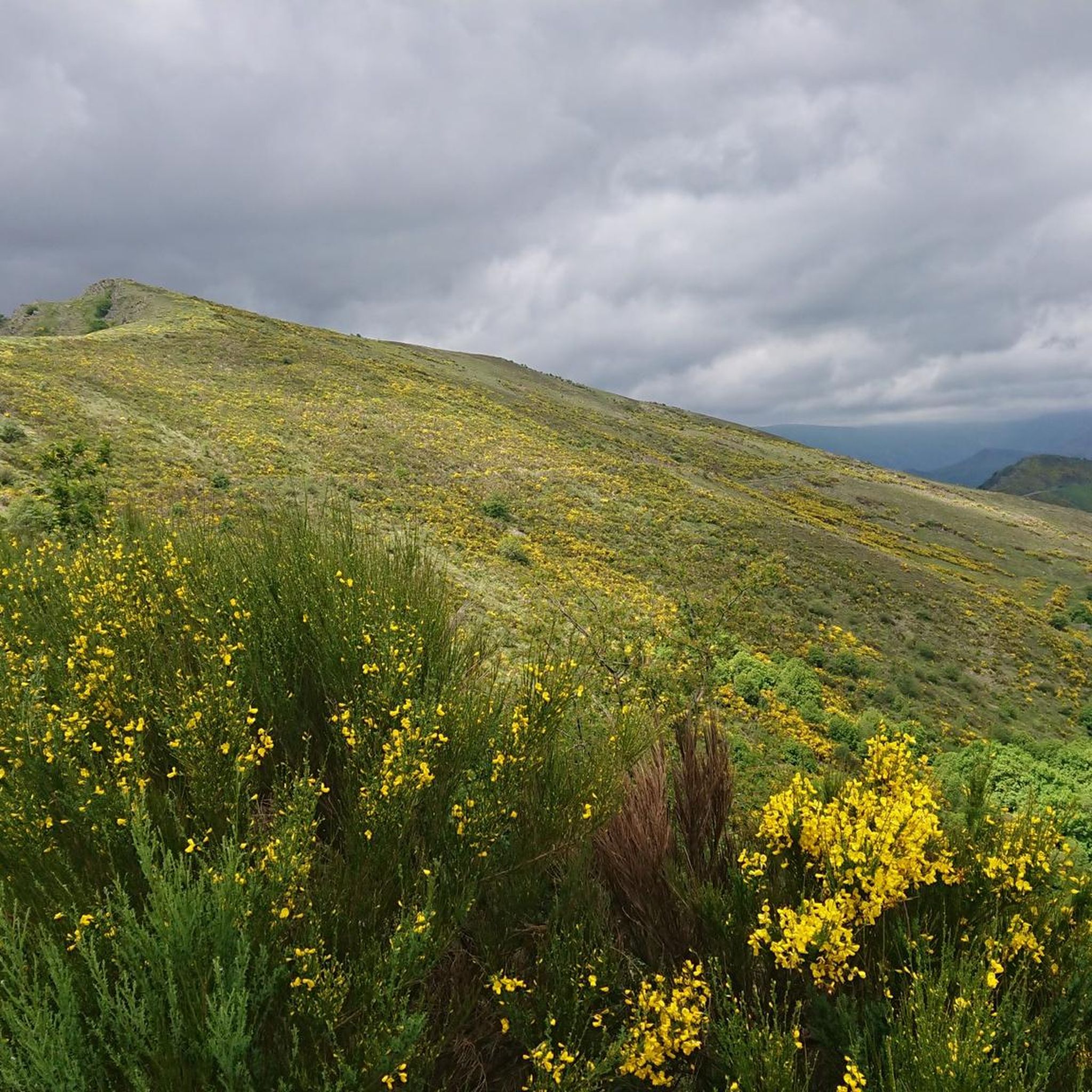
The Lique Ser trail linked Saint-André-de-Valborgne to Pompidou and was protected by the Château de Nogaret built in the 12th century. Today the path leads to Departmental 9: the Corniche des Cévennes, which offers magnificent panoramas and which was built for the circulation of the king's troops during the war of the Camisards.
0
0
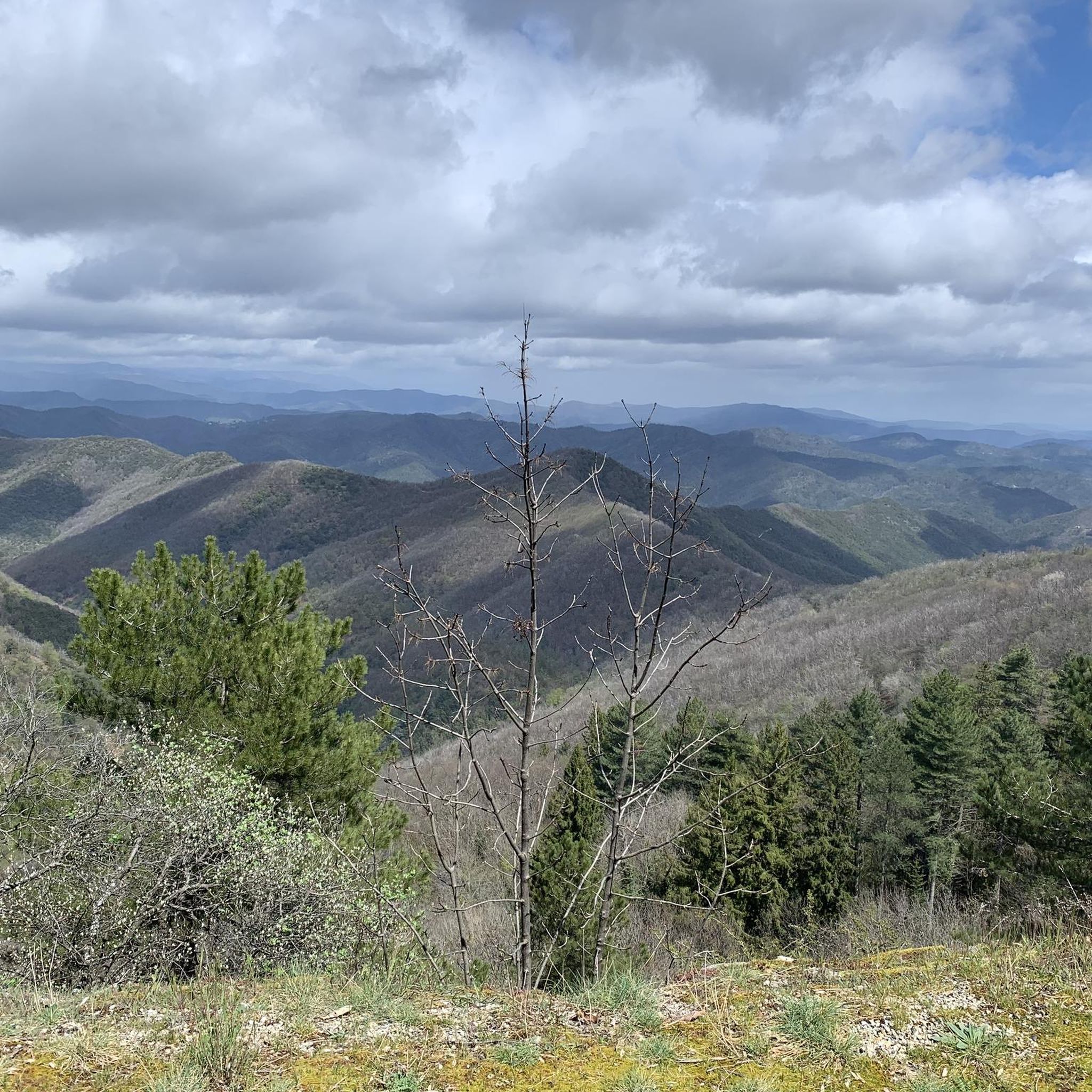
The Signal Saint-Pierre, a few hundred meters from the Col Saint-Pierre, allows you to contemplate the Cévennes at an altitude of 695m.
0
0
The Signal Saint-Pierre, a few hundred meters from the Col Saint-Pierre, allows you to contemplate the Cévennes at an altitude of 695 meters.
0
0

If you take this path expect 75% buggy. Big stones, steep climbs, rock climbing. Doable but not easy. Attention: At the end do not go along the fence on the right even if you see houses. The owner, instead of putting a sign at the start of the path, has blocked the path just before the road and you have to climb a hill with an electric fence right next to it.
1
0

Take five minutes to contemplate the landscape. There is a bench along the road, should you wish to sit down.
0
0

Over 4000 stony steps to the summit: consistently steep but easy to walk
2
0

This section marks the actual core of the route: the ascent from Valleraugue to Mont Aigoual, the second highest point in the Cevennes, on which there is a weather station and viewing platform. There is a view to the Mediterranean in a southerly direction, which I was not allowed to do that day, and in a northerly direction to Mont Lozère. I would take sticks with me next time, because as an experienced trail runner you will speedhike over long distances. You don't have to constantly stare at your GPS, because you can't get lost on the ascent, at least. Theoretically there is a restaurant up here where you can buy something to eat or drink. When I got up here everything was closed and there were hardly any people around. So better take precautions.
1
0
Frequently Asked Questions
What are some of the most prominent natural monuments to visit around Les Plantiers?
The region around Les Plantiers, nestled within the Cévennes National Park, offers several remarkable natural monuments. Among them, The 4000 Steps is a popular path leading to Mount Aigoual, offering expansive views. Other notable sites include Signal de Saint-Pierre Orientation Table for panoramic contemplation of the Cévennes, and the serene View of the Upper Hérault Valley.
Are there challenging hiking trails to natural monuments in the area?
Yes, for those seeking a challenge, The 4000 Steps path is a consistently steep but manageable 9.5 km ascent with a 1200 m drop, leading from Valleraugue to the observatory of Aigoual. Additionally, the Rocky Trail in Cévennes National Park is described as challenging, featuring big stones, steep climbs, and sections requiring rock climbing.
What kind of views can I expect from the natural monuments around Les Plantiers?
The natural monuments in this region are renowned for their breathtaking vistas. From Mount Aigoual, on a clear day, you can enjoy an exceptional panorama stretching from the Alps to the Pyrenees, and from the Puy de Sancy to the Mediterranean. The 4000 Steps also offers views towards the Mediterranean and Mont Lozère. Rocher de l'Aigle provides panoramic views of the surrounding Cévennes landscape, including distant glimpses of the Mediterranean Sea and Mont Lozère.
Are there any family-friendly natural monuments or viewpoints?
Yes, the View of the Upper Hérault Valley is considered family-friendly, offering a tranquil spot to contemplate the landscape with a convenient bench available. While many trails can be challenging, shorter sections or specific viewpoints can be enjoyed by families.
What is the significance of the Col de l'Asclier and its surroundings?
The Col de l'Asclier, at 911 meters, is a significant mountain pass surrounded by vast forests and heathlands. It serves as a popular starting point for various hiking trails, including the path to Rocher de l'Aigle. The area is also home to the historic 'pont moutonnier' (sheep bridge) from 1875, symbolizing the region's agro-pastoral traditions and the movement of transhumant flocks. It offers diverse flora and fauna characteristic of the Cévennes National Park.
What geological features define the landscape around Les Plantiers?
The landscape around Les Plantiers is shaped by ancient geological forces, featuring schistous valleys, granite uplands, and forested ridges. The Vallée Borgne, for instance, is a schistous valley characterized by deep valleys carved by water and sharp crests. The region is also known for its 'serres' (forested ridges) like Serre des Clapisses, Serre de Borgne, and Serre des Tours, which are characteristic geological features formed from metamorphic bedrock.
What outdoor activities can I do near these natural monuments?
The area around Les Plantiers offers a variety of outdoor activities. You can find numerous hiking trails, including routes like the 'Eagle Rock Trail' or the 'Fontfouillouse – loop starting from Les Plantiers'. There are also options for running and cycling, with routes such as 'The Val d'Aigoual' for touring bicycles.
What is the best time to visit the natural monuments in Les Plantiers?
The Cévennes region experiences diverse weather. While Mount Aigoual can offer an oasis of freshness in summer, be aware of sudden temperature changes and strong winds, especially at higher altitudes. Winter access to some higher points like Mount Aigoual can be difficult due to extreme conditions, including heavy rain and snow. Spring and autumn generally offer pleasant temperatures for hiking and exploring the natural beauty.
Are there any historical or cultural elements integrated with the natural landscape?
Yes, the region's natural landscape is deeply intertwined with its cultural heritage. The ancient chestnut groves ('châtaigneraies') in areas like Fontfouillouse and the Vallée Borgne are a significant part of the Cévennes' 'green gold' heritage, showcasing how the natural environment has influenced human settlement and culture. The 'pont moutonnier' at Col de l'Asclier also reflects the long-standing agro-pastoral traditions of the area.
What makes the Cévennes National Park, where Les Plantiers is located, special?
The Cévennes National Park is a UNESCO World Heritage site recognized for its exceptional balance between human activities and nature. Its diverse landscapes, ranging from granite uplands to schistose valleys, are a result of a complex geological history. This rich natural heritage makes it an ideal destination for nature lovers, hikers, and those interested in exploring unique geological formations and cultural landscapes.
Can I find information about specific trails or routes for hiking to these natural monuments?
Yes, komoot provides detailed guides for various activities. For hiking, you can explore the Hiking around Les Plantiers guide, which includes routes like 'Fontfouillouse – loop starting from Les Plantiers' and the 'Eagle Rock Trail'. These guides offer information on distances and difficulty levels.
Most popular routes around Les Plantiers
Most popular attractions around Les Plantiers

Get inspired with the komoot mobile app


Explore more
Extend your search for the best caves by checking out these guides of the top ones around Les Plantiers:
