Top 13 Natural Monuments around Corneilla-De-Conflent
Best natural monuments around Corneilla-De-Conflent are found within the Pyrénées-Orientales region of France, offering a diverse natural heritage. This area is characterized by its mountainous terrain, including prominent peaks and serene lakes, all set within the broader Catalan Pyrenees Regional Natural Park. The landscape provides opportunities to explore a variety of natural attractions, from high-altitude summits to tranquil water bodies. There are 13 natural monuments around Corneilla-De-Conflent to discover.
Best natural monuments around Corneilla-De-Conflent
- The most popular natural monument is…
Last updated: September 25, 2026
Canigou
Highlight • Summit
Showing Translation
Tip by

Pic de la Pena
Highlight • Summit
Tour to the highlight: komoot.de/tour/340851629?ref=itd
Translated by Google •
Tip by

Sign up now to discover places like this
Get recommendations on the best single tracks, peaks, & plenty of other exciting outdoor places.
The Estanyol
Highlight • Lake
Translated by Google •
Tip by

Pla Guillem
Highlight • Viewpoint
Translated by Google •
Tip by

Refuge de Bonne-Aigue
Highlight • Mountain Hut
It is open all year round to hikers.
Translated by Google •
Tip by
Sign up for free to discover even more natural monuments around Corneilla-De-Conflent.
Already have an account?
Start today with a free account
Your next adventure awaits.

Tips from the Community

Generally shaded, this loop can be done in hot weather.
0
0

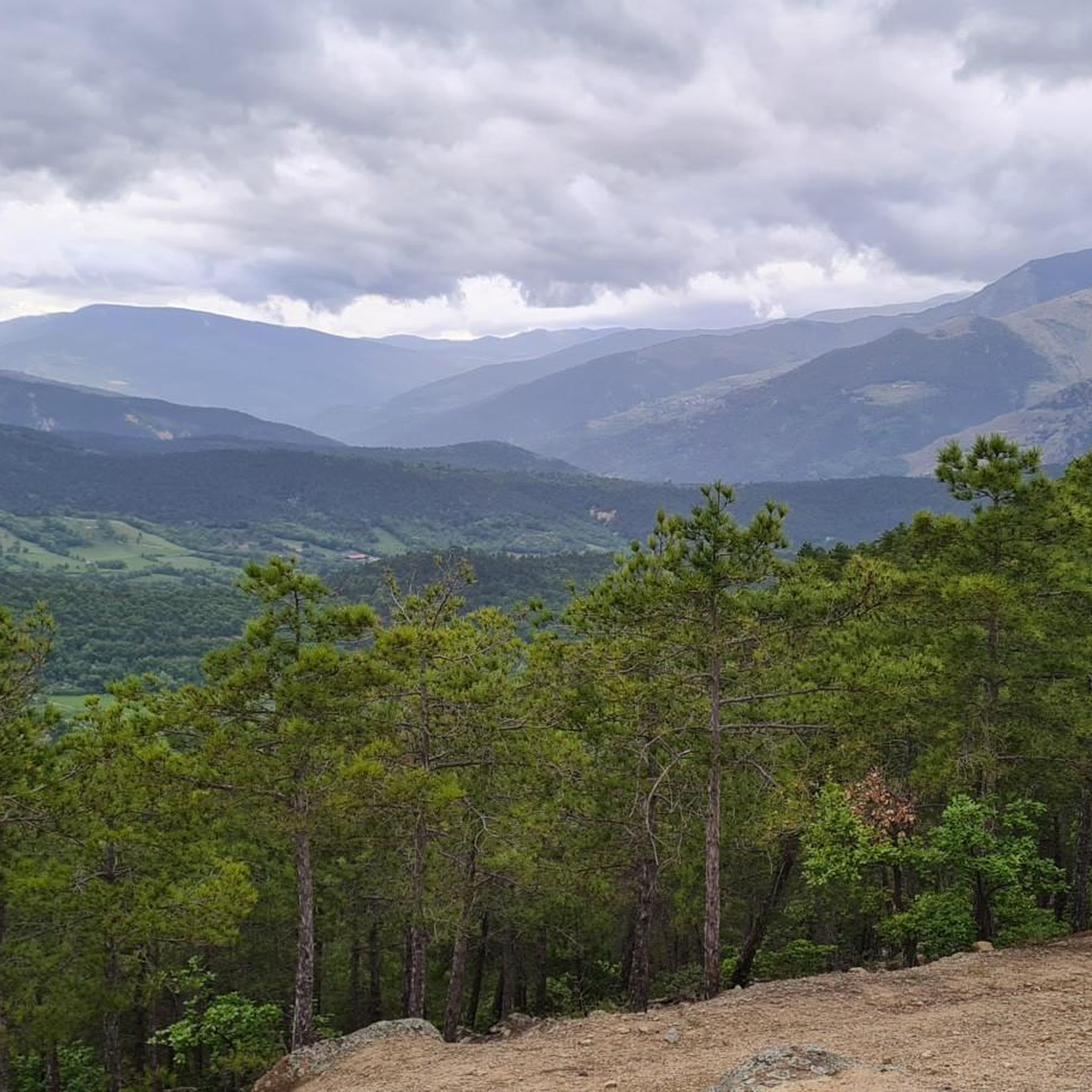
The classic and probably most visited peak in the eastern Pyrenees. Due to its location, this mountain can be seen far into France. The gravel road to the Ras dels Cortalets parking lot requires good shock absorbers (please correct if driving there is no longer permitted). From there, it's only another 600 meters in altitude via Pic Joffre to the summit. The second ascent from the south is a bit more demanding - which also makes a traverse possible.
2
3

Magnificent summit, one of the emblems of Catalonia, the ascent and descent made by the famous chimney more impressive than difficult
0
0

Unmanned shelter with fresh spring water
3
0

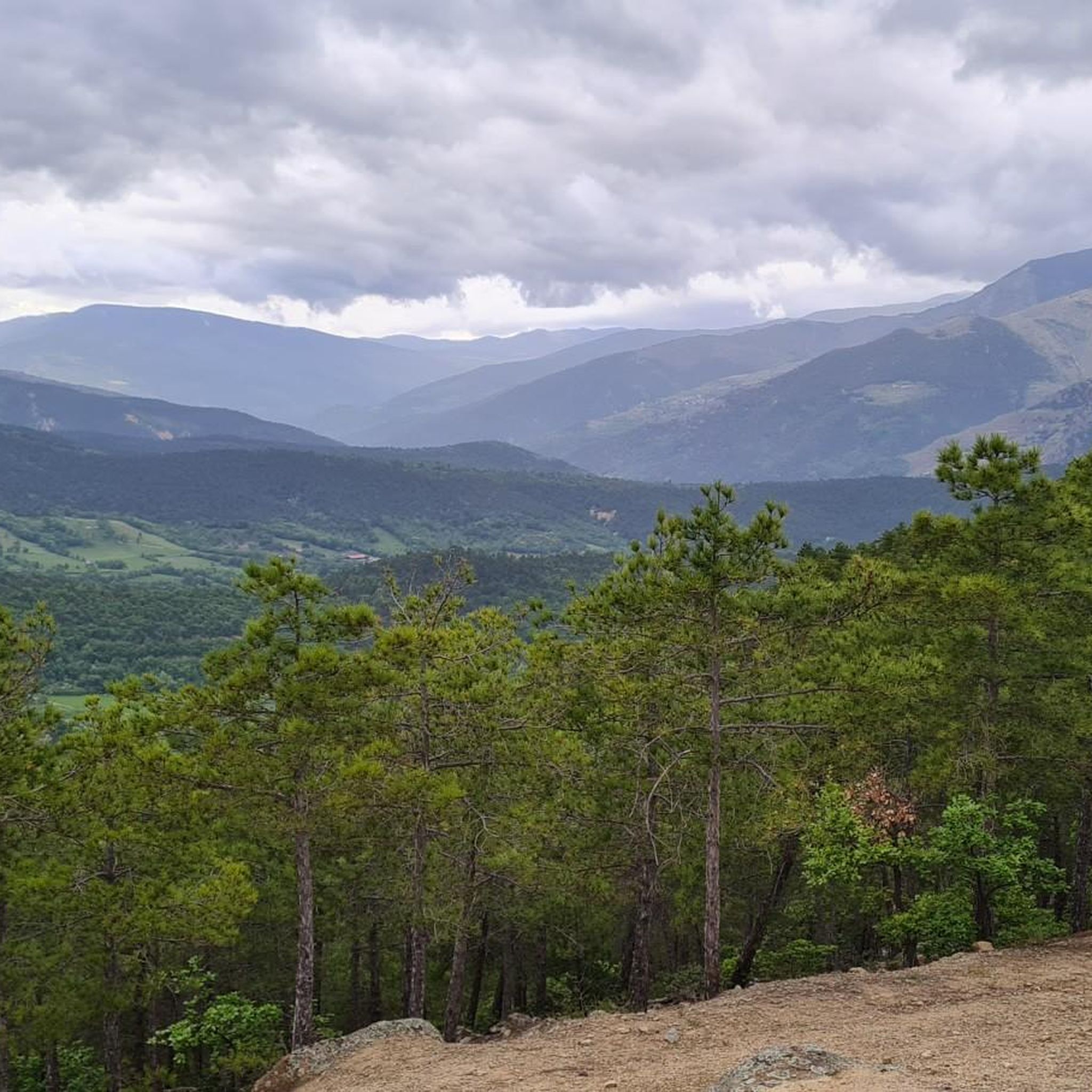
This small pond is one of the corners of paradise hidden here and there in the mountains. Come closer, sit down and take the time to observe the wildlife and the landscape. It is ideally located for a break before starting the ascent to the Canigou peak.
0
0
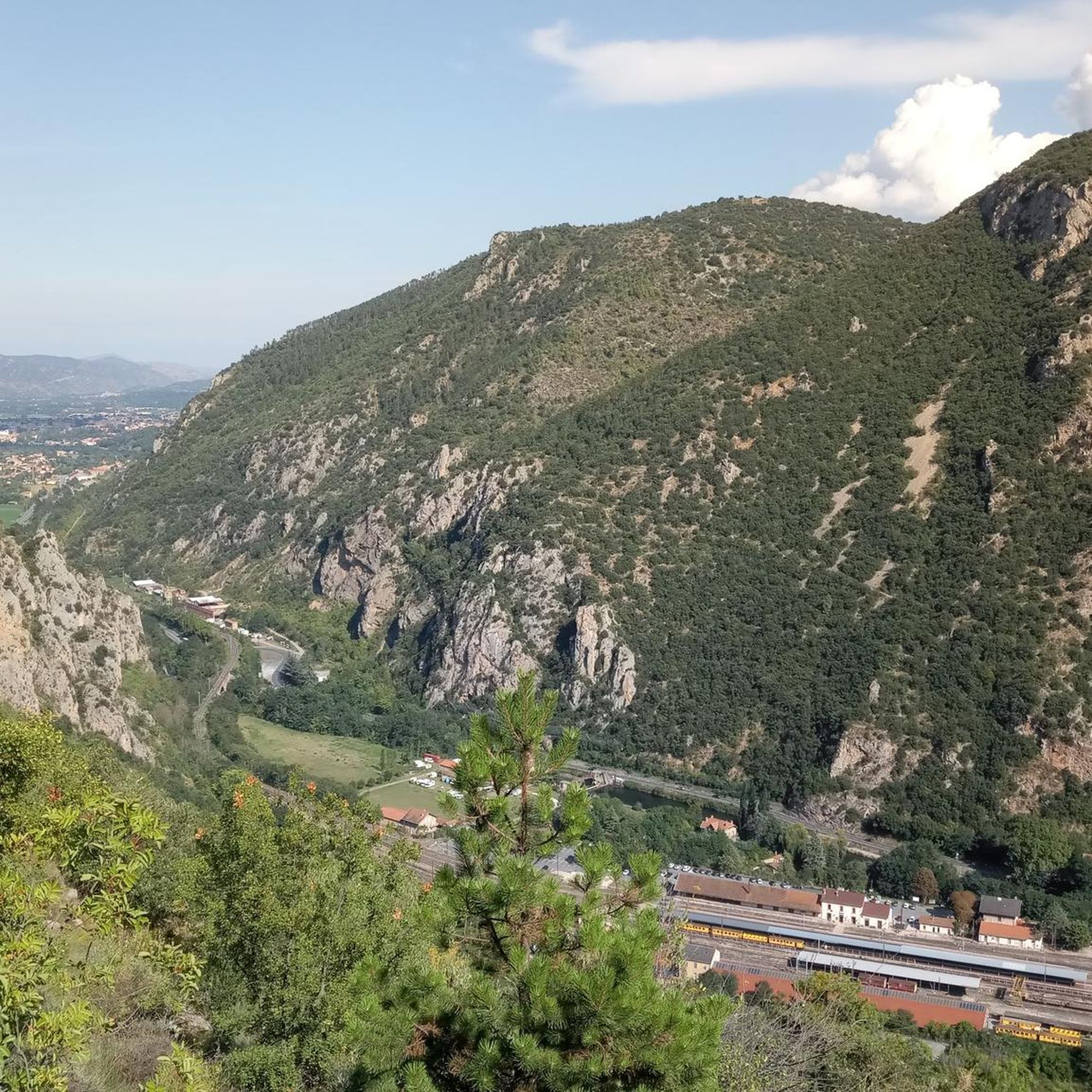
This old, unguarded refuge is still in good condition. It is perched on a privileged location, on a balcony, offering superb panoramas of Vernet-les-Bains on the north-west slope of Canigou. It is open all year round to hikers.
1
0

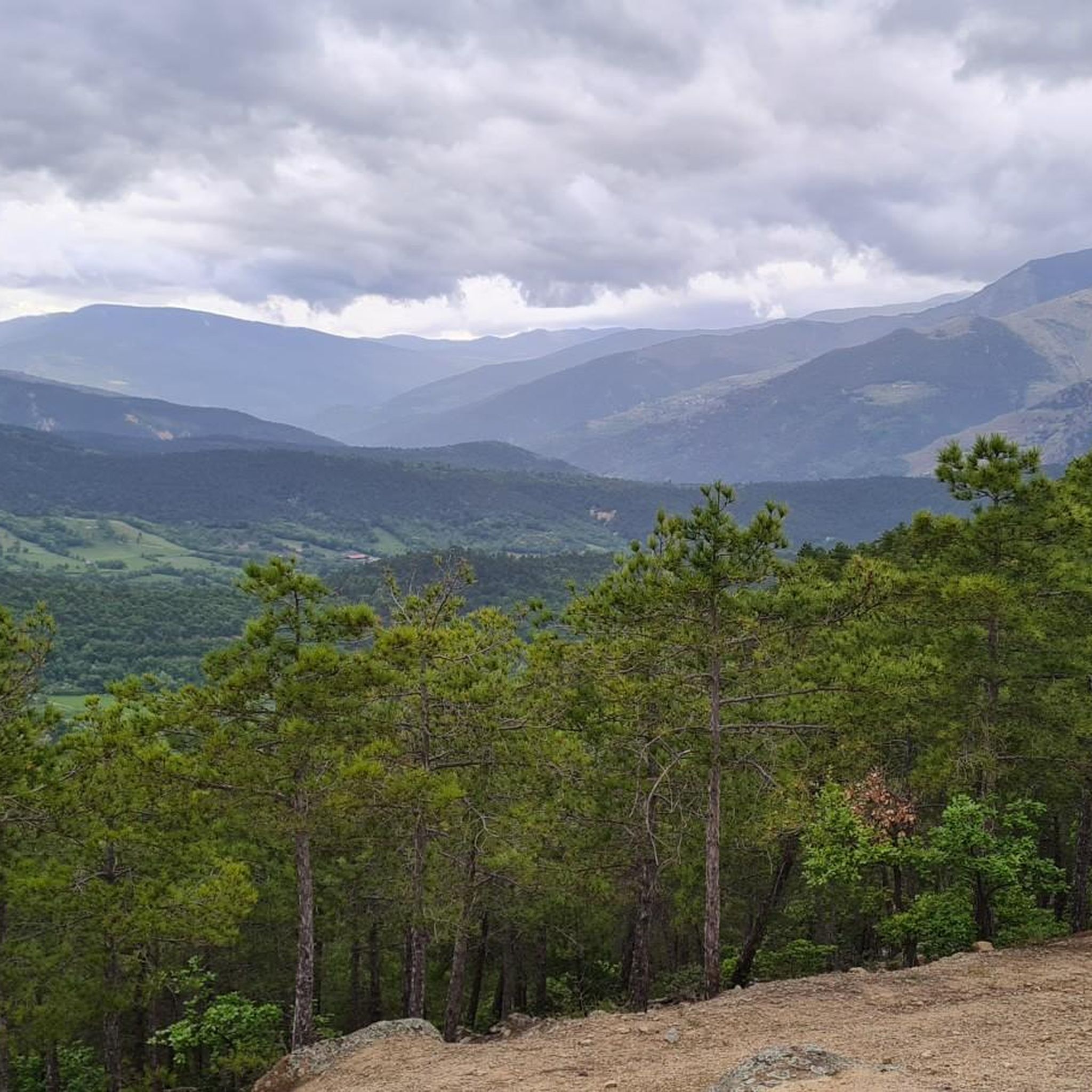
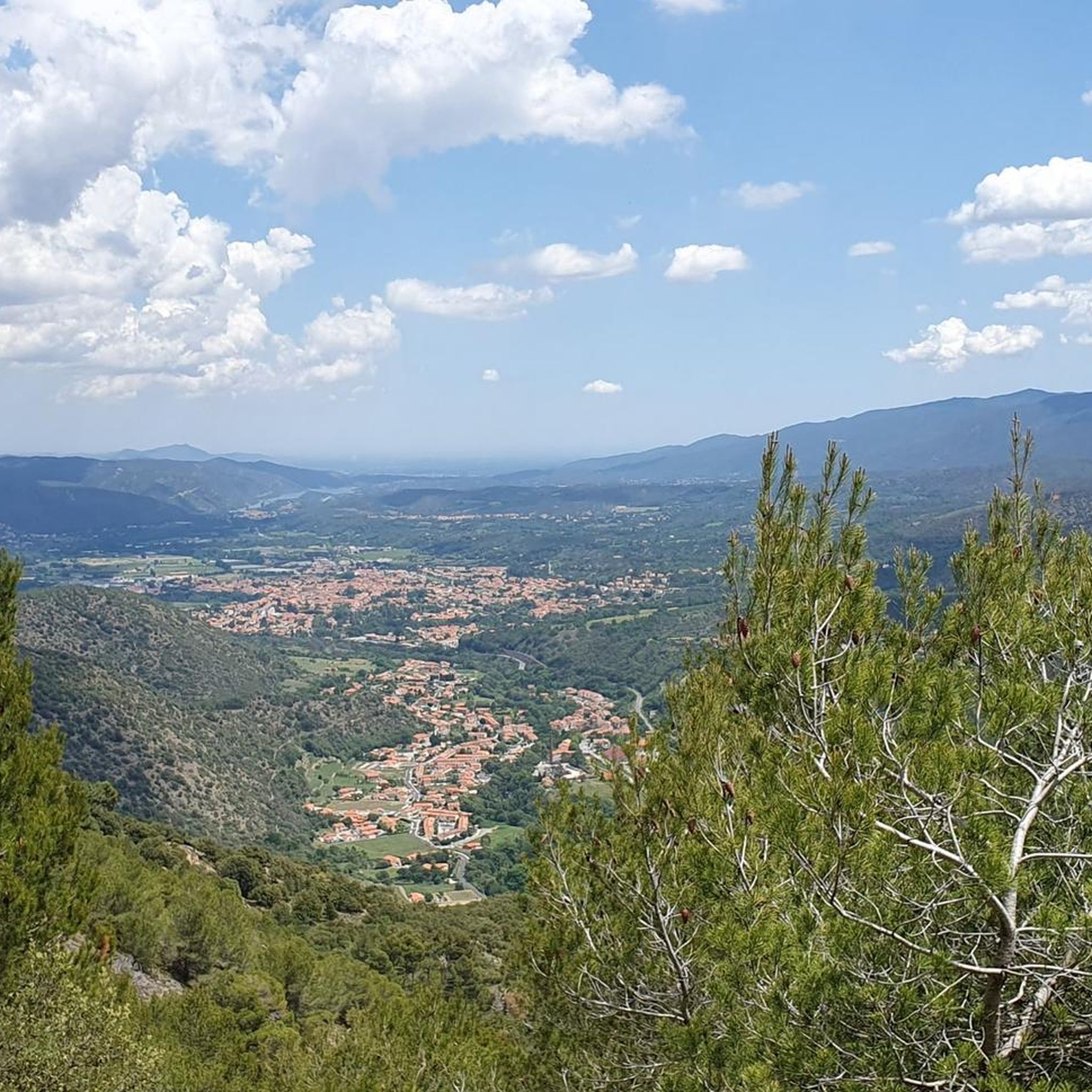
High point between Conflent and Vallespir. Magnificent view that deserves. Possible to descend by the GR or by the 4x4 path towards Prats de Mollo.
1
0

Pla Guillem is 2,290 meters above sea level. It is located on the Canigou tour between the Miriailles refuge and the village of Prats-de-Mollo-la-Prest. There is also a path that leads to a beautiful ridge made up of peaks around 2,700 meters above sea level.
0
0
Frequently Asked Questions
What are the most popular natural monuments around Corneilla-De-Conflent?
The most popular natural monuments include the iconic Canigou, a peak symbolizing Catalonia, and Pic de la Pena, offering magnificent panoramas. Visitors also highly appreciate The Estanyol, a serene lake ideal for wildlife observation.
What kind of wildlife can I expect to see around the natural monuments?
The region, especially within the Regional Natural Park of the Catalan Pyrenees, is rich in biodiversity. You might spot species such as chamois, mouflon, and the golden eagle around Canigou. The park itself is home to a wide array of animal species, including the bearded vulture and the Pyrenean desman, making it an excellent spot for wildlife observation.
Are there hiking trails near these natural monuments?
Yes, the area is a prime destination for hiking. Canigou offers several trails leading to its summit, with mountain huts available for overnight stays. The Regional Natural Park of the Catalan Pyrenees also features numerous marked trails. For more options, you can explore various hiking routes in the region on the Corneilla-De-Conflent guide page.
How difficult are the trails to these natural monuments?
Trail difficulties vary. The ascent to Canigou is considered challenging, with steep climbs and sections requiring a head for heights and surefootedness. Other highlights like Pic de la Pena and The Estanyol offer intermediate trails. It's advisable to check specific route details for elevation gain and difficulty before setting out.
Are there family-friendly natural monuments around Corneilla-De-Conflent?
While some trails are challenging, the broader Regional Natural Park of the Catalan Pyrenees offers diverse landscapes suitable for families. The Grotte des Canalettes, for example, provides an accessible and fascinating underground experience. For easier walks, look for trails around The Estanyol or explore the less strenuous paths within the natural park.
Are the natural monuments around Corneilla-De-Conflent dog-friendly?
Regulations regarding dogs can vary within natural parks and specific sites. While many outdoor areas in the Regional Natural Park of the Catalan Pyrenees are generally accessible, it's always best to check specific rules for nature reserves or protected areas. For instance, on Canigou, dogs are often allowed on trails but should be kept on a leash, especially due to the presence of wildlife and grazing animals.
What is the best time of year to visit the natural monuments?
The best time to visit largely depends on your planned activities. For hiking to summits like Canigou, late spring to early autumn (June to September) offers the most favorable weather conditions. In winter, areas around Canigou transform into spots for cross-country skiing and snowshoeing. The Grotte des Canalettes can be visited almost year-round.
What makes the Grotte des Canalettes a significant natural monument?
The Grotte des Canalettes, often called the 'Underground Versailles of the Pyrenees,' is a remarkable cave system known for its stunning concretions, including stalactites, stalagmites, gours, and columns. Notable sections like the 'White Room' and the 'Angkor Network' showcase impressive formations. It offers an immersive journey into a subterranean world and has even hosted classical concerts and sound and light shows.
What cultural significance does Canigou Peak hold?
Canigou Peak is a profound symbol of Catalonia and is considered a sacred place. There's a tradition of ascending the mountain to witness the summer solstice sunrise, and it's historically been seen as the throne of the King of Catalonia. Its imposing presence and cultural heritage make it more than just a natural landmark.
What can I do in the Regional Natural Park of the Catalan Pyrenees?
The Regional Natural Park of the Catalan Pyrenees is a vast sanctuary for outdoor activities. You can enjoy extensive hiking on marked trails, observe diverse flora and fauna, and explore traditional stone villages. The park's varied landscapes, from forests to high-altitude meadows and deep gorges, make it ideal for nature lovers seeking exploration and tranquility.
Are there other natural attractions beyond the main highlights?
Yes, the region offers more to explore. The 'Minerals Circuit' hiking route provides views of old talc, manganese, and marble quarries, along with dolmens, revealing the area's geological and historical landscape. The 'plateau d'en Bullà' (Ambulla) also offers wild landscapes with views of Canigou and the fortified village of Villefranche-de-Conflent.
What other outdoor activities are available near these natural monuments?
Beyond hiking, the area around Corneilla-De-Conflent is excellent for cycling. You can find numerous routes for touring bicycle, gravel biking, and road cycling, catering to various skill levels. In winter, areas around Canigou are popular for cross-country skiing and snowshoeing.
Is there parking available for visiting the natural monuments?
Parking information varies by specific monument and starting point. For popular hiking destinations like Canigou, access points often have designated parking areas, though some may require planning, especially if you intend to stay overnight at a refuge. For the Grotte des Canalettes, parking is typically available near the entrance in Villefranche-de-Conflent.
Most popular routes around Corneilla-De-Conflent
Most popular attractions around Corneilla-De-Conflent

Get inspired with the komoot mobile app


Explore more
Extend your search for the best caves by checking out these guides of the top ones around Corneilla-De-Conflent:
