Top 20 Natural Monuments around L'Albère
Natural monuments around L'Albère are found in a region where the Pyrenees meet the Mediterranean, offering diverse landscapes. This area is characterized by its position within the Albères massif, providing access to summits, mountain passes, and ancient sites. The natural features include extensive beech and oak forests, offering varied terrain for exploration. L'Albère serves as a gateway to these natural and historical landmarks, showcasing the rich heritage of the Eastern Pyrenees.
Best natural monuments around L'Albère
- The most popular natural…
Last updated: May 25, 2026
Puig Neulós
Highlight • Summit
Translated by Google •
Tip by

Ascent to Coll de Banyuls from Espolla
Highlight (Segment) • Mountain Pass
Translated by Google •
Tip by

Sign up now to discover places like this
Get recommendations on the best single tracks, peaks, & plenty of other exciting outdoor places.
Sign up for free
Sallfort Peak
Highlight • Summit
Translated by Google •
Tip by

Cork Oak Trees
Highlight • Forest
The cork oak is a tree found mainly in the western Mediterranean and is known for its bark, which …
Translated by Google •
Tip by

Font de l'Ocell
Highlight • Natural Monument
The Pave Mill's activity lasted until the end of the 19th century. It was inhabited …
Translated by Google •
Tip by

Sign up for free to discover even more natural monuments around L'Albère.
Sign up for free
Already have an account?
Start today with a free account
Your next adventure awaits.
Login or Signup



Tips from the Community

Beautiful route and a great view
0
0

very nice to drive with great views
1
0

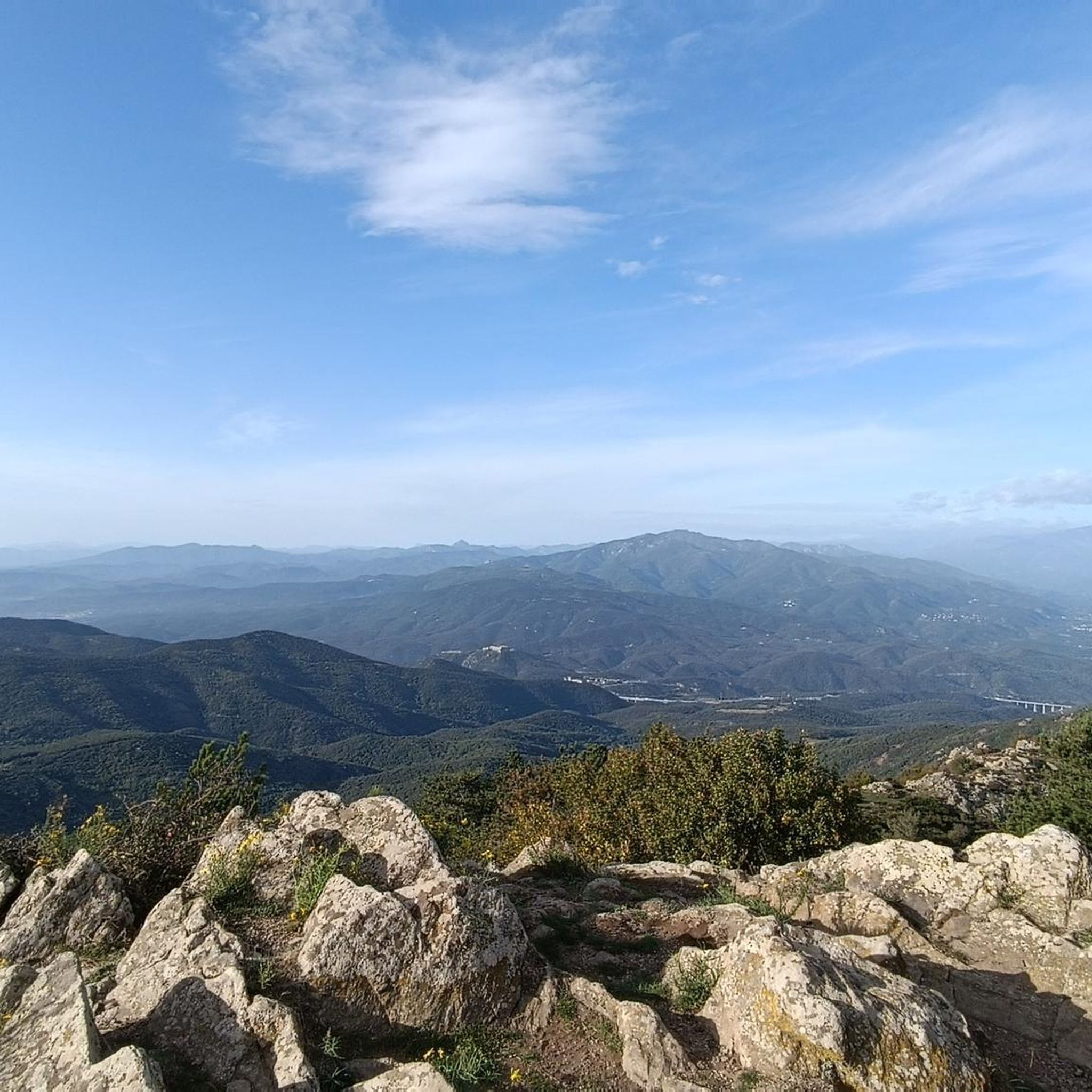
Magnificent view ! It’s worth going up there 🤩🤩
6
0

Infernal ascent, when the trees disappear and you seem to be at the top, the pit is waiting for you. Reserve your strength because the last kilometer, despite being on asphalt, is HELL!
6
0

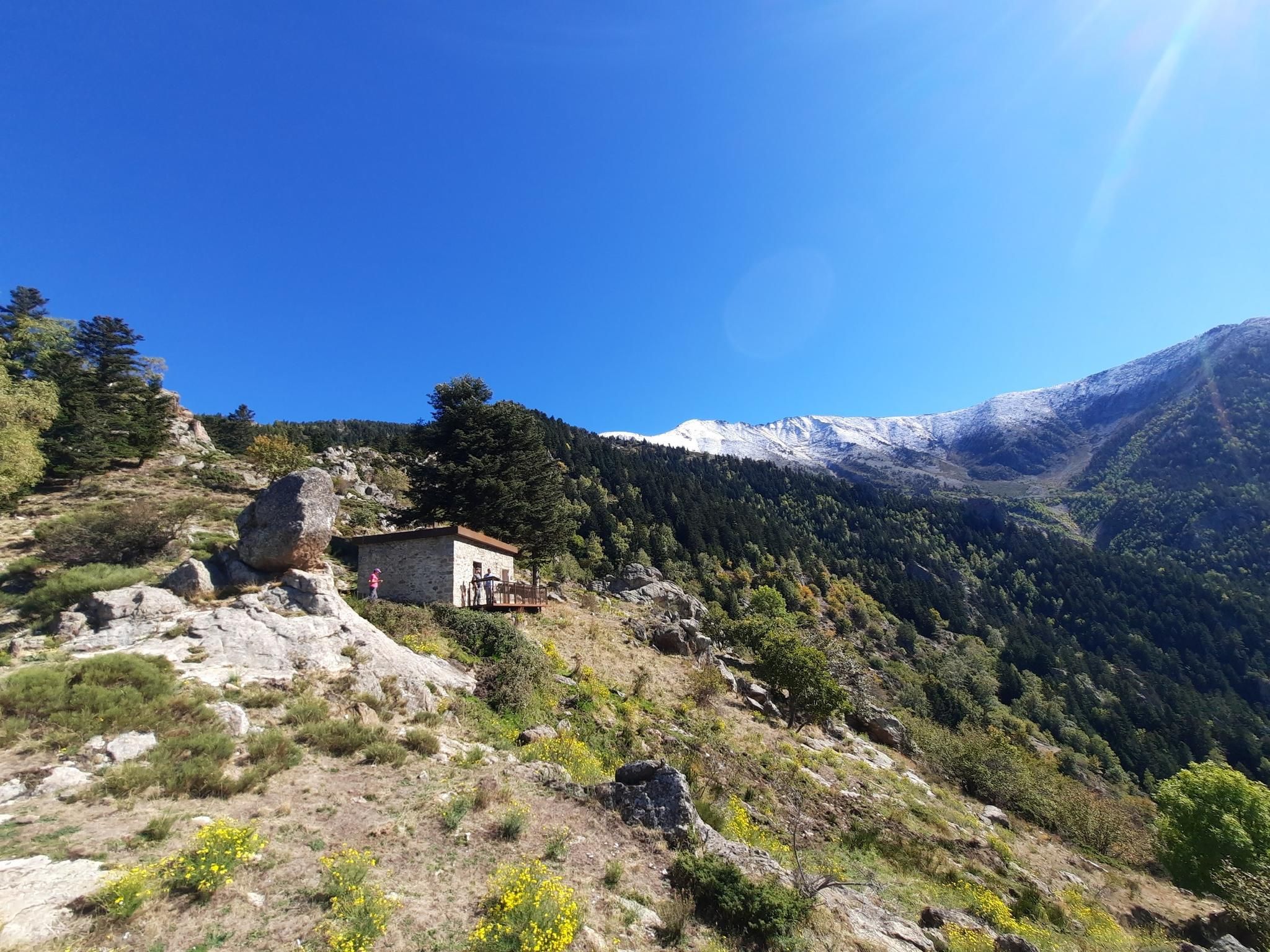
The Pave Mill is an old grain mill supplied with water from the village canal. The Pave Mill's activity lasted until the end of the 19th century. It was inhabited until 1942 and then fell into disrepair. It became municipal property and was restored in 2006 by the Laroque Heritage Association in collaboration with the municipality. The volunteers of this association installed a roof to strengthen and “waterproof” the building. The miller's workshop (on the ground floor) and his accommodation (on the upper floor) are currently being completely restored. The association is actively looking for a millstone that could help complete the work.
10
0

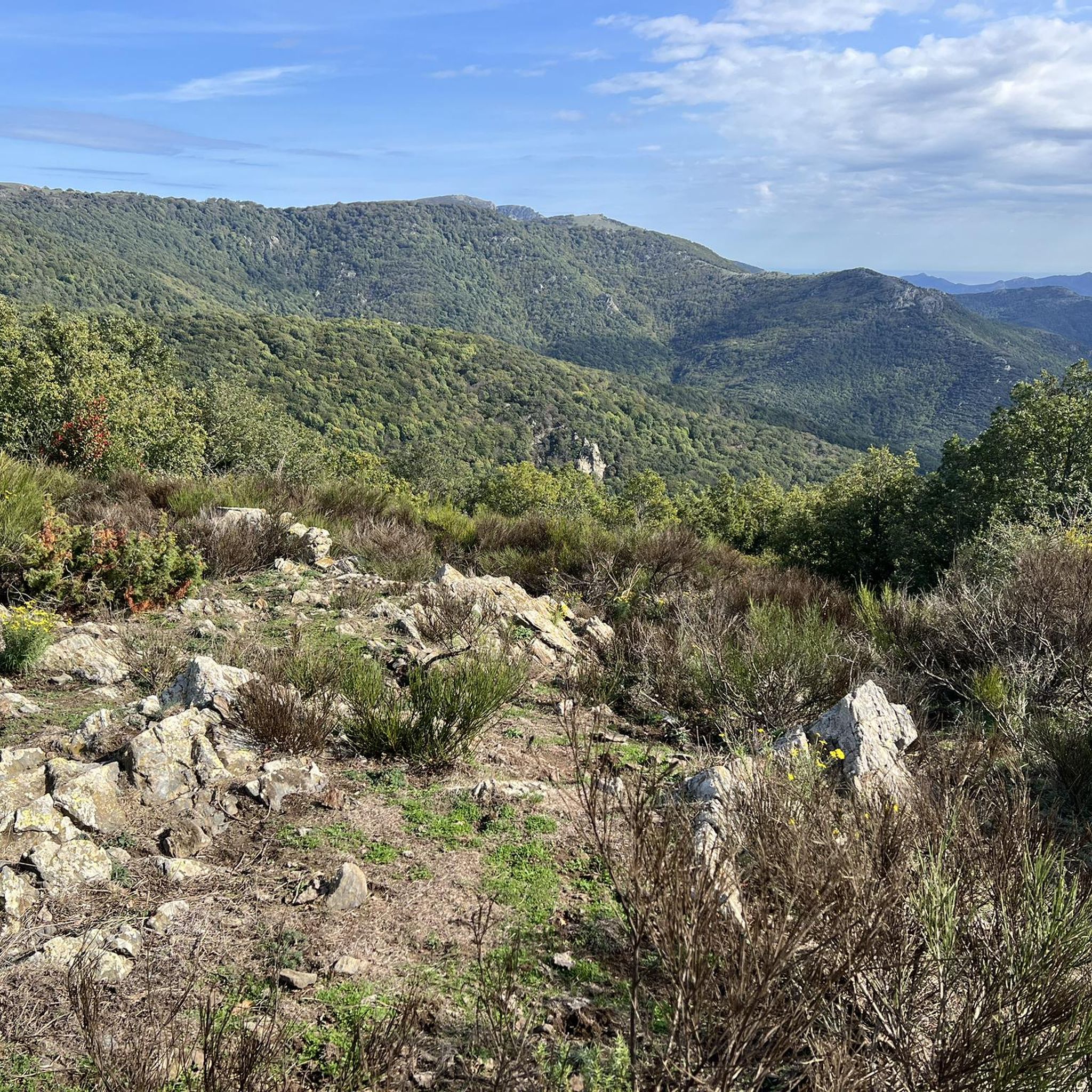
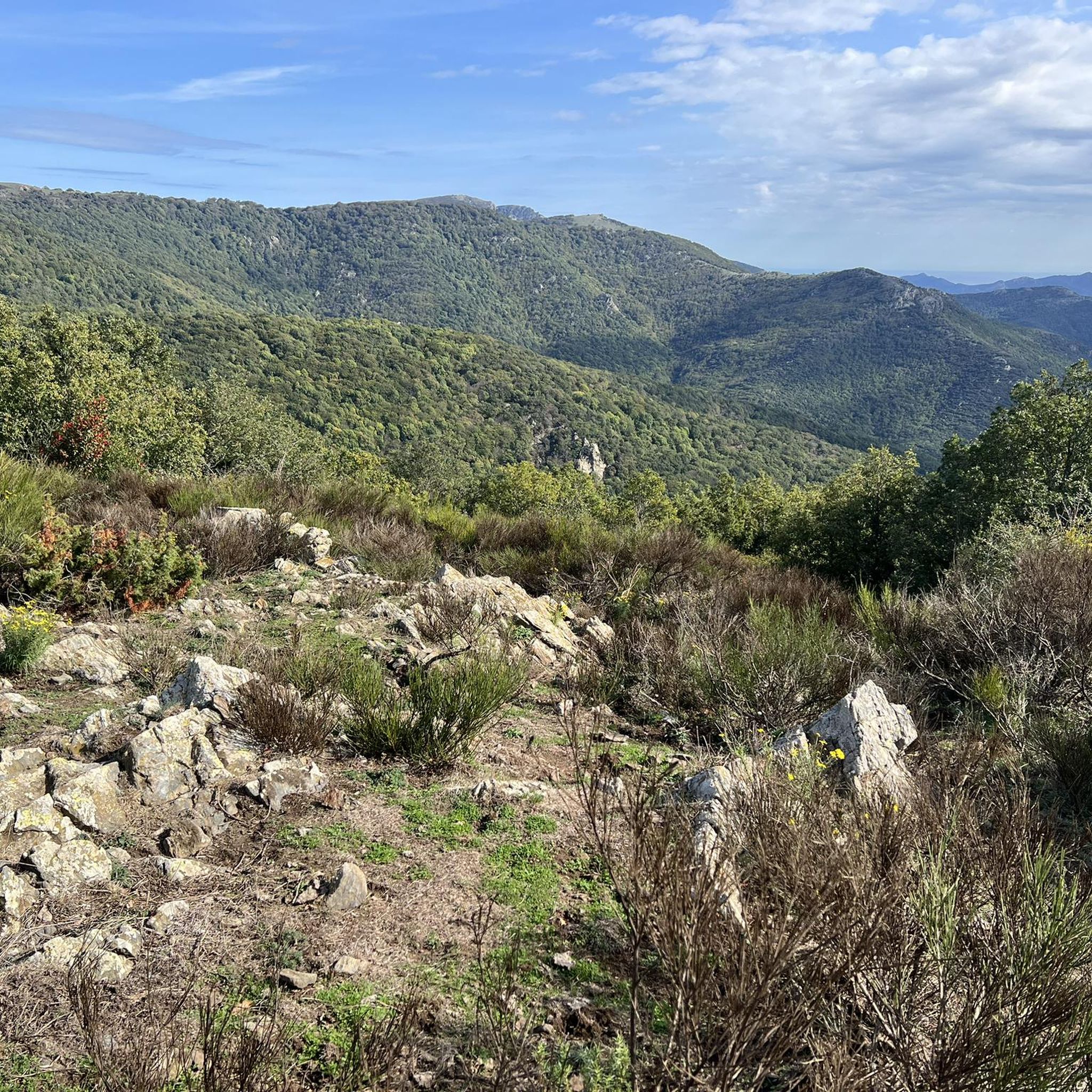
From this viewpoint you can see at the bottom an area irrigated by the Orlina River that nourishes about 3000m2 full of centuries-old oaks, ideal for going down and regaining strength. If you look the way you came you will see the Espolla and in the opposite direction the Coll de Bañuls. One km from here you will find a Generalitat farm that is working on the implantation of an extinct species of roof rack.
2
0

Pic de Sallfort, a majestic peak in the Swiss Alps, offers breathtaking views and a challenging ascent for avid hikers and mountaineers. Its rugged beauty and serene surroundings make it a must-visit destination for those seeking adventure and natural splendor in the heart of Switzerland. https://alexandrareisen.com/
0
3
Fantastic day, almost spring. But it's always cold here. if you want to go there you must bring warm clothes!
5
0
Frequently Asked Questions
What kind of natural landscapes can I expect to see around L'Albère?
The natural monuments around L'Albère are situated where the Pyrenees meet the Mediterranean, offering a diverse range of landscapes. You'll find extensive beech and oak forests, high mountain summits with panoramic views, and mountain passes. The region provides varied terrain, from lush woodlands to rocky paths, with vistas stretching across the Roussillon plain, the Mediterranean Sea, and the Pyrenean chain.
Which natural monuments offer the most impressive panoramic views?
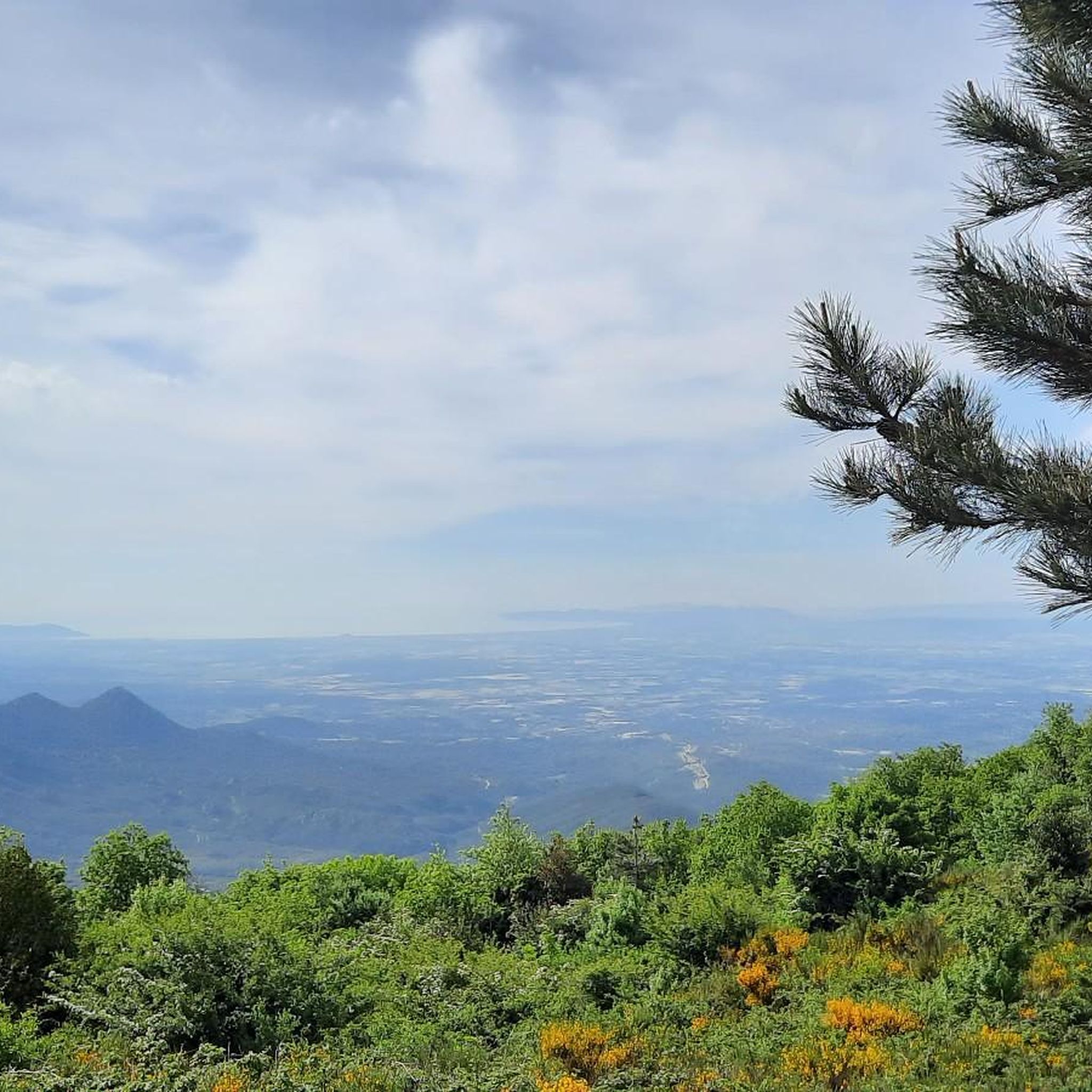
For breathtaking panoramic views, consider visiting Puig Neulós, the highest point of the Albères massif, which offers 360° vistas over Roselló and Alt Empordà. Another excellent choice is Sallfort Peak, providing a magnificent panorama of Catalonia and the Mediterranean Sea. The Puig Saint-Christau Summit also delivers sumptuous panoramas across the Mediterranean, the Roussillon plain, and the distant Canigou massif.
Are there any historical or ancient sites among the natural monuments in the L'Albère area?
Yes, the region blends natural beauty with historical significance. You can explore the Dolmen de la Cova de l'Alarb, a megalithic archaeological site dating back to the Neolithic era, nestled within a cork oak forest. Additionally, the Menhir Quer Afumat I is another ancient monument worth visiting. The Font de l'Ocell also features an old grain mill, offering a glimpse into local heritage.
What outdoor activities can I do near the natural monuments around L'Albère?
The area around L'Albère is ideal for various outdoor activities. You can enjoy extensive hiking, mountain biking, and road cycling. Popular hiking routes include the Puig Sant Cristau Loop Trail and the Puig Neulós – Ullat Pass loop. For cycling, options range from challenging climbs like The climb of Puig Neulós to scenic MTB trails in the Albera Massif. You can find more details on these activities in the Hiking around L'Albère, MTB Trails around L'Albère, and Road Cycling Routes around L'Albère guides.
Are there family-friendly natural monuments or walks in the L'Albère area?
Yes, several natural monuments are suitable for families. The Font de l'Ocell is noted as family-friendly, offering a forest spring and an old mill. The Menhir Quer Afumat I is also considered family-friendly. The Dolmen de la Cova de l'Alarb offers shaded walks through a cork oak forest, making it a pleasant option for families seeking a blend of nature and history.
What is the Chalet de l'Albère and what does it offer visitors?
The Chalet de l'Albère, located on the Col de l'Ouillat, is a guarded refuge surrounded by lush beech and oak forests. It serves as an excellent base for exploring the biodiversity of the Albera mountain range and is a popular starting point for numerous hiking trails, including sections of the GR10. Visitors can enjoy breathtaking panoramic views of the Pyrenees from its sunny terrace and savor traditional French, Mediterranean, and European cuisine.
What makes the Ascent to Coll de Banyuls from Espolla a unique experience?
The Ascent to Coll de Banyuls from Espolla offers an easy-to-drive road that is virtually free of car traffic, making it ideal for cyclists. From its viewpoint, you can see an area irrigated by the Orlina River, nourishing centuries-old oaks. It provides a peaceful journey through nature, with views of Espolla in one direction and the Coll de Banyuls in the other.
What should I know about hiking to Puig Saint-Christau Summit?
Hiking to the Puig Saint-Christau Summit, accessible from Saint-Jean d'Albère, offers a rewarding experience with 'sensations of altitude' at 1,015 meters. The paths are often shaded, traversing varied terrain that can be rocky or covered with slippery leaves. The summit rewards hikers with expansive views of the Mediterranean Sea, the Roussillon plain, the Canigou massif, and Pic Neulós.
What is the best time of year to visit the natural monuments around L'Albère for hiking?
The best time to visit the natural monuments around L'Albère for hiking is generally during spring (April to June) and autumn (September to October). During these seasons, the weather is typically mild and pleasant, and the natural landscapes, particularly the beech and oak forests, are vibrant with spring blooms or autumn colors. Summer can also be suitable, especially for higher altitudes, but be prepared for warmer temperatures.
Are there any natural monuments that mark the border between France and Spain?
Yes, both Puig Neulós and Sallfort Peak are significant natural monuments that mark the Franco-Spanish border. Puig Neulós is the highest point of the Albères massif, while Sallfort Peak is one of the last peaks of the Pyrenees chain around 1000 meters, both offering magnificent cross-border panoramas.
What do visitors appreciate most about the natural monuments in L'Albère?
Visitors highly appreciate the stunning panoramic views from summits like Puig Neulós and Sallfort Peak, often describing them as magnificent and impressive. The sense of achievement after a challenging hike, the tranquility of the forests, and the unique blend of natural beauty with historical sites like the ancient dolmens and menhirs are also frequently mentioned highlights. The region's diverse terrain and well-maintained trails for various activities are also a big draw.
Most popular routes around L'Albère
Most popular attractions around L'Albère

Get inspired with the komoot mobile app


Explore more
Extend your search for the best caves by checking out these guides of the top ones around L'Albère:
