Top 20 Natural Monuments around Évisa
Best natural monuments around Évisa are found in a charming village located at an altitude of 830 meters in Corsica. This area serves as a gateway to some of the island's most impressive natural features. The landscape is characterized by pristine natural surroundings, including dense forests and dramatic gorges. Key natural attractions include the Aïtone Forest and the Spelunca Gorges.
Best natural monuments around Évisa
- The most popular natural monuments is Spelunca gorges, a gorge that extends between the…
Last updated: May 25, 2026
Monte Cinto
Highlight • Summit
Translated by Google •
Tip by

Piana Calanques via the Old Mule Track
Highlight (Segment) • Gorge
Translated by Google •
Tip by

Sign up now to discover places like this
Get recommendations on the best single tracks, peaks, & plenty of other exciting outdoor places.
Sign up for free
Ponte Vecchiu (Fango)
Highlight • Bridge
Translated by Google •
Tip by

Spelunca gorges
Highlight • Gorge
Translated by Google •
Tip by
Fango River Valley
Highlight (Segment) • River
Translated by Google •
Tip by
Sign up for free to discover even more natural monuments around Évisa.
Sign up for free
Already have an account?
Start today with a free account
Your next adventure awaits.
Login or Signup

Other adventures around Évisa

Tips from the Community


The gorges of the Spelunca are crossed by the stream of Tavulella which takes the name of Porto port in the Corsican language at the exit of the gorges. In its crossing, the Tavulella is fed by the waters of the Aïtone stream, the point of confluence being located downstream of the Genoese bridge of Zaglia. The gorges offer vertiginous landscapes, dominated by a huge rock at the top of which is said to have existed in the place called U Castellu, the Leca castle destroyed in the 17th century according to local legend.
8
1
We know with what fervor Mary has been venerated in Corsica since the 4th century, according to historians, and much earlier than in the rest of the Christian world. She is officially the protector of the island. The Cunsulta de Corte on January 30, 1735 decreed a national holiday on September 8, the day of the Immaculate Conception.
7
0

€5 in high season (French school holidays?), free in low season.
1
0

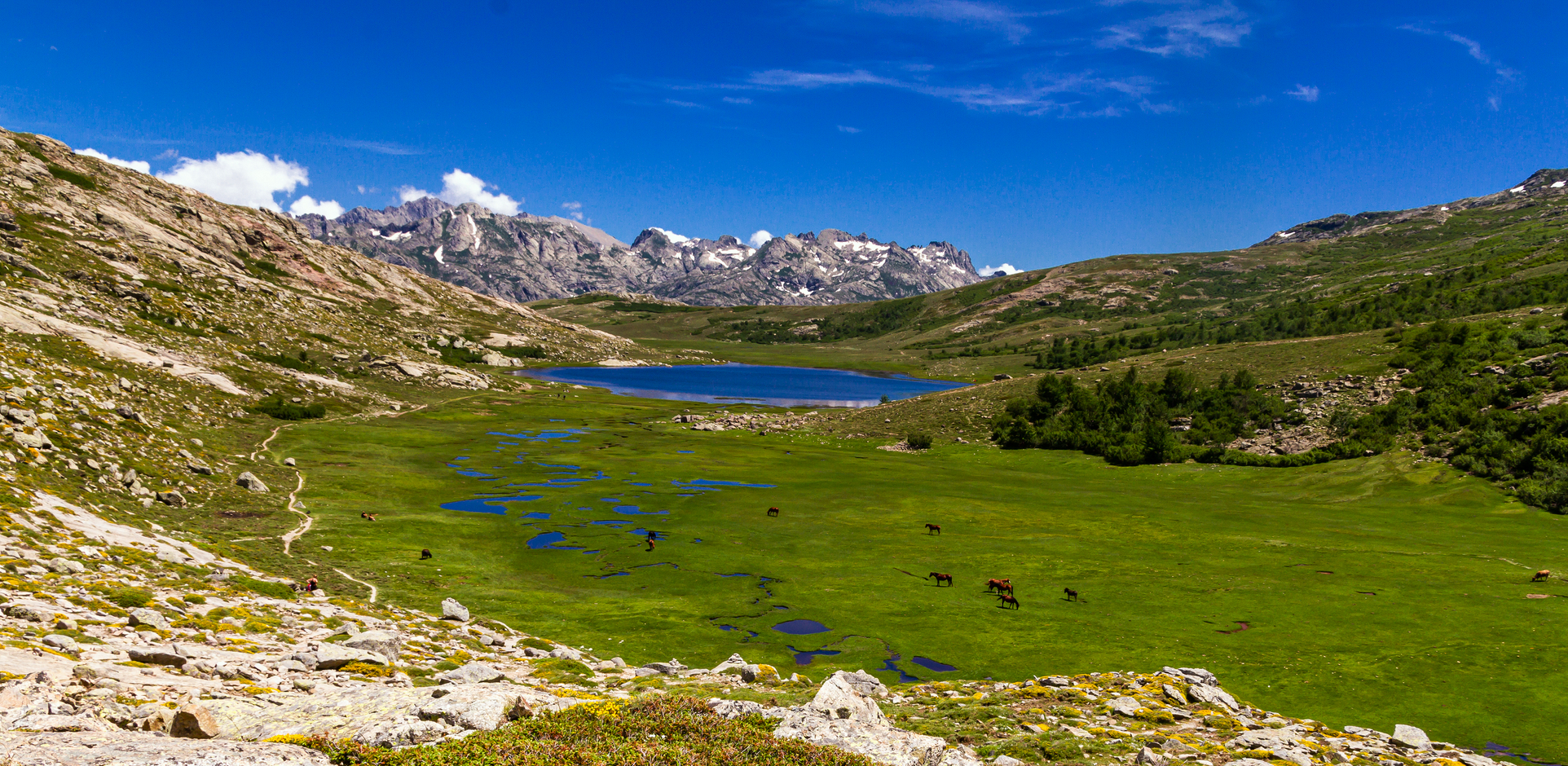
Monte Cinto is the highest peak in Corsica, with an altitude of 2,706 meters. Located in the Corsica Regional Natural Park, Monte Cinto offers panoramic views of the island and the Mediterranean. The ascent of Monte Cinto is a popular hike for mountain and nature lovers. There are several hiking routes to reach the summit, each offering different challenges. The hike is generally considered difficult and demanding, requiring good physical condition and previous mountain experience. During the ascent, hikers can discover the unique landscapes of Corsica, including mountains, rivers, lakes and pine forests. They can also observe a wide variety of fauna and flora, including birds of prey, mouflons and plants endemic to Corsica. Monte Cinto is an important place for Corsican culture, with local legends associated with the mountain. Visitors can also discover Corsican villages and traditions during their trip to the region. Climbing Monte Cinto is an unforgettable experience for hikers and nature lovers looking for challenges and natural beauty in the region of Corsica.
1
4

Superb stone building that straddles the Fango. It allows you to go from one bank to the other when you take the Mare è Monti path. He suggests a last swim if we head towards Galéria.
1
0
The Fango valley has been classified as a UNESCO biosphere reserve since 1977. The Fango stream has helped to dig it over the years. It rises at the foot of Capu Tafunatu at an altitude of 2,335 meters and flows into the Gulf of Galéria. This beautiful valley has many very refreshing natural pools.
2
1
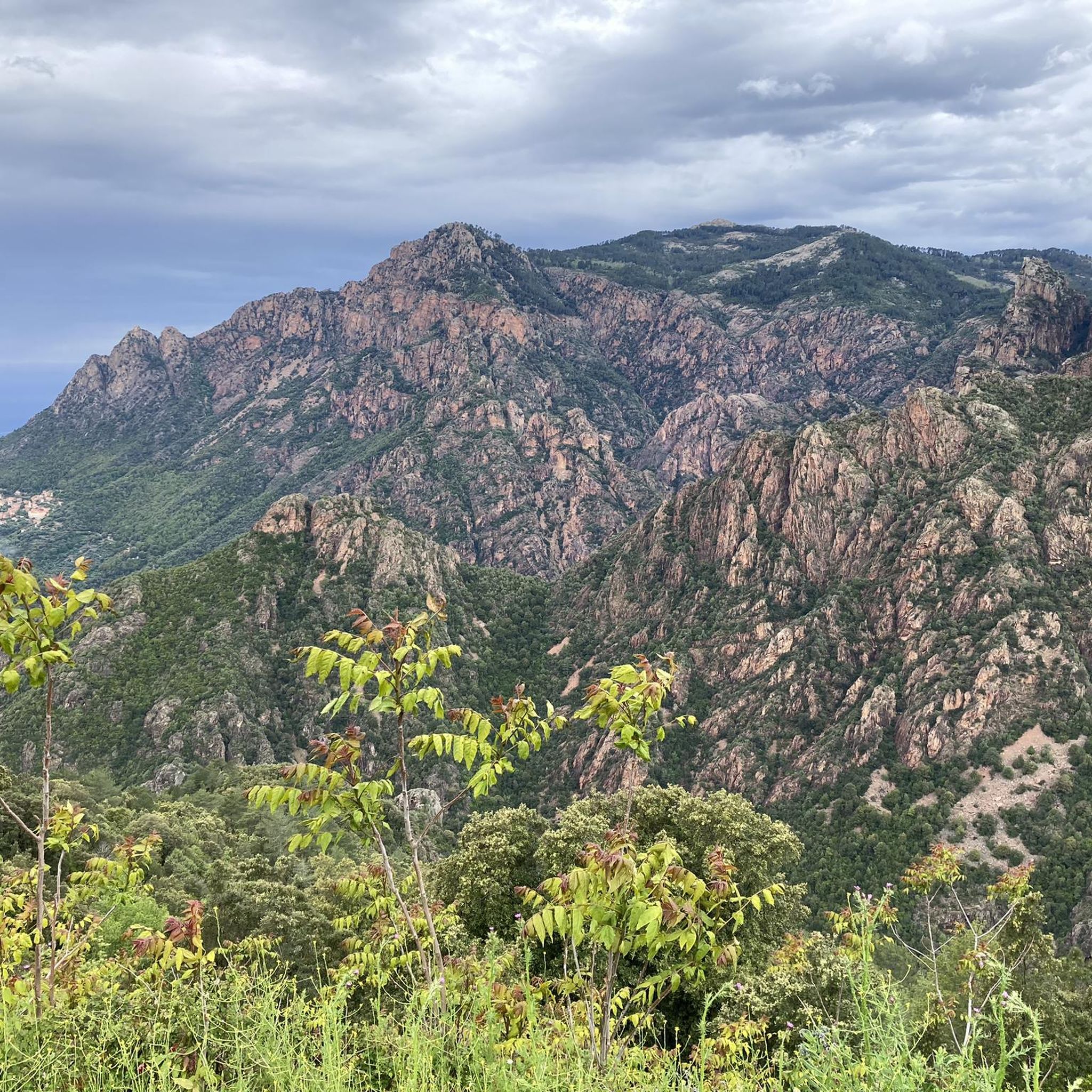
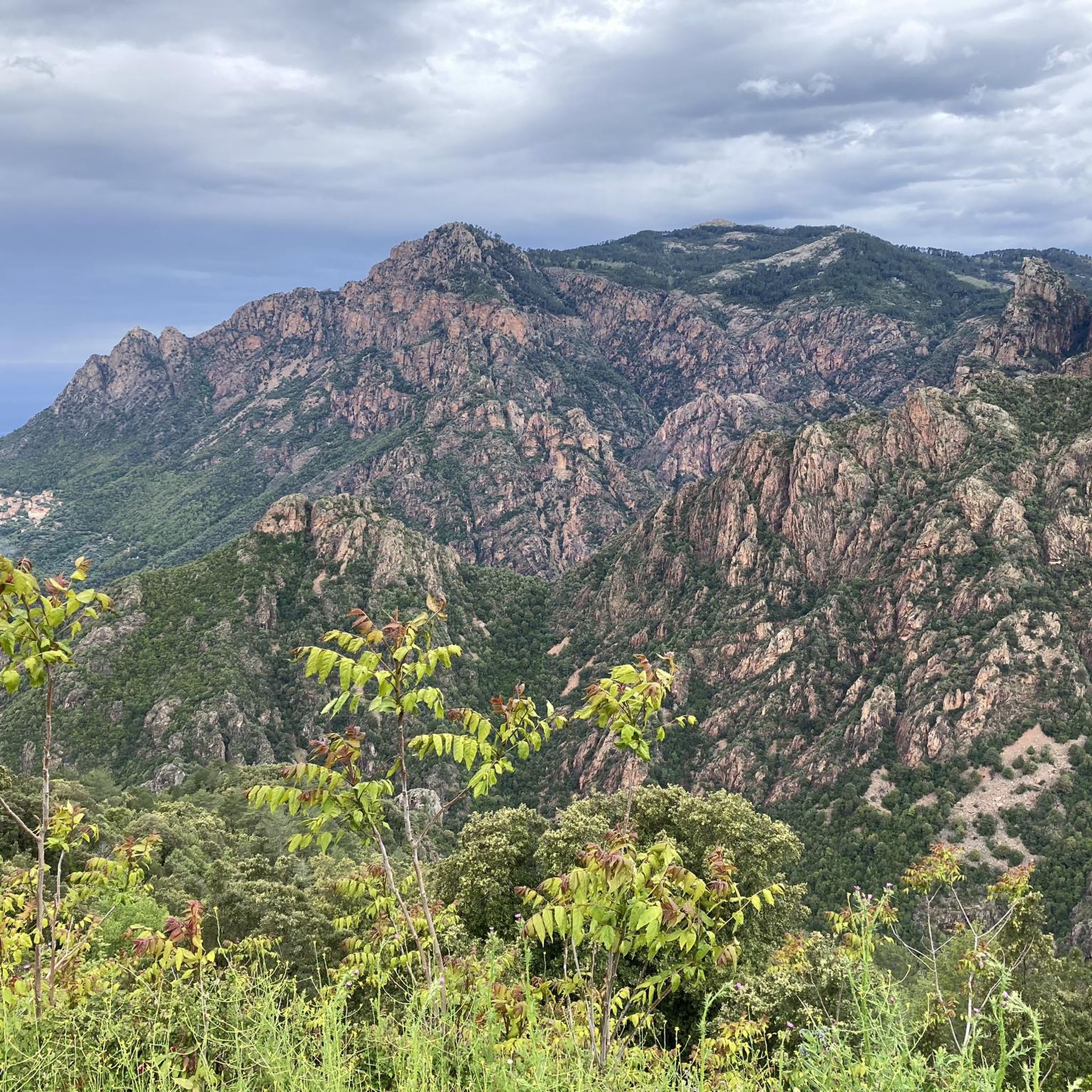
The gorges of Spelunca (Spilonca in Corsica) extend between the villages of Ota and Evisa. The path that runs along the impressive and deep canyon follows an old mule track. This place is very popular, therefore very busy, but its beauty totally justifies this craze.
4
1
Frequently Asked Questions
What are the most prominent natural monuments to visit around Évisa?
The region around Évisa is home to several impressive natural monuments. Two of the most significant are the majestic Aïtone Forest, known for its ancient laricio pines and refreshing natural pools, and the dramatic Spelunca Gorges, characterized by towering pinkish granite cliffs and an ancient mule track. Another notable site is the Piana Calanques via the Old Mule Track, a UNESCO World Natural Heritage site famous for its bizarre red rock formations.
Are there natural pools for swimming near Évisa's natural monuments?
Yes, both the Aïtone Forest and the Spelunca Gorges offer numerous natural pools perfect for a refreshing dip. In the Aïtone Forest, areas like Lindinosa are particularly known for their swimming spots, though the water temperature rarely exceeds 11°C even in summer. The Tavulella river within the Spelunca Gorges also forms many clear, cool pools. Additionally, the Fango River Valley, a UNESCO biosphere reserve, is celebrated for its many refreshing natural pools.
What kind of hiking opportunities are available around Évisa's natural monuments?
Évisa serves as an excellent base for various hiking experiences. You can explore the Aïtone Forest via trails that wind through chestnut groves, or tackle the ancient mule track through the Spelunca Gorges, which offers stunning panoramic views. For more specific routes, you can find numerous options for hiking around Évisa, including routes to the Aïtone Natural Pools or through the gorges.
Are there family-friendly natural monuments or activities near Évisa?
Absolutely. The Aïtone Forest is considered ideal for families, offering relaxation and educational panels along hiking trails that describe local flora. Children might also enjoy spotting free-roaming animals like pigs and cows. The Spelunca Gorges also feature hiking trails suitable for various fitness levels, including family-friendly paths. The Ponte Vecchiu (Fango) is another family-friendly spot where you can swim and enjoy the river.
What unique geological features can be observed in the natural monuments around Évisa?
The region boasts remarkable geological diversity. The Spelunca Gorges are famous for their towering pinkish granite cliffs, reaching up to 300 meters high, carved by the Tavulella river. The Piana Calanques are renowned for their bizarre, distinctive red rock formations, which have earned them World Natural Heritage status. These dramatic landscapes provide a unique insight into Corsica's geological history.
What is the best time of year to visit the natural monuments around Évisa?
The ideal period to visit the natural monuments around Évisa is generally during the spring and autumn months when the weather is milder and the landscapes are vibrant. Summer also offers opportunities for refreshing swims in the natural pools, though trails can be busier. The Aïtone Forest, with its dense tree cover, provides a cool retreat even during warmer periods.
Are there any historical sites within or near the natural monuments?
Yes, the Spelunca Gorges are not only a natural wonder but also hold historical significance. An ancient mule track winds through the canyon, and you can find architectural attractions like the medieval Genoese bridges, Ponte a Zaglia and Pont de Pianella, which are classified as historic monuments. Local legend also mentions the ruins of Leca castle on a massive rock within the gorges.
What kind of wildlife can be encountered in the Aïtone Forest?
The Aïtone Forest is a habitat for diverse wildlife. Visitors might encounter free-roaming animals such as pigs and cows. It is also home to rarer species, including the red kite, the Corsican nuthatch, and the elusive Corsican wild cat (Gjhattu Volpe), making it an interesting spot for nature enthusiasts and wildlife observers.
How accessible are the natural monuments from Évisa?
Many natural monuments are quite accessible from Évisa. The Aïtone Forest can be reached via a scenic 40-minute walk through chestnut groves from the village or by car along the D84 mountain road. The Spelunca Gorges are also easily accessible, with the D84 road following its course and offering highly scenic views. Hiking trails within both areas cater to various levels of difficulty.
What do visitors particularly enjoy about the natural monuments around Évisa?
Visitors frequently praise the dramatic scenery and the opportunity for immersion in pristine nature. The Spelunca gorges are highly popular for their impressive canyon and the beauty of the mule track. The Piana Calanques are celebrated for their bizarre red rocks and exclusive views of the deep blue sea. Many also appreciate the refreshing natural pools found in areas like the Fango River Valley, perfect for a cool dip.
Are there challenging trails for experienced hikers near Évisa's natural monuments?
Yes, for experienced hikers, there are more challenging routes available. For instance, the path on the old donkey track through the Piana Calanques requires security and attention due to many stones and rocks. Additionally, the region offers mountain hikes around Évisa, with routes like those to Monte Cinto, the highest point in Corsica, providing a truly demanding experience with stunning views from 2,706 meters.
Can I find information about the local flora and fauna while exploring?
Yes, the Aïtone Forest features educational panels along its hiking trails, particularly through the chestnut groves, which describe the local flora. When hiking the mule track through the Spelunca Gorges, you can also gain insights into the local fauna and flora, as well as the history of the area's construction and Genoese bridges.
Most popular attractions around Évisa

Get inspired with the komoot mobile app


Explore more
Extend your search for the best caves by checking out these guides of the top ones around Évisa:
