Top 4 Natural Monuments around Bareilles
Best natural monuments around Bareilles are found in the Hautes-Pyrénées department of southwestern France, a region characterized by its tranquil village setting and proximity to the Pyrenees mountain range. The area offers access to diverse natural landscapes, including mountain passes and lakes. While Bareilles itself is a small commune, the surrounding territory provides numerous natural features for exploration. This region is ideal for those seeking outdoor activities amidst varied terrain.
Best natural monuments around Bareilles
- The most popular natural monuments…
Last updated: November 5, 2026
Col d'Aspin
Highlight • Mountain Pass
Showing Translation
Tip by

Espiadet Royal Quarry
Highlight • Structure
The attested existence of the Espiadet marble quarry in Payolle dates back to Roman times.
Marble was then used for paving and creating baths in thermal baths and decorating …
Translated by Google •
Tip by

Sign up now to discover places like this
Get recommendations on the best single tracks, peaks, & plenty of other exciting outdoor places.
Port de Pierrefite Cromlech
Highlight • Monument
Translated by Google •
Tip by

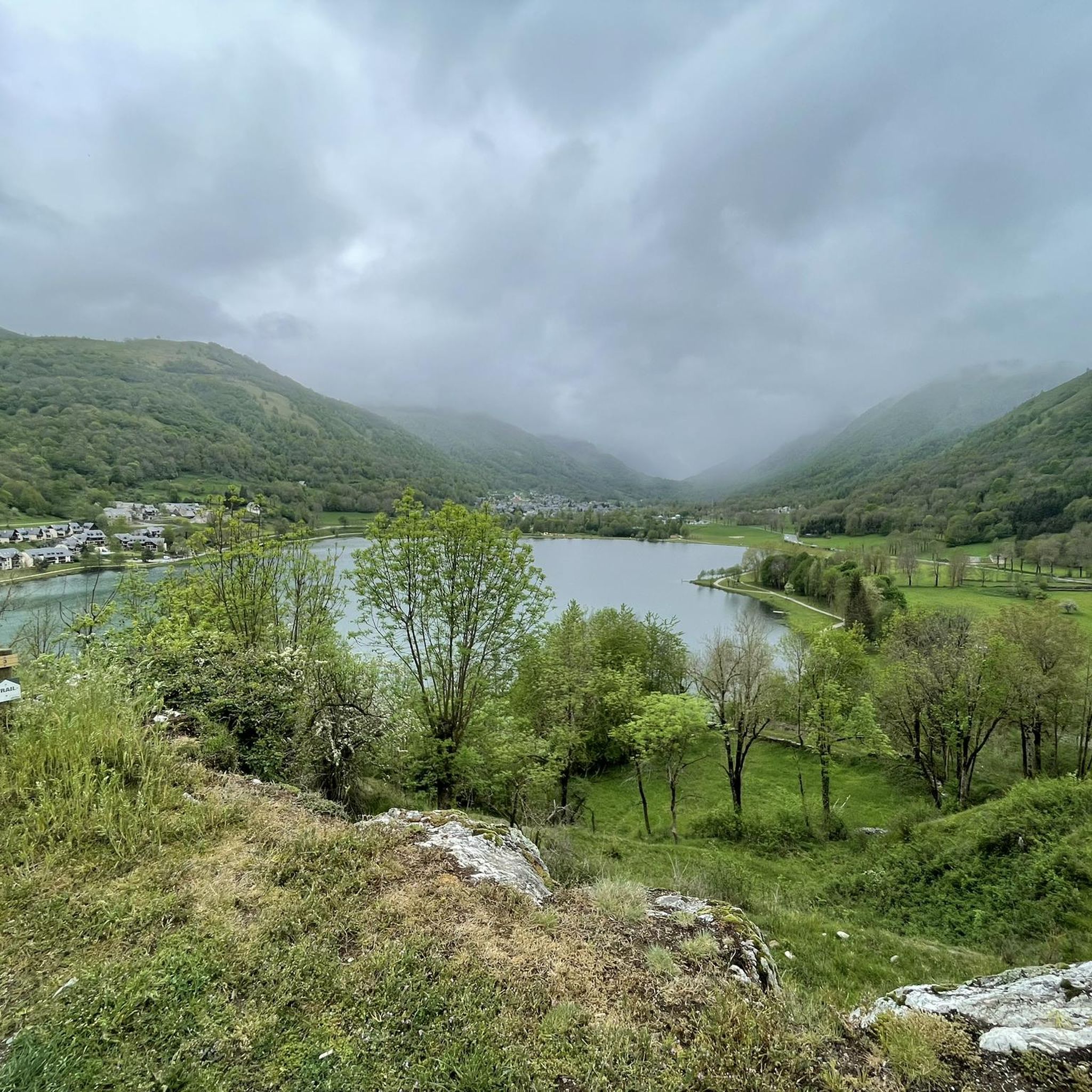
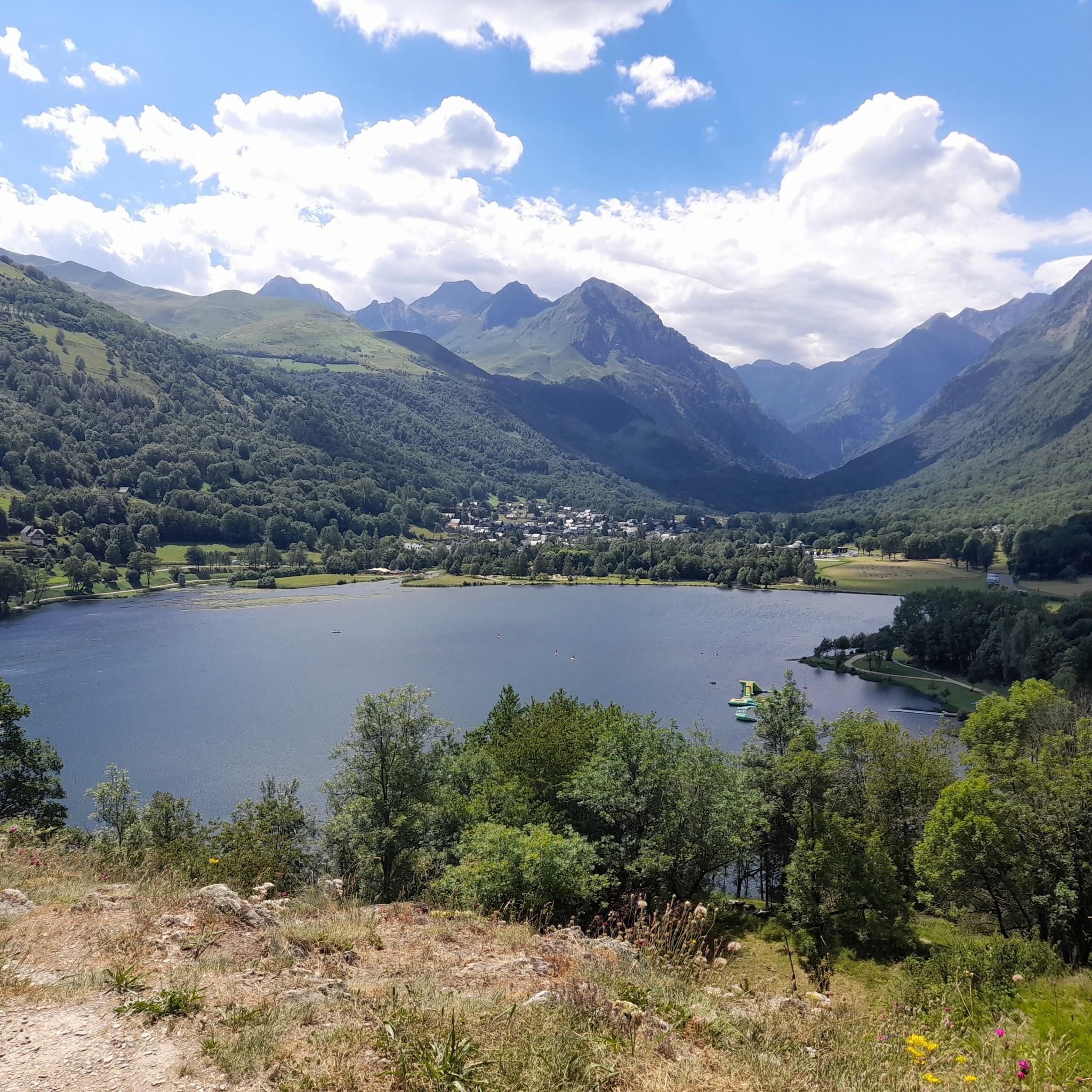
Lac de Payolle
Highlight • Lake
Translated by Google •
Tip by
Start today with a free account
Your next adventure awaits.


Tips from the Community

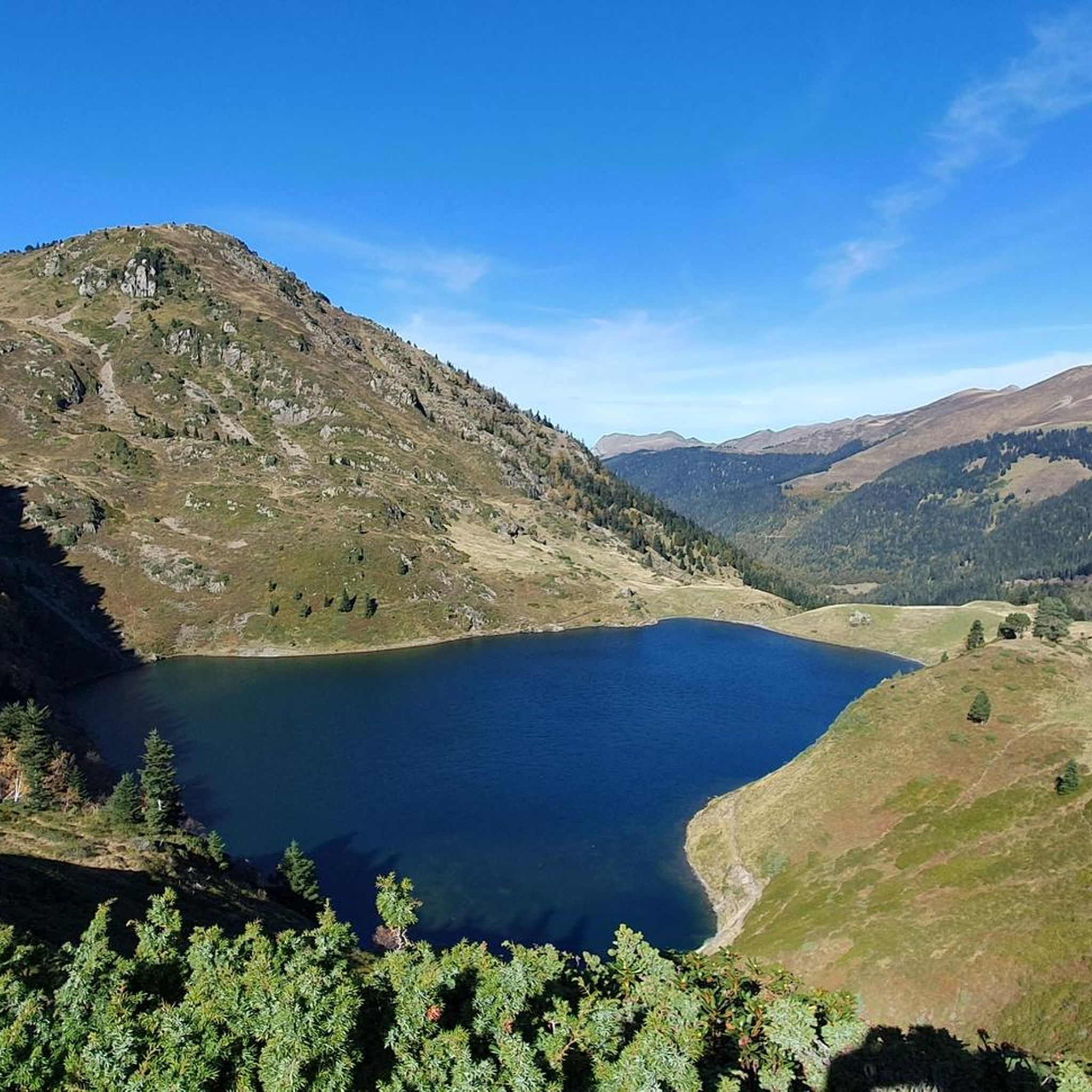
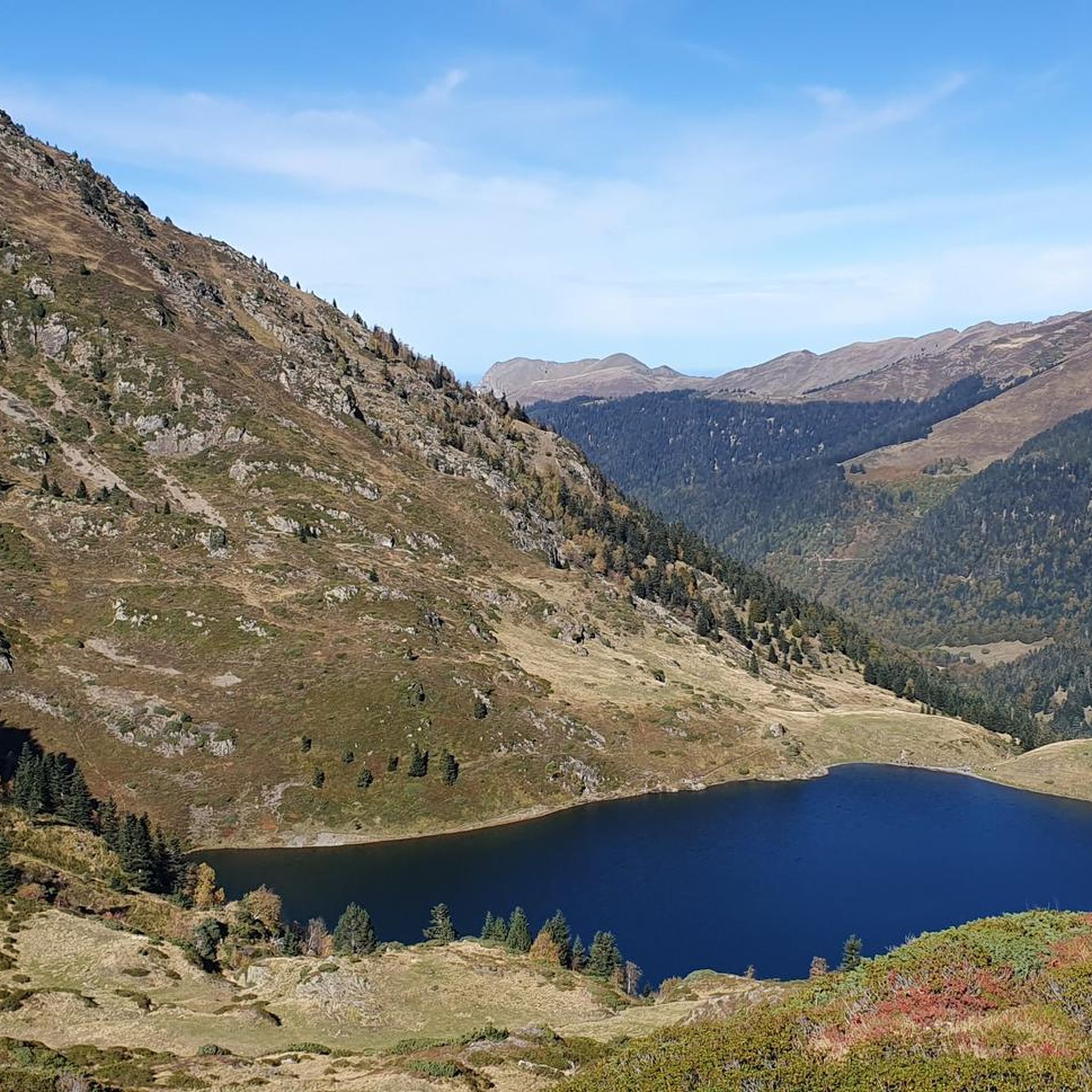
The summit rock and a seating area are located after the strenuous ascent. Here you have to decide which way you want to go next.
0
0

Pleasant and legendary climb used by the Tour de France
1
0

A beautiful lake, the tour is easy to do!
0
0


Culminating at 1,489 meters above sea level, the Col d'Aspin is a classic of the Tour de France. Its ascent from Arreau is magnificent. Via a few switchbacks, it winds for 12 kilometers at an average gradient of 6.5% with some sections at 10%. It is also possible to climb it from Sainte-Marie-de-Campan. The climb is 12.5 kilometers long with an average gradient of 5.1%.
4
1

The Col de Pierrefite and its cromlech is a place steeped in history and mystery. Its megalith surrounded by stones arranged in a circle takes us back several millennia before our era.
0
0

Pass at 1489 m altitude, not far from the Pic du Midi and the Col du Tourmalet. Splendid view.
1
1
Frequently Asked Questions
What are some popular natural monuments to visit near Bareilles?
The region around Bareilles offers several notable natural monuments. Among the most popular are Col d'Aspin, a mountain pass known for its splendid views and as a classic of the Tour de France, and Lac de Payolle, an artificial lake nestled in the Pyrenees, ideal for serene walks. Another interesting site is the Port de Pierrefite Cromlech, a historical megalithic structure with ancient origins.
Are there any historical natural monuments or sites of interest near Bareilles?
Yes, the area combines natural beauty with historical significance. The Espiadet Royal Quarry is an exceptional historical site where marble has been extracted since Roman times, used in famous monuments worldwide. Additionally, the Port de Pierrefite Cromlech features megalithic structures dating back to 1200 to 600 BC, offering a glimpse into ancient history amidst natural surroundings.
What kind of outdoor activities can I do near the natural monuments around Bareilles?
The natural monuments around Bareilles are excellent starting points for various outdoor activities. Cycling is very popular, especially tackling the challenging mountain passes like Col d'Aspin. You can find numerous cycling routes, including road cycling and gravel biking, in the area. For detailed routes, explore the Road Cycling Routes around Bareilles or Gravel biking around Bareilles guides.
Are there family-friendly natural monuments or activities near Bareilles?
Yes, Lac de Payolle is particularly family-friendly. It's an artificial lake where visitors can enjoy beautiful and easy walks around its perimeter. The serene environment and accessible paths make it suitable for families looking for a relaxed outdoor experience.
What are the best times to visit the natural monuments in the Bareilles region?
The best time to visit the natural monuments in the Bareilles region largely depends on your preferred activities. For cycling and hiking in the mountain passes, late spring to early autumn (May to October) offers the most favorable weather conditions. During winter, areas like Lac de Payolle can freeze entirely, offering a different, picturesque experience, though some mountain roads might be closed due to snow.
What do visitors enjoy most about the natural monuments around Bareilles?
Visitors frequently praise the stunning panoramic views from mountain passes like Col d'Aspin. The tranquility and beauty of lakes such as Lac de Payolle and Lake Bareilles are also highly appreciated for peaceful walks. The historical depth of sites like the Espiadet Royal Quarry adds another layer of interest, combining natural landscapes with rich heritage.
Are there any challenging hiking or cycling routes associated with these natural monuments?
Absolutely. Mountain passes like Col d'Aspin offer challenging ascents, with gradients reaching up to 10% on some sections, making them popular for experienced cyclists. While Lake Bareilles offers pleasant walks, some passages on its ridges can be quite tricky, requiring careful navigation. For more challenging cycling routes, refer to the Cycling around Bareilles guide.
Can I find viewpoints with panoramic scenery near Bareilles?
Yes, the region is rich in viewpoints. Col d'Aspin, at an altitude of 1489 meters, offers splendid panoramic views of the surrounding Pyrenees. Port de Pierrefite Cromlech also serves as a viewpoint, combining historical interest with scenic vistas. Both Lac de Payolle and Lake Bareilles provide beautiful perspectives of the lakes and surrounding forests.
What is the significance of the Espiadet Royal Quarry?
The Espiadet Royal Quarry is historically significant for its Campan marble, which became known as 'Royal Marble' during the time of Louis XIV. Its attested existence dates back to Roman times, and its unique colored marble has been used in thermal baths, medieval sarcophagi, and to adorn beautiful monuments across the world. An association works to preserve and recognize this exceptional heritage, offering visits during the summer.
Are there any other notable mountain passes in the wider Pyrenees region accessible from Bareilles?
Beyond Col d'Aspin, the Pyrenees region near Bareilles is famous for several other iconic mountain passes. These include Hourquette d'Ancizan, Port de Balès, and Col de Peyresourde. These passes are renowned for their challenging climbs and breathtaking scenery, making them popular destinations for cyclists and those seeking spectacular views.
What kind of terrain can I expect when exploring the natural monuments around Bareilles?
The terrain around Bareilles is diverse, ranging from the gentle paths around lakes like Lac de Payolle to the steep and winding roads of mountain passes such as Col d'Aspin. You'll encounter forested areas, open meadows, and rocky mountain landscapes. Some trails, particularly on ridges around Lake Bareilles, can be challenging with tricky passages.
Are there opportunities for long-distance cycling routes that include these natural monuments?
Yes, the region is a hub for long-distance cycling. Many routes incorporate the famous mountain passes. For example, you can find routes like 'Col d'Aspin – Col d'Aspin West Approach loop' which is over 100 km, or 'Peyresourde Pass – Peyresourde Pass loop' around 50 km. These routes often link multiple passes and scenic points, offering extensive cycling experiences. Check the Cycling around Bareilles guide for more options.
Most popular routes around Bareilles
Most popular attractions around Bareilles

Get inspired with the komoot mobile app


Explore more
Extend your search for the best caves by checking out these guides of the top ones around Bareilles:
