Attractions and Places To See around Santa Maria in Calanca - Top 20
Best attractions and places to see around Santa Maria in Calanca, a village in the Swiss canton of Graubünden, are found nestled between the Mesolcina and Calanca valleys. This area, situated at 955 meters, features historical landmarks, stone buildings, and cobbled pedestrian streets. The natural landscape is characterized by abundant chestnut trees, contributing to its picturesque setting.
Best attractions and places to see around Santa Maria in Calanca
- The most popular attractions is Brogoldone Hut, a hut that was once a mountain pasture and has been renovated to preserve its historical structure. It features two buildings, one serving as a dormitory and the other as a kitchen and dining room, with a small restaurant.
- Another must-see spot is Secondary road through the Mesolcina Valley to the San Bernardino Pass, a cycle way offering an exhilarating descent and magnificent views. This route allows for immersion in nature away from traffic, passing historical sites like the Castello di Mesocco.
- Visitors also love Santa Maria in Calanca Tower, a 14th-century historical site. This medieval tower, a Swiss heritage site, offers panoramic views from its strategic position and features a cistern, living quarters, and a defensive platform.
- Santa Maria in Calanca is known for its historical sites, traditional villages, and scenic routes. The region offers a variety of attractions to see and explore, from ancient towers to car-free settlements and mountain huts.
- The attractions around Santa Maria in Calanca are appreciated by the komoot community, with 33 upvotes and 25 photos shared by visitors.
Last updated: May 9, 2026
Brogoldone Hut
Highlight • Mountain Hut
Source: brogoldone.ch
Translated by Google •
Tip by

Secondary road through the Mesolcina Valley to the San Bernardino Pass
Highlight • Cycleway
An exhilarating descent through the Mesolcina Valley. Eagerly absorbing the mild southern climate. In Mesocco, cyclists enjoy the largest ruin in Switzerland and, at the end of the tour, in Bellinzona, the defiant towers and walls of the tre castelli.
Refreshed, they follow the rushing Moësa River out of the lively resort town of San Bernardino. The 46-kilometer-long tributary of the Ticino rises at the San Bernardino Pass and gives its name to the Mesolcina Valley (Misox). Although Italian is spoken in the valley, as in the Poschiavo and Bregaglia valleys, it has always maintained close ties to Graubünden. In the smaller villages, where many of the houses are covered with stone slabs, time seems to have stood still. You hardly stop on your bike during the rapid descent towards the south. Surrounded by rocky cliffs, you roar along a well-maintained road with countless skid marks. The highway, which practically hangs from the mountain, seems a bit surreal. Later, a varied side road leads down to Mesocco. Magnificent views of the valley are revealed. Below the village, perched on a rocky outcrop, are the ruins of the Castello di Mesocco, the 11th-century ancestral castle of the Count of Misox. It is considered one of the most important in Graubünden and the largest in Switzerland.
Roveredo is the main town in the lower Misox Valley. And what could be nicer here than a break in a cool grotto, enjoying a typical lunch menu and a glass of local wine? The village also boasts several beautiful 17th-century houses, such as the one designed by local architect and builder Enrico Zuccalli. A secluded stretch follows near Lumino, just after crossing the highway and the river. A forest path leads along the Moësa River over hill and dale. Passing an inviting forest garden grotto and some secluded swimming spots, you reach Arbedo-Castione. Here, the Moësa flows into the Ticino River.
Text / Source: Schweizmobil.ch
schweizmobil.ch/de/veloland/route-6/etappe-7
Translated by Google •
Tip by

Sign up now to discover places like this
Get recommendations on the best single tracks, peaks, & plenty of other exciting outdoor places.
Sign up for free
Santa Maria in Calanca Tower
Highlight • Historical Site
Tip by

Monastery of Santa Maria Assunta
Highlight • Religious Site
For the residents of Claro, the Riviera Region and Bellinzona, the site of the monastery embodies love and tradition to the eye and heart. When you visit the monastery, you can not only admire paintings and sculptures of rare beauty, but also learn about the lives of the nuns and enjoy wonderful views of the Riviera Valley and the entire Bellinzona region.
For over five centuries, the very capable nuns have lived a spiritual life according to the rules of St. Benedict. In recent years the buildings have been completely renovated and now have a new beauty and harmony. The monastery will delight all art lovers. Inside there are three neoclassical altars and murals from the late 15th century. Particularly worth seeing is the Pieta sculpture group made of lime wood, painted and gilded, which dates back to the 15th/16th centuries. century. These are on a side altar.
Translated by Google •
Tip by

Landarenca Village
Highlight • Settlement
The surrounding landscape is very beautiful and impressive. Landarenca can only be reached on foot or by cable car, which was built in 1962 and modernized in 2004. This means that Landarenca is completely car-free and you can still enjoy absolute peace and pure air here.
The village nestles on a small terrace against the rocks, which slope very steeply down to the valley floor. The agricultural land, which has been crucial to the survival of the residents in the past, is located on gentler terrain above the village. Landarenca also has the problem of a sharp decline in agriculture and the advance of forests. The population has also declined significantly, from over 150 to 15 permanent residents.
Translated by Google •
Tip by

Sign up for free to discover even more attractions around Santa Maria in Calanca.
Sign up for free
Already have an account?
Start today with a free account
Your next adventure awaits.
Login or Signup

Tips from the Community


Stage 7: San Bernardino – Bellinzona An exhilarating descent through the Mesolcina Valley. Eagerly absorbing the mild southern climate. In Mesocco, cyclists enjoy the largest ruin in Switzerland and, at the end of the tour, in Bellinzona, the defiant towers and walls of the tre castelli. Refreshed, they follow the rushing Moësa River out of the lively resort town of San Bernardino. The 46-kilometer-long tributary of the Ticino rises at the San Bernardino Pass and gives its name to the Mesolcina Valley (Misox). Although Italian is spoken in the valley, as in the Poschiavo and Bregaglia valleys, it has always maintained close ties to Graubünden. In the smaller villages, where many of the houses are covered with stone slabs, time seems to have stood still. You hardly stop on your bike during the rapid descent towards the south. Surrounded by rocky cliffs, you roar along a well-maintained road with countless skid marks. The highway, which practically hangs from the mountain, seems a bit surreal. Later, a varied side road leads down to Mesocco. Magnificent views of the valley are revealed. Below the village, perched on a rocky outcrop, are the ruins of the Castello di Mesocco, the 11th-century ancestral castle of the Count of Misox. It is considered one of the most important in Graubünden and the largest in Switzerland. Roveredo is the main town in the lower Misox Valley. And what could be nicer here than a break in a cool grotto, enjoying a typical lunch menu and a glass of local wine? The village also boasts several beautiful 17th-century houses, such as the one designed by local architect and builder Enrico Zuccalli. A secluded stretch follows near Lumino, just after crossing the highway and the river. A forest path leads along the Moësa River over hill and dale. Passing an inviting forest garden grotto and some secluded swimming spots, you reach Arbedo-Castione. Here, the Moësa flows into the Ticino River. Text / Source: Schweizmobil.ch https://schweizmobil.ch/de/veloland/route-6/etappe-7
14
0

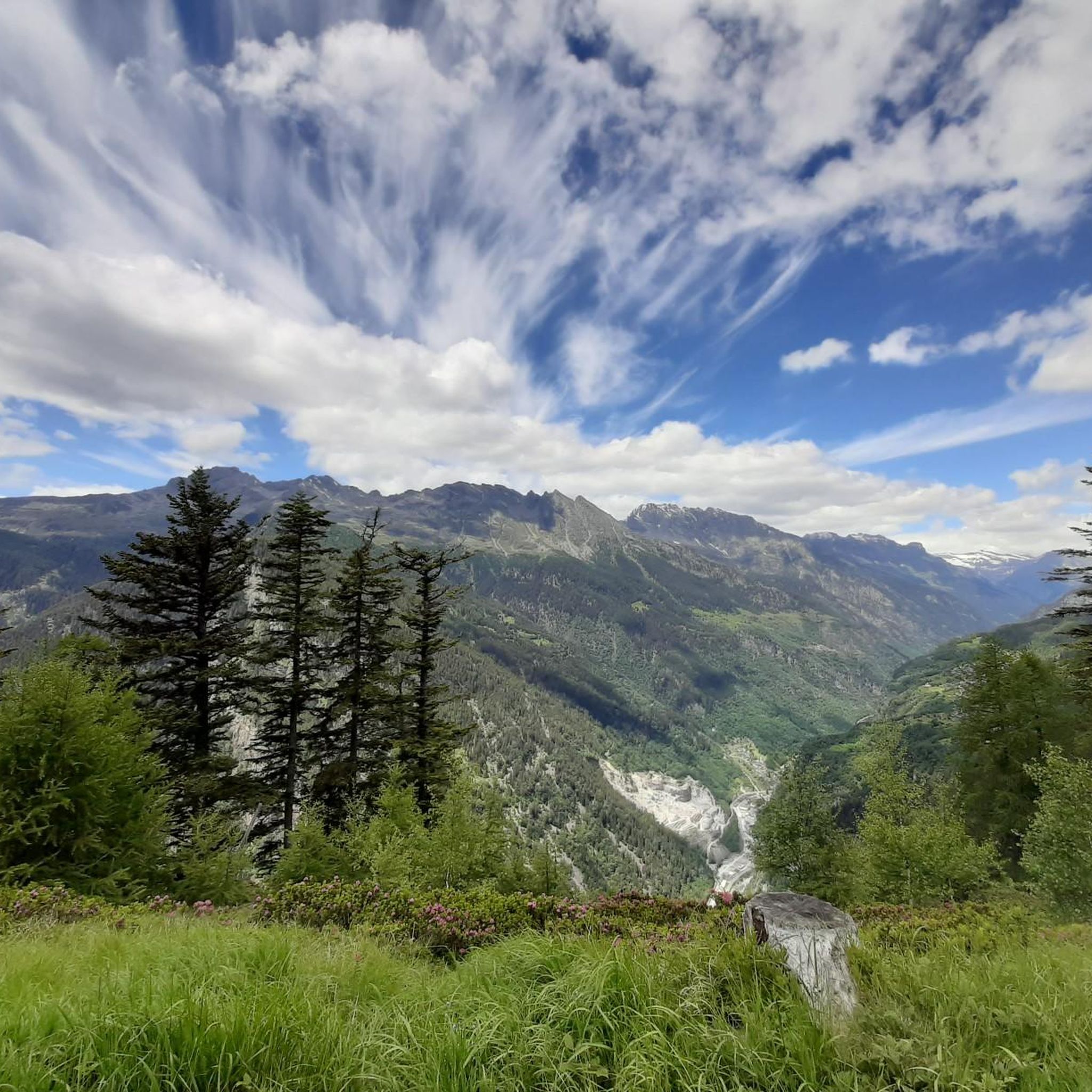
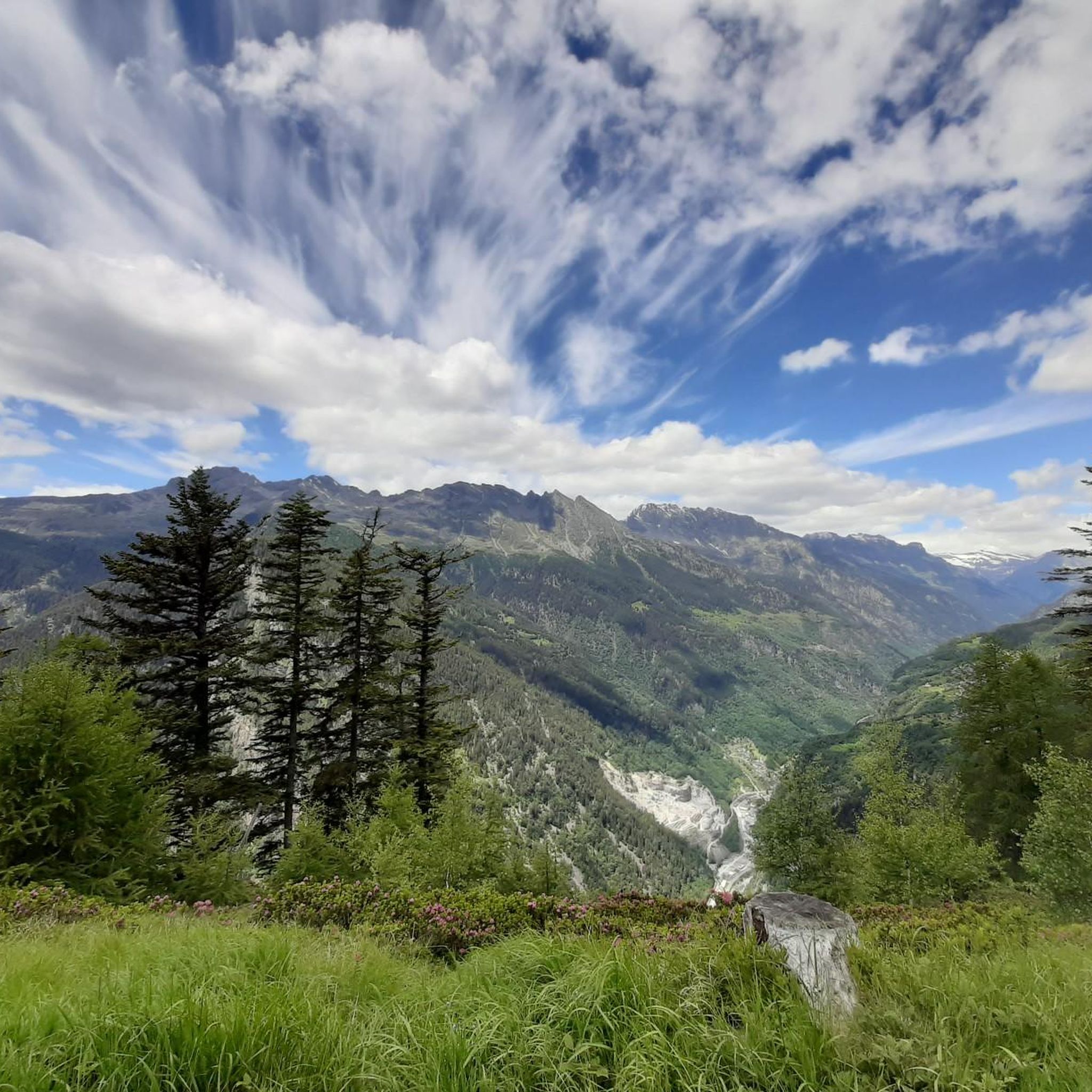
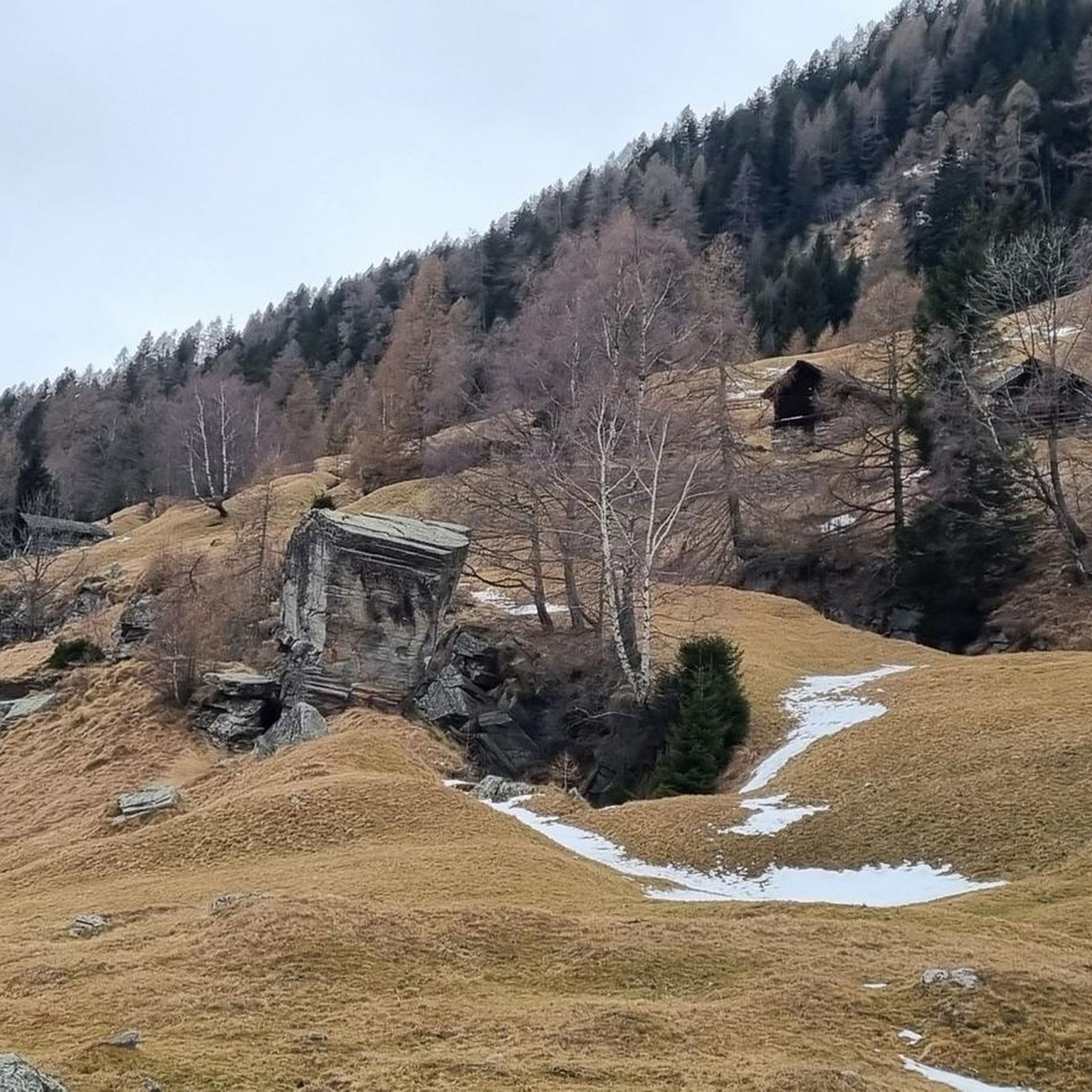
The Capanna Brogoldone is an alpine pasture with two main huts. One hut can accommodate up to 59 people. The other hut houses a small restaurant. Amazing views from up there!
4
0

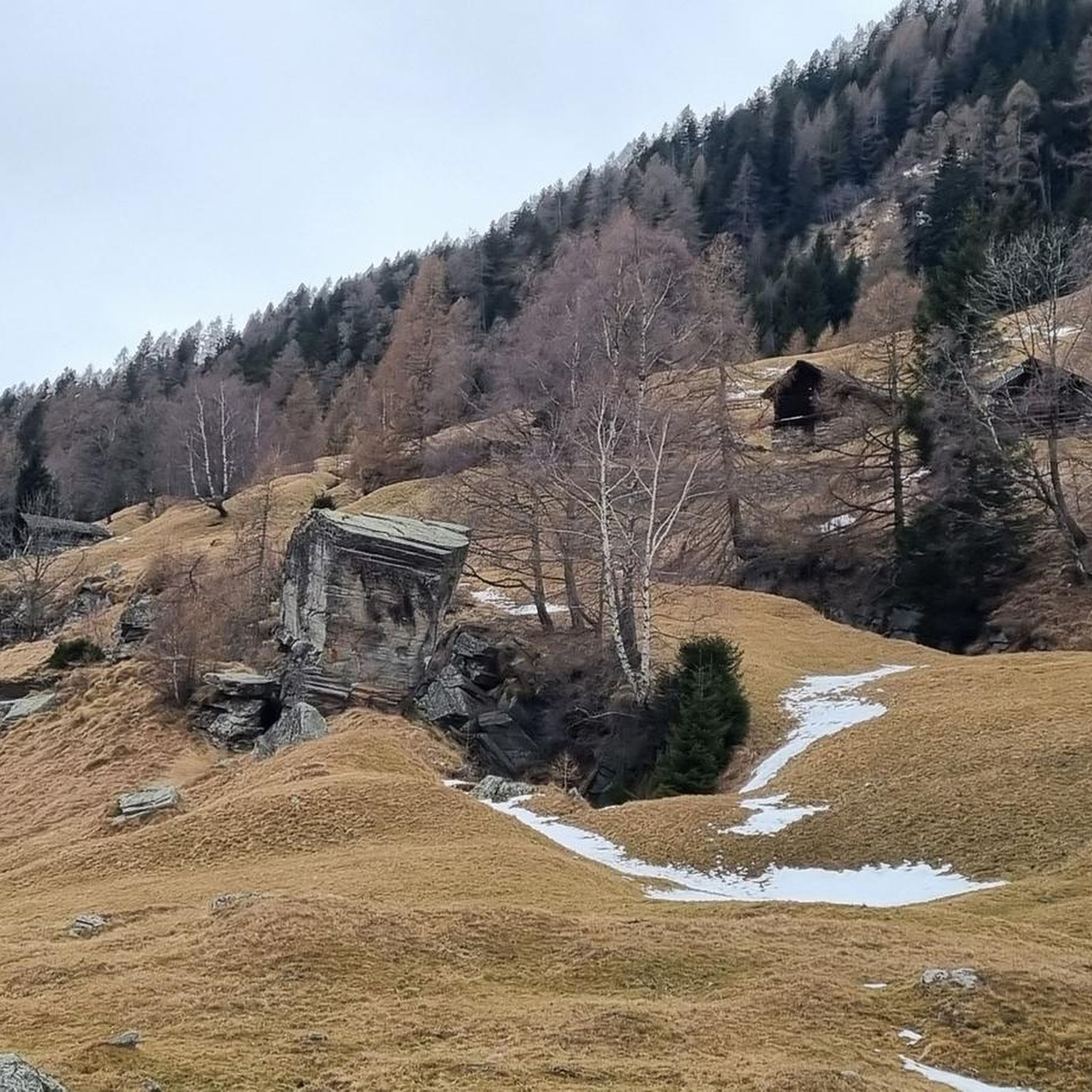
The Capanna Brogoldone was once a mountain pasture and is today the result of a desire to preserve the remains of a bygone era. From 1995 to 1998, a group of volunteers set to work renovating the two existing buildings while maintaining the typical structure of the pasture: the former stable became a dormitory, and the building that once served as a cheese dairy and shelter for the mountain herders was converted into a kitchen and dining room. Source: https://www.brogoldone.ch/
8
1

Once you arrive in the town it is worth going a little longer to visit the Tower, formerly part of a residential building. One of the testimonies of the ancient life of the Valley.
0
0
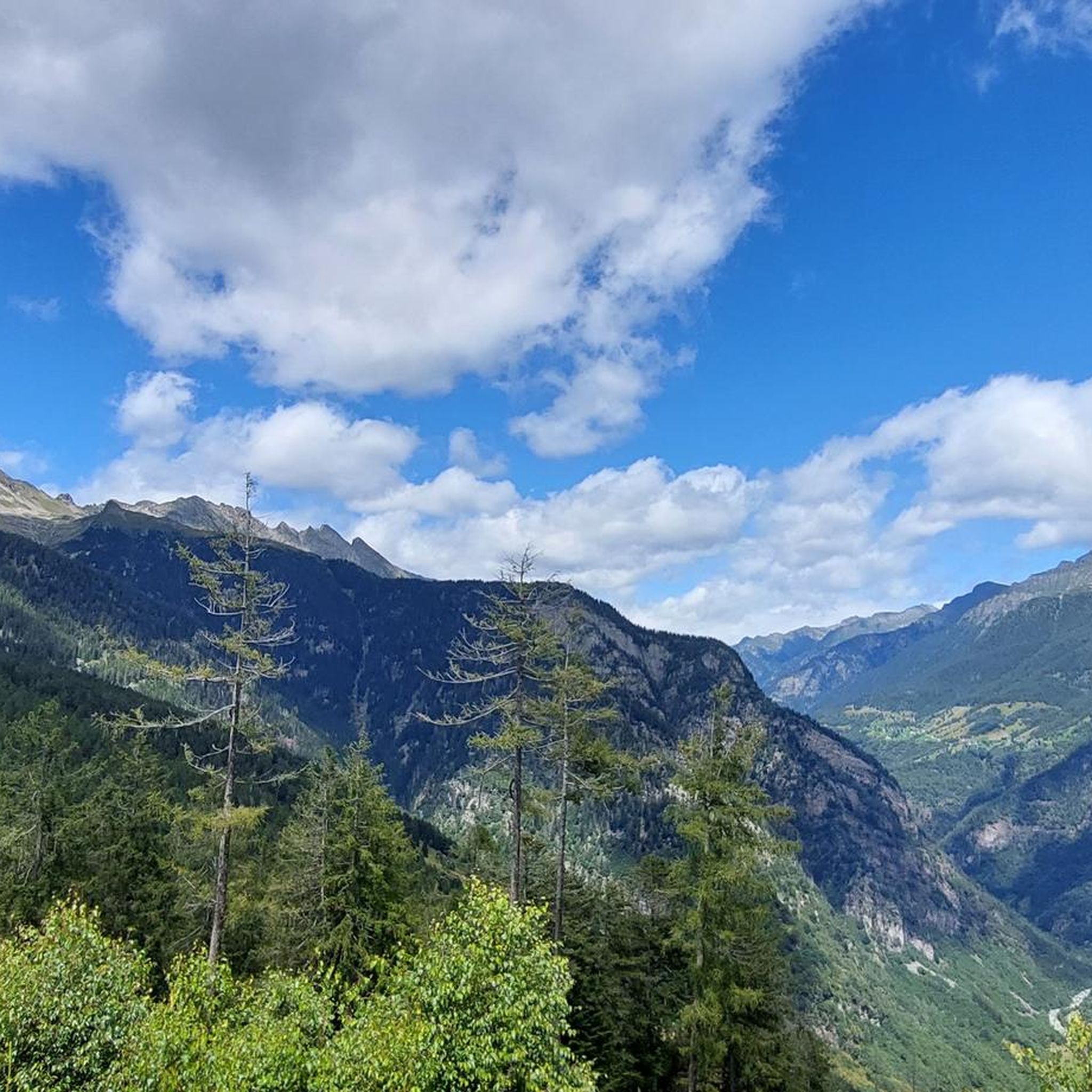
This stretch of road allows you to go to (or return from) the San Bernardino Pass away from traffic. A better immersion in Nature from the Valley.
1
0

Landarenca is located at an altitude of 1252 meters on a terrace on the right side of the Calanca Valley and can only be reached on foot or by cable car. The town is located on a small terrace leaning against the rocks overlooking the valley.
0
0
The tower, which dominates the Church of Santa Maria Assunta, was built in the 14th century. The lower floor was used as a cistern while the two upper floors were equipped with a fireplace for heating, rooms and a latrine. The building was topped by a defensive platform. From the roof terrace you can enjoy a breathtaking view of the valley.
0
0
Frequently Asked Questions
What historical landmarks can I explore in Santa Maria in Calanca?
Santa Maria in Calanca is rich in history. You can visit the Santa Maria in Calanca Tower, a 14th-century medieval tower offering panoramic views. Adjacent to it is the Church of S. Maria Assunta, a Swiss heritage site with parts dating back to the Romanesque period, featuring a richly painted Renaissance ceiling and Baroque frescoes. The Hospice of the Capuchin Fathers also forms part of this significant architectural complex. Further afield, the 11th-century Castello di Mesocco, one of Switzerland's largest castles, offers magnificent valley views.
Are there any car-free villages to visit near Santa Maria in Calanca?
Yes, the charming Landarenca Village is a car-free settlement located at an altitude of 1252 meters in the Calanca Valley. It offers absolute peace and pure air, accessible only on foot or by cable car, and is known for its beautiful and impressive surrounding landscape.
What kind of outdoor activities can I do around Santa Maria in Calanca?
The region around Santa Maria in Calanca is ideal for outdoor enthusiasts. You can enjoy hiking, gravel biking, and road cycling. For hiking, consider routes like the Santa Maria Cup-Marked Stones Trail or the Grono and Santa Maria in Calanca Historic Trail. Cyclists might enjoy the Secondary road through the Mesolcina Valley to the San Bernardino Pass for an exhilarating descent with magnificent views. You can find more details on various routes in the hiking guide, gravel biking guide, and road cycling guide for the area.
Where can I find scenic viewpoints in the area?
Many attractions offer excellent views. The Santa Maria in Calanca Tower provides panoramic vistas from its strategic position. The Brogoldone Hut, a renovated mountain pasture, also offers amazing views. Additionally, the Secondary road through the Mesolcina Valley to the San Bernardino Pass is known for its magnificent views of the valley.
Are there any family-friendly attractions or activities?
Yes, several spots are suitable for families. The Santa Maria in Calanca Tower and the Landarenca Village are considered family-friendly historical sites. Exploring the car-free Landarenca village by cable car can be a unique experience for children. The region also offers various easy walks and forest paths, such as those along the Moësa River, which can be enjoyable for families.
What natural features characterize the landscape around Santa Maria in Calanca?
The region is known for its natural beauty, nestled between the Mesolcina and Calanca valleys. You'll find a significant presence of chestnut trees, contributing to a picturesque landscape with a Mediterranean climate. The rushing Moësa River flows through the Mesolcina Valley, and there are forest paths leading to secluded swimming spots near Lumino. The area also offers breathtaking views, especially along the route to the San Bernardino Pass.
What is the best time to visit Santa Maria in Calanca?
Santa Maria in Calanca enjoys a Mediterranean climate, making it pleasant for outdoor activities for much of the year. The presence of abundant chestnut trees suggests beautiful scenery, particularly in spring when they bloom or in autumn for their vibrant colors. For hiking and cycling, the warmer months from late spring to early autumn would be ideal to fully enjoy the trails and natural features.
Are there any traditional restaurants or places to eat in the area?
Yes, the region is known for its traditional 'grottoes.' These restaurants, often carved into mountainsides, offer a cool place to enjoy typical local lunches and local wine. You can find them particularly in the lower Misox Valley town of Roveredo, and some are located along forest paths, like the inviting forest garden grottoes near Lumino.
Can I find any mountain huts or shelters for a break during my outdoor adventures?
Absolutely. The Brogoldone Hut (Capanna Brogoldone) is a notable spot. Once a mountain pasture, it has been renovated to preserve its historical structure and offers a small restaurant, making it an excellent place for a break to refuel during your hikes or rides.
What makes the Church of S. Maria Assunta unique?
The Church of S. Maria Assunta is a Swiss heritage site of national significance. Its oldest parts date back to the Romanesque period, likely before the year 1000. Inside, it boasts a richly painted Renaissance ceiling from 1606, considered unique in Switzerland, along with Baroque stucco work and frescoes from 1628. It also features a Gothic bell tower and a Tuscan-style portico with statues.
Are there any dog-friendly trails or attractions?
While specific dog-friendly trails are not detailed, the Landarenca Village is noted as dog-friendly, suggesting that well-behaved dogs are welcome. Generally, many hiking and walking paths in natural areas are suitable for dogs, especially those found in the hiking guide for the region.
What is the significance of the Mesolcina Valley for cyclists?
The Mesolcina Valley offers an exhilarating experience for cyclists, particularly the secondary road leading to the San Bernardino Pass. This route allows for immersion in nature away from heavy traffic, providing magnificent views and passing historical sites like the Castello di Mesocco. It's a popular choice for those seeking scenic descents and a connection with the region's history and natural beauty.
Most popular routes around Santa Maria in Calanca
Most popular attractions around Santa Maria in Calanca

Get inspired with the komoot mobile app


Explore more
Still not found the Highlight you’re looking for? See guides of the top attractions in other regions:
