Top 3 Natural Monuments around Lompnas
Natural monuments around Lompnas offer diverse natural features in the Ain department of France. The region is characterized by forested massifs, water features, and geological formations. Visitors can explore a variety of landscapes, from serene lakes to impressive waterfalls and unique rock formations. These natural attractions provide opportunities for outdoor activities and scenic exploration.
Best natural monuments around Lompnas
- The most popular natural monuments is Lac d'Ambléon, a lake that is a small, high-altitude lake in the heart of…
Last updated: October 6, 2026
Lac d'Ambléon
Highlight • Lake
Translated by Google •
Tip by

La Roche Percée
Highlight • Natural Monument
Translated by Google •
Tip by

Sign up now to discover places like this
Get recommendations on the best single tracks, peaks, & plenty of other exciting outdoor places.
Claire Fontaine Waterfall
Highlight • Waterfall
Possibility to go up the river to the waterfall in aquatic ballad.
Translated by Google •
Tip by

Cascade des Dards
Highlight • Waterfall
Translated by Google •
Tip by

Luizet Waterfall
Highlight • Waterfall
Translated by Google •
Tip by

Start today with a free account
Your next adventure awaits.
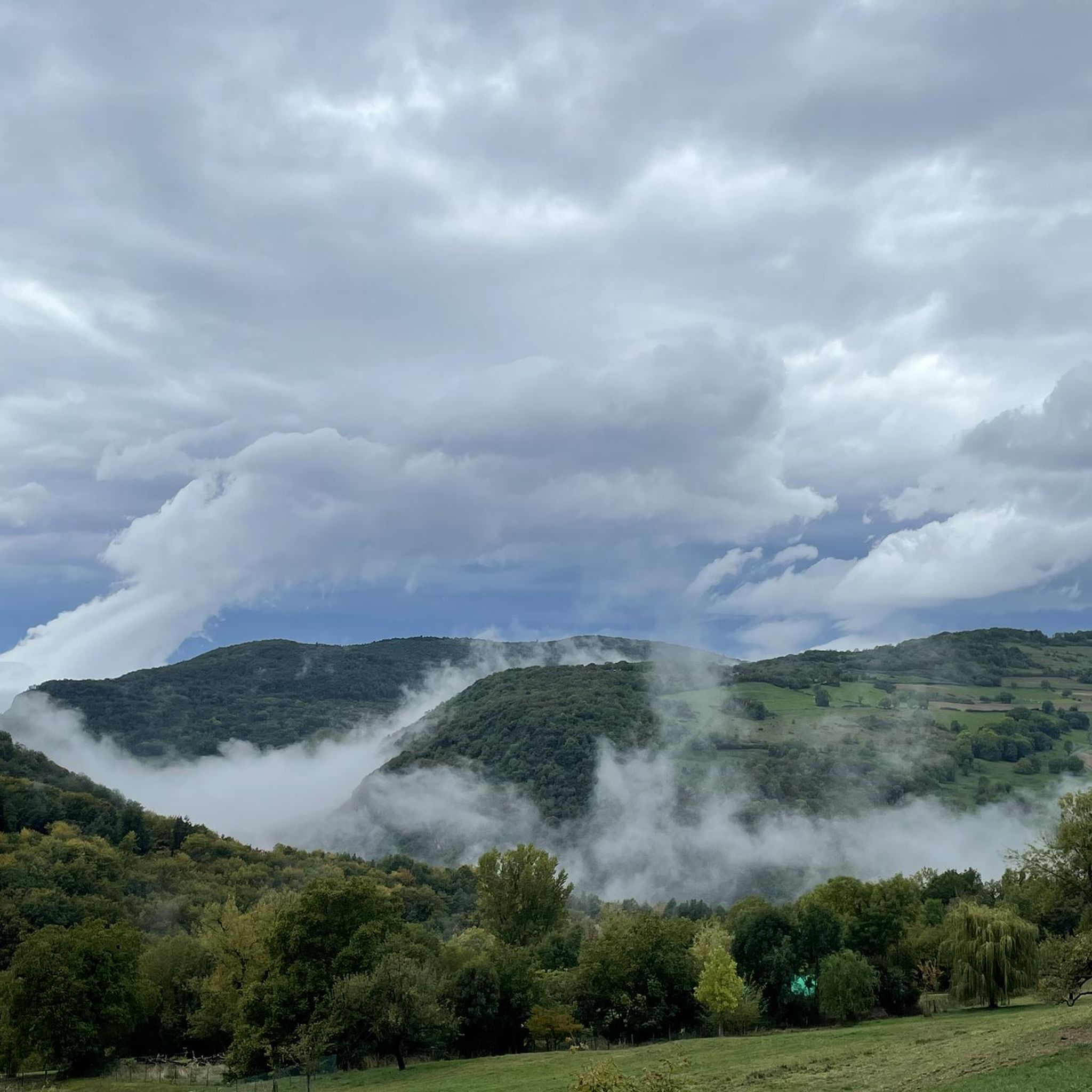
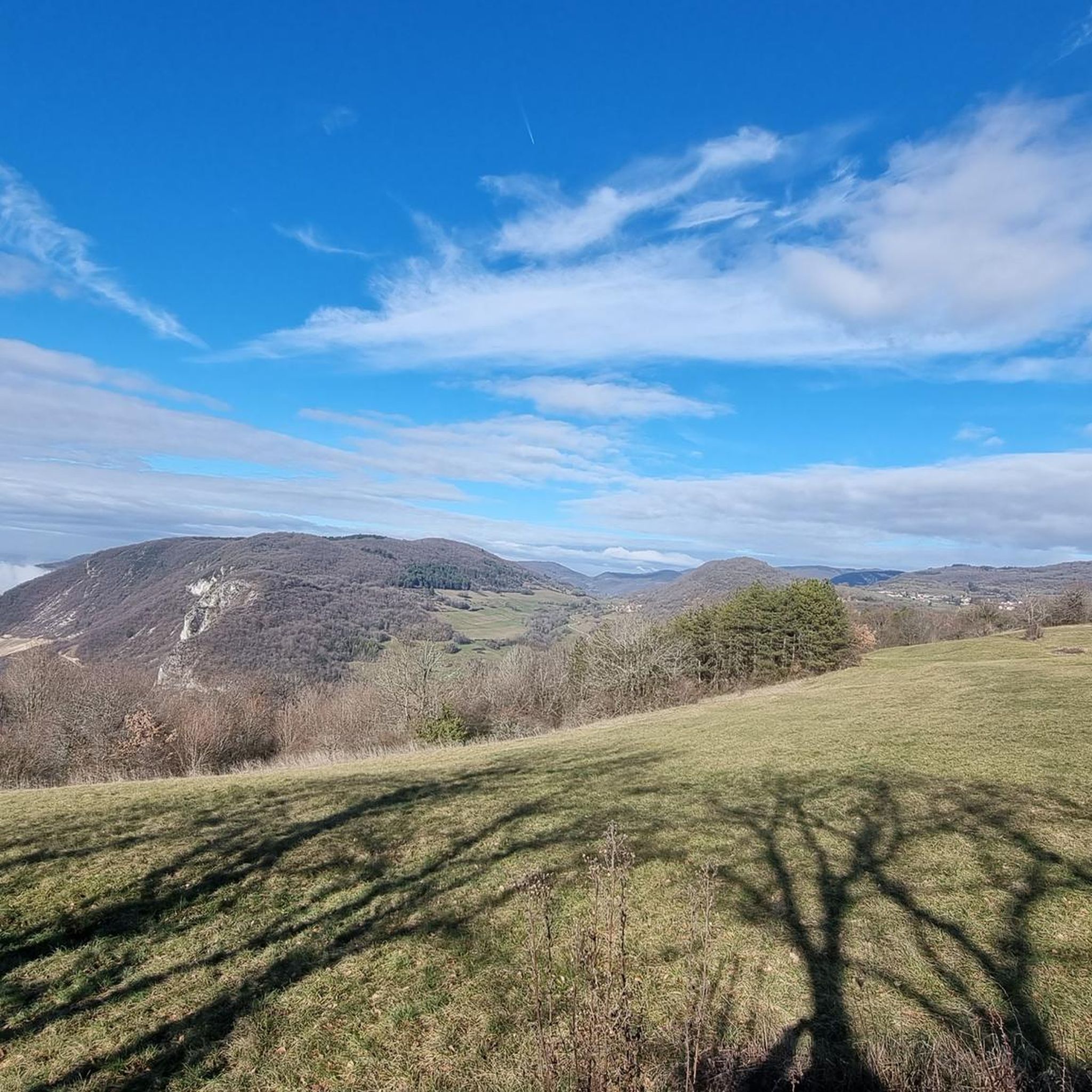
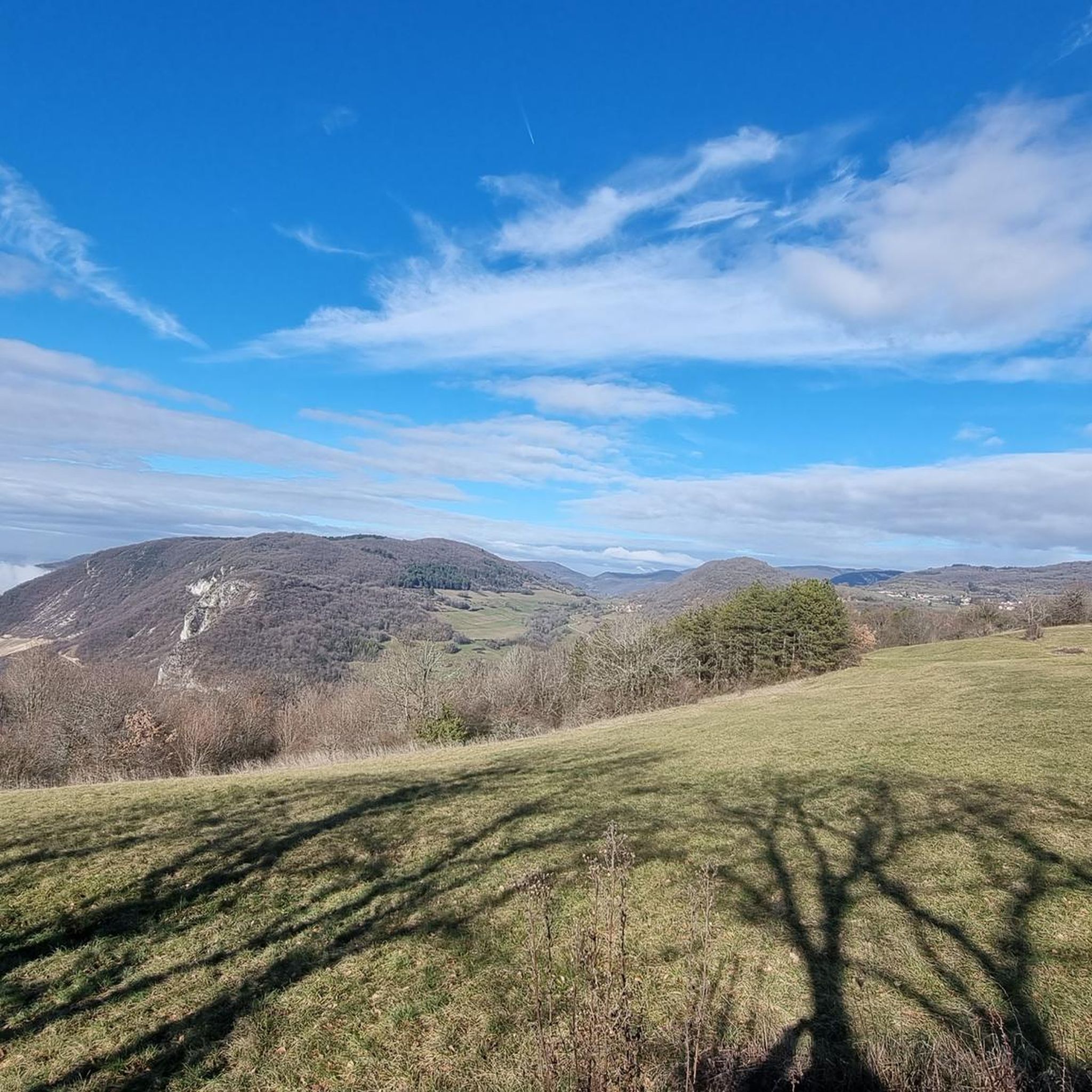
Tips from the Community

A beautiful hike, but not much water at the waterfall in early March.
0
0

The site includes several waterfalls, the main one being 32 meters high. Simply magnificent. https://cascadesdefrance.fr/listing/cascade-des-dards-cheignieu-la-balme-ain/
0
0

La Roche Percée, near Colomieu, is a must-see highlight on your mountain bike route. It features a striking natural arch carved into the rock, surrounded by dense forest. As you hike along forest trails, you’ll suddenly come across this stunning formation, where you can pause to appreciate this unique geological feature and the panoramic views of the valley beyond.
1
0

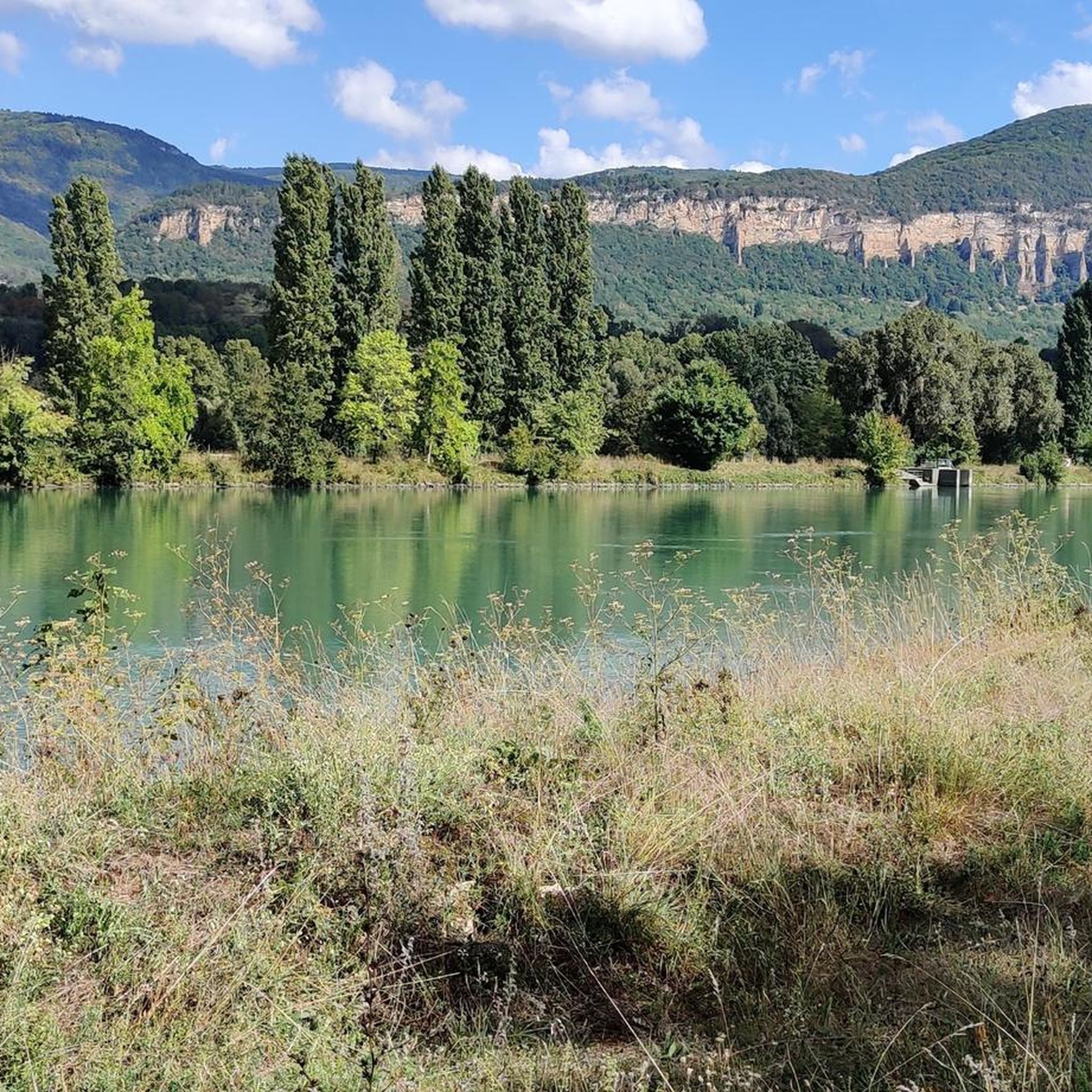
Lake Ambléon is located in the Bas-Bugey massif, in a valley of the Tentanet mountain (712 m above sea level). Its area is 5.58 hectares. Recognized as a natural zone of ecological, fauna and flora interest (ZNIEFF) type I, it is made up of a marshy part and a deeper zone, which however does not exceed ten meters in depth Lake Ambléon, accessible by the D41 road which connects Ambléon to Lhuis, is frequented in summer by fishermen and walkers. Nearby a stele was erected in memory of the Ambléon maquis. Source: Wikipedia
3
0

The rock of this natural tunnel is limestone. It was erosion that made it possible to pierce the rock and thus created a window that was, to say the least, original.
1
0

Great hike with magical landscapes, however, there is a big downside on the last 3 kilometers on the departmental road with heavy rolling. Avoid with children who are too small and not used to hiking. Some passages are not easy, do not leave without suitable equipment (especially shoes)
0
0


One of the most beautiful waterfalls in the region. Even if that day she was not too wet....The clear and fresh water of the Arena brings a little freshness!
0
0
Frequently Asked Questions
What types of natural monuments can I explore around Lompnas?
The region around Lompnas offers a diverse range of natural monuments, including serene lakes like Lac d'Ambléon, impressive waterfalls such as the Brive Waterfall, Claire Fontaine Waterfall, Cascade des Dards, and Luizet Waterfall, and unique geological formations like La Roche Percée. You can also find caves and panoramic viewpoints.
Are there any family-friendly natural monuments in the Lompnas area?
Yes, several natural monuments are suitable for families. Lac d'Ambléon is easily accessible and offers a tranquil setting. The Brive Waterfall is also highly recommended for its turquoise pool, perfect for cooling off, and the Glandieu Falls area features a small, family-friendly lake with a picnic area.
Where can I find the best panoramic views of the region?
For stunning panoramic views, head to the Molard de Don, which is the highest point in this part of Bugey. From here, you can see the Burbanche valley, the Rhône valley, and the Ain plain. La Roche Percée also offers beautiful views of the valley beyond its unique geological arch.
What outdoor activities can I do near these natural monuments?
The Lompnas area is excellent for outdoor activities. You can enjoy hiking, mountain biking, and cycling. For specific routes, explore the nearby guides like Hiking around Lompnas, MTB Trails around Lompnas, and Cycling around Lompnas. La Vallée Bleue Lake also offers a wide array of activities including pedal boats, stand-up paddleboarding, and jet skiing.
Are there any impressive waterfalls to visit near Lompnas?
Absolutely. The Brive Waterfall is a beautiful spot for relaxation and nature immersion. The Claire Fontaine Waterfall is a bucolic tufa waterfall, while the Cascade des Dards features a main drop of 32 meters. Further afield, the Cascade de la Charabotte is one of France's tallest, with a 115-meter cataract, though it's about 19km from Lompnas.
What is the best time to visit the natural monuments around Lompnas?
Many natural monuments, especially waterfalls, are at their most impressive during periods of heavy rain or in early spring when water levels are high. For example, the Luizet Waterfall is magnificent in the first fine days of February but tends to dry up later in the season. Forested hikes, like those to the Brive Waterfall, are ideal in warm weather for their shade.
Can I find unique geological formations in the area?
Yes, Lompnas is known for its geological heritage. La Roche Percée is a striking natural arch carved into limestone by erosion. The region also features remarkable caves like the Gouffre de la Morgne and the Balme-à-Roland Caves, which boast an impressive 13-meter high entrance arch.
Are there opportunities for swimming or cooling off at any natural monuments?
The Brive Waterfall is highly recommended for visitors looking to swim and cool off in its turquoise pool. La Vallée Bleue Lake also provides ample opportunities for water-based activities and relaxation by the water.
What do visitors enjoy most about the natural monuments in Lompnas?
Visitors frequently praise the serene beauty and accessibility of places like Lac d'Ambléon. The unique geological features of La Roche Percée and the picturesque settings of waterfalls like the Brive Waterfall and Claire Fontaine Waterfall are also highly appreciated for their natural charm and photographic opportunities.
Are there any natural monuments that are particularly good for hiking?
Many natural monuments are integrated into hiking routes. The hike to the Brive Waterfall is described as beautiful with varied and hilly terrain, much of it under forest cover. Trails around the Molard de Don offer beautiful viewpoints, and the caves like Gouffre de la Morgne are part of routes exploring the region's natural beauty. For specific hiking routes, refer to the Hiking around Lompnas guide.
Most popular routes around Lompnas
Most popular attractions around Lompnas

Get inspired with the komoot mobile app


Explore more
Extend your search for the best caves by checking out these guides of the top ones around Lompnas:
