Top 3 Natural Monuments around Martiel
Best natural monuments around Martiel include a rich concentration of prehistoric dolmens, unique geological formations, and serene natural escapes. The commune, located in the Aveyron department of France, is particularly known for its numerous dolmens, which stand as significant natural and historical monuments. The surrounding Aveyron region also features diverse natural wonders, from dramatic gorges to tranquil lakes. These sites offer a blend of ancient human history intertwined with remarkable geological features and diverse ecosystems.
Best natural monuments around Martiel
…Last updated: May 21, 2026
Gouffre du Lantouy
Highlight • Natural Monument
Translated by Google •
Tip by

Saut de la Mounine
Highlight • Viewpoint
Translated by Google •
Tip by

Sign up now to discover places like this
Get recommendations on the best single tracks, peaks, & plenty of other exciting outdoor places.
Sign up for free
Dolmen du lac d'Aurié
Highlight • Natural Monument
Translated by Google •
Tip by

Dolmen de Joncas
Highlight • Historical Site
Translated by Google •
Tip by
Roc Albe
Highlight • Viewpoint
Translated by Google •
Tip by
Start today with a free account
Your next adventure awaits.
Login or Signup

Tips from the Community

I know the legend of the Lantouy chasm. It's a bit gory.
0
0

In 1122, a monastery belonging to the Benedictines of the Cluniac order stood here. Legend has it that the spring appeared after the monastery's disappearance. The spring is said to be fertile.
1
0

This dolmen is the oldest and largest dolmen in the Lot. It weighs 17 tons!
2
0
Joncas Dolmen features a huge capstone and the dolmen is just under a meter high. Very impressive.
2
0

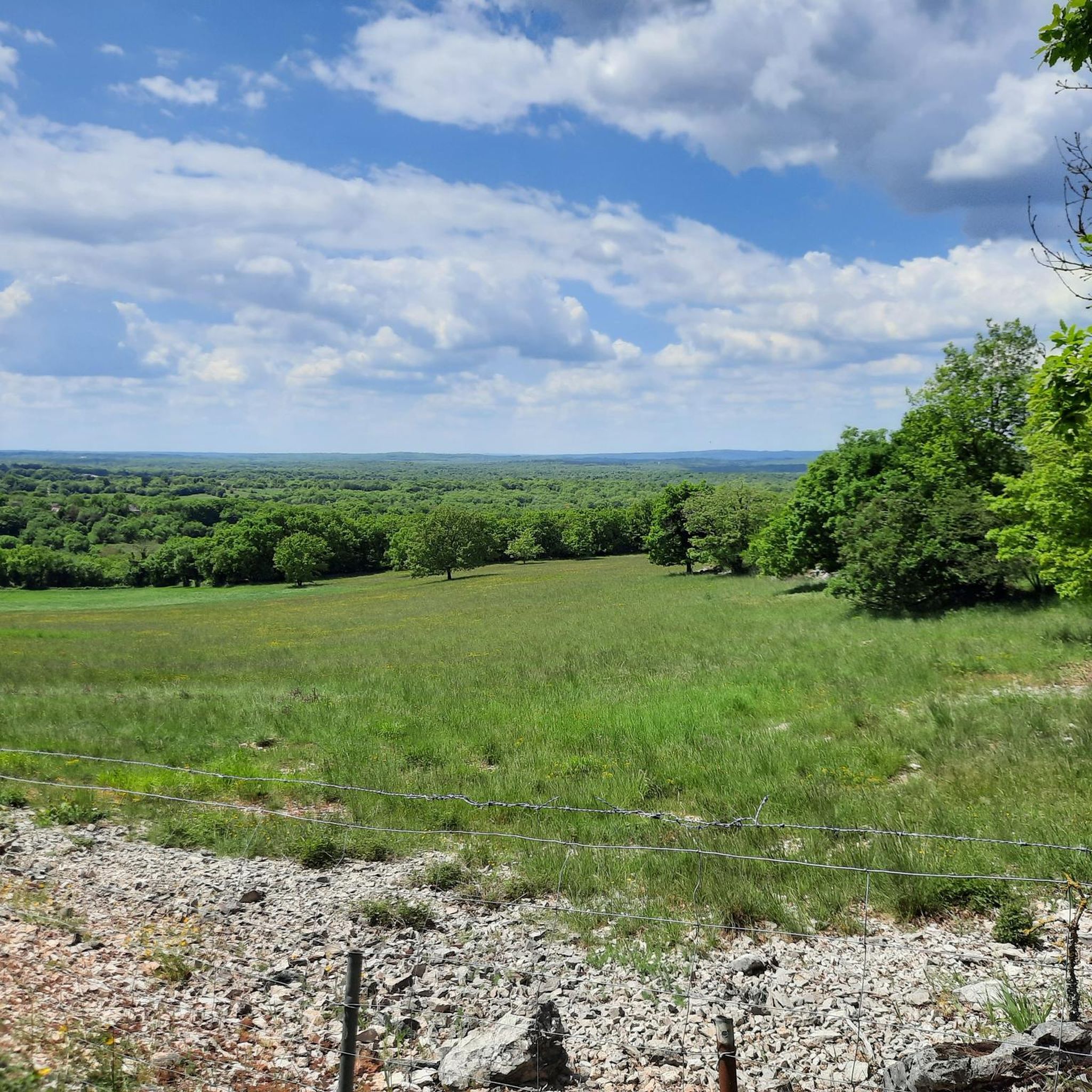
Superb view of the meanders of the Lot and its valley from this belvedere of the causse. It is perched 150 meters from the alluvial plain. From the viewpoint, you can see the village of Montbrun and its castle.
2
0

Frequently Asked Questions
What historical natural monuments can I explore around Martiel?
Martiel is particularly rich in prehistoric heritage, notably its numerous dolmens. The Aveyron department, where Martiel is located, boasts the highest number of dolmens in France. You can explore these ancient funerary monuments, dating back over 4000 years, many of which are classified as Historic Monuments. Notable examples include the impressive Dolmen du lac d'Aurié, known as the oldest and largest in the Lot, weighing 17 tons, and the Dolmen de Joncas with its huge capstone.
Are there specific hiking trails to explore the dolmens in Martiel?
Yes, visitors can explore the fascinating dolmens via marked hiking circuits. For instance, there is an 8.5 km 'Dolmens hike' in Martiel itself, which offers a journey through history amidst serene oak woods. This allows you to discover many of the over 55 dolmens identified in the woods of Margues.
What unique geological formations can be found near Martiel?
While not directly in Martiel, the broader Aveyron region offers impressive geological formations accessible for day trips. The most notable is the Chaos of Montpellier le Vieux, also known as 'La Cité de Pierres' (City of Stones). This geological park features monumental natural sculptures created by erosion, resembling alleys, towers, and fortresses spread across 120 hectares. Additionally, the dramatic Tarn Gorges and Dourbie Gorges, carved by rivers, present stunning cliffs and turquoise waters.
Where can I find tranquil natural escapes for walks or birdwatching?
Just a few kilometers from Martiel village, Lake Bannac provides a tranquil natural escape. It is bordered by woods, meadows, and wild spaces, making it an ideal spot for nature walks, picnics, and birdwatching. The lake is also designated as an LPO shelter (League for the Protection of Birds), highlighting its importance for avian wildlife.
Are there any natural viewpoints with scenic vistas around Martiel?
Yes, there are several viewpoints offering superb scenic vistas. The Saut de la Mounine provides a magnificent view of the Lot river's meanders and its valley, perched 150 meters above the alluvial plain. From here, you can even see the village of Montbrun and its castle. Another great spot is Roc Albe, known as a paragliding take-off point, which offers a magnificent view of the river.
What outdoor activities can I do near these natural monuments?
The region around Martiel, especially the Tarn and Dourbie Gorges, is a paradise for outdoor enthusiasts. You can enjoy hiking, climbing, canoeing, kayaking, and mountain biking. For specific routes, you can explore running trails, gravel biking routes, or MTB trails around Martiel, which often pass by or near these natural sites.
Are there family-friendly natural monuments or activities?
Yes, the Chaos of Montpellier le Vieux ('La Cité de Pierres') is particularly family-friendly, offering adapted trails for public access and a picturesque setting for discovery. Lake Bannac is also suitable for families looking for peaceful nature walks and picnics. Exploring the dolmen hiking circuits can also be an engaging activity for families interested in history and nature.
What is the best time to visit the natural monuments around Martiel?
The best time to visit the natural monuments around Martiel and the Aveyron region is generally during spring and autumn. These seasons offer pleasant temperatures for hiking and exploring, avoiding the peak summer heat and potential winter cold. The landscapes are also particularly beautiful during these times.
What do visitors enjoy most about the natural monuments in this area?
Visitors particularly appreciate the blend of prehistoric human history intertwined with remarkable geological formations and diverse ecosystems. The ancient dolmens offer a unique connection to the region's deep past, while sites like Saut de la Mounine provide breathtaking panoramic views. The tranquility of places like Lake Bannac and the dramatic landscapes of the gorges are also highly valued.
Is there a natural monument with a unique legend or story?
Yes, the Gouffre du Lantouy, a natural monument and lake, is steeped in local legend. It is said that the spring here appeared after the disappearance of a monastery that once stood on the site in 1122. The spring is also believed to be fertile, adding to its mystique.
What kind of wildlife can I expect to see at these natural sites?
At Lake Bannac, which is an LPO shelter (League for the Protection of Birds), you can expect to see various avian species, making it an excellent spot for birdwatching. The diverse ecosystems of the Aveyron region, from oak woods to river gorges, support a variety of local flora and fauna, though specific large wildlife sightings are not guaranteed.
Most popular routes around Martiel
Most popular attractions around Martiel

Get inspired with the komoot mobile app


Explore more
Extend your search for the best caves by checking out these guides of the top ones around Martiel:
