Top 5 Natural Monuments around Pérols
Best natural monuments around Pérols are characterized by the region's unique position between the Étang de l'Or and Étang du Méjean saltwater lakes. These natural bodies of water, along with several nearby protected areas, offer rich biodiversity and picturesque landscapes. The area is a significant site for observing migratory birds and features diverse environments supporting abundant wildlife. Visitors can explore a variety of natural settings, from coastal lagoons and salt marshes to preserved beaches and botanical gardens.
Best natural monuments…
Last updated: May 4, 2026
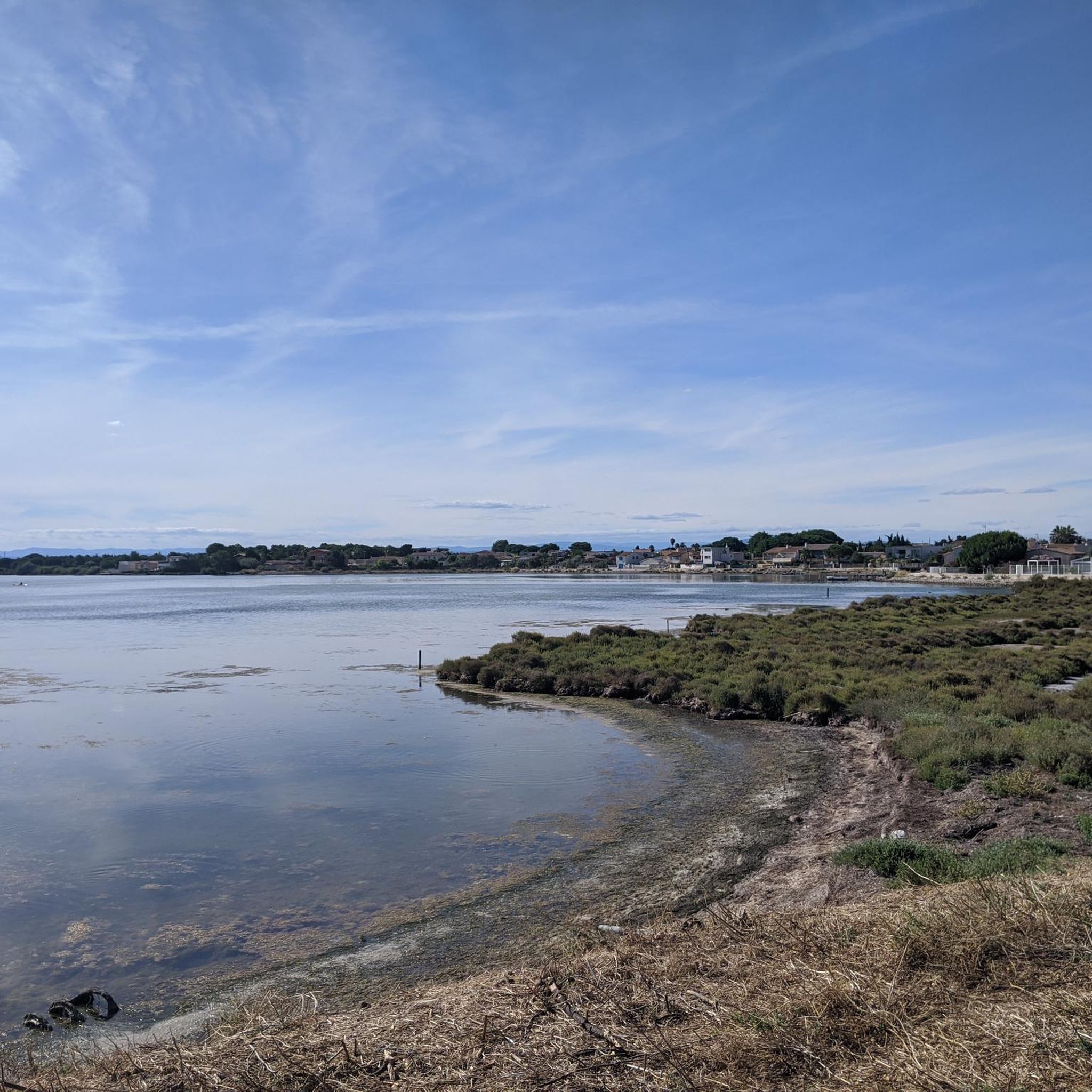
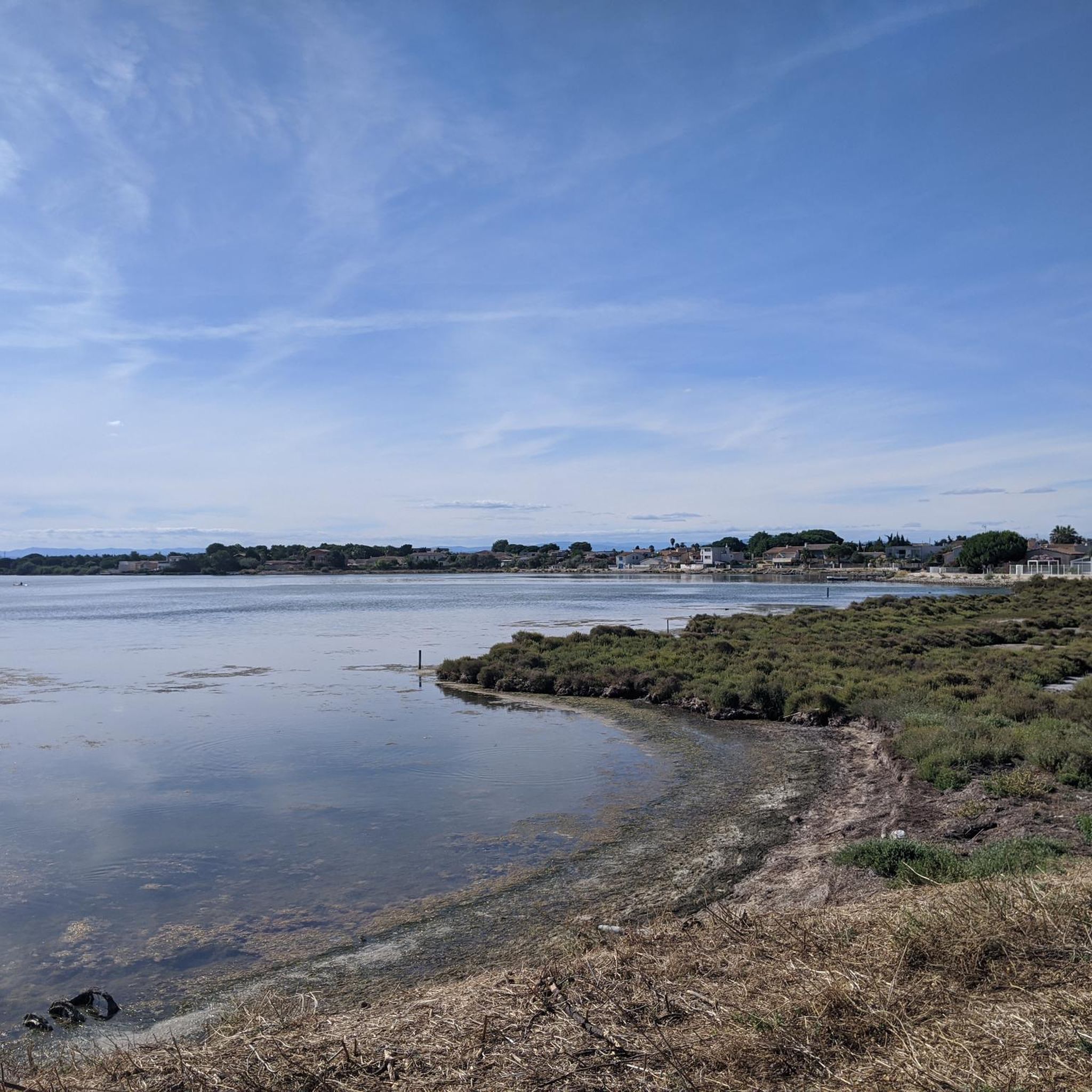
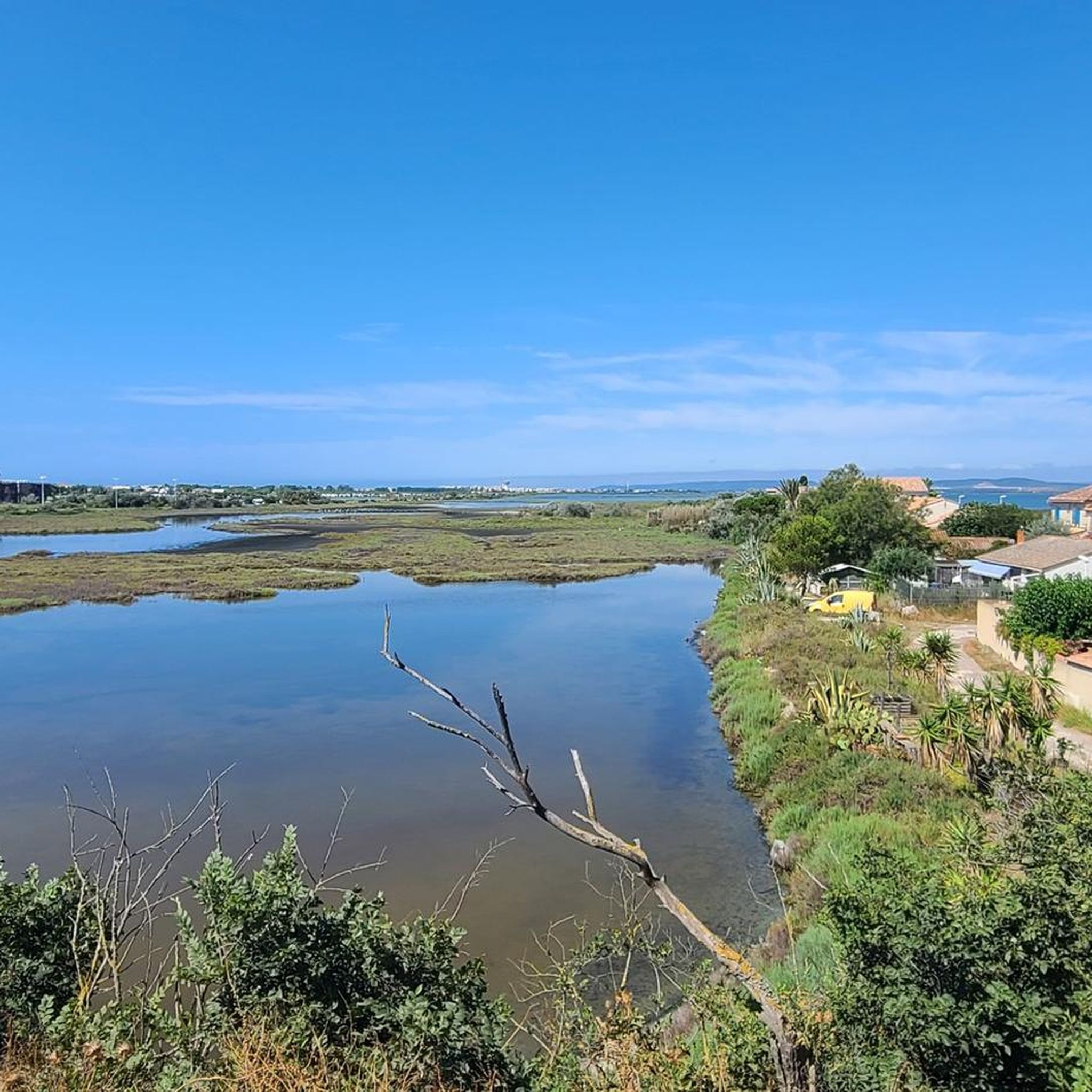
Salines de Villeneuve Nature Reserve
Highlight (Segment) • Natural Monument
Translated by Google •
Tip by

Wooden boardwalk at the Méjean Nature Reserve
Highlight (Segment) • Bridge
Translated by Google •
Tip by

Sign up now to discover places like this
Get recommendations on the best single tracks, peaks, & plenty of other exciting outdoor places.
Sign up for free
Montpellier Botanical Garden
Highlight (Segment) • Forest
Translated by Google •
Tip by

View of the Creux de Miège Gorge
Highlight • Gorge
Translated by Google •
Tip by

Salines de Villeneuve
Highlight • Lake
Translated by Google •
Tip by

Start today with a free account
Your next adventure awaits.
Login or Signup


Other adventures around Pérols

Tips from the Community

An admirable network of tracks and paths among the salt marshes
0
0

A beautiful natural space
0
0

🌅 It's true that Les Salines de Villeneuve, near Montpellier, is a little natural gem. Between the pink hues of its salty waters and the flights of pink flamingos, it's a spectacle that borders on magical!
0
0
An iconic passageway that plunges directly into the heart of the marsh. The wooden walkway winds over the wetlands, offering a complete immersion in this peaceful environment. It's the perfect place to discreetly observe birds without disturbing their habitat 🦆. The wood is well-maintained and non-slip, perfect even after a downpour.
1
0

Nice single track in the salt marshes, watch out for walkers and horses, you have to choose your times to try the KoM :D
0
0

Beautiful place, ideal for families.
0
0

Oldest botanical garden in France (1593). The oldest in the world is in Padua (1545).
1
0

Imposing gorge in the Creux de Miege natural reserve. Approximately 20-30m deep gorge with typical vegetation. Great views towards the sea. Nice short hike of 1.6km as a change from a beach holiday.
0
0
Frequently Asked Questions
What natural features can I expect to see around Pérols?
The Pérols area is rich in diverse natural features, primarily characterized by its significant saltwater lagoons, the Étang de l'Or and the Étang du Méjean. You'll find extensive salt marshes, such as the Salines de Villeneuve Nature Reserve, coastal dunes, and preserved beaches like Plage de Maguelone. These environments support a wide array of Mediterranean plant species and abundant wildlife, especially migratory birds.
Are there good places for birdwatching near Pérols?
Yes, the lagoons and salt marshes around Pérols are exceptional for birdwatching. The Étang de l'Or and Étang du Méjean are designated Natura 2000 sites, providing crucial habitats for numerous species. The Salines de Villeneuve Nature Reserve is particularly renowned for its birdlife, including pink flamingos, little egrets, avocets, and various ducks, especially during migration periods. The Wooden boardwalk at the Méjean Nature Reserve offers a peaceful environment to observe birds without disturbance.
What are some family-friendly natural monuments in the Pérols area?
Several natural monuments are great for families. The Wooden boardwalk at the Méjean Nature Reserve is well-maintained and non-slip, perfect for a stroll with children. The Montpellier Botanical Garden offers a relaxing environment with exotic trees. Plage de Maguelone provides a serene, undeveloped beach for family walks and enjoying nature. The View of the Creux de Miège Gorge also offers a nice short hike suitable for families.
Can I go hiking or cycling near the natural monuments?
Absolutely. The region around Pérols offers numerous opportunities for hiking and cycling. You can find various trails around the Étang de l'Or and Étang du Méjean. For cycling, there's a dedicated path from Montpellier to Plage de Maguelone. Komoot users have mapped out many routes, including options for running, cycling, and road cycling that explore these natural areas.
What makes the Étang de l'Or special for visitors?
The Étang de l'Or, also known as Étang de Mauguio, is a vast lagoon known for its exceptional panoramas and rich biodiversity. It's a Natura 2000 site with diverse habitats. Visitors can stroll along its shores, particularly around the Port de Carême, which features historic fishing sheds dating back to the 16th century. The 'Pointe de la Grave' offers great views and a glimpse of traditional fishing nets, making it a tranquil spot for nature lovers and birdwatchers.
What can I expect to see at the Étang du Méjean?
The Étang du Méjean is a protected natural landscape characterized by a mosaic of reed beds, marshes, mudflats, and the lagoon itself. It's a vital wetland for migratory birds and other wildlife, including bulls and horses. You can explore it via several walking trails, some with educational panels, or even on horseback. The Wooden boardwalk at the Méjean Nature Reserve provides an immersive experience into this peaceful environment.
Where can I see flamingos near Pérols?
The Salines de Villeneuve Nature Reserve is an excellent place to spot pink flamingos, especially during migration periods. This protected area, with its former salt pans and canals, provides an ideal feeding and breeding ground for these magnificent birds. Plage de Maguelone, part of a significant biodiversity reserve, also hosts flamingos, herons, and other migratory birds.
Is there a preserved beach near Pérols for a quiet visit?
Yes, Plage de Maguelone, near Villeneuve-lès-Maguelone, is considered one of the best-preserved natural beaches on the Languedoc-Roussillon coast. It stretches for about 9 km, free of development, offering a wild and pristine environment. It's perfect for those seeking tranquility, long walks, and a connection with unspoiled nature, away from more crowded areas.
What is Pointe de l'Espiguette, and is it worth the trip?
Pointe de l'Espiguette, though about 15 km from Pérols, is a highly significant natural monument and well worth the trip. It's a vast dune system forming an isolated sandbank, creating a unique desert-like landscape. This wild and preserved site is a 'Grand Site de France' known for its environmental quality. It's ideal for long walks, especially in autumn, offering a sense of raw natural beauty. The iconic Espiguette lighthouse adds to its scenic appeal.
Are there any historical or cultural sites integrated with the natural monuments?
Yes, the region blends natural beauty with history. Around the Étang de l'Or, you can find historic fishing sheds (cabanes de Pérols), some dating back to the 16th century. Near Plage de Maguelone, you can visit the historic Maguelone Cathedral, located on a small island, accessible by foot or a small train. The Montpellier Botanical Garden is also France's oldest botanical garden, established in 1593.
What is the best time of year to visit the natural monuments around Pérols?
The best time to visit depends on your interests. Spring and autumn are ideal for birdwatching, as these periods coincide with migratory seasons, offering the chance to see a wider variety of species, including flamingos. Autumn also provides a quieter experience for exploring vast areas like Pointe de l'Espiguette. Summer is excellent for enjoying the beaches and water activities, though it can be busier. The mild Mediterranean climate generally allows for pleasant visits year-round.
How can I get to the natural monuments around Pérols using public transport?
While specific public transport details for each site can vary, the region around Pérols is generally accessible. For the Étang du Méjean, the Maison de la Nature in nearby Lattes serves as an educational hub and can provide guidance. For Plage de Maguelone, a cycle path extends from Montpellier, offering an accessible way to reach it. It's advisable to check local bus schedules or regional transport options for specific routes to the more remote natural sites.
What do visitors particularly enjoy about the natural monuments in this region?
Visitors frequently praise the tranquility and natural beauty of the area. The Wooden boardwalk at the Méjean Nature Reserve is loved for its peaceful environment and discreet bird observation opportunities. The Salines de Villeneuve Nature Reserve is admired for its 'magical' pink hues and the sight of pink flamingos. Many appreciate the vastness and wild authenticity of sites like Pointe de l'Espiguette for long, reflective walks.
Most popular attractions around Pérols

Get inspired with the komoot mobile app


Explore more
Extend your search for the best caves by checking out these guides of the top ones around Pérols:
