The best walks and hikes around Pérols
4.4
(747)
6,868
hikers
15
hikes
Hiking around Pérols offers diverse landscapes, characterized by its proximity to the Mediterranean Sea and extensive coastal lagoons such as the Étang de l'Or. The terrain includes fine sandy beaches, scenic dunes, and transitions inland to Mediterranean scrubland (garrigue) and vineyards. This region provides a blend of flat, waterside paths and gently rolling hills, with minimal elevation changes.
Best hiking trails around Pérols
- The most popular hiking route is Carnon Beach – Plage Carnon (Carnon Beach) loop from Carnon,…
Last updated: September 30, 2026
4.7
(9)
31
hikers
20.0km
05:03
30m
30m
Hard hike. Very good fitness required. Easily-accessible paths. Suitable for all skill levels.
4.3
(3)
37
hikers
24.9km
06:17
30m
30m
Hard hike. Very good fitness required. Easily-accessible paths. Suitable for all skill levels.

4.2
(5)
17
hikers
16.7km
04:14
30m
30m
Moderate hike. Good fitness required. Easily-accessible paths. Suitable for all skill levels.
18
hikers
8.06km
02:02
10m
10m
Moderate hike. Good fitness required. Easily-accessible paths. Suitable for all skill levels.
26
hikers
6.10km
01:32
10m
10m
Easy hike. Great for any fitness level. Easily-accessible paths. Suitable for all skill levels.
Get access to more routes and recommendations from other explorers.
Already have an account?
Our route recommendations are based on thousands of hikes, rides, and runs completed by other people on komoot.
Start today with a free account
Your next adventure awaits.

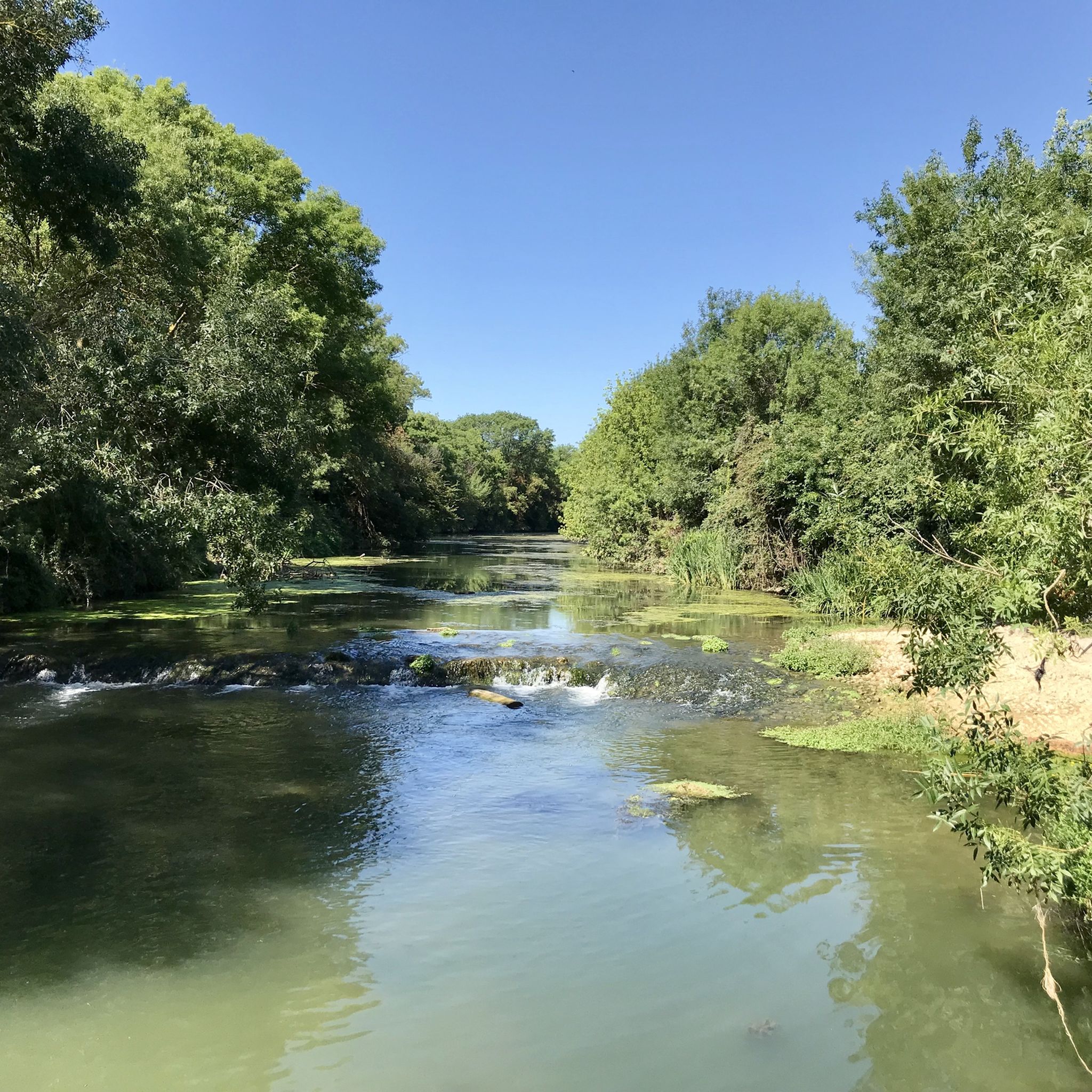
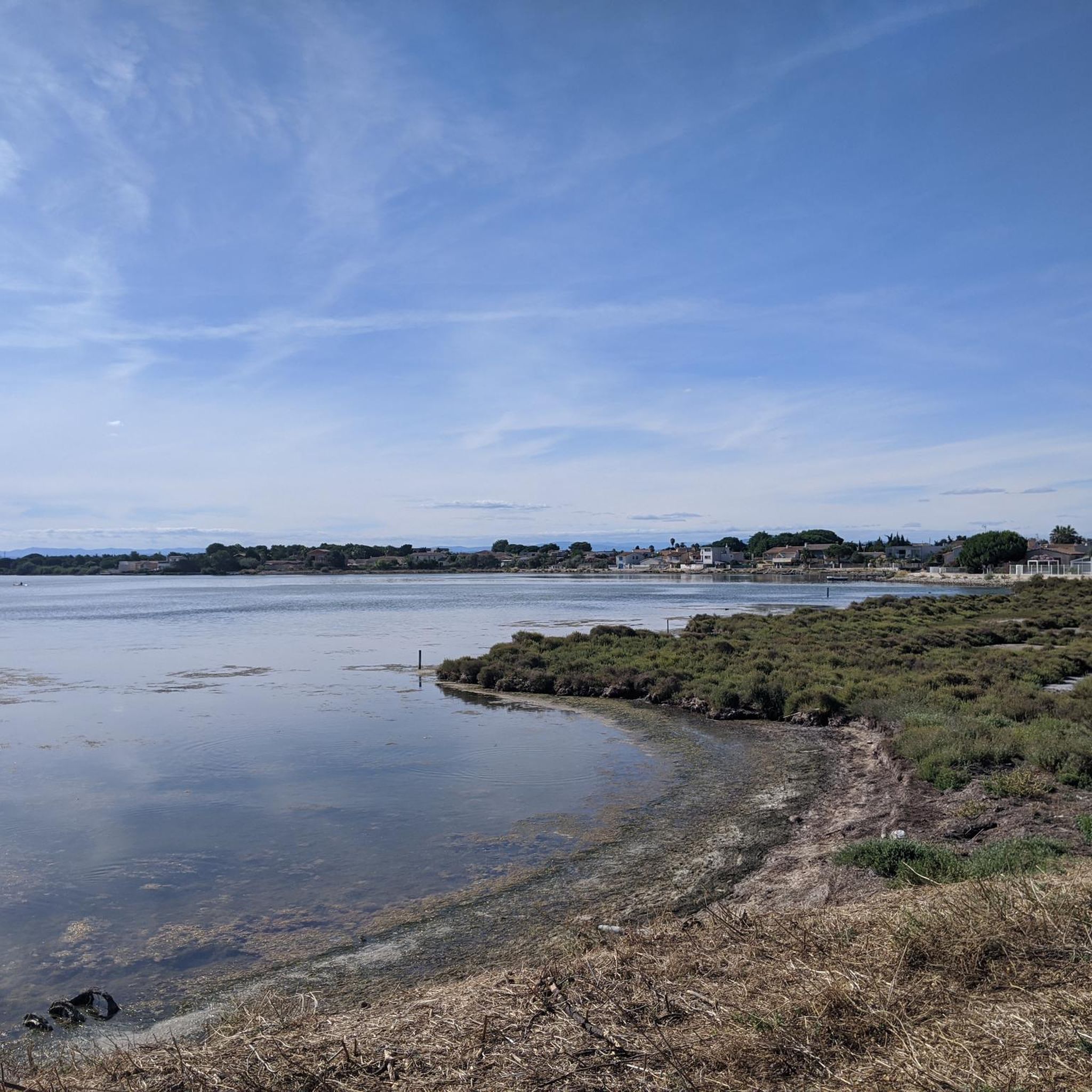

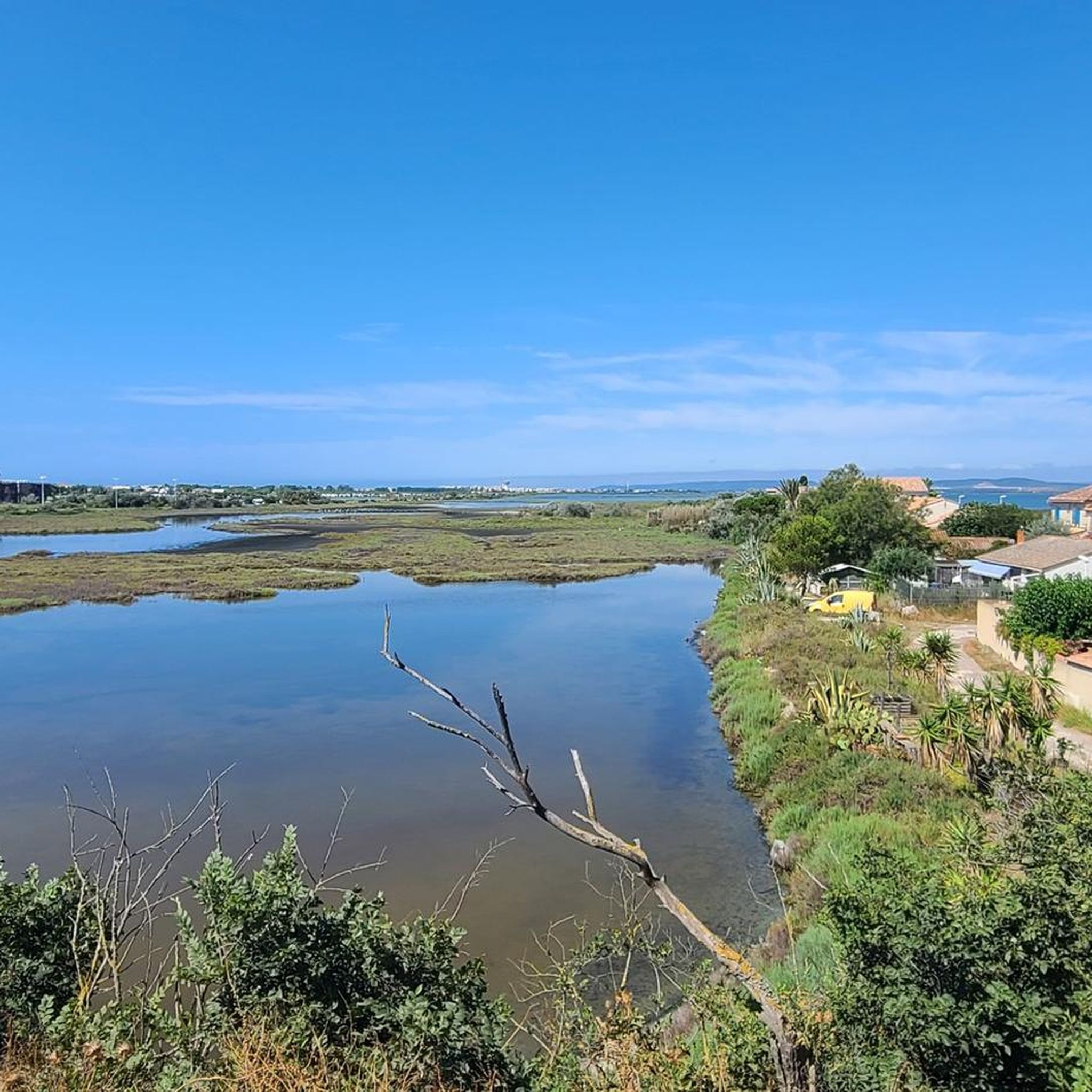
Other adventures around Pérols

Tips from the Community

The Phare de la Méditerranée is one of the emblematic monuments of Palavas-les-Flots, but its history is surprising to say the least: it has never been a lighthouse. At this location, the Redoute de Ballestras once stood, a military structure built in the 18th century to defend the port. After its defensive function was abandoned, the redoubt was integrated into several facilities intended to supply Palavas with drinking water. In 1943, a large concrete water tower was built around the existing structures and operated until 1997. Rather than being demolished, the old water tower was rehabilitated between 1998 and 2000 to become the Phare de la Méditerranée: an observation tower, a convention center, and a revolving panoramic restaurant. The redoubt, hidden within the water tower, was dismantled stone by stone and then rebuilt on an islet in the Étang du Levant.
2
0
The Mediterranean Lighthouse is one of the emblematic monuments of Palavas-les-Flots, but its history is surprising, to say the least: it was never a lighthouse. At this location once stood the Redoute de Ballestras, a military structure built in the 18th century to defend the port. After its defensive function was abandoned, the redoubt was incorporated into several facilities for supplying Palavas with drinking water. In 1943, a large concrete water tower was built around the existing structures and operated until 1997. Rather than being demolished, the old water tower was rehabilitated between 1998 and 2000 to become the Mediterranean Lighthouse: an observation tower, a convention center, and a revolving panoramic restaurant. The redoubt, hidden within the water tower, was dismantled stone by stone and then rebuilt on an islet in the Étang du Levant.
2
0
Built in 1896, the Saint-Pierre church bears witness to the rapid development of Palavas-les-Flots at the end of the 19th century. It replaced a first church built of planks, which had become too modest for a booming seaside resort. In the neo-Romanesque style, it is today the second oldest monument in Palavas, after the Redoute de Ballestras. Inside are preserved, among other things, the ashes of Saint Florence and her effigy.
2
0
Here, the Lez river crosses the canal from the Rhône to Sète in the heart of the Palavas lagoon system. Les Quatre Canaux is not just a hydraulic crossroads: the area constitutes one of Palavas's historical cradles, where fishing families had settled on the banks of the Lez and the ponds.
3
0


La Grande-Motte, nicknamed the Pyramidal City in reference to its avant-garde seaside architecture, is also known for its large beaches, green spaces and atmosphere.
0
0

A wonderfully tranquil place with an impressive, enormous water tower.
0
0
A truly beautiful stretch of the route! The stunning scenery and excellent cycle paths make cycling on the ViaRhôna a very special experience! :-)
0
0
Frequently Asked Questions
How many hiking trails are available around Pérols?
Pérols offers a wide variety of hiking experiences with over 300 routes available. These range from easy strolls along the coast to more challenging long-distance paths, ensuring options for all fitness levels.
What kind of terrain can I expect on hikes around Pérols?
The terrain around Pérols is quite diverse. You'll find many routes along the flat, scenic coastal lagoons and fine sandy beaches. Moving slightly inland, the landscape transitions to gently rolling hills with Mediterranean scrubland, known as 'garrigue', and vineyards. Elevation changes are generally minimal, making many routes accessible.
Are there easy hiking options suitable for beginners or casual walkers?
Yes, Pérols is excellent for easy walks. There are over 200 easy routes, many of which follow the flat paths around the coastal lagoons and beaches. These offer beautiful views without significant elevation, perfect for a relaxed outing.
What natural features or landmarks can I see along the hiking trails?
Hiking around Pérols allows you to explore unique natural features. You can discover the crucial wetland ecosystems of the coastal lagoons like the Étang de l'Or and Étang du Méjean, which are Natura 2000 sites. Keep an eye out for flamingos in the shallow waters. You can also visit the Salines de Villeneuve Nature Reserve or walk along the Wooden boardwalk at the Méjean Nature Reserve. The region also boasts fine sandy beaches and scenic dunes.
Are there any circular hiking routes in Pérols?
Yes, many routes around Pérols are designed as loops. For example, the Observation tower – Mediterranean Lighthouse loop from Palavas-les-Flots is a popular moderate circular path offering coastal views. These loops are convenient for starting and ending at the same point.
What do other hikers enjoy most about the trails in Pérols?
The hiking trails in Pérols are highly regarded by the komoot community, with an average rating of 4.3 stars from over 700 reviews. Hikers frequently praise the stunning coastal scenery, the unique lagoon ecosystems, and the opportunity to spot wildlife like flamingos. The variety of terrain, from flat coastal paths to Mediterranean scrubland, is also a highlight.
Are there any trails that feature waterfalls or fountains?
While Pérols is primarily known for its coastal and lagoon landscapes, you can find routes that incorporate water features. The Carnon Harbor – Waterfall/fountain loop from Palavas-les-Flots is a moderate route that includes a fountain, offering a different kind of water element to enjoy.
Are the hiking trails around Pérols suitable for families with children?
Many of the easy and moderate routes around Pérols are well-suited for families. The flat paths along the lagoons and beaches provide safe and enjoyable walking conditions for children. The chance to see flamingos and explore the unique coastal environment can be particularly engaging for younger hikers.
Can I bring my dog on the hiking trails in Pérols?
Generally, dogs are permitted on many trails around Pérols, especially those in natural areas. However, it's always advisable to keep them on a leash, particularly in protected Natura 2000 sites around the lagoons, to protect local wildlife. Specific regulations might apply to certain beaches or nature reserves, so check local signage.
What is the best time of year to go hiking in Pérols?
The best time to hike in Pérols is typically during the spring (April-June) and autumn (September-October). During these seasons, the weather is pleasantly mild, and the natural landscapes are vibrant. Summer can be very hot, especially along exposed coastal paths, while winter offers cooler temperatures but can be windy.
Are there options for public transport to access hiking trailheads from Pérols?
Pérols is well-connected to Montpellier, which serves as a major transport hub. From Montpellier, you can often find public transport options to access various hiking destinations in the broader Hérault department, including coastal areas and inland garrigue. For specific trailheads directly from Pérols, local bus services might be available, but checking routes in advance is recommended.
Where can I find parking when hiking around Pérols?
Parking is generally available in and around Pérols, especially near popular coastal access points and villages. Many trailheads, particularly those starting from towns like Carnon or Palavas-les-Flots, will have designated parking areas. It's advisable to check specific starting points for parking availability before your hike.
Most popular attractions around Pérols

Get inspired with the komoot mobile app


Explore more
Browse the best Hikes in other regions.
