Top 20 Natural Monuments around Dijon
Best natural monuments around Dijon offer a diverse range of natural and semi-natural sites, from expansive parks to significant geological formations. The region features characteristic Burgundian landscapes, including limestone hillsides, valleys, and forests. These areas provide opportunities for outdoor recreation and insights into local biodiversity. Dijon's surroundings are home to both meticulously designed gardens and protected natural reserves.
Best natural monuments around Dijon
- The most popular natural monuments is Lake Kir, a lake that is a popular recreational area…
Last updated: October 5, 2026
Darcy Garden
Highlight • Natural Monument
Translated by Google •
Tip by

Lake Kir
Highlight • Lake
Translated by Google •
Tip by
Sign up now to discover places like this
Get recommendations on the best single tracks, peaks, & plenty of other exciting outdoor places.
Climb of the Combe Lavaux
Highlight • Climb
Translated by Google •
Tip by

Panorama of the Baulme‑la‑Roche Rocks
Highlight • Natural Monument
Translated by Google •
Tip by

Gouffre du creux Percé
Highlight • Viewpoint
Translated by Google •
Tip by
La Roche Virante
Highlight • Natural Monument
At the bottom …
Translated by Google •
Tip by

Source of the Seine
Highlight • River
Translated by Google •
Tip by

Morey-Saint Denis
Highlight • Settlement
Tip by
Sainte-Anne Fountain
Highlight • Natural Monument
Translated by Google •
Tip by

Fontaine aux Fées Spring
Highlight • Natural Monument
Translated by Google •
Tip by
Sign up for free to discover even more natural monuments around Dijon.
Already have an account?
Start today with a free account
Your next adventure awaits.
Popular around Dijon
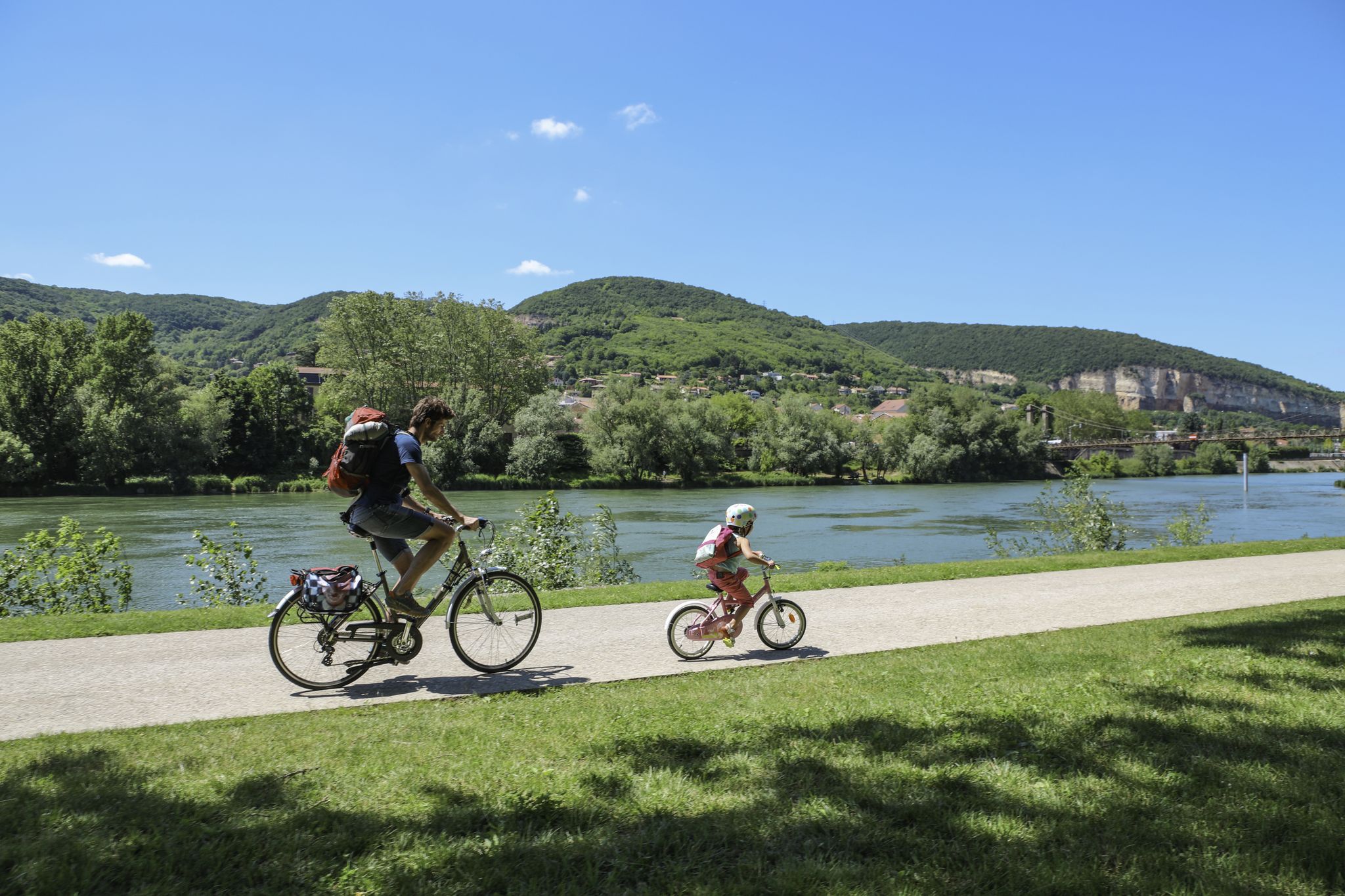
The Voie Bleue – Moselle-Saône by bike
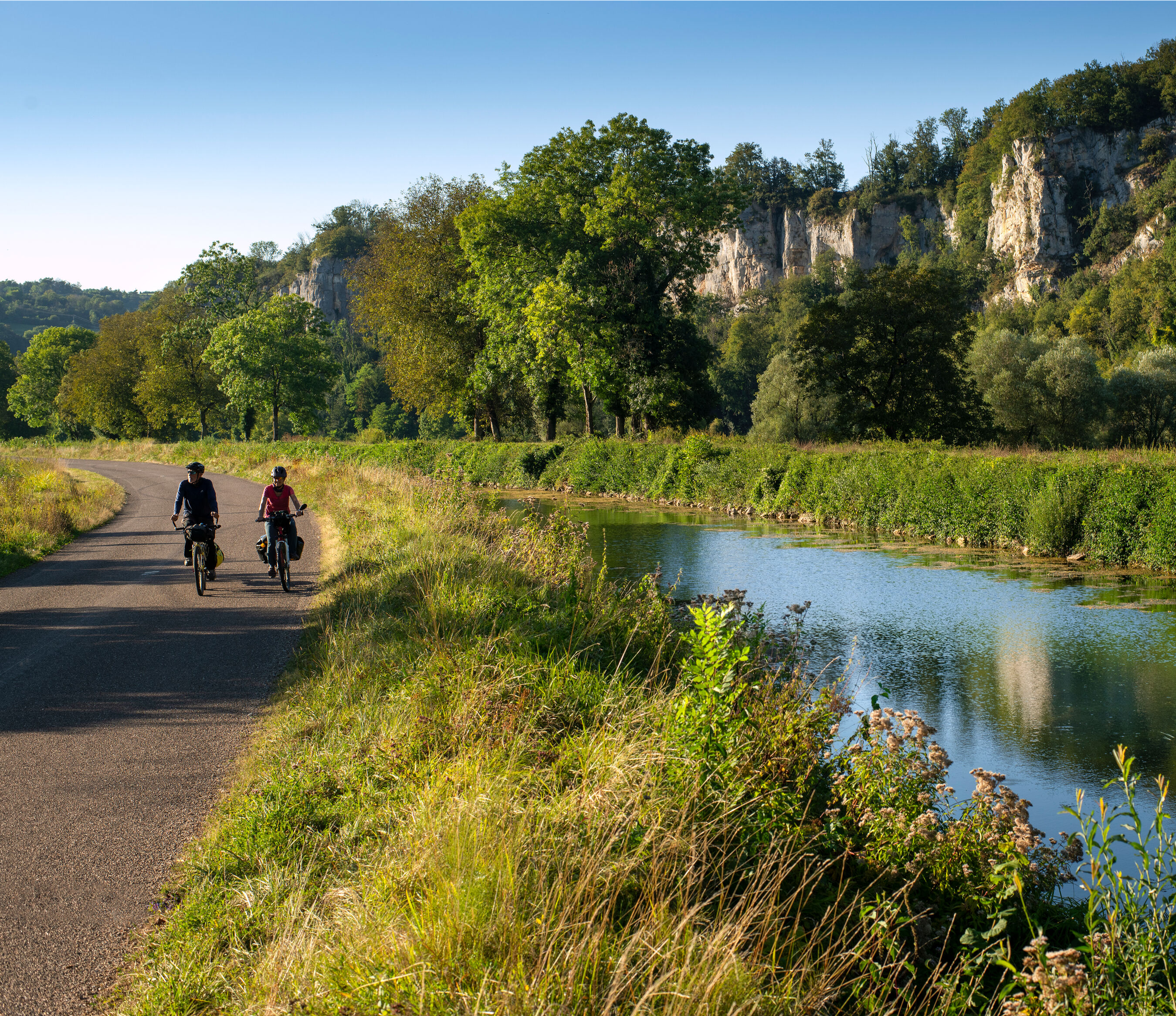
Burgundy-Franche-Comté by bike – between vineyards and peaks
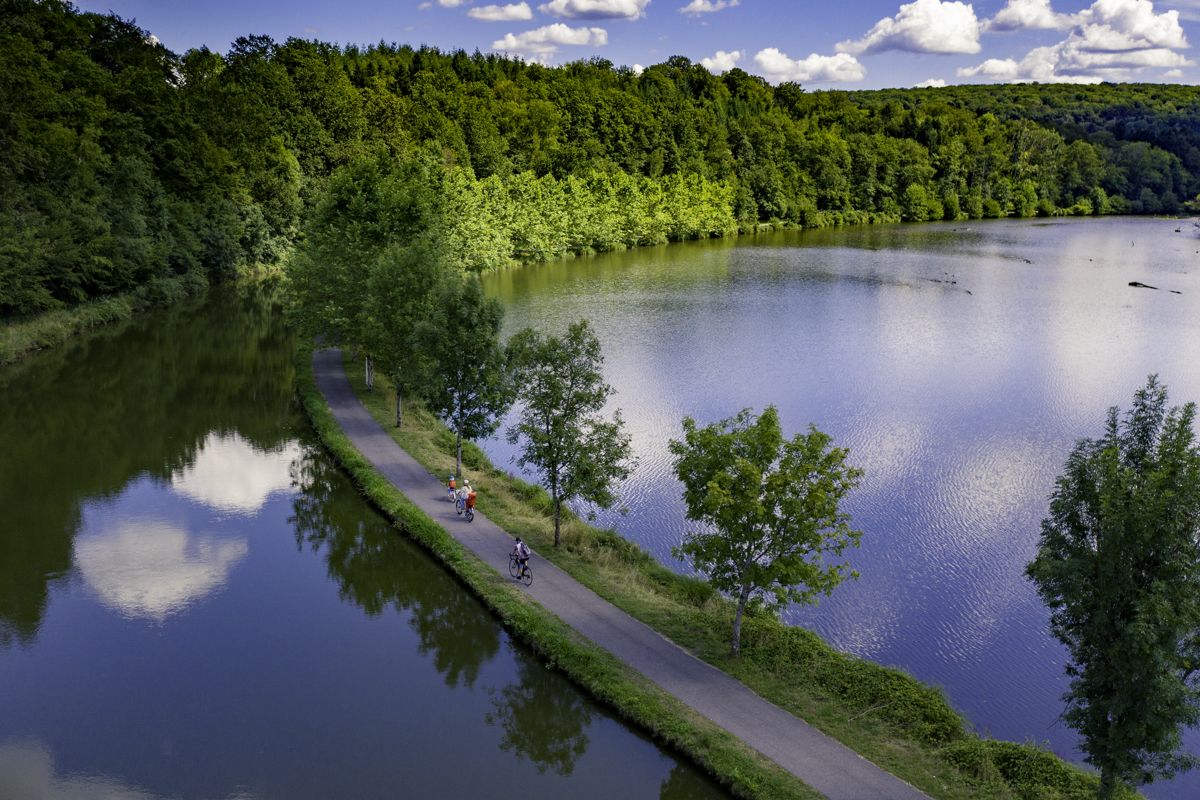
La Voie Bleue — “Cycle Route of the Year 2026”
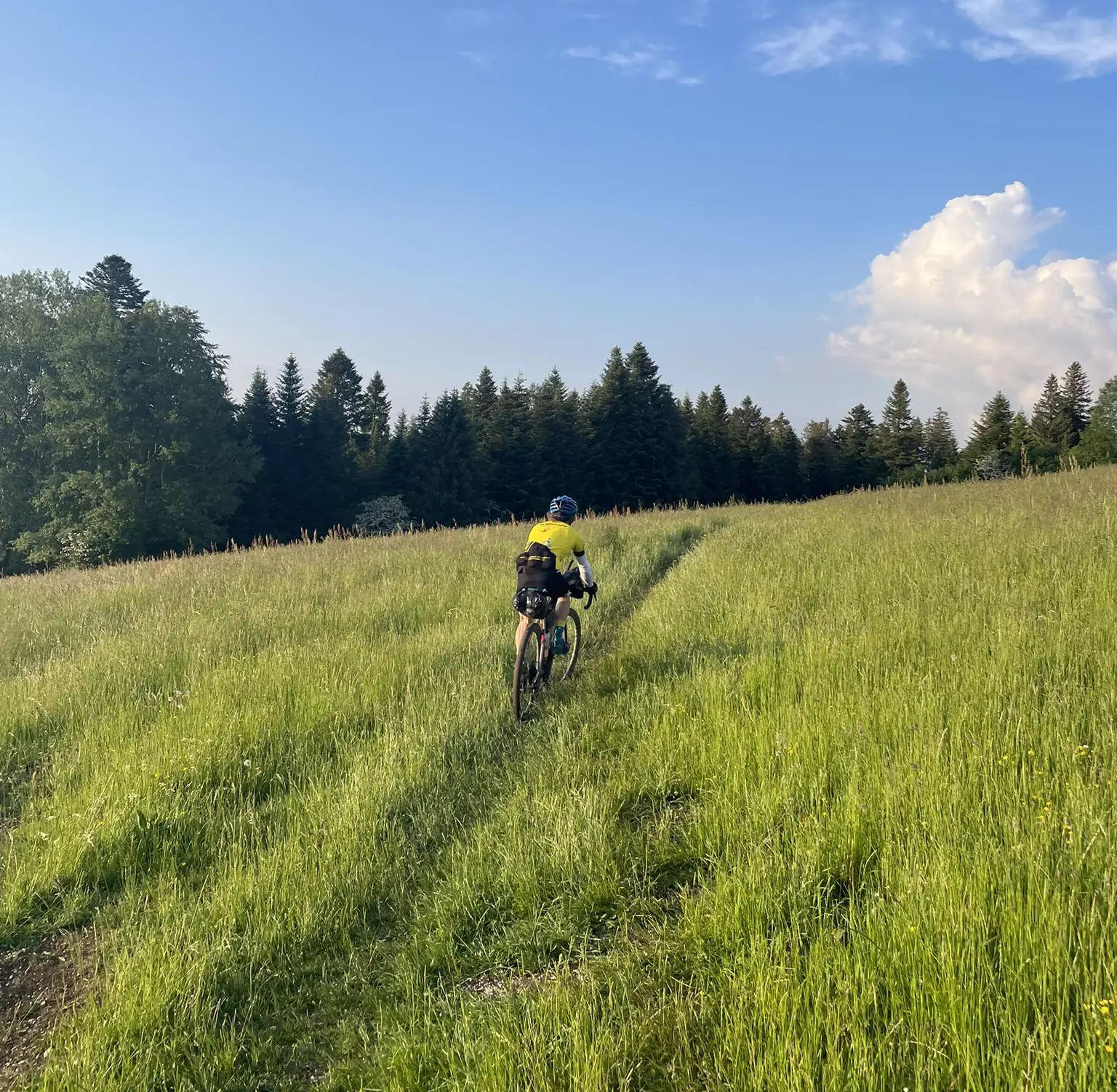
The Jura Mountains and Black Forest – La Poco Loco Dijon-Stuttgart 2023
Seine River Trail — A cycling adventure from Dijon to Le Havre
Along the Seine — the GR 2 from Dijon to Le Havre
Explore a French wine region on foot — hiking the Félix Batier Trail
Greenways, vineyards and canals – Le Tour de Bourgogne à vélo
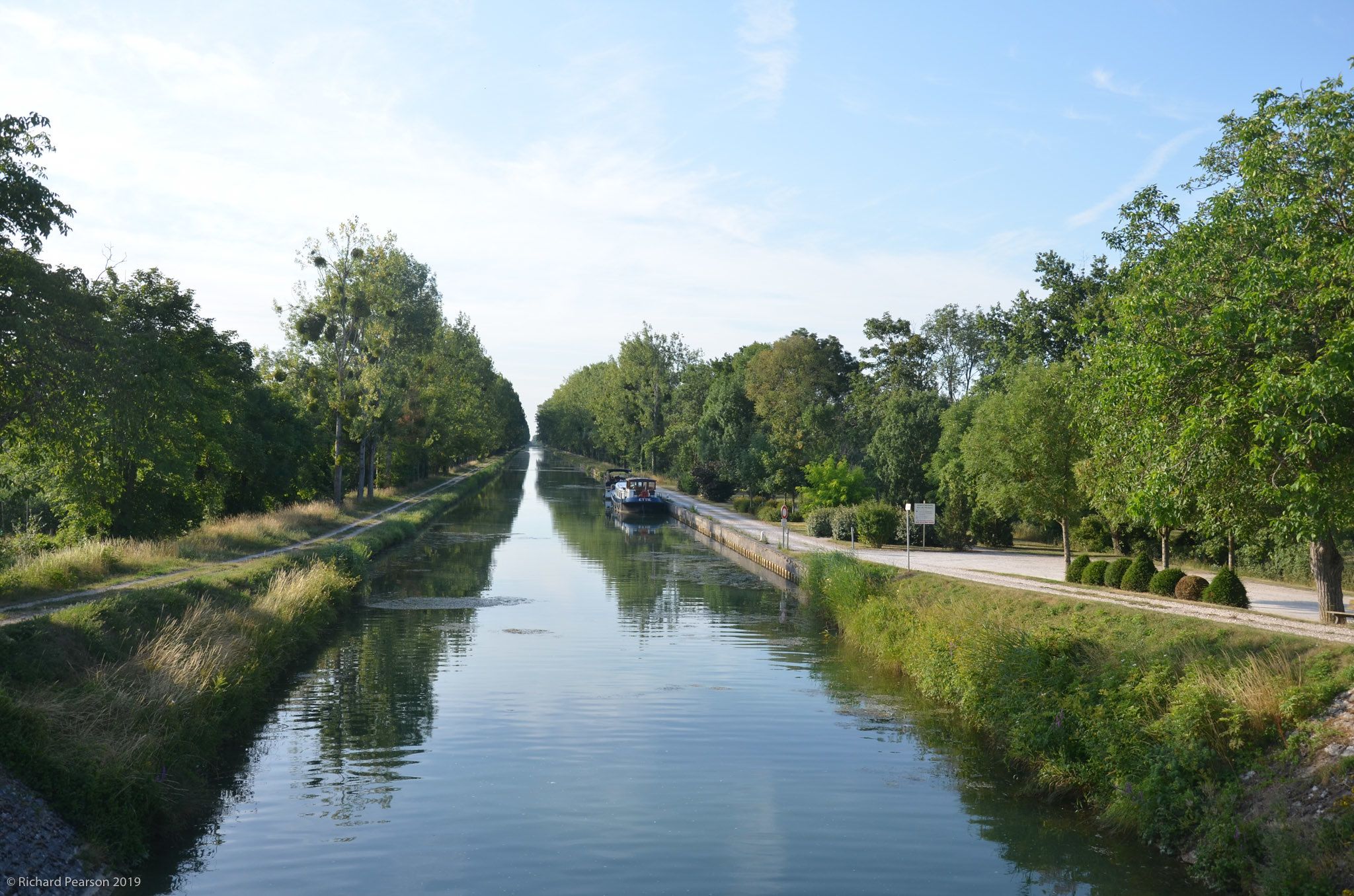
France’s water-rich region — Burgundy's four canals
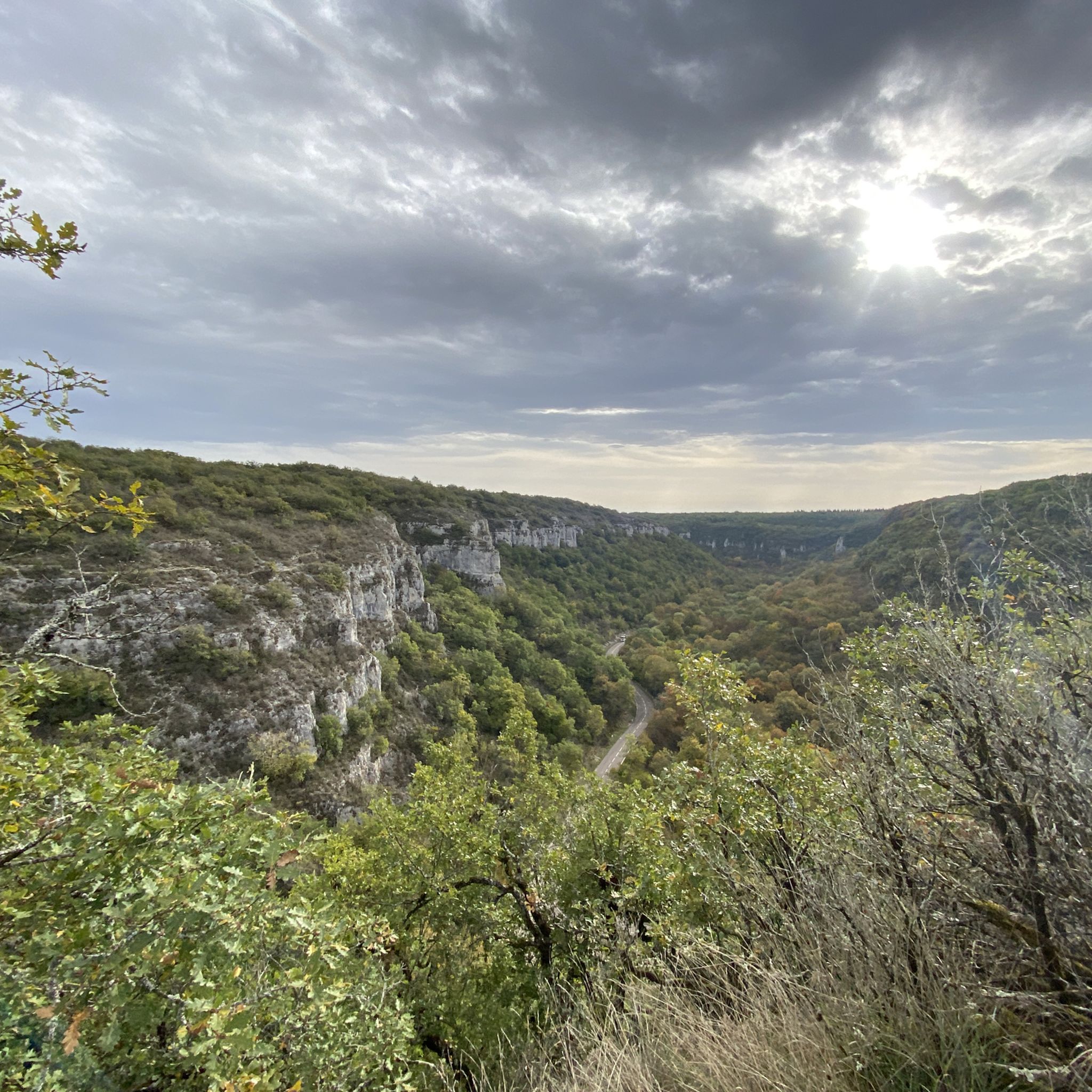
Hiking around Dijon
Other adventures around Dijon


Tips from the Community

Much more impressive in person than in photos and it's possible to get close to the chasm. Not to be missed
0
0

A bucolic, clean, well-maintained, and shaded spot, with tables and trash cans for picnicking. It's officially a Paris commune, but it looks nothing like Paris.
0
0

The Creux Percé is an inverted cone-shaped collapsed chasm approximately 60 m deep and with a circumference ranging from 35 to 25 m at the surface. This chasm is primarily known to speleologists. Exploration of this chasm and its lateral networks began in the 19th century. This site has long been a natural icehouse with a bottom that reaches sub-zero temperatures, even in summer. https://www.bourgogne-tourisme.com/ In May 2025, a special outing, supervised by the Dijon Speleo Club, will allow visitors to descend into this crater.
1
0
The 'Parc de la Fontaine aux Fées', which surrounds the spring of the same name, is a designated nature reserve that provides a habitat for many rare animals and plants. The park consists primarily of dry grasslands and boxwood (or boxwood) heathland on calcareous soils.
2
0

Located north of the old town, this lovely little park offers several shady spots in the summer. Definitely worth a visit.
3
0
There's a signposted and very beautiful circular trail that includes the source of the Seine. Learn more on the official website here: https://www.cotedor-randonnee.com/
1
0
The spring is beautifully arranged and decorated (at least during Easter). There's also a small seating area where you can rest after the climb.
3
0

An artificial lake commissioned by Canon Félix Kir, former mayor of Dijon. A great place to recharge your batteries not far from the train station, the tour takes about an hour on foot. Ideally, you can reach the city center via the Promenade de l'Ouche, one of the city's green lungs.
4
2
Frequently Asked Questions
What are some of the most popular natural monuments around Dijon?
Visitors particularly enjoy Lake Kir, a vibrant recreational area perfect for walking, cycling, and water sports. Another favorite is the Panorama of the Baulme‑la‑Roche Rocks, offering magnificent views and a popular paragliding spot. The Source of the Seine is also a cherished family-friendly site marking the origin of France's famous river.
Are there family-friendly natural monuments in the Dijon area?
Absolutely! Several natural monuments are ideal for families. Lake Kir offers a supervised beach during summer, playgrounds, and easy paths for all ages. The Source of the Seine is another great spot for a family outing. Additionally, Parc de la Combe à la Serpent features playgrounds, a zip line, and wildlife areas, making it perfect for children.
What kind of outdoor activities can I do near these natural monuments?
The natural monuments around Dijon offer a wide range of outdoor activities. You can enjoy hiking and cycling on the extensive trails in Parc de la Combe à la Serpent, or explore the protected Combes de la Côte Dijonnaise. Lake Kir is excellent for walking, cycling, and various water sports. For more specific routes, check out the easy hikes around Dijon or road cycling routes in the region.
Are there any natural monuments suitable for hiking or challenging climbs?
Yes, for those seeking more challenging experiences, the Climb of the Combe Lavaux is very popular with cyclists and offers magnificent landscapes. La Roche Virante is another natural monument categorized as challenging, featuring caves and viewpoints. The Combe Lavaux–Jean Roland Nature Reserve is also known for hiking and climbing, with its limestone valleys and cliffs.
What unique natural features can I expect to see?
Dijon's natural monuments showcase diverse features. You can explore the limestone hillsides and deciduous forests of Parc de la Combe à la Serpent, or the rich biodiversity, including rare flora like wild orchids, in the Combes de la Côte Dijonnaise. The Gouffre du creux Percé offers a unique cave and forest experience, while the Panorama of the Baulme‑la‑Roche Rocks provides impressive cliff formations and panoramic views.
Are there any historical or cultural elements within these natural sites?
Many natural sites in Dijon blend natural beauty with historical significance. The Jardin Botanique de l'Arquebuse, dating back to 1833, includes a natural history museum and a planetarium. Parc de la Combe à la Serpent features a unique, fully restored dry-stone apiary. Darcy Garden, Dijon's first public garden, is famous for its elegant fountain and the 'L'Ours de Pompon' polar bear statue.
What is the best time of year to visit Dijon's natural monuments?
Many natural monuments around Dijon can be enjoyed year-round. Parc de la Combe à la Serpent is a destination for all seasons. During summer, Lake Kir transforms into 'Dijon Plage' with a supervised beach and numerous events, making it particularly appealing. Spring and autumn offer pleasant temperatures for hiking and exploring the diverse flora.
Are there any natural monuments that are particularly accessible or offer unique sensory experiences?
The Jardin Botanique de l'Arquebuse is designed with accessibility in mind, featuring sensory paths, including a tactile approach for the visually impaired to learn about different trees. Its central location near the SNCF train station also makes it easily accessible.
Where can I find refreshments or places to rest near these natural monuments?
Several natural monuments offer amenities. Lake Kir has public benches and snack bars, especially during the summer season. In the village of Morey-Saint Denis, you'll find a Café-Boulangerie Le Fournil de Morey. Parc de la Combe à la Serpent also provides picnic spots. The Sainte-Anne Fountain has a small seating area for resting after a climb.
What kind of wildlife can be observed in the natural monuments around Dijon?
The region's natural monuments are home to diverse wildlife. In Parc de la Combe à la Serpent, you can spot deer. The Combes de la Côte Dijonnaise and Combe Lavaux–Jean Roland Nature Reserve are known for bats and peregrine falcons. The Combe Lavaux is also home to protected species like the Dijon sand lizard and grass snakes. The stream in Jardin Botanique de l'Arquebuse attracts ducks, adding to the natural ambiance.
Are there any easy walking routes or circular walks available?
Yes, there are many easy walking options. Lake Kir offers a pleasant circuit of approximately 3.6 kilometers. Parc de la Combe à la Serpent has over 28 kilometers of marked trails suitable for walking. For more structured easy walks, you can explore routes like the 'Parc de la Combe à la Serpent — loop' or 'Lac Kir — loop from Talant' found in the easy hikes around Dijon guide.
Most popular routes around Dijon
Most popular attractions around Dijon

Get inspired with the komoot mobile app


Didn’t find what you were looking for?
Find even more amazing natural monuments around Dijon by checking out the top Highlights region by region:
Explore more
Extend your search for the best caves by checking out these guides of the top ones around Dijon:
