The best hikes from bus stations around Dijon
4.5
(3367)
19,877
hikers
370
hikes
Bus station hiking trails around Dijon traverse a landscape characterized by the renowned Burgundy vineyards, protected limestone valleys, and wooded hills. The region features the Côte d'Or hills, including Mont Afrique, offering elevated views. Rivers like the Ouche and Suzon, along with Kir Lake, add to the diverse terrain, providing a mix of urban paths and natural trails.
Best bus station hiking trails around Dijon
- The most popular bus station hiking route is Millière House – Dijon's Old Town loop…
Last updated: May 5, 2026
4.5
(2)
12
hikers
11.6km
03:16
230m
230m
Hike a moderate 7.2-mile loop in Parc National de Forêts, exploring diverse landscapes and the historic Grancey-le-Château.
15.9km
04:04
50m
50m
Hike a moderate 9.9-mile loop featuring the historic Château de Rosières and the scenic Canal entre Champagne et Bourgogne.

Sign up for free
4.8
(52)
378
hikers
5.68km
01:27
20m
20m
Easy hike. Great for any fitness level. Easily-accessible paths. Suitable for all skill levels.
4.7
(43)
365
hikers
8.01km
02:03
30m
30m
Moderate hike. Good fitness required. Easily-accessible paths. Suitable for all skill levels.
4.4
(41)
198
hikers
10.2km
02:35
30m
30m
Moderate hike. Good fitness required. Easily-accessible paths. Suitable for all skill levels.
Get access to more routes and recommendations from other explorers.
Sign up for free
Already have an account?
Our route recommendations are based on thousands of hikes, rides, and runs completed by other people on komoot.
Start today with a free account
Your next adventure awaits.
Login or Signup
Popular around Dijon

Hikes from bus stations around Réserve Naturelle de la Combe Lavaux-Jean Roland

Hikes from bus stations around Réserve naturelle du Val-Suzon

Hikes from bus stations in Forêt De Véluze

Hikes from bus stations in Boisement

Hikes from bus stations in Forêt Domaniale De Longchamp
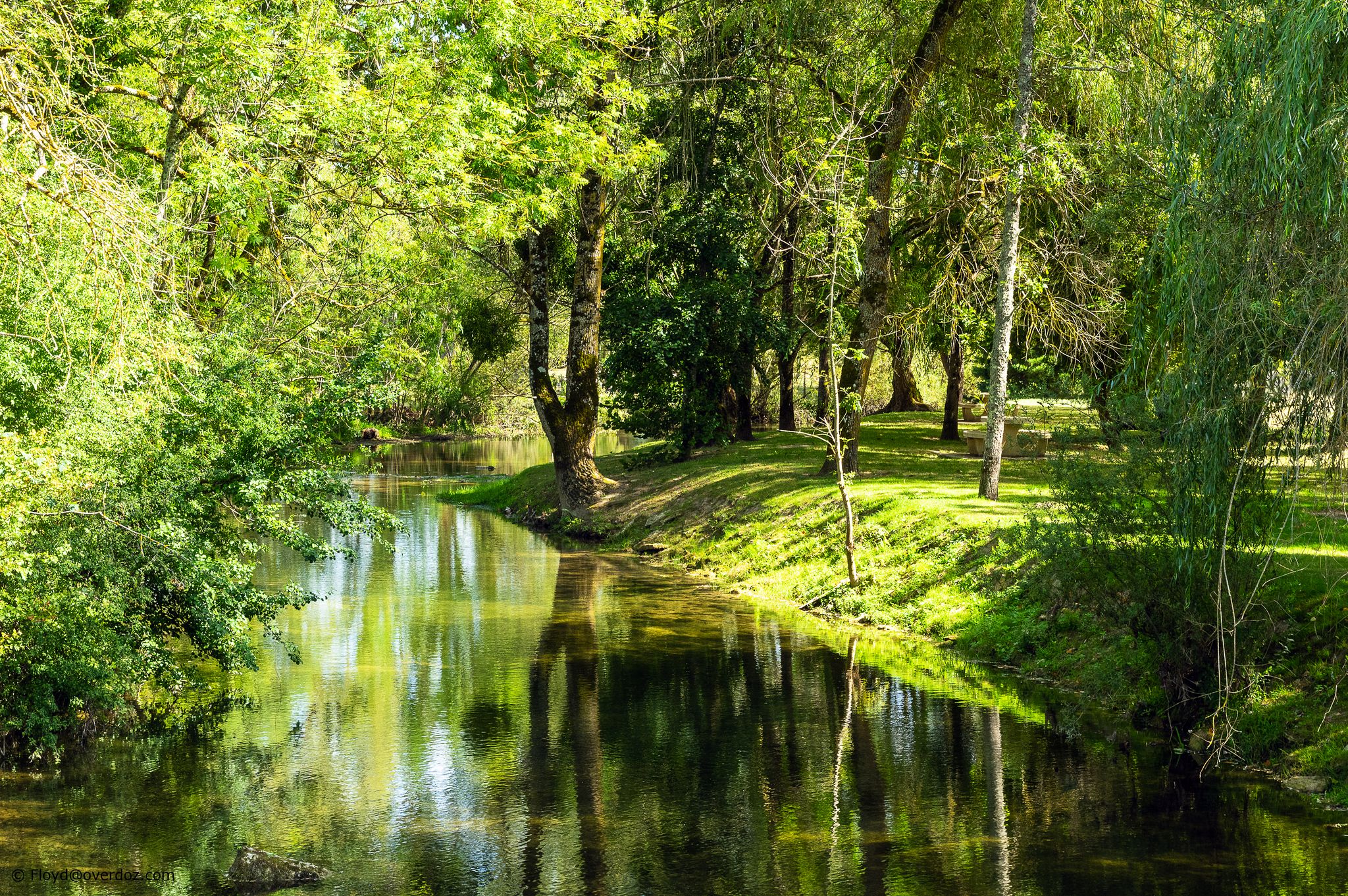
Along the Seine — the GR 2 from Dijon to Le Havre
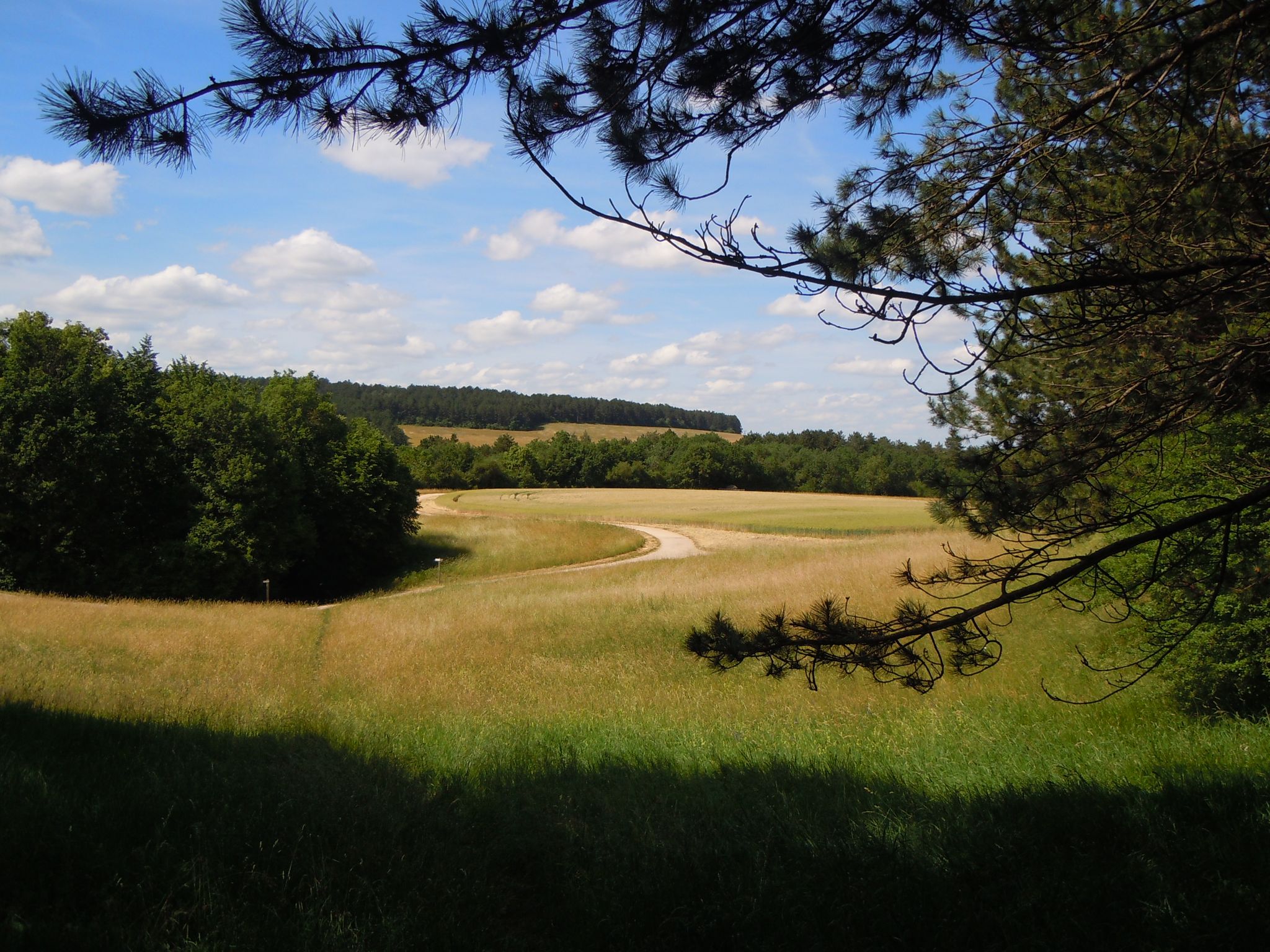
Explore a French wine region on foot — hiking the Félix Batier Trail
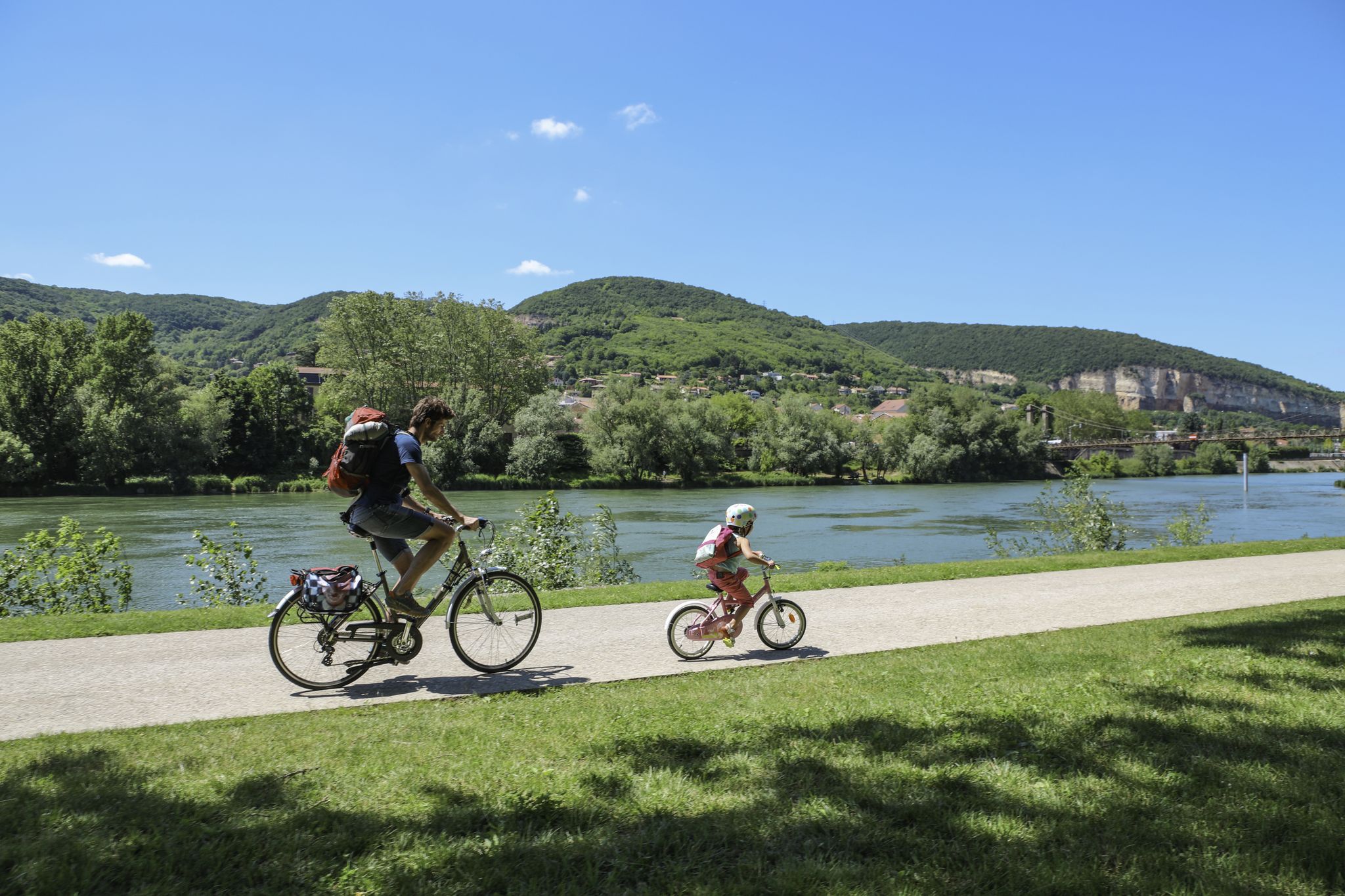
The Voie Bleue – Moselle-Saône by bike
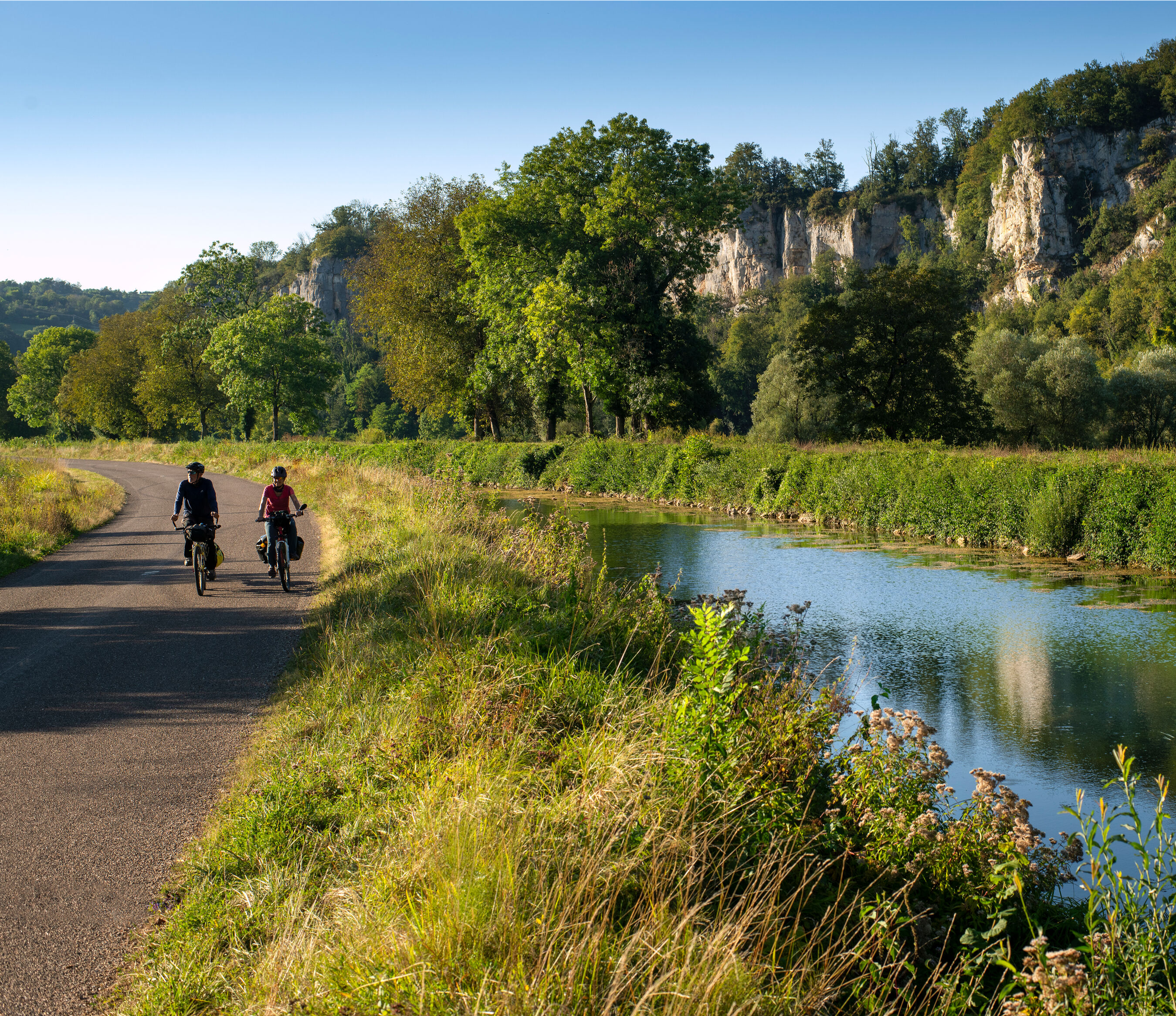
Burgundy-Franche-Comté by bike – between vineyards and peaks
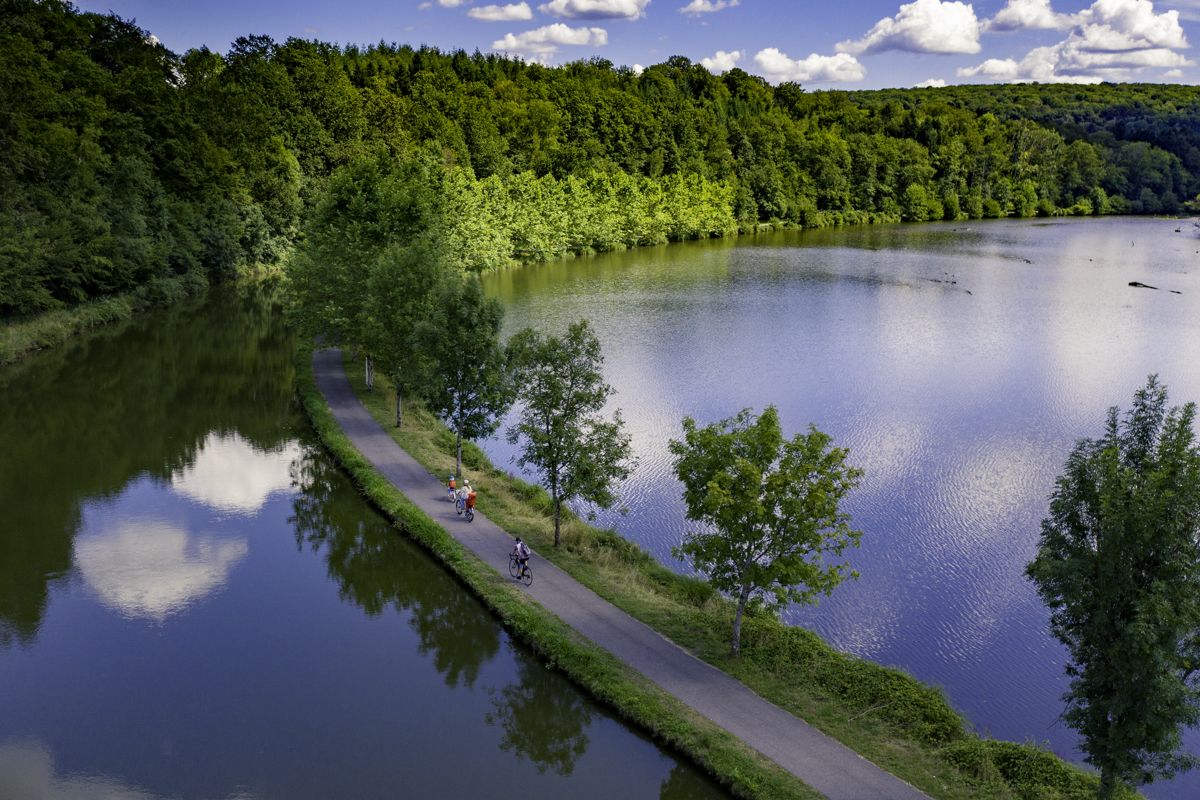
La Voie Bleue — “Cycle Route of the Year 2026”
Other adventures around Dijon


Tips from the Community

Numerous restaurants invite you to very good food, as a starter: snails
8
0

Market hall only from the outside as it is closed in the afternoon
0
0

The Dijon Owl (La Chouette de Dijon) is a small medieval sculpture on the north buttress of the Église Notre-Dame in Dijon, and has been considered a lucky charm for centuries. According to tradition, you should touch the owl with your left hand while making a wish, without looking, to bring good luck. Its exact origin is unknown, but it is suspected that the owl symbolized wisdom or served as the signature of a medieval stonemason's guild. Due to frequent touching, the owl has been restored several times, including after vandalism in 2001. The owl also marks the starting point of the "Parcours de la Chouette," a walking route that takes in 22 Dijon landmarks, recognizable by small bronze owls set into the pavement. The owl has become an iconic and beloved symbol of the city.
1
0

Follow the owl and you will discover the most beautiful highlights of the city.
0
0
simply beautiful. - Tip: enjoy Burgundian cuisine in one of the numerous restaurants.
1
0
The old town of the French mustard metropolis is worth seeing.
2
0

Beautiful little street behind the Église Notre-Dame with some nice shops and restaurants.
2
0

In place of an old gate in the 12th-century city wall, the architect Jean-Philippe Maret had this monument built between 1786 and 1788 in homage to the Prince of Condé, governor of Burgundy. The building was then named Porte Condé. The monument was connected by walls to the ramparts that still existed, and its gate was closed by a gate, traces of which can still be seen. During the Revolution in 1791, the gate was named the Arc de la Liberté; in the 19th century, it became Porte Guillaume, in reference to Guillaume de Volpiano, abbot of the Abbey of Saint-Bénigne.
1
0
Frequently Asked Questions
How many hiking trails are accessible from bus stations around Dijon?
There are nearly 400 hiking trails around Dijon that are accessible from bus stations. This includes a wide variety of routes, with over 170 easy trails and more than 160 moderate options, ensuring there's something for every skill level.
What kind of landscapes can I expect to see on bus-accessible hikes near Dijon?
The region around Dijon offers diverse landscapes. You can hike through the famous Burgundy vineyards, explore protected limestone valleys and wooded hills like the Combe Lavaux - Jean Roland Nature Reserve, or enjoy trails along rivers such as the Ouche and Suzon, and around Kir Lake. Many routes offer panoramic views, especially from the Côte d'Or hills.
Are there easy, family-friendly hiking options reachable by bus from Dijon?
Yes, Dijon offers many easy and family-friendly hikes accessible by bus. For example, the Millière House – Dijon's Old Town loop from Dijon is an easy 5.7 km route that explores the city's historic center. Kir Lake also provides tranquil walking paths suitable for families.
Can I find circular hiking routes starting from a bus station in Dijon?
Absolutely. Many routes are designed as circular walks, allowing you to start and end at the same bus stop. An example of a moderate circular route is the Grancey-le-Château Loop, which covers about 11.6 km.
What are some interesting landmarks or natural features to explore on these trails?
You can discover a variety of interesting landmarks and natural features. Highlights include the Célerons Caves, the dramatic Gouffre du creux Percé, and the scenic Combe Lavaux gorge. Many trails also pass through historic villages and offer views of vineyards and châteaux.
Are there any moderate difficulty hikes accessible by bus that offer good views?
Yes, several moderate hikes provide excellent views. The Dijon Covered Market – Maison Maillard loop from Talant is a moderate 10.2 km route that offers varied scenery. Hiking towards Mont Afrique, one of the prominent peaks in the Côte d'Or hills, can also provide extensive views of the Saône plain and even the Alps on clear days.
What do other hikers say about the bus-accessible trails around Dijon?
The komoot community highly rates the hiking experience around Dijon, with an average score of 4.5 out of 5 stars from over 3,100 ratings. Hikers often praise the diverse scenery, from vineyards to natural reserves, and the convenience of accessing trails via public transport.
Can I find trails that pass by historical sites or castles?
Yes, the region is rich in history. For instance, the Château de Rosières and Canal entre Champagne et Bourgogne Loop is a moderate 15.9 km route that takes you past a historic château. Many trails also weave through charming old towns and past Romanesque churches, such as the Romanesque Church of Fixey – The Hundred Steps loop from Couchey.
Are there any trails near Dijon's bus stations that are particularly good for nature observation?
The natural reserves and valleys around Dijon are excellent for nature observation. The Combe Lavaux - Jean Roland Nature Reserve, for example, is known for its rich biodiversity, including unique flora like wild orchids. Trails near Kir Lake and the Ouche River, such as the Sentier du Martin-Pecheur, are also great for birdwatching.
What is the best time of year to hike these bus-accessible trails in Dijon?
Spring and autumn are generally considered the best times for hiking around Dijon. In spring, the wildflowers are in bloom and the vineyards begin to green. Autumn offers stunning fall foliage in the wooded areas and comfortable temperatures for longer walks. Summer can also be pleasant, especially in the mornings or evenings, but some trails might be more exposed to the sun.
Most popular routes around Dijon
Most popular attractions around Dijon

Get inspired with the komoot mobile app


Didn’t find what you were looking for?
Check out more Hikes throughout Dijon below and find the perfect route in your destination.
Explore more
Browse the best Hikes in other regions.
