Top 20 Natural Monuments around Begur
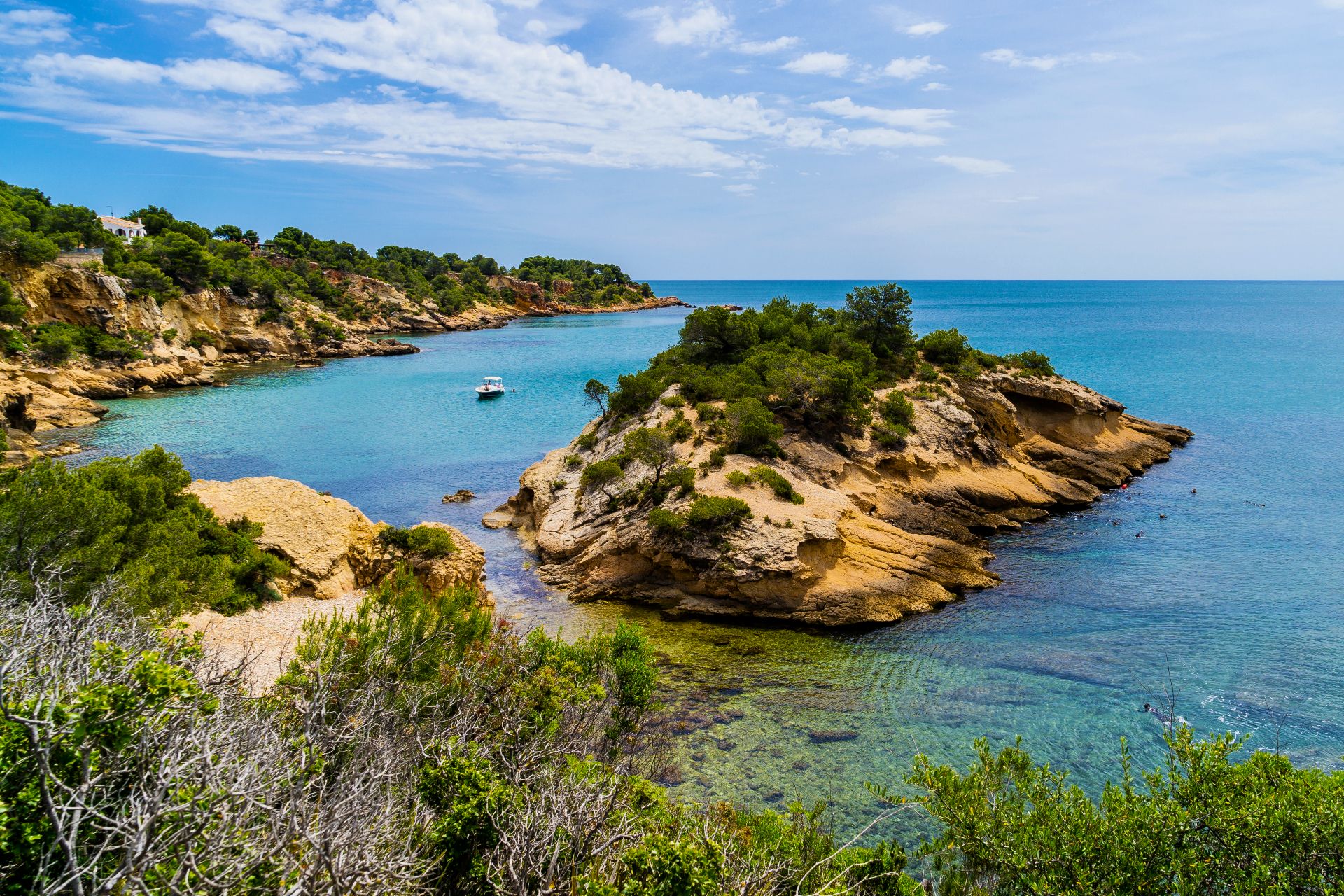
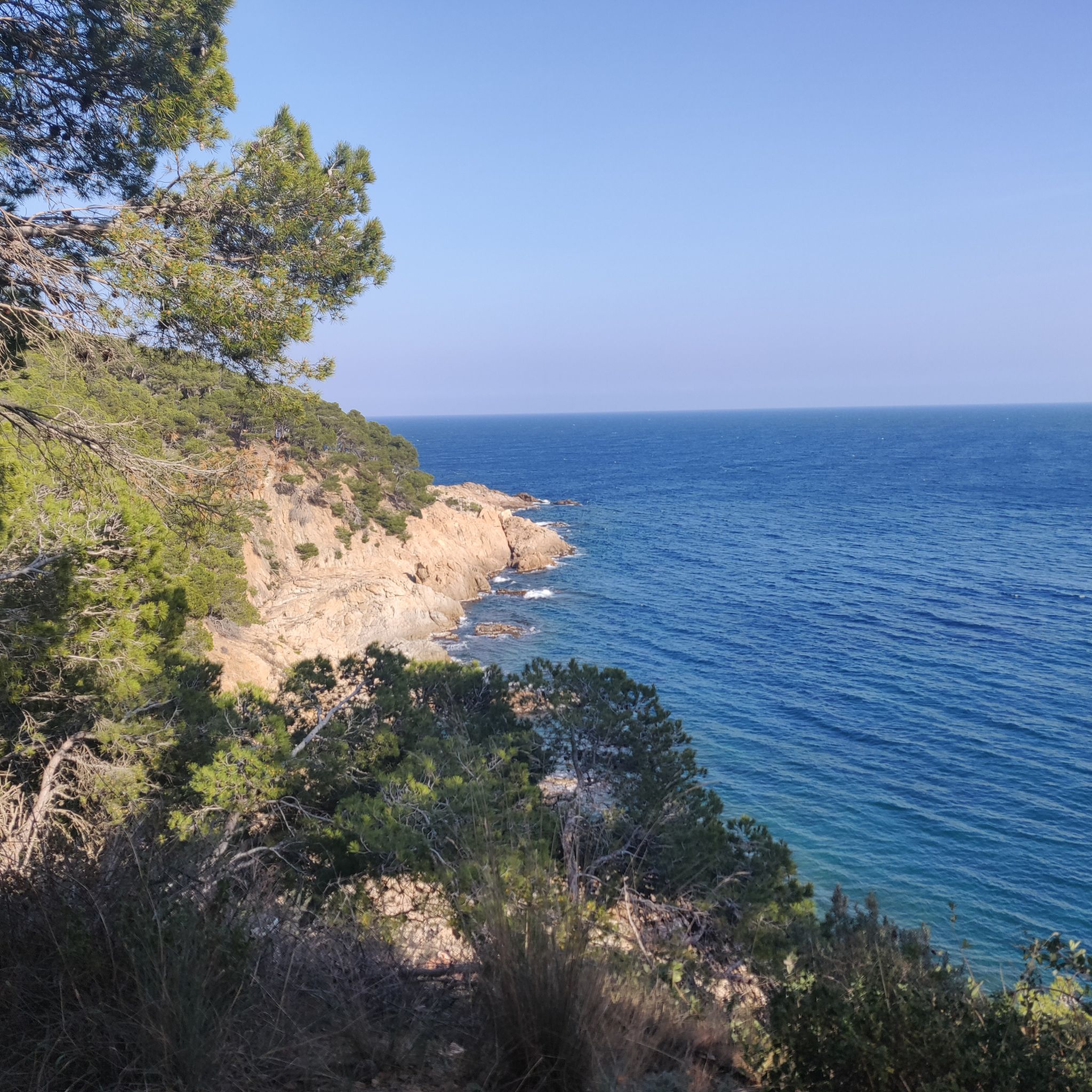
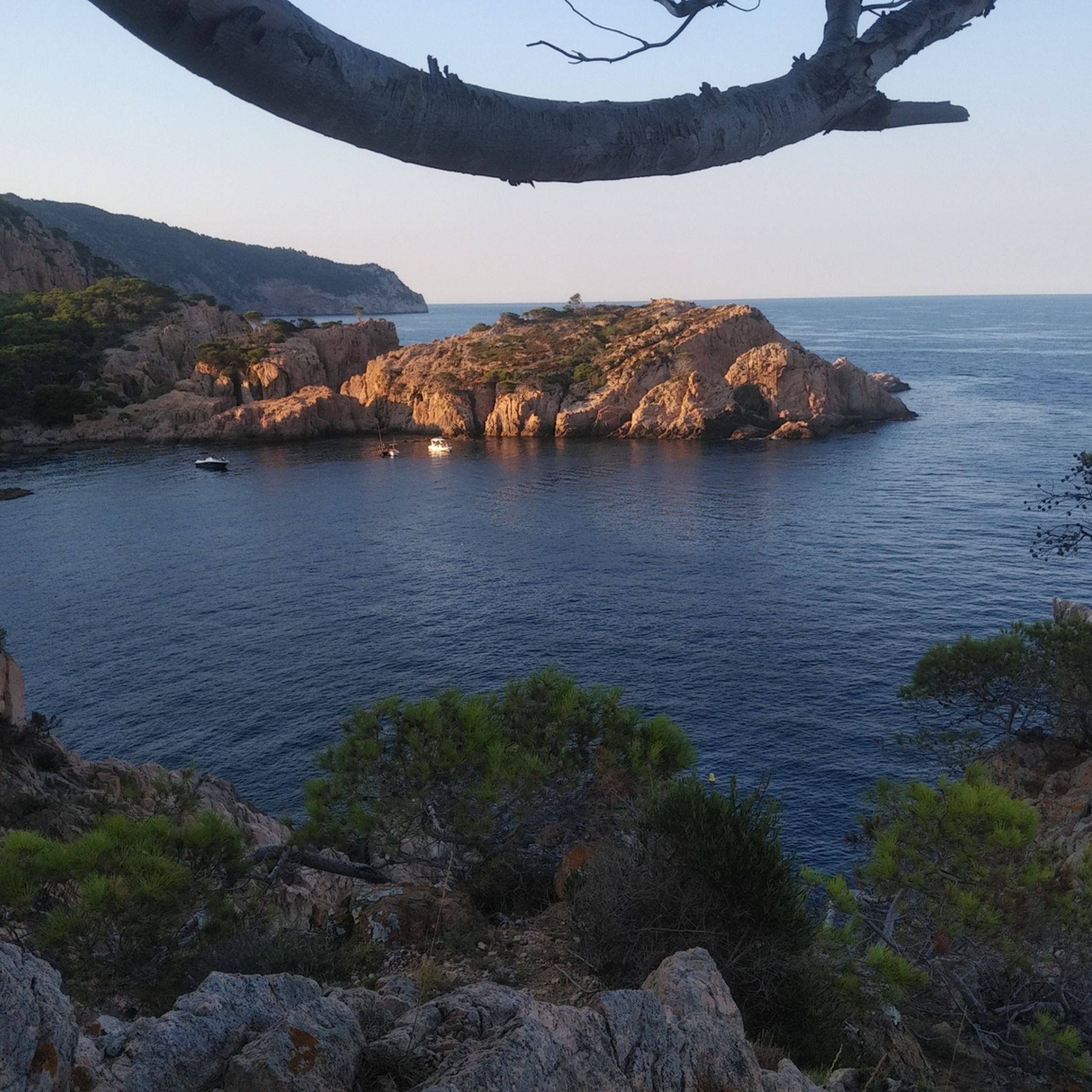
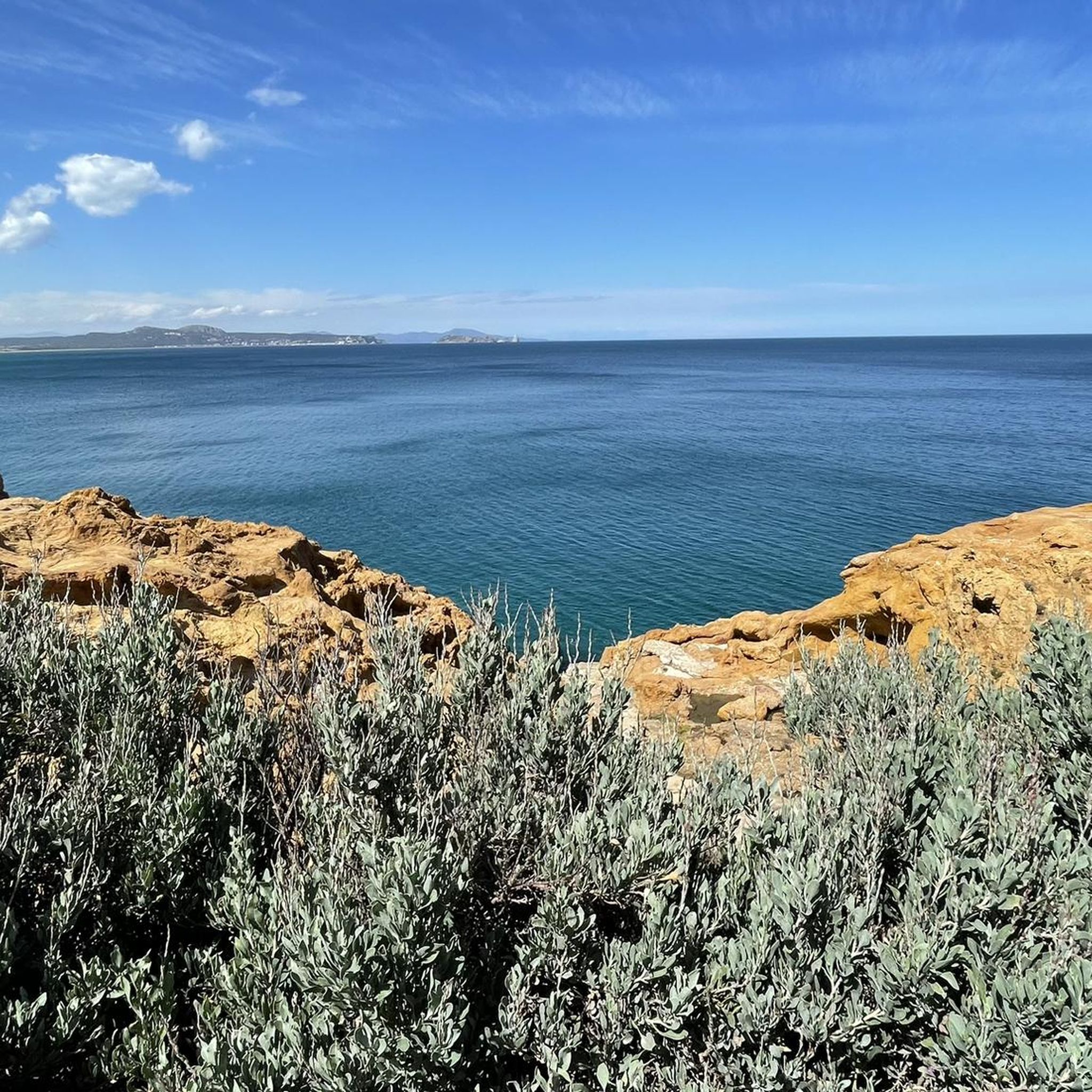
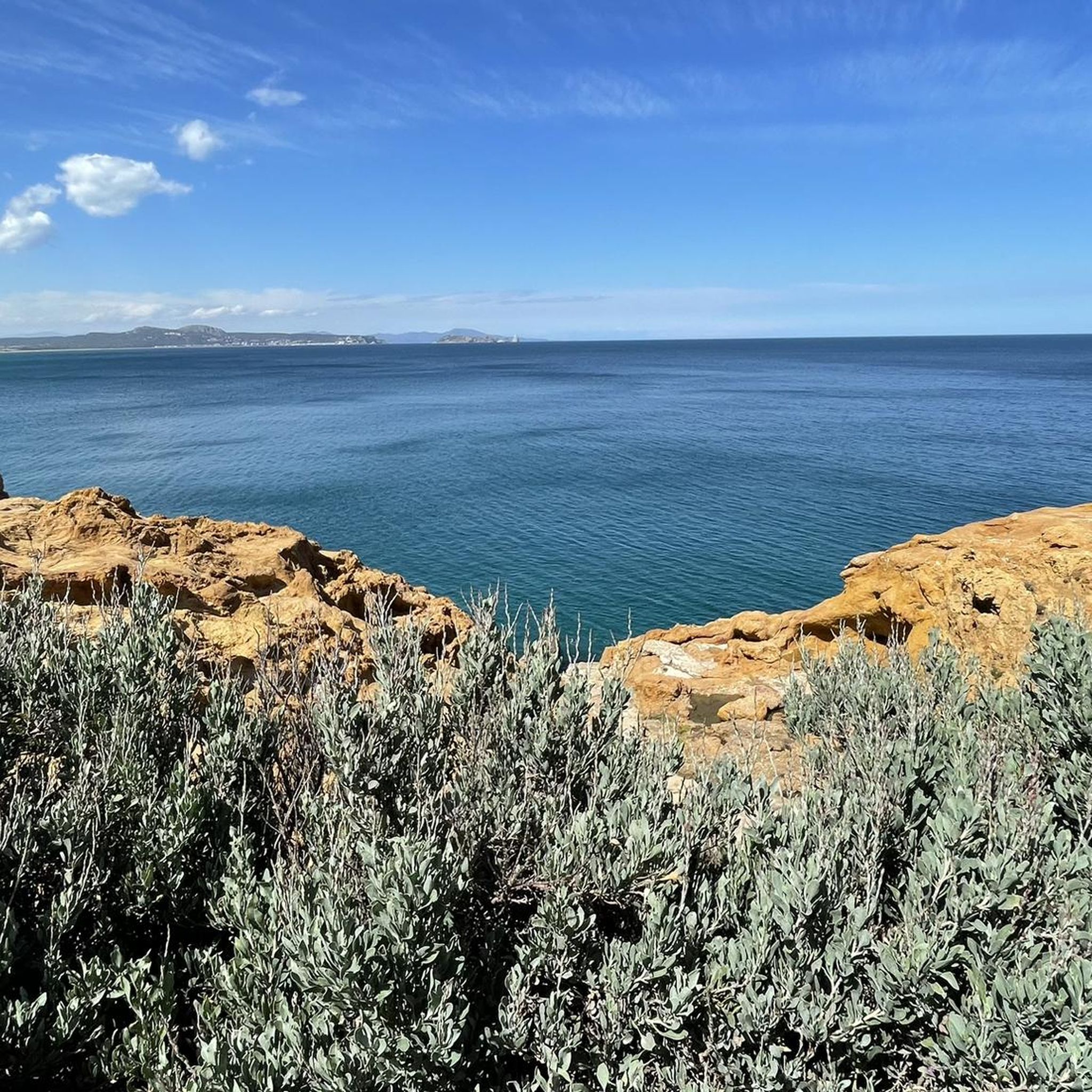
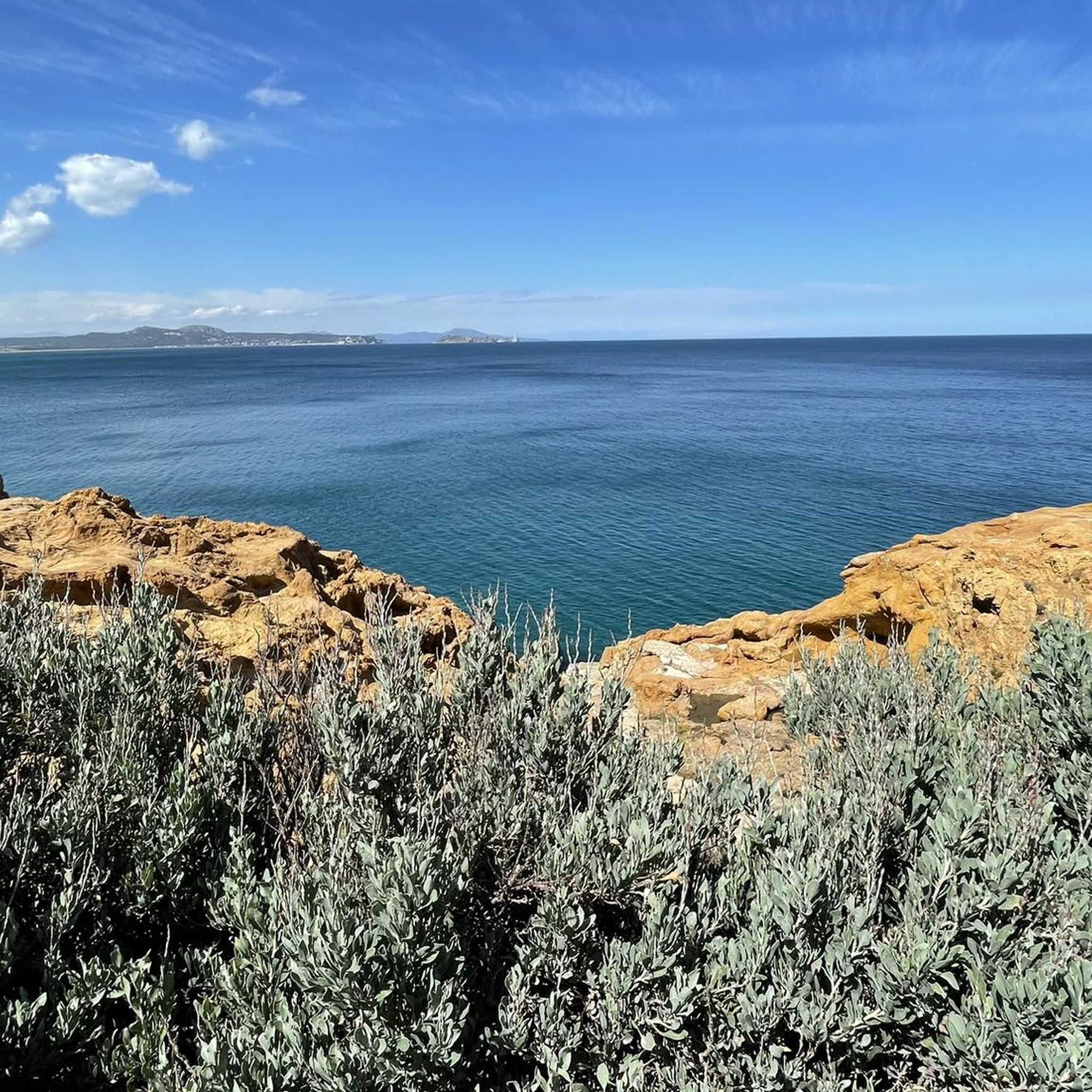
Best natural monuments around Begur are characterized by a rugged coastline shaped by millennia of erosion on granitic rock. This area features dramatic cliffs, clear waters, and secluded coves. The Muntanyes de Begur Protected Natural Area encompasses much of this scenery, providing a habitat for diverse flora and fauna. The coastline's geological history has sculpted an irregular profile of coves, cliffs, and small bays.
Best natural monuments around Begur
- The most popular natural monuments is Platja del Castell, a beach that offers more than 300 meters of fine sand. It is notable for its services, including a kayak school and walkways for people with reduced mobility.
- Another must-see spot is The Mouth of the Ter, a river inlet on a beautiful stretch of beach. Visitors can expect a unique place where seawater converges with the River Ter, offering views of the Illes Medes archipelago.
- Visitors also love The Dark Rock of La Fosca Beach, a natural monument that divides La Fosca beach into two parts. This large black rock is a prominent geological feature and gives the beach its name.
- Begur is known for its diverse natural monuments, including beaches, rocky islets, and river mouths. Visitors can explore a variety of natural formations, from sandy shores to dramatic coastal cliffs.
- The natural monuments around Begur are appreciated by the komoot community, with over 110 upvotes and 60 photos shared by visitors.
Last updated: October 5, 2026
Castell Beach
Highlight • Beach
Translated by Google •
Tip by

The Mouth of the Ter
Highlight • River
Very good paved path.
Storage space for bicycles
Translated by Google •
Tip by

Sign up now to discover places like this
Get recommendations on the best single tracks, peaks, & plenty of other exciting outdoor places.
El Morro del Vedell
Highlight • Natural Monument
A narrow passage between the rock and the cliff allows you to pass from one to the other, but you have to pay attention because there is a risk of falling stones.
Translated by Google •
Tip by
Platja del Castell
Highlight • Beach
There is a kayak rental service, highly recommended to visit the Roca Foradada inside.
Translated by Google •
Tip by

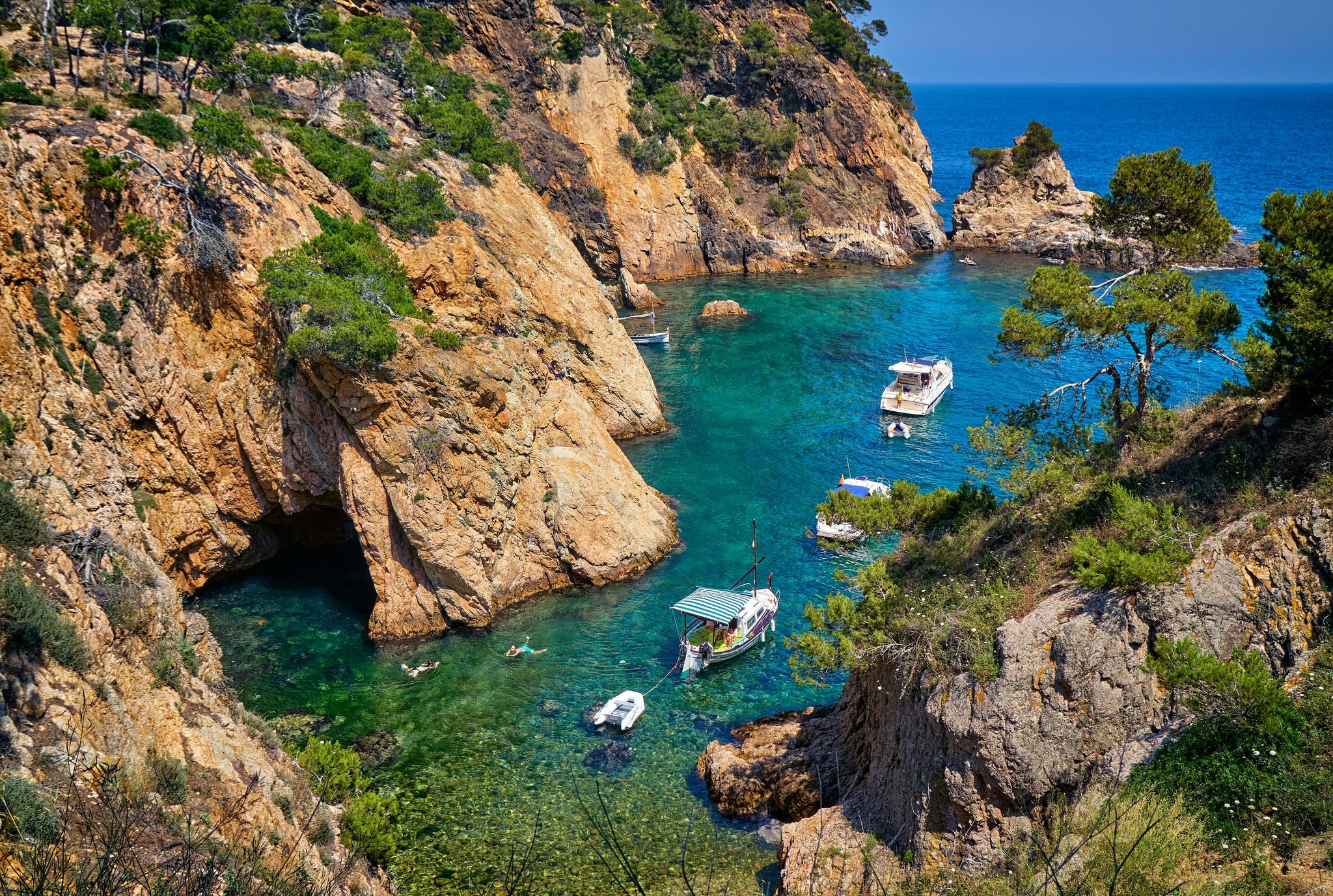
Sa Foradada of Castell
Highlight • Natural Monument
It is a rock bridge suitable for small boats to pass from side to side. The concavity does not exceed 15 meters of travel, while the width varies between 4 and 5 meters.
Walking you can see it from the top of the cliff.
Translated by Google •
Tip by
Sign up for free to discover even more natural monuments around Begur.
Already have an account?
Start today with a free account
Your next adventure awaits.


Tips from the Community

The mouth is difficult to cross with luggage or a bicycle.
0
0

The river mouth cannot be crossed by bicycle, at least not with an e-bike. There are several meters of water between them, making it impossible for me to carry my bike that far. The water is at least 50 cm deep, and the current is strong. It was too dangerous for me.
0
1

Spectacular place to run
0
0
Or lift your bicycle and you can easily cross
1
0

Natural site with groomed tracks to reach A bit crowded maybe in the summer
0
0
Beautiful beach. The cycle path suggested by Komoot from L-Estartit to Playa de Pals via the mouth of the Rio Ter is rather difficult, as you have to carry the bike through the river. The water is 50-60 cm deep at the mouth, the bottom is sandy. Continuing south is also only possible after about 500 m, until then the bike has to be pushed through loose sand.
2
0


This branch takes you to Castell beach, one of the few virgin beaches on the Costa Brava, surrounded by pine trees and dunes. A spectacular place, worth visiting.
0
0
Frequently Asked Questions
What are some of the most notable natural monuments in Begur?
Begur's coastline is rich with natural monuments shaped by millennia of erosion. Key highlights include the distinctive reddish rocky islet at Platja de l'Illa Roja, the secluded Platja Fonda nestled between towering cliffs, and the charming Cala Sa Tuna with its clear waters and marine caves. Other notable spots are the sheltered Cala Aiguafreda, the wild Cala Pedrosa accessible by hike, and the scenic Punta de la Creu. Additionally, visitors frequently enjoy Castell Beach, The Mouth of the Ter, and The Dark Rock of La Fosca Beach.
Are there family-friendly natural monuments around Begur?
Yes, several natural monuments in Begur are well-suited for families. Castell Beach is highly recommended, offering fine sand, a kayak school, and walkways for people with reduced mobility. Cala Aiguafreda is another excellent choice, known for its calm, crystalline waters and a pleasant picnic area, providing a serene environment for family outings. The Dark Rock of La Fosca Beach is also considered family-friendly, offering a beautiful promenade and a unique geological feature.
What kind of natural features can I expect to see in Begur?
Begur's natural monuments are primarily characterized by its stunning coastal landscape. You'll encounter dramatic cliffs, crystal-clear waters, and secluded coves. The area features unique geological formations like the reddish islet at Platja de l'Illa Roja and the large black rock at La Fosca Beach. The coastline also includes river inlets like The Mouth of the Ter, where freshwater meets the sea, and sheltered bays like Cala Aiguafreda. The entire coastline is part of the Muntanyes de Begur Protected Natural Area, offering diverse flora and fauna.
What outdoor activities can I do near Begur's natural monuments?
The natural monuments around Begur are perfect for various outdoor activities. You can enjoy swimming, snorkeling, and exploring marine life in the clear waters of coves like Cala Sa Tuna and Cala Pedrosa. Hiking along the coastal paths (Camí de Ronda) offers breathtaking panoramic views and access to hidden coves. For more structured activities, there are numerous routes for gravel biking, running, and mountain biking. You can find detailed routes and guides for gravel biking, running, and MTB trails in the region.
Are there hiking trails near these natural monuments?
Yes, the Begur coastline is crisscrossed with scenic hiking trails, particularly the Camí de Ronda, which allows visitors to experience the natural wonders firsthand. These paths wind through pine forests, ascend and descend cliffs, and provide access to many coves and viewpoints. For example, Punta de la Creu is an excellent starting point for hikes to other coves like Cala s'Antiga. You can also find specific running routes like the 'Red Island Cove – Illa Roja Beach loop' or the 'Sa Riera Beach loop' which offer challenging and scenic experiences. Explore more options in the Running Trails around Begur guide.
What is the best time to visit Begur's natural monuments?
The Costa Brava, including Begur, generally enjoys a Mediterranean climate. Spring (April-May) and early autumn (September-October) are often considered ideal, offering pleasant temperatures for hiking and exploring without the peak summer crowds. During these times, the weather is comfortable for enjoying the beaches and coastal paths. Summer (June-August) is popular for swimming and water activities, though it can be busier. Winter offers a quieter experience, suitable for walks, but some services might be reduced.
Are there any hidden or less-known natural monuments worth exploring?
For those seeking a more secluded experience, Cala Pedrosa is a small, pebbled cove hidden within a dense forest. Reaching it requires a scenic hike, rewarding visitors with a wild escape perfect for swimming and exploring marine life away from more accessible areas. Platja Fonda also offers a tranquil and untouched feel, tucked away between towering cliffs with dark, thick sand, ideal for those seeking peace and a deeper connection with nature.
What makes the geology of Begur's natural monuments unique?
The unique geology of Begur's natural monuments stems from the Costa Brava's granite origins and the continuous erosion by the sea over millennia. This process has sculpted the irregular profile of dramatic cliffs, coves, and small bays. The distinctive reddish rocks of Platja de l'Illa Roja and the large black rock at La Fosca Beach are prime examples of this geological artistry. The rugged coastline provides a unique habitat and stunning visual landscapes.
What do visitors enjoy most about the natural monuments around Begur?
Visitors consistently praise the stunning natural beauty and tranquility of Begur's natural monuments. Many appreciate the clear, transparent waters perfect for swimming and snorkeling, as well as the picturesque settings of the coves. The opportunity for scenic walks along the coastal paths, offering breathtaking views, is also a major draw. The unique geological features, like the distinctive rocks and secluded beaches, are frequently highlighted as memorable aspects of their visits.
Are there any natural monuments around Begur that are wheelchair accessible?
Yes, Castell Beach is noted for its accessibility, offering walkways for people with reduced mobility. This makes it a good option for visitors requiring wheelchair access to enjoy the natural beauty of Begur's coastline.
How long should I plan for a visit to Begur's natural monuments?
The duration of your visit can vary greatly depending on your interests. For a quick visit to one or two accessible beaches like Castell Beach or Cala Aiguafreda, a few hours might suffice. If you plan to hike the coastal paths, explore multiple coves, or engage in activities like snorkeling or kayaking, you could easily spend a full day or even several days exploring different areas. Consider dedicating at least half a day to fully appreciate the beauty of a specific area like the Camí de Ronda around Punta de la Creu.
Can I find cafes or amenities near the natural monuments?
While some natural monuments, particularly the more popular beaches, may have amenities nearby, many of Begur's secluded coves are more untouched. Castell Beach offers a good number of services, including a kayak school. Cala Aiguafreda has a pleasant picnic area. For more extensive options like cafes, restaurants, or shops, you might need to head to the nearby towns or larger beach areas. It's always a good idea to bring your own refreshments, especially when venturing to more remote spots like Platja Fonda or Cala Pedrosa.
Most popular attractions around Begur

Get inspired with the komoot mobile app


Explore more
Extend your search for the best caves by checking out these guides of the top ones around Begur:
