Top 10 Natural Monuments around Valdeolea
Best natural monuments around Valdeolea include significant geological formations and sites of ancient human history. This municipality in Cantabria, Spain, features a landscape shaped by the Camesa River and its unique hydrography. The area is notable for its megalithic heritage and diverse ecosystems. Valdeolea offers a blend of natural beauty and historical significance for exploration.
Best natural monuments around Valdeolea
- The most popular natural monuments is Source of the Ebro River, a river that marks the traditional source of…
Last updated: May 20, 2026
Source of the Ebro River
Highlight • River
Translated by Google •
Tip by

Ruins of Julióbriga
Highlight • Historical Site
Translated by Google •
Tip by

Sign up now to discover places like this
Get recommendations on the best single tracks, peaks, & plenty of other exciting outdoor places.
Sign up for free
Corvio Necropolis
Highlight • Historical Site
Translated by Google •
Tip by

Menhir de la Llaneda
Highlight • Monument
Translated by Google •
Tip by

Fontibre
Highlight • River
Translated by Google •
Tip by
Sign up for free to discover even more natural monuments around Valdeolea.
Sign up for free
Already have an account?
Start today with a free account
Your next adventure awaits.
Login or Signup
Tips from the Community

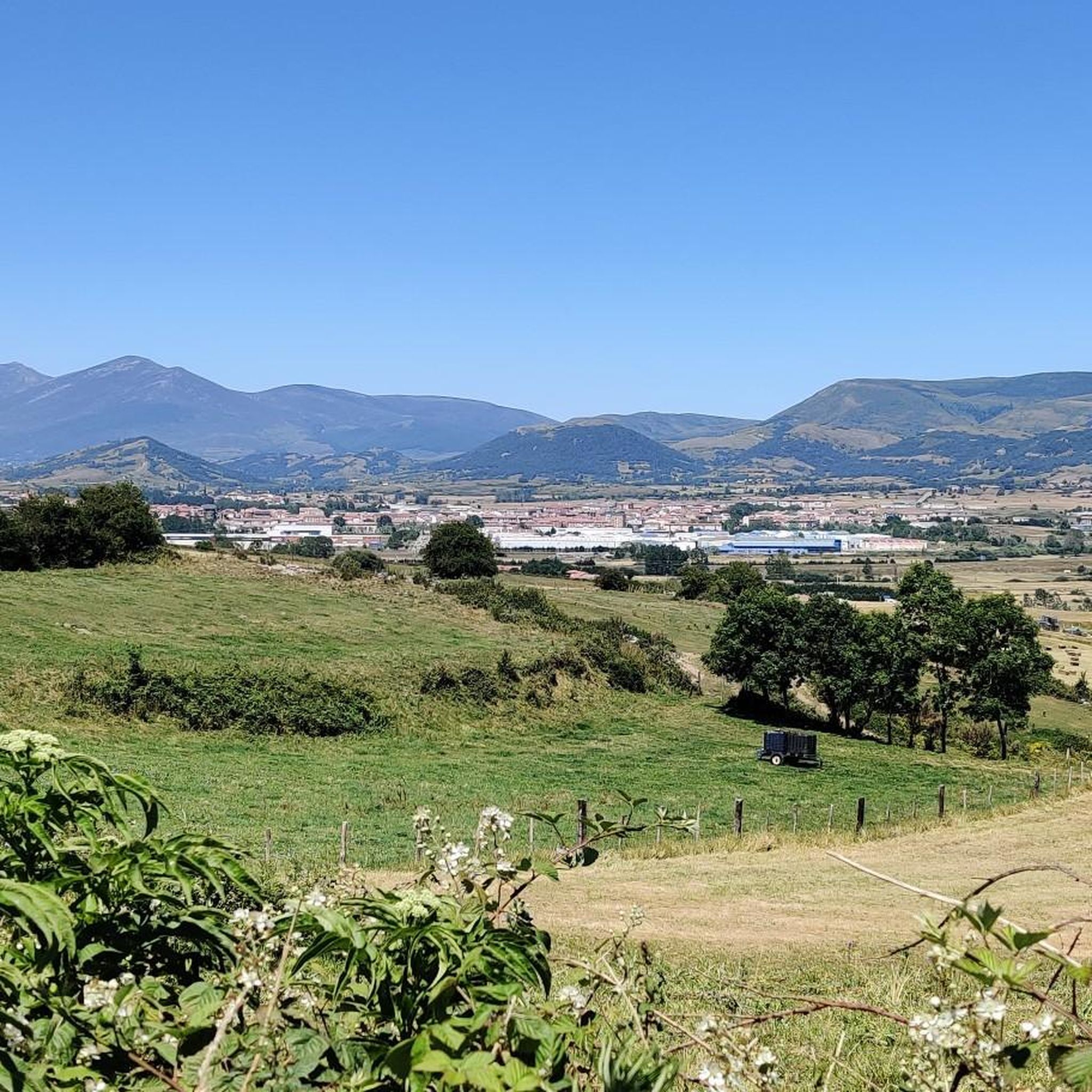
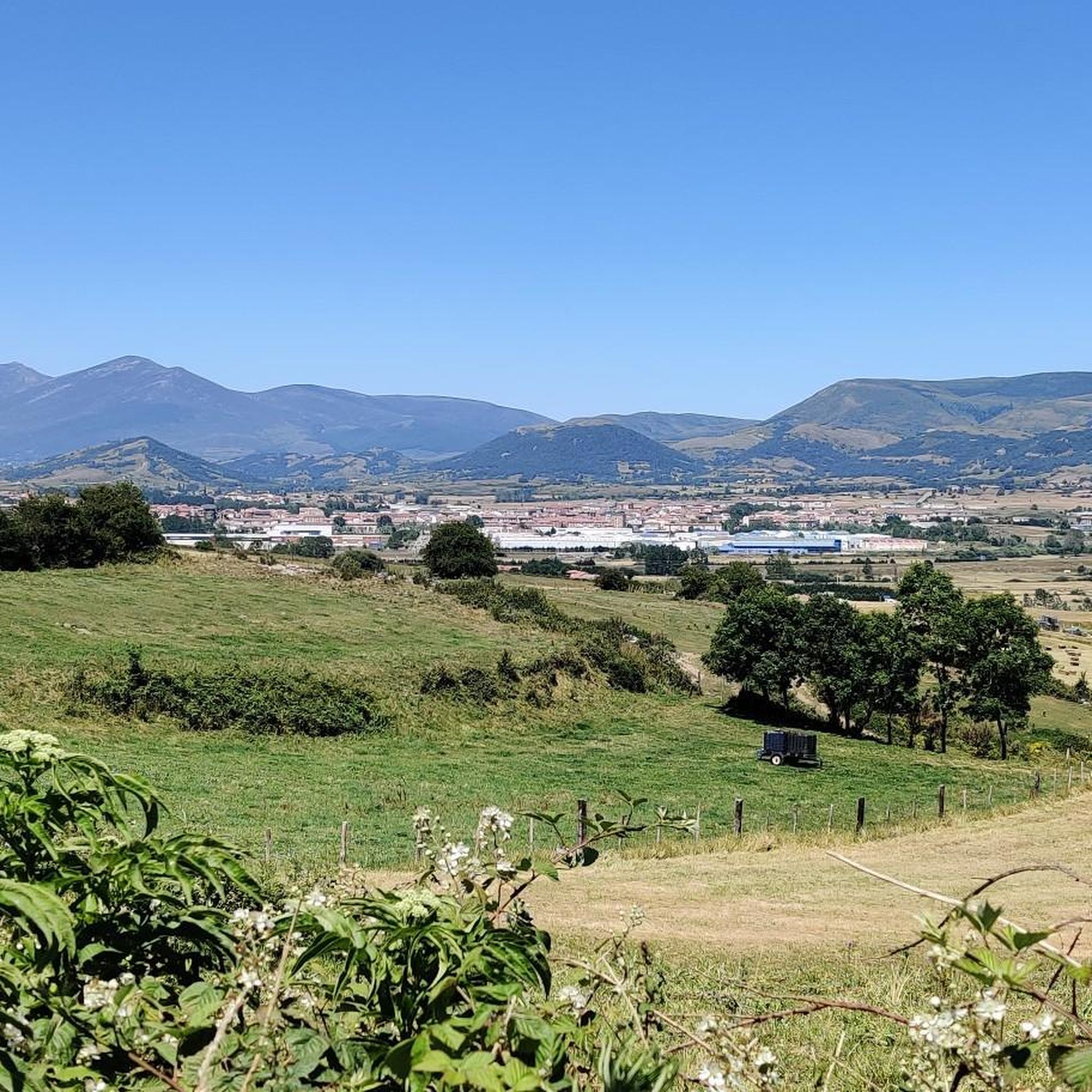
Officially, it's the source of the Ebro River, in Fontibre. However, according to what we were told at the tourist office, the waters of the spring pools come underground from the Hijar River, which rises in Alto Campoo. Specifically, in Tresmares, where the Hijar-Ebro begins, flowing into the Mediterranean; the Pisuerga (a tributary of the Duero) flows into the Atlantic; and the Nansa flows into the Cantabrian Sea.
0
0

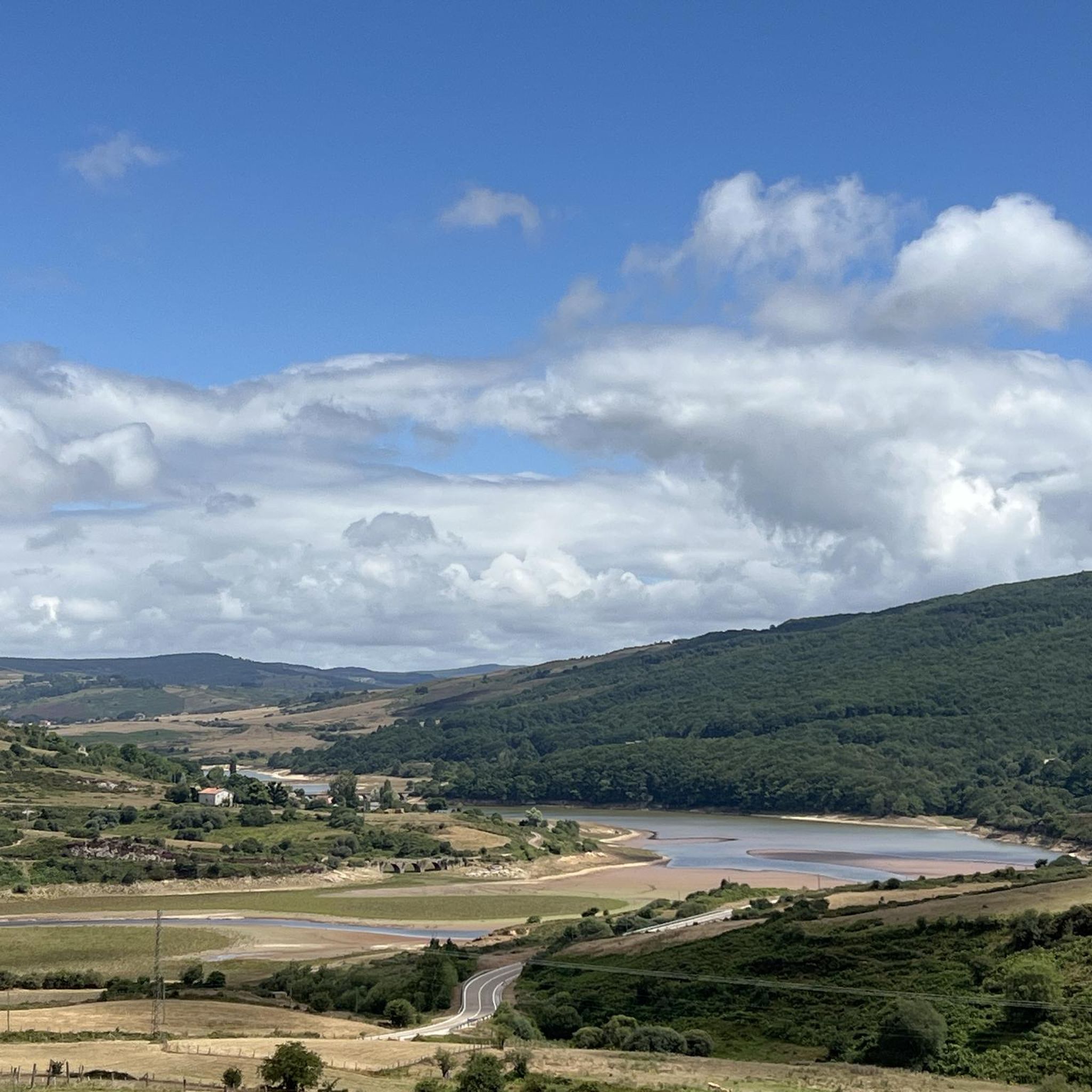
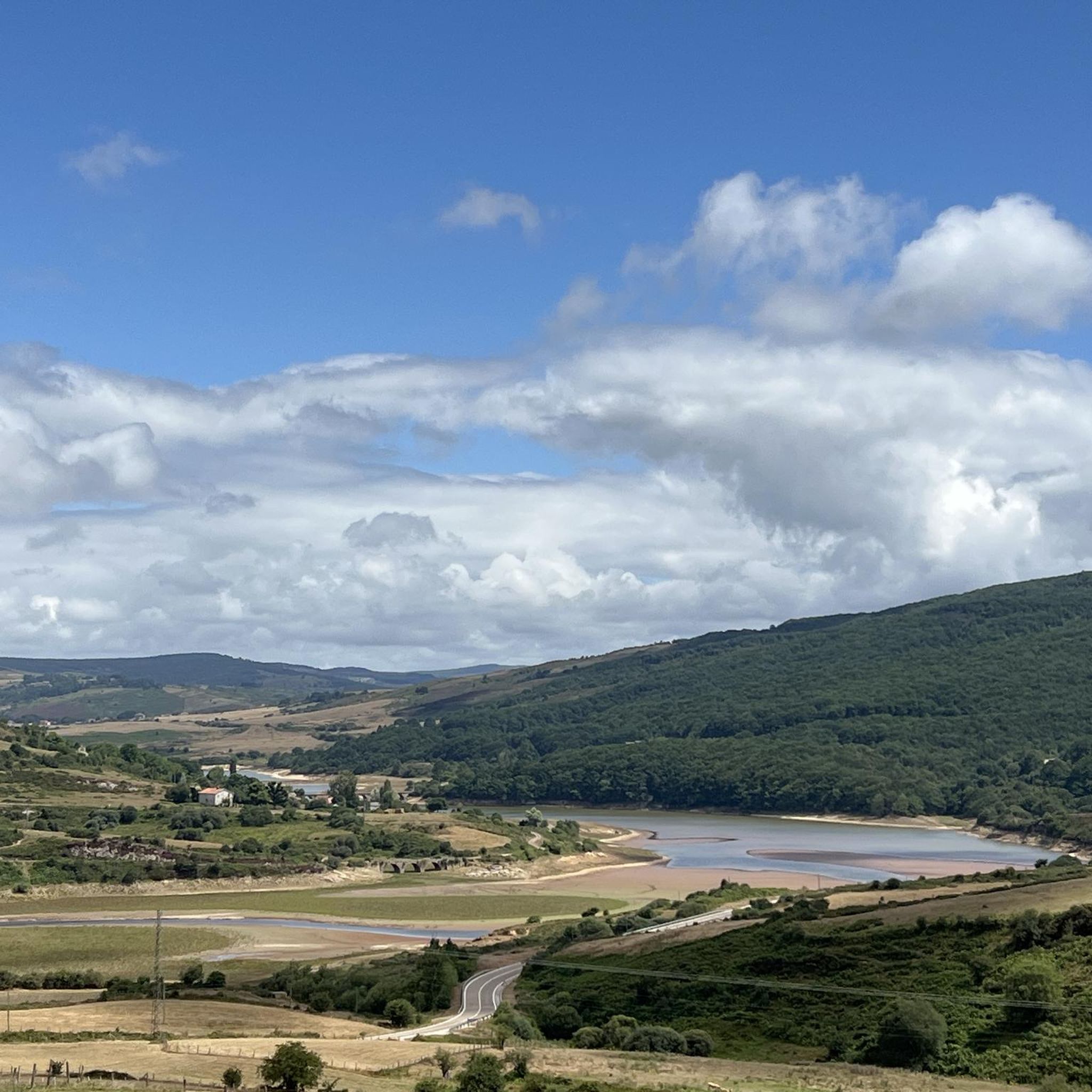
Interesting to visit, if you are in the area.
3
0
A few hundred from the Domus is the other part of the Roman city of Julióbriga.
3
0

Menhir 3.78 meters high located in the area of La Llaneda, hence its name, although it was demolished for a long time and located on a farm about 200 meters from the original point.
1
0
Vestiges of what used to be a hermitage and the necropolis that surrounded it dated between the 8th and 11th centuries.
2
0

Fontibre is a small town in the Brotherhood of Suso, just 5 km from Reinosa. Beautiful town and place, where the source of the Ebro River is traditionally located. In fact, the name Fontibre refers to the source of the Ebro, as it derives from the Latin Fontes Iberis ("sources of the Ebro") and is already cited by Pliny the Elder when he mentioned it. It is located near the Roman city of Julióbriga. It doesn't matter when you visit, or at the time of year, because you will always appreciate and enjoy this little walk through the place.
2
0

The name Fontibre refers to the source of the Ebro – it derives from the Latin Fontes Iberis ("sources of the Ebro"). Fontibre is famous for having traditionally located the source of the Ebro river here, despite the fact that, in scientific terms, this is not exact. It is now known that the main source of the waters of the Ebro River is the Híjar River. By visiting the Visitor Center in the town, you can learn about the cultural, social and landscape diversity that the Ebro River has generated throughout history.
1
0
It has a total height of 3.78 meters and a weight of 4 tons. It had been knocked down and displaced from its original location, which is unknown, on a farm some 200 meters away. It was moved to its current position and hoisted inside a metallic structure that recreates its original vertical position.
1
0
Frequently Asked Questions
What are some of the most unique natural monuments to explore in Valdeolea?
Valdeolea offers a blend of natural beauty and ancient history. You can visit the Source of the Ebro River, a significant natural landmark. The region is also home to the unique Menhir Route, featuring prehistoric standing stones like the impressive Menhir "El Cabezudo", the tallest in northern Spain, and Menhir "Peñahincada", also known as "Piedra de Sansón".
Are there any historical sites among the natural monuments in Valdeolea?
Yes, Valdeolea's natural monuments often intertwine with its rich history. You can explore the Ruins of Julióbriga, an ancient Roman city built in 19 B.C. Another significant historical site is the Corvio Necropolis, which holds vestiges of a hermitage and a necropolis dating between the 8th and 11th centuries. Additionally, the Cave of San Martín (Villarén de Valdivia) is a fascinating cave church carved into rock.
What kind of outdoor activities can I do near Valdeolea's natural monuments?
The area around Valdeolea's natural monuments is excellent for various outdoor activities. You can find numerous routes for hiking, running, and mountain biking. For example, there's the 'Valdeolea Menhirs Trail' for hiking, or you can explore MTB trails like 'Cordovilla de Aguilar a Brañosera circular'. For more options, check out the dedicated guides for Hiking around Valdeolea, Running Trails around Valdeolea, and MTB Trails around Valdeolea.
Are there family-friendly natural monuments in Valdeolea?
Absolutely! Several natural monuments in Valdeolea are suitable for families. The Source of the Ebro River offers a pleasant walk appreciated by all ages. The Ruins of Julióbriga also provide an engaging historical experience for families. The town of Fontibre, where the Ebro River originates, is another family-friendly spot.
What is the best time of year to visit the natural monuments in Valdeolea?
Many of Valdeolea's natural monuments can be enjoyed year-round. For instance, the walk to the Source of the Ebro River is appreciated at any time. The region's natural beauty, including the Camesa River and its surrounding landscapes, offers different charms with each season, from lush greenery in spring and summer to unique atmospheric views in autumn and winter.
Can I spot any wildlife near the natural monuments?
Yes, particularly around the Camesa River, which is a significant natural feature of Valdeolea. Its well-preserved riverbanks and high-quality waters support diverse aquatic and riparian species. You might spot mammals like the European otter, various fish species, and unique flora such as willow and black poplar forests along its banks. The surrounding area also features oak forests and heather, providing habitats for other wildlife.
What is the significance of the Menhir Route in Valdeolea?
The Menhir Route in Valdeolea is highly significant as it boasts the highest concentration of menhirs in Cantabria. These prehistoric standing stones, dating back approximately 5,000 years, were erected by early agricultural communities. Their almost rectilinear alignment, paralleling the sun's path during the summer solstice, suggests a potential astronomical or ritualistic purpose, offering a captivating journey into the region's prehistory.
What makes the Camesa River unique in Valdeolea?
The Camesa River is unique in Cantabria because it is the only river in the region that flows into the Duero basin, eventually joining the Pisuerga River. Its name, derived from a Celtic root meaning 'curving shape,' reflects its meandering path through a landscape with Mediterranean characteristics. It's also ecologically significant, with a remarkably preserved riverbank environment and high-quality waters supporting diverse species.
Are there any challenging hikes or routes near the natural monuments?
Yes, for those seeking more challenging routes, there are several options. For mountain biking, you can find difficult trails like 'El Golobar, Ujapero y Rojadillo — circular por Parque Natural Montaña Palentina'. Running enthusiasts can tackle routes such as 'Fontibre – Source of the Ebro River loop from Reinosa', which is classified as difficult. For detailed information on these and other routes, refer to the respective Komoot guides.
What do visitors enjoy most about the natural monuments in Valdeolea?
Visitors particularly appreciate the blend of natural beauty and historical depth. The opportunity to walk through ancient sites like the Ruins of Julióbriga and the mysterious Menhir Route, while also enjoying serene natural settings like the Source of the Ebro River, is a major draw. The well-preserved ecosystems and the chance to connect with the region's past are frequently highlighted.
Is there parking available at the natural monuments?
While specific parking details for each individual monument are not always provided, many natural attractions and trailheads in rural areas like Valdeolea typically have designated parking areas or roadside spots nearby. For popular sites like the Source of the Ebro River or the Ruins of Julióbriga, you can generally expect visitor parking facilities.
Most popular routes around Valdeolea
Most popular attractions around Valdeolea

Get inspired with the komoot mobile app


Explore more
Extend your search for the best caves by checking out these guides of the top ones around Valdeolea:
