Top 9 Natural Monuments around San Cebrián De Mudá
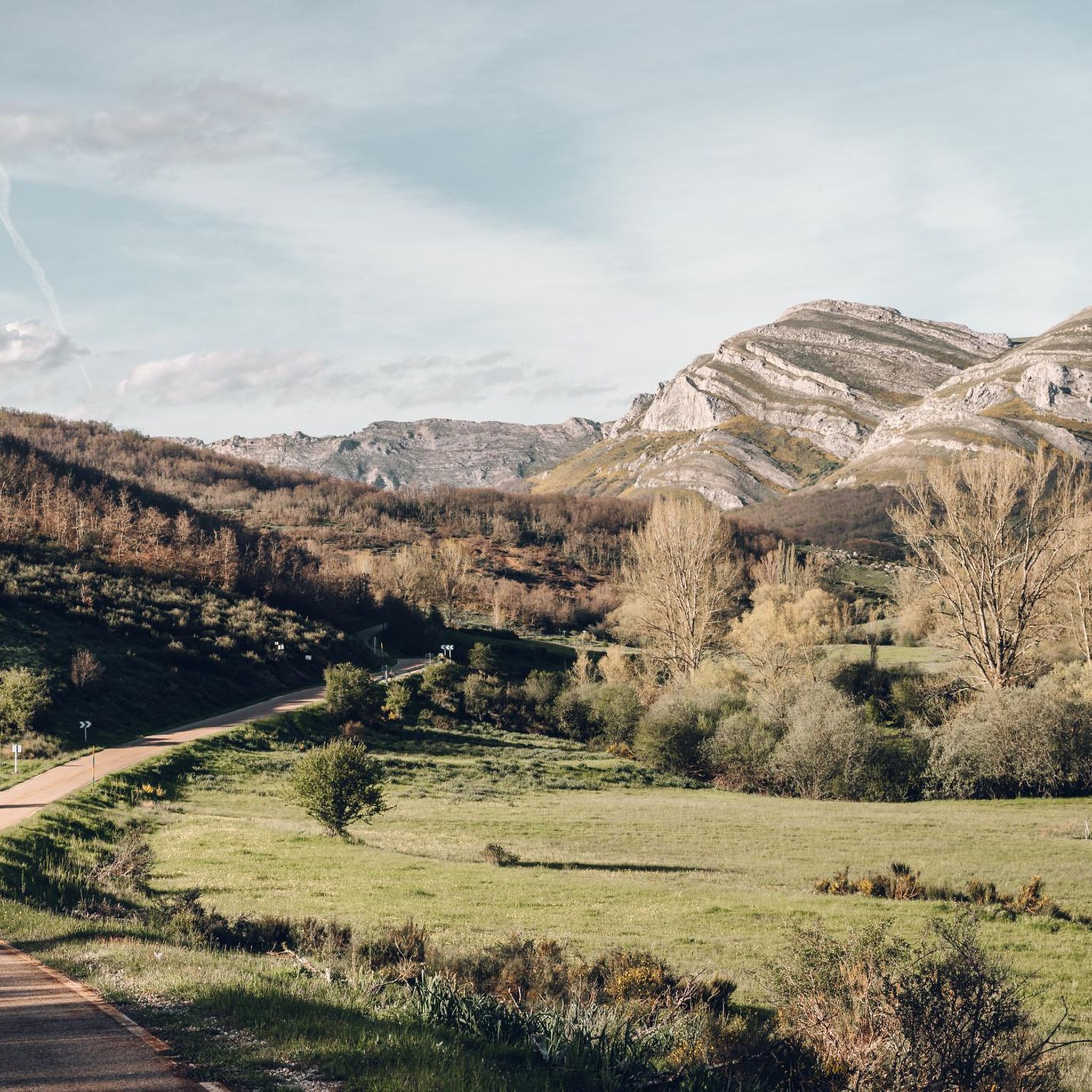
Best natural monuments around San Cebrián De Mudá are found within the Montaña Palentina region, offering a blend of wild natural environments and historical routes. This area features diverse landscapes, including extensive oak forests, unique rock formations, and significant conservation projects. Visitors can explore trails that highlight the region's natural beauty and its past.
Best natural monuments around San Cebrián De Mudá
- The most popular natural monuments is Tejeda de Tosande Yew Forest Trail, a forest that runs through…
Last updated: May 20, 2026
Pisuerga River Source (Cueva del Cobre)
Highlight • Cave
Translated by Google •
Tip by

Tejeda de Tosande Yew Forest Trail
Highlight (Segment) • Forest
Translated by Google •
Tip by

Sign up now to discover places like this
Get recommendations on the best single tracks, peaks, & plenty of other exciting outdoor places.
Sign up for free
Roblón de Estalaya
Highlight • Natural Monument
Translated by Google •
Tip by
Fossil Forest Cliff
Highlight • Natural Monument
Translated by Google •
Tip by
Corvio Necropolis
Highlight • Historical Site
Translated by Google •
Tip by
Sign up for free to discover even more natural monuments around San Cebrián De Mudá.
Sign up for free
Already have an account?
Start today with a free account
Your next adventure awaits.
Login or Signup
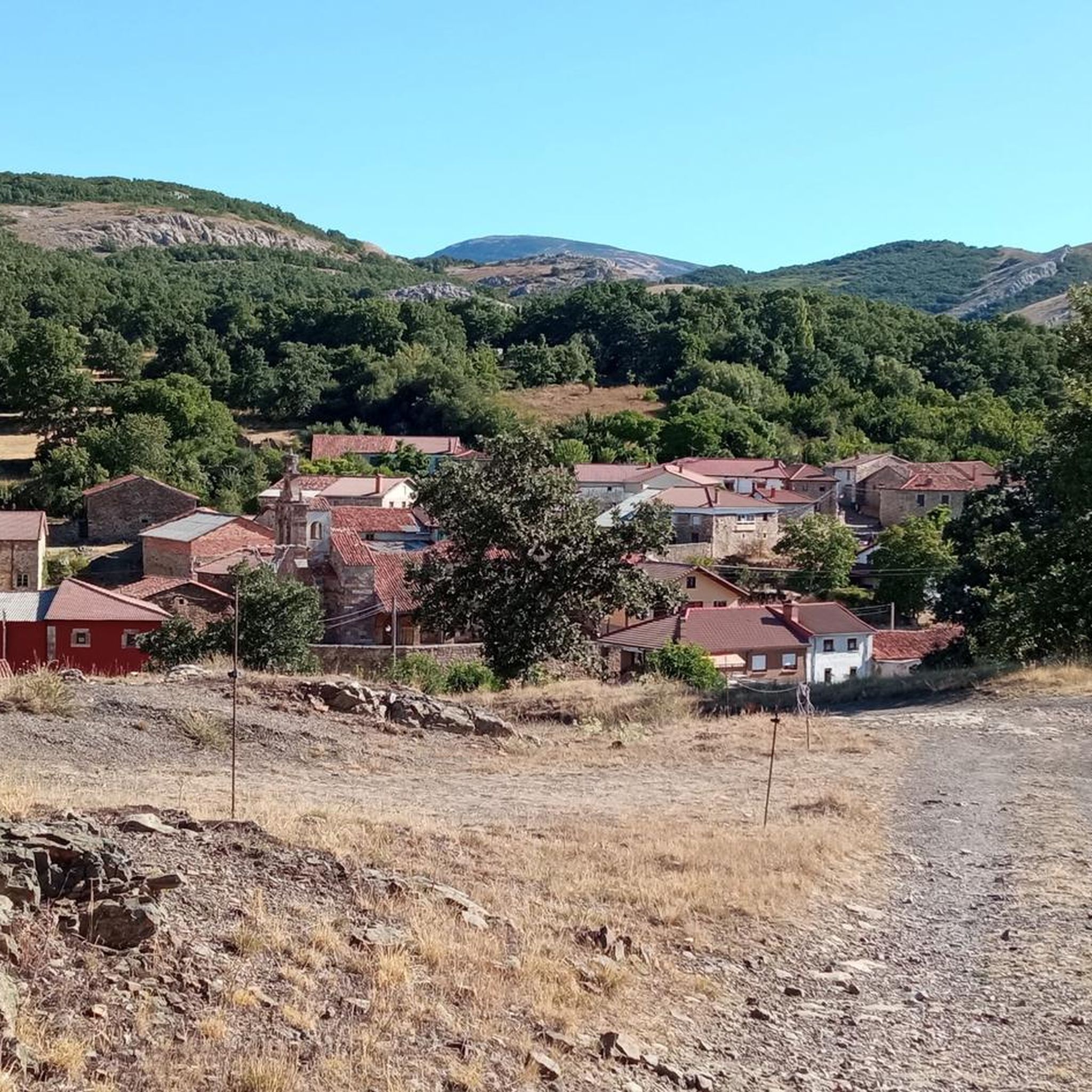
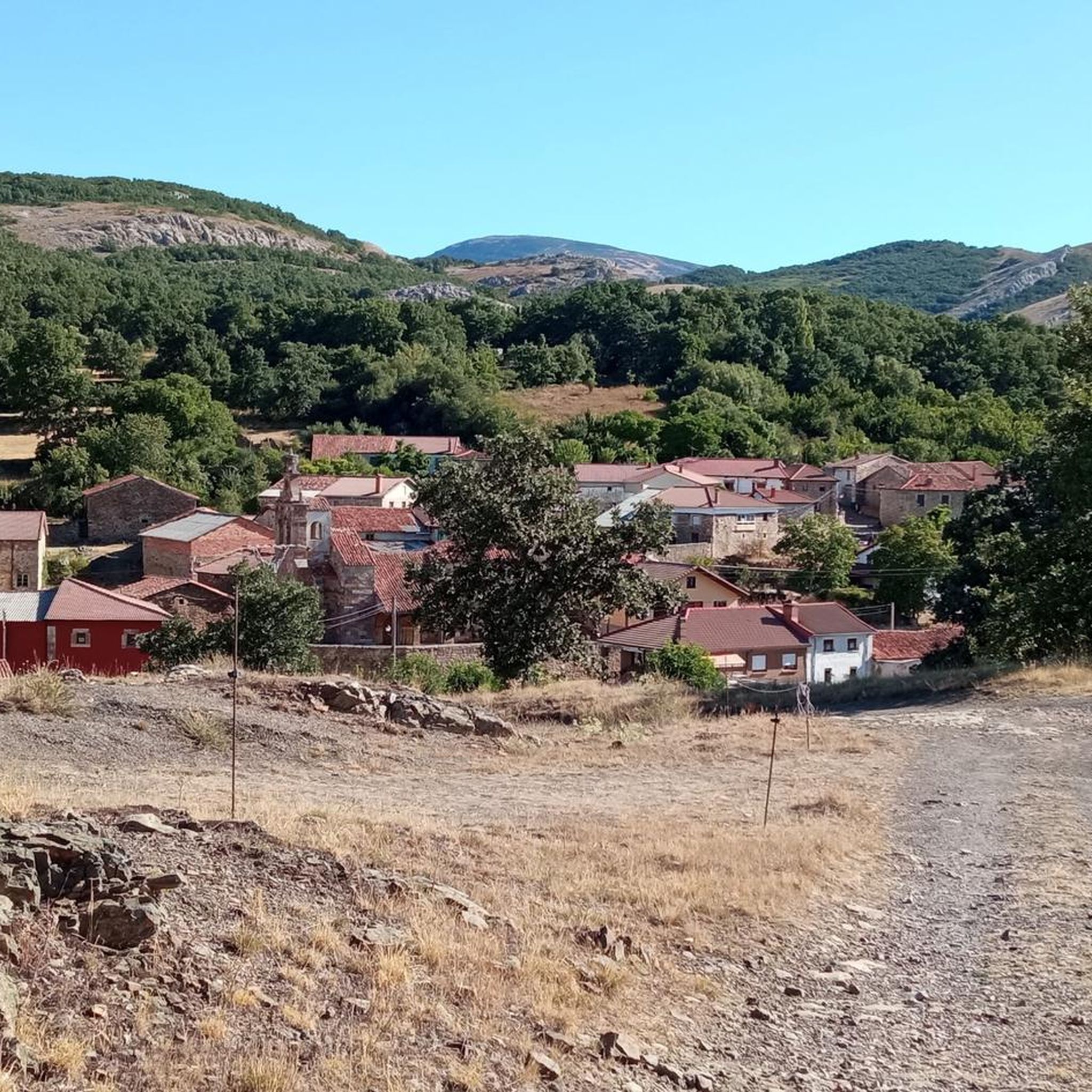
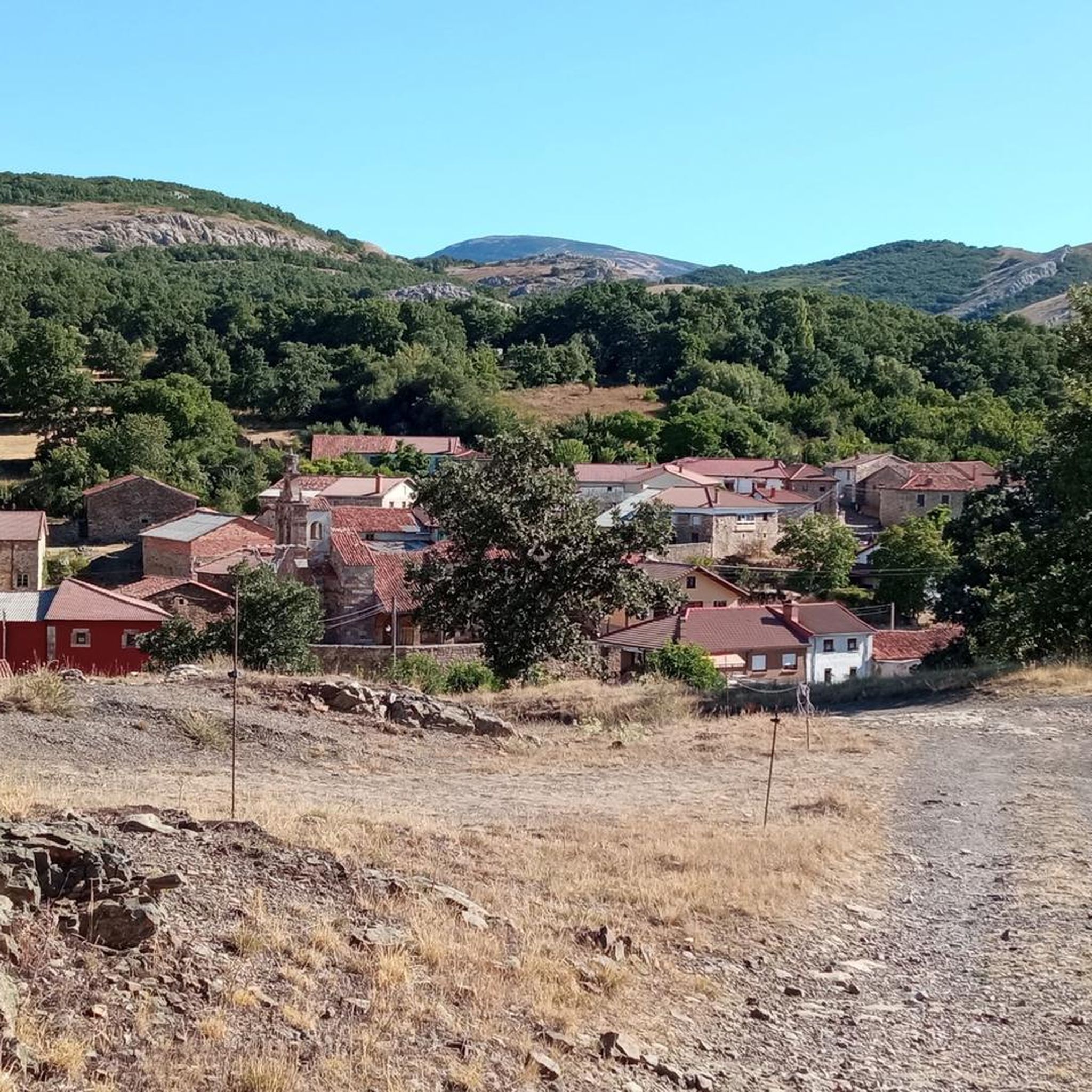
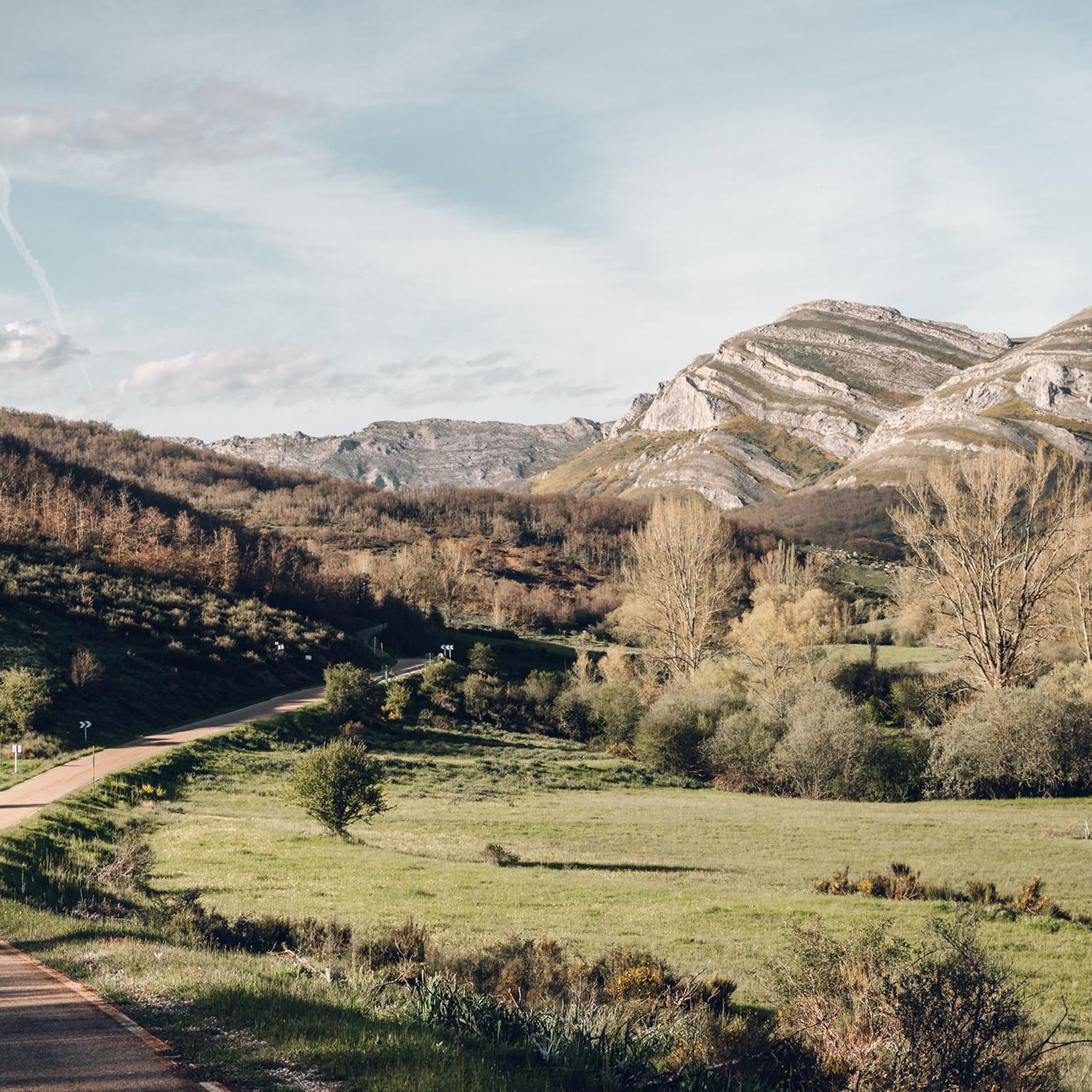
Tips from the Community

Impressive oak tree over 600 years old, easy walk, well signposted and very pleasant.
0
0


The Pisuerga River rises in the province of Palencia, in the region of Castile and León, Spain. Its source is in the Covarrés glacial basin, between the Valdecebollas peak and the Sierra de Híjar, in a place known as Sel de la Fuente.
3
0

The hike leads into a valley with around 700 yew trees, some of which are very old. This yew species is autochthonous, so it only occurs in the region (sorry, I'm not a biologist and I'll just keep telling you). In any case, the gnarled trees impressed me so much that I can highly recommend the small tour.
1
0

This is a beautiful little wooded trail that takes you past a rock face with fossilized trees. Fossils are millions of years old.
0
0

Vestiges of what used to be a hermitage and the necropolis that surrounded it dated between the 8th and 11th centuries.
2
0
Path that runs through one of the most important yew forests on the Iberian Peninsula. Among others, it also passes through forests of holm oaks, oak groves and precious beech groves.
2
0
The Pisuerga River is born in the Cueva del Cobre, a rocky cavity 8.5km long through which you can walk inside without any problem.
2
0
Frequently Asked Questions
What unique natural monuments can I explore around San Cebrián De Mudá?
You can discover a variety of unique natural monuments. Explore the ancient Tejeda de Tosande Yew Forest Trail, home to around 700 old yew trees. Witness the source of the Pisuerga River at Cueva del Cobre, a rocky cavity you can walk inside. Don't miss the Roblón de Estalaya, an emblematic and ancient oak tree, or the Fossil Forest Cliff, where you can see impressions of tree trunks from over 300 million years ago.
Are there hiking trails to natural monuments in San Cebrián De Mudá?
Yes, the region offers several hiking opportunities. The Tejeda de Tosande Yew Forest Trail is a notable path through one of the Iberian Peninsula's most important yew forests. You can also explore the Ruta de las Minas, a circular trail that combines natural beauty with the area's mining heritage. For more hiking options, check out the hiking guide for San Cebrián De Mudá.
What kind of outdoor activities are available near the natural monuments?
Beyond exploring the natural monuments themselves, the area around San Cebrián De Mudá is excellent for various outdoor activities. You can find numerous routes for hiking, cycling, and mountain biking, many of which pass through the Montaña Palentina Natural Park.
Are there family-friendly natural monuments around San Cebrián De Mudá?
Absolutely. The Roblón de Estalaya is considered family-friendly, as is the Fossil Forest Cliff, which offers an engaging trail to see ancient tree impressions. The Ruta de las Minas is also a great option for families, combining nature with historical insights.
What is the best time of year to visit the natural monuments?
Spring and autumn are generally recommended for visiting the natural monuments around San Cebrián De Mudá due to pleasant temperatures and vibrant scenery. However, the region offers unique experiences year-round, with each season presenting its own charm.
Can I see wildlife at the natural monuments?
Yes, the region is rich in biodiversity. The Valle de Mudá is known for its wild natural environment and high biodiversity. A unique opportunity is visiting the Reserva del Bisonte Europeo, where you can observe European bison, Przewalski horses, and Losino horses in a semi-wild setting.
Are there any challenging natural monuments or trails for experienced hikers?
For those seeking a challenge, the ascent to Pico Valdecebollas (2,139 m) offers spectacular views from the summit of the Montaña Palentina Natural Park. The Pisuerga River Source (Cueva del Cobre) and Tejeda de Tosande Yew Forest Trail are rated as intermediate difficulty, providing a good balance of challenge and reward.
What geological features can be observed in the natural monuments?
The region is characterized by diverse geological features. The Valle de Mudá showcases varied rock formations and erosion patterns. The Fossil Forest Cliff is a prime example, featuring a rocky wall with impressions of tree trunks from over 300 million years ago. The Pisuerga River Source (Cueva del Cobre) also highlights unique karst formations.
Are there any historical or cultural sites integrated with the natural monuments?
Yes, the Ruta de las Minas (Mining Route) is a prime example, offering a 5-kilometer circular trail that winds through oak groves and past old mining exploitations, such as the Socavón wellhead and railway lines. This route seamlessly integrates the area's industrial past with its natural beauty.
What do visitors enjoy most about the natural monuments around San Cebrián De Mudá?
Visitors particularly appreciate the wild and unspoiled natural environments, the chance to see ancient and unique trees like the yews at Tejeda de Tosande and the Roblón de Estalaya, and the impressive geological formations such as the Fossil Forest Cliff. The blend of natural beauty with historical routes also receives high praise.
Is there a place for stargazing near the natural monuments?
Yes, the Mirador de las Estrellas (Star Viewpoint), housed within an old industrial mining structure, provides an exceptional opportunity for stargazing. Located in an area with minimal light pollution, it offers clear views of the night sky for a serene experience.
Are there any ecological trails focused on local flora?
Yes, the Senda Ecológica del Acebal de las Comuñas (Ecological Holly Grove Trail) is specifically designed for observing and interpreting the local flora, providing insights into the region's diverse plant life.
Most popular routes around San Cebrián De Mudá
Most popular attractions around San Cebrián De Mudá

Get inspired with the komoot mobile app


Explore more
Extend your search for the best caves by checking out these guides of the top ones around San Cebrián De Mudá:
