Top 10 Mountain Passes around Allande
Mountain passes around Allande, a municipality in Asturias, Spain, offer challenging routes and diverse natural environments. This region is characterized by its mountainous terrain, providing panoramic views and historical routes. Allande's passes connect villages and serve as significant points along pilgrimage paths, showcasing both natural heritage and cultural history. The area is part of the "Comarca Vaqueira," reflecting a rich local history.
Best mountain passes around Allande
- The most popular mountain passes is Alto de La Marta, a mountain…
Last updated: June 4, 2026
Alto de La Marta
Highlight • Mountain Pass
Translated by Google •
Tip by

Puerto del Palo Pass
Highlight • Mountain Pass
Translated by Google •
Tip by
Sign up now to discover places like this
Get recommendations on the best single tracks, peaks, & plenty of other exciting outdoor places.
Sign up for free
Pozo de las Mujeres Muertas Pass
Highlight • Mountain Pass
Translated by Google •
Tip by

Connio Pass
Highlight • Mountain Pass
Translated by Google •
Tip by
Ascent to Alto de la Marta via Villayón
Highlight (Segment) • Mountain Pass
Translated by Google •
Tip by

Sign up for free to discover even more mountain passes around Allande.
Sign up for free
Already have an account?
Start today with a free account
Your next adventure awaits.
Login or Signup
Popular around Allande
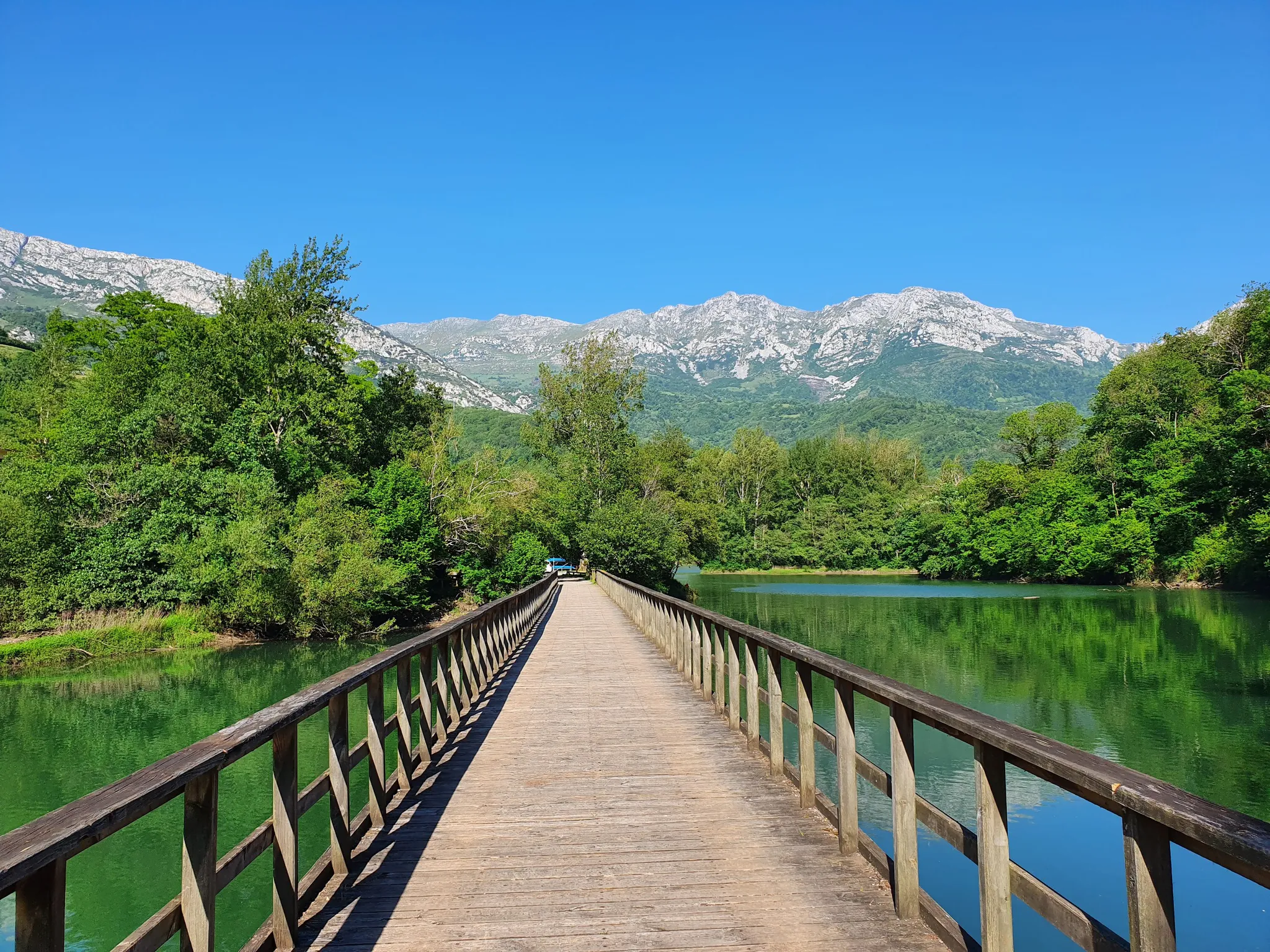
The secrets of the Cantabrian Mountains – GR 109 Asturias Interior
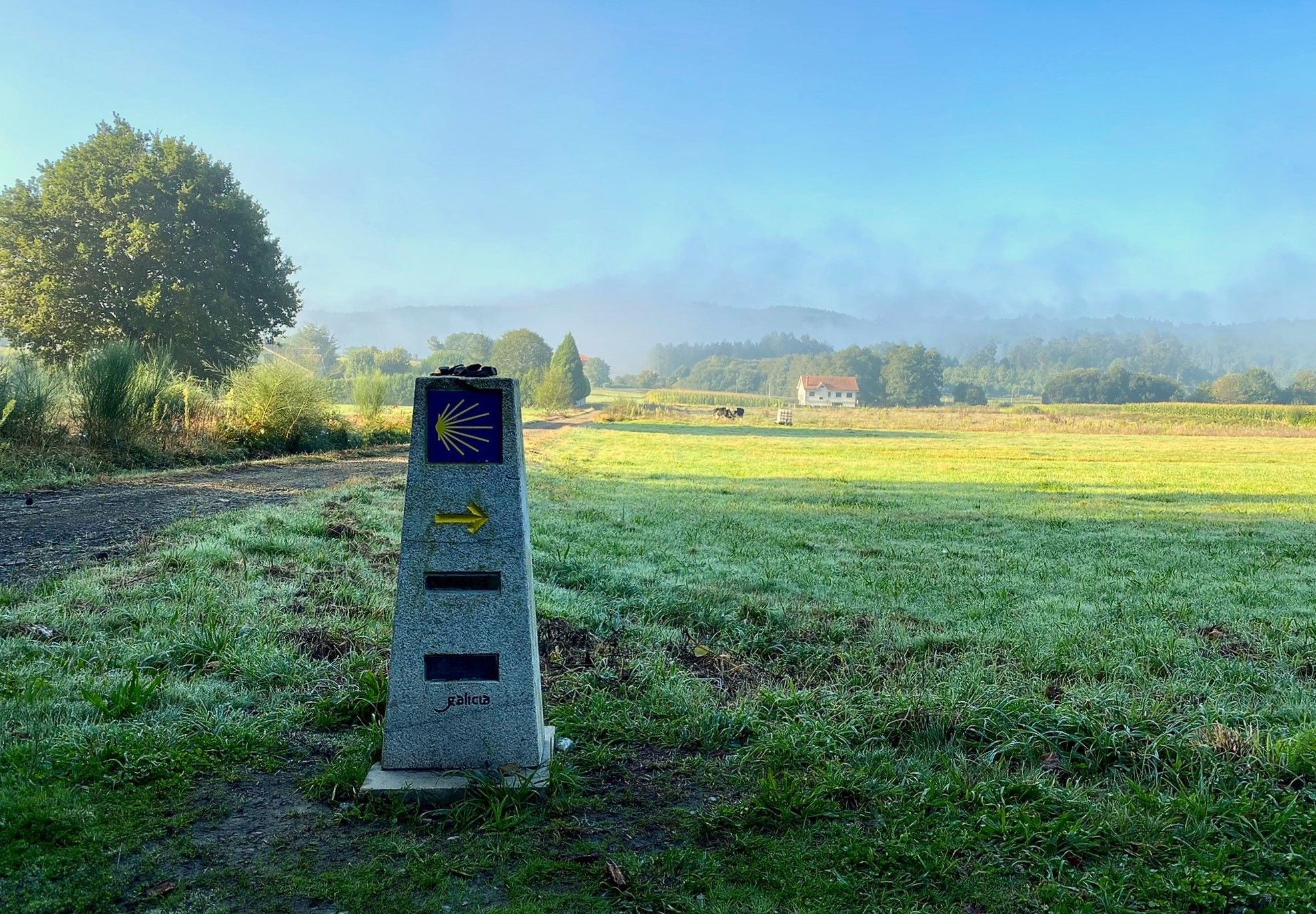
A pilgrimage on foot – Spain’s Primitive Way
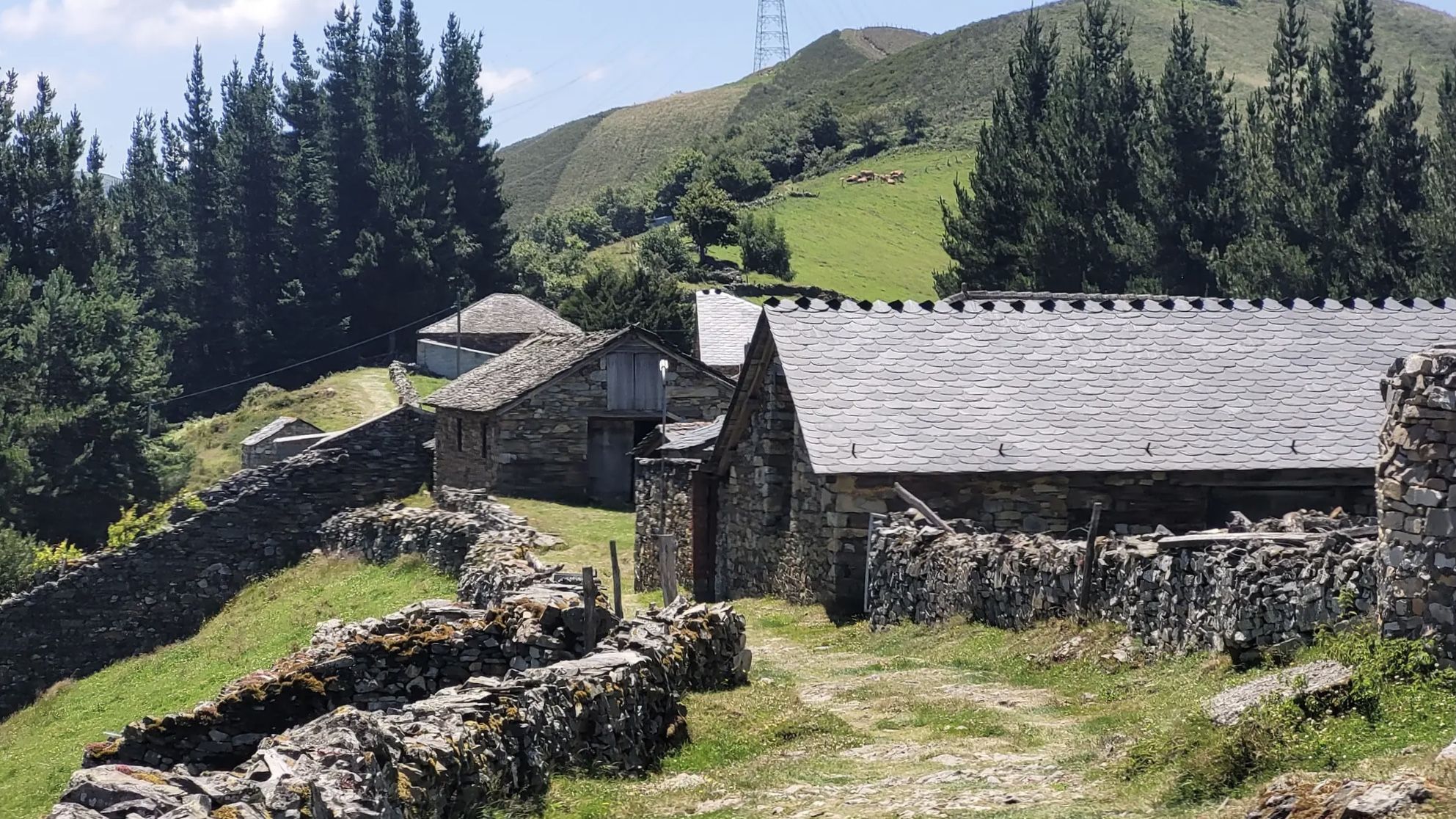
The Camino Primitivo — From Oviedo to Santiago through history
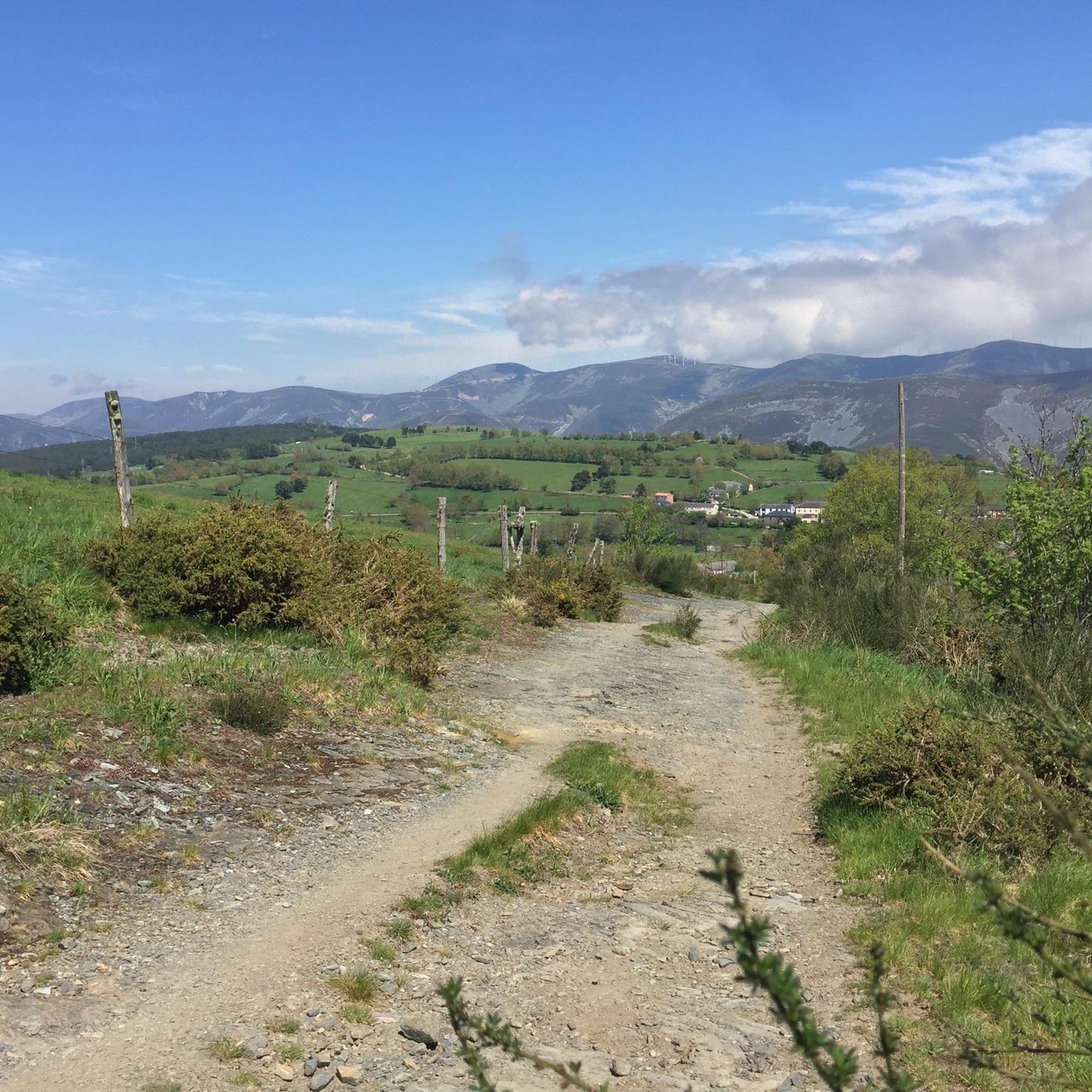
Cycling around Allande
MTB Trails around Allande
Hiking around Allande
Road Cycling Routes around Allande

Running Trails around Allande
Other adventures around Allande


Tips from the Community

Among the theories surrounding the unusual name of this mountain pass, one is the popular legend that some shepherdesses were caught in a blizzard and died in a nearby shelter. In any case, the pass is located in a stunning setting.
0
0

One of the great Asturian mountain passes, without a doubt. Generally unknown to the general public, it's rarely used in professional races. It has two clearly distinct slopes. The southern slope, which begins in Pola de Allande, is gentle and steady, along a road in good condition. It shares much of its climb with Puerto del Palo, which it turns off from just 3 km from the summit of Puerto de la Marta. The northern slope, which comes from Villayon, is uneven, with very tough sections and several rest stops and descents. It reminds me a lot of the Croix-de-Fer from Sant Jean de Maurienne, not because of the landscape, but because of the type of pass.
0
0
It's one of the major mountain passes in southwestern Asturias. It connects Pola de Allande with Berducedo. It's part of the northern variant of the Camino de Santiago. Highly recommended for its views, whether climbing its two slopes or from its summit.
0
0

Spectacular climb, quite comfortable because it doesn't have steep ramps, but be careful, it goes up a steep slope.
0
0
Highly recommended, it can be done together with the Palo departing from Pola, the Marta is shorter but with a steeper slope
0
0
a spectacular and pleasant climb without large ramps
0
0

Beautiful climb with stunning views to Pola and El Palo. The pass will take you towards Bustantigo, with stunning views to the ancient Roman gold mine "La Freita" to then descend towards Viyallon or down to the enchanting village of Pontenova to then ascend to Montefurau. From Montefurau continue back to Pola de Allande via El Palo (enjoying a different perspective of La Freita) or towards Berducedo.
1
0
Nice pass from Pola de Allande that takes you to Bustantigo via Brana el Campel along a stunning road with views to the Ancient Roman gold mine "La Freita" to your left. Alternative route to descend to the magical village of Pontenova sitting in a deep valley to then return along a steep climb to Montefurau. Continue back to Pola de Allande vial El Palo or towards Berducedo. Plenty of options.
0
0
Frequently Asked Questions
Which mountain passes in Allande offer the most impressive views?
For breathtaking vistas, consider Alto de La Marta, which provides views extending from the Cantabrian Mountains to the Cantabrian Sea. Puerto del Palo Pass also offers magnificent panoramic views of meadows and wild landscapes, especially as the highest point on the Camino Primitivo. Additionally, Pozo de las Mujeres Muertas Pass provides excellent wide-ranging views of western Asturias.
What historical significance do the mountain passes around Allande hold?
The mountain passes in Allande are rich in history. Puerto del Palo Pass is a significant point along the Camino Primitivo, a historic pilgrimage route. Pozo de las Mujeres Muertas Pass is steeped in history related to ancient Roman gold mining operations, with vestiges of old water channels still found in the area. The region as a whole is part of the 'Comarca Vaqueira,' reflecting a rich cultural history of nomadic shepherds.
Are there any mountain passes in Allande known for their unique natural environment?
Yes, Connio Pass is celebrated for its pristine natural environment and breathtaking surroundings. It is located within the Muniellos Biosphere Reserve and the Fuentes del Narcea, Ibias y Degaña Natural Park, offering nature in its purest state and exceptional ecological value.
What makes the mountain passes in Allande challenging for cyclists?
Many passes in Allande offer demanding climbs. For instance, the ascent to Puerto del Palo Pass from Pola de Allande spans 11.7 kilometers with an average gradient of 5.3%. Pozo de las Mujeres Muertas Pass is particularly challenging, with some sections featuring gradients exceeding 10%. The western slope of Pozo de las Mujeres Muertas, starting from San Antolín de Ibias, is noted for being longer and harder with constant ramps.
What is the best time of year to visit the mountain passes in Allande?
The best time to visit the mountain passes in Allande is generally during the warmer months, from late spring to early autumn (May to October), when weather conditions are more stable and trails are clear of snow. Winter can bring challenging conditions, including snowstorms, especially at higher altitudes, making some passes difficult or impassable.
What outdoor activities are available near the mountain passes in Allande?
The region around Allande's mountain passes is excellent for various outdoor activities. You can find numerous hiking trails, including moderate to difficult routes like the 'Camino Primitivo, Ruta de Los Hospitales, Alto de La Marta'. For cyclists, there are challenging MTB trails and road cycling routes, such as the 'Pola de Allande al Puerto de Palo y La Marta – circular en el Camino Primitivo'. There are also running trails for those who enjoy jogging in mountainous terrain.
Are there family-friendly options among the mountain passes in Allande?
While many passes in Allande are known for their challenging routes, the region also offers opportunities for family-friendly exploration. Look for shorter, less steep sections or trails that lead to viewpoints accessible by car, allowing families to enjoy the scenic beauty without strenuous climbs. Always check specific route details for difficulty and suitability for children before heading out.
Can I bring my dog on trails around Allande's mountain passes?
Many trails in the Allande region are dog-friendly, allowing you to explore the mountain passes with your canine companion. However, it's always advisable to keep dogs on a leash, especially in natural parks or areas with livestock, and to follow local regulations regarding pet access to ensure a safe and enjoyable experience for everyone.
Are there options for accommodation or dining near the mountain passes in Allande?
Yes, while the passes themselves are remote, the nearby villages and towns, such as Pola de Allande, offer various services. You can find local cafes, pubs, and accommodation options ranging from guesthouses to small hotels, providing convenient bases for exploring the mountain passes and the surrounding region.
How accessible are the mountain passes in Allande by public transport or car?
Access to the mountain passes in Allande is primarily by car, as public transport options are limited, especially to the higher and more remote areas. Roads like the AS-29 traverse passes such as Pozo de las Mujeres Muertas Pass. Parking is generally available at trailheads or near key viewpoints, but it's always recommended to check specific locations in advance, particularly during peak seasons.
What do visitors enjoy most about the mountain passes in Allande?
Visitors frequently praise the mountain passes in Allande for their stunning natural beauty, panoramic views, and the sense of accomplishment from tackling challenging climbs. The region's rich history, particularly its connection to the Camino Primitivo and ancient Roman mining, also adds a unique cultural dimension. The pristine environment of areas like the Muniellos Biosphere Reserve is highly valued by those seeking nature in its purest state.
Most popular attractions around Allande

Get inspired with the komoot mobile app


Explore more
See even more epic mountain passes by checking out these guides around Allande:
