Top 14 Natural Monuments around Villaescusa
Best natural monuments around Villaescusa are characterized by the eastern sector of the Peña Cabarga massif and the Ría de Solía. This region in Cantabria, Spain, offers diverse natural features, including coastal mountains, estuaries, and geological formations. The landscape provides opportunities for observing unique ecosystems and panoramic views.
Best natural monuments around Villaescusa
- The most popular natural monuments is Camel Beach, a beach known for its distinctive "Camel" rock formation visible at certain tides. This small cove is located…
Last updated: November 15, 2026
Peñas Blancas Summit
Highlight • Summit
Translated by Google •
Tip by

Pozo Menor de Valcaba
Highlight • Lake
Translated by Google •
Tip by

Sign up now to discover places like this
Get recommendations on the best single tracks, peaks, & plenty of other exciting outdoor places.
Pozos de Noja
Highlight • Lake
Translated by Google •
Tip by

Camel Beach
Highlight • Beach
Translated by Google •
Tip by

Aguanaz River Dam
Highlight (Segment) • River
Translated by Google •
Tip by
Sign up for free to discover even more natural monuments around Villaescusa.
Already have an account?
Start today with a free account
Your next adventure awaits.
Tips from the Community

This small cove and beach is just before the entrance to the Magdalena Peninsula and adjoins Playa del Sardinero almost to the left. The beach gets its name from the "Camel" rock, which can be seen at certain times of the tide—it was low tide when I visited, and unfortunately, not easy to imagine! Overall, it's a beautiful cove with parking on two sides, and of course, you can walk to the next beach, which is much longer and wider.
1
0

The Pozos de Noja, known for its two artificial lagoons, the result of the industrial legacy of the old electricity company in the area, are proud to present their latest tourist innovation: a swing and a giant bench, unique spots for contemplating the landscape but also promising to be the setting for countless memories and photographs that will capture the essence of Cantabria. Access via SENDA DE TUERRA, with a bicycle path to the wells.
0
0

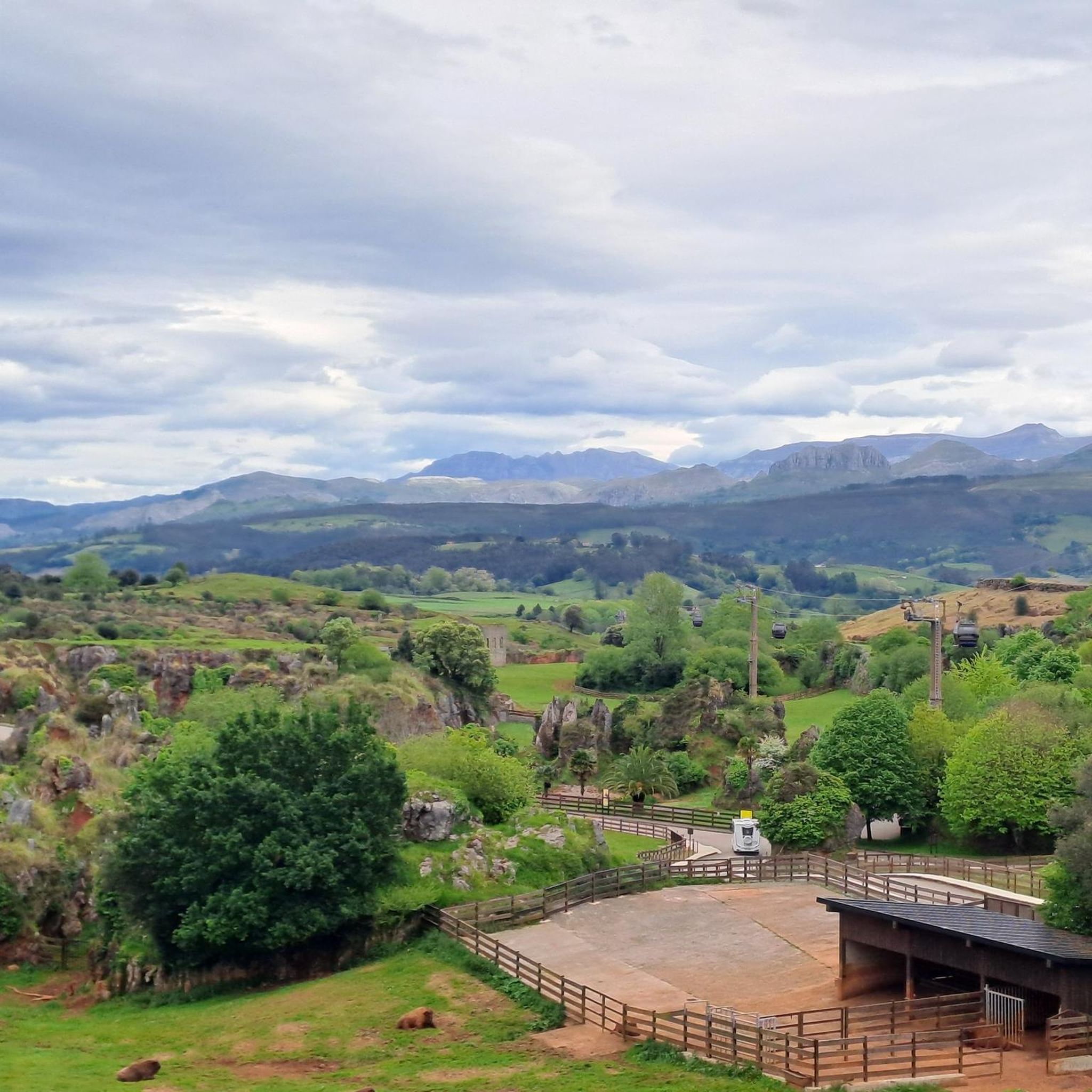
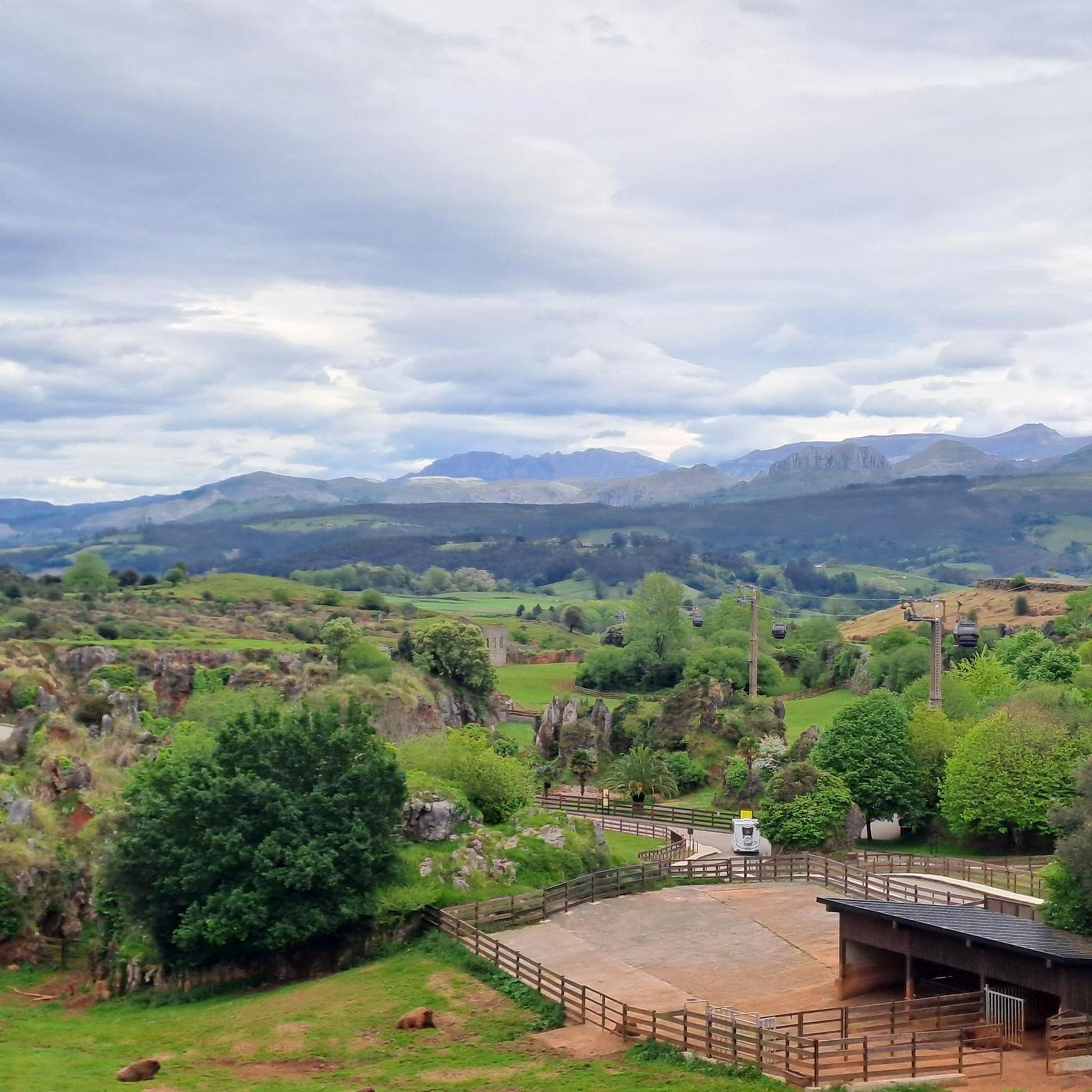
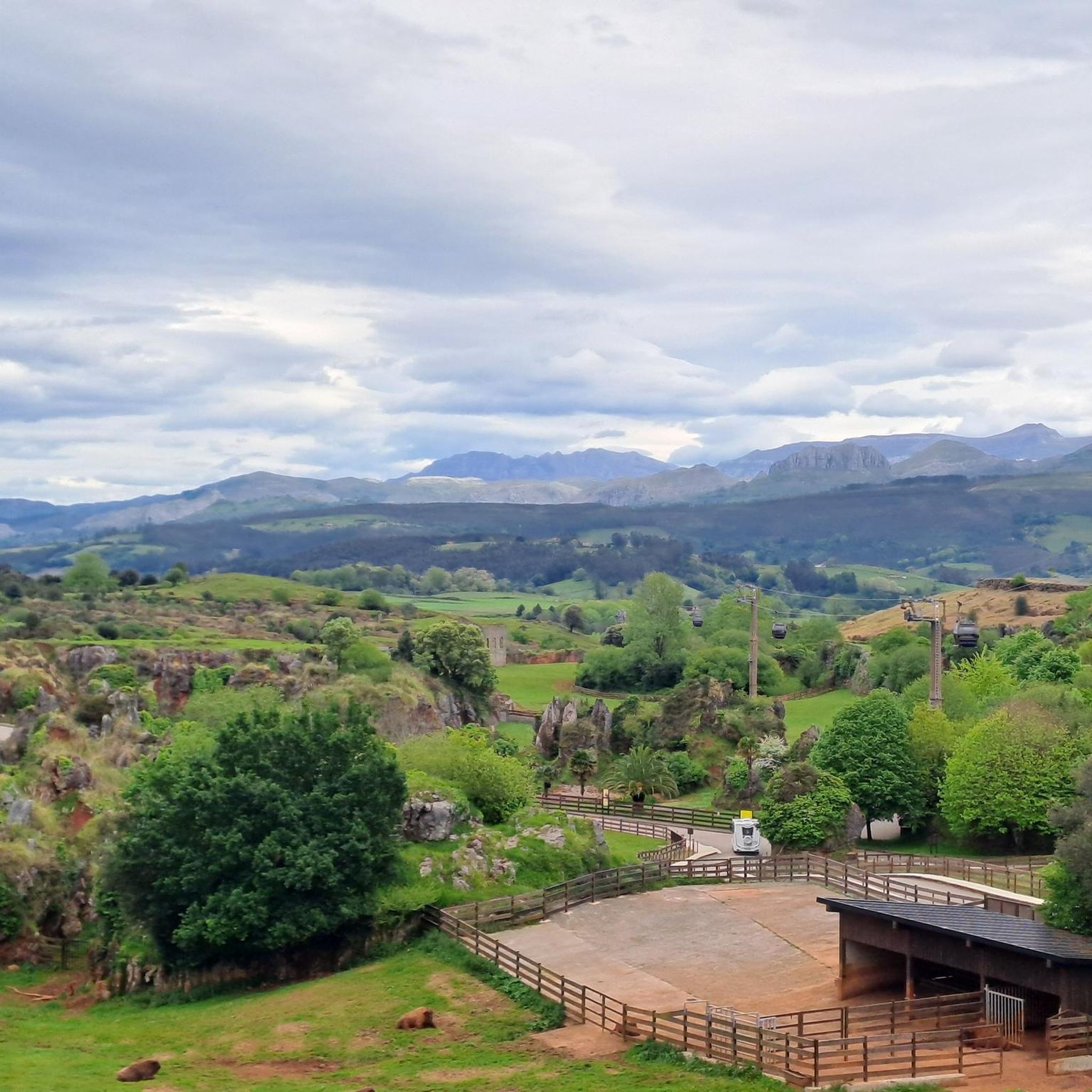
The skyline is certainly impressive. And I love the reproduction of the Pico LLen tower.
1
0
A joyful corner, to think, to stop.
2
0

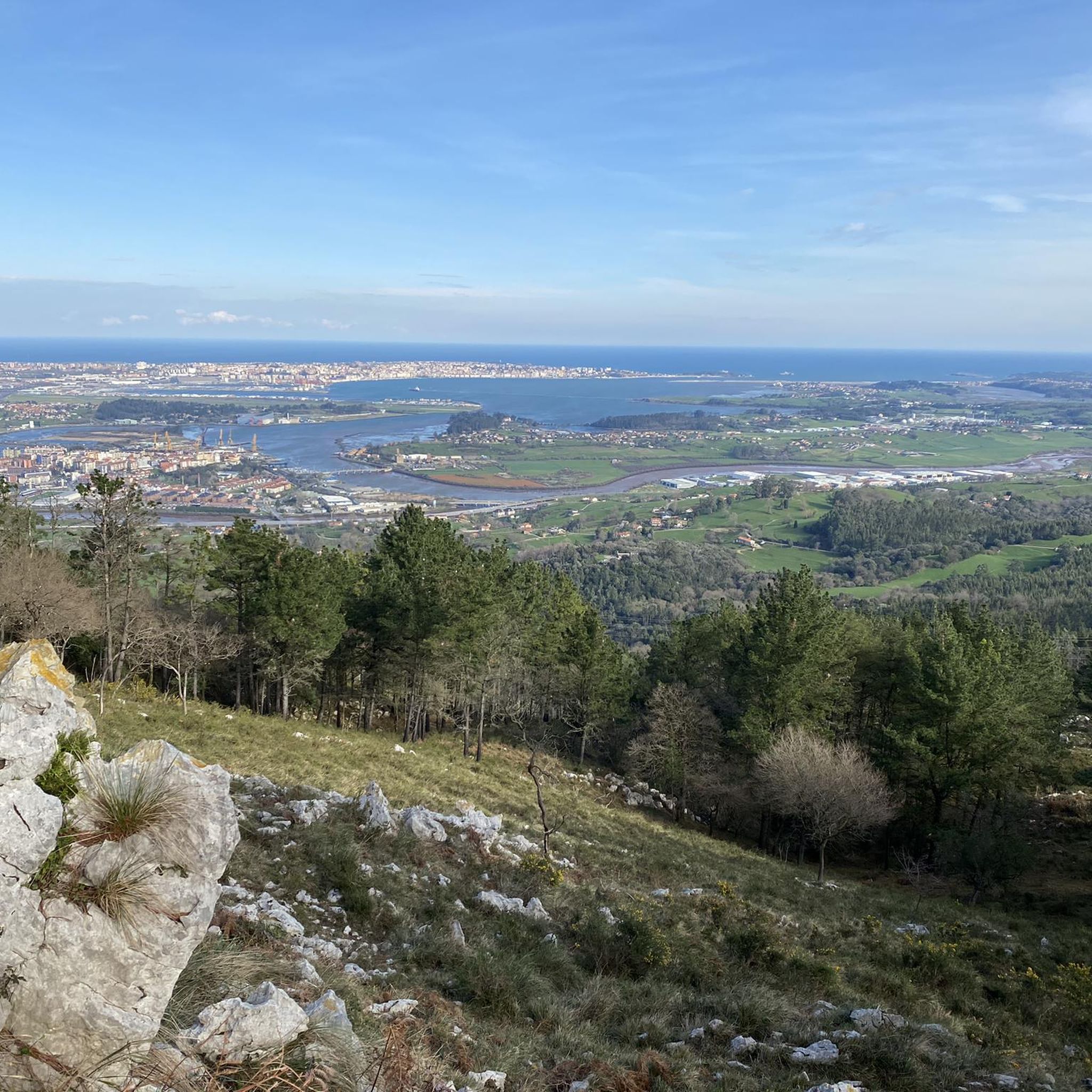
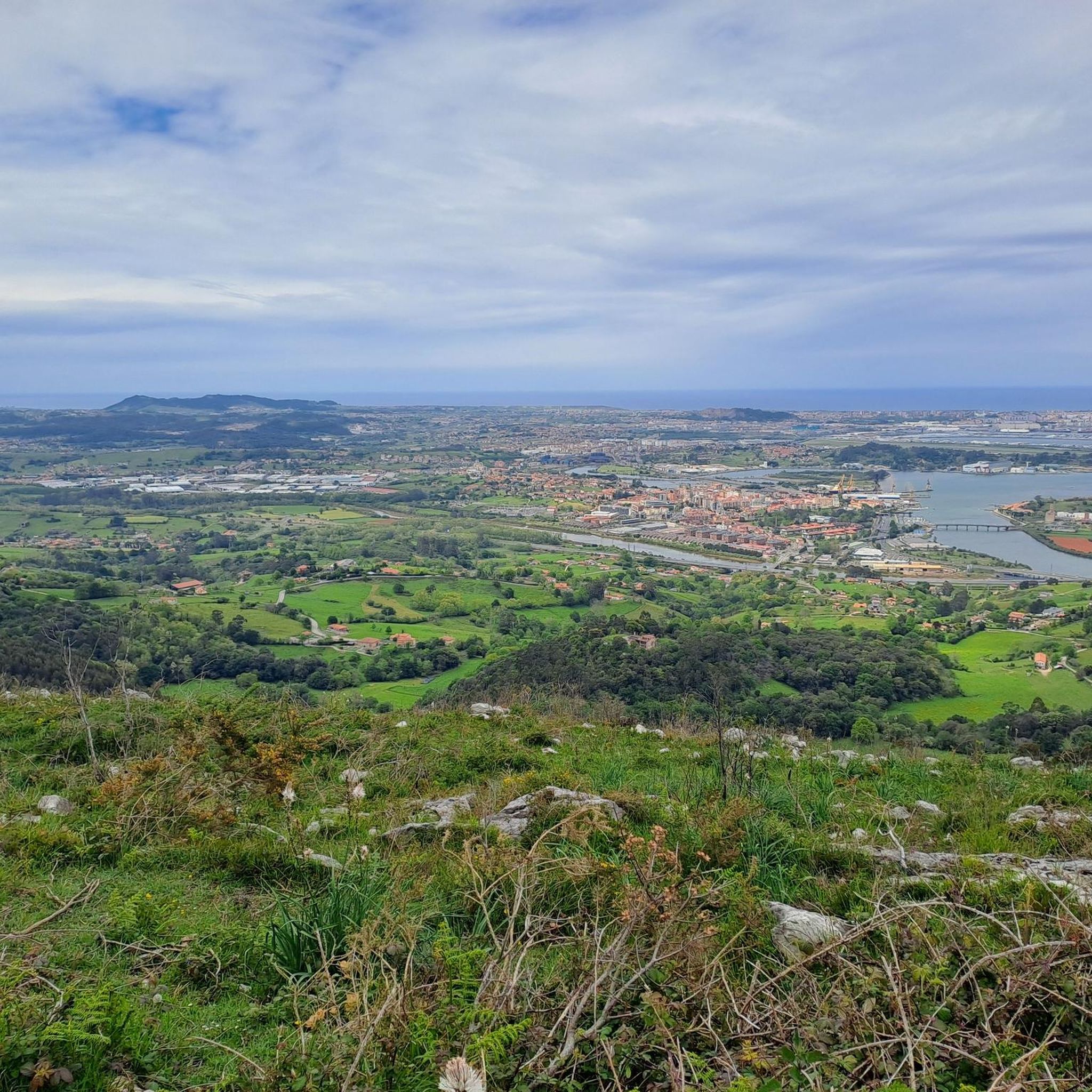
In the middle of the Peña Cabarga massif is perhaps the most popular peak in the park, Peñas Blancas offers amazing views in all directions. From its 455 masl you have no obstacles ahead, wherever you look.
2
0
From this small platform located in an elevated area next to the path, you have wonderful views of the Noja wells and with good visibility you can also see the coast of Santander.
1
0

The peak of the Peñas Blancas, a 450m high mountain south of Santander, a few kilometers from the coast. Two paths lead to the summit (only one is listed in Komoot), both of which are only a bit difficult for the last few meters. The summit offers good views over the Bay of Santander, Santander itself and the Atlantic Ocean to the north, while the Cordillera Cantábrica can be seen in the other directions, and the Picos de Europa on the western horizon.
3
0

Beautiful place in an old mining operation. The wells were used to wash the iron ore, now giving rise to 2 artificial lakes, surrounded by an ideal environment for nature lovers.
1
0
Frequently Asked Questions
What are the most prominent natural features to explore in Villaescusa?
Villaescusa is characterized by the majestic Peña Cabarga massif and the serene Ría de Solía. The Peña Cabarga massif, with its karstified limestone formations and historical mining impact, offers unique geological sights and panoramic views. The Ría de Solía, part of Cantabria's largest estuary, provides a tranquil landscape of reed beds and is excellent for birdwatching.
Which natural monuments offer the best panoramic views in the region?
For breathtaking panoramic views, head to Peñas Blancas Summit within the Peña Cabarga massif. From its 455 meters above sea level, you can enjoy unobstructed vistas of the Bay of Santander, the city itself, the Atlantic Ocean, and the Cantabrian mountain range, including the Picos de Europa on the western horizon. The higher Pico de Cabarga (or Pico Llen) also serves as a natural viewpoint with extensive views of the autonomous community of Cantabria.
Are there any natural monuments in Villaescusa that are family-friendly?
Yes, several natural monuments are suitable for families. Pozo Menor de Valcaba, an artificial lake formed from old mining operations, is considered family-friendly and offers an ideal environment for nature lovers. Similarly, Pozos de Noja, with its two artificial lagoons and new tourist innovations like a giant swing and bench, is also family-friendly and provides great photo opportunities. Additionally, Camel Beach is a popular family-friendly beach.
What kind of unique geological features can be found in Villaescusa?
The Peña Cabarga massif is a geological point of interest due to its karstified limestone formations. Ancient iron mining operations have exposed striking reddish limestone pinnacles and karsts, formed by the dissolution of rock over thousands of years. The artificial lakes like Pozo Menor de Valcaba and Pozos de Noja are also unique, as they are a result of historical industrial activity that has transformed the landscape into serene natural spots.
What outdoor activities can I do near the natural monuments around Villaescusa?
The area around Villaescusa's natural monuments offers a variety of outdoor activities. You can find numerous hiking trails, including moderate routes like the 'Peñas Blancas Summit – Ruins of Mina Complemento loop' or the 'Pico Llen loop'. There are also options for mountain biking, such as the 'Macizo de Peña Cabarga – circular por Peñas Blancas y pozos de Valcaba' route, and road cycling. For more details on routes and their difficulties, you can explore the dedicated guides for Hiking around Villaescusa, MTB Trails around Villaescusa, and Road Cycling Routes around Villaescusa.
Is there an easy walking trail suitable for all fitness levels in Villaescusa?
Yes, the Villaescusa Nature Trail near Liaño is an easy 4.6-mile route with minimal elevation gain, making it ideal for relaxed walks and enjoying the local natural environment. Additionally, the Aguanaz River Dam offers a beautiful, flat walk along the riverbanks, suitable for all types of visitors, including those with strollers, and is very refreshing in summer.
What is the Ría de Solía and what makes it special?
The Ría de Solía is an estuary located at the southwestern end of the Bay of Santander, forming Villaescusa's northern border. It's part of Cantabria's largest estuary system and is fed by the Mina River and Obregón stream. Its unique landscape features extensive reed beds, rushes, and common reeds, which were created by sediment deposited from historical mineral washing. This makes it a significant ecological spot, particularly for birdwatching and enjoying serene estuarine scenery.
What do visitors particularly enjoy about the natural monuments in Villaescusa?
Visitors frequently praise the stunning panoramic views from spots like Peñas Blancas Summit, which offers unobstructed vistas in all directions. The unique blend of natural beauty and industrial heritage, such as the artificial lakes at Pozo Menor de Valcaba, is also highly appreciated. The diverse ecosystems, from coastal beaches to mountain forests, provide varied experiences for hiking, photography, and geological observation.
Are there any natural monuments that are particularly good for photography?
Absolutely. The panoramic views from Peñas Blancas Summit are exceptional for landscape photography, capturing the Bay of Santander and the Cantabrian mountains. The unique geological formations of the Peña Cabarga massif, with its reddish limestone pinnacles, also provide dramatic subjects. For a blend of nature and unique installations, Pozos de Noja, with its giant swing and bench overlooking the lagoons, offers picturesque settings for memorable photos.
What is the best time of year to visit the natural monuments in Villaescusa?
The diverse vegetation of the Peña Cabarga massif means different seasons offer unique experiences. Spring and autumn generally provide pleasant temperatures for hiking and exploring, with vibrant flora or changing leaf colors. Summer is ideal for enjoying coastal features like Camel Beach and the refreshing walks along the Aguanaz River Dam. The panoramic views are spectacular year-round, weather permitting.
Can I find diverse vegetation and ecosystems within the natural monuments?
Yes, the Peña Cabarga massif showcases diverse vegetation due to its role as a barrier against moist Atlantic air masses. The northern sector features lush meadows, while the southern slopes are home to Cantabrian holm oak forests, adapted to drier soil conditions. The Ría de Solía also presents a unique estuarine ecosystem with distinct reed beds, rushes, and common reeds, making it a fascinating area for ecological observation.
Most popular routes around Villaescusa
Most popular attractions around Villaescusa

Get inspired with the komoot mobile app


Explore more
Extend your search for the best caves by checking out these guides of the top ones around Villaescusa:
