Karrantza Harana/Valle De Carranza
Karrantza Harana/Valle De Carranza
Top 15 Natural Monuments around Karrantza Harana/Valle De Carranza
Natural monuments around Karrantza Harana/Valle De Carranza are characterized by a significant karstic landscape, featuring numerous caves, sinkholes, and mountain ranges. This region in the Basque Country offers diverse geological formations and ecosystems. The area is known for its extensive network of underground cavities and prominent peaks, providing varied natural attractions. Visitors can explore a range of natural features, from deep caves to high mountain summits.
Best natural monuments around Karrantza Harana/Valle De Carranza
- The most popular natural monuments is…
Last updated: May 20, 2026
Cullalvera Cave
Highlight • Cave
Translated by Google •
Tip by

Zalama Summit
Highlight • Summit
Translated by Google •
Tip by
Sign up now to discover places like this
Get recommendations on the best single tracks, peaks, & plenty of other exciting outdoor places.
Sign up for free
Hermitage of Our Lady of the Snows
Highlight • Religious Site
Translated by Google •
Tip by

Burgüeno Summit
Highlight • Summit
Translated by Google •
Tip by

Ilso de las Estacas Summit
Highlight • Summit
Translated by Google •
Tip by

Sign up for free to discover even more natural monuments around Karrantza Harana/Valle De Carranza.
Sign up for free
Already have an account?
Start today with a free account
Your next adventure awaits.
Login or Signup
Popular around Karrantza Harana/Valle De Carranza
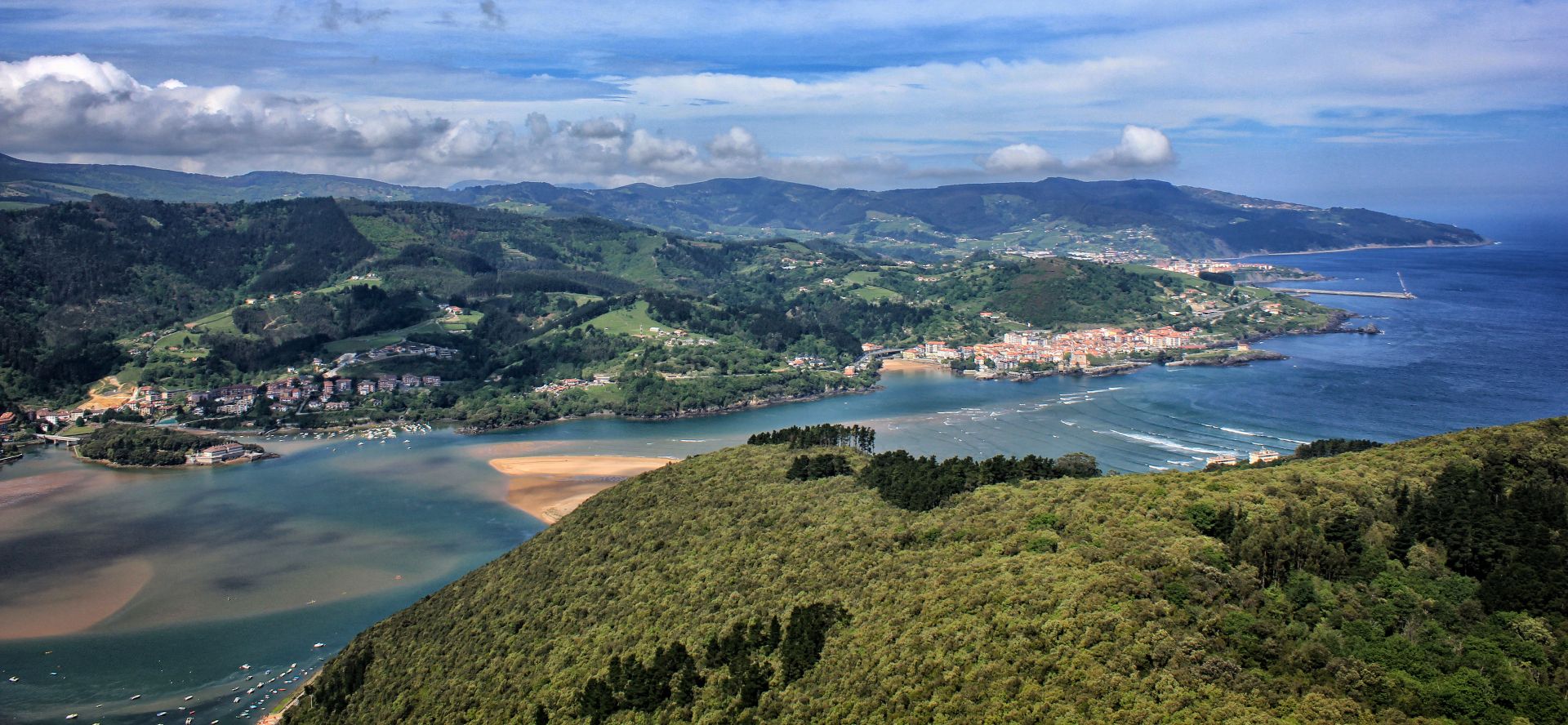
By the sea and the mountains – Tour of Biscay (GR 123)
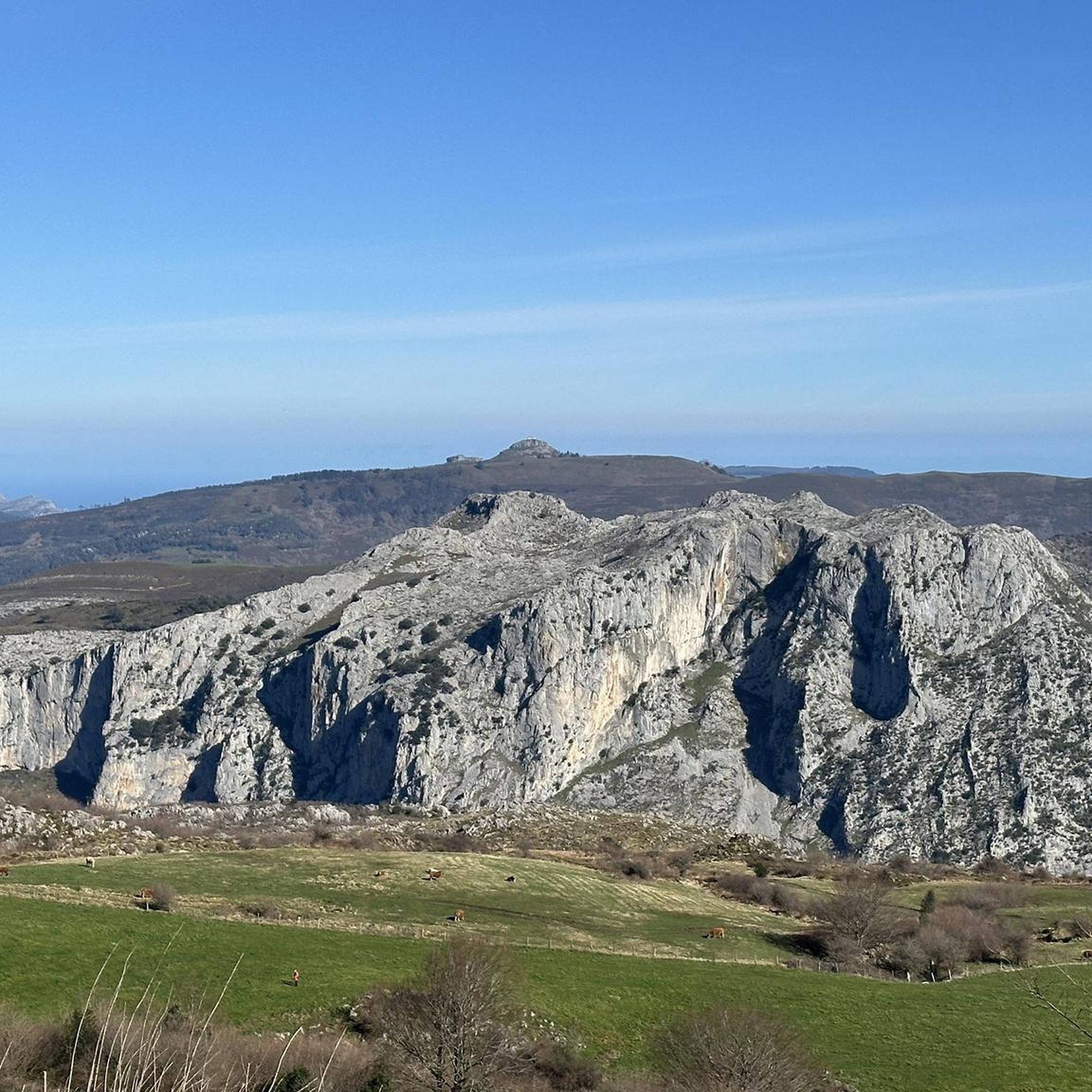
Running Trails around Karrantza Harana/Valle De Carranza
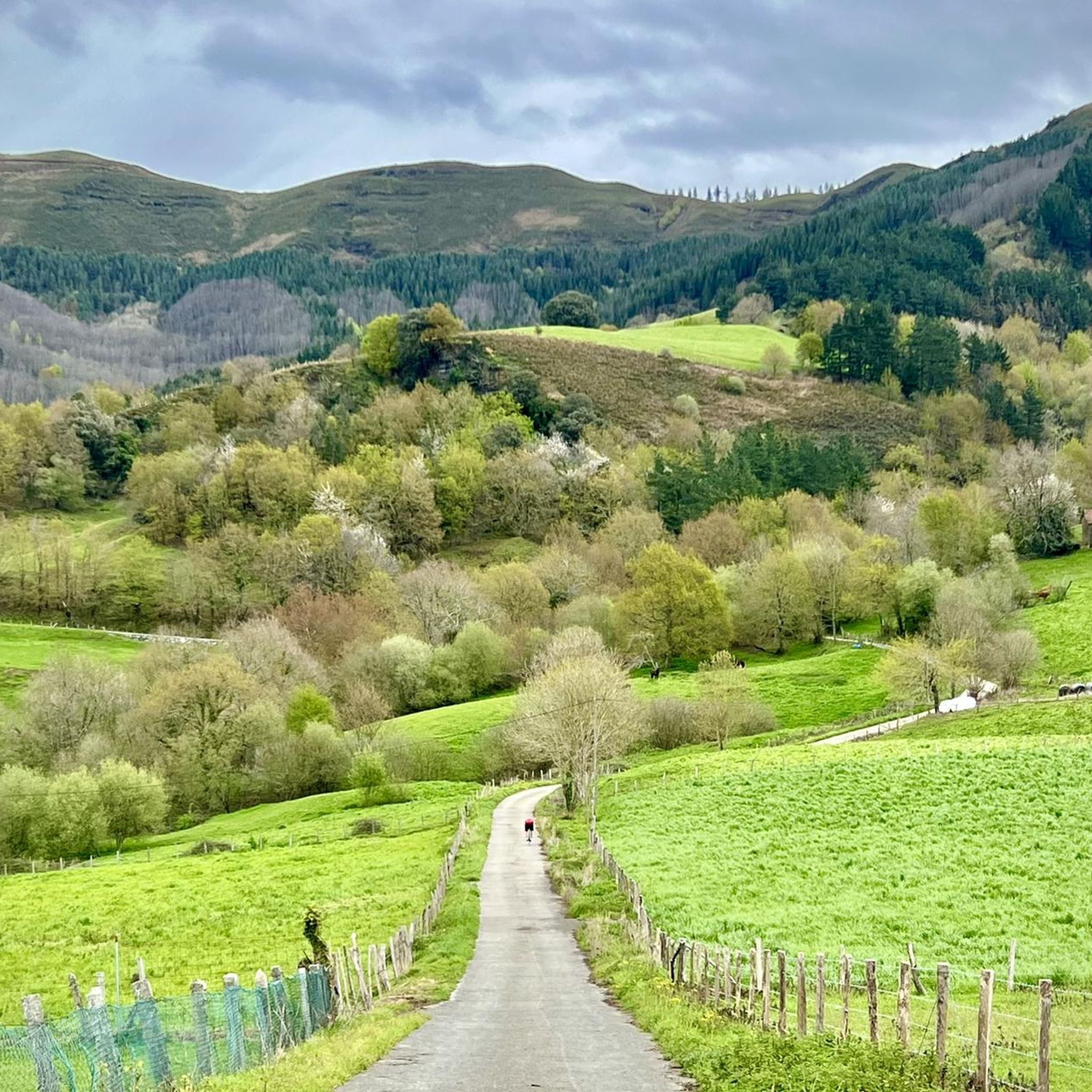
Hiking around Karrantza Harana/Valle De Carranza
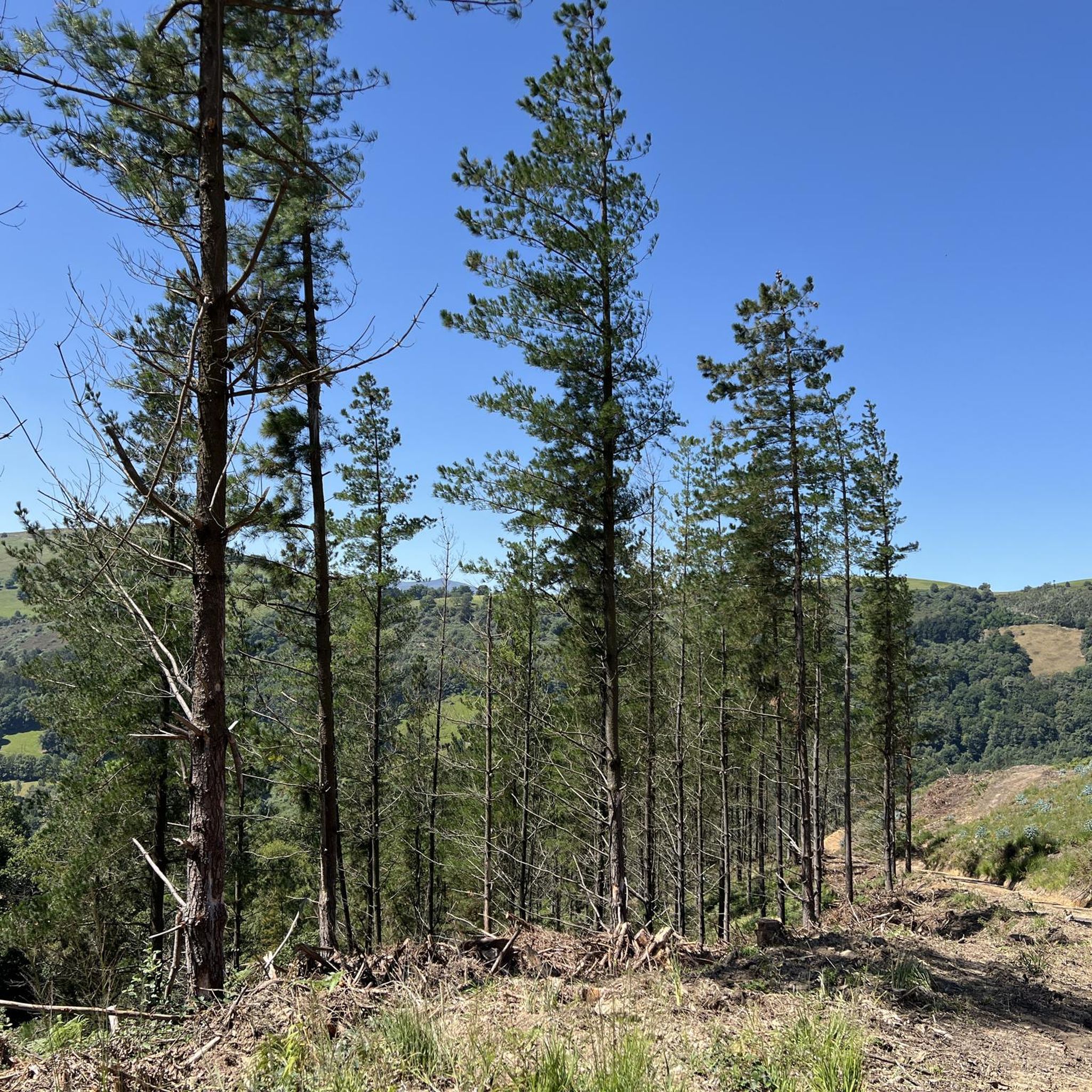
Road Cycling Routes around Karrantza Harana/Valle De Carranza
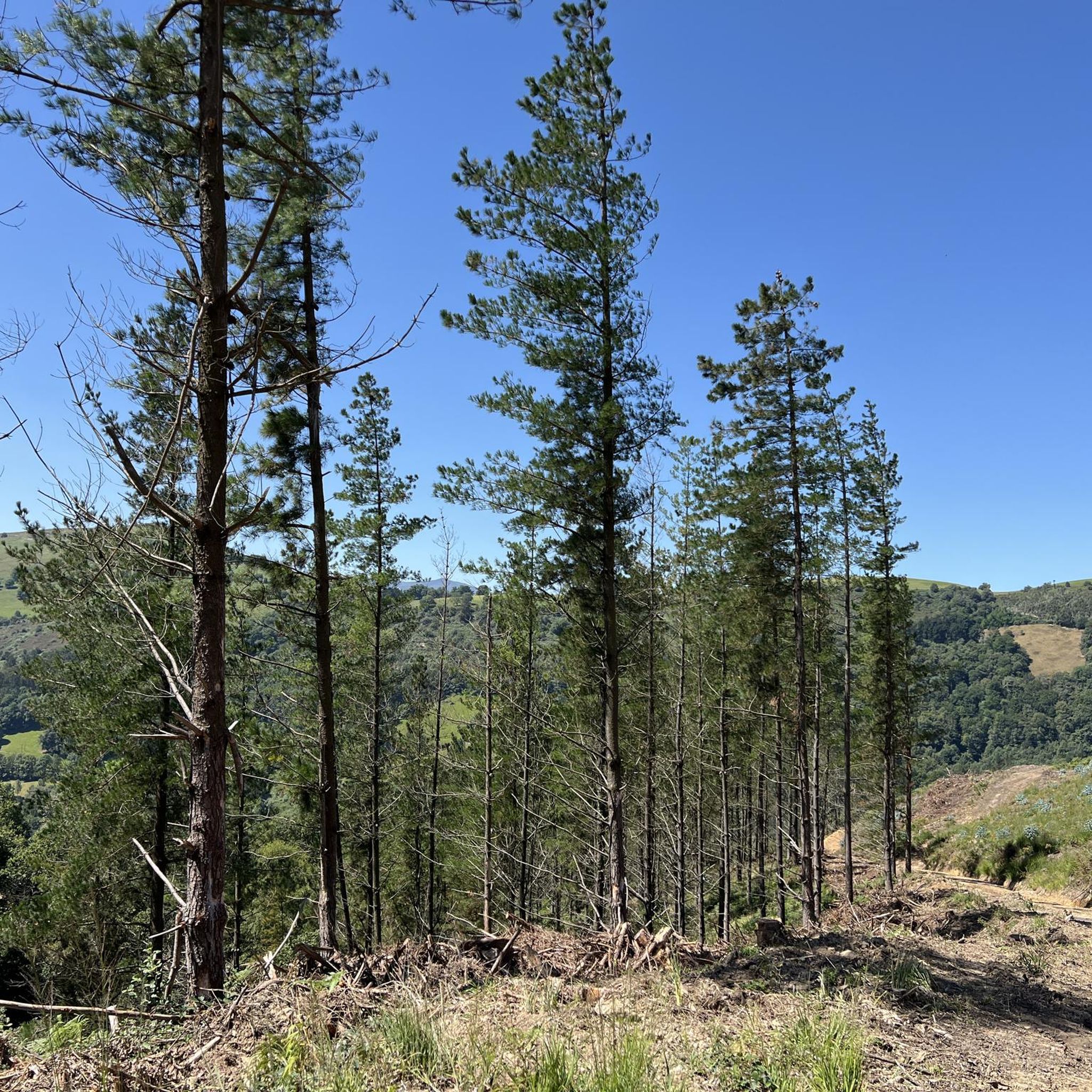
Cycling around Karrantza Harana/Valle De Carranza
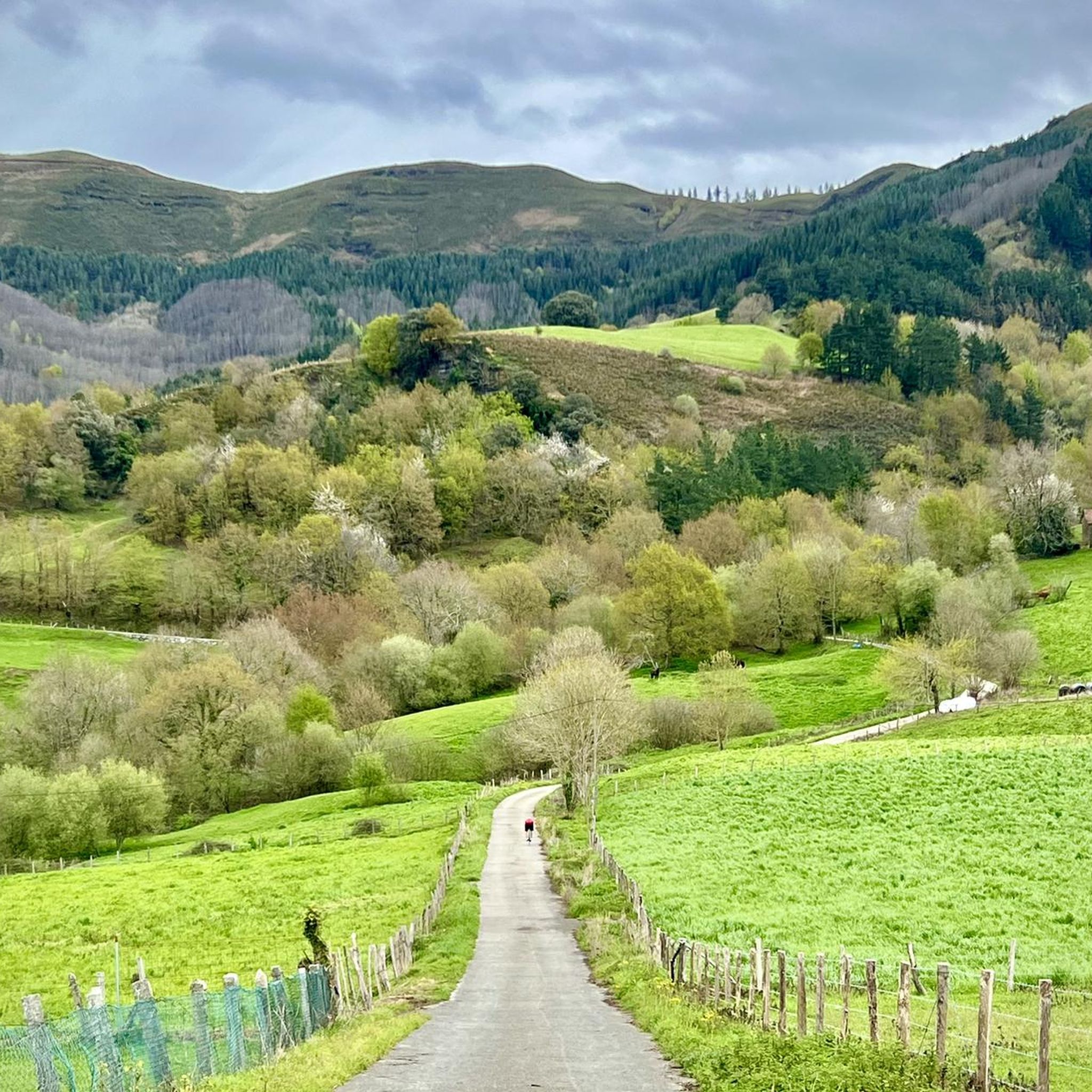
MTB Trails around Karrantza Harana/Valle De Carranza
Other adventures around Karrantza Harana/Valle De Carranza

Tips from the Community

One of the emblematic mountains of the area.
1
0

When you want to stop the survey, always keep the back wheel between your legs, it won't fall off ✌️✌️🍀
1
0
The scarf at home
1
0
Today we made the official visit to the cave, it's a pity they didn't let us take photos inside.
2
0

Ilso de las Estacas is a mountain 1037 meters high. The top is marked with a curious coffee pot on a pole and a booth. It offers magnificent views of the surrounding mountains and green valleys.
1
0

This is one of the highest mountains of the Montes de Orduente on its western side and offers good views of all the lands that are on both sides of the mountain range.
0
0
Zalama is a mountain 1343 meters high. A few meters from the top there is a stone monolith where you can read: "Merindad de Montija, year 1886". At this point the borders of three provinces converge: Vizcaya, Burgos and Cantabria. Also close to the top is a peculiar and very scarce plant community today, the peat bog, a community of mosses and liverworts that takes root on a soil that is almost always flooded.
0
0

Just amazing and a ride for the whole family! It is a complex of karstic caves 12 km long with cavities of immense dimensions of up to 14 x 28 meters in some sectors. The water has been forming these incredible caves that fortunately today can be visited and explored. It is necessary to purchase tickets online, you can check here: https://cuevas.culturadecantabria.com/cullalvera-esp/
1
0
Frequently Asked Questions
What unique geological features can I explore in Karrantza Harana/Valle De Carranza?
The region is renowned for its extensive karstic landscape. You can visit the Cullalvera Cave, a complex of karstic caves spanning 12 km with immense dimensions. Another highlight is the Pozalagua Cave, famous for its exceptional concentration of helictites, which are rare, gravity-defying stalactites. The Armañón Natural Park itself contains over 200 caves and sinkholes, including the massive Torca del Carlista, one of Europe's largest accessible sinkholes (though primarily for expert speleologists).
Are there family-friendly natural monuments to visit in the area?
Yes, the Cullalvera Cave is considered family-friendly, offering an amazing experience for all. The Pozalagua Cave is also adapted for disabled visitors with a platform, making it accessible for a wider range of visitors. Additionally, the Hayedo de Balgerri (Balgerri Beech Forest) offers picturesque walking trails suitable for families.
What are the best viewpoints for panoramic scenery in Karrantza Harana/Valle De Carranza?
For expansive views, consider visiting Burgüeno Summit, which offers great views of the surrounding valleys. The Hermitage of Our Lady of the Snows, located at 774 meters, also provides beautiful vistas of the Cantabrian interior. Another excellent spot is the Ventana del Relux, a natural arch offering impressive panoramic views of the Armañón Natural Park and the Ordunte mountains, with the sea visible on clear days.
What historical or cultural sites are integrated with the natural monuments?
The region features a significant concentration of megalithic structures, including dolmens, menhirs, and tumuli, particularly in the mountains surrounding the valley. The Megalithic Route of Haizko in the Ubal mountain range highlights important monuments like the Fuentellano dolmen and the La Cabaña necropolis. Additionally, the Hermitage of Our Lady of the Snows is a historical religious building located on a summit, offering both cultural and natural interest.
What kind of hiking trails can I find near these natural monuments?
You'll find a variety of hiking trails, from easy to moderate. For example, there's an easy 4.3 km loop trail around Pozalagua Cave. Moderate options include the Cotobasero and Bernalta circular route through the Special Conservation Area Ordunte, or the Sorrondegi Summit – Armañón Summit loop. You can explore more options in the Hiking around Karrantza Harana/Valle De Carranza guide.
Are there opportunities for mountain biking or trail running?
Yes, the diverse terrain is suitable for both mountain biking and trail running. For trail running, you can find challenging routes like the Jorrios y Armañón circular trail through Armañón Natural Park. Mountain bikers can explore routes such as the moderate Mountainbike loop from Ramales de la Victoria or more difficult options like the Peñalta Peak loop. Discover more trails in the Running Trails and MTB Trails around Karrantza Harana/Valle De Carranza guides.
What is special about the Montes de Ordunte mountain range?
The Montes de Ordunte is a significant natural area recognized by Europe and part of the Natura 2000 network. It features iconic peaks like Zalama Summit (the second-highest in Bizkaia) and Ilso de las Estacas Summit. The range is characterized by lush beech forests, mountain pastures, heathlands, and unique peat bogs rich in plant life.
What is the best time to visit the natural monuments in Karrantza Harana/Valle De Carranza?
The region's natural beauty can be enjoyed throughout the year, but spring and autumn often offer pleasant temperatures for hiking and exploring. These seasons also showcase vibrant foliage in the beech forests and comfortable conditions for cave visits. Summer is ideal for longer days and warmer weather, while winter can offer a different, serene experience, especially in the higher mountains.
Is the Pozalagua Cave accessible for all visitors?
Yes, the Pozalagua Cave is notably adapted for disabled visitors with a platform, allowing for a guided 400-meter tour to experience its unique formations. It was even named the 'Best Corner 2013' by the Repsol Guide for its exceptional features and accessibility. You can check for tickets and further information on their official site: spain.info.
What kind of wildlife can be spotted in the Armañón Natural Park?
The Armañón Natural Park, with its diverse terrain and microclimate, supports a variety of flora and fauna. While specific wildlife sightings can vary, the park's unique ecosystems, including Mediterranean oak and beech forests, provide habitats for various species. An interpretation center within the park can offer more detailed information on local wildlife.
What makes the Balgerri Beech Forest a notable natural monument?
The Hayedo de Balgerri is significant as the largest beech forest in Bizkaia. It offers picturesque walking trails where visitors can immerse themselves in nature, surrounded by not only beech trees but also oaks, alders, ash trees, yews, and hollies. The trails typically start from the neighborhood of Lanzas Agudas, providing a beautiful natural escape.
How long does it take to visit Pozalagua Cave?
A guided tour of the Pozalagua Cave typically lasts around 50 minutes. This allows visitors to experience the main chamber, which boasts a 17-meter-high ceiling, and observe the unique helictite formations along the 400-meter accessible path.
Most popular routes around Karrantza Harana/Valle De Carranza
Most popular attractions around Karrantza Harana/Valle De Carranza

Get inspired with the komoot mobile app


Explore more
Extend your search for the best caves by checking out these guides of the top ones around Karrantza Harana/Valle De Carranza:
