Top 16 Natural Monuments around Mazcuerras
Natural monuments around Mazcuerras showcase a diverse natural landscape in Cantabria, Spain. The municipality is situated at the foot of Monte Ibio, alongside the Pulero stream, a tributary of the Saja River. This region is known for its rich natural environment and tradition of cultivating flowers. Visitors can explore various natural features, from coastal formations to unique forests.
Best natural monuments around Mazcuerras
- The most popular natural monuments is El Bolao Cliff, a gorge that features a typical Cantabrian…
Last updated: June 4, 2026
El Moral Plateau
Highlight • Viewpoint
Translated by Google •
Tip by

El Bolao Cliff
Highlight • Gorge
You can also see the ruins of a mill at the mouth of Arroyo de la Presa
Translated by Google •
Tip by

Sign up now to discover places like this
Get recommendations on the best single tracks, peaks, & plenty of other exciting outdoor places.
Sign up for free
Altamira Cave
Highlight • Cave
Translated by Google •
Tip by

Calderón Cove
Highlight • Beach
Translated by Google •
Tip by

Fallen Oak of Brujilices
Highlight • Natural Monument
Translated by Google •
Tip by

Sign up for free to discover even more natural monuments around Mazcuerras.
Sign up for free
Already have an account?
Start today with a free account
Your next adventure awaits.
Login or Signup

Tips from the Community

Added to the collection: komoot.com/de-de/collection/3600632/-naturdenkmaeler-besondere-baeume-und-weitere-schaetze-der-natur
0
0

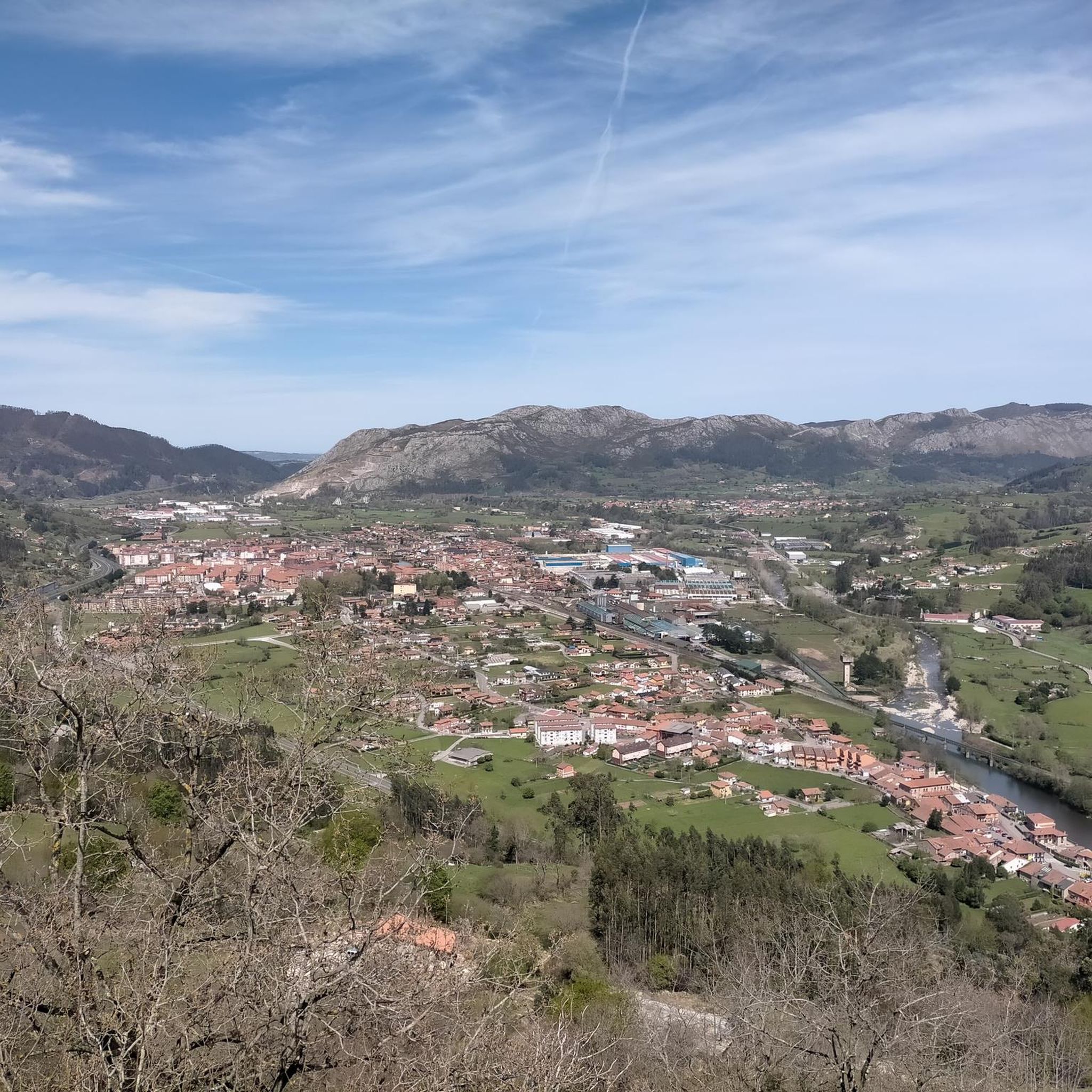
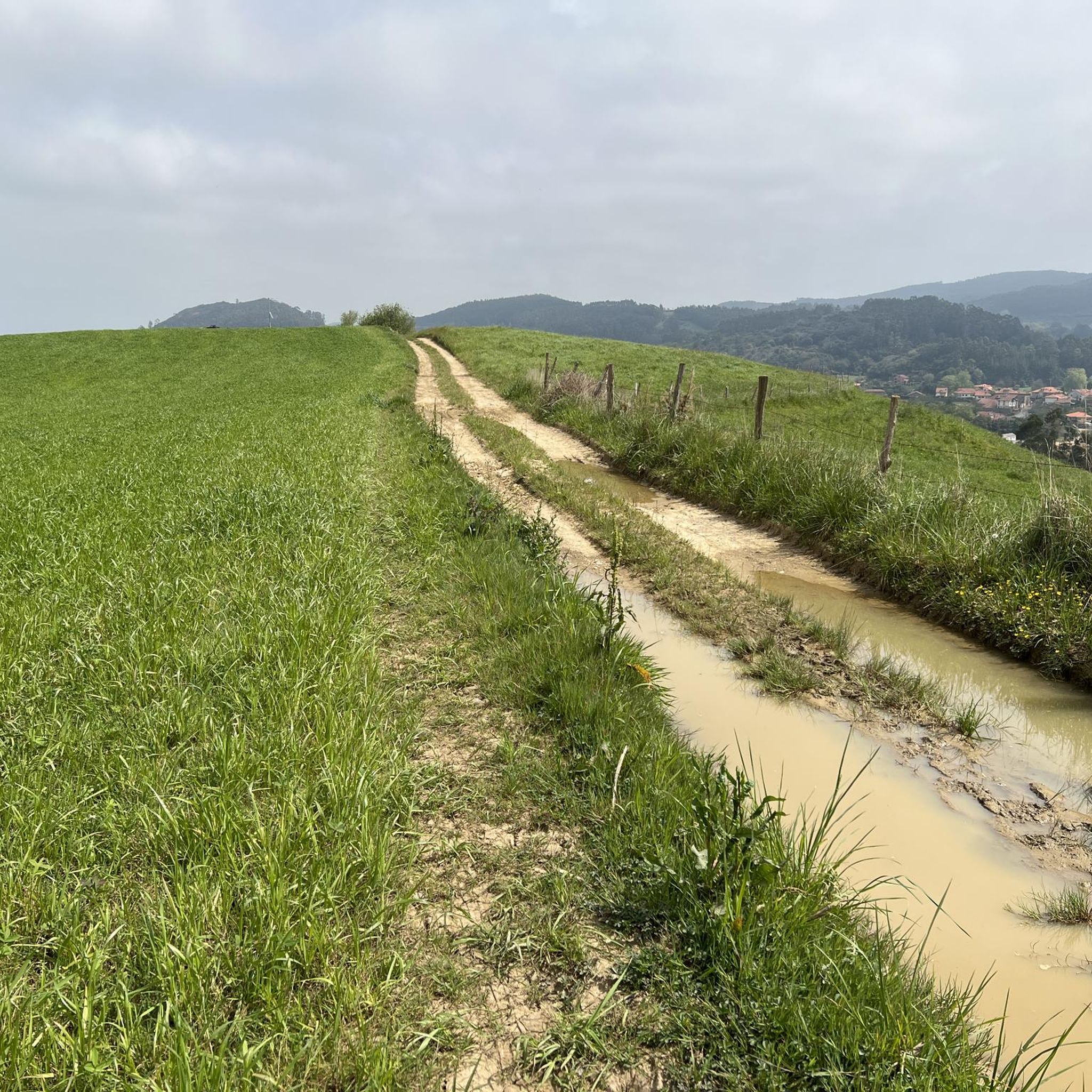
After a beautiful gravel climb, you reach this plateau with stunning views (including the Picos de Europa in the distance). The path then continues for a long time at altitude, with many cows and horses. Take a look: https://www.youtube.com/watch?v=OgEcgF17RDw
0
0
Indeed, a beautiful spot with breathtaking views, both towards the Picos de Europa and other Cantabrian mountains. The (gravel) road there is also stunning; just take a look: https://www.youtube.com/watch?v=OgEcgF17RDw
0
0

The Bujilices "Tumbao" Oak, located in Ucieda (Ruente) within the Saja-Besaya Natural Park, is one of Cantabria's most unique and magical trees. The tree fell under the weight of snow and wind at the end of the 19th century, but it didn't die. Four vertical branches sprouted from the fallen trunk, developing as if they were independent trees, creating a unique and spectacular shape.
2
0

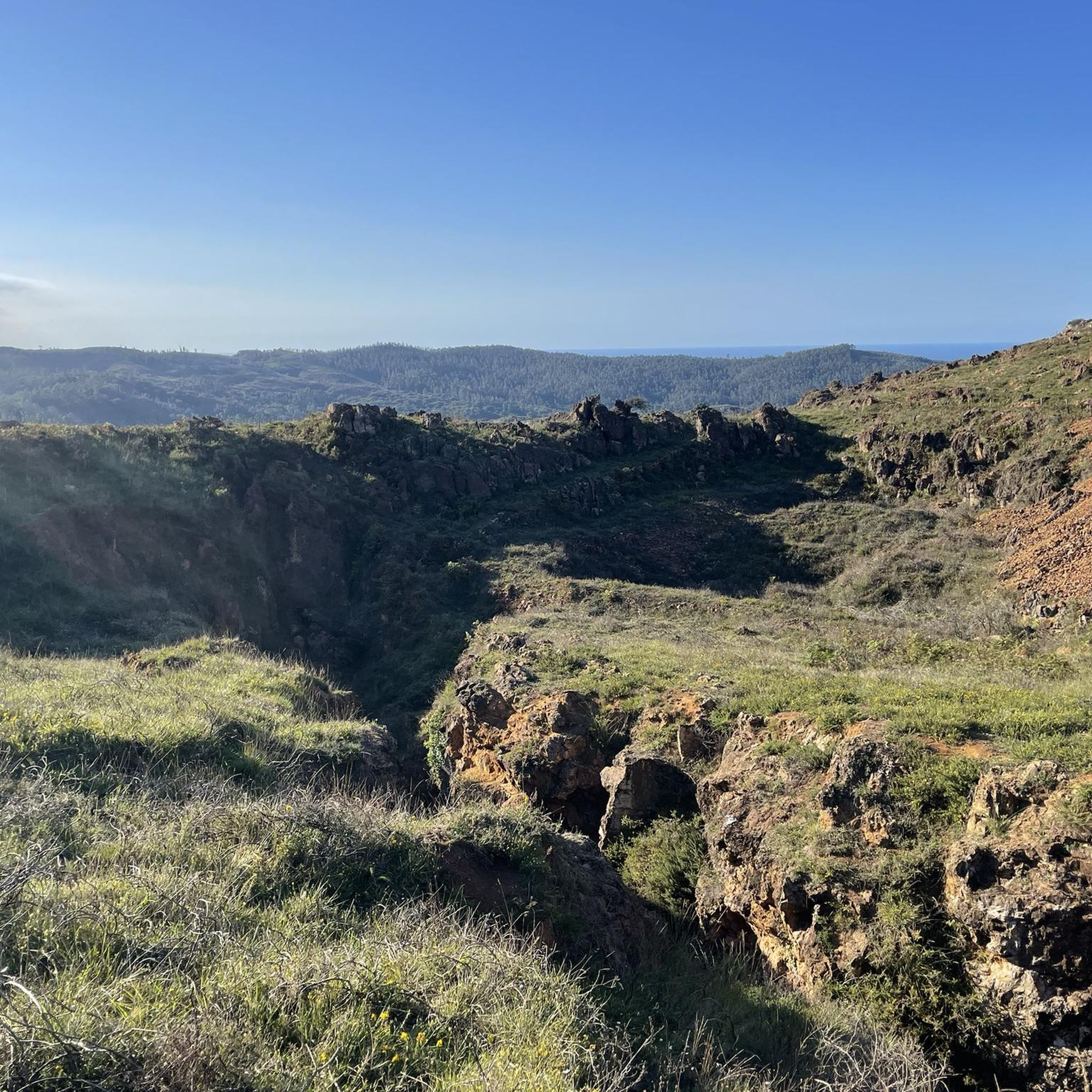
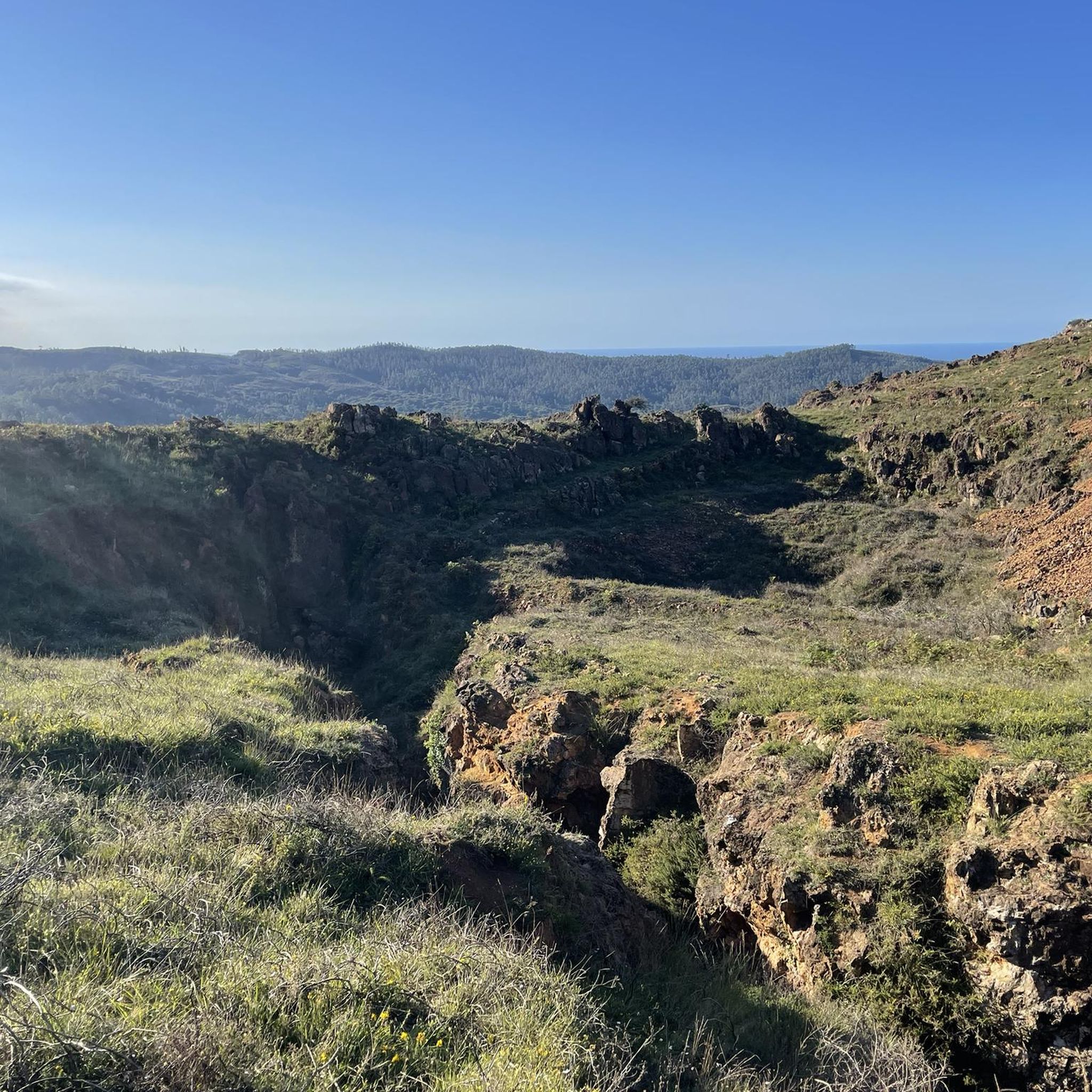
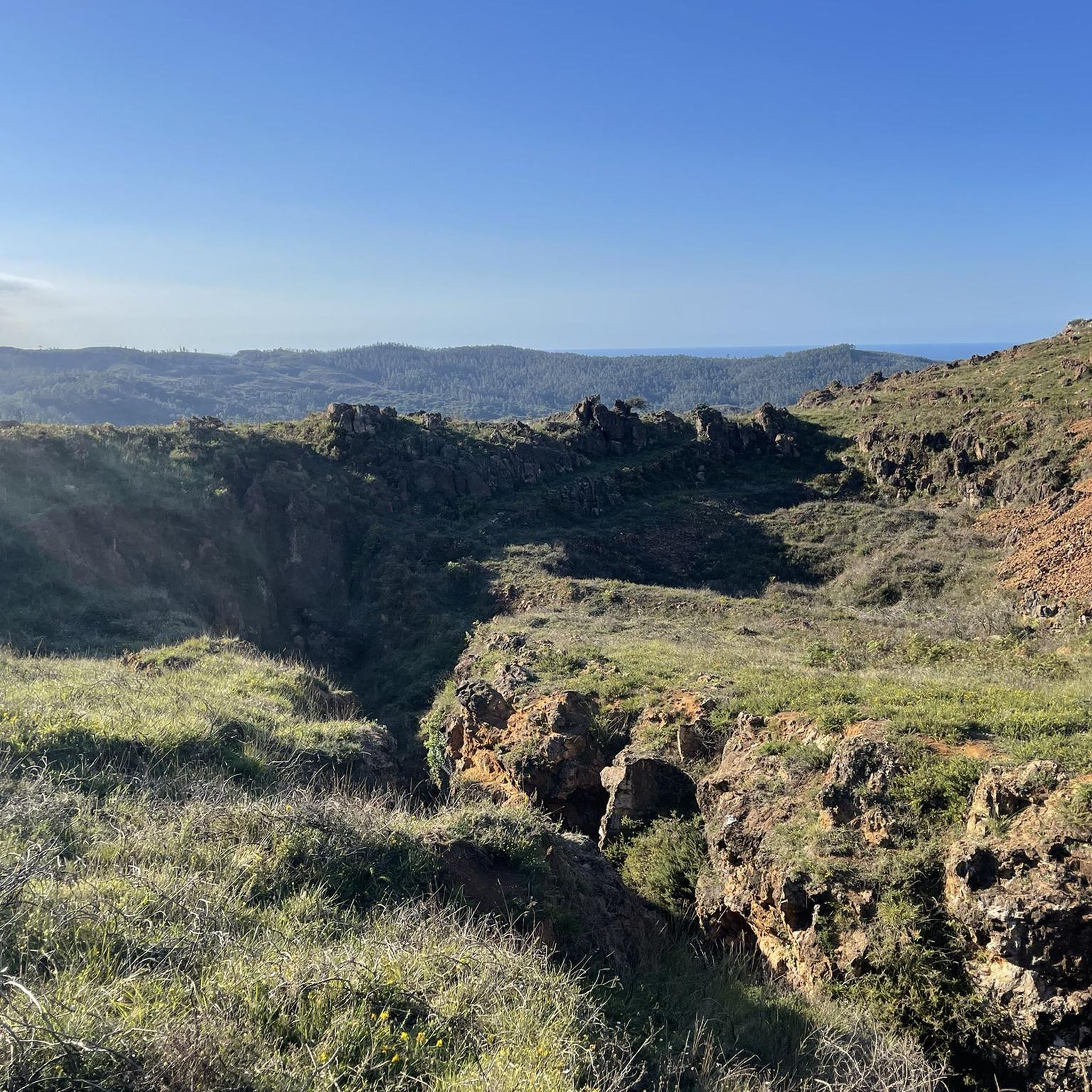
The Bolao Cliff is a stunning natural setting on the coast of Cantabria, Spain, between Cóbreces and Toñanes. It is famous for the El Bolao waterfall, which falls directly into the sea, and for the ruins of a medieval mill. The landscape combines the green meadows with the rugged Cantabrian Sea coast, offering spectacular views.
3
1

A beautiful coastal hike with views of the Picos de Europa, the Sierra de Cuera, and, in the distance, the coast of Asturias, approximately 60 km away. The hike starts at the La Santuca restaurant (recommended) in the tiny village of Arroyo (Santillana).
0
0

The Altamira Cave covers an area of more than 5500 m². It was used from 33,600 BC until the entrance collapsed in 11,000 BC. The particularly impressive ceiling paintings are dated to the period 16,500 to 13,000 BC.[3] The cave was discovered in 1868 by a hunter due to the disappearance of a hunting dog, who immediately reported the discovery to the lord of Santillana,[2] the naturalist Marcelino Sanz de Sautuola (1831–1888). The paintings were discovered by Sautuola's five-year-old daughter Maria, who was able to walk upright through the cave and made out images of "cattle" on the ceiling.[2] Marcelino began systematically digging in the cave in 1879[2] and published a short description of the "prehistoric objects in the province of Santander". Even the Spanish King Alfonso XII was invited into the cave. However, the academic world doubted the authenticity of the cave paintings.[2] The French prehistorian Émile Cartailhac described the paintings as a "vulgar prank by a scribbler" that he and his contemporaries did not even want to look at. The discovery had to wait almost 23 years for recognition. It was only when similar paintings were discovered in the Font-de-Gaume cave near Les Eyzies-de-Tayac-Sireuil in the Dordogne department (France) in 1901 that the attitude of French researchers and Cartailhac, who became the symbol of archaeological ignorance, changed. Cartailhac apologized posthumously to the Marquis de Sautuola in an essay in 1902 ("Mea culpa" d'un sceptique[4]).
0
0
Frequently Asked Questions
What are some unique natural monuments to visit near Mazcuerras?
One truly unique natural monument is the Monumento Natural de las Secuoyas del Monte Cabezón, located about 7.5 kilometers from Mazcuerras. This forest of giant sequoias offers an awe-inspiring experience, distinct from the typical Cantabrian landscape. Another remarkable site is the Fallen Oak of Brujilices, a singular tree that, despite falling, has continued to grow new branches from its trunk.
What are the most popular natural monuments around Mazcuerras?
Visitors frequently enjoy the dramatic coastal scenery of El Bolao Cliff, known for its typical Cantabrian cliff views and the ruins of an old mill. Calderón Cove is another favorite, offering a beautiful beach and a natural harbor with historical significance. For expansive landscapes, El Moral Plateau provides stunning views and a hermitage.
Are there family-friendly natural monuments around Mazcuerras?
Yes, the Fallen Oak of Brujilices is considered family-friendly. Its unique story of survival and growth makes it an interesting and accessible natural wonder for all ages. The sequoia forest, while not explicitly tagged, also offers a gentle walking experience suitable for families.
What outdoor activities can I do near these natural monuments?
The region around Mazcuerras is excellent for various outdoor activities. You can find numerous routes for hiking, including trails like the La Fuentona de Ruente - Saja River Loop. For cyclists, there are options for gravel biking, such as a loop in Saja-Besaya Natural Park. Additionally, there are dedicated running trails, like the Running loop from Mazcuerras.
What kind of natural features can I expect to see among the monuments?
You'll encounter a diverse range of natural features. The coast offers dramatic cliffs like El Bolao Cliff and picturesque coves such as Calderón Cove. Inland, you can explore high mountain plateaus like El Moral Plateau, unique tree formations like the sequoias, and prominent summits such as Pico La Capía.
Are there any natural monuments with historical significance?
Yes, Calderón Cove is a natural harbor whose history dates back to Roman times, having been used as a seaport. Additionally, El Moral Plateau features a hermitage that, according to legend, was built after the Virgin appeared there, marking a historical and spiritual connection to the landscape.
When is the best time of year to visit the natural monuments around Mazcuerras?
The natural monuments around Mazcuerras can be enjoyed throughout much of the year. Autumn is particularly beautiful, especially for inland areas like the sequoia forest or the Fallen Oak of Brujilices, as the foliage changes. The coastal monuments are pleasant during spring and summer, offering refreshing sea breezes.
Where can I find the best viewpoints among the natural monuments?
For stunning coastal vistas, El Bolao Cliff and Calderón Cove offer breathtaking views of the Cantabrian Sea. Inland, El Moral Plateau provides expansive landscapes, while the Summit of Pico La Capía boasts excellent panoramic views over the Besaya and Pas rivers.
Are the natural monuments around Mazcuerras dog-friendly?
Many natural outdoor spaces in Cantabria are generally dog-friendly, especially for walks on trails and in natural parks. However, specific rules can vary. It's always best to keep dogs on a leash and ensure you clean up after them to preserve the natural environment for everyone.
How long does it typically take to visit the natural monuments?
The time required varies greatly depending on the monument. Coastal sites like El Bolao Cliff or Calderón Cove might be enjoyed in an hour or two. Visiting the Monumento Natural de las Secuoyas del Monte Cabezón could take a couple of hours for a leisurely walk. For mountain areas like El Moral Plateau or Pico La Capía, plan for half a day or more, especially if you include hiking.
Are there any wheelchair accessible natural monuments?
While many natural monuments involve uneven terrain or trails, some areas might offer more accessible sections. The Monumento Natural de las Secuoyas del Monte Cabezón has paths that are generally well-maintained, making parts of it potentially more accessible. However, it's advisable to check specific conditions or visitor information for each site if full wheelchair accessibility is required.
Most popular routes around Mazcuerras
Most popular attractions around Mazcuerras

Get inspired with the komoot mobile app


Explore more
Extend your search for the best caves by checking out these guides of the top ones around Mazcuerras:
