Top 20 Natural Monuments around Miera
Best natural monuments around Miera are found in a region characterized by a wild and rugged landscape within Cantabria, Spain. The Miera Valley features sharp, exposed rocks, intricate karst formations, and dense beech and holm oak forests. Its landscape is shaped by the Miera River and glacial processes, evident in visible cirques and moraines. This area offers diverse ecosystems and geological wonders.
Best natural monuments around Miera
- The most popular natural monuments is Canal Honda, a gorge that features…
Last updated: June 4, 2026
Peñas Blancas Summit
Highlight • Summit
Translated by Google •
Tip by

Alto de la Posadía
Highlight • Viewpoint
Translated by Google •
Tip by

Sign up now to discover places like this
Get recommendations on the best single tracks, peaks, & plenty of other exciting outdoor places.
Sign up for free
Pozo Menor de Valcaba
Highlight • Lake
Translated by Google •
Tip by
Pozos de Noja
Highlight • Lake
Translated by Google •
Tip by

Canal Honda
Highlight (Segment) • Gorge
Translated by Google •
Tip by
Sign up for free to discover even more natural monuments around Miera.
Sign up for free
Already have an account?
Start today with a free account
Your next adventure awaits.
Login or Signup
Tips from the Community

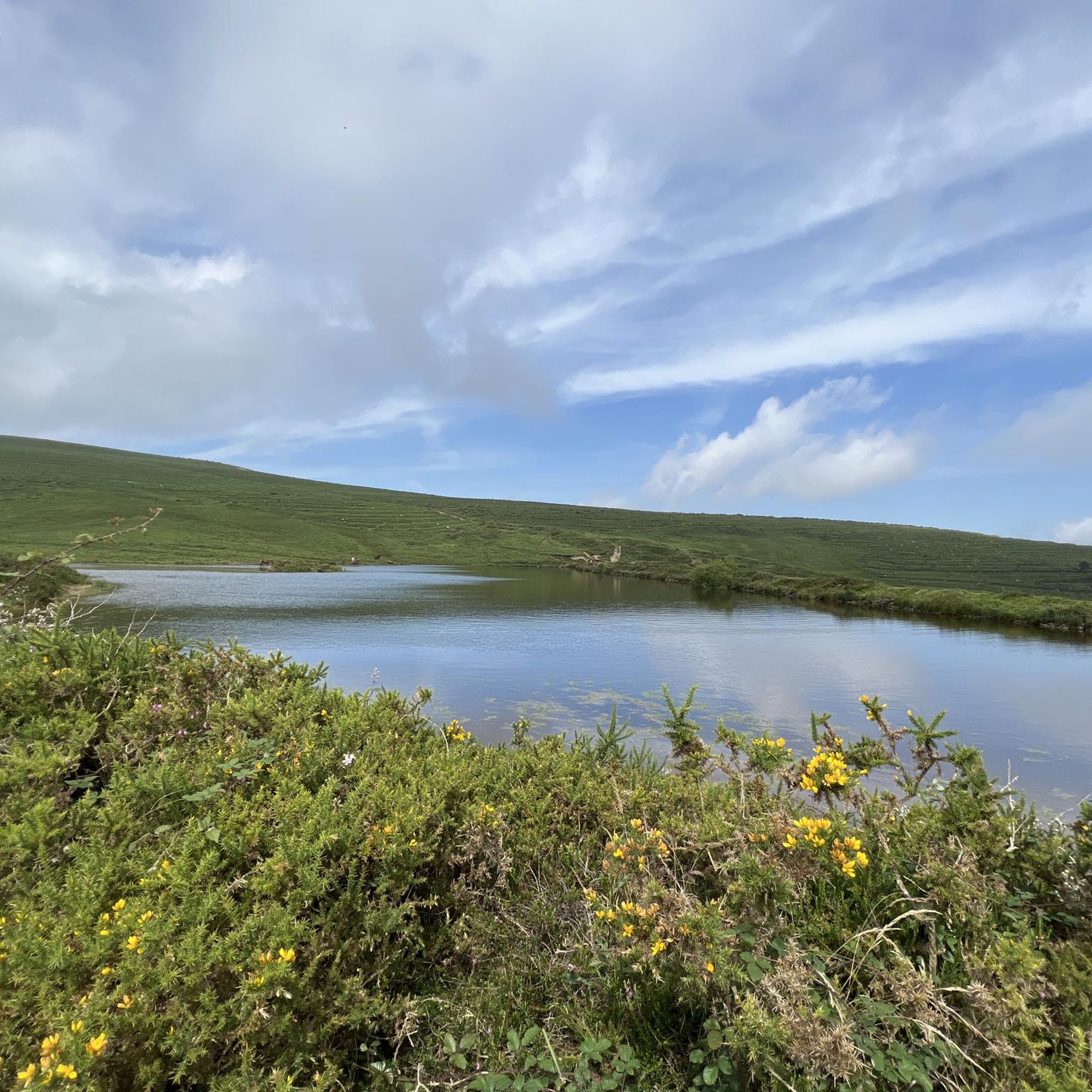
The Pozos de Noja, known for its two artificial lagoons, the result of the industrial legacy of the old electricity company in the area, are proud to present their latest tourist innovation: a swing and a giant bench, unique spots for contemplating the landscape but also promising to be the setting for countless memories and photographs that will capture the essence of Cantabria. Access via SENDA DE TUERRA, with a bicycle path to the wells.
0
0

The skyline is certainly impressive. And I love the reproduction of the Pico LLen tower.
1
0

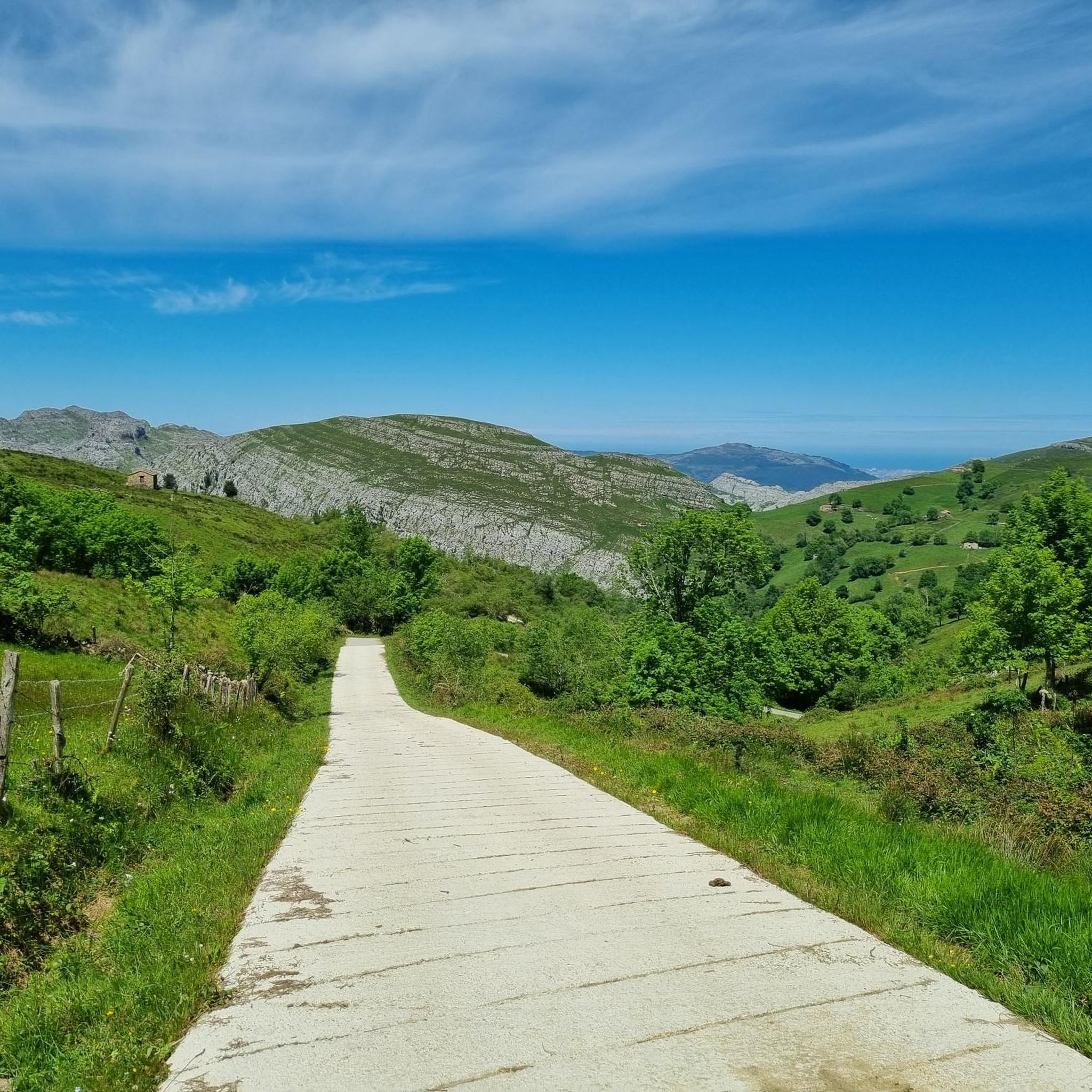
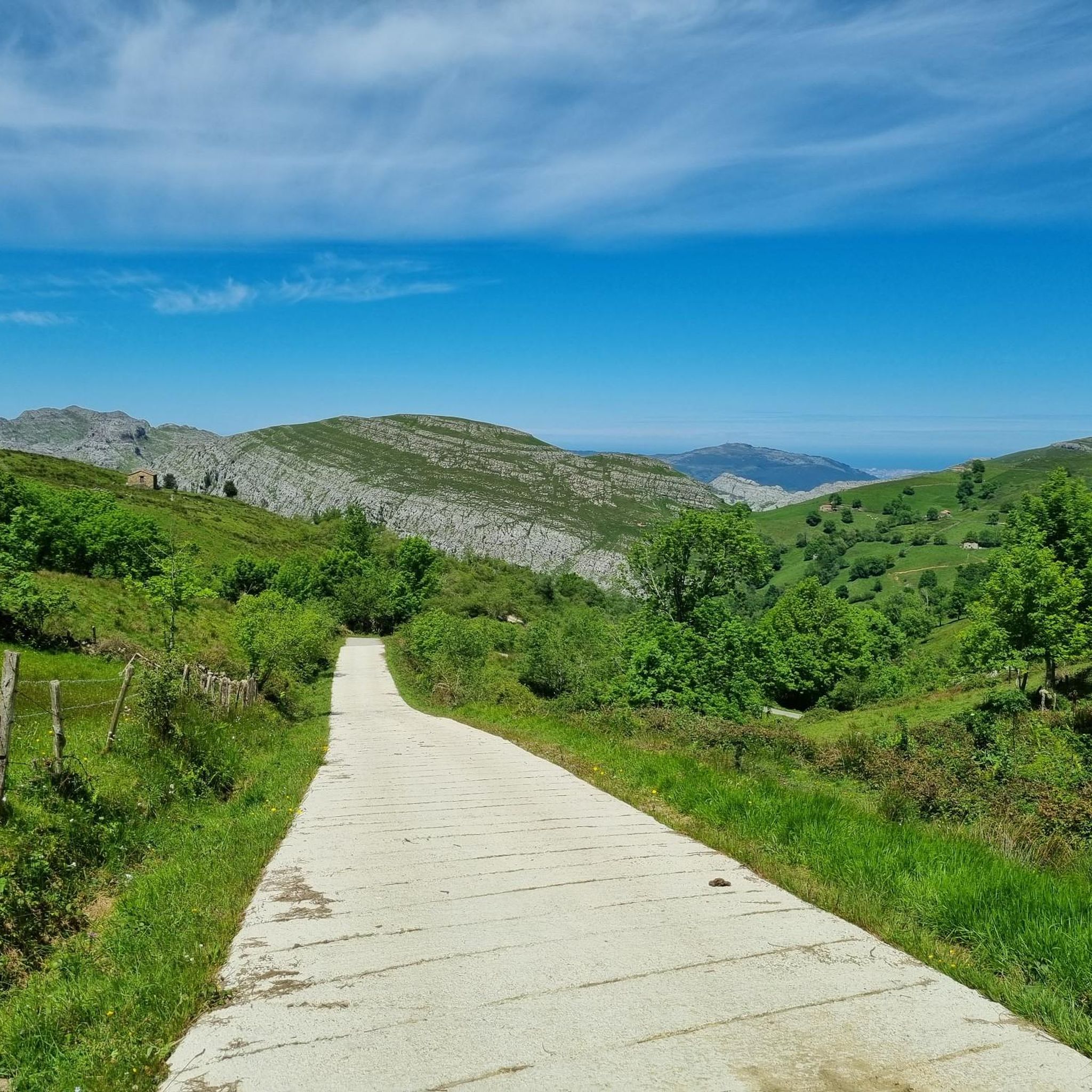
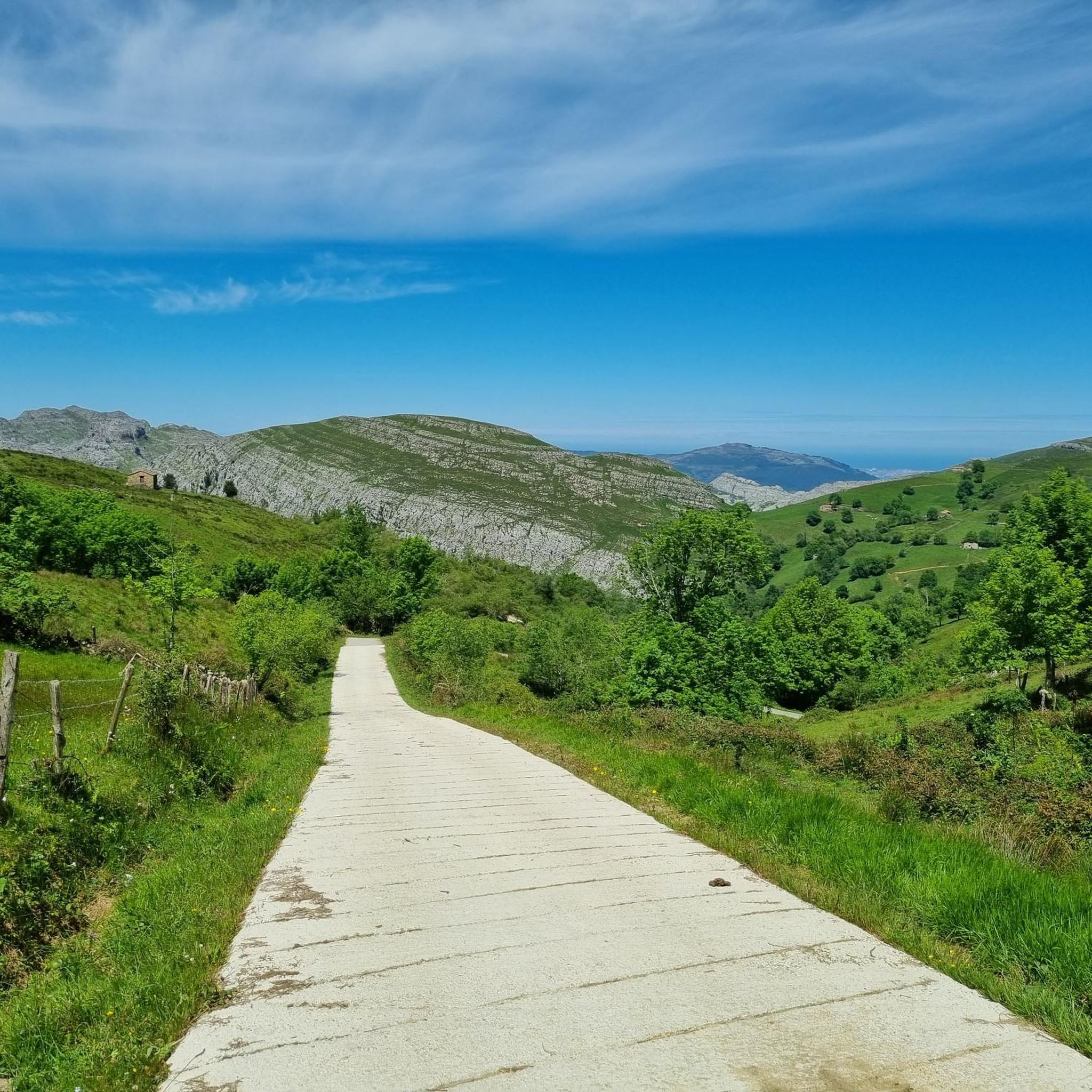
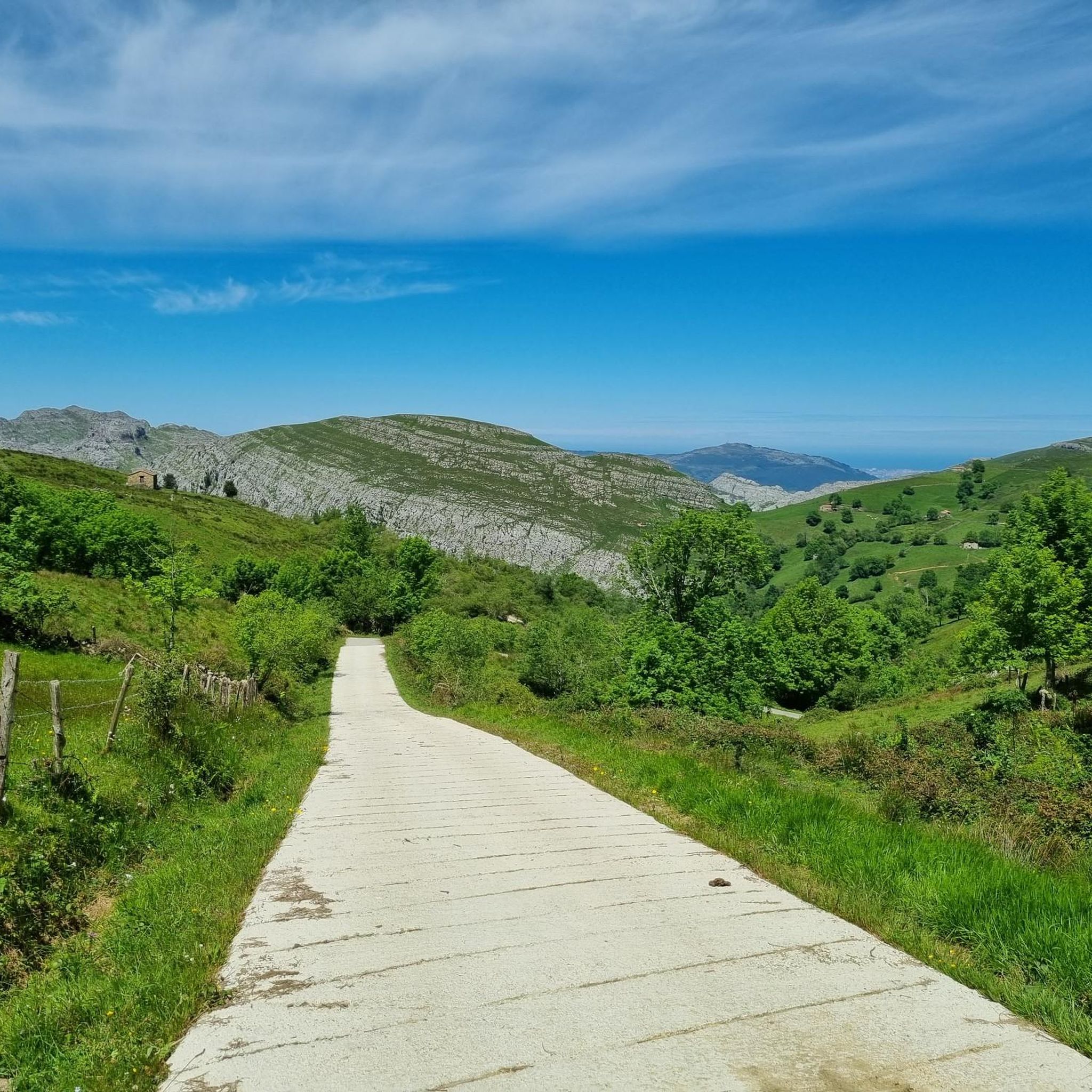
Nice path through lush meadows. Only animals, no people.
0
0
A joyful corner, to think, to stop.
2
0

Mythical place on the routes of the Collados del Asón Natural Park
2
0

This wonderful 700 meter long canyon is located in the heart of the Collados del Asón and is an incredible place. It will give you the feeling of smallness when walking among its immense limestone rock walls that were worn away by the glaciers that once occupied these territories.
1
0
Perhaps one of the most descriptive sites of which is the landscape of the Asón hills. Here, in addition, several paths converge that allow you to cover it almost completely, although when hiking, they can be very technical or even impassable for the bike.
1
0
In the middle of the Peña Cabarga massif is perhaps the most popular peak in the park, Peñas Blancas offers amazing views in all directions. From its 455 masl you have no obstacles ahead, wherever you look.
1
0
Frequently Asked Questions
What unique geological features can I explore in the Miera Valley?
The Miera Valley is a geological marvel, shaped by the Miera River and glacial processes. You can observe sharp, exposed rocks, intricate karst formations like sinkholes and limestone pavements, and visible cirques and moraines. A prime example of the valley's dramatic formations is Canal Honda, a 700-meter canyon with immense limestone rock walls carved by ancient glaciers.
Are there any significant cave systems to visit in the Miera region?
Yes, the Miera Valley is renowned for its extensive cave systems. While many remain unexplored, the region is home to the 'Alto del Tejuelo,' a vast 77-kilometer gallery system. For visitors, the Cave of Sopeña offers a unique experience, recreating the nearby Cave of Salitre II, where you can learn about Paleolithic inhabitants and even see reconstructions of prehistoric camps and cave bear hibernation sites. The abundance of caves also makes it a popular spot for speleology enthusiasts.
What kind of forests can I find in the Miera Valley?
The Miera Valley boasts diverse and well-preserved forests. The Valdició beech forest, located within the Miera mountains, is particularly notable as one of the best-preserved ancient beech forests in the region, featuring centuries-old trees. Along the Miera River, you'll also find well-preserved alder groves and willow forests, creating picturesque gallery forests.
What outdoor activities are popular around the natural monuments in Miera?
The Miera Valley offers a wide range of outdoor activities. The rugged landscape is ideal for hiking, climbing, horseback riding, and cycling. The extensive cave systems attract speleology enthusiasts, and the Miera River and Cubas Estuary provide opportunities for wildlife observation. For specific routes, you can explore options like hiking around Miera, running trails, or road cycling routes.
Are there hiking trails suitable for different skill levels near Miera's natural monuments?
Yes, the Miera region offers hiking trails for various skill levels. For example, the area around Alto de la Posadía provides access to multiple routes. You can find moderate trails like 'The wells of Noja - circular route' or 'Hiking loop from La Pedrosa,' as well as more challenging options such as 'Hike from La Pedrosa via the Calseca stream' or 'View of Porracolina – Pico Porracolina loop from La Pedrosa.' More details are available in the hiking guide for Miera.
Where can I find panoramic views of the Miera Valley and beyond?
For breathtaking panoramic views, consider visiting Peñas Blancas Summit. From its 455 meters above sea level, you can enjoy unobstructed views over the Bay of Santander, Santander itself, the Atlantic Ocean, and the Cordillera Cantábrica, including the Picos de Europa on the western horizon. Another excellent viewpoint is Alto de la Posadía, which offers perfect views of the Poljé de Brenavinto.
Are there any natural monuments with a historical or industrial past?
Yes, some natural monuments in Miera bear the marks of human history and industry. The Pozos de Noja and Pozo Menor de Valcaba are two artificial lagoons formed from the industrial legacy of old mining operations, used to wash iron ore. These sites now offer unique spots for contemplating the landscape. Additionally, the Cave of Sopeña provides insights into the daily and spiritual lives of Paleolithic inhabitants.
Are there family-friendly natural monuments in the Miera region?
Yes, several natural monuments in Miera are suitable for families. The Pozos de Noja, with its two artificial lagoons and new tourist innovations like a swing and a giant bench, is a great spot for families to enjoy the landscape and take photos. Similarly, Pozo Menor de Valcaba, another former mining site now a lake, is considered family-friendly and offers an ideal environment for nature lovers.
What wildlife can be observed in the Miera Valley?
The Miera Valley, particularly around the Miera River and the Cubas Estuary, is rich in biodiversity. The estuary, a Site of Community Importance (LIC) and Special Protection Area for birds (ZEPA), supports a variety of species. You might spot recently recolonized otters, salmon, and a growing trout population. The diverse habitats, where fresh and saltwater mix, make it an excellent location for wildlife observation.
What is the best time to visit the natural monuments in Miera?
The Miera Valley offers beauty throughout the year, but the best time to visit largely depends on your preferred activities. Spring and autumn generally provide pleasant temperatures for hiking and exploring the forests, with vibrant foliage in autumn. Summer is ideal for enjoying outdoor activities, though it can be warmer. Winter conditions can be rugged, especially in higher mountainous areas like Peñas de Miera, but can offer a unique, serene experience for those prepared for colder weather.
Can I go road cycling near the natural monuments in Miera?
Absolutely. The Miera region is popular for road cycling, with routes that take you through stunning natural landscapes. You can find challenging routes like 'Liérganes, Río Miera, Portillo de la Sia, Asón, Alto de Alisas – circular through the Parque Natural de los Collados de Asón' or 'Portillo Lunada – La Sía Pass loop from Liérganes.' These routes often pass by or offer views of the natural monuments. More options are available in the Road Cycling Routes around Miera guide.
What makes the Cubas Estuary an important natural monument?
The Cubas Estuary, also known as the Miera Estuary, is a vital ecological corridor where the Miera River meets the Cantabrian Sea. It's recognized as a Site of Community Importance (LIC) and a Special Protection Area for birds (ZEPA). Its unique blend of fresh and saltwater habitats supports a rich biological diversity, including otters, salmon, and trout, making it crucial for wildlife and an excellent spot for nature observation.
Most popular attractions around Miera

Get inspired with the komoot mobile app


Explore more
Extend your search for the best caves by checking out these guides of the top ones around Miera:
