Top 20 Natural Monuments around Cabanelles
Natural monuments around Cabanelles offer a diverse range of geological features and natural landscapes within the Girona province of Catalonia, Spain. The region is characterized by its proximity to significant natural parks, providing varied terrain from volcanic zones to rugged coastlines and wetlands. Visitors can explore a landscape shaped by ancient volcanic activity, coastal erosion, and extensive river systems. This area presents opportunities to observe unique ecosystems and natural formations.
Best natural monuments around Cabanelles
- The most popular natural monument…
Last updated: June 4, 2026
Lake Banyoles
Highlight • Lake
Translated by Google •
Tip by

Puig de Bassegoda
Highlight • Summit
Translated by Google •
Tip by

Sign up now to discover places like this
Get recommendations on the best single tracks, peaks, & plenty of other exciting outdoor places.
Sign up for free
Rector's Spring
Highlight • Natural Monument
Translated by Google •
Tip by

Alta Garrotxa (Partial Nature Reserve of the Muga-Albanyà)
Highlight • Natural Monument
Translated by Google •
Tip by

Rocapastora Cliff
Highlight • Climb
Translated by Google •
Tip by

Sign up for free to discover even more natural monuments around Cabanelles.
Sign up for free
Already have an account?
Start today with a free account
Your next adventure awaits.
Login or Signup

Other adventures around Cabanelles

Tips from the Community


Lots of cafes to choose from but I recommend Aquarium!
3
0

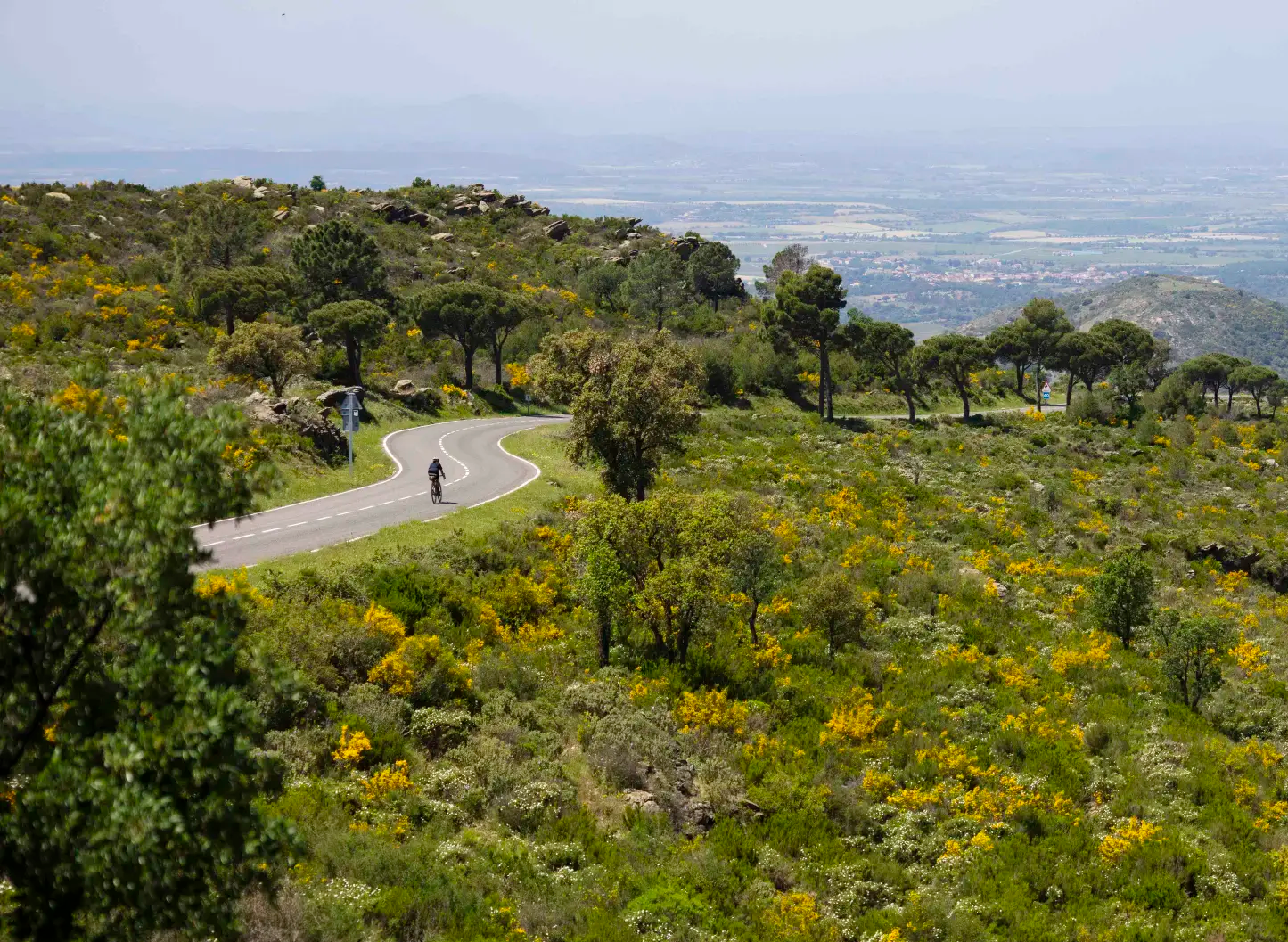
Within Alta Garrotxa is the Muga-Albanyà Partial Nature Reserve, which covers an area of approximately 5,000 hectares. This reserve is especially notable for its biodiversity and the presence of very diverse natural habitats, which include oak and holm oak forests, alpine meadows, crystal-clear rivers and unique geological formations. Some of the most notable places within the Muga-Albanyà Partial Nature Reserve include: The town of Albanyà: A small rural town surrounded by unspoilt nature and trails to explore. The Muga River: A river with crystal clear waters that meanders through the reserve, offering opportunities for fishing, hiking and enjoying nature. The Serra de Lliens: A mountain range with impressive panoramic views and hiking trails that allow you to explore the natural beauty of the region. El Puig de Bassegoda: An emblematic mountain that offers incomparable panoramic views of the Alta Garrotxa and the Pyrenees. The Hermitage of Santa Bàrbara: A hermitage located in a spectacular natural enclave, which offers a place of tranquility and contemplation.
2
0

Best place to be. Wonderful mute in teh hole village
1
1

Lake Banyoles is the largest non-coastal pond, and whose water springs naturally, in Catalonia. The lake is a classic cycling destination in Girona, since one of the province's greenways reaches the town of Banyoles, and it also has a bike lane that allows you to go around the lake.
5
0

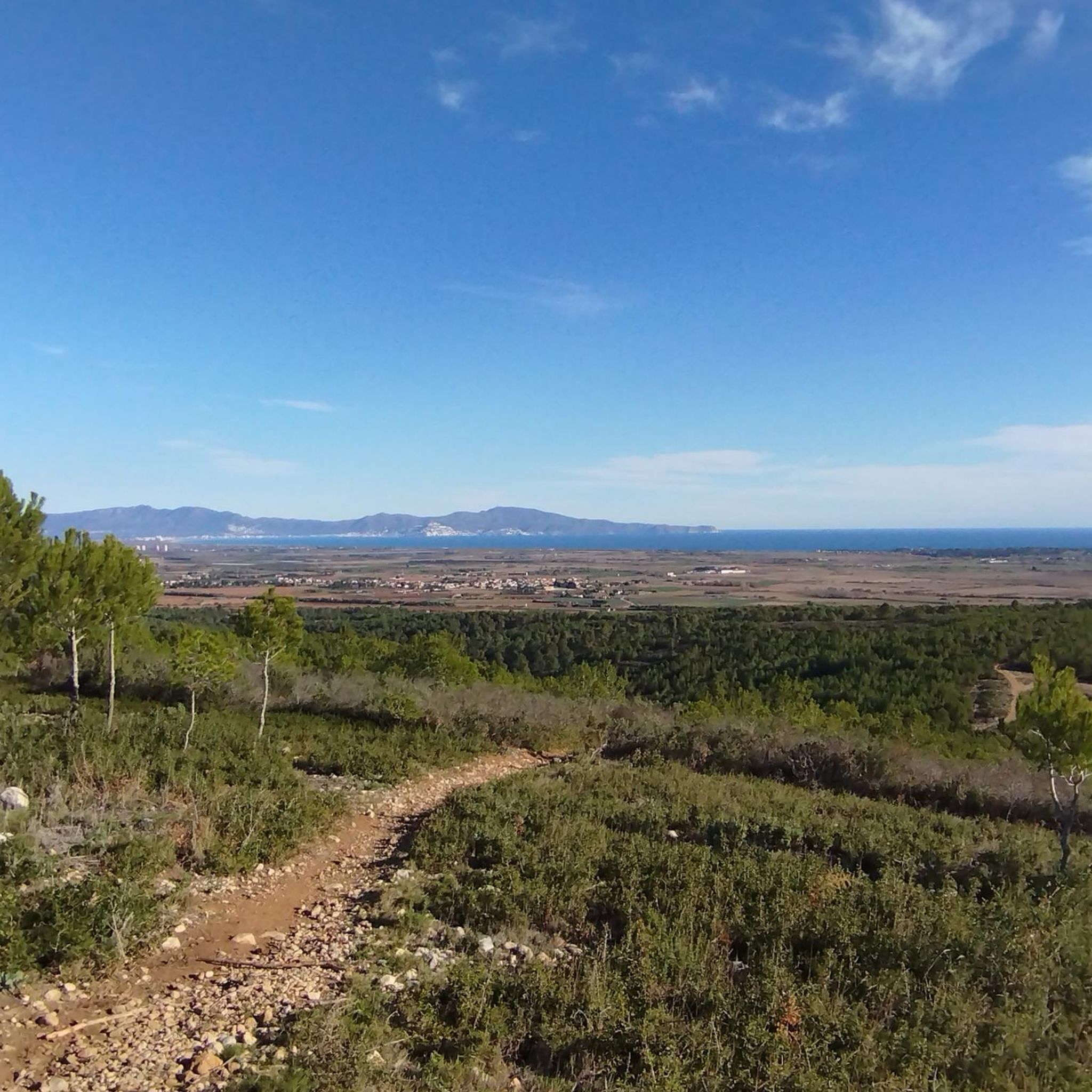
At 1,373 meters high, the Puig de Bassegoda is located on the border between the regions of La Garrotxa and Alt Empordà. The climb accumulates a lot of positive unevenness in a short distance. For this reason, in the last section it has staples and chains to help itself.
2
1

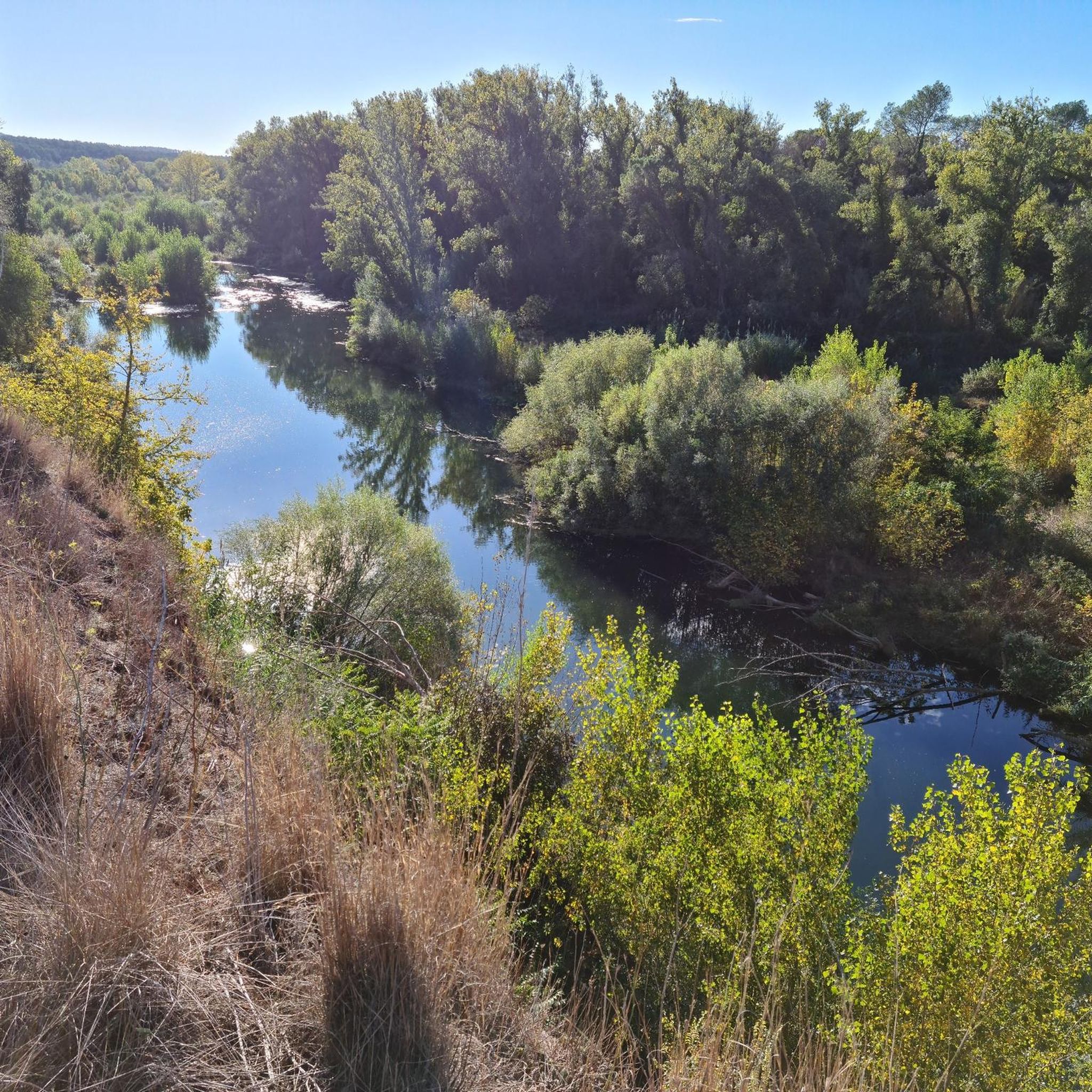
Around the Font is one of the few protected plants in the natural area of the Lake. It is a small fern (Thelypteris palustris) that grows next to the pond in this area. To avoid damaging the fern, the space has been adapted so that people do not step on or access the edges of the Pond around the Fountain. It is recommended not to leave the marked areas. Iberian remains have also been found that would indicate human presence in this area between the 5th and 2nd centuries BC
0
1
Frequently Asked Questions
What are some of the most notable natural features to explore near Cabanelles?
Near Cabanelles, you can explore significant natural features such as Lake Banyoles, the largest natural lake in Catalonia known for its karstic origin and diverse ecosystems. Another prominent feature is Puig de Bassegoda, a summit offering 360-degree views. The Alta Garrotxa Natural Area also presents rugged limestone relief, deep valleys, and extensive forests.
Are there family-friendly natural monuments around Cabanelles?
Yes, Lake Banyoles is considered family-friendly, offering an 8-kilometer trail suitable for walking or cycling, designated swimming areas in summer, and boat tours. The Rector's Spring, located near the lake, is also a pleasant, accessible spot for families.
What kind of outdoor activities can I do near these natural monuments?
The region around Cabanelles offers a variety of outdoor activities. You can enjoy cycling around Lake Banyoles, explore numerous hiking trails in the Alta Garrotxa Natural Area, or go running on trails like the Santa Magdalena and Santuario de la Salut circular route near Sant Llorenç de la Muga. Water sports such as kayaking and paddleboarding are popular at Lake Banyoles.
Where can I go hiking near Cabanelles' natural monuments?
For hiking, the Alta Garrotxa Natural Area is a prime destination with numerous routes for all levels, including trails around the Muga River and up to Puig de Bassegoda. You can find detailed hiking routes in the Hiking around Cabanelles guide, such as the Gorges of Albanyà loop or the El Fluvio loop from Crespià.
Are there challenging climbs or summits for experienced hikers?
Yes, experienced hikers can tackle the ascent to Puig de Bassegoda, which is a challenging climb with significant elevation gain over a short distance, featuring staples and chains in its final section. Another challenging option is the Rocapastora Cliff, which involves a grade equipped with ropes leading to the Roman tower of Falgars.
What makes Lake Banyoles a significant natural monument?
Lake Banyoles is significant as the largest natural lake in Catalonia, formed by a unique karstic process. Its complex bathymetry and subterranean water sources create a distinct environment. It's also famous for hosting the rowing events of the 1992 Barcelona Olympic Games and is a classic cycling destination with a dedicated bike lane around its perimeter.
What can I expect when visiting the Alta Garrotxa Natural Area?
Visiting the Alta Garrotxa Natural Area means immersing yourself in a rugged landscape of deep valleys, dramatic cliffs, and extensive holm oak and oak forests. You'll find numerous karst features like sinkholes and caves. It's a paradise for hikers, offering opportunities to explore untouched landscapes, observe diverse wildlife, and discover ancient farmhouses and hermitages.
Are there any unique geological formations to see?
The region is rich in unique geological formations. Lake Banyoles itself is a karstic complex, and nearby Les Estunes features trees growing among travertine rock formations. The Alta Garrotxa Natural Area is characterized by its rugged limestone relief, including limestone pavements, sinkholes, and caves, shaped by millennia of geological processes.
Can I find places for wild swimming or water activities?
Yes, Lake Banyoles offers designated swimming areas during the summer months. Beyond swimming, you can enjoy various water sports such as kayaking and paddleboarding on the lake. The Muga River within the Alta Garrotxa Natural Area also has crystal-clear waters, offering opportunities to enjoy nature by the river.
What is the best time of year to visit the natural monuments around Cabanelles?
The best time to visit the natural monuments around Cabanelles generally depends on your preferred activities. Spring and autumn offer pleasant temperatures for hiking and cycling, with lush landscapes or vibrant fall colors. Summer is ideal for water activities at Lake Banyoles, though some natural springs like the Rector's Spring may dry up.
Are there any natural springs or unique water sources?
Yes, the Rector's Spring near Lake Banyoles is a notable natural monument. It's a simple fountain flowing from the ground through a rock, surrounded by an artificial pool. Its waters often have a slight iron aftertaste, making it one of the few ferrous springs in the area. However, it can dry up during summer or irrigation periods.
What do visitors particularly enjoy about the natural monuments in this area?
Visitors appreciate the diverse natural beauty and the opportunities for active recreation. Many enjoy cycling around Lake Banyoles and swimming in its waters. The panoramic 360-degree views from Puig de Bassegoda are also a highlight, as is the sense of isolation and dramatic scenery found within the Alta Garrotxa Natural Area.
Most popular routes around Cabanelles
Most popular attractions around Cabanelles

Get inspired with the komoot mobile app


Explore more
Extend your search for the best caves by checking out these guides of the top ones around Cabanelles:
