Top 8 Natural Monuments around Fuencaliente
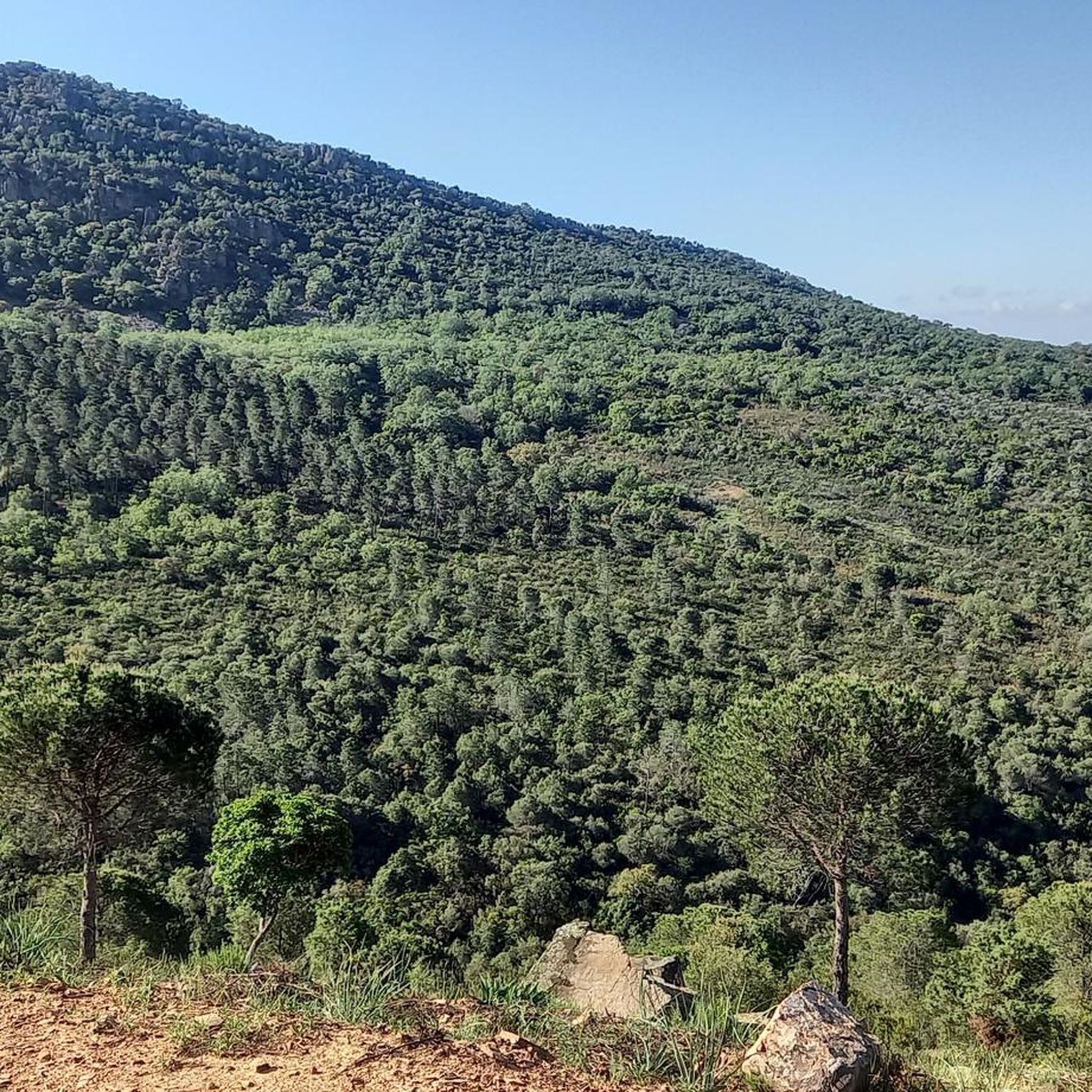
Best natural monuments around Fuencaliente are found within the Sierra Morena, specifically in the Valle de Alcudia and Sierra Madrona Natural Park. This region is characterized by its mountainous terrain and significant historical sites. The area features ancient cave paintings and unique natural formations. Fuencaliente also hosts a thermal water spring, adding to its natural appeal.
Best natural monuments around Fuencaliente
- The most popular natural monuments is Batanera Waterfall, a waterfall that features nearby shelters with cave paintings, all…
Last updated: May 3, 2026
Batanera Waterfall
Highlight • Waterfall
Translated by Google •
Tip by

La Batanera Rock Art Site
Highlight • Historical Site
Translated by Google •
Tip by
Sign up now to discover places like this
Get recommendations on the best single tracks, peaks, & plenty of other exciting outdoor places.
Sign up for free
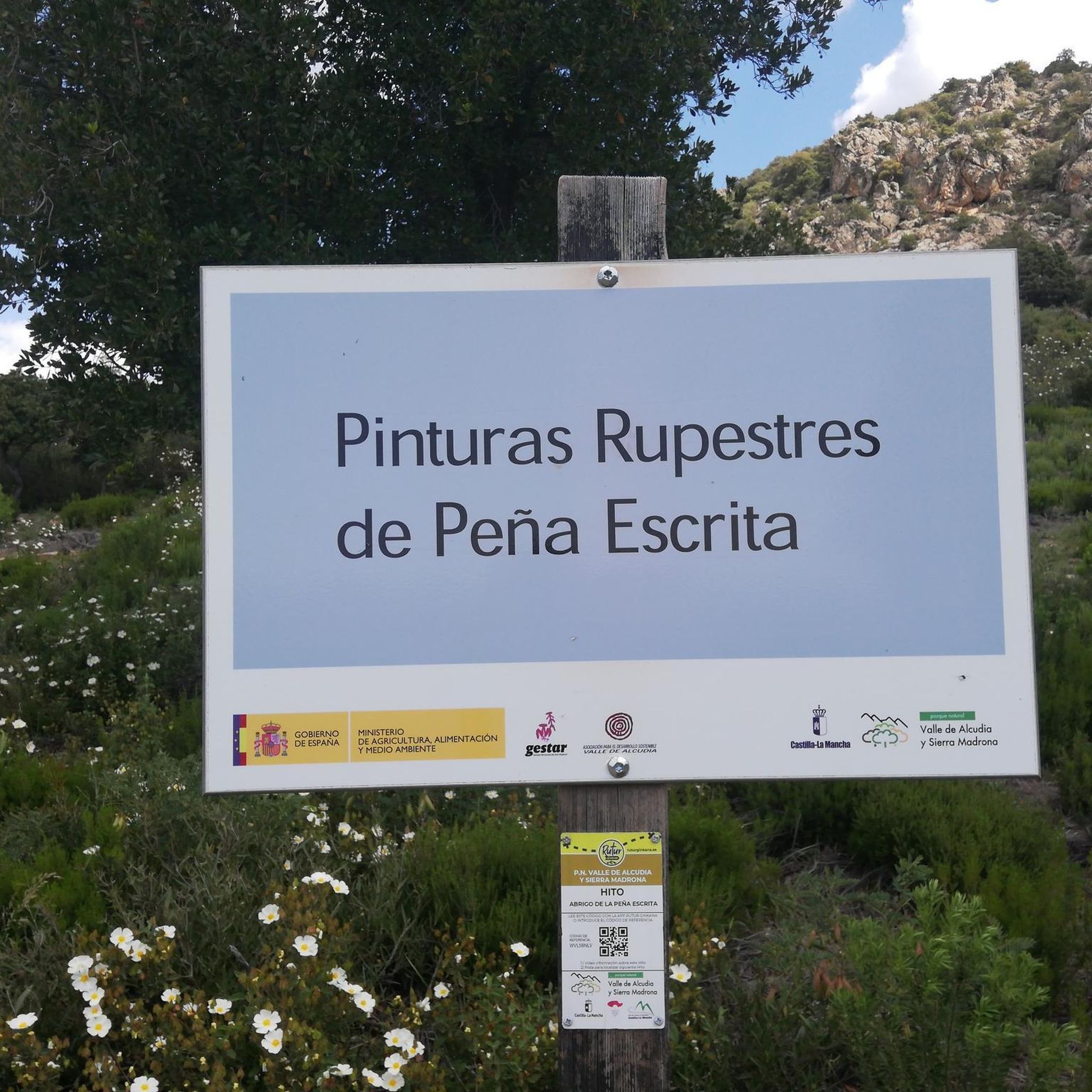
Peñaescrita Cave Paintings
Highlight • Historical Site
Translated by Google •
Tip by
Las Lastras
Highlight • Waterfall
Translated by Google •
Tip by
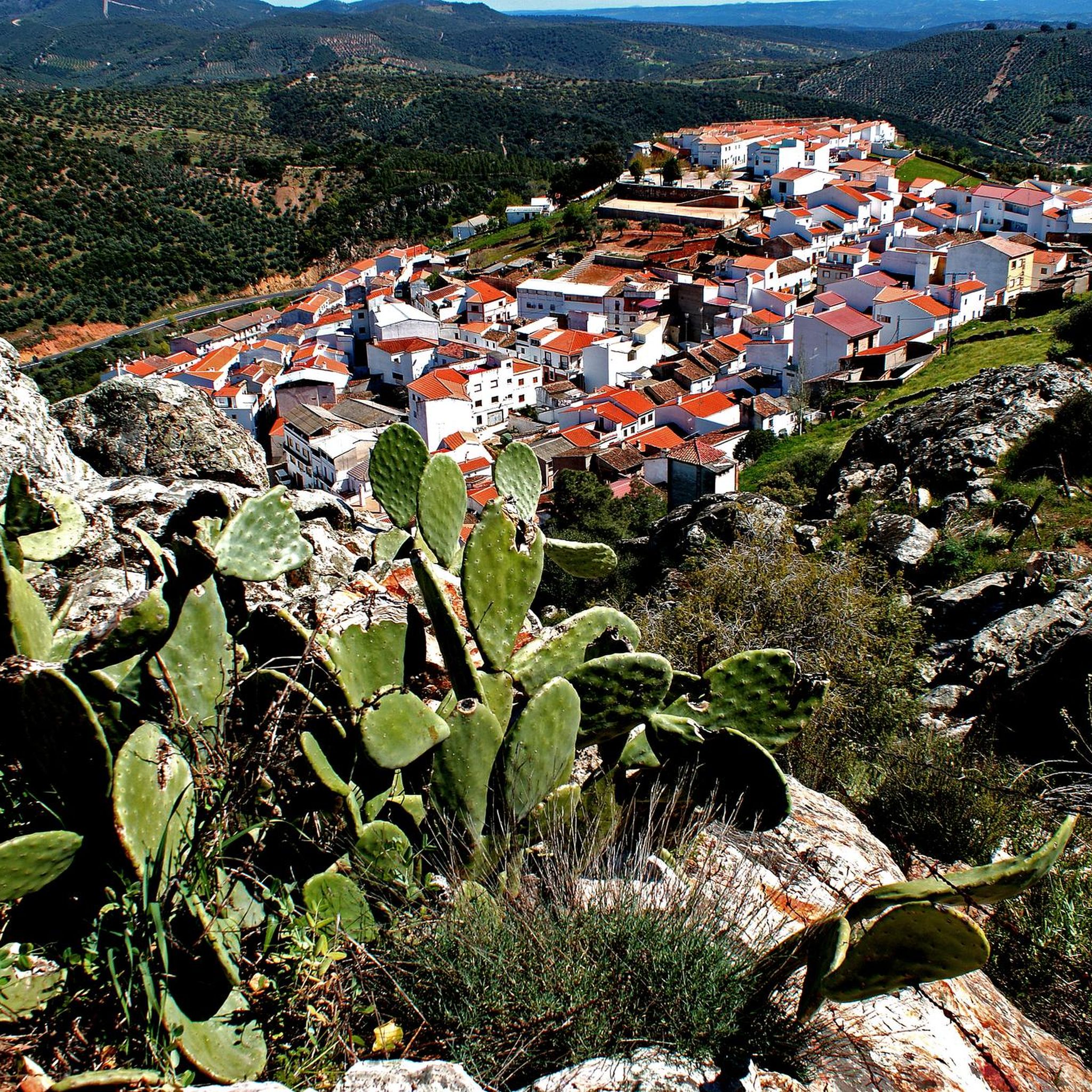
Fuencaliente
Highlight • Settlement
Translated by Google •
Tip by
Sign up for free to discover even more natural monuments around Fuencaliente.
Sign up for free
Already have an account?
Start today with a free account
Your next adventure awaits.
Login or Signup
Tips from the Community

The Batanera Waterfall and Shelter is located in the Alcudia Valley and Sierra Madrona Natural Park. Route 10.- LAS LASTRAS- LA BATANERA
16
0

Nucleus that is integrated in the Valle de Alcudia and is located in one of the most important mountain ranges in this area, the Sierra Madrona. It is a kernel that offers a large number of options for running.
0
1
The Sierra Madrona has this, spaces like the Cascada de la Batanera, a river that forms a waterfall full of life and charm, ideal for passing by and cooling off!
2
0
Area where stones appear in the background and where there are a group of rock paintings that show us how old these areas are, already inhabited since time immemorial.
0
1
Very close to the border with Andalusia, in Sierra Morena, and within the Valle de Alcudia and Sierra Madrona Natural Park, is the municipality of Fuencaliente. It is famous for housing the cave paintings of Peñaescrito and La Batanera, declared a National Monument. It also owes its name to the thermal water spring that rises under the church of the Virgen de Baños, and that in its day attracted many pilgrims called by the healing power of its waters. This spring was declared a public utility asset in 1869 and continues to be a source of vitality. If we add to all this its unique urban ensemble, we find ourselves before a town worthy of the most beautiful tourist postcard.
42
0
A well-known place in the vicinity of Fuencaliente, where in the same place, you can enjoy a beautiful waterfall and shelters with cave paintings, all surrounded by the mountains and nature that characterize the Sierra Madrona.
32
0
La Batanera Waterfall: Route 10 'Las Lastras-La Batanera' (Fuencaliente)
31
0
They are located in the municipality of Fuencaliente and are one of the largest and best preserved groups of schematic cave paintings on the Iberian Peninsula. They appear in quartzite rock shelters located south of Ciudad Real province, in the foothills of Sierra Morena, at 920 meters. of altitude.
30
0
Frequently Asked Questions
What are the most popular natural monuments around Fuencaliente?
Among the most popular natural monuments in the area, visitors frequently highlight the Batanera Waterfall, known for its natural beauty and nearby cave paintings. Another highly regarded site is the La Batanera Rock Art Site, which features one of the largest and best-preserved groups of schematic cave paintings on the Iberian Peninsula.
Are there historical or cultural natural monuments to visit in Fuencaliente?
Yes, Fuencaliente is rich in historical and cultural natural monuments. The La Batanera Rock Art Site and Peñaescrita Cave Paintings are prime examples, showcasing ancient artworks with zigzag triangular signs and human figures. The municipality of Fuencaliente itself is famous for housing these cave paintings and a thermal water spring.
What kind of natural features can I expect to see around Fuencaliente?
The natural monuments around Fuencaliente are characterized by mountainous terrain within the Sierra Morena, specifically the Valle de Alcudia and Sierra Madrona Natural Park. You can expect to see beautiful waterfalls like the Batanera Waterfall and Las Lastras, alongside unique rock formations that house ancient cave paintings.
Are there family-friendly natural monuments or activities in Fuencaliente?
The municipality of Fuencaliente is considered family-friendly, offering a unique urban ensemble and the historical significance of its cave paintings. Exploring the waterfalls and rock art sites can be an engaging activity for families, combining nature with history.
What outdoor activities can I do near the natural monuments in Fuencaliente?
You can enjoy various outdoor activities near the natural monuments. For hiking, consider routes like the 'Las Lastras and La Batanera Trail' or the 'Sierra de Navalmanzano y Peñaescrita' circular route. Cycling enthusiasts can explore options such as the 'Fuencaliente and Conquista Loop'. For more details on these and other routes, visit the Hiking around Fuencaliente or Cycling around Fuencaliente guide pages.
Are there hiking trails near the natural monuments in Fuencaliente?
Yes, there are several hiking trails that allow you to explore the natural monuments. A popular moderate trail is the 'Las Lastras and La Batanera Trail' (10.4 km). For a more challenging experience, the 'Sierra de Navalmanzano y Peñaescrita — circular desde Fuencaliente' (24.1 km) is available. You can find more hiking options in the Hiking around Fuencaliente guide.
What do visitors enjoy most about the natural monuments in Fuencaliente?
Visitors particularly enjoy the combination of natural beauty and historical significance. The Batanera Waterfall is praised for its charm and as a refreshing spot, while the rock art sites like Peñaescrita Cave Paintings offer a glimpse into ancient human activity, making the area a unique blend of geological features and cultural heritage.
What is the difficulty level of hiking trails around Fuencaliente's natural monuments?
Hiking trails around Fuencaliente vary in difficulty. You can find moderate trails like the 'Las Lastras and La Batanera Trail' (10.4 km) which is suitable for many. There are also more difficult options, such as the 'Sierra de Navalmanzano y Peñaescrita — circular desde Fuencaliente' (24.1 km) or the 'Batanera Waterfall – La Batanera Rock Art Site loop' (18.2 km). Always check the specific route details before heading out.
Can I find information about the ancient cave paintings in Fuencaliente?
Absolutely. Fuencaliente is renowned for its ancient cave paintings. The La Batanera Rock Art Site is one of the most significant, featuring schematic paintings in quartzite rock shelters. The Peñaescrita Cave Paintings also display unique zigzag triangular signs and human figures, offering a fascinating insight into the region's prehistoric inhabitants.
Is there a thermal spring in Fuencaliente?
Yes, the municipality of Fuencaliente is named after a thermal water spring that rises under the church of the Virgen de Baños. This spring was historically known for its healing properties and attracted many pilgrims, being declared a public utility asset in 1869.
What is the Sierra Madrona and its significance to Fuencaliente's natural monuments?
The Sierra Madrona is a mountain range that forms part of the Valle de Alcudia and Sierra Madrona Natural Park, where many of Fuencaliente's natural monuments are located. It provides the scenic backdrop for sites like the Batanera Waterfall and shelters with cave paintings, defining the region's mountainous and natural character.
Most popular attractions around Fuencaliente

Get inspired with the komoot mobile app


Explore more
Extend your search for the best caves by checking out these guides of the top ones around Fuencaliente:
