Top 12 Mountain Passes around Quatretonda
Mountain passes around Quatretonda are found within the rugged Serra de Quatretonda, a Municipal Natural Area characterized by an abrupt orography of hills, cliffs, and ravines. This region features diverse karstic formations, including caves and sinkholes, contributing to its unique geological landscape. The area offers numerous hiking opportunities through challenging terrain, providing access to its ecological and recreational value. The highest point, Alt de l'Hedra, reaches 672 meters.
Best mountain passes around Quatretonda
- The most popular mountain passes is La…
Last updated: May 20, 2026
Port de la Drova
Highlight (Segment) • Mountain Pass
Translated by Google •
Tip by

View of Alt de Benicadell
Highlight • Summit
Translated by Google •
Tip by

Sign up now to discover places like this
Get recommendations on the best single tracks, peaks, & plenty of other exciting outdoor places.
Sign up for free
First Hairpin Turns Descending Barx Pass
Highlight • Mountain Pass
The Barx Pass, from Simat, is a gem for any cycling enthusiast. A climb that perfectly combines effort with the beauty of the …
Translated by Google •
Tip by

La Drova Pass + cattle track towards Barx
Highlight (Segment) • Mountain Pass
Translated by Google •
Tip by

La Visteta Viewpoint
Highlight • Viewpoint
Translated by Google •
Tip by

Sign up for free to discover even more mountain passes around Quatretonda.
Sign up for free
Already have an account?
Start today with a free account
Your next adventure awaits.
Login or Signup
Tips from the Community


The "Col de Rates de la Safor" The Barx Pass, from Simat, is a gem for any cycling enthusiast. A climb that perfectly combines effort with the beauty of the surroundings. Each curve offers a new perspective of the Valldigna Valley, while the monastery remains behind as a silent witness to the ascent. Frequently used by local cyclists, it's an ideal stretch to enjoy at a leisurely pace, feeling each pedal stroke amidst nature and heritage. With several well-defined hairpin bends and a steady but manageable gradient, it's perfect for enjoying the effort without suffering too much. Pass details: 6.3 km | 301 m elevation gain | average gradient of 4.8% | ramps of up to 9.8%.
0
0

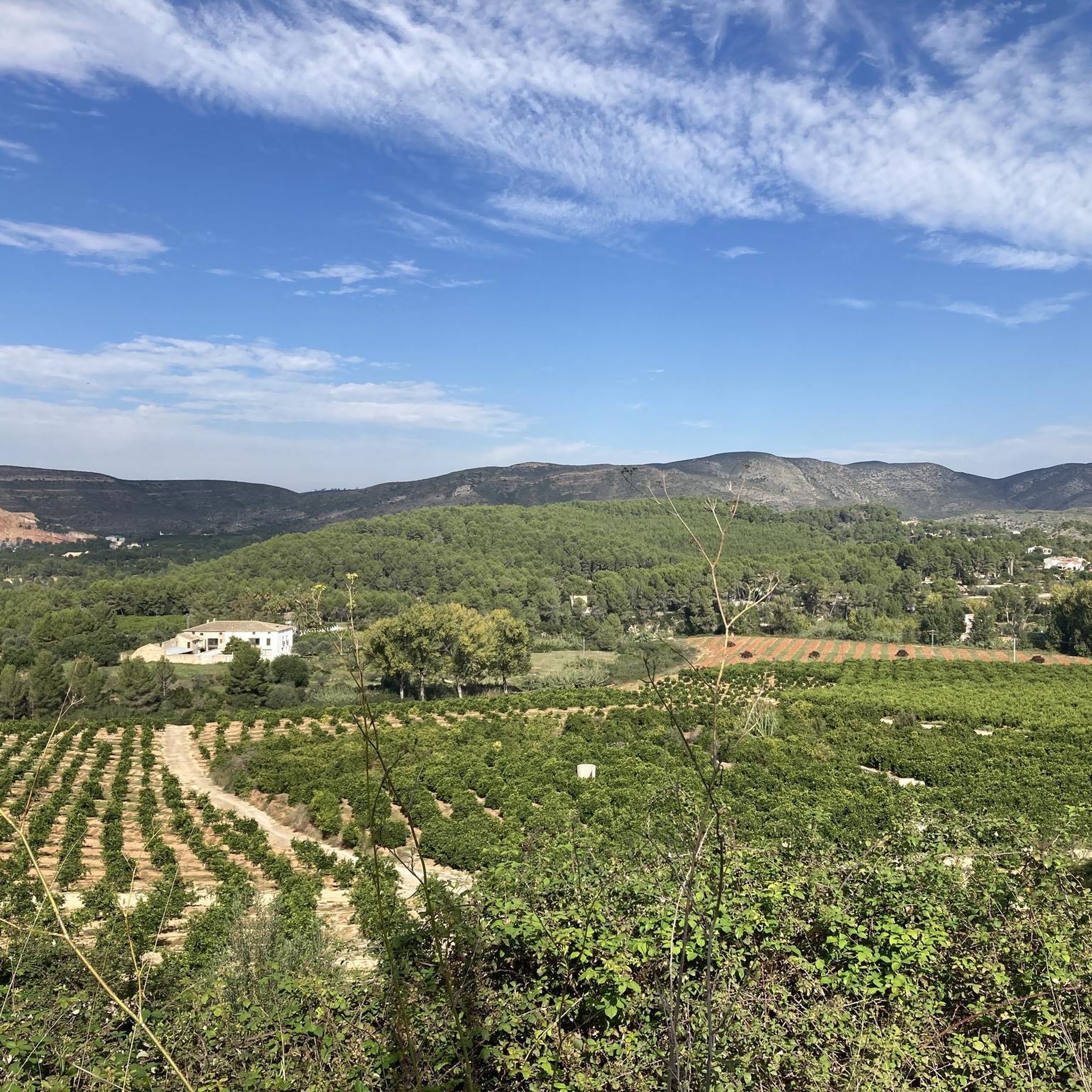
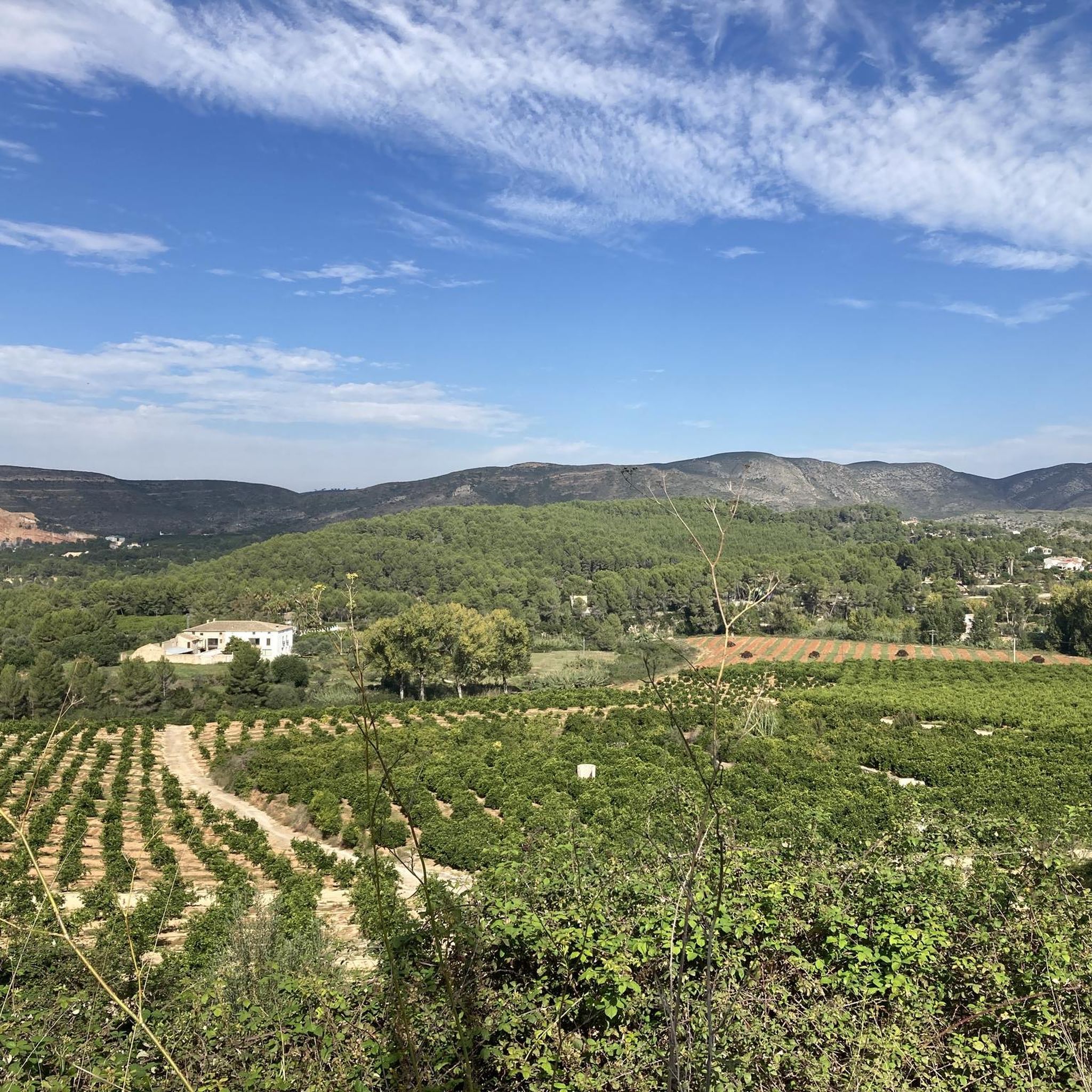
There are several points along this route from which you can admire the impressive silhouette of the Benicadell massif. The Alt de Benicadell, with a height of 1,105 metres, is a prominent peak in the Sierra de Benicadell, which forms a natural border between the provinces of Valencia and Alicante. The region around the Benicadell offers numerous opportunities for cycling tours that lead through varied landscapes with impressive views.
5
0

Very good view of Valldigna and a well-deserved rest after climbing the port of Simat-Barx.
2
0

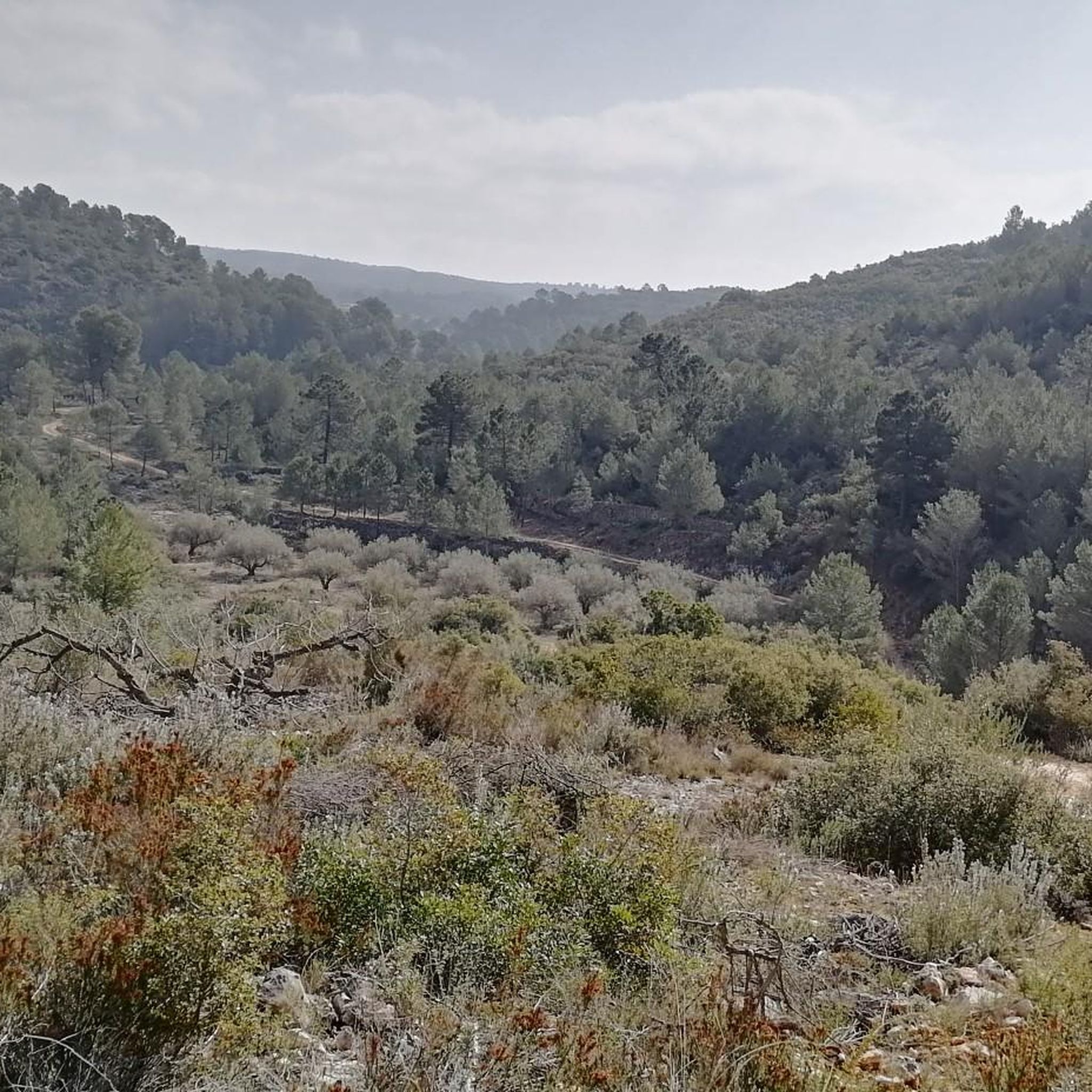
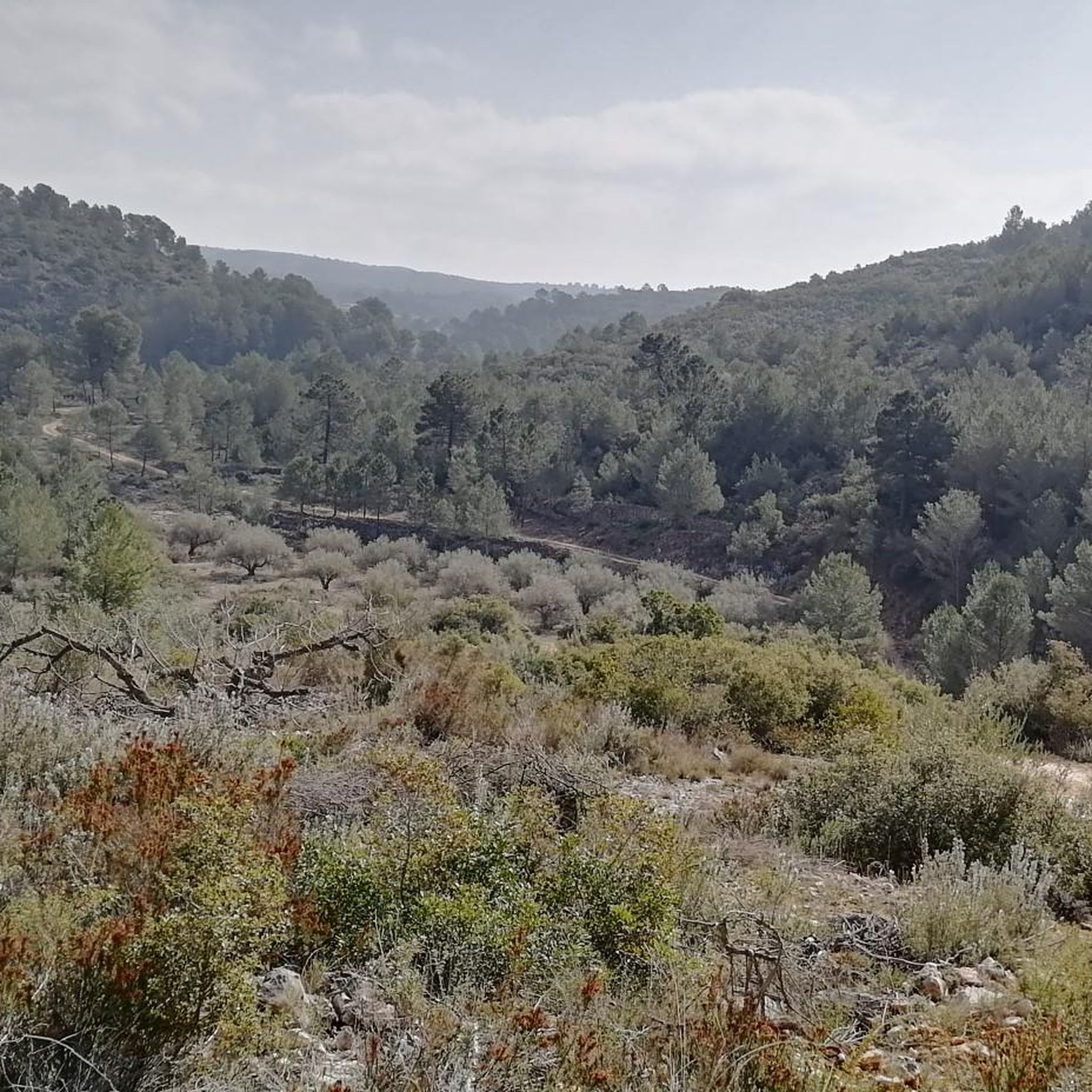
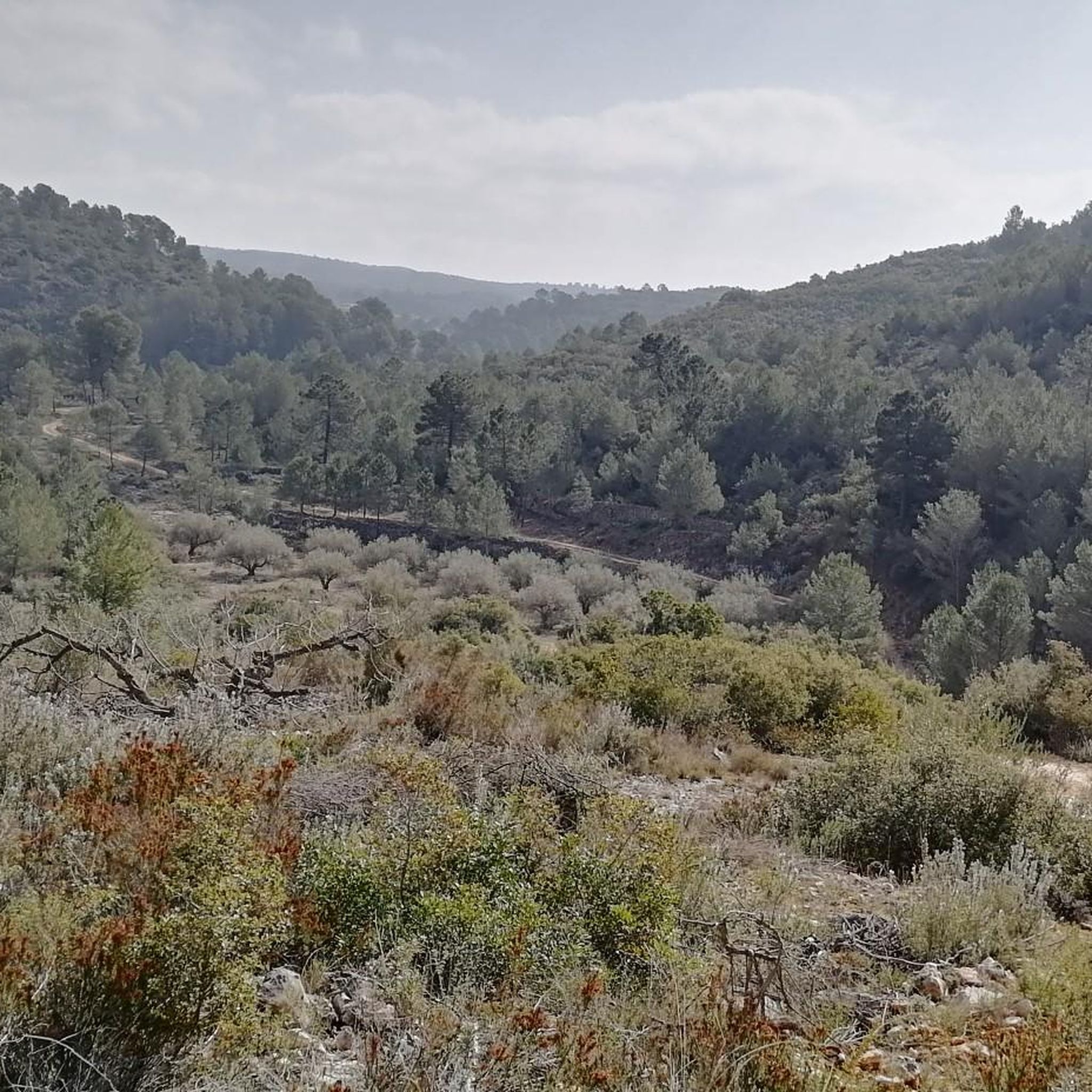
Puerto de la Drova, or Collado del Mollons, is a climb in the Costa del Azahar region. It has a length of 9.8 kilometers and a climb of 359 vertical meters with a slope of 3.7% on average, which implies a difficulty level of 201. The top of the climb is located at 382 meters above sea level. At the top, you can access the Parpalló Borrell Environmental Interpretation Center, a space to disseminate and help interpret the environmental aspects of the area where it is located.
2
0
This port is one of the classics of the area. It can be done uphill from Gandia, so the journey is 10km that starts with a very gentle slope and gets steeper at the end with the true port (3.5km). Going downhill, you have to be careful because high speeds are achieved thanks to the good asphalt and the layout of the curves. And I say that you need to be careful not only for physical integrity, but also because the civil guard charges cyclists with excessive speed.
1
0

Mythical ascent for the people of Gandia
1
0
The Benicadell accompanies the cyclist during the ascent and descent of the mountain pass between Castelló de Rugat and Beniarrés.
2
0
Frequently Asked Questions
What kind of terrain can I expect when exploring the mountain passes around Quatretonda?
The Serra de Quatretonda, where these mountain passes are located, features an abrupt orography with hills, cliffs, and ravines. You'll encounter diverse karstic formations like caves, sinkholes, and dolines, contributing to a unique geological landscape. The highest point, Alt de l'Hedra, reaches 672 meters, offering challenging and varied terrain for exploration.
Are there specific viewpoints offering panoramic views in the Quatretonda mountain passes area?
Yes, there are several excellent viewpoints. La Visteta Viewpoint offers beautiful panoramic views towards Simat de la Valldigna and Tavernes beach. You can access it by climbing from Simat towards the Barx pass or from Monte Pino towards the La Drova pass. Another highlight, View of Alt de Benicadell, provides impressive vistas of the 1,105-meter Alt de Benicadell massif, especially when driving or cycling the mountain road from Salem via Beniarrés to Gaianes.
What historical or cultural features can be found along the trails in the Serra de Quatretonda?
As you explore the trails, you can discover ancient dry stone constructions, such as 'capelletes' (shelters for farmers) and 'sospedrades' (walls dividing farmland). These structures are protected by UNESCO and offer a fascinating glimpse into the region's agricultural history and traditional building methods, adding a cultural dimension to your outdoor experience.
What outdoor activities are popular near the mountain passes of Quatretonda?
The region around Quatretonda is excellent for various outdoor activities. Road cycling is very popular, with routes like the challenging Puerto de l'Orxa - Alpatro – Port de Salem and Beniarrés loop. Mountain biking enthusiasts can explore trails such as the La Bastida Refuge – Viewpoint loop. For runners, there are numerous options, including the Cavern of Quatretonda loop. You can find more details on these and other routes in the Road Cycling Routes around Quatretonda, MTB Trails around Quatretonda, and Running Trails around Quatretonda guides.
Are there any mountain passes particularly suitable for cycling enthusiasts?
Absolutely. First Hairpin Turns Descending Barx Pass is a gem for cyclists, known for its well-defined hairpin bends and steady gradient, offering new perspectives of the Valldigna Valley. Another classic is Port de la Drova, which can be climbed from Gandia, featuring a gentle slope that gets steeper towards the end. Cyclists should be careful on the descent due to high speeds achievable on its good asphalt.
What kind of natural diversity can I observe in the Serra de Quatretonda?
The Serra de Quatretonda is recognized for its rich biodiversity, making it an attractive destination for nature lovers. Beyond the varied flora, the abrupt terrain and karstic formations create diverse habitats. While specific wildlife sightings aren't guaranteed, the area's ecological value is high, offering opportunities for ecological observation amidst its unique geological features.
Can I find trails that combine road cycling with off-road sections near Quatretonda?
Yes, some routes offer a mix. For instance, from La Drova Pass + cattle track towards Barx, about 2 km into the ascent, you can take a detour from the main road into the forest. This path leads to the recreational area of Paratge Parpallo Borrell and continues along a cattle track (via pecuaria) to the town of Barx, suitable for mountain biking or hybrid bikes.
What is the best time of year to visit the mountain passes around Quatretonda?
While specific seasonal recommendations are not detailed, the region's Mediterranean climate generally makes spring and autumn ideal for outdoor activities. Temperatures are milder, and the natural landscape is vibrant. Summers can be hot, making early morning or late afternoon activities preferable, while winters are generally mild but can have cooler, wetter periods.
Are there any recreational areas or facilities near the mountain passes?
Yes, near the Port de la Drova, you can access the Parpalló Borrell Environmental Interpretation Center at the top of the climb. This center serves as a space to disseminate and help interpret the environmental aspects of the area, providing valuable insights into the natural surroundings.
What are the typical elevation gains and distances for trails in the Quatretonda mountain passes area?
The terrain in Serra de Quatretonda is challenging. For example, the Barx Pass from Simat involves a 6.3 km climb with 301 meters of elevation gain and an average gradient of 4.8%, with ramps up to 9.8%. The Port de la Drova has a length of 9.8 kilometers and a climb of 359 vertical meters with an average slope of 3.7%. These figures indicate that many routes offer significant climbs and rewarding descents.
Are there any long-distance or multi-day hiking opportunities in the Serra de Quatretonda?
The Serra de Quatretonda features several marked hiking trails, including the PR-CV-60 and PR-CV-172, as well as local itineraries like the Barranc del Cossis. While specific multi-day routes are not detailed, the extensive network of trails and the challenging terrain offer ample opportunities for longer, immersive hikes, allowing you to explore the diverse landscapes and geological formations over several hours or potentially link sections for extended adventures.
Most popular routes around Quatretonda
Most popular attractions around Quatretonda

Get inspired with the komoot mobile app


Explore more
See even more epic mountain passes by checking out these guides around Quatretonda:
